

The history of Rome may be drawn into two parts, the Republic and the Imperium. Since 509BC and the overthrow of the Monarchy, the Republic operated based on separation of powers, checks and balances, and a strong aversion to the concentration of power. Except in times of national emergency, no single individual could wield absolute power over his fellow citizens.
A series of civil wars and other events changed that in the 1st century BC. The Republic was dead by the 30s BC, leaving Imperial Rome in its wake, best remembered for its long line of Emperors.
Gaius Julius Caesar was born into this chaos, a son of the prestigious Julian Clan. In 82BC, the 18-year-old Caesar survived the “proscriptions” of the Dictator Sulla, in which the names of as many as 4,700 “enemies of the state” were nailed to the wall of the Roman Forum. Any man thus proscribed was immediately stripped of citizenship and all its protections. Anyone killing a proscribed man was entitled to keep part of his estate, the rest going to the government. Rewards were paid for information leading to the death of anyone thus proscribed.

At the age of 25, Caesar was kidnapped and held for ransom by Cilician pirates, a group which may be described as the Isis of its time. Caesar laughed on learning that his ransom was set at only 20 talents of silver, and demanded they hold out for 50. He would yell at this band of killers for talking too loud while he was trying to sleep. He’d write poetry and read it to them, calling them “savages” if they were insufficiently appreciative of his work.
For 38 days, Caesar joined in their games and exercises. As if he were their leader, instead of their prisoner. Caesar promised these pirates that he would come back and crucify them all, and he said it with a smile.
The pirates thought it uproariously funny, but Caesar was as good as his word. The fifty talents were raised, and the captive was released. He made good on his promise, raising a force sufficient to enforce his will and bringing his former captors to Rome. There he had them all crucified, but not without a moment of kindness. Caesar style. He slit their throats, ending the ordeal of crucifixion by hours, if not days.
Caesar lost his hair at an early age, about which he was self-conscious. It’s probably why we see him depicted with the wreath on his head, but baldness didn’t seem to bother the women in his life. Caesar seems to have been quite the ladies’ man, having a son with none other than Queen Cleopatra of Egypt. One story has him being handed a note while speaking at the Senate. Caesar’s arch rival Cato (the younger) demanded to know the contents of the letter, loudly accusing him of complicity in the “Catiline Conspiracy” to overthrow the government. At last Caesar relented, reading out loud what turned out to be a love letter – a graphic one – written to him by Cato’s own half-sister Servilia Caepionis.
Caesar rose through the ranks, organizing a coalition of three to rule the Republic. It was the first such “Triumvirate”, combining the popular general Pompey “The Great”, Crassus, the wealthiest man in all of Rome, and the rising young general and politician Julius Caesar.
 The partnership was doomed to fail, given the egos and animosities of the three. Crassus was killed in 52BC as Pompey became increasingly hostile to his co-ruler, who was then on campaign in Gaul. A string of military successes against Celtic and native Germanic tribes caused Caesar’s popularity to soar, posing a threat to the power of the Senate and to Pompey himself.
The Senate ordered him to resign his command and disband the army, or become an enemy of the state. Everyone knew what it meant when Caesar crossed the Rubicon River at the head of that army, in 49BC. It meant Civil War. To this day, to “Cross the Rubicon” means to take a step which cannot be reversed.
Caesar emerged victorious, declaring himself Dictator for Life, the first time such a title had ever been made permanent. Nothing was more repugnant to traditional Roman sensibilities, than the idea of a dictator for life. Caesar’s days were numbered.
According to Plutarch, Julius Caesar arrived at the Senate on March 15, 44BC. Tillius  Cimber presented him with a petition, as Senators crowded around. Cimber grabbed the Emperor’s shoulders and pulled down his tunic. “Ista quidem vis est!” said Caesar, “Why, this is violence!” Casca pulled a dagger and stabbed at the dictator’s neck. Caesar turned and caught him by the arm. “Casca, you villain, what are you doing?” Frightened, the Senator shouted “Help, brother!” in Greek “adelphe, boethei!” In seconds the entire group was striking at the dictator. Caesar attempted to get away but, blinded by his own blood, he tripped and fell. The men continued stabbing at him as he lay defenseless on the steps of the portico. According to Eutropius, 60 men participated in the assassination. Caesar was stabbed 23 times, though only one wound was fatal.
Here’s where the story becomes Really interesting. The last words “Et tu Brute” were put in the Dictator’s mouth by Shakespeare, 1,643 years after the fact. No eyewitness account of his assassination survives today, though a more contemporary source recorded the Greek words “Kai su, teknon?” as Brutus plunged the dagger in. “You too, my child?”
Marcus Junius Brutus (the younger) was the son of the same Servilia Caepionis, above. Brutus was 41 at the time of the assassination, Caesar 56. It is unlikely though not impossible, that Brutus killed his father that day. The affair between Brutus’ mother and Caesar, had carried on for years.


 As with cartoonist Charles M Shulz, those who knew Jacob Rubenstein called him “Sparky”. Some say the nickname was due to a resemblance to “Sparkplug”, the old nag with the patchwork blanket, from the Snuffy Smith cartoon strip. Rubenstein hated the nickname and was quick to fight anyone who called him that. It may have been that quick temper, that made the name stick.
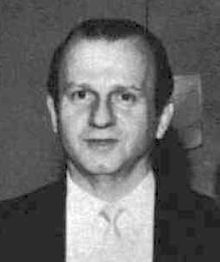 prostitution. There were rumored associations with Mafia boss Santo Trafficante. The less-than-honest part of the Dallas police force knew that Ruby was always good for free booze, prostitutes, and other favors. This was one unsavory guy.
 Part of the roof had either blown off this joint, or burned off, depending on which version you read. Jack, the owner, tore off the rest of it and kept the insurance money, calling it the “Skyline Lounge”. There was no need to pay for security, even without the roof. Jack said “Boys, this building ain’t exactly secure enough for you to leave your musical equipment unattended.” Band members were told they’d best stay overnight, with guns, lest anyone come over the wall to steal their equipment. Problem solved.
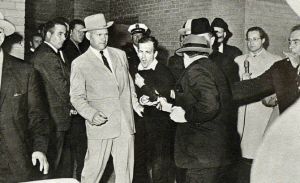 Half the country watched on live TV, as a man came out of the crowd, firing a single bullet from his .38 into the belly of Lee Harvey Oswald. Four musicians were shocked to realize the shooter was the man they had worked for months earlier, at that burned out dive bar. Jack Ruby.
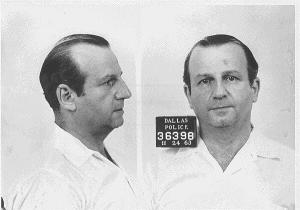 Jack Ruby was sentenced to death in the murder of Lee Harvey Oswald, on March 14, 1964. The Texas Court of Criminal Appeals overturned Ruby’s conviction in October 1966, on the grounds that the trial should have taken place in a different county than that in which his high profile crime had taken place. Ruby died of lung cancer the following January, while awaiting retrial.
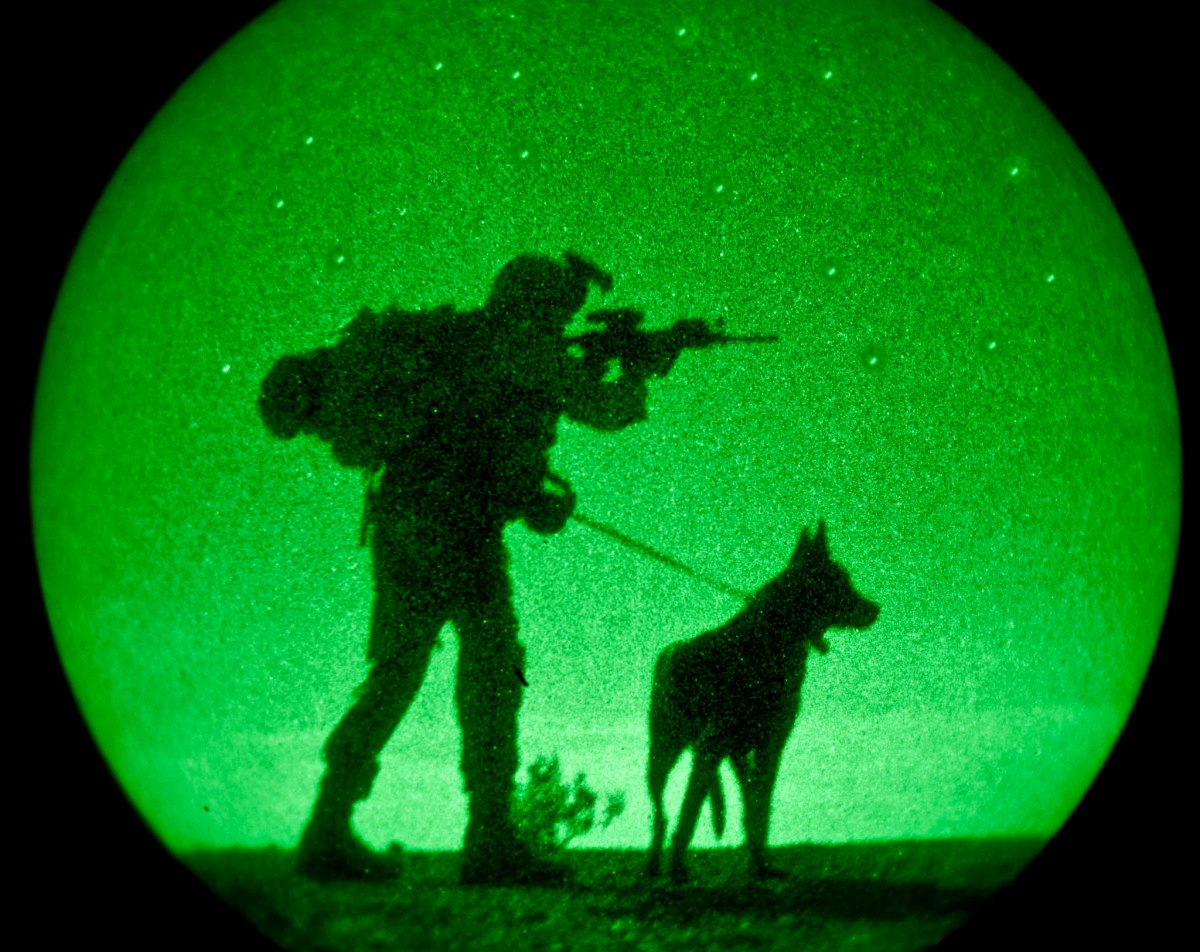
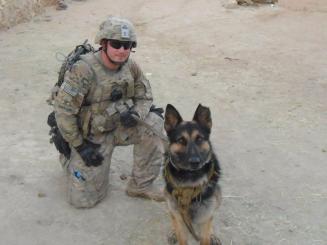
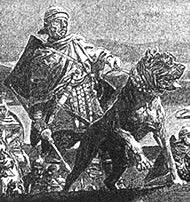 dogs of King Alyattes of Lydia killed some of his Cimmerian adversaries and routed the rest around 600BC, permanently driving the invader from Asia Minor in the earliest known use of war dogs in battle.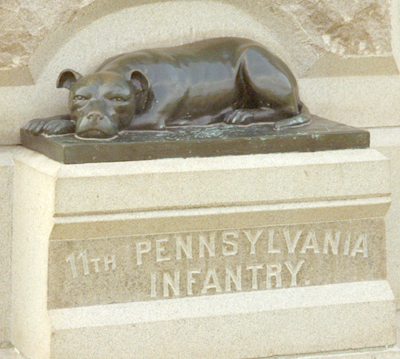

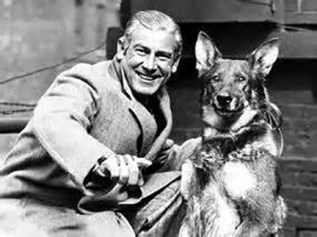
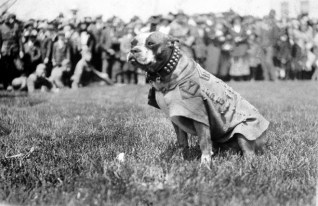
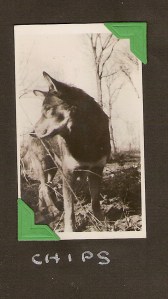 The most famous MWD of WWII was “Chips”, a German Shepherd assigned to the 3rd Infantry Division in Italy. Trained as a sentry dog, Chips broke away from his handler and attacked an enemy machine gun nest. Wounded in the process, his singed fur demonstrated the point-blank fire with which the enemy fought back. To no avail. Chips single-handedly forced the surrender of the entire gun crew.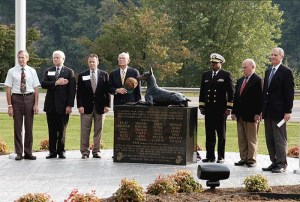


 The most famous rivalry in the soft drink business began in the 1930s, when Pepsi offered a 12oz bottle for the same 5¢ as Coca Cola’s six ounces.
 “no sacred cows” among their products. He meant it. The company launched the top secret “Project Kansas”, to test and perfect the flavor for a new version of Coke. The company’s marketing department fanned out, holding taste tests, surveys, and focus groups.
 On an April Friday in 1985, Coke let the media know that a major announcement was coming the following Tuesday. Coca Cola officials spent a busy weekend preparing for the re-launch, while Pepsi Executives announced a company-wide holiday, taking out a full page New York Times ad proclaiming that “Pepsi had Won the Cola Wars”.


 On the morning of March 11, 1918, most of the recruits at Fort Riley, Kansas, were turning out for breakfast. Private Albert Gitchell reported to the hospital, complaining of cold-like symptoms of sore throat, fever and headache. By noon, more than 100 more had reported sick with similar symptoms.
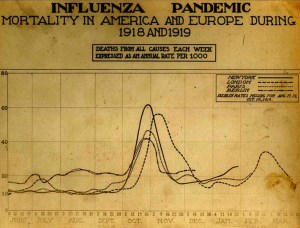 within hours of the first symptoms. There’s a story about four young, healthy women playing bridge well into the night. By morning, three were dead of influenza.
 Around the planet, the Spanish flu infected 500 million people. A third of the population of the entire world, at that time. Estimates run as high 50 to 100 million killed. For purposes of comparison, the “Black Death” of 1347-51 killed 20 million Europeans.
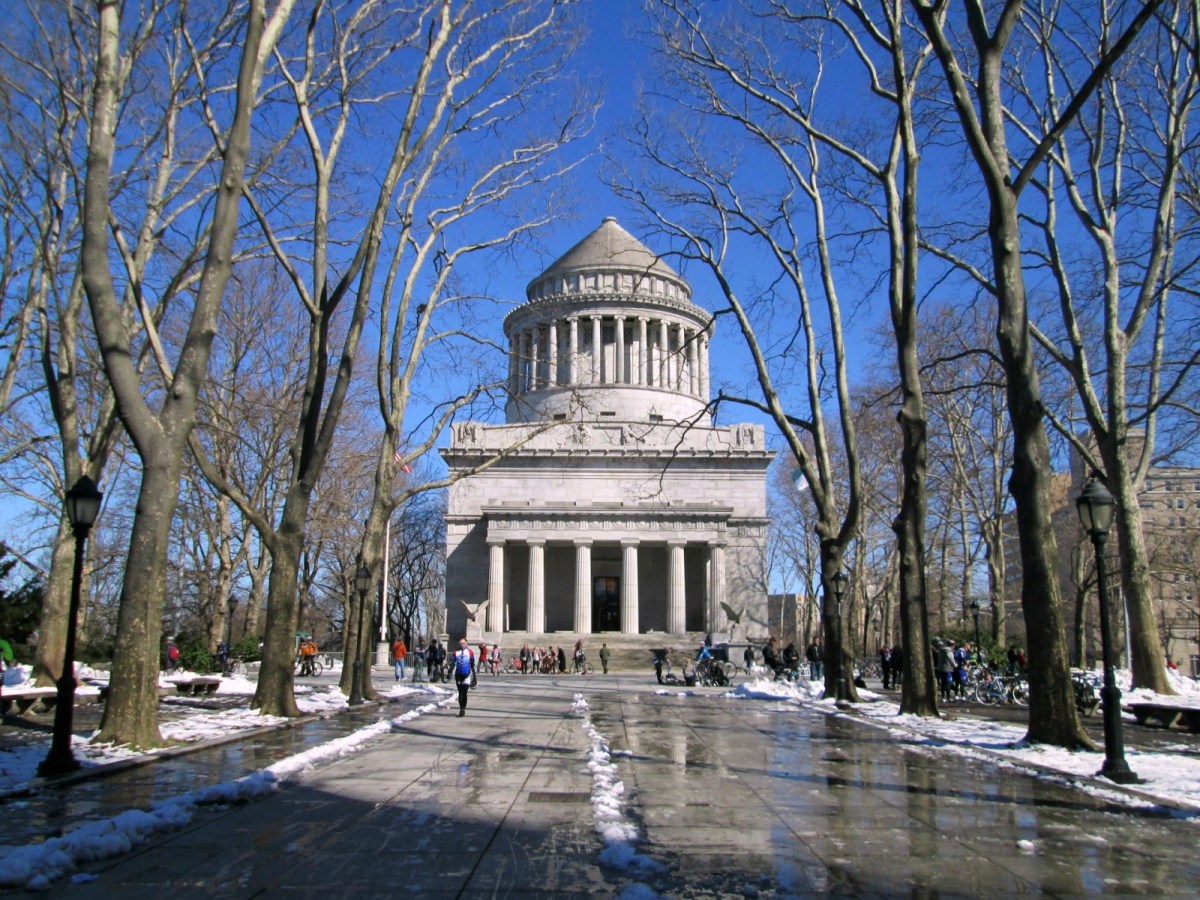
 The 1862 Civil War Battle of Fort Donelson secured the name, when then-Brigadier General Ulysses S. Grant received a request for terms from the fort’s commanding officer, Confederate Brigadier General Simon Bolivar Buckner. Grant’s reply was that “no terms except an unconditional and immediate surrender can be accepted. I propose to move immediately, upon your works.” The legend of “Unconditional Surrender” Grant, was born.
 later, going on to serve two terms after becoming, at that time, the youngest man ever so elected.
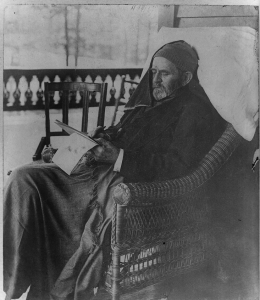 In June 1885, as the cancer spread through his body, the family moved to Mount MacGregor, New York, to make him more comfortable. Propped up on chairs and too weak to walk, Grant worked to finish the book as friends, admirers and even former Confederate adversaries, made their way to Mount MacGregor to pay their respects.

 The Alaska Territory was particularly vulnerable. The Aleutian Island chain was only 750 miles from the nearest Japanese base, and there were only 12 medium bombers, 20 pursuit planes, and fewer than 22,000 troops in the entire territory. An area four times the size of Texas.
 equipment to Dawson Creek, the last stop on the Northern Alberta Railway. At the other end, 10,670 American troops arrived in Alaska that spring, to begin what their officers called “the biggest and hardest job since the Panama Canal.”
 A route through the Rockies hadn’t even been identified yet.
 On October 25, Refines Sims Jr. of Philadelphia, with the all-black 97th Engineers was driving a bulldozer 20 miles east of the Alaska-Yukon line, when the trees in front of him toppled to the ground. He slammed his machine into reverse as a second bulldozer came into view, driven by Kennedy Texas Private Alfred Jalufka. North had met south, and the two men jumped off their machines, grinning. Their triumphant handshake was photographed by a fellow soldier and published in newspapers across the country, becoming an unintended first step toward desegregating the US military.


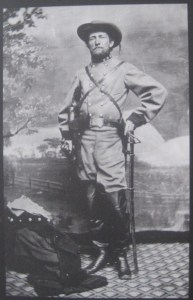 Mosby participated in the 1st Battle of Manassas (1st Bull Run) as a member of the Virginia Volunteers Mounted Rifles, later joining James Ewell Brown “Jeb” Stuart as a Cavalry Scout. A natural horseman and gifted tactician, information gathered by Mosby aided Stuart in his humiliating ride around McLellan’s Army of the Potomac in June, 1862.
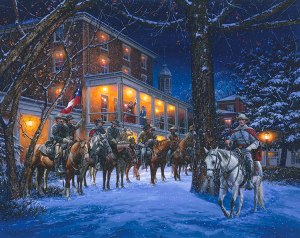 Courthouse, Virginia. Union Brigadier General Edwin H. Stoughton was sleeping in his headquarters there, some sources say he was “sleeping it off”. The Gray Ghost entered the Union General’s headquarters in the small hours of March 9, his rangers quickly overpowering a handful of sleepy guards.





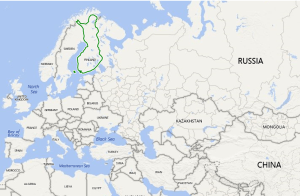 With Sweden to the west and Russia to the east, the region has been a zone of conflict since the early 12th century, finally gaining independence as the result of the first World War and collapse of the Russian Empire.
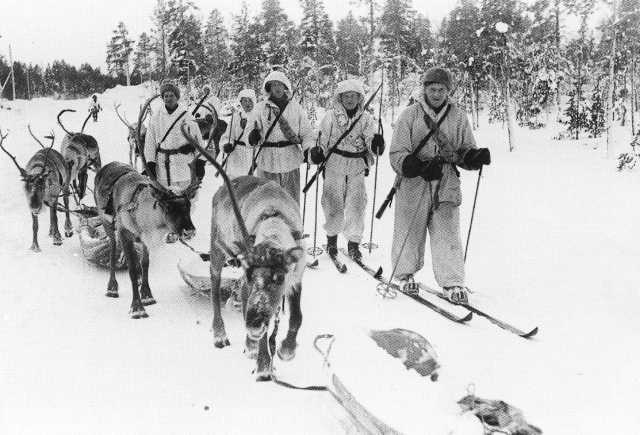
 The Battle of Kollaa took place in temperatures ranging from −4° to −40°, Fahrenheit. In February, the temperature averages only 18.5°. Dressed in white camouflage, Häyhä would surround himself with hard-packed snow, his mouth filled with snow so no one would see his breath.
 take several years to recover from his wound, but Häyhä went on to become a successful dog breeder and moose hunter, once hunting with Finnish President Urho Kekkonen.


You must be logged in to post a comment.