

The Argonne Forest is a long strip of wild woodland and stony mountainside in northeastern France, a hunting preserve since the earliest days of the Bourbon Kings. For most of WWI, the Argonne remained behind German lines. On October 2, 1918, nine companies of the US 77th “Metropolitan Division”, roughly 554 men, came to take part of it back.

Their objective was the Charlevaux ravine and a road & railroad on the other side, cutting off German communications in the sector.
As heavy fighting drew to a close on the first day, the men found a way up hill 198 and began to dig in for the night. Major Charles White Whittlesey, commanding, thought that things were too quiet that first night. Orders called for them to be supported by two American units on their right and a French force on their left.
That night, the voices drifting in from the darkness, were speaking German.
The 77th had come up against a heavily defended double trench line and, unknown at the time, allied forces to the left and right had been cut off and stalled. Now they were alone, and surrounded.
The fighting was near constant on the fourth, with no chance of getting a runner through. Whittlesey dispatched a message by carrier pigeon, “Many wounded. We cannot evacuate.”
The last thing that German forces wanted was for an enemy messenger to get through, and the bird went down in a hail of German bullets. Whittlesey grabbed another pigeon and wrote “Men are suffering. Can support be sent?”. That second bird would be shot down as well.

On day three, the “lost battalion” came under fire from its own artillery. Whittlesey grabbed his third and last carrier pigeon, “Cher Ami”, and frantically wrote out his message.
German gunfire exploded from the high ridges above them as this bird, too, fluttered to the ground. Soon she was up again, flying out of sight despite the hail of bullets. She arrived in her coop 65 minutes later, shot through the breast and blind in one eye. The message, hanging by a single tendon from a leg all but shot off, read: “WE ARE ALONG THE ROAD PARALELL 276.4. OUR ARTILLERY IS DROPPING A BARRAGE DIRECTLY ON US. FOR HEAVENS SAKE STOP IT“.
Drops of food and supplies were attempted from the air, but all ended up in German hands.

The lost battalion was isolated for 6 days. Food and ammunition were running out. Water was available from a nearby stream, but only at the cost of exposure to German fire. Bandages had to be removed from the dead in order to treat the wounded. Medicine was completely out and men were falling ill. All the while, they were fighting off German attacks from all sides.
When they were finally relieved on the 8th, only 194 were able to walk out on their own.
Edward Grant attended Dean Academy in his home town of Franklin, Massachusetts, before graduating from Harvard University. “Harvard” Eddie Grant became a Major League ballplayer, playing utility infielder for the Cleveland Indians as early as 1905. Grant would aggravate his fellow infielders, calling the ball with the grammatically correct “I have it”, instead of the customary “I got it”. Grant played for the Philadelphia Phillies and the Cincinnati Reds, before retiring from the New York Giants and opening a Law Office in Boston. He was one of the first men to enlist when the US entered WWI in 1917, becoming a Captain in the 77th Infantry Division, A.E.F.
Captain Grant was killed leading a search for the Lost Battalion on October 5, becoming the first major league baseball player to die in the Great War.

Eddie Grant was honored on Memorial Day, 1921, as representatives of the US Armed Forces and Major League Baseball joined his sisters to unveil a plaque in center field at the Polo Grounds. From that day until the park closed in 1957, a wreath was solemnly placed at the foot of that plaque after the first game of every double header. He is memorialized by the Edward L. Grant Highway in The Bronx, and by Grant Field at Dean College in Franklin, Massachusetts.
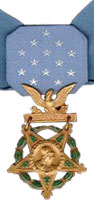 Major Whittlesey, Captain George McMurtry, and Captain Nelson Holderman, all received the Medal of Honor for their actions atop hill 198. Whittlesey was accorded the rare honor of being a pallbearer at the interment ceremony for the Unknown Soldier, but it seems his experience weighed heavily on him. Charles Whittlesey disappeared from a ship in 1921, in what is believed to have been a suicide.
James Leak described his experience with the Lost Battalion, at an Abilene Christian College gathering in 1938. “[T]he “Lost Battalion””, he said, is entirely a misnomer…it was not “Lost”. We knew exactly where we were”, he said, “and went to the exact position to which we had been ordered”.


 Once, the small dog was able to perform a task in minutes that otherwise would have taken an airstrip out of service for three days, and exposed an entire construction battalion to enemy fire. The air field at Lingayen Gulf, Luzon, was crucial to the Allied war effort, and the signal corps needed to run a telegraph wire across the field. A 70′ long, 8” pipe crossed underneath the air strip, half filled with dirt.
 Smoky toured all over the world after the war, appearing in over 42 television programs and entertaining thousands at veteran’s hospitals. In June 1945, Smoky toured the 120th General Hospital in Manila, visiting with wounded GIs from the Battle of Luzon. She’s considered to be the first therapy dog, and credited with expanding interest in what had hitherto been an obscure breed.
 Bill Wynne was 90 years old in 2012, when he was “flabbergasted” to be approached by Australian authorities. They explained that an Australian army nurse had purchased the dog from a Queen Street pet store, becoming separated in the jungles of New Guinea. 68 years later, the Australians had come to award his dog a medal.
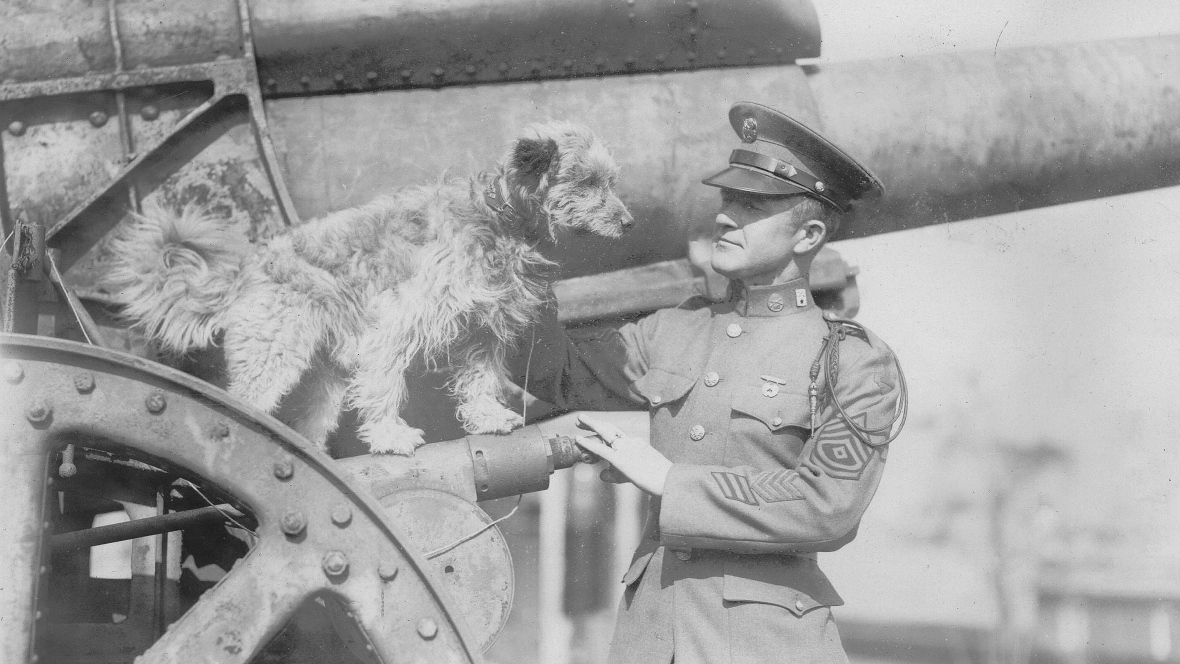
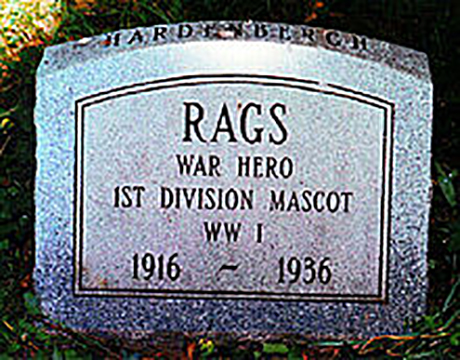
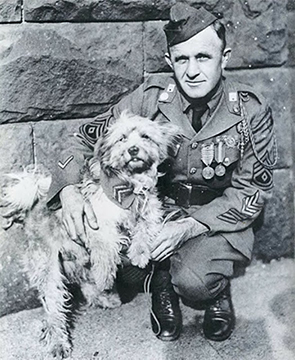 It was a small dog, possibly a Cairn Terrier mix. He looked like a pile of rags, and that’s what they called him. The dog had gotten Donovan out of a jam, now he would become the division mascot for real. Rags was now part of the US 1st Infantry Division, the Big Red One.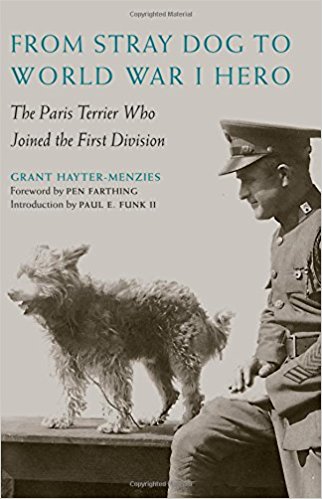


 TE, as Lawrence preferred to be called, was reading books and newspapers by the age of four. He first went to the Middle East as an archaeology student in 1909, walking 1,100 miles across Syria, Palestine, and parts of Turkey, surveying the castles of the Crusaders for his thesis. During this time he was shot at, robbed and severely beaten. Despite all of it, TE Lawrence developed an affinity for the Middle East and its people, which would last a lifetime.
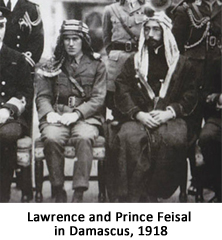 Dressing himself in the flowing Arab Thawb, Lawrence joined the forces of Ali’s son, Feisal.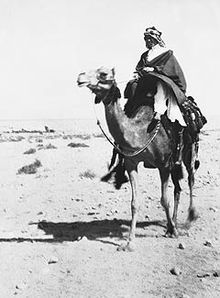
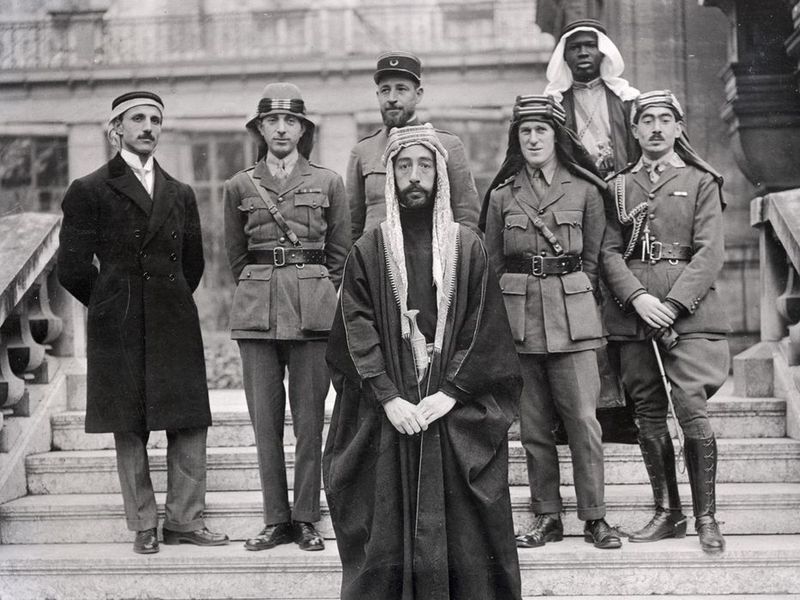
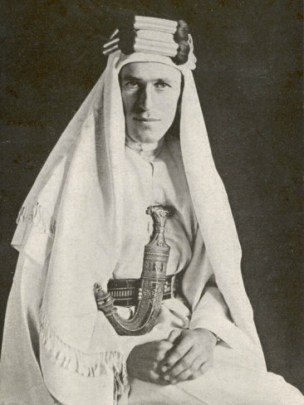
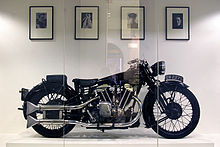
 To most of us, the desert is an inscrutable place, as is the mind, culture and history of the Middle East. Few westerners would ever get to know this part of the world like TE Lawrence.
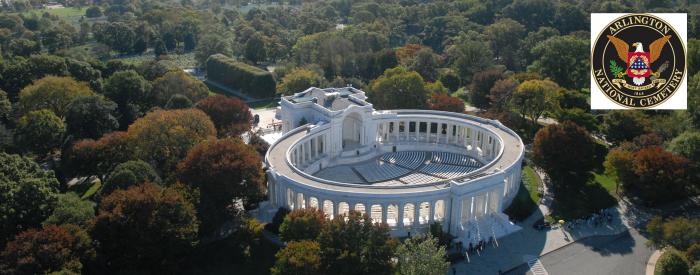
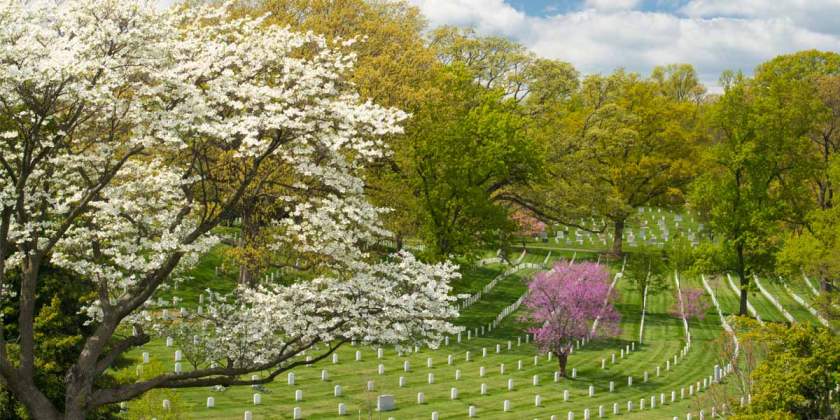
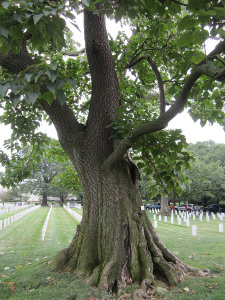

 Other tree ancestors include the Water Oak next to the Brown Chapel African Methodist Church in Selma, where Reverend Martin Luther King, Jr. delivered his “We Shall Overcome” speech, before setting out on the 50-mile march to Montgomery. The George Washington American Holly was grown from seeds gathered at Mount Vernon. Helen Keller climbed the 100-year-old Water Oak, as a child. The Overcup Oak descends from a tree which shaded the birthplace of the 16th President of the United States, Abraham Lincoln.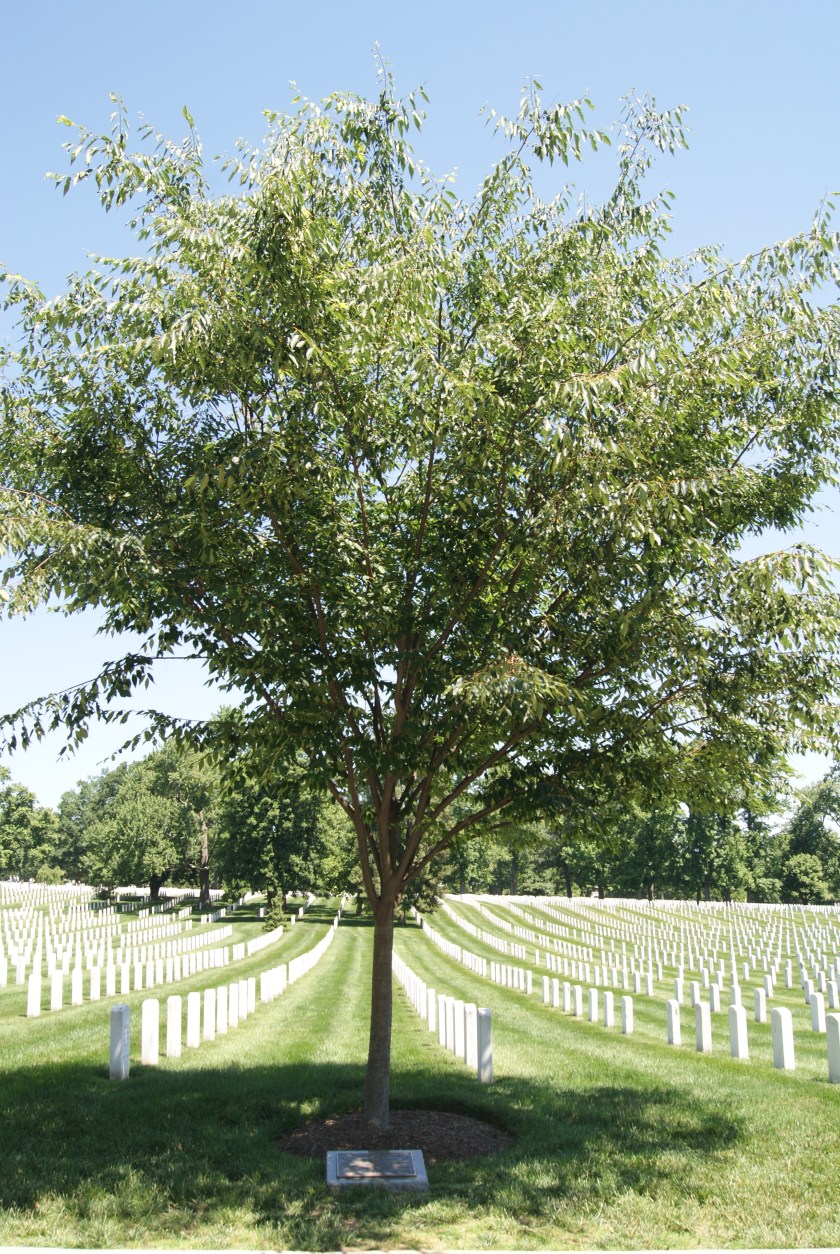





 Pitchers Eddie Cicotte and Claude “Lefty” Williams, along with outfielder Oscar “Hap” Felsch, and shortstop Charles “Swede” Risberg were all principally involved with fixing the series. Third baseman George “Buck” Weaver was at a meeting where the fix was discussed, but decided not to participate. Weaver handed in some of his best statistics of the year during the Series.
 Rumors were flying when the series started on October 2. So much money was on Cincinnati that the odds were flat. Gamblers complained that nothing was left on the table. Williams lost his three games in the best-out-of nine series, which I believe stands as a World Series record to this day. Cicotte became angry, thinking that gamblers were trying to renege, and he bore down, the White Sox winning game 7.
 Ironically, the 1919 scandal would lead to a White Sox crash in the 1921 season, beginning the “Curse of the Black Sox”. It was a World Series championship drought that lasted 88 years, ending only in 2005, with a sweep of the Houston Astros. Exactly one year after the Boston Red Sox ended their own 86-year drought, the “Curse of the Bambino”.




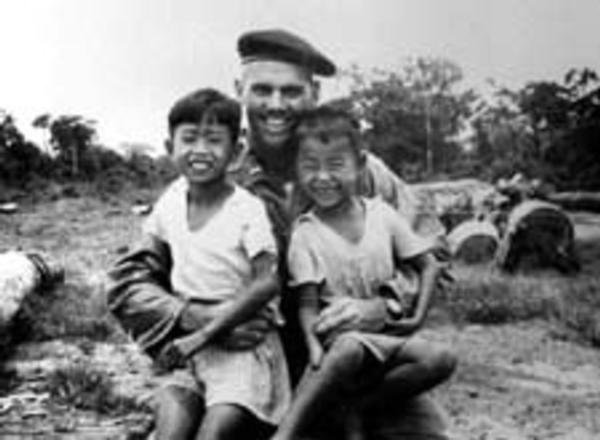

 In his spare time, this Green Beret, Army Ranger and Special Forces warrior would volunteer to work in the countless orphanages of South Vietnam.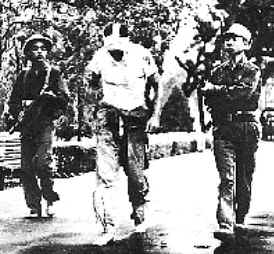
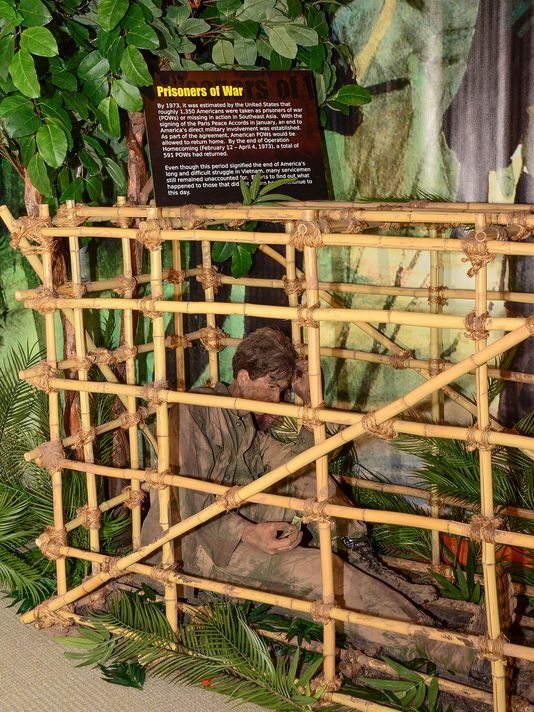
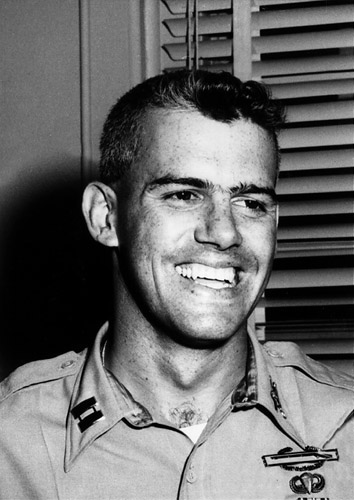 Rocky attempted to escape four times, despite leg wounds which left him no option but to crawl on his belly. Each such attempt earned him savage beatings, after which he’d only try harder.
 Rocky was murdered by his captors, his “execution” announced on North Vietnamese “Liberation Radio” on September 26, 1965. He was twenty-eight.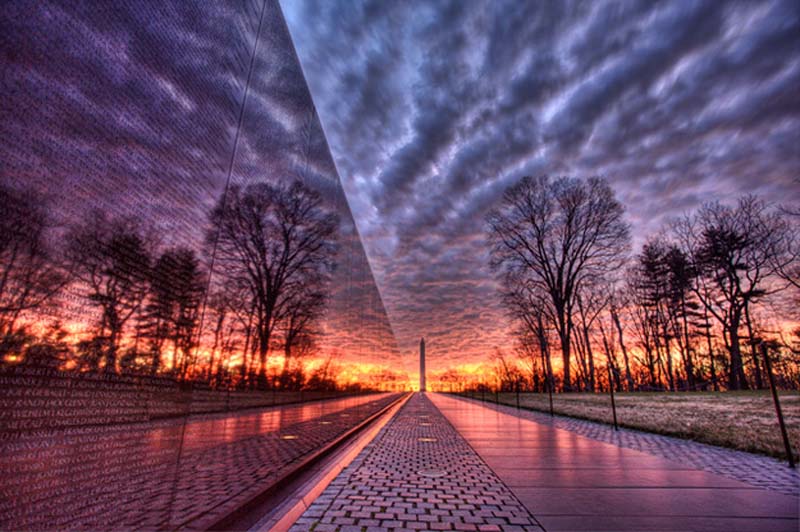


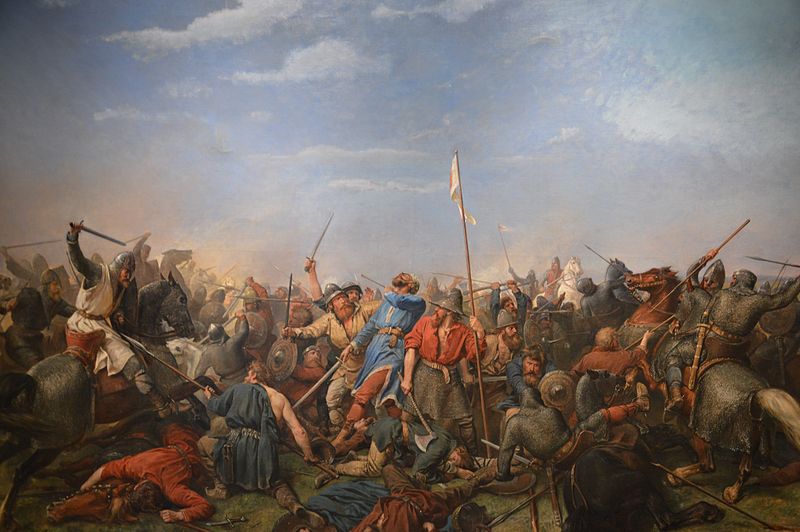
 Tostig sailed for England with King Harald and a mighty army of 10,000 Viking warriors, meeting the northern Earls Edwin and Morcar in battle at Fulford Gate, on September 20.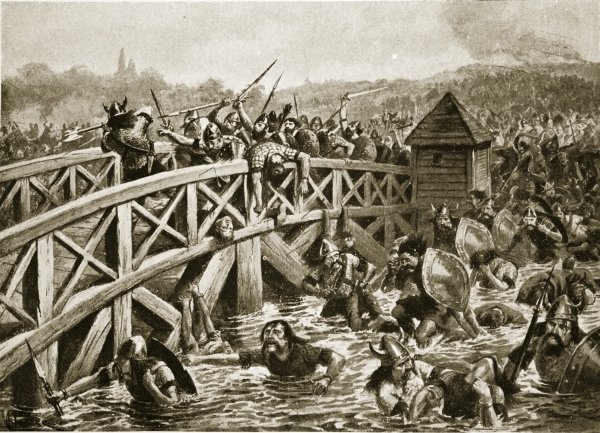

 Historical Easter Eggs - Today in History
You must be logged in to post a comment.