

On May 10, 1915, President Woodrow Wilson gave what came to be known as his “Too Proud to Fight Speech” in which he said: “The example of America must be the example not merely of peace because it will not fight, but of peace because peace is the healing and elevating influence of the world and strife is not. There is such a thing as a man being so right it does not need to convince others by force that it is right”.
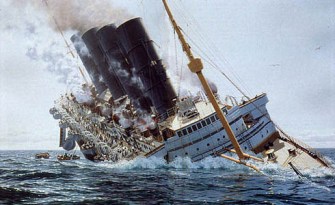 Though Wilson didn’t mention it directly, HMS Lusitania had been torpedoed only three days earlier with the loss of 1,198, 128 of whom were Americans.
No one doubted that the attack on the civilian liner was foremost on the President’s mind. Back in February, Imperial Germany had declared a naval blockade against Great Britain, warning that “On and after February 18th every enemy merchant vessel found in this region will be destroyed, without its always being possible to warn the crews or passengers of the dangers threatening“. “Neutral ships” the announcement continued, “will also incur danger in the war region“.
 The reaction to the Lusitania sinking was immediate and vehement, portraying the attack as the act of barbarians and huns and demanding a German return to “prize rules”, requiring submarines to surface and search merchantmen while placing crews and passengers in “a place of safety”.
Imperial Germany protested that Lusitania was fair game, as she was illegally transporting munitions intended to kill German boys on European battlefields. Furthermore, the embassy pointed out that ads had been taken out in the New York Times and other newspapers, specifically warning that the liner was subject to attack.
Nevertheless, the German policy of unrestricted submarine warfare was suspended for a time, for fear of bringing the US into the war against Germany.
President Wilson was elected back in 1912, talking about the sort of agrarian utopia favored by Thomas Jefferson. In 1916, the election was about war and peace. Wilson won re-election on the slogan “He kept us out of war”, but it hadn’t been easy. In Europe, WWI was in its second year while, to our south, Mexico was going through a full-blown revolution. Public opinion had shifted in favor of England and France by this time. The German resumption of unrestricted submarine warfare, threatened to tip the balance.
With Great Britain holding naval superiority on the surface, Germany had to do something to starve the British war effort. In early 1917, chief of the Admiralty Staff Admiral Henning von Holtzendorff argued successfully for the resumption of unrestricted submarine warfare, the policy to take effect on February 1.
Anticipating the results of such a move, German Foreign Secretary Arthur Zimmermann dispatched a telegram to German ambassador to Mexico Heinrich von Eckardt on January 19, authorizing the ambassador to propose a military alliance with Mexico, in the event of American entry into the war. “We intend to begin on the first of February unrestricted submarine warfare. We shall endeavor in spite of this to keep the United States of America neutral. In the event of this not succeeding, we make Mexico a proposal of alliance on the following basis: make war together, make peace together, generous financial support and an understanding on our part that Mexico is to reconquer the lost territory in Texas, New Mexico, and Arizona”.
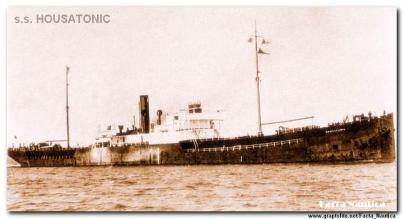 The American cargo vessel SS Housatonic was stopped off the southwest coast of England on February 3, and boarded by German submarine U-53. Captain Thomas Ensor was interviewed by Kapitänleutnant Hans Rose, who explained he was sorry, but Housatonic was “carrying food supplies to the enemy of my country”. She would be destroyed. The American Captain and crew were allowed to launch lifeboats and abandon ship, while German sailors raided the American’s soap supplies. Apparently, WWI-vintage German subs were short on soap.
Housatonic was sunk with a single torpedo, the U-Boat towing the now-stranded Americans toward the English coast. Sighting the trawler Salvator, Rose fired his deck guns to be sure they’d been spotted, and then slipped away. It was February 3, 1917.
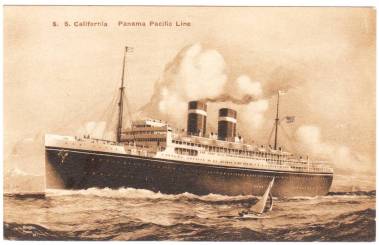 President Woodrow Wilson retaliated, breaking off diplomatic relations with Germany the following day. Three days later, a German U-boat fired two torpedoes at the SS California, off the Irish coast. One missed, but the second tore into the port side of the 470-foot, 9,000-ton steamer. California sank in nine minutes, killing 43 of her 205 passengers and crew.
In Mexico, a military commission convened by President Venustiano Carranza quickly concluded that the German proposal was unviable, but the damage was done. British code breakers intercepted the Zimmermann telegram, divulging the contents to the American government on February 24.
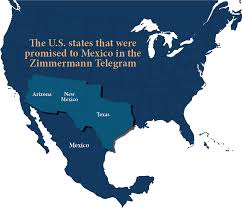 The contents of Zimmermann’s note were published in the American media on March 1. Even then, there was considerable antipathy toward the British side, particularly among Americans of German and Irish ethnicity. “Who says this thing is genuine, anyway”, they might have said. “Maybe it’s a British forgery”.
Zimmermann himself put an end to such speculation two days later, telling an American journalist, “I cannot deny it. It is true.” What Zimmermann had hoped that Americans would see as mere contingency, public opinion in the US saw as an unforgivable betrayal of American neutrality.
The combination of events was the last straw. Wilson’s War Cabinet voted unanimously for a declaration of war on March 20. The President himself delivered his war address before a joint session of Congress, two weeks later. The United States entered the “war to end all wars”, on April 6.
Afterward
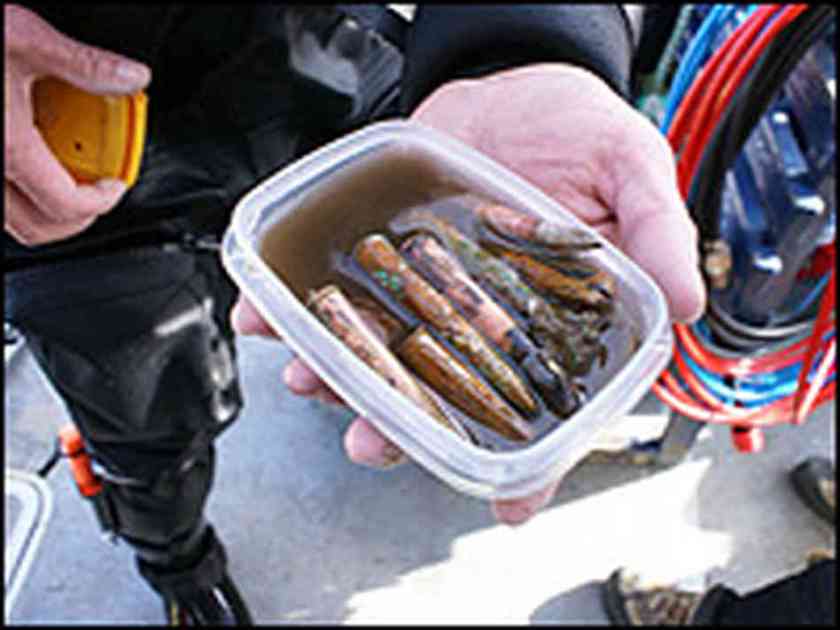
At the time, the German claim that Lusitania carried contraband munitions seemed to be supported by survivors’ reports of secondary explosions within the stricken liner’s hull. In 2008, the UK Daily Mail reported that dive teams had reached the wreck, lying at a depth of 300′. Divers reported finding tons of US manufactured Remington .303 ammunition, about 4 million rounds, stored in unrefrigerated cargo holds in cases marked “Cheese”, “Butter”, and “Oysters”.


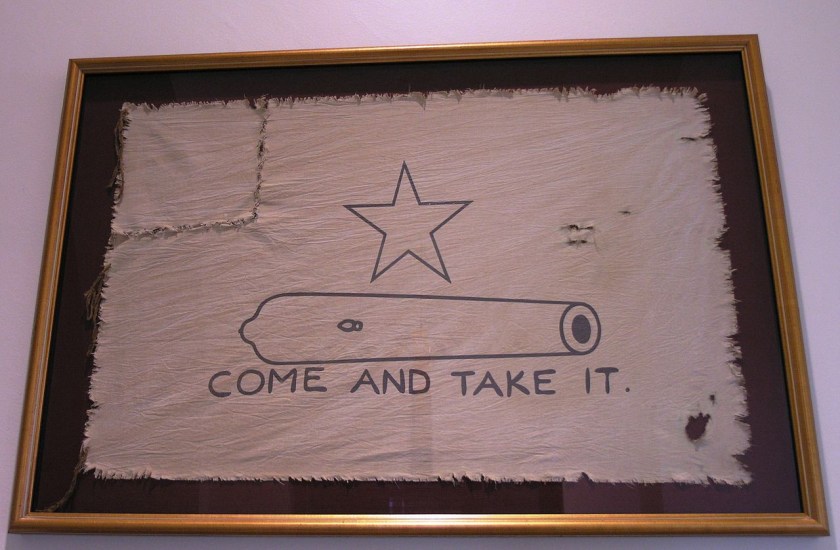
 Estimates of the Alamo garrison have ranged between 189 and 257 at this stage, but current sources indicate that defenders never numbered more than 200.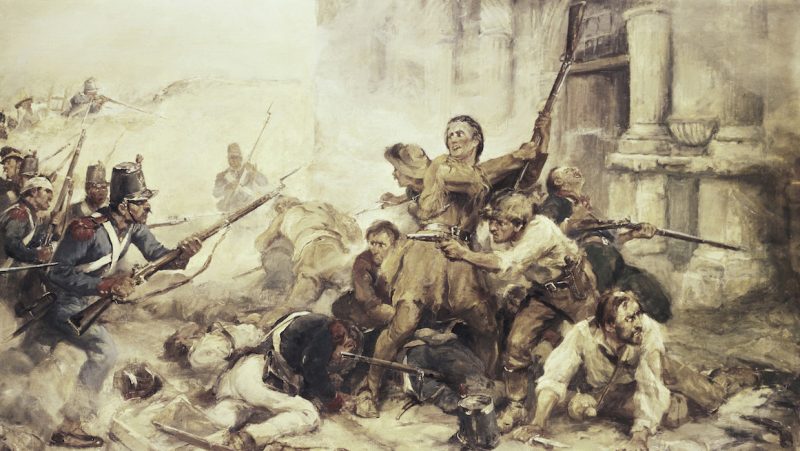


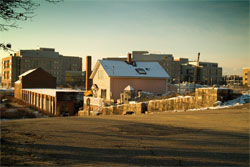
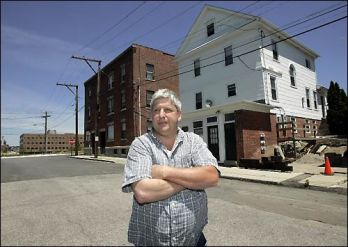

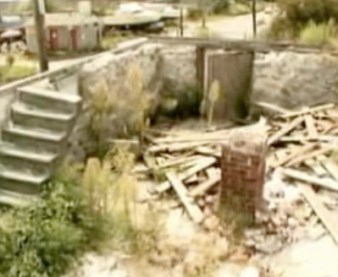 Eminent domain exists for a purpose, but the most extreme care should be taken in its use. Plaintiffs argued that this was not a “public use”, but rather a private corporation using the power of government to take their homes for economic development, a violation of both the takings clause of the 5th amendment and the due process clause of the 14th.
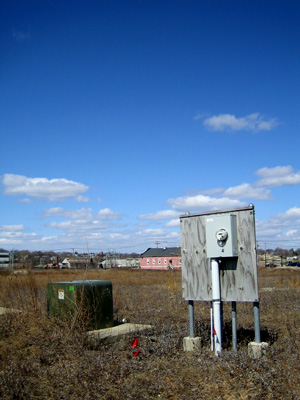 Clarence Thomas took an originalist view, stating that the majority opinion had confused “Public Use” with “Public Purpose”. “Something has gone seriously awry with this Court’s interpretation of the Constitution“, Thomas wrote. “Though citizens are safe from the government in their homes, the homes themselves are not“. Antonin Scalia concurred, seeing any tax advantage to the municipality as secondary to the taking itself.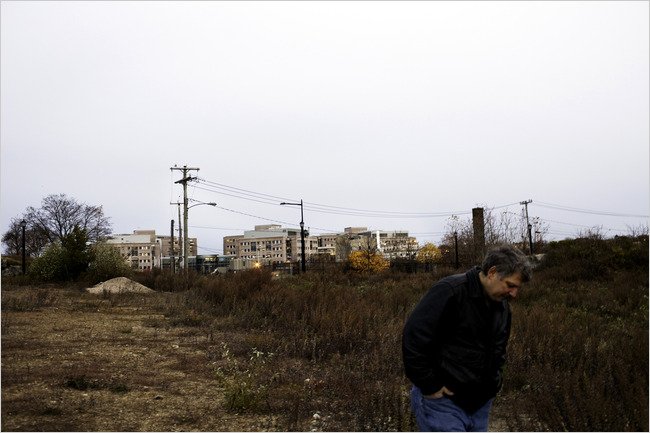


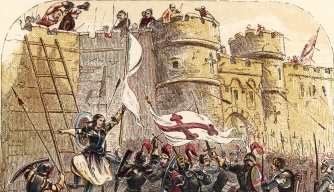
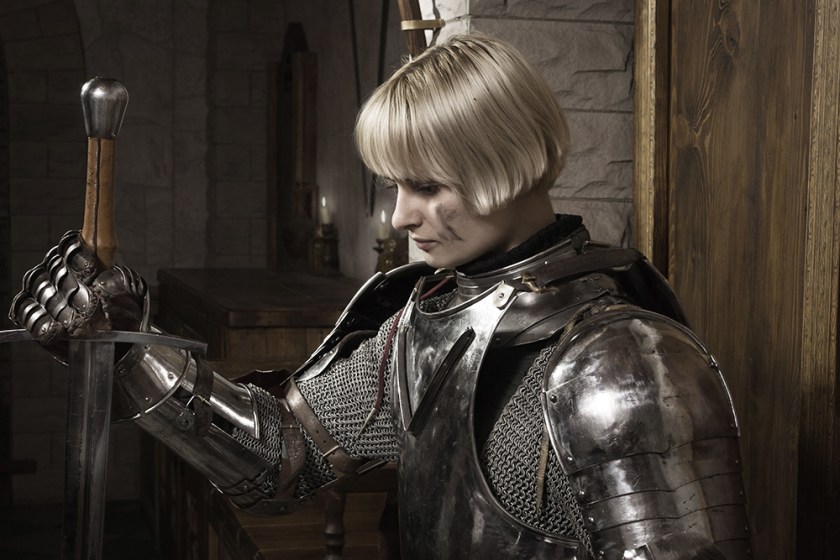
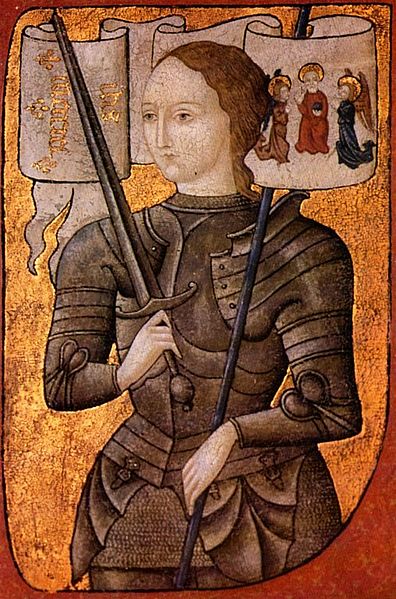 Some 70 charges were made against her by the pro-English Bishop of Beauvais, Pierre Cauchon, including witchcraft, heresy, and perjury.
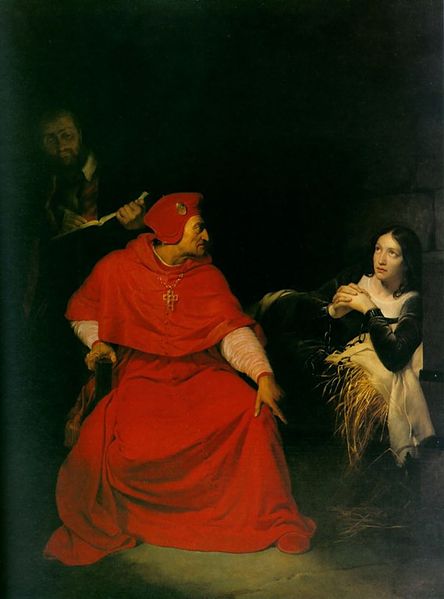 After fifteen such interrogations her inquisitors still had nothing on her, save for the wearing of soldier’s garb, and her visions. Yet, the outcome of her “trial” was already determined. She was found guilty of heresy, and sentenced to be burned at the stake.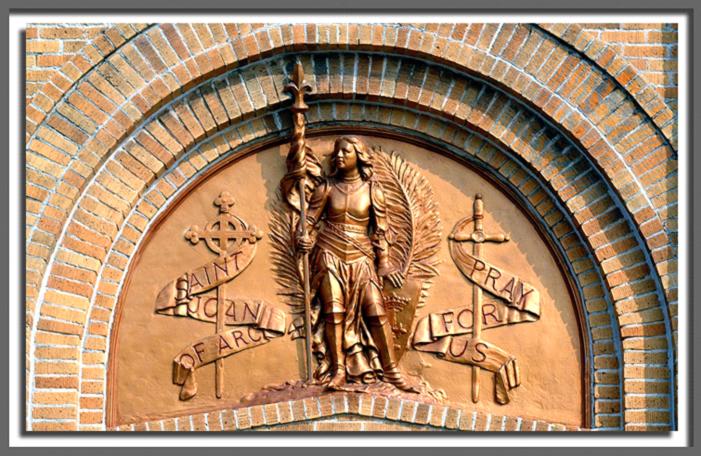


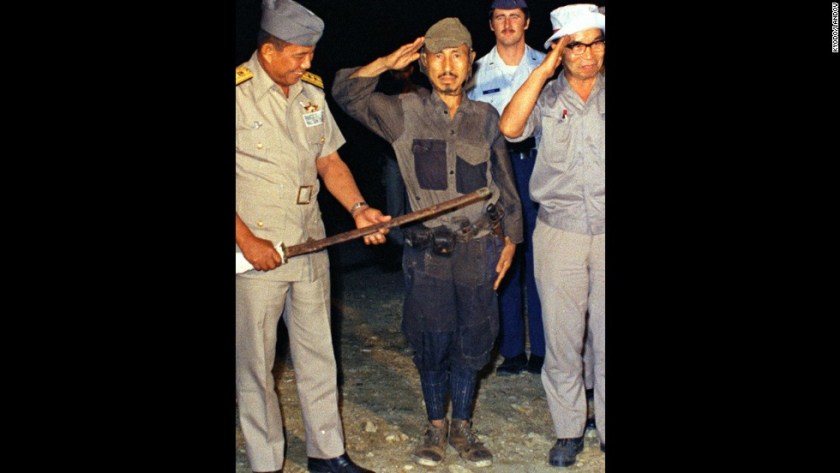
 Imperial Japan would rage for another 33 years.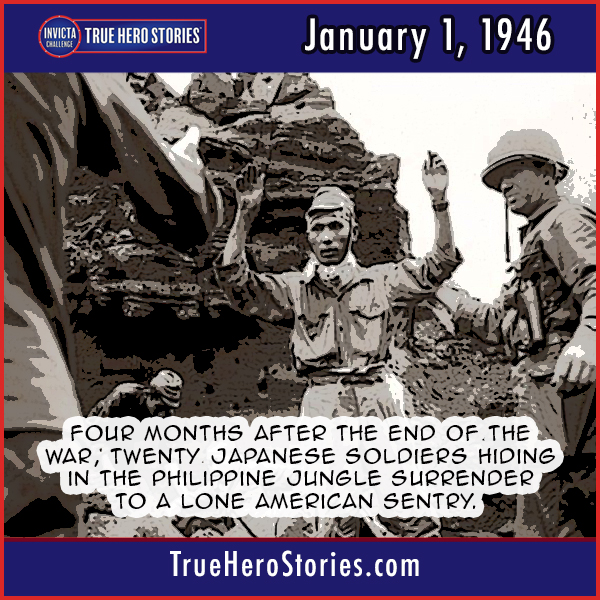
 Several went on to fight for the Viet Minh against French troops in Indochina.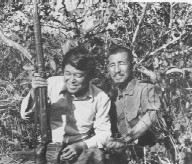


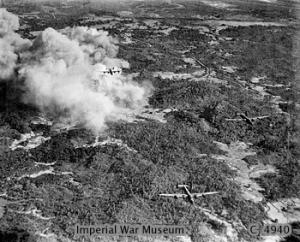
 On February 7, the 71st Infantry and supporting tanks reached Ramree town where they found determined Japanese resistance, the town falling two days later. Naval forces blockaded small tributaries called “chaungs”, which the retreating Japanese used in their flight to the mainland. A Japanese air raid damaged an allied destroyer on the 11th as a flotilla of small craft crossed the strait, to rescue survivors of the garrison. By February 17, Japanese resistance had come to an end.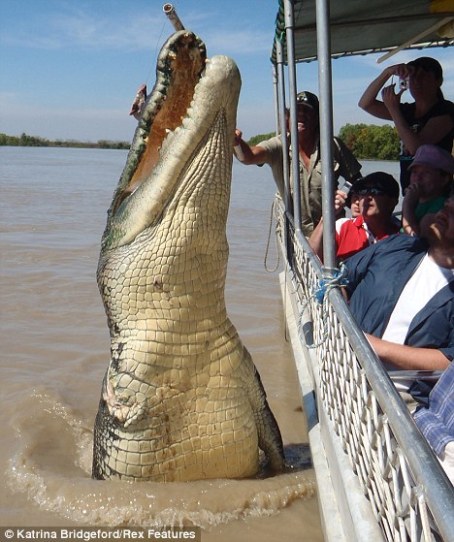



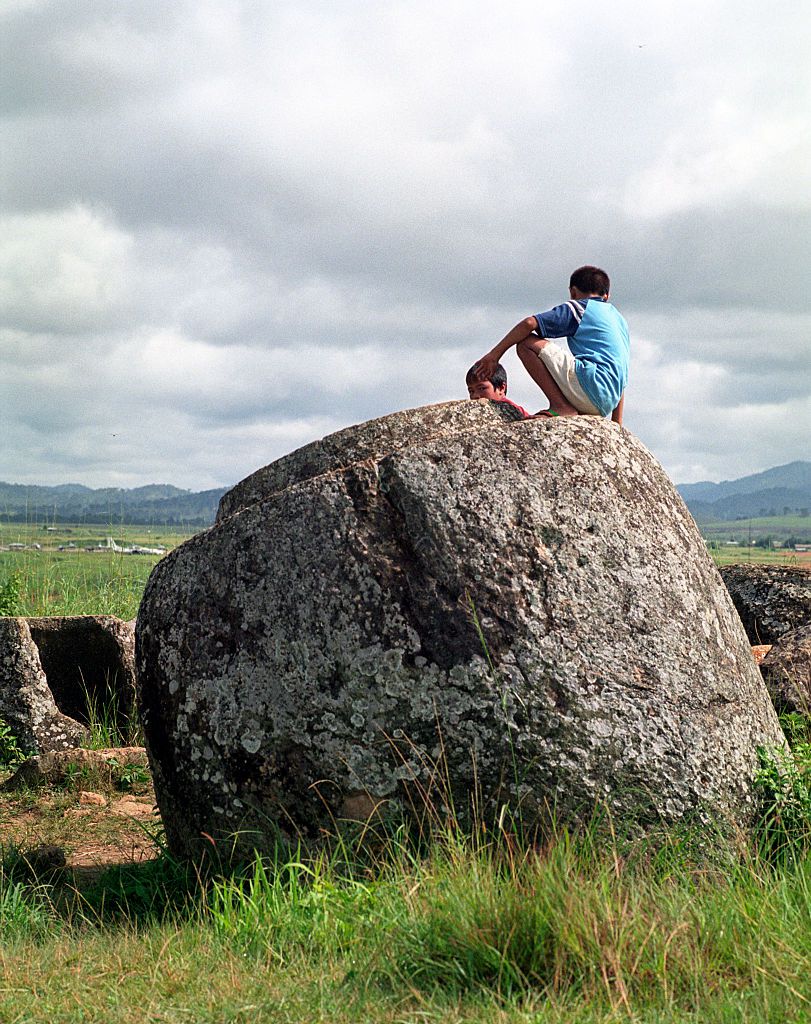
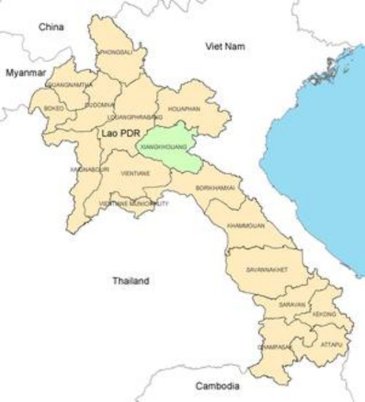
 The Geneva Convention of 1954 partitioned Vietnam at the 17th parallel, and guaranteed Laotian neutrality. North Vietnamese communists had no intention of withdrawing from the country or abandoning their Laotian communist allies, any more than they were going to abandon the drive for military reunification, with the south.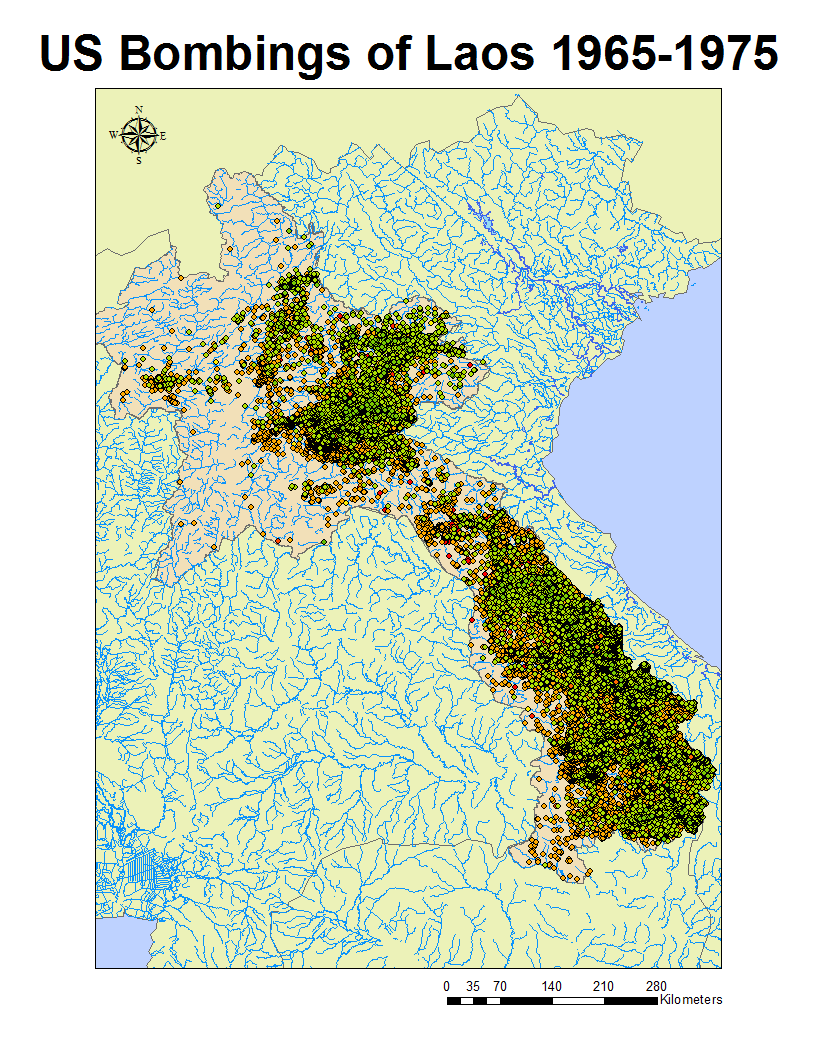
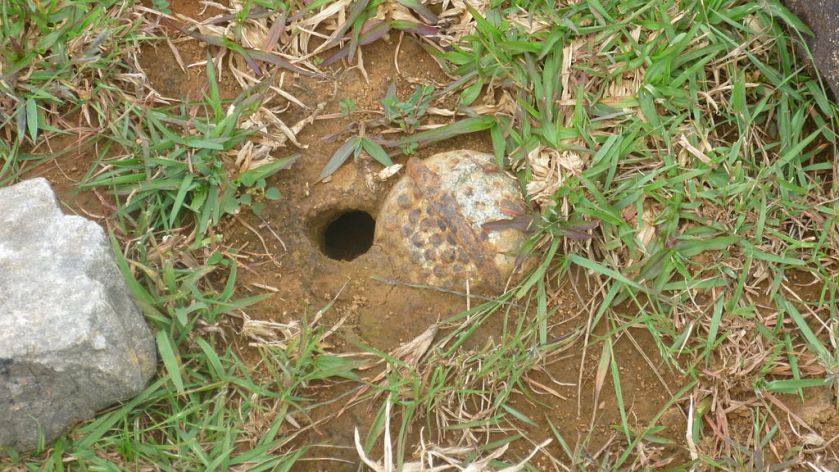
 On February 18, 1977, Murray Hiebert, now senior associate of the Southeast Asia Program at the Center for Strategic and International Studies (CSIS) in Washington, D.C. summed up the situation in a letter to the Mennonite Central Committee, US: “…a formerly prosperous people still stunned and demoralized by the destruction of their villages, the annihilation of their livestock, the cratering of their fields, and the realization that every stroke of their hoes is potentially fatal.”


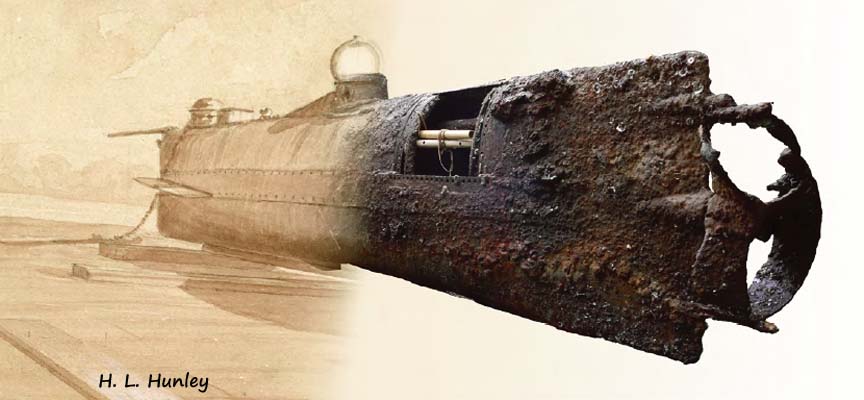
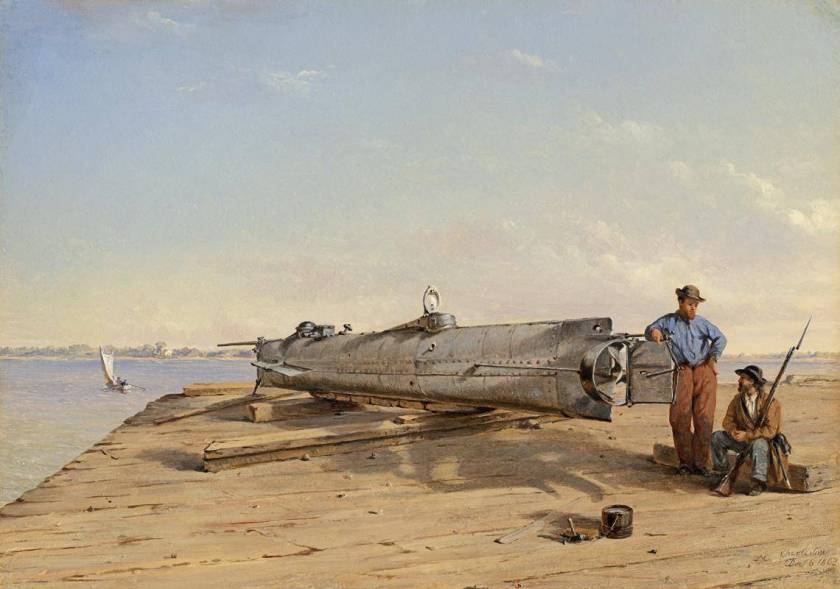
 A second crew tested the submarine on October 15, this one including Horace Hunley himself. The submarine conducted a mock attack but failed to surface afterward, this time drowning all 8 crew members.
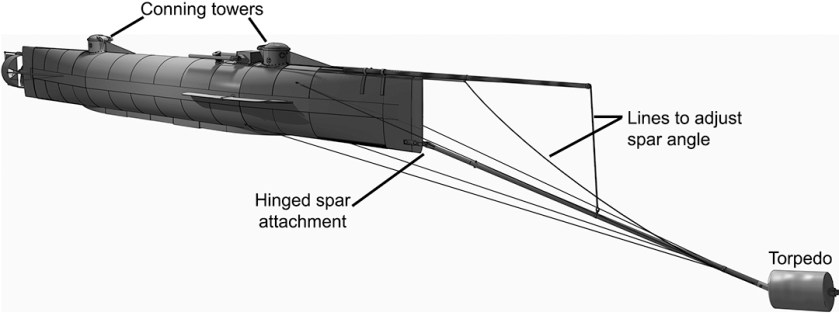
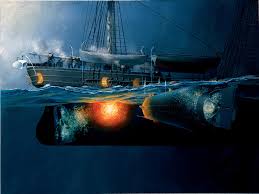 Tide and current conditions in Charleston proved very different from those in Mobile. On several test runs, the torpedo floated out ahead of the sub. That wouldn’t do, so a spar was fashioned and mounted to the bow. At the end of the spar was a 137lb waterproof cask of powder, attached to a harpoon-like device with which Hunley would ram its target.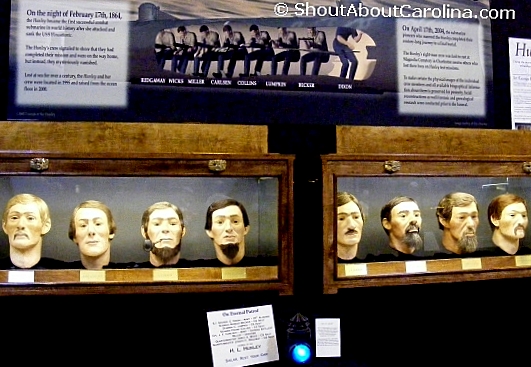
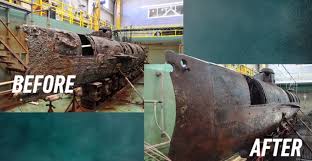
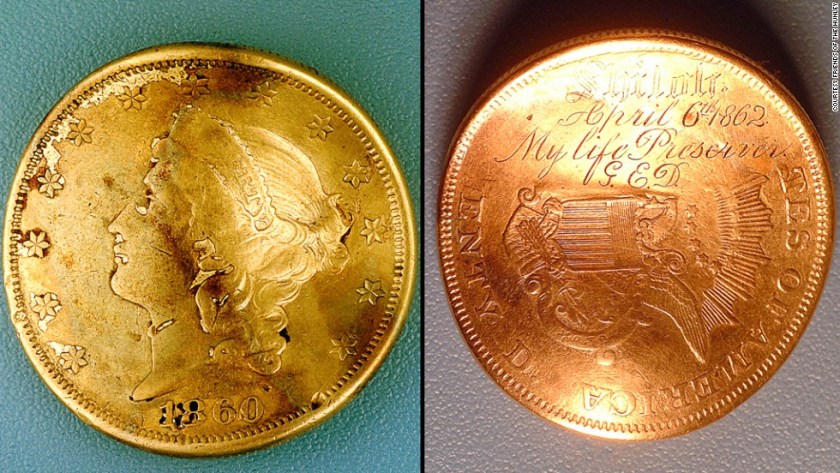 On the coin, clearly showing signs of having been struck by a bullet, are inscribed these words:


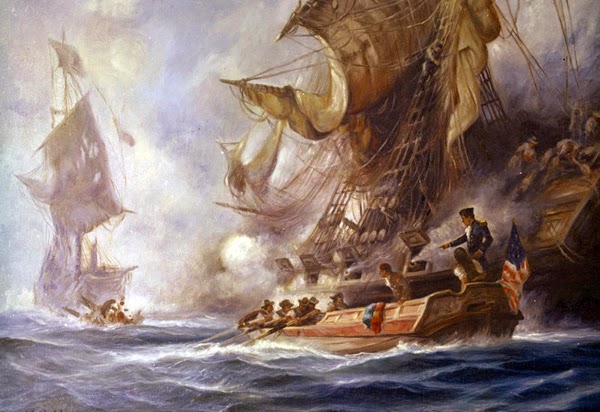
 On the evening of February 16, 1804, Decatur entered Tripoli Harbor with a force of 74 Marines. With them were five Sicilian volunteers, including pilot Salvador Catalano, who spoke fluent Arabic. Disguised as Maltese sailors and careful not to draw fire from shore batteries, Decatur’s force boarded the frigate, killing or capturing all but two of its Tripolitan crew. Decatur and his marines had hoped to sail Philadelphia out of harbor, but soon found she was in no condition to leave. Setting combustibles about the deck, they set the frigate ablaze. Ropes burned off, setting the Philadelphia adrift in the harbor. Loaded cannon cooked off as the blaze spread, firing random balls into the town. It must have been a sight, when gunpowder stores ignited and the entire ship exploded.

 Mickey Dugan was born on February 17, 1895, on the wrong side of the tracks. A wise-cracking street urchin with a “sunny disposition”, Mickey was the kind of street kid you’d find in New York’s turn-of-the-century slums, maybe hawking newspapers. “Extra, Extra, read all about it!”
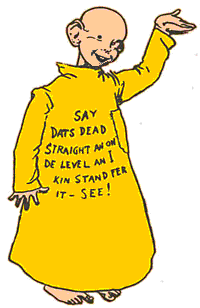 Outcault’s “Hogan’s Alley” strip, one of the first regular Sunday newspaper cartoons in the country, became colorized in May of 1895. For the first time, Mickey Dugan’s oversized, hand-me-down nightshirt was depicted in yellow. Soon, the character was simply known as “the Yellow kid”.
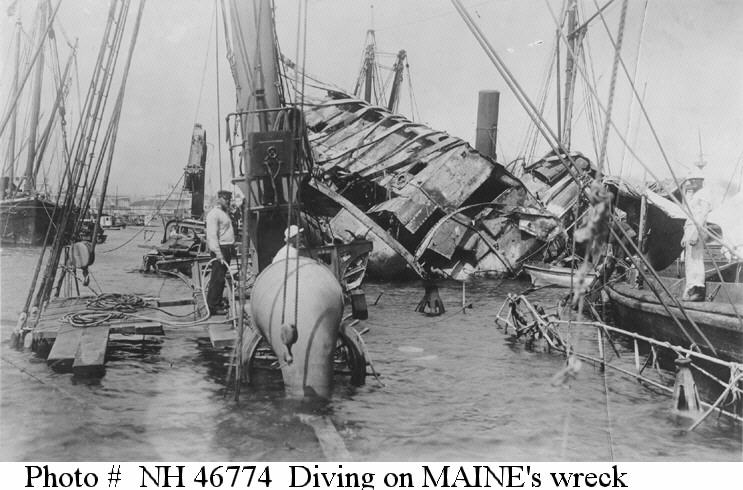
 We hear a lot today about “fake news”, but that’s nothing new. Circulation wars were white hot in those days, competing newspapers using anything possible to get an edge. Real-life street urchins hawked lurid headlines, heavy on scandal-mongering and light on verifiable fact. Whatever it took, to increase circulation.



 Historical Easter Eggs - Today in History
You must be logged in to post a comment.