
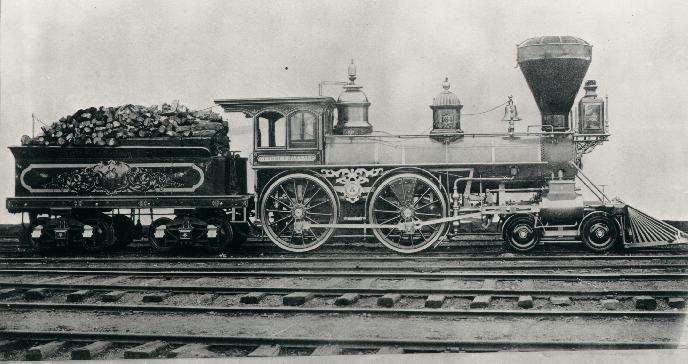
The wood burning steam locomotive #171 left Jersey City, New Jersey on July 15, 1864, pulling 17 passenger and freight cars. On board were 833 Confederate Prisoners of War and 128 Union guards, heading from Point Lookout, Maryland to the Federal prison camp in Elmira, New York.
Engine #171 was an “extra” that day, running behind a scheduled train numbered West #23. West #23 displayed warning flags, giving the second train right of way, but #171 was delayed while guards located missing prisoners. Then there was the wait for the drawbridge. By the time #171 reached Port Jervis, Pennsylvania, the train was four hours behind schedule.

Telegraph operator Douglas “Duff” Kent was on duty at the Lackawaxen Junction station, near Shohola Pennsylvania. Kent had seen West #23 pass through that morning with the “extra” flags. His job was to hold eastbound traffic at Lackawaxen until the second train passed.
He might have been drunk that day, but nobody’s sure. He disappeared the following day, never to be seen again.
Erie Engine #237 arrived at Lackawaxen at 2:30pm pulling 50 coal cars, loaded for Jersey City. Kent gave the All Clear at 2:45, the main switch was opened, and Erie #237 joined the single track heading east out of Shohola.
Only four miles of track now lay between the two speeding locomotives.

The two trains met head-on at “King and Fuller’s Cut”, a section of track following a blind curve with only 50’ of visibility.

Engineer Samuel Hoit at the throttle of the coal train had time to jump clear, and survived the wreck. Many of the others, never had a chance.
Historian Joseph C. Boyd described what followed on the 100th anniversary of the wreck:
“[T]he wooden coaches telescoped into one another, some splitting open and strewing their human contents onto the berm, where flying glass, splintered wood, and jagged metal killed or injured them as they rolled. Other occupants were hurled through windows or pitched to the track as the car floors buckled and opened. The two ruptured engine tenders towered over the wreckage, their massive floor timbers snapped like matchsticks. Driving rods were bent like wire. Wheels and axles lay broken.” The troop train’s forward boxcar had been compacted and within the remaining mass were the remains of 37 men”. [Witnesses] saw “headless trunks, mangled between the telescoped cars” and “bodies impaled on iron rods and splintered beams.”
Pinned against the split boiler plate and slowly scalded to death, engineer William Ingram lived long enough to speak with would-be rescuers. “With his last breath he warned away all who went near to try and aid him, declaring that there was danger of the boiler exploding and killing them.”
Frank Evans, a guard on the train, describes the scene: “The two locomotives were raised high in air, face to face against each other, like giants grappling. The tender of our locomotive stood erect on one end. The engineer and fireman, poor fellows, were buried beneath the wood it carried. Perched on the reared-up end of the tender, high above the wreck, was one of our guards, sitting with his gun clutched in his hands, dead!. The front car of our train was jammed into a space of less than six feet. The two cars behind it were almost as badly wrecked. Several cars in the rear of those were also heaped together.”
51 Confederate prisoners and 17 Union guards were killed on the spot, or died within a day of the wreck. Five prisoners escaped in the confusion.
 Captured at Spotsylvania early in 1864, 52nd North Carolina Infantry soldier James Tyner was a POW at this time, languishing in “Hellmira” – the fetid POW camp at Elmira, New York. “The Andersonville of the Northern Union.”
Tyner’s brother William was one of the prisoners on board #171.
William was badly injured in the wreck, surviving only long enough to avoid a mass grave alongside a train track, in Shohola. William Tyner was transported to Elmira where he died three days later, never regaining consciousness.
I’ve always wondered if the brothers were able to find one another, that one last time. James Tyner was my own twice-great Grandfather, one of four brothers who went to war for North Carolina, in 1861.
We’ll never know. James Tyner died in captivity on March 13, 1865, 27 days before General Lee’s surrender, at Appomattox. Of the four Tyner brothers, Nicholas alone survived the war. He laid down his arms on the order of the man they called “Marse Robert”, and walked home to pick up the shattered bits of his life, in the Sand Hills of North Carolina.

“About 56,000 soldiers died in prisons during the war, accounting for almost 10% of all Civil War fatalities. During a period of 14 months in Camp Sumter, located near Andersonville, Georgia, 13,000 (28%) of the 45,000 Union soldiers confined there died. At Camp Douglas in Chicago, Illinois, 10% of its Confederate prisoners died during one cold winter month; and Elmira Prison in New York state, with a death rate of 25%, very nearly equaled that of Andersonville”. H/T Wikipedia
Afterward
Burial details worked throughout the night of July 15 until dawn of the following day.
Two Confederate soldiers, the brothers John and Michael Johnson, died overnight and were buried in the congregational church yard across the Delaware river, in Barryville, New York.

The remaining POW dead and those about to die were buried alongside the track in a 75′ trench, placed four at a time in crude boxes fashioned from the wreckage. Conventional caskets arrived overnight. Individual graves were dug for the 17 Federal dead, and they too were laid alongside the track.
As the years went by, memorial markers faded and then disappeared, altogether. Hundreds of trains carried thousands of passengers up and down the Erie railroad, ignorant of the burial ground through which they had passed.
 The “pumpkin flood“ of 1903 scoured the rail line, uncovering many of the dead and carrying away their mortal remains. It must have been a sight – caskets moving with the flood, bobbing like so many fishing plugs, alongside countless numbers of that year’s pumpkin crop.
On June 11, 1911, the forgotten dead of Shohola were disinterred, and reburied in mass graves in the Woodlawn national cemetery in Elmira, New York. Two brass plaques bear the names of the dead, mounted to opposite sides of a common stone marker.
The names of the Union dead, face north. Those of the Confederate side, face south. To my knowledge, this is the only instance from the Civil War era, in which Union and Confederate share a common grave.


 What would it be like to turn on CNN or Fox News, to learn that Former Secretary of the Treasury Jacob (‘Jack’) Lew was party to a duel and that he was near death, after being shot by the sitting Vice President of the United States, Mike Pence.


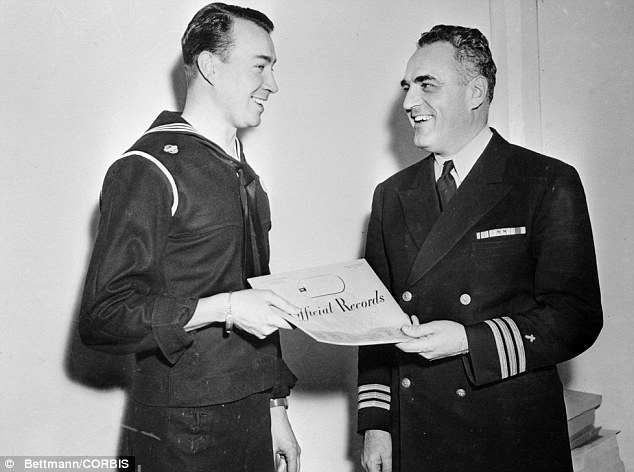
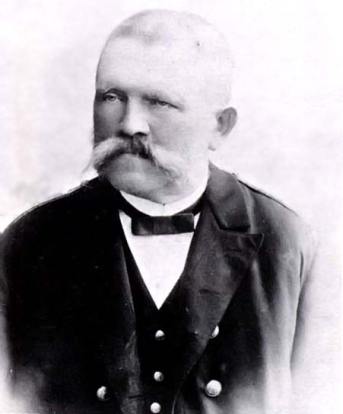
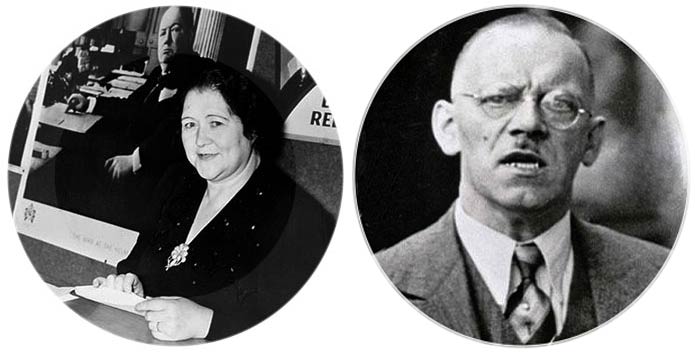
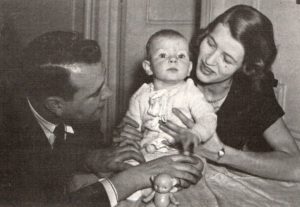
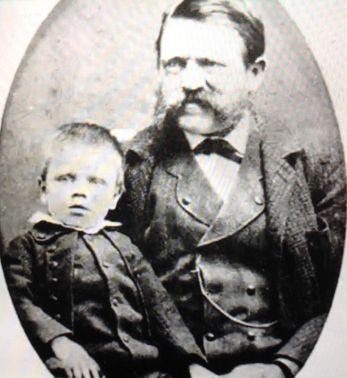 There are plenty of tales regarding the man’s paternity, but none are any more than that. Alois Schicklgruber ‘legitimized’ himself in 1877, adopting a variant on the name of his stepfather and calling himself ‘Hitler”.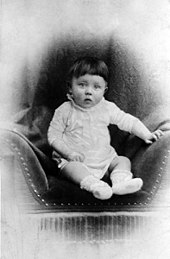


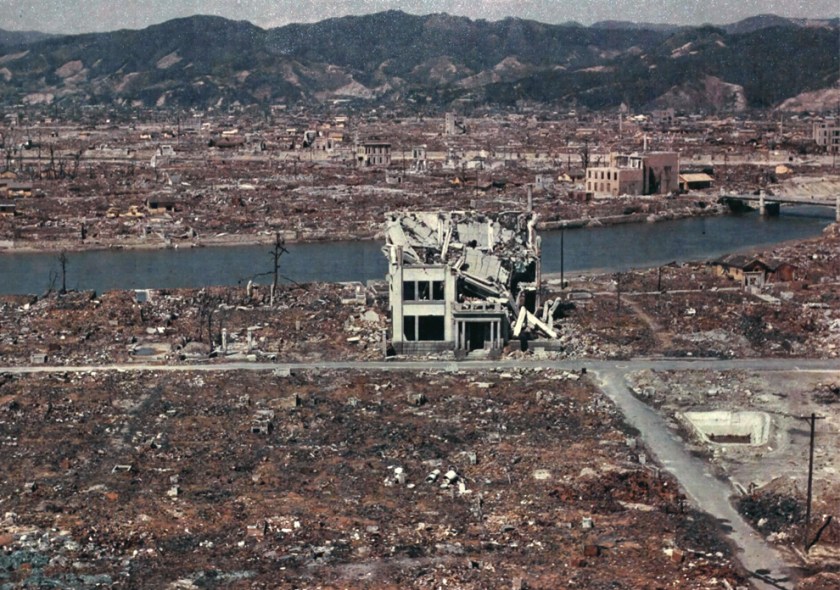
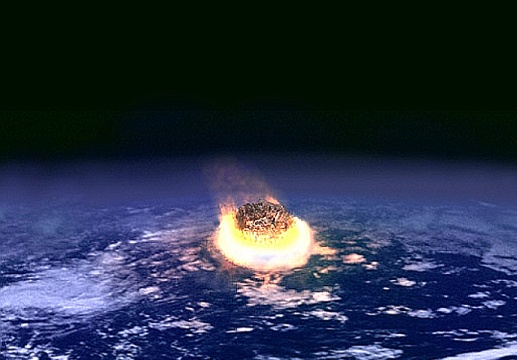
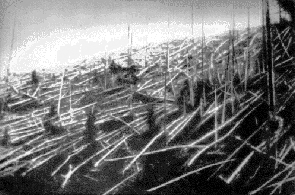 On the morning of June 30, 1908, the Tunguska River lit up with a bluish-white light. At 7:17a local time, a column of light far too bright to look at moved across the skies above the Tunguska. Minutes later, a vast explosion knocked people off their feet, flattening buildings, crops and as many as 80 million trees over an area of 830-square miles. A vast “thump” was heard, the shock wave equivalent to an earthquake measuring 5.0 on the Richter scale. Within minutes came a second and then a third shock wave and finally a fourth, more distant this time and described by eyewitnesses as the “sun going to sleep”.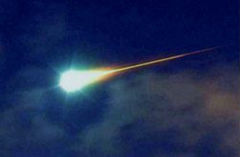


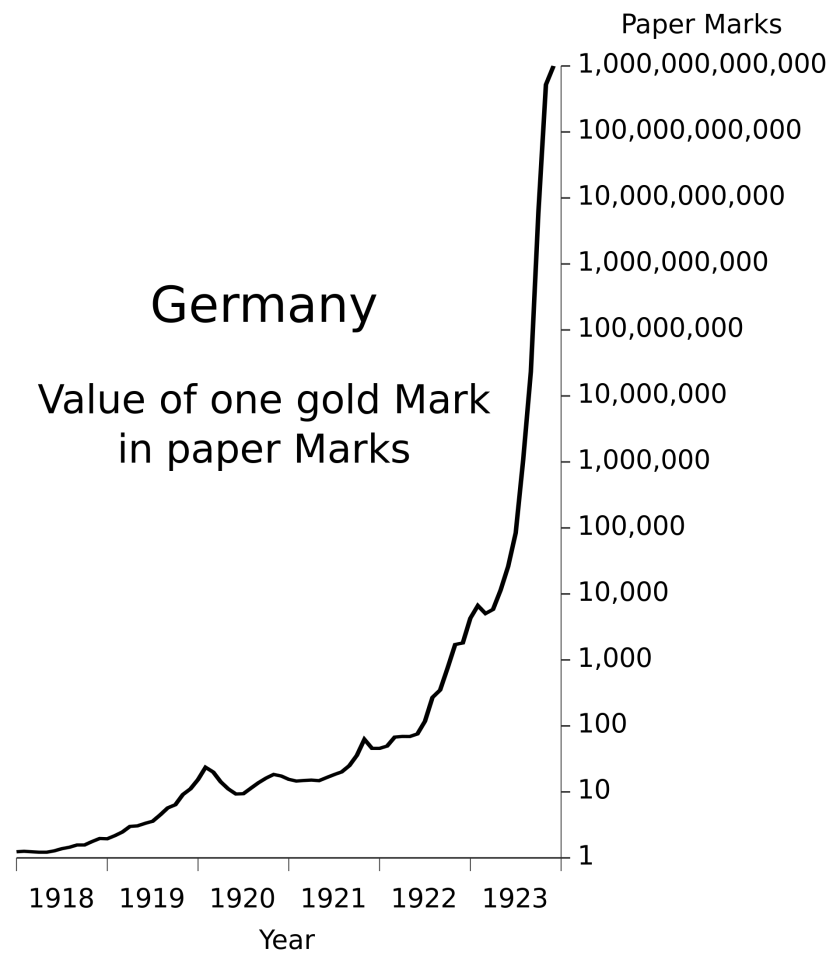 History records 58 such instances of hyperinflation. Current events in Venezuela constitute #59 despite the largest proven oil reserves on the planet, while certain American politicians and celebrity types, are nowhere to be found.


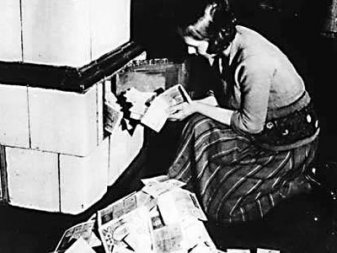 The loss of all that productive capacity led to scarcity of goods, and prices began to rise. The government responded by printing money. Total currency in circulation in July 1945 stood at 25 Billion Pengö. Money supply rose to 1.65 Trillion by January, 65 Quadrillion and 47 Septillion July. That’s a Trillion Trillion. Twenty-four zeroes.
 The ten worst hyperinflations in history occurred during the 20th century, including Zimbabwe in 2008, Yugoslavia 1994, Germany 1923, Greece 1944, Poland 1921, Mexico 1982, Brazil 1994, Argentina 1981, and Taiwan 1949. The common denominator in all ten were massive government debt and a currency with no inherent value, excepting what a willing buyer and a willing seller agreed it was worth.


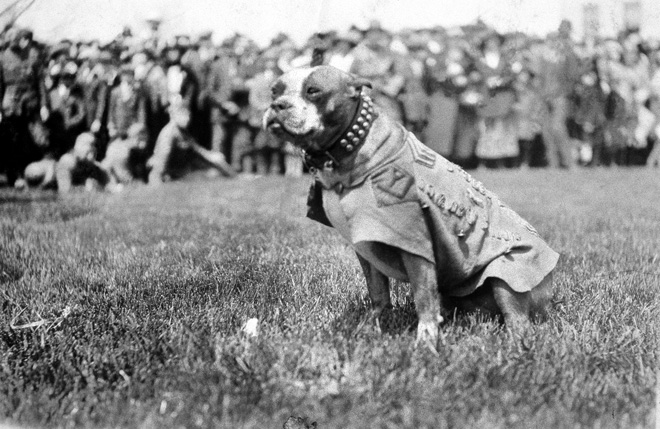
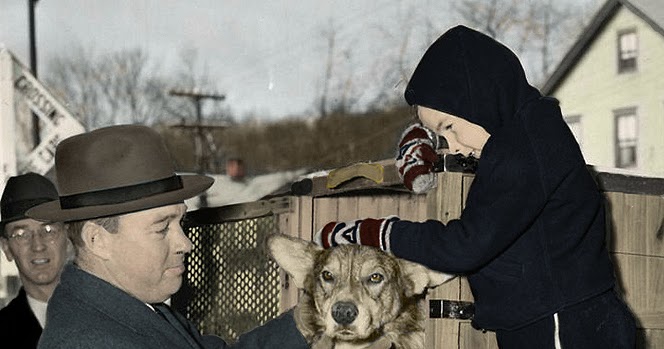
 One such dog was “Chips”, the German Shepherd/Collie/Husky mix who would become the most decorated K-9 of WWII.


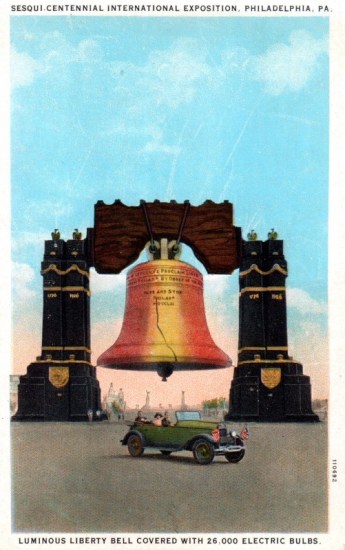
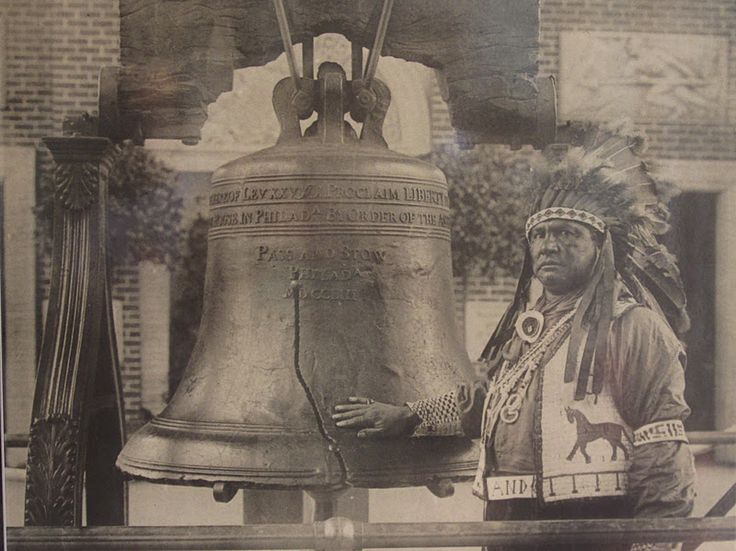

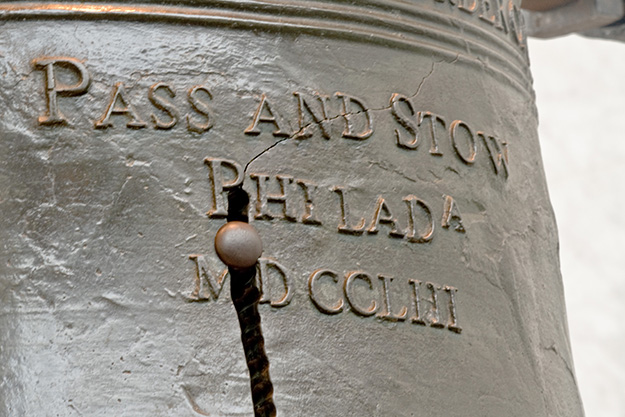



 Twenty-seven years after Gettysburg, surviving veterans of the regiment returned to dedicate a memorial to those members of the 11th Pennsylvania, who lost their lives on that field of battle.
 The other includes a brindle colored Terrier, named Sallie. The only one of the two to have actually participated in the battle.

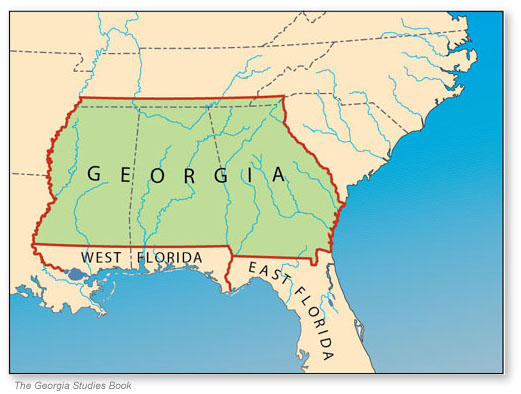
 The territory which would come to be occupied by the colony of Georgia was a subject for dispute between Great Britain and Spain, since long before the state became a colony.
 off the ear of Commander Robert Jenkins, informing the unfortunate ship’s master that he could “Go, and tell your King that I will do the same”, to him.

 Historical Easter Eggs - Today in History
You must be logged in to post a comment.