
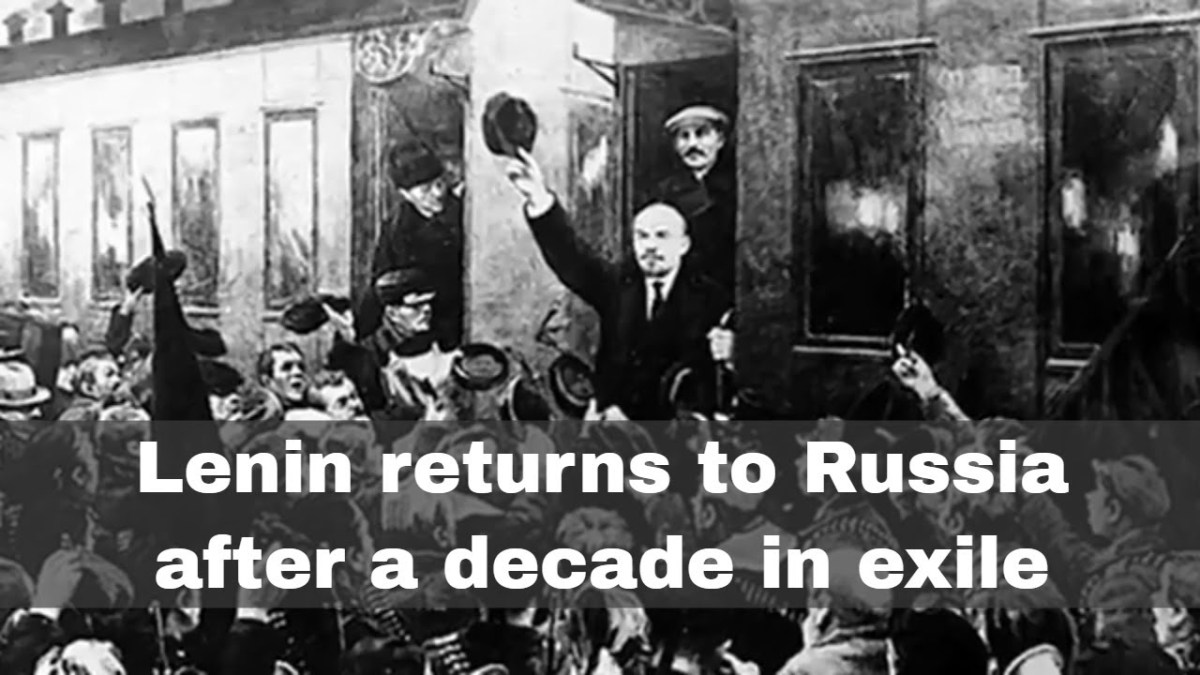
The “War to End all Wars” dragged into its third dismal year in 1917, seeming as though it would go on forever. Like two exhausted prize fighters, neither side could muster the strength to deliver the killing blow. Many single days of the great battles of 1916 alone produced more casualties than every European war of the preceding 100 years, combined. At home, the social fabric of the combatant nations was unraveling.
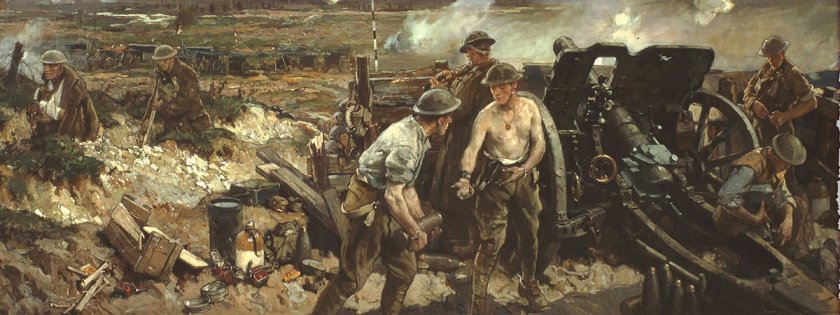
By 1916 it was widely understood that the German war effort was “shackled to a corpse”, referring the Austro-Hungarian Empire where the war had started, in the first place. Italy, the third member of the “Triple Alliance”, was little better. On the “Triple Entente” side, the French countryside was literally torn to pieces, the English economy close to collapse. The Russian Empire, the largest nation on the planet, was teetering on the edge of the precipice.
The first of two Revolutions that year began on February 23 according the “Old Style” calendar, March 8, “New Style”. Long-standing resentments over food rationing turned to mass protests in and around the Russian capital of Petrograd (modern-day Saint Petersburg). Eight days of violent demonstrations pitted Revolutionaries against police and “gendarmes”, that medieval remnant combining military units with the power of law enforcement.
By March 12 (new style), mutinous units of the Russian military had switched sides and joined with the revolutionaries. Three days later, Car Nicholas abdicated the Imperial throne.
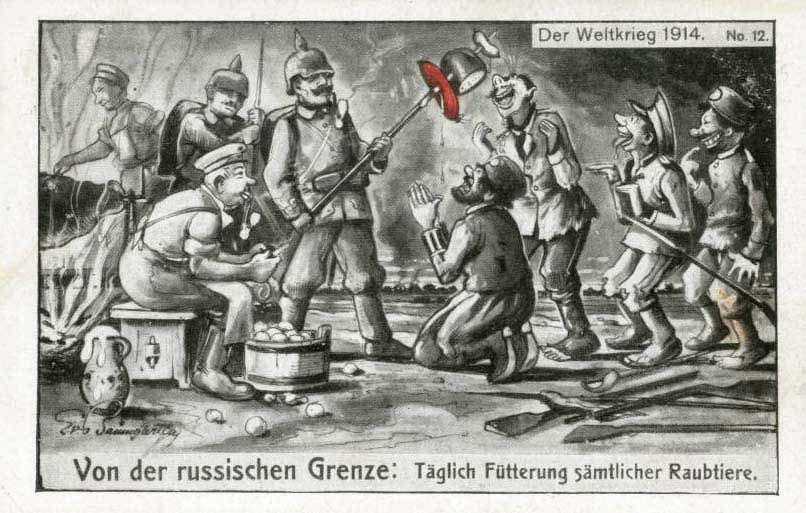
Amidst all this chaos, Kaiser Wilhelm calculated that all he had to do was “kick the door in” and his largest adversary would collapse. He was right.
Following the overthrow of the Romanov dynasty, the more moderate Menshevik “Whites” vowed to continue the war effort. The split which had begun with the failed revolution of 1905 was more pronounced by this time with the radical Bolsheviks (“Reds”) taking the more extreme road. While Reds and Whites both wanted to bring socialism to the Russian people, Mensheviks argued for predominantly legal methods and trade union activism, while Bolsheviks favored armed violence.
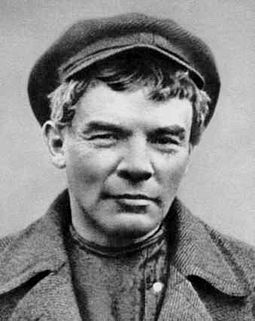
In 1901, Vladimir Ilyich Ulyanov adopted the pseudonym “Lenin” after the River Lena, the easternmost of the three great Siberian rivers flowing into the arctic ocean. The middle-class son of a professor of mathematics and physics and the daughter of a well-to-do physician, Ulyanov became radicalized after the 1887 execution of his brother, for plotting to murder the Czar.Vladimir Ilyich Lenin

The man was soon convinced that capitalist society was bound to give way to socialist society with a natural transition to communism, not far behind.
Lenin was in exile when the war broke out, arrested and briefly imprisoned for his Russian citizenship. The radical revolutionary was released due to his anti-czarist sentiments when he and his wife, settled in Switzerland.

British historian Edward Crankshaw writes, the German government saw “in this obscure fanatic one more bacillus to let loose in tottering and exhausted Russia to spread infection”.
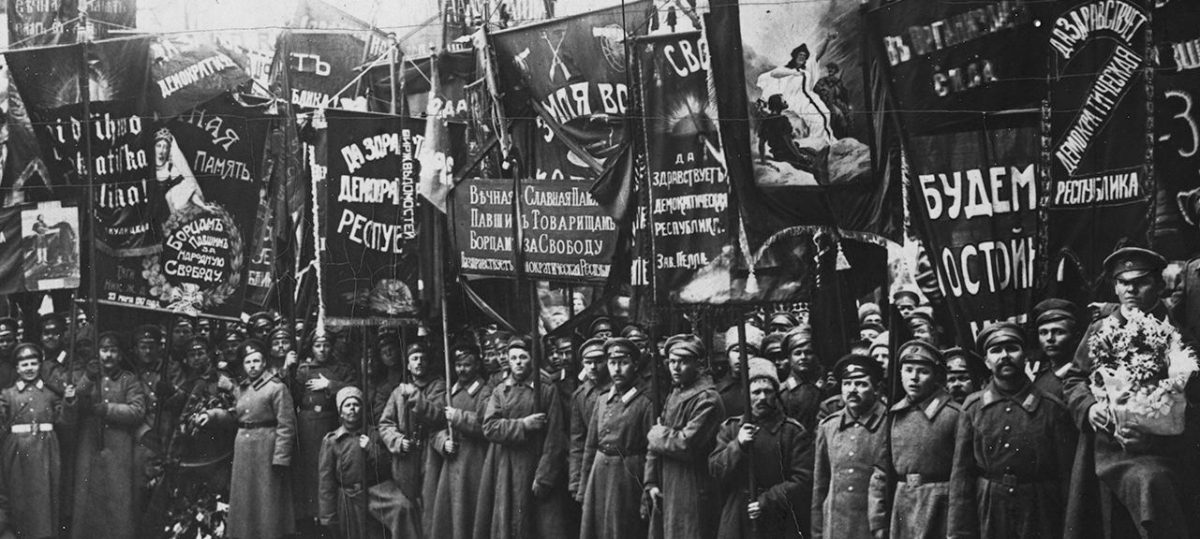
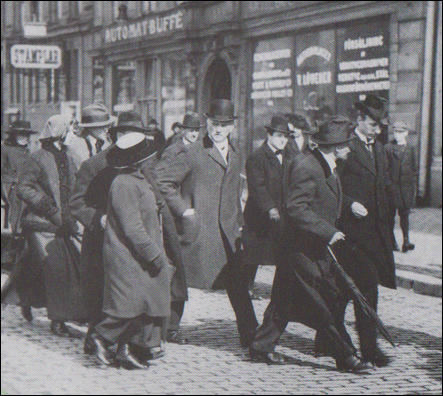
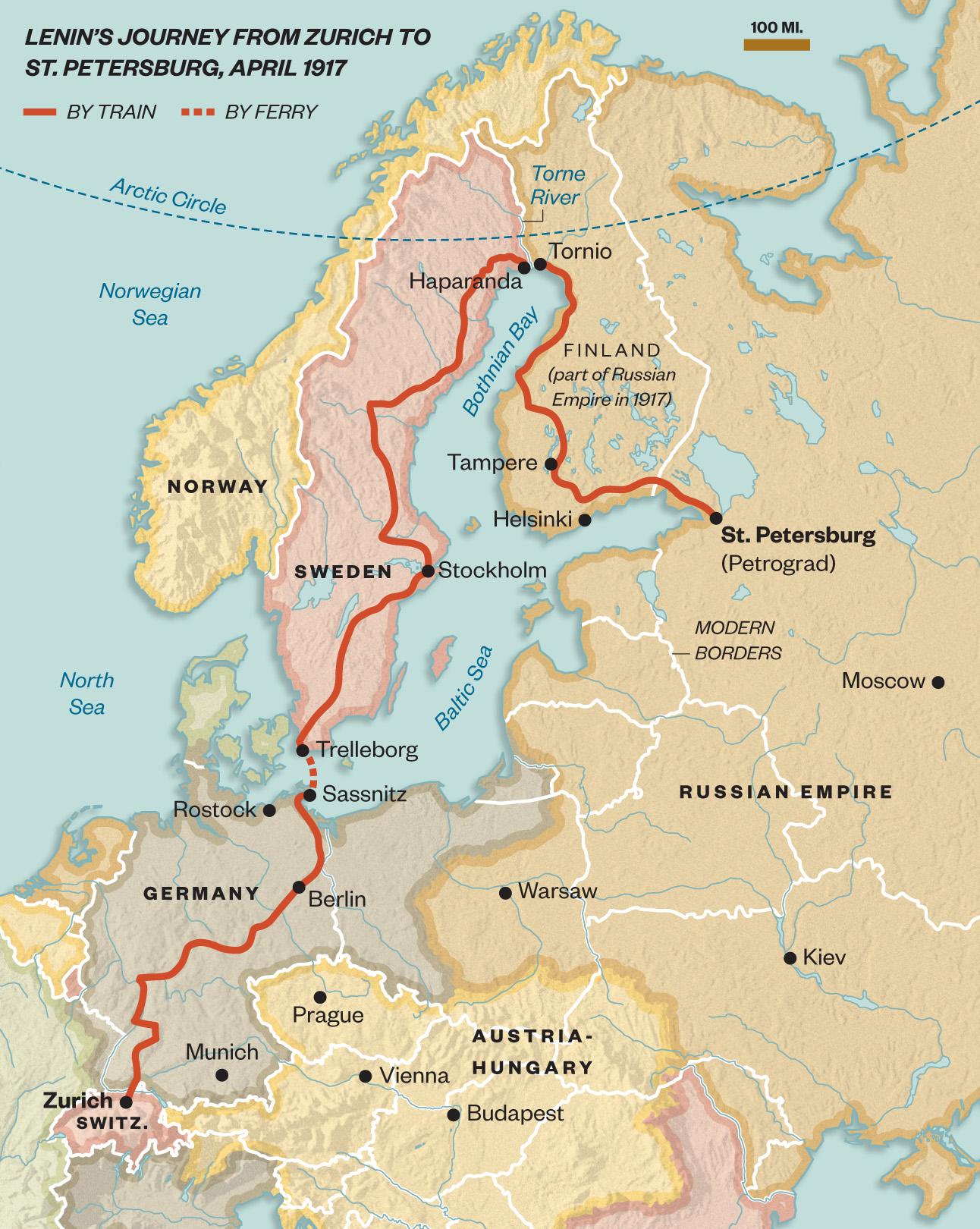
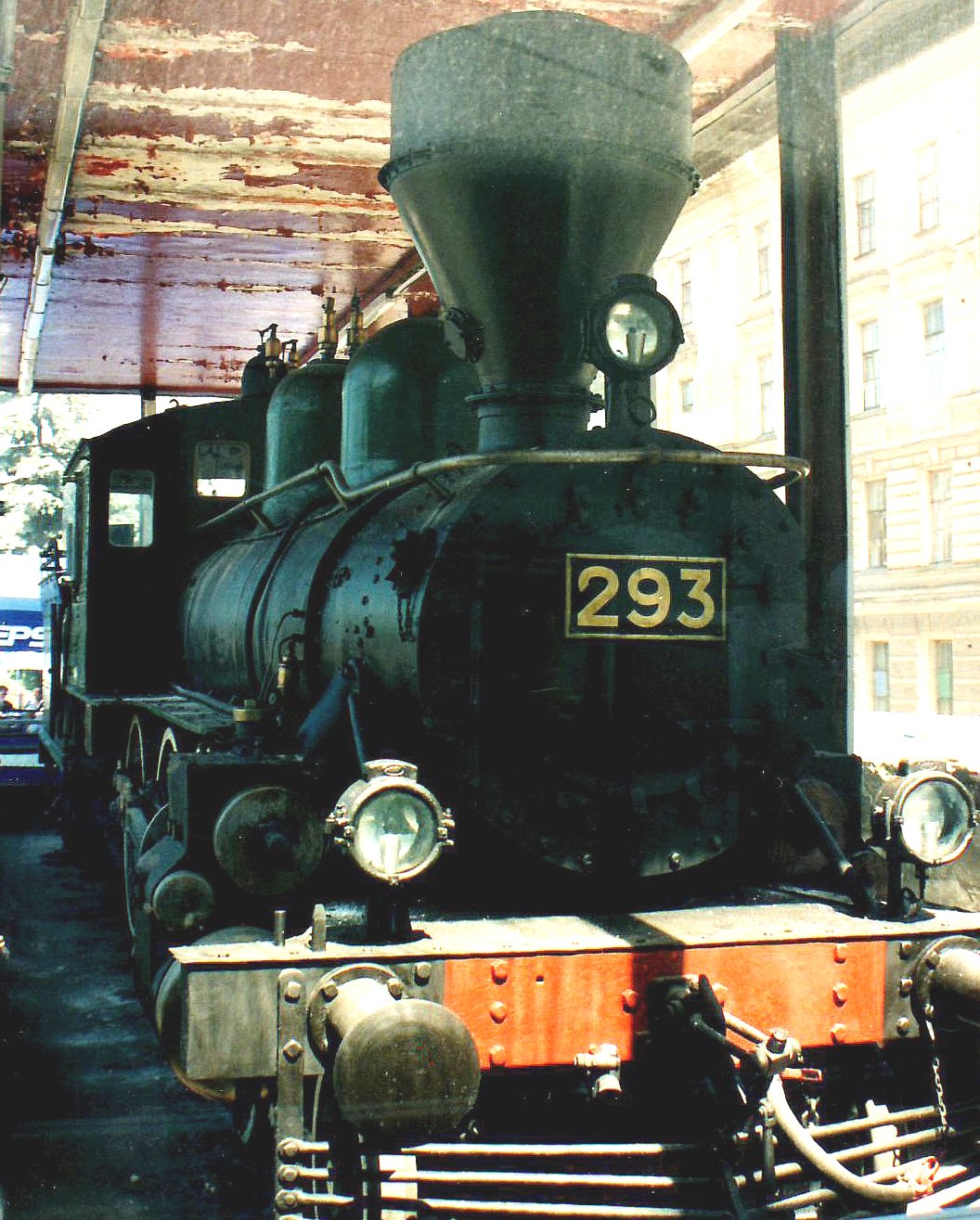
Lurching toward food riots of his own and loathe to unleash such a bacterium against his own homeland, a “Sealed Train” carrying Vladimir Ilyich Lenin and 31 dissidents departed from exile in Switzerland on April 9, complements of the Kaiser. Leaving Zurich Station amid the jeers and the insults of 100 or so assembled Russians shouting “Spies!” “Traitors!” “Pigs!” “Provocateurs!” Lenin turned to a friend and said. “Either we’ll be swinging from the gallows in three months, or we shall be in power.”
North through Germany and across the Baltic Sea, this political plague bacillus traveled the length of Sweden arriving in Petrograd on the evening of April 16, 1917. Like the handful of termites destined to bring down the mighty oak, this small faction inserted into the body politic that April, would help to radicalize the population and consolidate Bolshevik power.
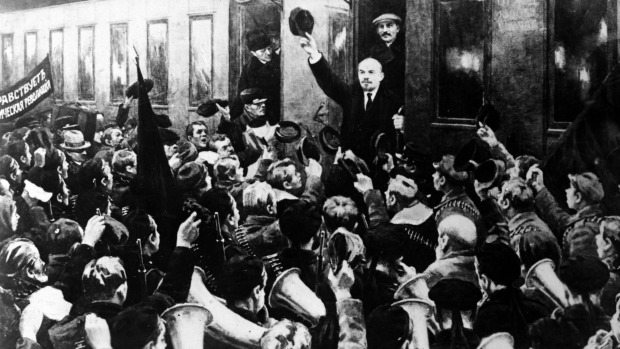
By October, Russia would experience its second revolution of the year. The German Empire could breathe easier. The “Russian Steamroller” was out of the war, and none too soon. With the United States entering the war that April, Chief of the General Staff Paul von Hindenburg and his deputy Erich Ludendorff could now move their divisions westward, in time to face the American Expeditionary Force.
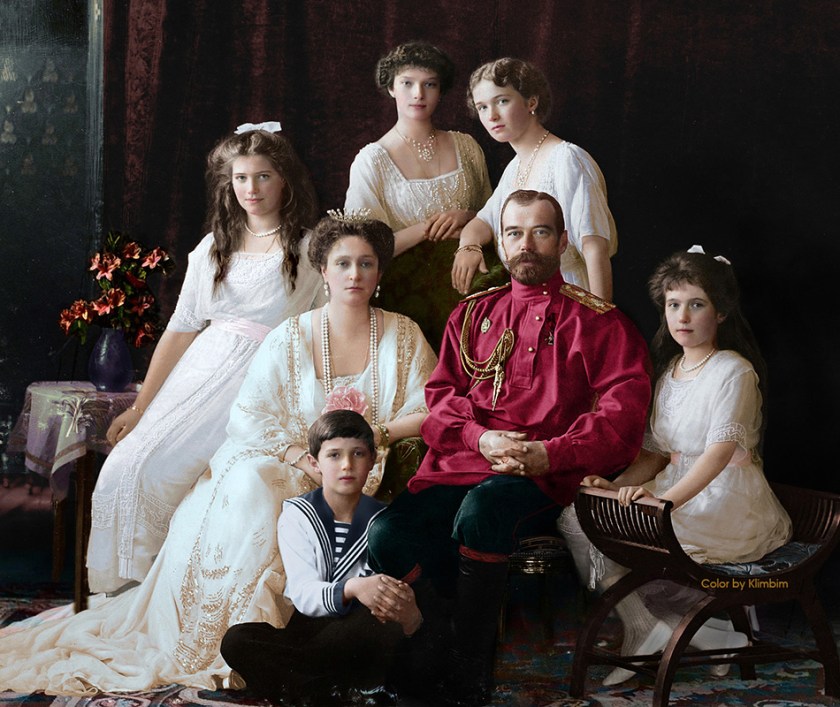
On July 17, 1918, an assassination squad from the Ural Soviet of Workers’ Deputies murdered Czar Nicholas along with his wife and children, family physician, servants and dogs. The Romanov Dynasty was no more. It was the end of Czarist Russia. The death toll of human beings murdered by the totalitarian state which would rise to take its place, has been estimated as high as sixty million.

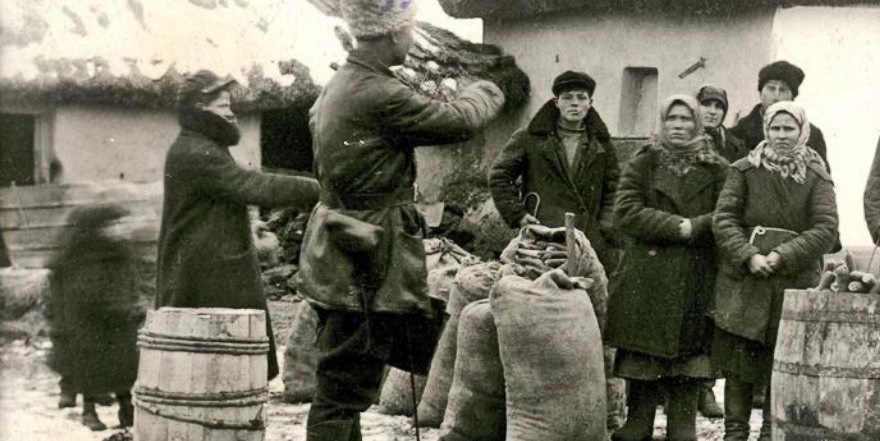
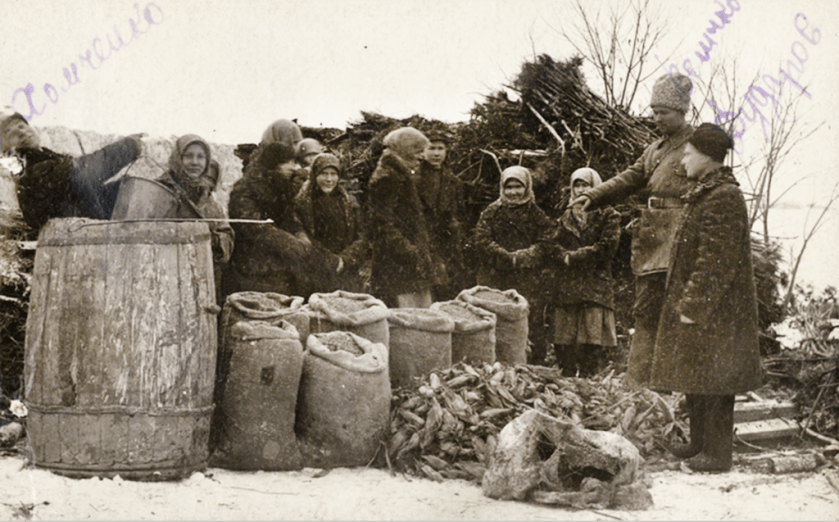
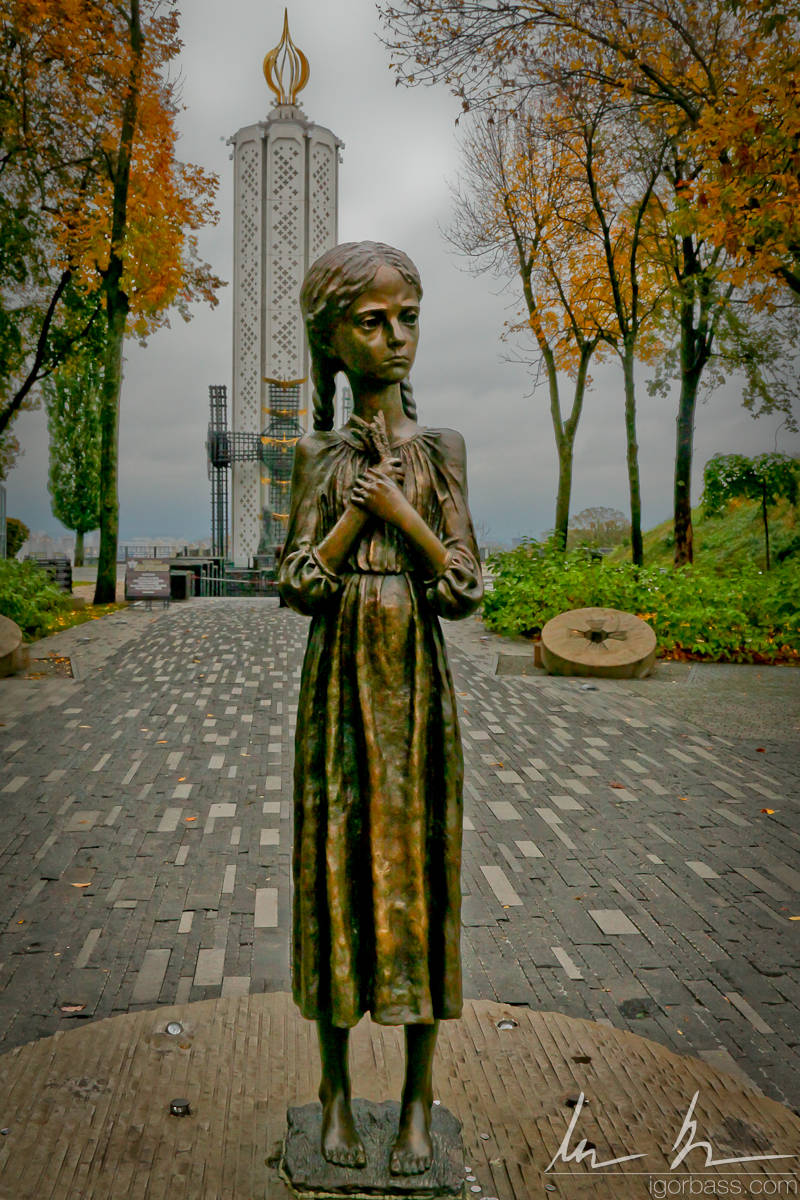

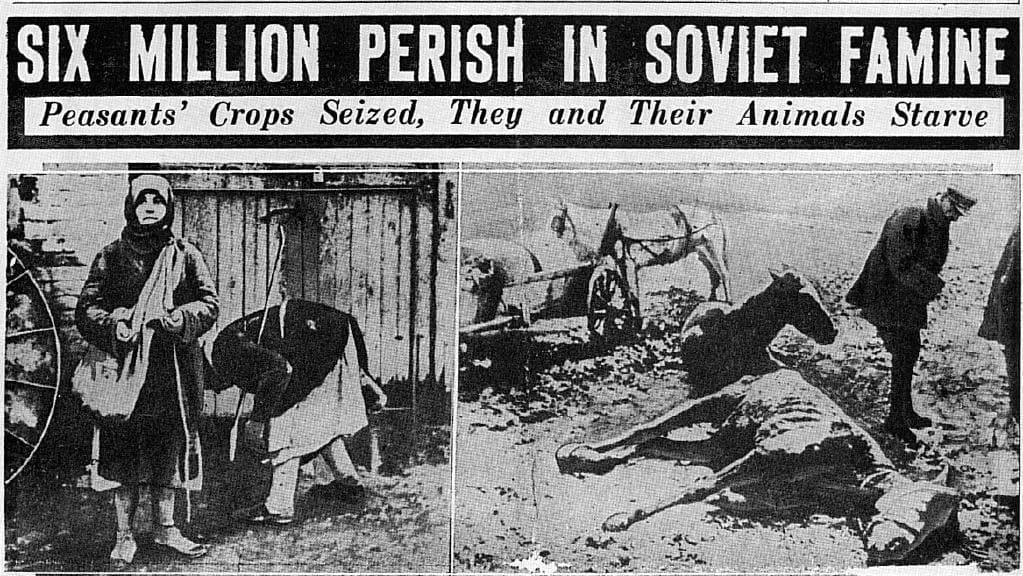
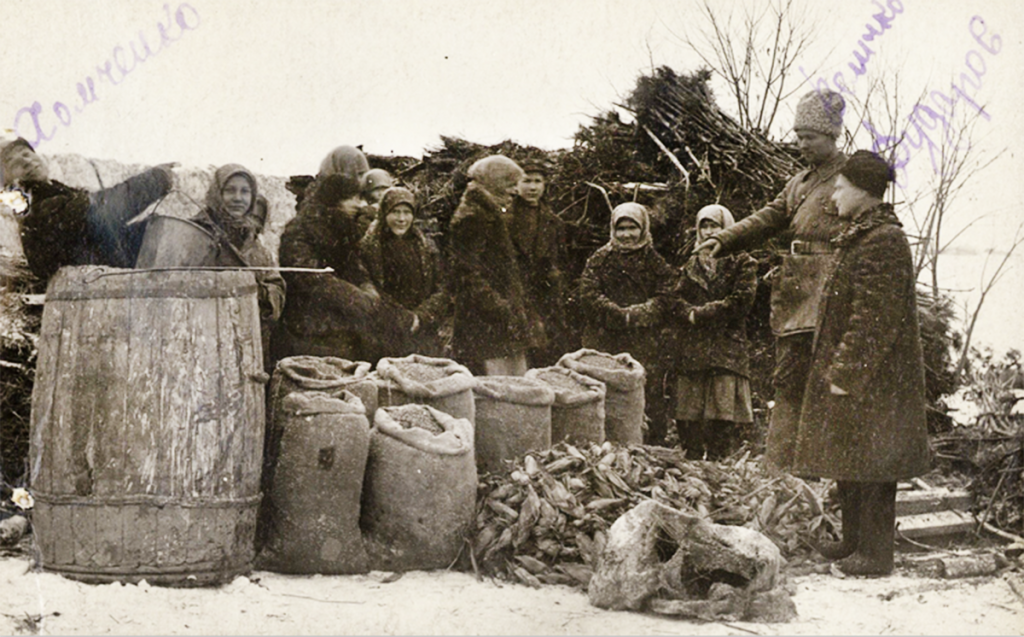 Armed dekulakization brigades confiscated land, livestock and other property by force, evicting entire families. Nearly half a million individuals were dragged from their homes in 1930-’31 alone, packed into freight trains and shipped off to remote areas like Siberia and often left without food or shelter. Many of them, especially children, died in transit or soon after arrival.
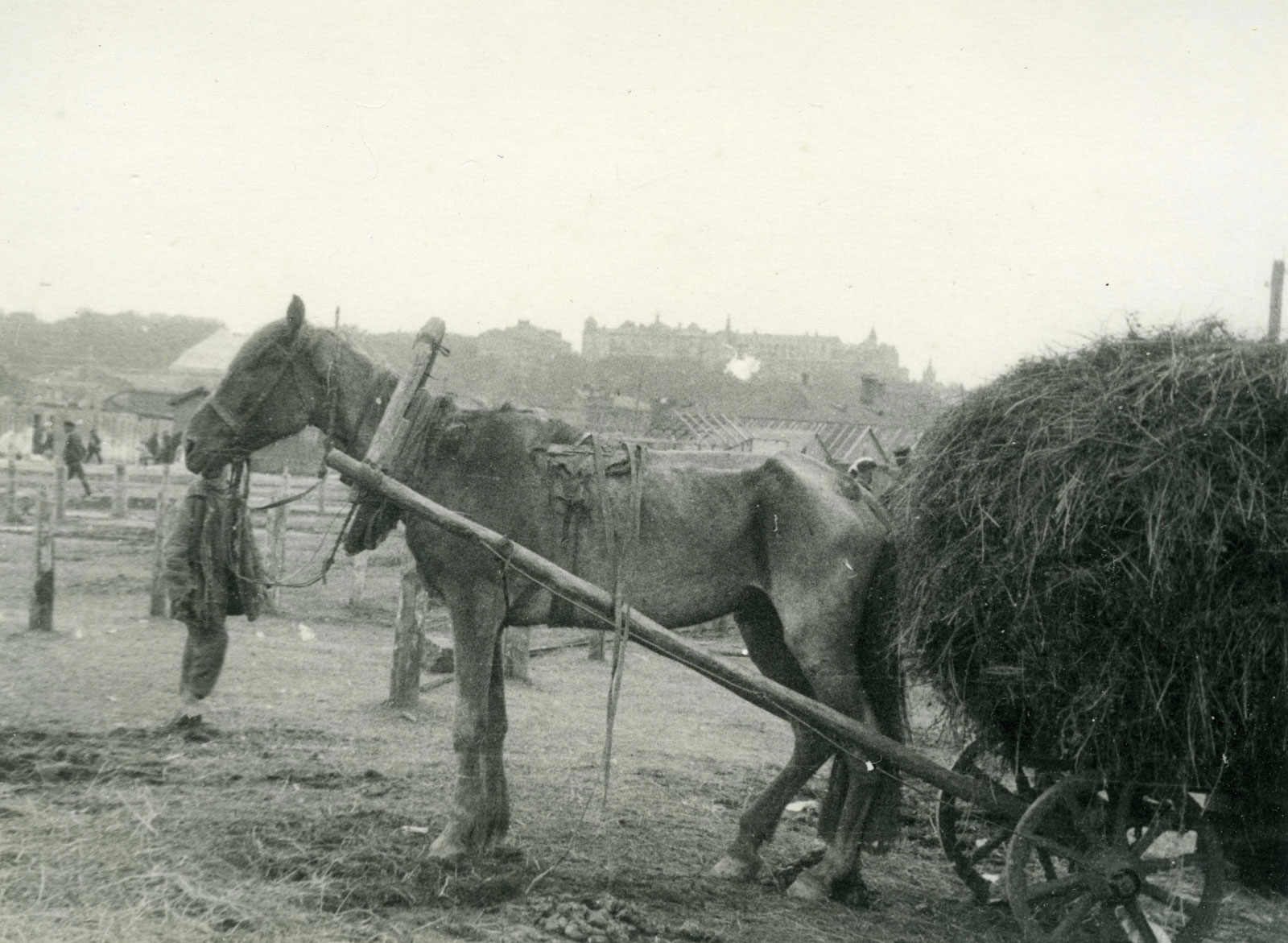
 Military blockades were erected around villages preventing the transportation of food, while brigades of young activists from other regions were brought in to sweep through villages and confiscate hidden grain.
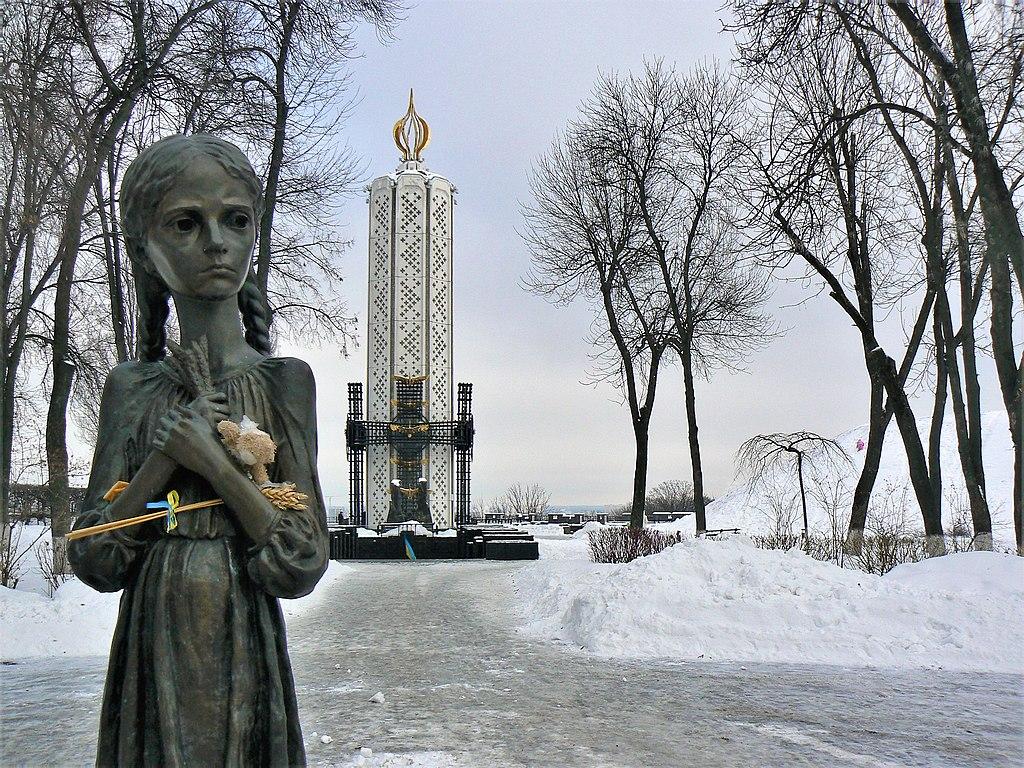
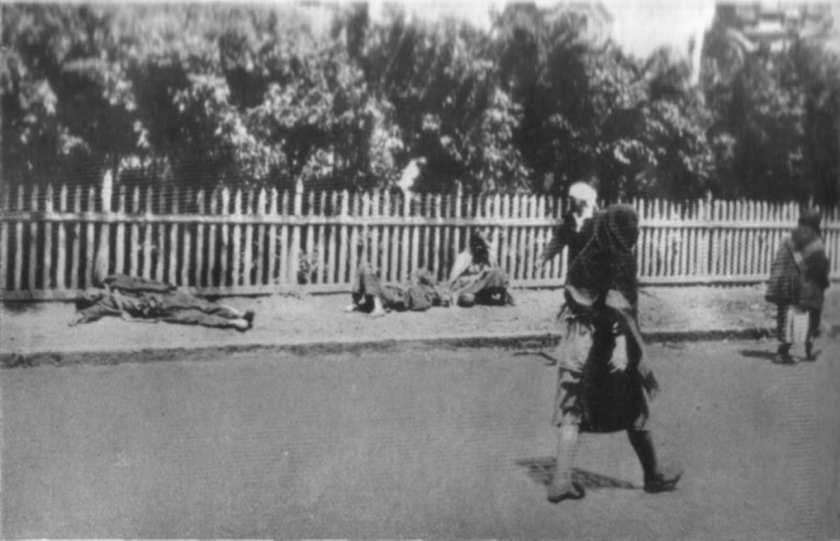
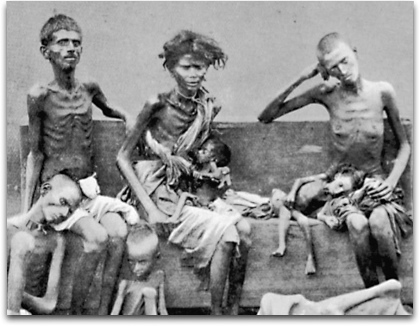
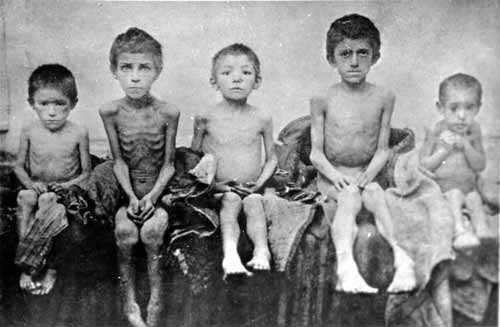
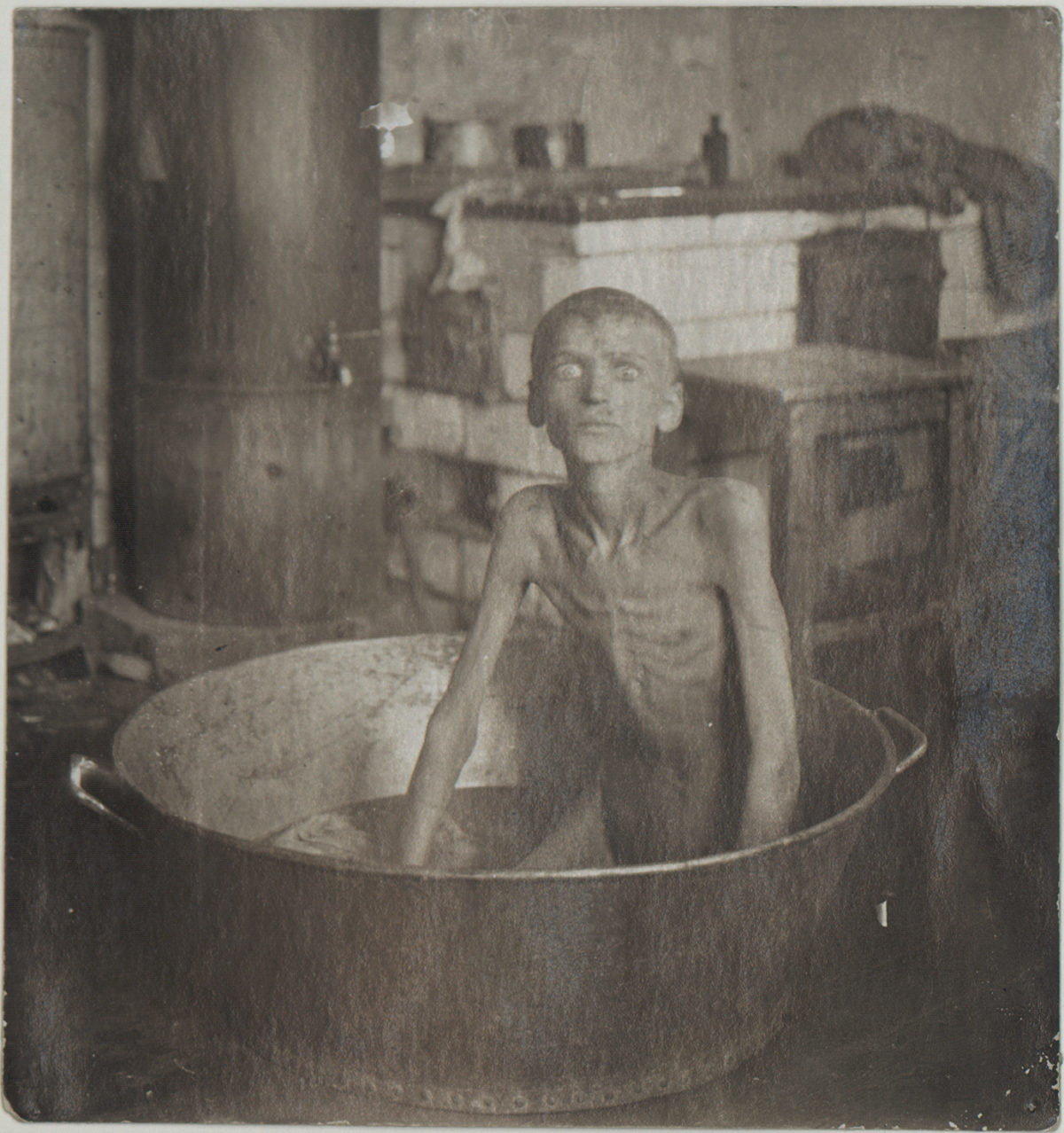 At the height of the famine, Ukrainians starved to death at a rate of 22,000 per day, almost a third of those, children 10 and under. How many died in total, is anyone’s guess. Estimates range from two million Ukrainian citizens murdered by their own government, to well over ten million.
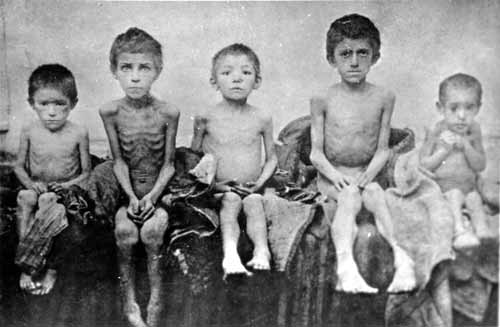 2,500 people were arrested and convicted during this time, for eating the flesh of their neighbors. The problem was so widespread that the Soviet government put up signs reminding survivors: “To eat your own children is a barbarian act.”
 To this day, the New York Times has failed to repudiate Walter Duranty’s Pulitzer.
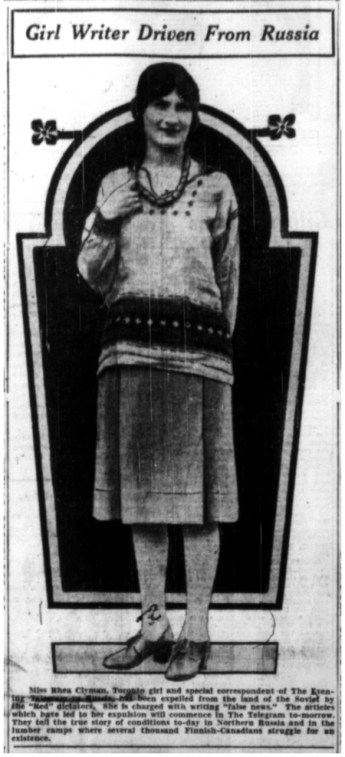
 To do so at all was an act of courage. single Jewish woman who’d lost part of a leg in a childhood streetcar accident, traveling to a place where the Russian empire and its successor state had a long and wretched history. Particularly when it came to the treatment of its own Jews.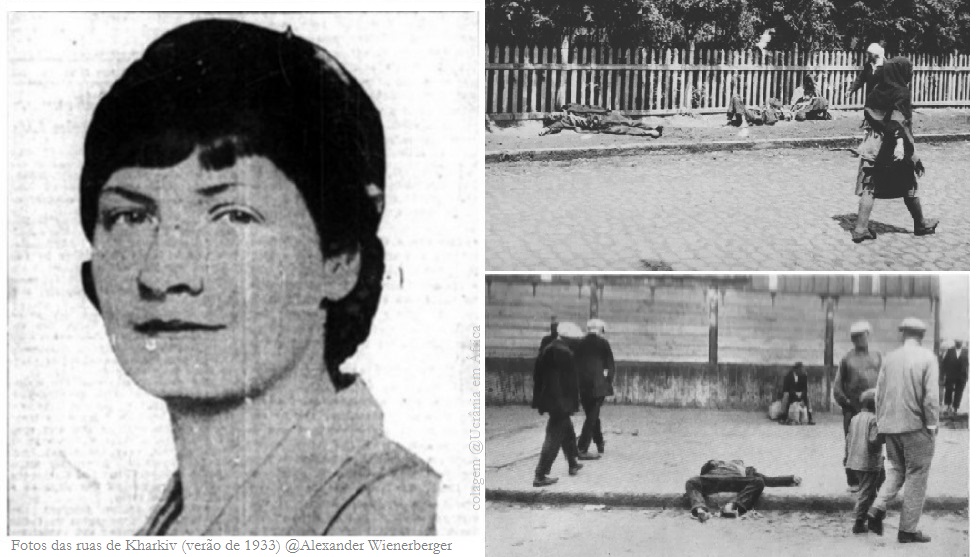
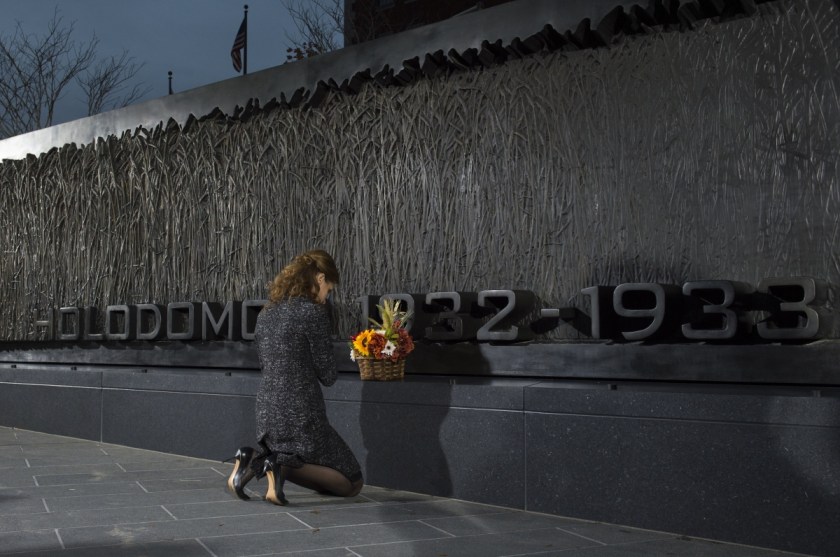
 The Holodomor Memorial to Victims of the Ukrainian Famine-Genocide of 1932–1933 was opened in Washington, D.C. on November 7, 2015


 Taken individually, either power possessed the potential to destroy the world order. The mind can only ponder the great good fortune of we who would be free, that these malign governments turned to destroying each other.
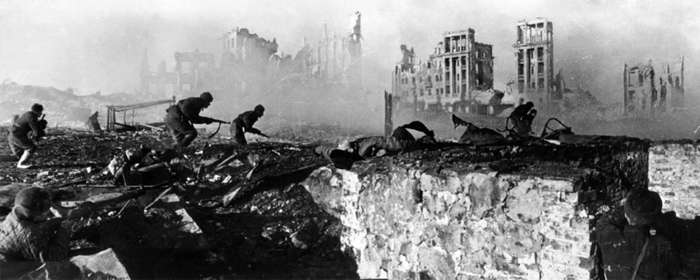


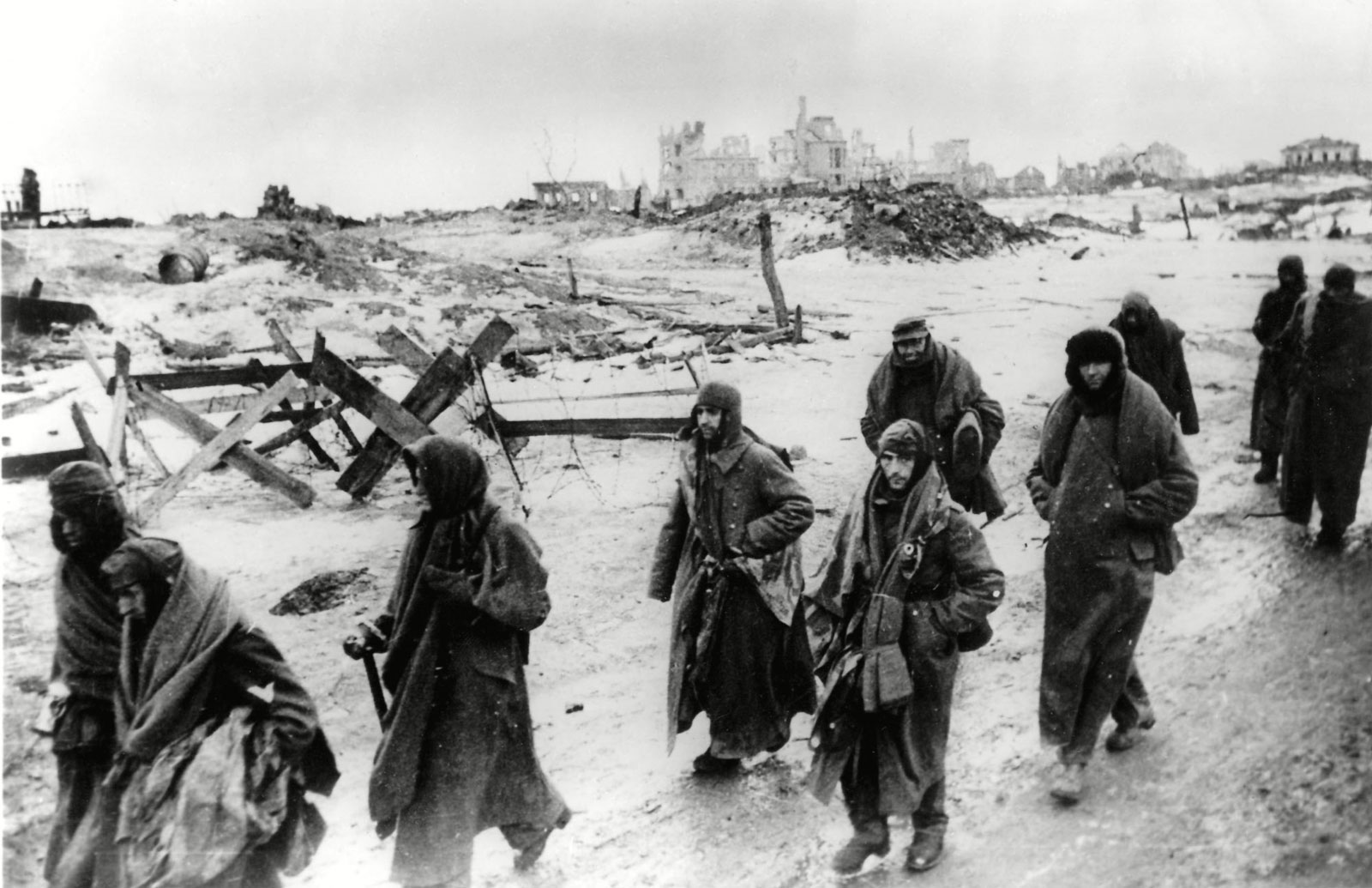


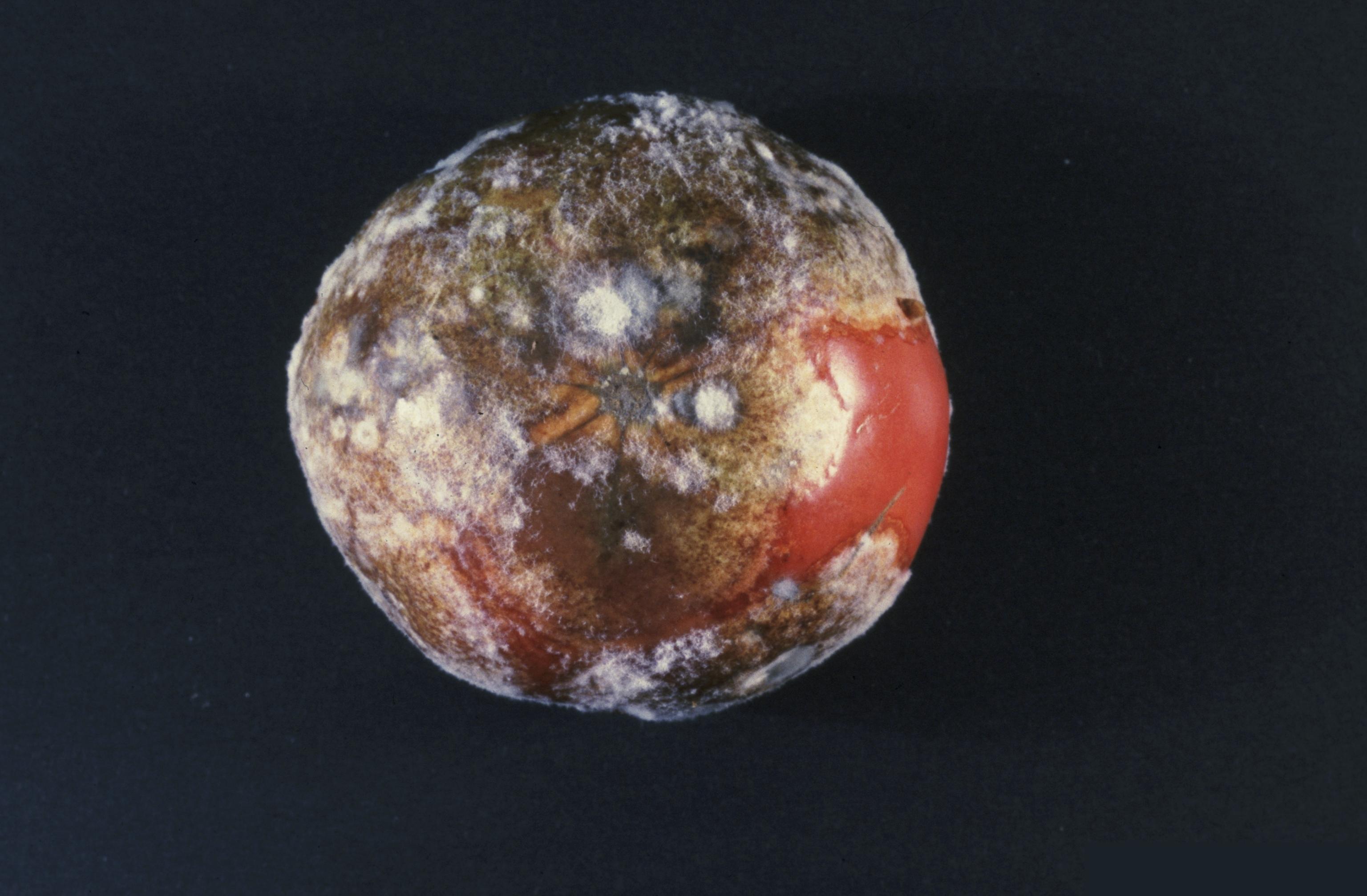
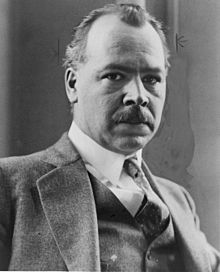
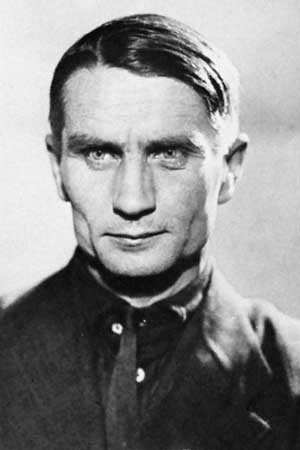
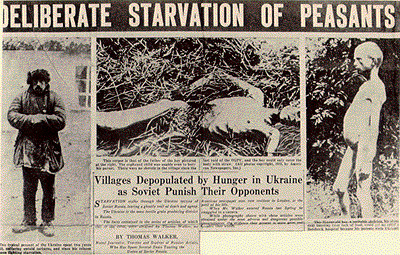 As Stalin’s Soviet Union imposed the “terror famine” of 1932-’33, the deliberate starvation of millions of Ukrainian peasant farmers known as the
  As director of the Soviet Academy of Agricultural Sciences, Lysenko put his theories to work, with unsurprisingly dismal results. He’d force Soviet farmers to plant WAY too close together, on the theory that plants of the same “class” would “cooperate” with one another, and that “mutual assistance” takes place within and even across plant species.
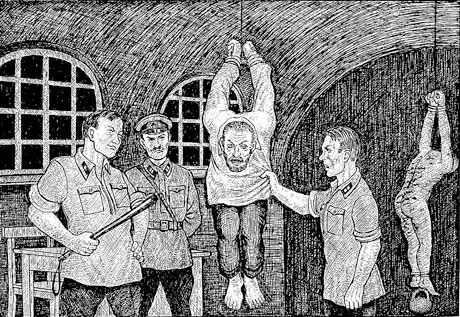
 By the siege’s end in the Spring of 1944, nine of them had starved to death, standing watch over all that food. These guys had stood guard over their seed bank for twenty-eight months, without eating so much as a grain.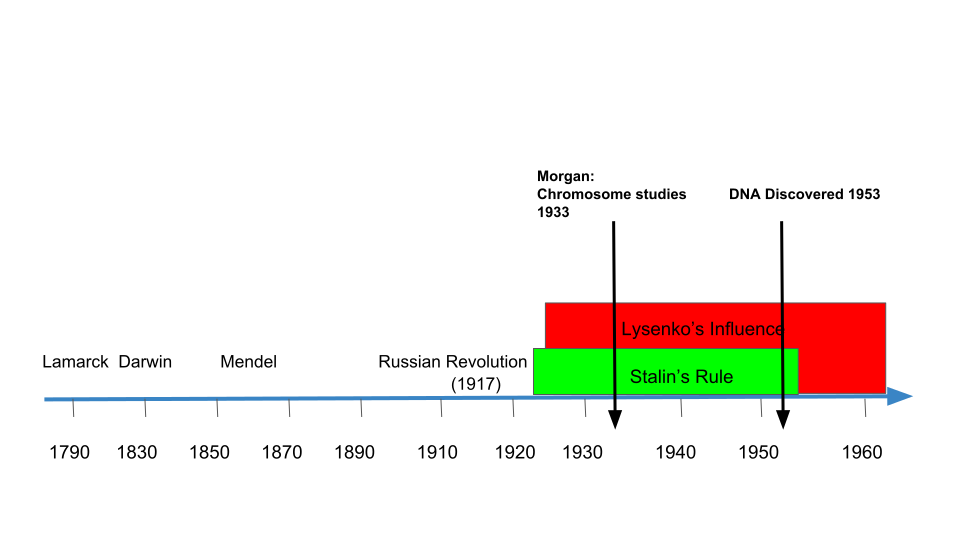

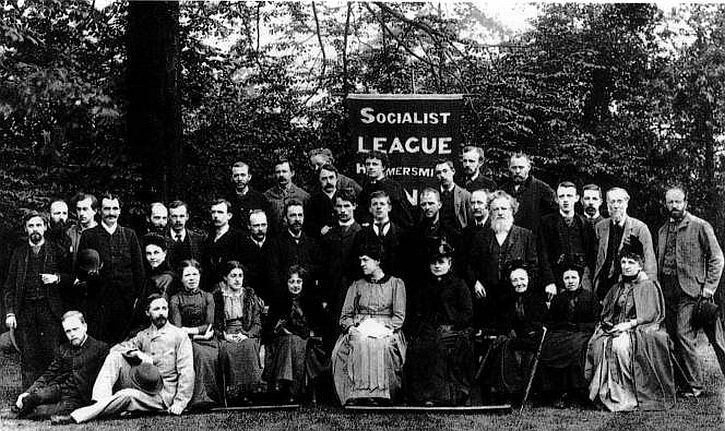




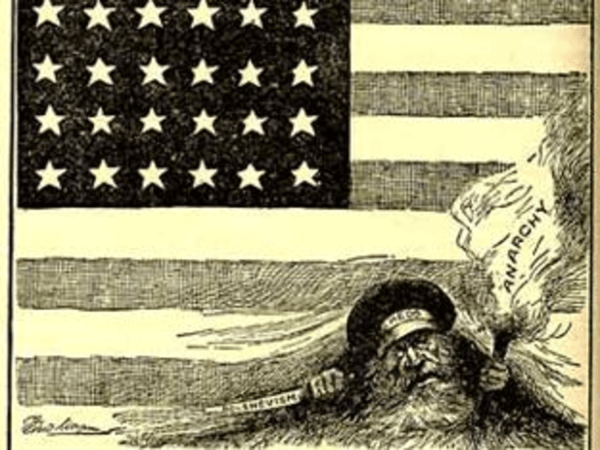 over the international tableau of the time, there appeared great cause for concern. The largest nation on the planet had just fallen to communism, in 1917.
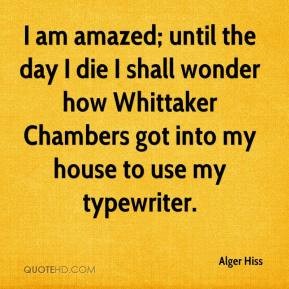 Hiss flatly denied Chambers’ charges, filing suit that December for defamation of character. Chambers doubled down in his 1948 deposition, claiming that Hiss was not only a communist sympathizer, he was also a spy.
 Historians John Earl Haynes and Harvey Klehr report that the Venona transcripts tied 349 Americans to Soviet intelligence, though fewer than half have ever been identified. The Office of Strategic Services alone, precursor to the CIA, housed between fifteen and twenty Soviet spies.
 Historical Easter Eggs - Today in History
You must be logged in to post a comment.