
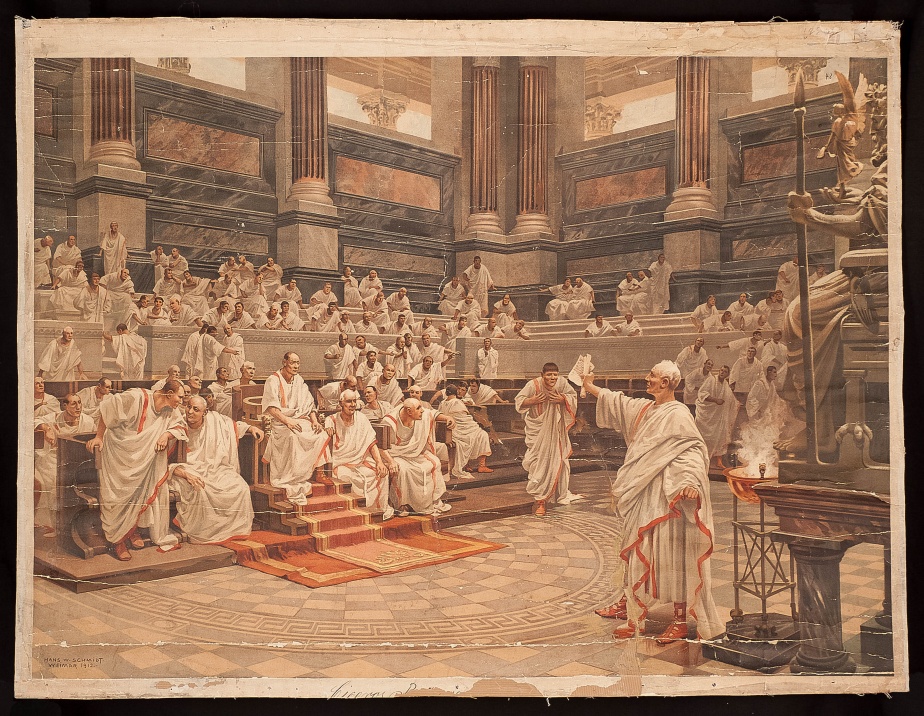
Ever since the overthrow of the Roman Monarchy in 509BC, Rome governed itself as a Republic. The government was headed by two consuls, elected by the citizens to one-year terms and advised by a Senate. The Republic operated on the principle of a separation of powers with checks and balances, and a strong aversion to the concentration of power. Except in times of national emergency, no single individual was allowed to wield absolute power over his fellow citizens.
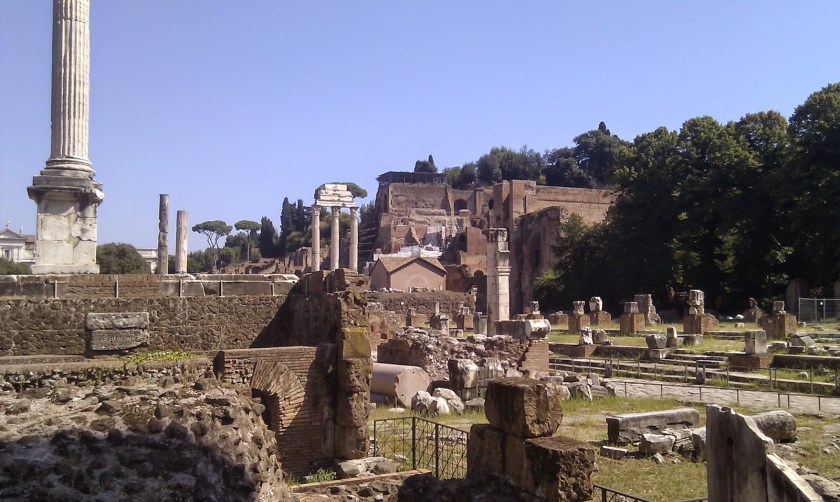 A series of civil wars and other events took place during the first century B.C., ending the Republican period and leaving in its wake an Imperium, best remembered for its long line of dictators.
Lucius Sergius Catilina was a Roman Senator during the final period of the Republic, best remembered for his attempt to overthrow the government, particularly the power of the aristocratic Senate. Catilina seems to have been an unsavory character, having first murdered his wife and son in order to marry the wealthy and beautiful Aurelia Orestilla, daughter of the consul of 71 B.C., Gnaeus Aufidius Orestes. He was later tried for adultery, with a vestal virgin.
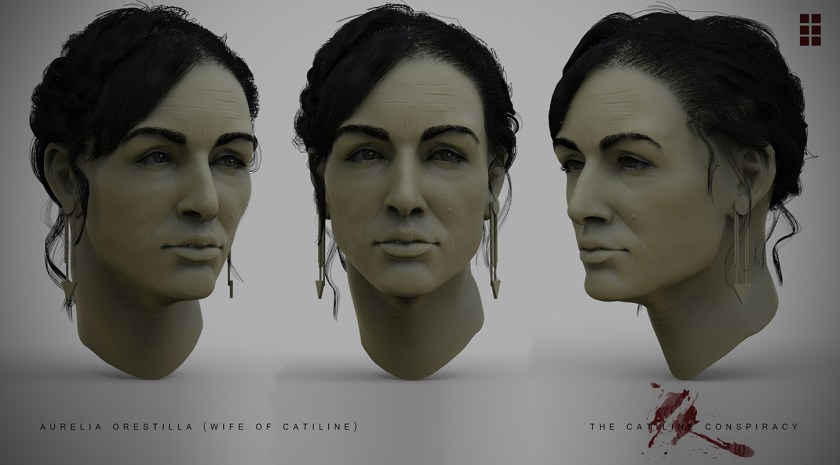
The first of two conspiracies bearing Catilina’s name began in 65 B.C., when he was supposed to have conspired to murder a number of Senators on their entering office, and making himself, Consul. Catilina himself may or may not have been involved at this stage. He would certainly be involved, in the second.
Catilina and a group of heavily indebted aristocrats concocted a plan to overthrow the Republic in 63 B.C., along with a number of disaffected veterans. The plot was revealed on the night of October 18 in letters delivered to Consul Marcus Tullius Cicero, by General Marcus Licinius Crassus. Cicero read these letters in the Senate the following day and later gave a series of four speeches, the Catiline Orations. 2,000 years later, we remember Cicero as one of the most powerful public speakers, of the Roman Republic. These Catiline Orations are held among his finest moments, as a speaker.

Cicero in the Senate denouncing Catiline, by Cesare Maccari
In his last speech, delivered in the Temple of Concordia on December 5, 63 B.C., Cicero established a basis for other speakers to take up the cause. As Consul, Cicero was not himself permitted to voice an opinion regarding the execution of conspirators. This speech laid the groundwork for others to do so, foremost, Cato the Younger.
The actual Senate debates are lost to history, leaving only Cicero’s four orations, but there was considerable resistance in the Senate to executing the conspirators. They were, after all, fellow aristocrats.

Milvian Bridge
The plotters went to the Allobroges seeking military assistance, but the Gallic tribe wanted no part it and reported the proposal to their Roman patron. Armed forces of the conspirators were ambushed at the Milvian Bridge, where the Via Flaminia crosses the Tiber River. The rest were executed by the end of December.
Catilina himself was killed in battle the following January, near the Tuscan city of Pistoria. By this time, Catilina’s army had dwindled from 10,000 strong, to less than a third of that. The outcome of the battle was never in doubt yet, when the bodies were sorted out, the traitor and his last loyal few had received their mortal wounds, in the front.
The Republic was saved. For now.
At one point during this period, then-Senator Julius Caesar stepped to the rostrum to have his say. He was handed a paper and, reading it, stuck the note in his toga and resumed his speech. Cato, Caesar’s implacable foe, stood in the senate and demanded that Caesar read the note. It’s nothing replied the future emperor, but Cato thought he had caught the hated Caesar red handed, and went in for the kill. “I demand you read that note”, he said, or words to that effect. He wouldn’t let it go. At last, Caesar relented. With an actor’s timing, he pulled out the note and read it to a hushed senate.
It turned out to be a love letter, a graphic one, wherein Servilia Caepionis described in detail what she wanted to do with Caesar, once she got him alone. As if the scene wasn’t bad enough, Servilia just happened to be Cato’s half-sister.
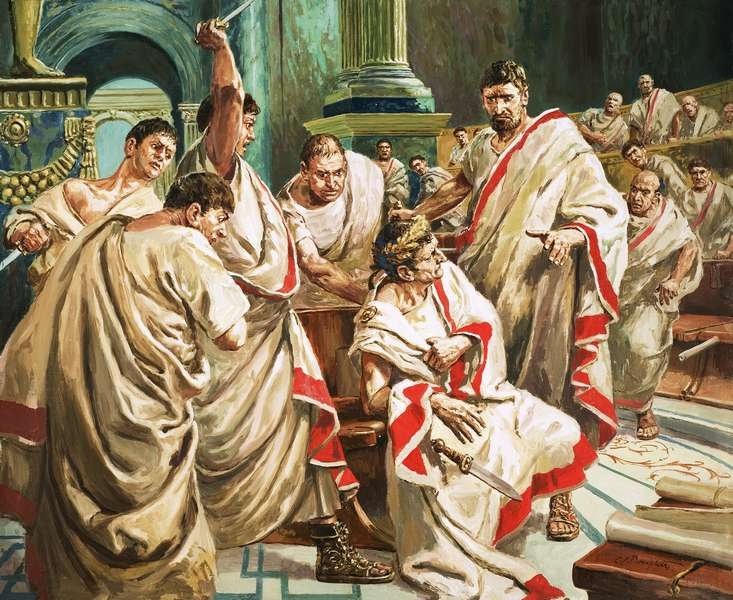
Assassination of Julius Caesar
Here’s where the story becomes Very interesting. Caesar was a well-known lady’s man. By the time of his assassination, he had carried on with Servilia for years. Servilia Caepionis had a son, one Marcus Junius Brutus.
 Brutus was 41 on the 15th of March, 44 B.C. The “Ides of March”. Caesar was 56. The Emperor’s dying words are supposed to have been “Et tu, Brute?”, as Brutus plunged the dagger in. “And you, Brutus?” But that’s not what he said. Those words were put into his mouth 1,643 years later, by William Shakespeare.
Eyewitness accounts to Caesar’s last words are lost to history, but more contemporary sources recorded the Emperor’s dying words as “Kai su, Teknon?”, in Greek. “And you, my child?”
It seems unlikely that Brutus murdered his father on the Ides of March, but not impossible. It’s hard to make the dates work. Still, it makes you wonder…
Feature image, top of page: “The picture shows the politician and most famous orator of Rome, Cicero (106-43 BC).In the year 63 BC, the senator Lucius Sergius Catilina (aprox. 108-62 BC) tried to seize power. You can see Cicero in the temple of Jupiter delivering his first of four orations against Catiline. Cicero thwarted Catiline’s conspiracy and, for the moment, saved the Republic”. H/T Historywallcharts.eu


 The Meux’s Brewery Co Ltd, established in 1764, was a London brewery owned by Sir Henry Meux. What the Times article was describing was a 22′ high monstrosity, held together by 29 iron hoops.
 The brewery was located in the crowded slum of St. Giles, where many homes contained several people to the room.
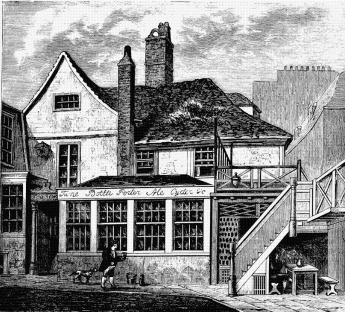 One brewery worker was able to save his brother from drowning in the flood, but others weren’t so lucky.
 In the days that followed, the crushing poverty of the slum led some to exhibit the corpses of their family members, charging a fee for anyone who wanted to come in and see. In one house, too many people crowded in and the floor collapsed, plunging them all into a cellar full of beer.


 On this day in 1987, Jessica McClure’s life was anything but normal. Frightened and alone, “Baby Jessica” was stuck twenty-two feet down, at the bottom of a well.

 The sun went down that Wednesday and rose the following day and then it set, and still, the nightmare dragged on.



 Margaretha Geertruida Zelle, “M’greet” to family and friends, was born in the Netherlands on August 7, 1876, the eldest of four children.
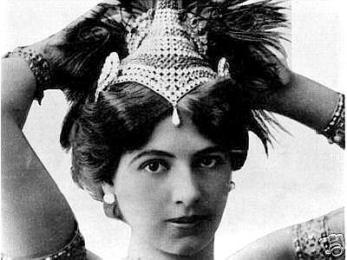 All things “Oriental” were all the rage in early 1900s Paris. Mata Hari played the more exotic aspects of her background to the hilt, projecting a bold and in-your-face sexuality that was unique and provocative for her time.
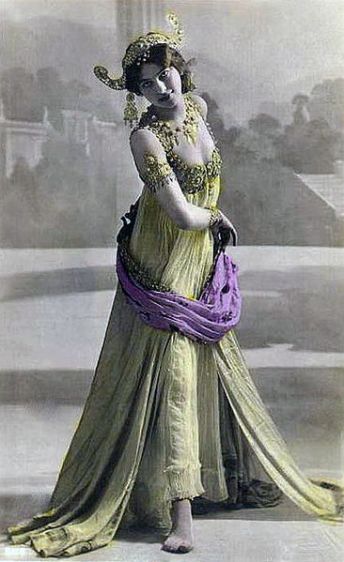 The world stood still at the beginning of World War I, but not Mata Hari. Her dancing days were over by 1914, but her neutral Dutch citizenship allowed her to move about without restriction. But not without a price. Mata Hari’s sexual conquests knew no border, naively including officers and government officials of every nationality, and both sides of the Great War.
 Mata Hari’s elderly defense attorney and former lover Edouard Clunet, never really had a chance. He couldn’t cross examine the prosecution’s witnesses, or even directly question his own.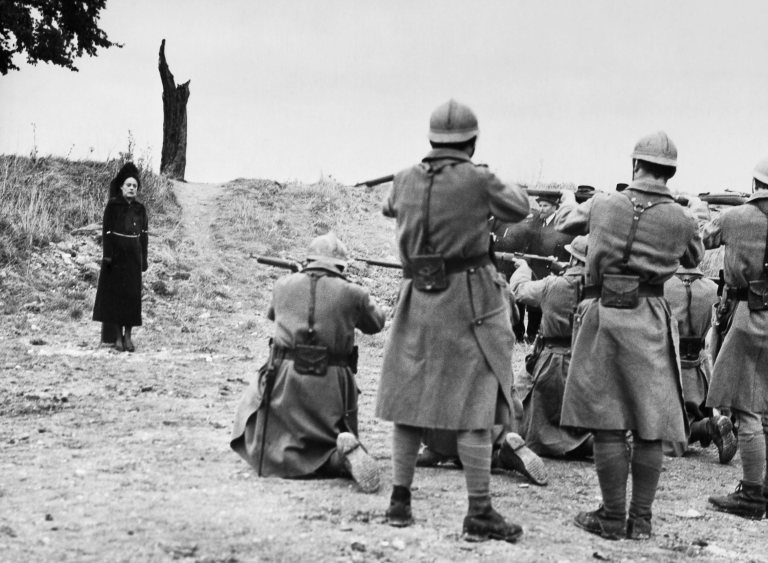


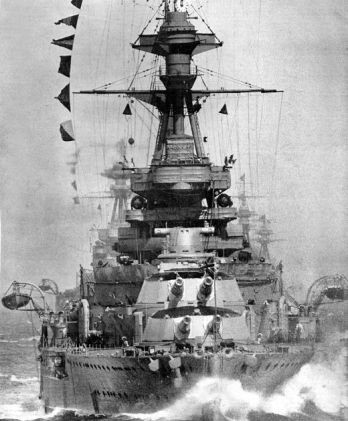 The harbor at Scapa flow had been home to the British deep water fleet since 1904, a time when the place truly was, all but impregnable. By 1939, anti-aircraft weaponry was all but obsolete, old block ships were disintegrating, and anti-submarine nets were inadequate to the needs of the new war.
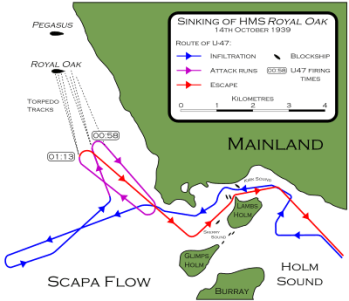 The electric torpedoes of the era were highly unreliable, and this wasn’t shaping up to be their night.





 One day at an open-air market, the peg-legged signalman saw something that changed all that. It was a monkey, a Chacma baboon.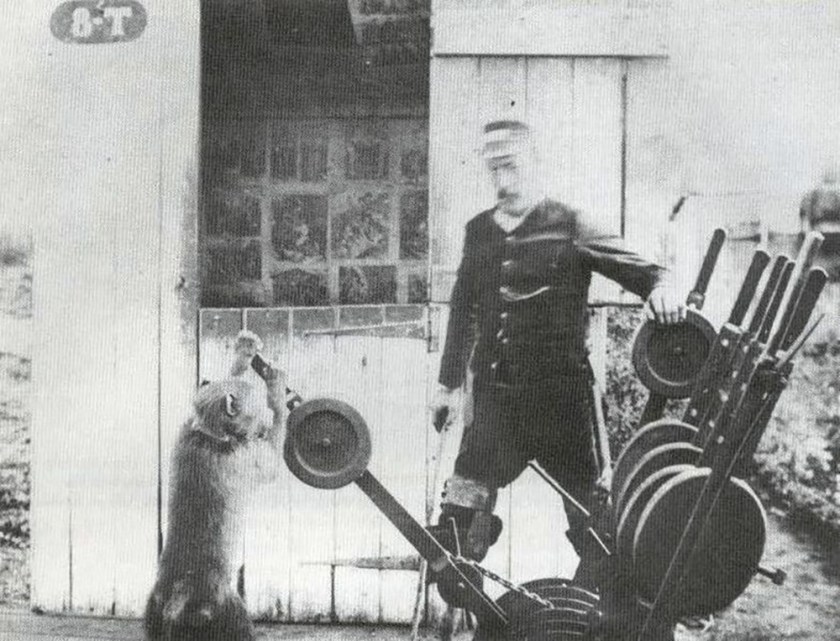


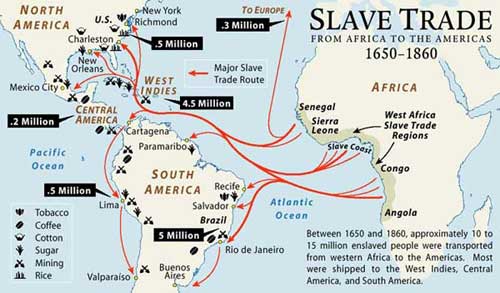
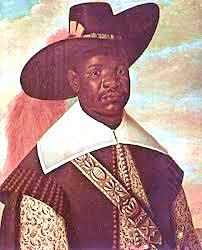 Juan Garrido moved from the west coast of Africa to Lisbon, Portugal, possibly as a slave, or perhaps the son of an African King, sent for a Christian education. Be that as it may, Garrido came to the new world a free man in 1513, with Juan Ponce de León. A black Conquistador who spent thirty years with the conquest, “pacifying” (fighting) indigenous peoples and searching for gold, and the mythical fountain of youth.
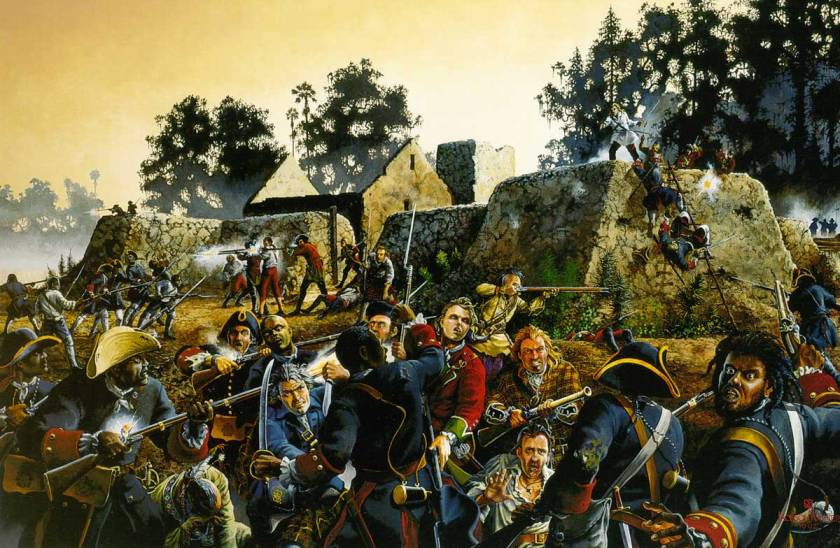
 The Spanish government in Florida began to offer asylum to slaves from British colonies as early as 1687, when eight men, two women and a three year old nursing child arrived there, seeking refuge. It probably wasn’t as altruistic as it sounds, given the history. The primary interest seems to have been disrupting the English agricultural economy, to the north.









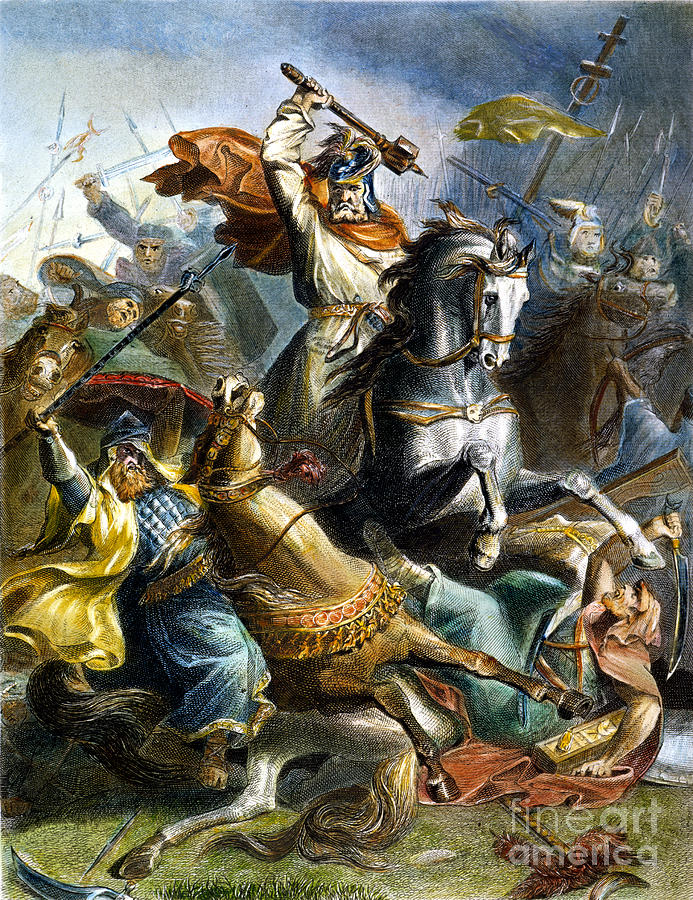

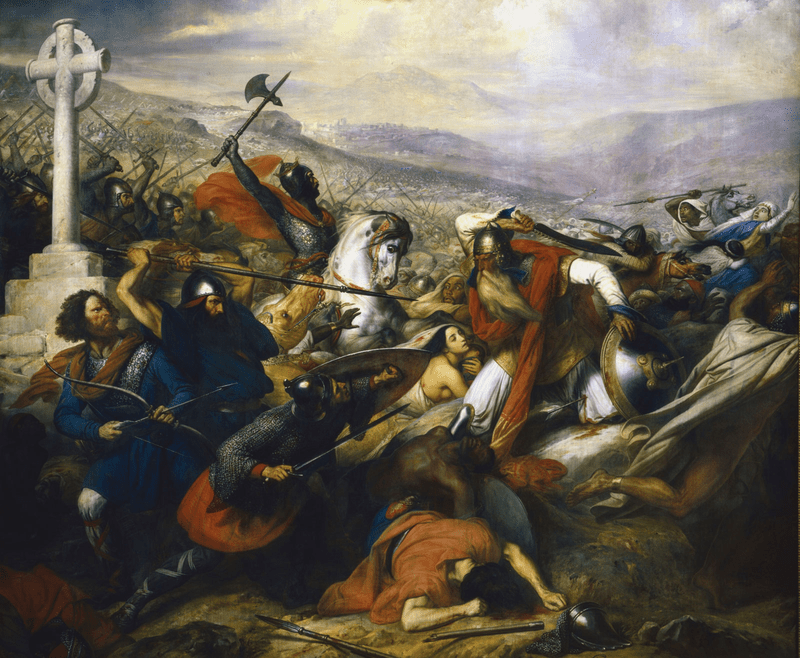
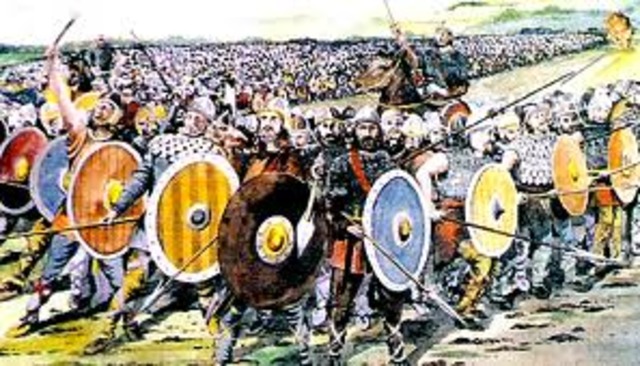
 Charles consolidated his power in a series of wars between 718 and 732, subjugating Bavarians Allemanii, and pagan Saxons, and combining the formerly separate Kingdoms of Nuestria in the northwest of modern day France with that of Austrasia in the east.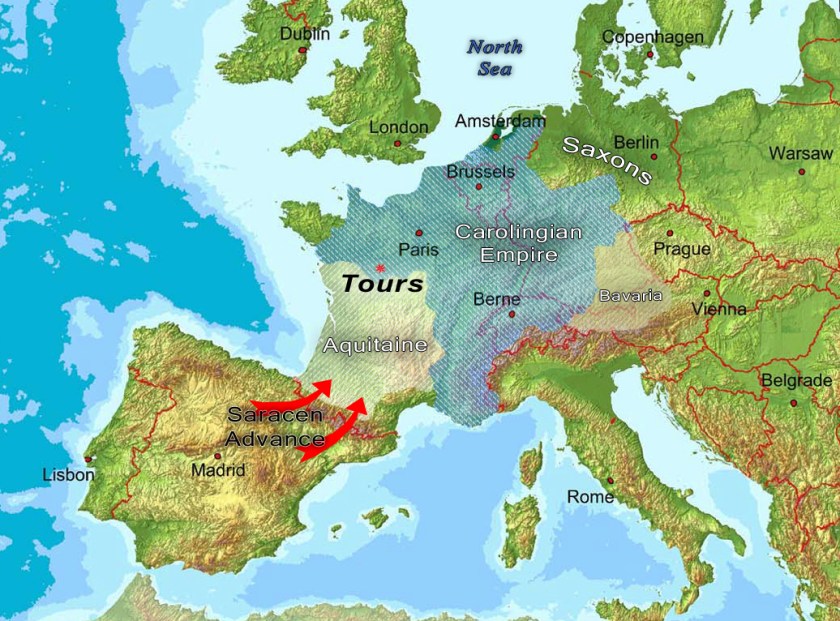

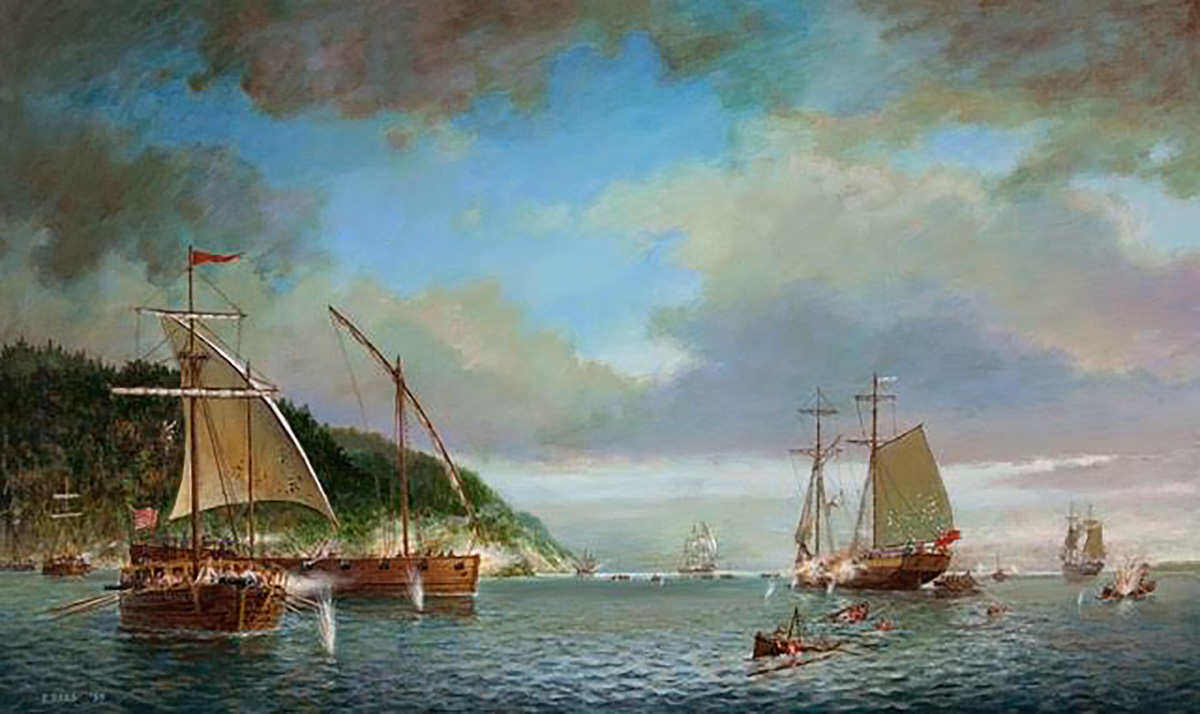

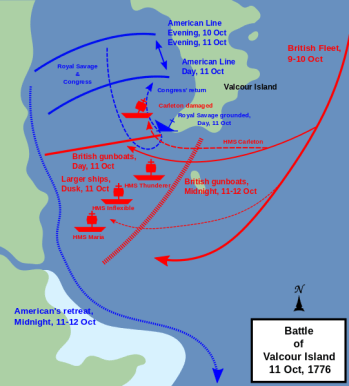 It’s not well known that the American Revolution was fought in the midst of a smallpox pandemic. General George Washington was an early proponent of vaccination, an untold benefit to the American war effort, but a fever broke out among shipbuilders which nearly brought their work to a halt.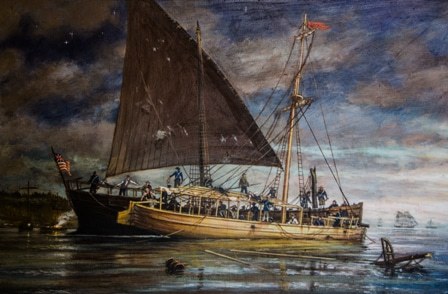
 200 were able to escape to shore, the last of whom was Benedict Arnold himself, who personally torched his own flagship, the Congress, before leaving it behind, flag still flying.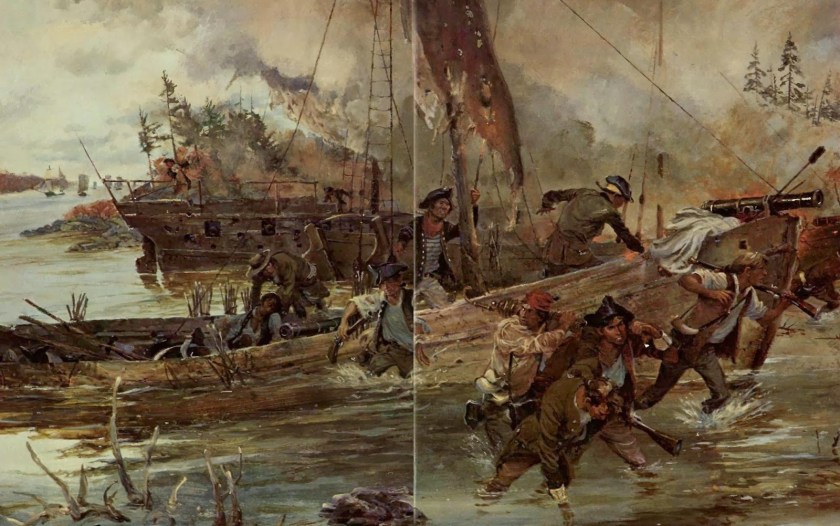

 Historical Easter Eggs - Today in History
You must be logged in to post a comment.