

For the Islamic world, the 11th century was a time of political instability. The Fatimid Caliphate, established in 909 and by this time headquartered in Cairo, was in sharp decline by 1090. The Fatimids were destined to disappear within the next 100 years, eclipsed by the Abbasid Caliphate of An-Nasir Salah ad-Din Yusuf ibn Ayyub, better known to anyone familiar with the story of Richard the Lionheart, as Saladin.
To the east lay the Great Seljuk Empire, the Turko-Persian, Sunni Muslim state established in 1037 and stretching from the former Sassanid domains of modern-day Iran and Iraq, to the Hindu Kush. An “appanage” or “family federation” state, the Seljuk empire was itself in flux after a series of succession contests, and destined to disappear in 1194.
Into the gap stepped the “Old Man of the Mountain”, Hassan-i Sabbah, and his fanatically loyal, secret sect of “Nizari Ismaili” followers, the Assassins.

The name derives from the Arabic “Hashashin”, meaning “those faithful to the foundation”. Marco Polo reported a story that the old man of the mountain got such fervent loyalty from his young followers, by drugging and leading them to a “paradise” of earthly delights, to which only he could return them. The story is probably apocryphal, there is little evidence that hashish was ever used by the Assassins’ sect. Sabbah’s followers believed him to be divine. A Prophet, personally selected by Allah. The man didn’t need to drug his “Fida’i” (self-sacrificing agents). He was infallible. His every whim was obeyed, as the literal Word of God.
The mountain fortification of Alamut in northern Persia was probably impervious to defeat by military means, but not to the two-years long campaign of stealth and pretend friendship practiced by Sabbah and his followers. In 1090, Alamut fell in a virtually bloodless takeover, becoming the headquarters of the Nizari Ismaili state.

Why Sabbah would have founded such an order is unclear, if not in pursuit of his own personal and political goals. By the time of the first Crusade, 1095-1099, he found himself pitted against rival Muslims and invading Christian forces, alike.
Sabbah would order the elimination of rivals, usually up close, with the dagger. From religious figures to politicians and great generals, assassinations were preferably performed in broad daylight, in as public a manner as possible. There was always a message. It was important that everyone understand it.
Though the “Fida’in” occupied the lowest rank of the order, great care was devoted to their education and training. Possessed of all the physical prowess of youth, the individual assassin was also intelligent and well-read, highly trained in combat tactics, the art of disguise and the skills of the expert horseman. All the necessary traits, for anyone who would penetrate enemy territory, insinuate himself into their ranks, and murder the victim who had learned to trust him.

Sometimes, a credible threat of assassination was as effective as an actual killing. When the new Seljuk Sultan Ahmad Sanjar rebuffed Hashashin diplomatic overtures in 1097, he awoke one morning to find a dagger stuck into the ground, next to his bed. A messenger arrived sometime later from the old man of the mountain. “Did I not wish the Sultan well” he said, “that the dagger which was struck in the hard ground would have been planted on your soft breast?” The technique worked nicely. For the rest of his days, Sanjar was happy to allow the Hashashin to collect tolls from travelers. The Sultan even provided them with a pension, collected from the inhabitants of the lands they occupied.
Saladin himself awoke one morning, to find a note resting on his breast, along with a poisoned cake. The message was clear. Sultan of all Egypt and Syria though he was, Saladin made an alliance with the rebel sect. There were no more attempts on his life.
It’s impossible to know how many of the hundreds of political assassinations of this period, were attributable to the followers of Hassan-i Sabbah. Without a doubt, their fearsome reputation ascribed more political murder to the sect, than they were actually responsible for. In the years during which it existed, the Assassins occupied scores of mountain redoubts, first in Persia and later in Syria.

The Fida’in of Hassan-i Sabbah were some of the most feared killers of the middle ages. Intimidating as they were, there came a time when the order of the Assassins tangled with someone even scarier than themselves.
The Grand Master dispatched his killers to Karakorum in the early 1250s, to murder the grandson of Genghis Khan, the Great Khan of the “Golden Horde”, Möngke. It was a bad idea.
The Nestorian Christian ally of the Mongol Empire Kitbuqa Noyan, was ordered to destroy several Hashashin fortresses in 1253. Möngke’s brother Hulagu rode out at the head of the largest Mongol army ever assembled in 1255, with no fewer than 1,000 Chinese engineer squads. Their orders were to treat those who submitted with kindness, and to utterly destroy those who did not.

That he did. Rukn al-Dīn Khurshāh, fifth and final Imam who ruled at Alamut, submitted after four days of preliminary bombardment. Mongol forces under the command of Hulagu Khan entered and destroyed the Hashshashin stronghold at Alamut Castle on December 15, 1256. Hassan-i Sabbah and his seven successor Lords had built from scratch, a state which managed to survive for 166 years in a world of far more powerful adversaries.
Hulagu went on to subjugate the 5+ million Lurs people of western and southwestern Iran, the Abbasid Caliphate in Baghdad, the Ayyubid state of Damascus, and the Bahri Mamluke Sultanate of Egypt. Mongol and Muslim accounts alike, agree that the Caliph of Baghdad was rolled up in a Persian rug, and the horsemen of Hulagu rode over him, because Mongols believed that the earth was offended if touched by royal blood.
Some people are not to be trifled with.
If you enjoyed this “Today in History”, please feel free to re-blog, “like” & share on social media, so that others may find and enjoy it as well. Please click the “follow” button on the right, to receive email updates on new articles. Thank you for your interest, in the history we all share.


 NAAFI personnel serving on ships are assigned to duty stations and wear uniforms, while technically remaining civilians.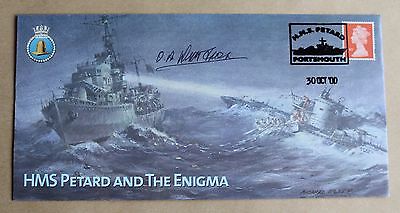


 Early versions of the German “Enigma” code were broken as early as 1932, thanks to cryptanalysts of the Polish Cipher Bureau, and French spy Hans Thilo Schmidt.
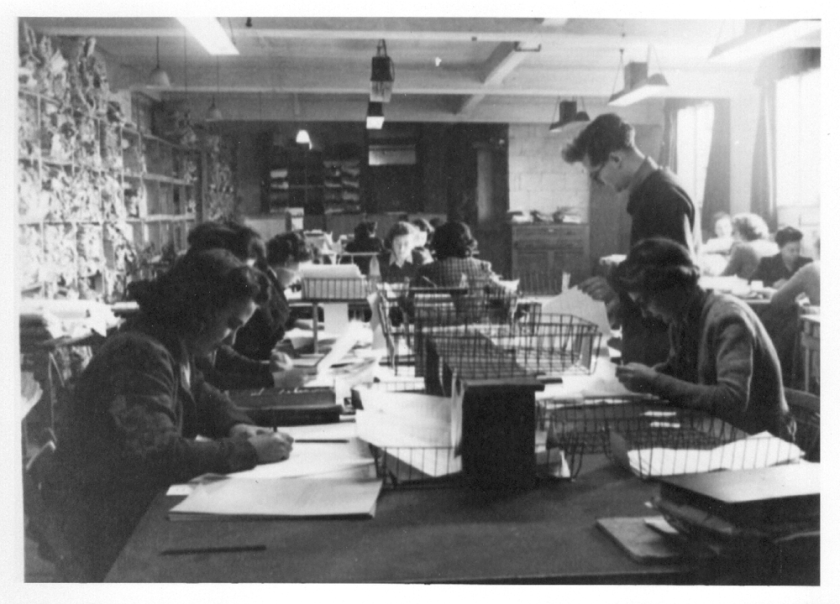 The beginning of the end of darkness came to an end on October 30, when a ship’s cook climbed up that conning ladder. Code sheets allowed British cryptanalysts to attack the “Triton” key used by the U-boat service. It would not be long, before the U-boats themselves, were under attack.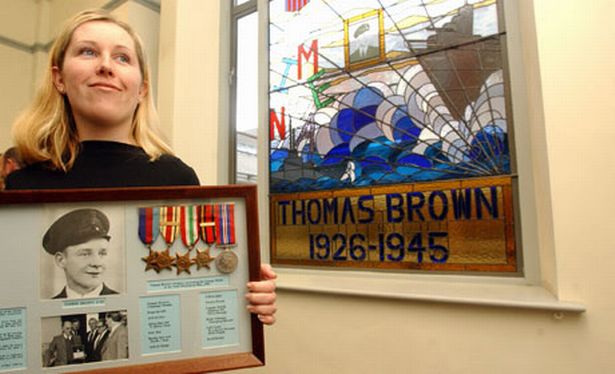

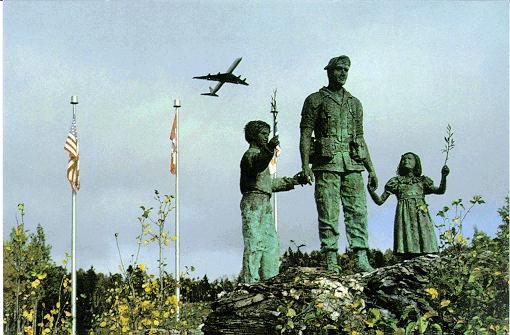


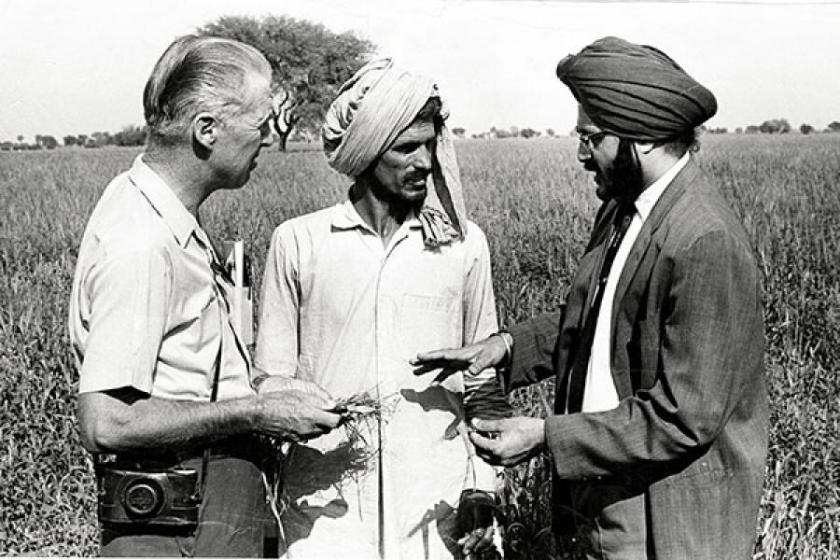
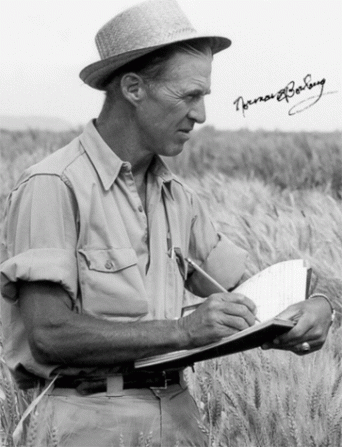 Borlaug earned his Bachelor of Science in Forestry, in 1937. Nearing the end of his undergraduate education, he attended a lecture by Professor Elvin Charles Stakman discussing plant rust disease, a parasitic fungus which feeds on phytonutrients in wheat, oats, and barley crops.





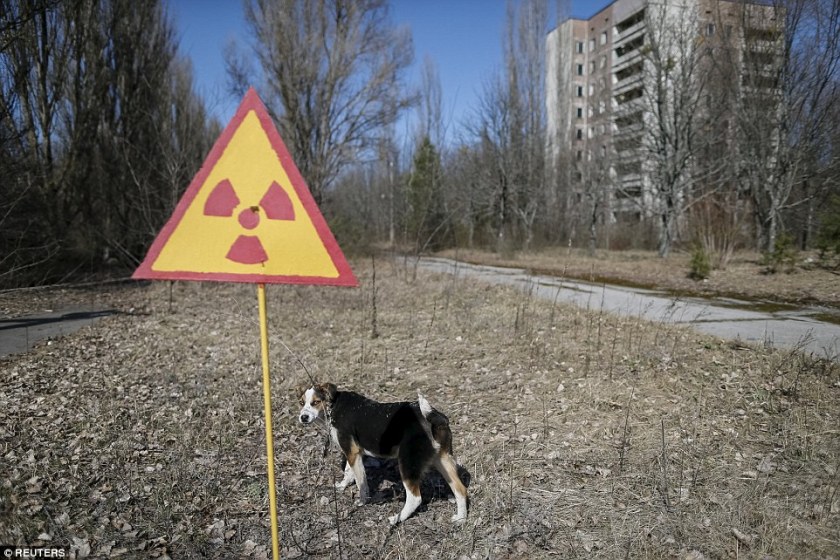
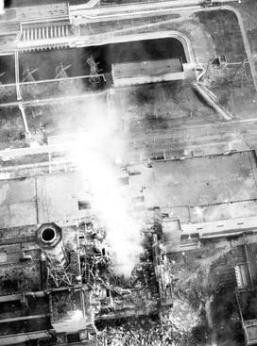 The accident began as a test, a carefully planned series of events, intending to simulate a station blackout at the Chernobyl Nuclear Power Plant, in the Soviet Socialist Republic of Ukraine.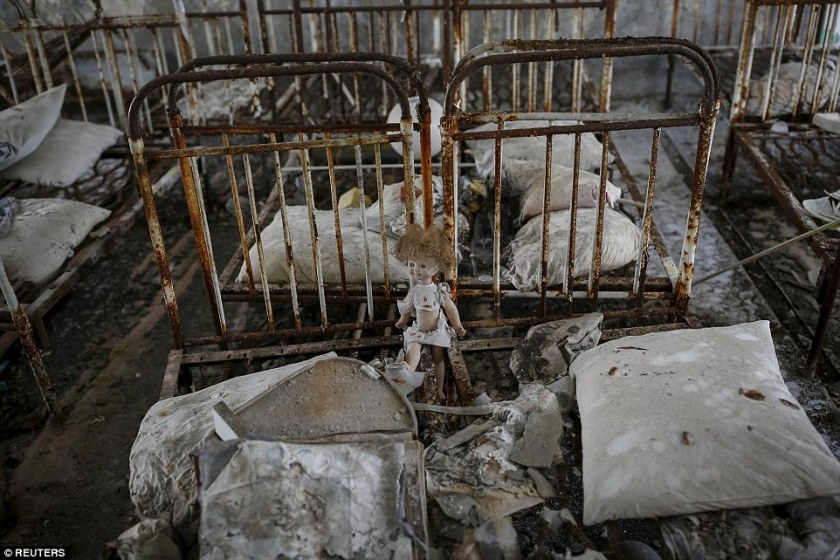













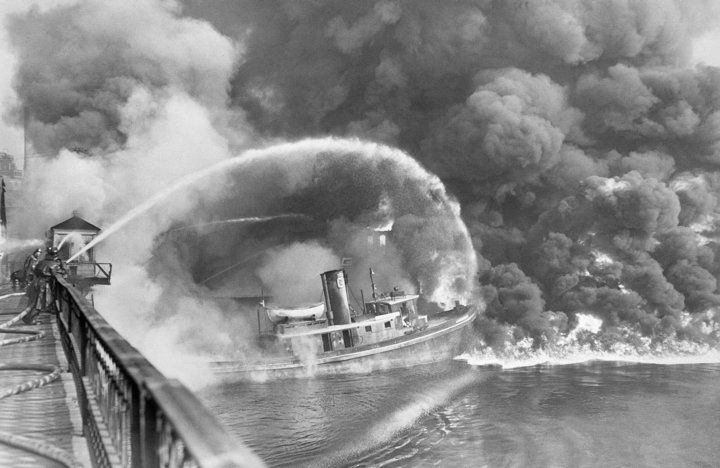
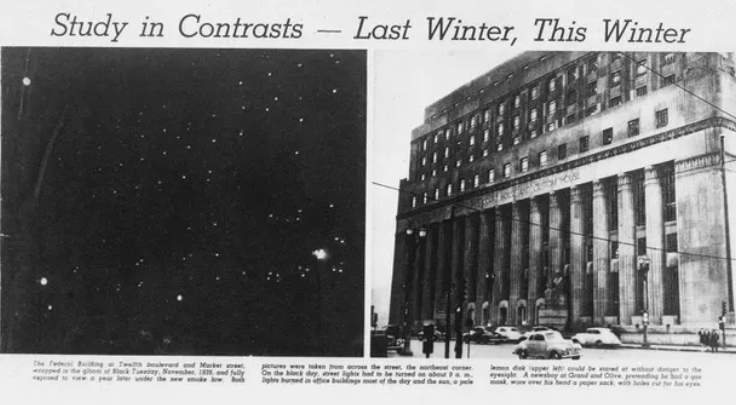
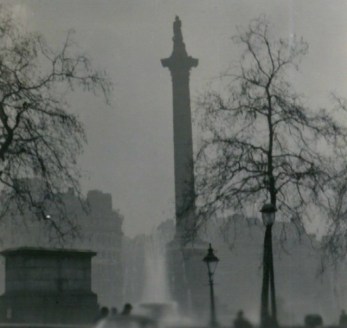
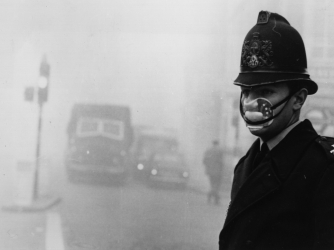 There was no panic, Londoners are quite accustomed to the fog, but this one was different. Over the weeks that followed, public health authorities estimated that 4,000 people had died as a direct result of the smog by December 8, and another 100,000 made permanently ill. Research pointed to another 6,000 losing their lives in the following months, as a result of the event.
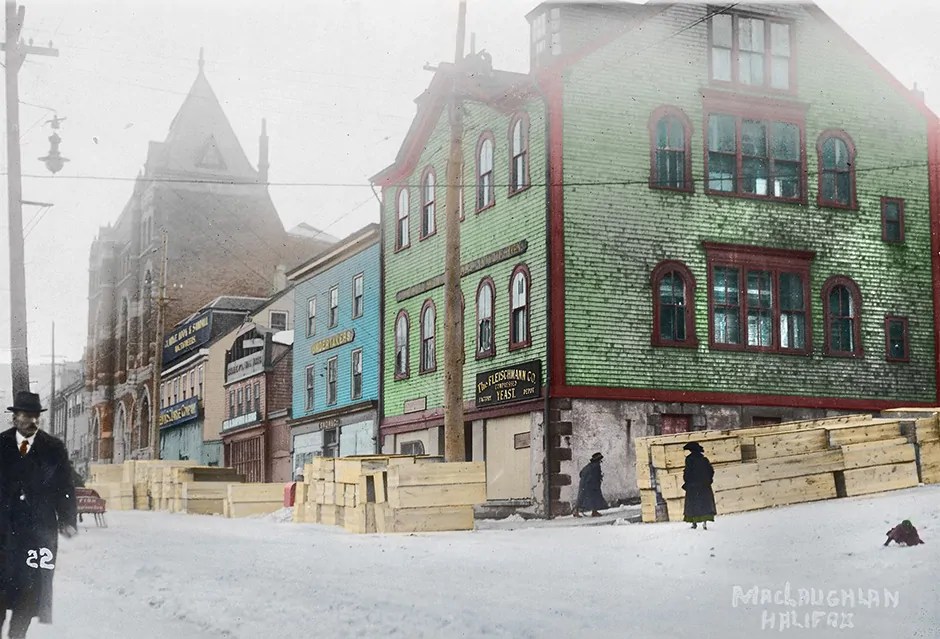


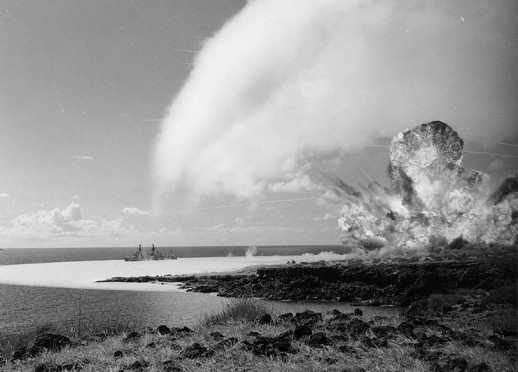


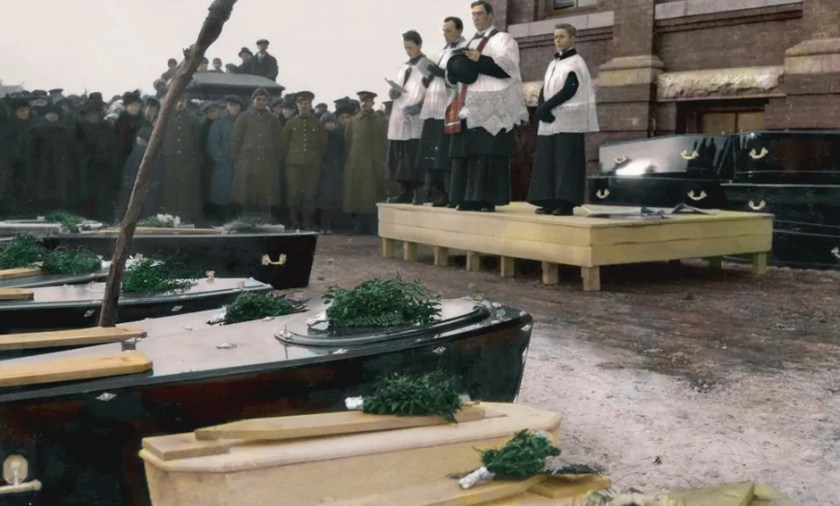
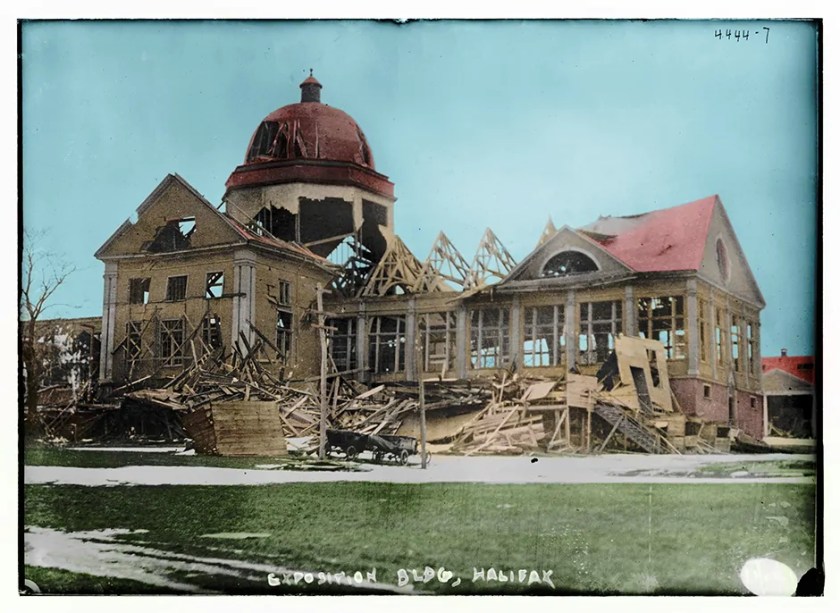 Curley was as good as his word. The Mayor and Massachusetts’ Governor Samuel McCall composed a Halifax Relief Committee to raise funds and organize aid. McCall reported the effort raised $100,000 in its first hour alone, equivalent to over $1.9 million, today.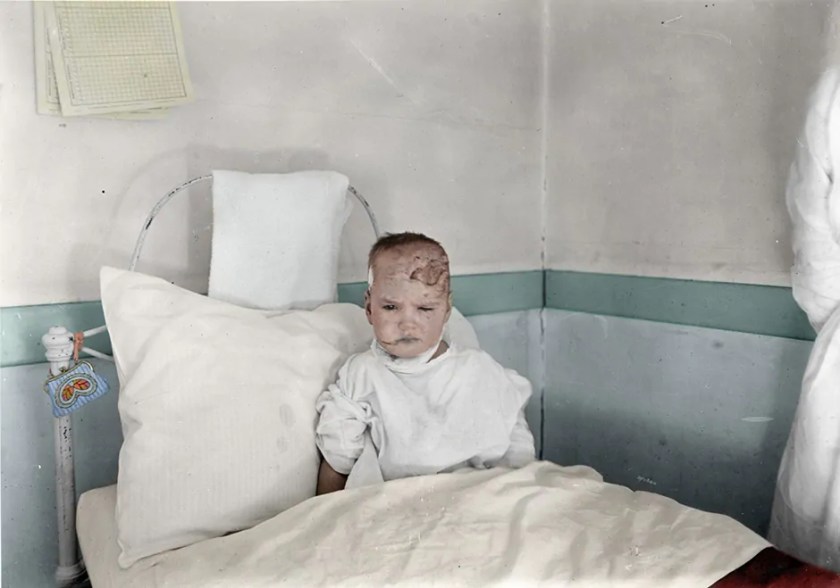






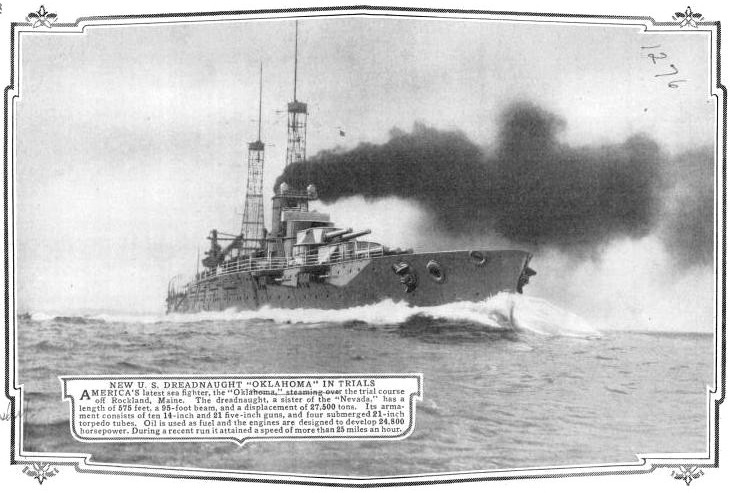
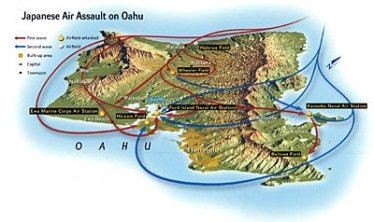 Bilge inspection plates had been removed for a scheduled inspection the following day, making counter-flooding to prevent capsize, impossible. Oklahoma rolled over and died as the ninth torpedo slammed home. Hundreds scrambled out across the rolling hull, jumped overboard into the oil covered, flaming waters of the harbor, or crawled out over mooring lines in the attempt to reach USS Maryland in the next berth.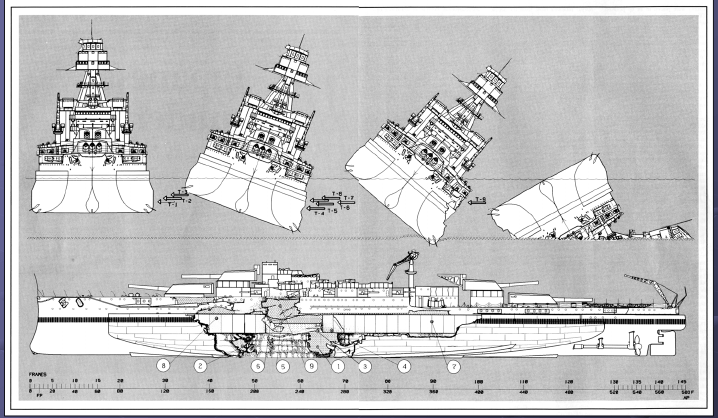
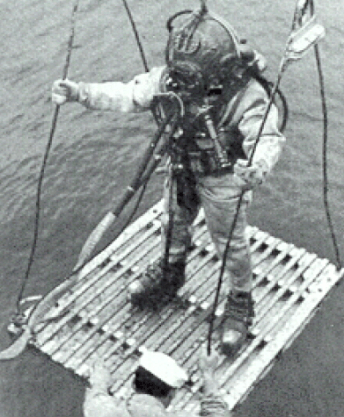 Recovery of the USS Oklahoma was the most complex salvage operation ever attempted, beginning in March, 1943. With the weight of her hull driving Oklahoma’s superstructure into bottom, salvage divers descended daily to separate the tower, while creating hardpoints from which to attach righting cables.
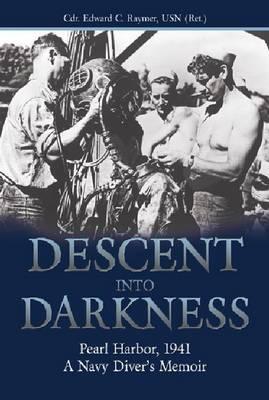 CDR Edward Charles Raymer, US Navy Retired, was one of those divers. Raymer tells the story of these men in

 Historical Easter Eggs - Today in History
You must be logged in to post a comment.