“Our character is what we do when we think no one is looking”. – Author Horace Jackson Brown, Jr.
Japan was an isolated, feudal island state in 1850, suffused with the Confucian notion of rigid social classes and ruled over by a military head-of-state, or Shōgun. In 1868, internal issues combined with growing pressure from western encroachment, resulting in the end of the Tokugawa Shōgunate and the restoration of the Meiji Emperor.
By the time Meiji’s son, the Taisho emperor, took the throne in 1912, Japan had become a powerful colonial power with modern institutions. The evolution from feudal state to modern colonial power was so wrenching, so rapid that one Tokyo expatriate said, it’s as if he had lived for 400 years.
The intervening period plunged the Japanese economy into recession, resulting in a “Japanese diaspora”. 3.8 million “Nikkei” emigrated between 1868 and 1912, bound for destinations from Australia to Finland, from mainland China to the Americas.
As with the Chinese laborers of an earlier era, they came to America in search of opportunity, taking manual labor jobs at canneries and farms, railroads and logging camps. In 1870, a scant 55 Japanese were recorded as living in the United States. By 1909, California alone housed some 30,000 Japanese agricultural laborers.
The first generation Issei tended to keep to themselves. Ineligible for citizenship under US law they formed kenjin-kai, social and aid organizations built around the prefecture from which they had come. Not so the second and third generations. These were the Nisei and Sansei, American-born US citizens, thoroughly assimilated and often owning the farms and businesses to which their parents and grandparents had come to work.
Reception to these newcomers was mixed. Feelings of “otherness” were exacerbated by economic competition, often congealing into outright racism. Other times, relations were characterized by cordiality and friendship.
Post WW1, national security concerns led to the Immigration Act of 1924, providing that no alien ineligible for citizenship be allowed entry into the country. The act was primarily aimed at Japanese immigration, though they were not explicitly named in the law.
In 1940, Japanese-American farmers controlled only 4 percent of agricultural land in California, while producing 10% of agricultural output. Robert “Bob” Emmett Fletcher was the agricultural inspector for Sacramento County at this time, based in Florin, California. The job brought him into regular contact with Japanese-American farmers, whom he saw as industrious and hard working. Farmers saw Fletcher as honest and fair minded.
Robert “Bob” Emmett Fletcher, Jr.
Following the Japanese attack on Pearl Harbor, a rash of fear combined with economic interests, especially on the Pacific coast. President Roosevelt signed Executive Order 9066 on February 19, 1942, dividing the west coast into “military zones” from which civilians were excluded. As with the bill signed into law in 1924 the order did not specify any particular ethnic group, but fell disproportionately on Japanese Americans.
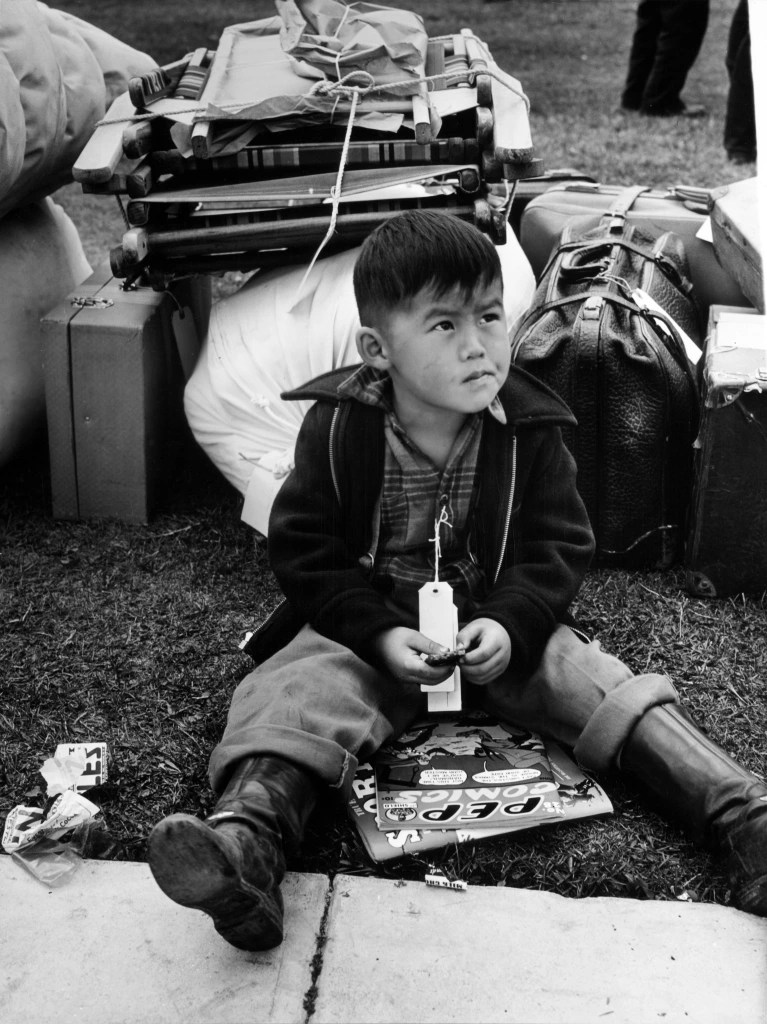
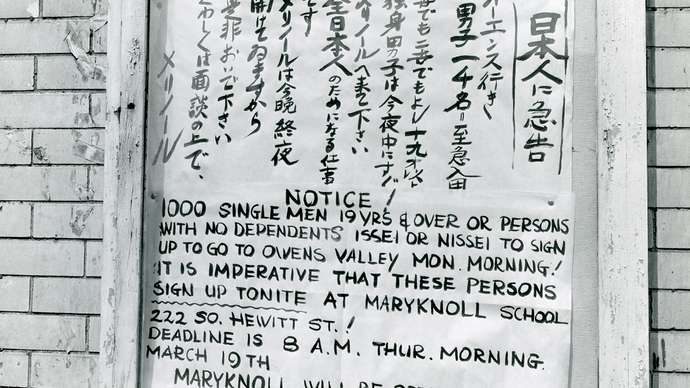
First came the curfews, followed by requests for voluntary relocation. On March 21, Congress passed Public Law No. 503, making any violation of Executive Order 9066 a misdemeanor punishable by up to one year in prison and a $5,000 fine. On March 29, Lieutenant General John L. DeWitt’s Order No. 4 began the forced relocation and detention under Army custody of West Coast Japanese residents, with 48-hours notice.
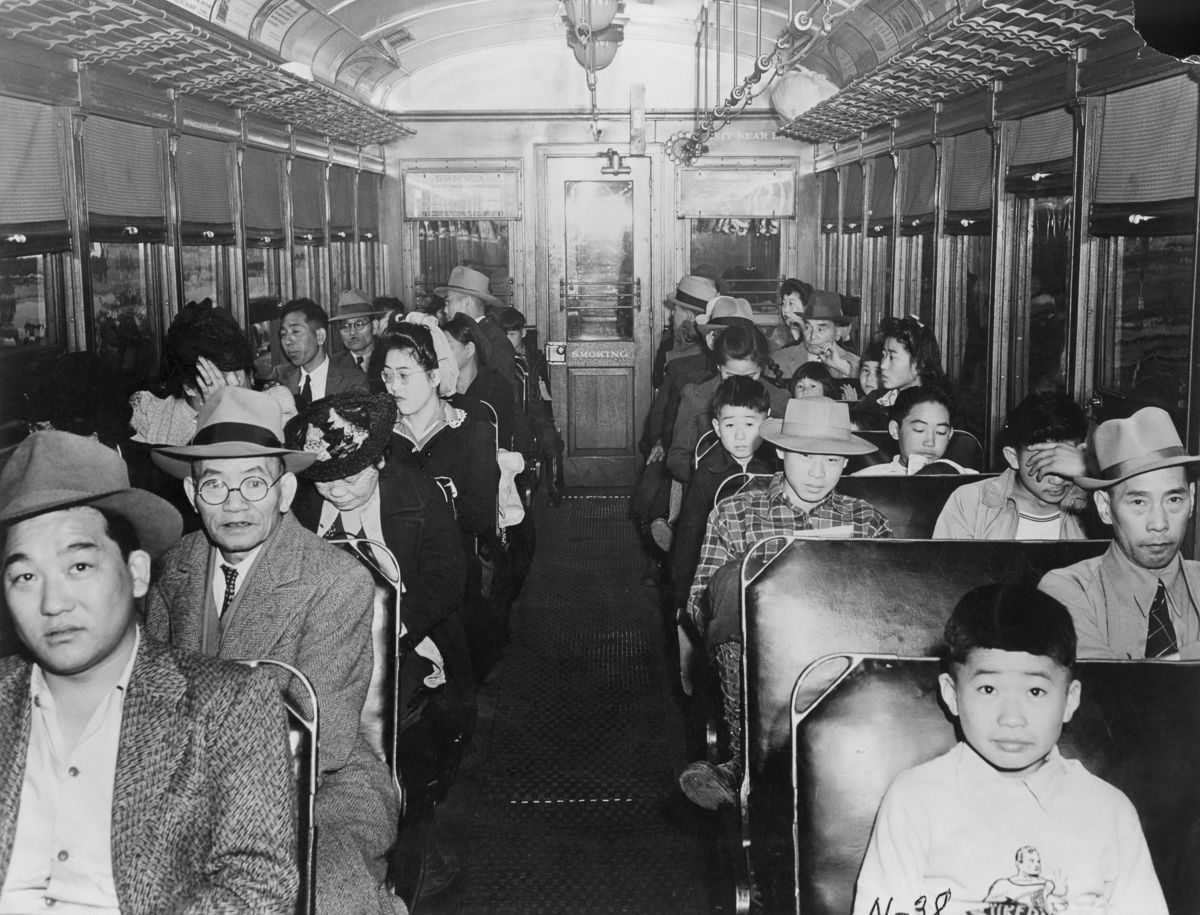
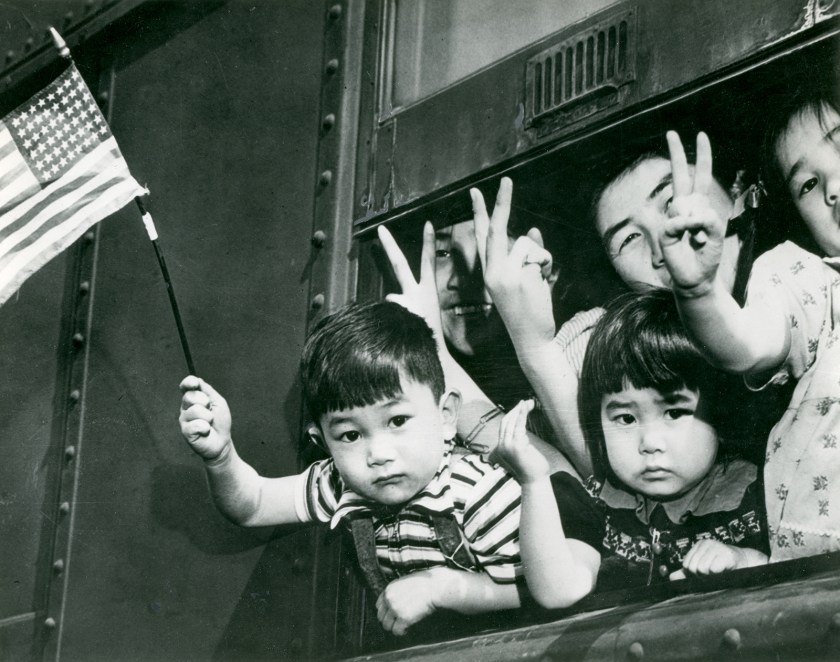
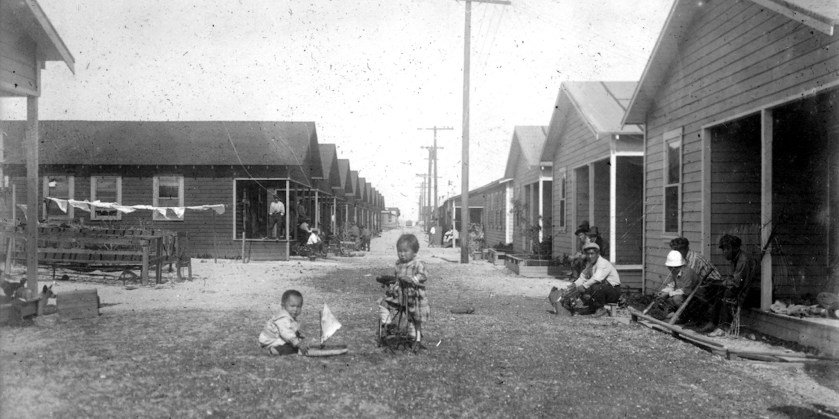
Over the following months, some 122,000 men, women and children were forcibly removed to “assembly centers”. By June 2, no Japanese or Japanese-American citizen remained within Military Area 1, an area comprising the western parts of California, Oregon, Washington and Arizona.
Al Tsukamoto was a first-generation American, his parents arriving in 1905. He approached Fletcher with a proposal. Would he look after the farms of two family friends of the Tsukamotos, one of whom was quite elderly. Fletcher would take care of the farms and pay the mortgages and taxes, in exchange for which he could keep the profits.
Fletcher accepted the offer and quit his job, working 18 hour days to pay the bills of the Okamoto and the Nitta families. Soon he was running the Tsukamoto farm as well, 90 acres in total. The offer specified that Fletcher could live in the Tsukamoto home, but no. Fletcher stayed in the bunkhouse Mr. Tsukamoto kept for migrant farm hands. When he married, Fletcher’s new wife Teresa also moved into the bunkhouse. “It’s the Tsukamoto’s house”, she said.
For that, Fletcher received considerable ostracism from the Florin community. “Jap lover”, some called him. Someone even took a shot at him one time, the rifle’s bullet narrowly missing him as he entered the Tsukamoto barn.
“I did know a few of them pretty well and never did agree with the evacuation, they were the same as anybody else. It was obvious they had nothing to do with Pearl Harbor.” – Bob Fletcher, Interview with the Sacramento Bee, 2010
Incarcerated in the camps, most of the families were unable to pay the bills and lost everything. Most of them moved away after the war. The Tsukamotos came back to find that Teresa had cleaned the house, making it ready for their return. Fletcher had kept only half the profits. He had banked the rest for the family.
“I don’t know about courage” Fletcher said in 2010, noting that other Florin residents had also helped their Japanese neighbors. Doris Takata was 12 when her family went into the camps. “My mother called him god she said at Fletcher’s 100th birthday celebration in 2011, because only god would do something like that. Fletcher said, “It took a devil of a lot of work.”
Robert Emmett Fletcher, Jr., July 26, 1911 – May 23, 2013
Roosevelt’s measure made no specific reference to ethnicity. Some 11,000 ethnic Germans and 3,000 ethnic Italians were sent away to internment camps but the vast preponderance, were of Japanese descent.
In January 1848, carpenter and sawmill operator James W. Marshall discovered gold in the foothills of the Sierra Nevada mountains, in California. Prospectors flocked to the Golden State from across the United States and abroad. The California Gold Rush had begun.
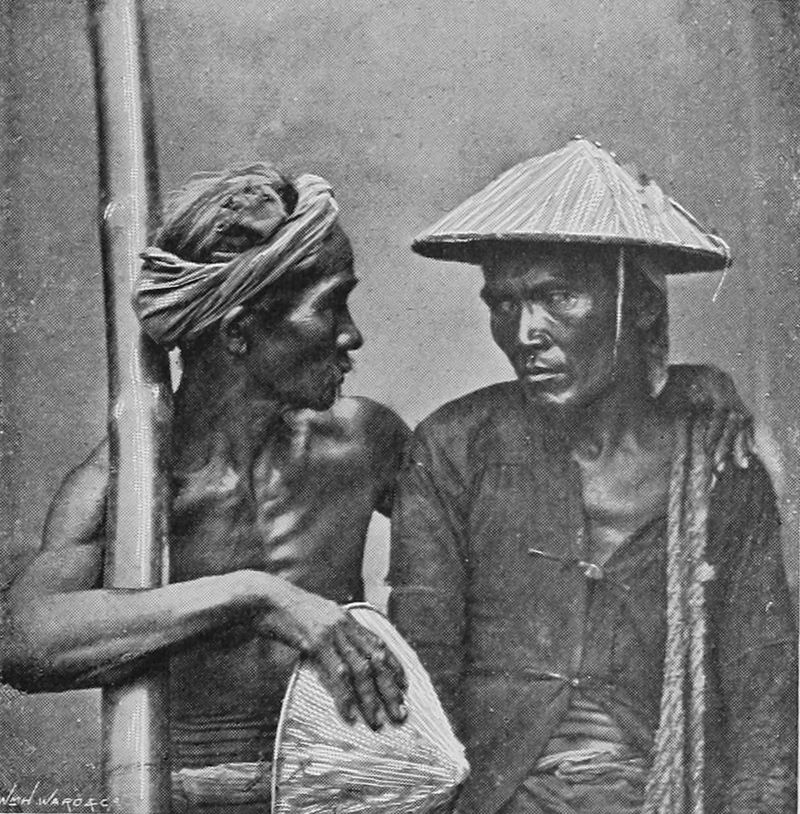
While not exactly welcoming, prospectors tolerated Chinese immigrants in the early period. Surface gold was plentiful in those days. Some even found the chopsticks and the broad conical hats of the Chinese mining camps, amusing. As competition increased, resentment began to build. Meanwhile in southern China, crop failures and rumors of the Golden Mountain, the Gam Saan, brought with it a tide of Chinese immigration. San Francisco saw a tenfold increase in 1852, alone. Now anything but amused, California lawmakers imposed a $3 per month tax on foreigners, explicitly aimed at Chinese miners.
Large labor projects like the trans-continental railroad and Canadian Pacific Railway fed the influx of Chinese “coolie” labor, eager to work for wages too small to be of interest to American laborers.
By 1870, fully 25 percent of the California state budget came from that single tax on Chinese miners. In 1882, President Chester A. Arthur signed the Chinese Exclusion Act, prohibiting the further immigration of Chinese laborers. This was the first and remains to this day the only law specifically targeted at a single ethnic group.
Meanwhile, the “gunboat diplomacy” of President Millard Fillmore determined to open Japanese ports to trade, with the west. By force, if necessary. By 1868, internal Japanese issues and the growing pressure of western encroachment had brought about the end of the Tokugawa Shōgunate and restoration of the Meiji Emperor.
The social changes wrought by the “Meiji Restoration” combined with abrupt opening to world trade plunged the Japanese economy into recession. Japanese emigrants had left the home islands since the 15th century, in pursuit of new opportunities. That was nothing compared with the new “Japanese diaspora” begun in 1868. 3.8 million “Nikkei” emigrated between 1868 and 1912, bound for destinations from Brazil to mainland China, the United States, Australia, Peru, Germany and others. Even Finland.
These were the Issei, first generation immigrants, ineligible for citizenship under US law. The immigrant generation kept to the ways of the land they had left behind forming kenjin-kai, social and aid organizations built around the prefecture from which they had come. Not so, the second generation. These were the Nisei, American-born US citizens, thoroughly assimilated to the culture to which their parents had come.
As with the earlier wave of Chinese immigrants, west coast European Americans became alarmed at the tide of Japanese immigration. Laws were passed and treaties signed, attempting to slow their number.
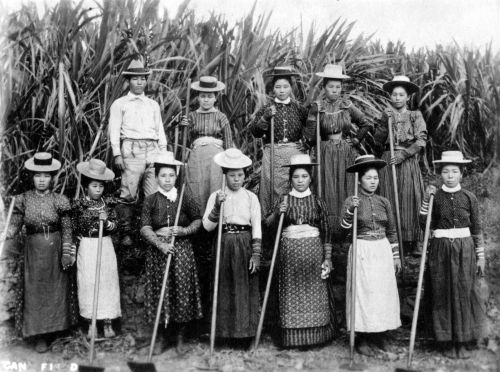
Japanese immigrants in Hawaii
In 1908, an informal “Gentleman’s agreement” between the US and Japan prohibited further immigration of unskilled migrants. A loophole allowed wives to join husbands already in the United States leading to an influx of “picture brides” – marriages arranged by friends and families and executed by proxy – many happy couples meeting for the first time, upon the arrival of the blushing bride. The immigration act of 1924 followed the example of the Chinese exclusion act of 1882, outright banning further immigration from “undesirable” countries.
By this time 200,000 ethnic Japanese lived in Hawaii, mostly laborers looking for work on the island’s sugar plantations. A nearly equal number settled on the west coast building farms, and small businesses.
From 1937, the rapid conquests of the Asian Pacific raised fears of the Imperial Japanese military. As relations soured between Japan and America, the Roosevelt administration took to surveillance of Japanese Americans. The government began to compile lists.
Following the surprise attack on Pearl Harbor, public sentiment came down largely on the side of Japanese Americans. The Los Angeles Times characterized the Nisei as “good Americans, born and educated as such”. That would change, soon enough. A member of the second attack wave on December 7, “Zero” pilot Shigenori Nishikaichi downed his crippled fighter on Ni’ihau, the westernmost island of the Hawaiian archipelago. Ignorant at first of what had taken place, Ni’hauans showed hospitality to the downed pilot. By the time it was over the whole thing turned violent, pitting the pilot and a small number of Issei and Nissei, in a deadly struggle against native Hawaiians.
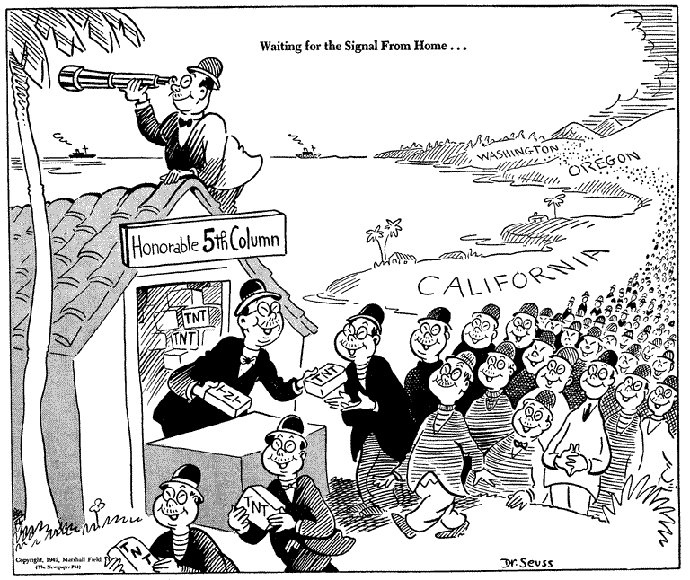
The “Ni’hau incident” combined with fears of 5th column activity to turn the tide of public opinion.
This and other images of the period leads us today, to the place where Dr. Seuss is “cancelled”.
General John Dewitt, a vocal proponent of what was to come opined: “The fact that nothing has happened so far is more or less . . . ominous, in that I feel that in view of the fact that we have had no sporadic attempts at sabotage that there is a control being exercised and when we have it it will be on a mass basis”.
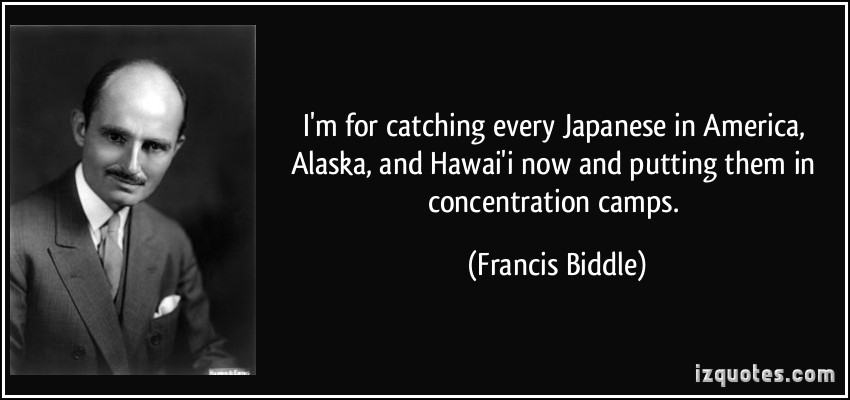
On January 2, a Joint Immigration Committee of the California legislature attacked “ethnic Japanese” citizen and non-citizen alike, as “totally unassimilable”. The presidentially appointed Roberts Committee assigned to investigate the attack on Pearl Harbor accused persons of Japanese ancestry of espionage, leading up to the attack. By February, California Attorney General and future Supreme Court Justice Earl Warren was doing everything he could to persuade the federal government, to remove all people of Japanese ancestry from the west coast.
Roosevelt Attorney General Francis Beverley Biddle
On January 14, 1942, President Roosevelt signed Proclamation 2537 requiring “enemy aliens” to procure identification and carry it with them, “at all times”. The War Department, and Department of Justice were sharply divided but, no matter. Executive order 9066 signed February 19 directed the establishment of exclusion zones.
Secret Presidential commissions were appointed in early 1941 and again in 1942, to determine the liklihood of an armed uprising among Japanese Americans. Both reported no evidence of such a thing, one reporting: “the local Japanese are loyal to the United States or, at worst, hope that by remaining quiet they can avoid concentration camps or irresponsible mobs.”
That didn’t matter, either. The Senate discussed Roosevelt’s directive for an hour and the House, for thirty minutes. The President signed Public Law 77-503 on March 21 providing for enforcement, of his earlier directive.
Roosevelt’s measure made no specific reference to ethnicity. Some 11,000 ethnic Germans and 3,000 ethnic Italians were sent away to internment camps but the vast preponderance, were of Japanese descent. Throughout the west coast some 112,000 ethnic Japanese were rounded up and held in relocation camps and other confinement areas, throughout the country. Surprisingly, only a “few thousand” were detained in Hawaii itself despite a population of nearly 40% ethnic Japanese.
Japantown handbill: H/T Library of Congress
Below: “A moving van being loaded with the possessions of a Japanese family on Bush Street in San Francisco’s Japantown, April 7, 1942. At right are the offices of the Japanese American Citizens League (JACL), the oldest Asian American civil rights organization in the United States. Shortly after this photo was taken, the Wartime Civil Control Administration (WCCA) took over the JACL building and repurposed it as a Civil Control Station for the collection and processing of “people of Japanese descent” prior to their transport to detention camps”.H/T Encyclopedia Britannica
Following the events at Peal harbor, Oakland California-born Fred Korematsu attempted to enlist in the Navy. Ostensibly rejected due to stomach ulcers, Korematsu believed the real reason was his Japanese ancestry. Korematsu refused deportation orders and went into hiding. The ACLU’s northern California director Ernest Besig brought Korematsu’s case before the courts despite opposition from Roosevelt allies in the national ACLU. Korematsu lost in federal court and the US court of appeals, becoming a pariah even among fellow detainees who felt he was nothing but a troublemaker. The US Supreme Court agreed to take the case and, on December 18, 1944, upheld the lower court verdict. A 6-3 opinion penned by Justice Hugo Black opined that, though suspect, internment was justified due to national circumstances of “emergency and peril”.
“Fourteen Days to Flatten the Curve, “right?
“There is but one way in which to regard the Presidential order empowering the Army to establish “military areas” from which citizens or aliens may be excluded. That is to accept the order as a necessary accompaniment of total defense”.
Washington Post, February 22, 1942
A second decision released that same day in the case, Ex Parte Endo, unanimously declared it illegal to detain Americans, regardless of ethnicity. In effect the two rulings established that, while eviction was legal in the name of military necessity internment was not, thus paving the way to their release.
The Japs in these centers in the United States have been afforded the very best of treatment, together with food and living quarters far better than many of them ever knew before, and a minimum amount of restraint. They have been as well fed as the Army and as well as or better housed. . . . The American people can go without milk and butter, but the Japs will be supplied.
Los Angeles Times, December 8, 1942
Among internment camps many were eager to prove themselves loyal Americans. Some were recruited for service in the armed forces. Many, volunteered. In April 1943 some 2,686 Japanese-Americans from Hawaii and 1,500 incarcerated in mainland camps, reported for duty at camp Shelby, in Mississippi. While many still had families in internment facilities, graduates were assigned to the segregated 442nd Regimental Combat team and sent off to fight the war, in Europe.
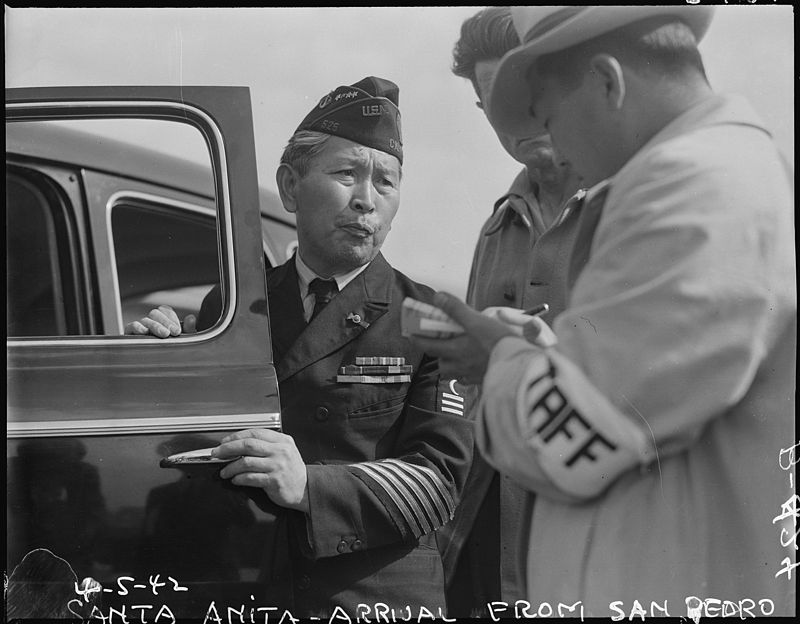
“Dressed in uniform marking his service in World War I, a U.S. Navy veteran from San Pedro enters Santa Anita Assembly Center (April 1942)”. H/T Wikipedia
With something to prove, every one of these guys fought like tigers. From Naples to Rome to the south of France, to central Europe and the Po Valley, the all-Nisei 442nd infantry lived up to its own motto’ “Go for Broke”. 14,000 men served in the 442nd earning over 4,000 Purple Hearts, 4,000 Silver Stars, 4,000 Bronze Medals and 21 Medals of Honor.
With 275 Texas National Guardsmen hopelessly cut off by German forces in the Vosges Mountains of France, ‘The Lost Battalion”, the 442nd infantry was sent in to get them out. In five days of savage combat, 211 of the Texas men were rescued. The Nisei of the 442nd suffered 800 casualties. Of 185 men who entered the fray from I Company only 8 emerged, unhurt. Company K sent 186 men against the Germans 169 of whom were either killed, or wounded.
For its size and length of service the 442nd became the most highly decorated unit, in US military history.
Fun fact: Ralph Lazo was so angry at the forcible relocation of his friends he voluntarily joined them, on the train. Deported to the Manzanar concentration camp in the foot of California’s Sierra Nevada mountains, he stayed there, for two years. The only non-spouse, non-Japanese-American, so detained. Nobody ever asked the man about his ethnicity (half Mexican, half Irish). Lazo was inducted into the US Army in 1944 and served as a Staff Sergeant in the South Pacific where he earned a Bronze Star for valor, in combat.
By this time, many younger Nisei had left to pursue new lives, east of the Rockies. Seven others were shot and killed, by sentries. Older internees had little to return to with former homes and business, gone. Many were repatriated to Japan, at least some, against their will. By the end of 1945, nine of the top ten War Relocation Authority ( WRA) camps were shut down. Congress passed the Japanese-American claims Act in 1948 but, with the IRS having destroyed most of the detainees 1939-’42 tax records, only a fraction of claims were ever paid out.
By the late 1980s, powerful Japanese-American members of the United States Congress such as Bob Matsui, Norm Mineta and Spark Matsunaga spearheaded a measure, for reparations. $20,000 paid to every surviving internee. President Ronald Reagan signed the measure into law on August 10, 1988. Over 81,800 qualified, receiving a total of $1.6 Billion.
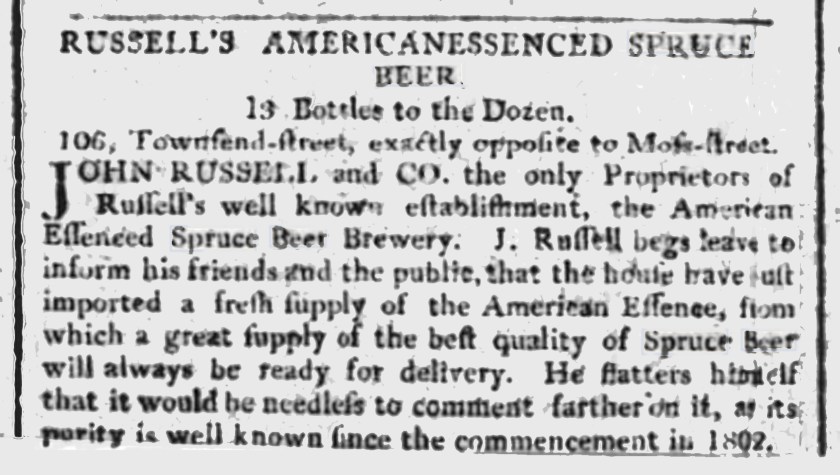
At long last, Prohibition was coming to an end on April 7. Thirsty patrons lined up the night before, waiting for their first legal beer in 13 years. So it is we remember April 6 as New Beer’s Eve.
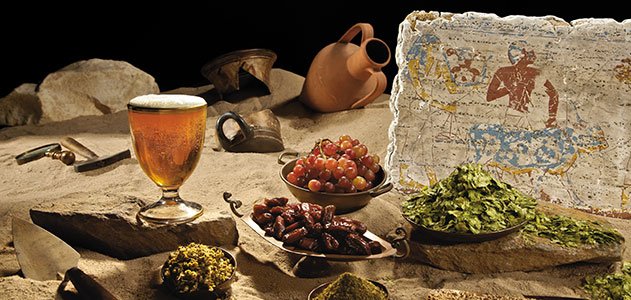
Skip to contentGiven the right combination of sugars, almost any cereal will undergo simple fermentation due to the presence of wild yeasts in the air. Our cave-dwelling ancestors likely experienced their first beer as the result of this process.
Starch dusted stones were found with the remains of doum-palm and chamomile in the 18,000-year old Wadi Kubbaniya in upper Egypt. While it’s difficult to confirm, University of Pennsylvania archaeologist Dr. Patrick McGovern asserts, “it’s very likely they were making beer there”.
Chemical analysis of pottery shards date the earliest barley beer back to 3400BC, in the Zagros Mountains of Iran.
Tacitus maligned the bitter brew of Germanic barbarians. Wine seemed better suited to the sensibilities of the Roman palate. Nevertheless, the letters of Roman cavalry commanders from the Roman Britain period, c. 97-103 AD, include requests for more “cerevisia“, for the legionaries.
In North and South America, native peoples brewed fermented beverages from local ingredients including agave sap, the first spring tips of the spruce tree, and maize.
Pilgrimsleft the Netherlands city of Leiden in 1620, hoping not for the frozen, rocky soil of New England, but for rich farmland and a congenial climate in the New World. One Mayflower passenger wrote in his diary: “We could not now take time for further search… our victuals being much spent, especially our beer…” Lookouts spotted the wind-swept shores of Cape Cod on November 9, 1620 and may have kept going, had there been enough beer.
Prior to the drum roaster’s invention in 1817, malt was typically dried over wood, charcoal, or straw fires, leaving a smoky quality which would seem foreign to the modern beer drinker. William Harrison wrote in his “Description of England” in 1577, “For the wood-dried malt, when it is brewed, beside that the drink is higher of colour, it doth hurt and annoy the head of him that is not used thereto, because of the smoke“.
Fun fact: “God made beer because he loves us and wants us to be happy.” The quote is erroneously attributed to Benjamin Franklin. In a circa-1779 letter to the Abbé Morellet, what Franklin really said was, “Behold the rain which descends from heaven upon our vineyards; there it enters the roots of the vines, to be changed into wine; a constant proof that God loves us, and loves to see us happy.”
Smoky flavor didn’t trouble the true aficionado of the age. When the Meux Brewery casks let go in 1814 spilling nearly 400,000 gallons onto the street, hundreds of Britons hurried to scoop it up in pots and pans. Some even lapped it up off of the street, doggy-style.
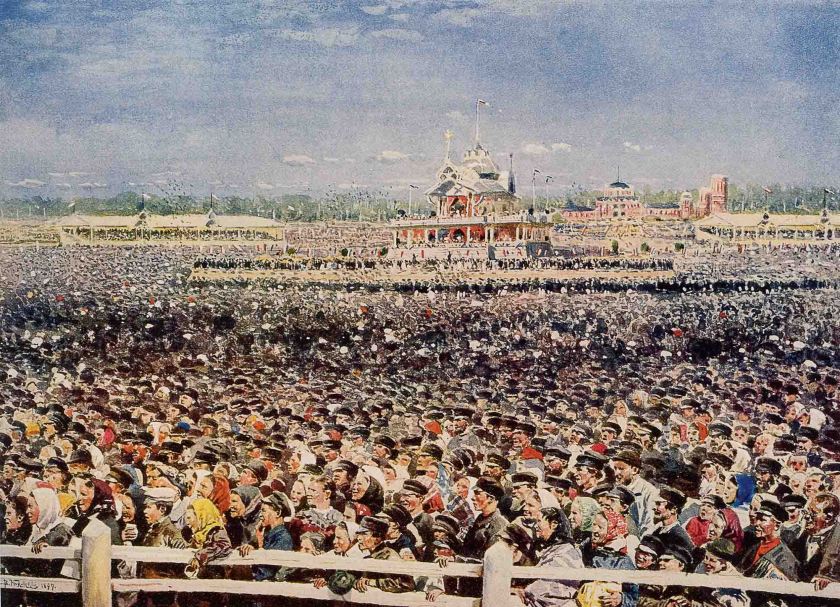
1,389 unfortunates were trampled to death and another 1,300 injured in a stampede for the suds, when someone thought the beer had run out at the coronation of Czar Nicholas II, in 1896.
The 18th amendment, better known as “prohibition”, went into effect at midnight, January 16, 1920. For thirteen years it was illegal to import, export, transport or sell liquor, wine or beer in the United States.
Portable stills went on sale within a week. Organized smuggling was quick to follow. California grape growers increased acreage by over 700% over the first five years, selling dry blocks of grapes as “bricks of Rhine” or “blocks of port”. The mayor of New York City sent wine-making instructions to his constituents.
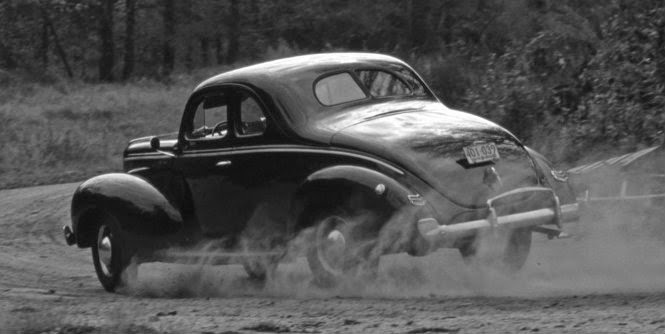
Smuggling operations became widespread, as cars were souped up to outrun “the law”. This would lead to competitive car racing, beginning first on the streets and back roads and later moving to dedicated race tracks. It’s why we have NASCAR, today.
Organized crime became vastly more powerful due to the influx of enormous sums of cash. The corruption of public officials was a national scandal.
Gaining convictions for breaking a law that everyone hated became increasingly difficult. New York alone saw over 7,000 prohibition-related arrests between 1921 and 1923. Only 27 resulted in convictions.
Federal government busybodies went so far as to deliberately poison alcohol leading to the death of hundreds, but all in vain. In the end even lifelong teetotaler John D. Rockefeller, Jr., a man who contributed $350,000 to the Anti-Saloon League, had to announce his support for repeal.
It’s difficult to compare rates of alcohol consumption before and during prohibition. If death by cirrhosis of the liver is any indication, alcohol consumption never decreased by more than 10 to 20 per cent.
FDR signed the Cullen–Harrison Act into law on March 22, 1933, commenting “I think this would be a good time for a beer.” The law went effect on April 7, allowing Americans to buy, sell and drink beer containing up to 3.2% alcohol.
A team of draft horses hauled a wagon up Pennsylvania Avenue, delivering a case of beer to the White House. This was the first public appearance of the now-famous Budweiser Clydesdales.
In 1941, “dry” leaders tried to prohibit consumption of alcohol on military bases. Authorities pushed back, claiming it was good for morale. Brewers were required to allocate 15% of total annual production to be used by the armed forces. So essential were beer manufacturers to the war effort, that teamsters striking Minneapolis breweries were ordered to end their strike. Near the end of WWII, the army developed plans to operate recaptured French breweries to ensure adequate supplies for the troops.
18 states continued prohibition at the state level, the last state finally dropping it in 1966. Nearly two out of three states adopted some form of local option, enabling residents of political subdivisions to vote for or against local prohibition. Some counties remain dry to this day.
Ironically, the home of the Jack Daniel distillery is one such dry county, though Shirl and I can tell you from personal experience. Special dispensation is given for tastings, JD being the largest taxpayer in Lynchburg County.
But I digress.
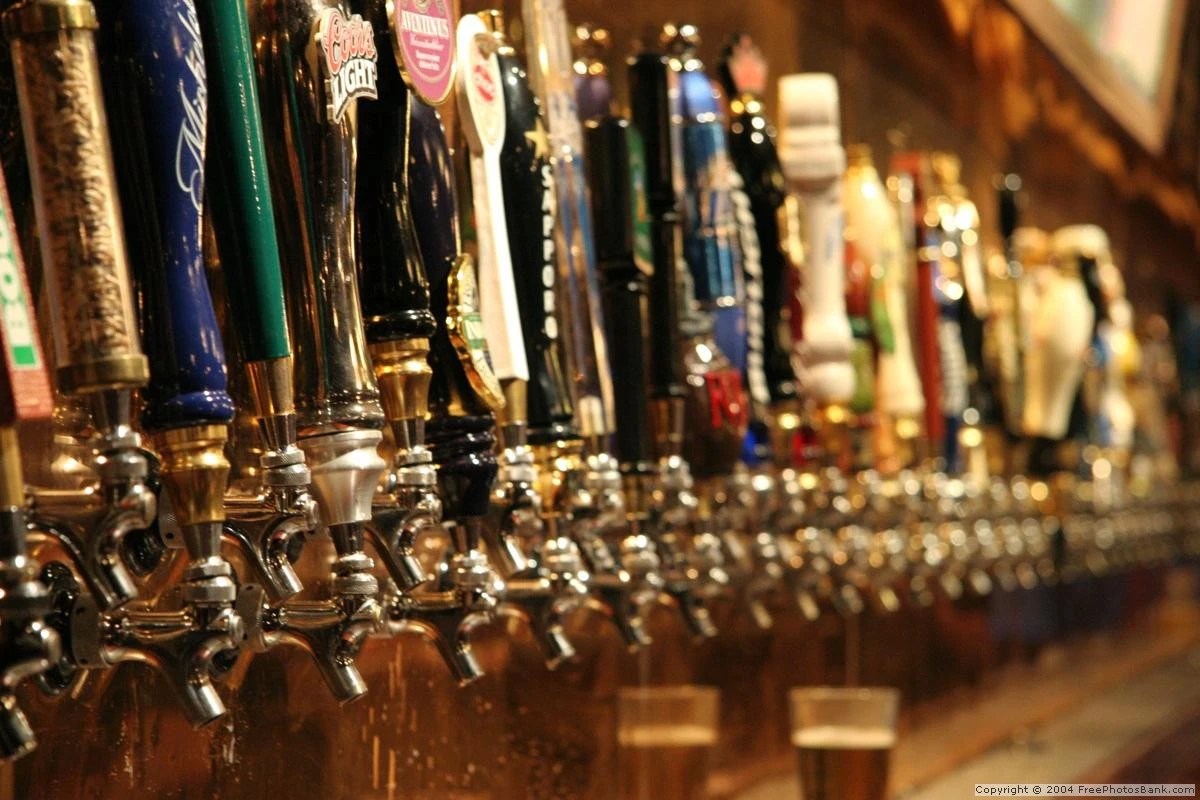
The night before Roosevelt’s law went into effect, April 6, 1933, beer lovers lined up at their favorite watering holes, waiting for the first legal beer in thirteen years. A million and a half barrels of the stuff were consumed on April 7, a date remembered today as “National Beer Day”.
So it is that, from that day to this, we celebrate April 6 as “New Beer’s Eve”. Sláinte.
For every wound, a balm. For every sorrow, cheer. For every storm, a calm. For every thirst, a beer. – Irish toast, author unknown
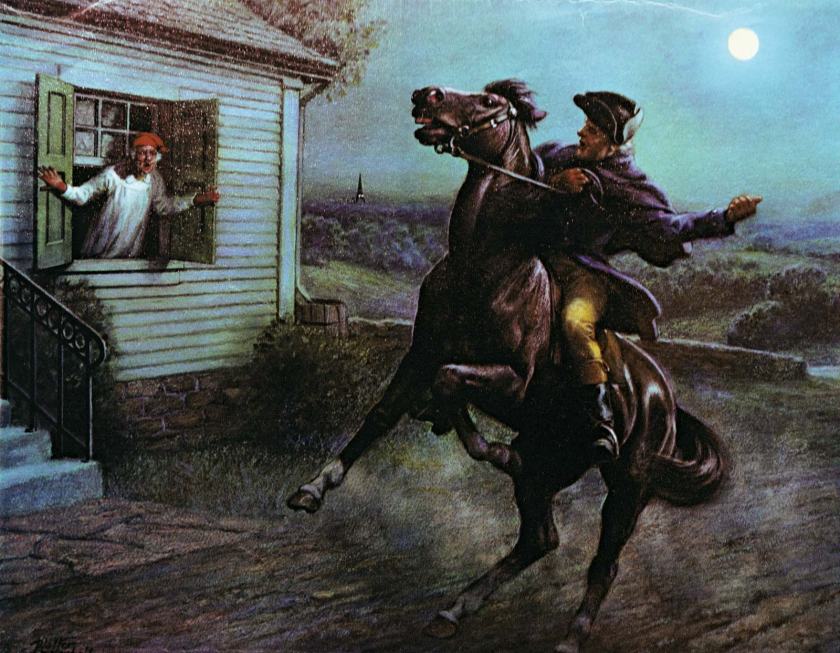
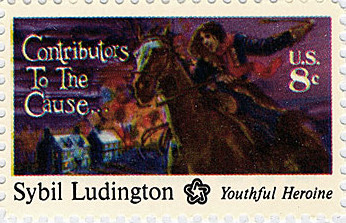
Born April 5, 1761, Sybil Ludington was barely sixteen at the time of her ride. From Poughkeepsie to what is now Putnam County and back, the “Female Paul Revere” rode across the lower Hudson River Valley, covering 40 miles in the pitch dark of night, alerting her father’s militia to the danger and urging they come out for a fight.
“Listen my children and you shall hear, Of the midnight ride of” …Sybil Ludington.
Wait…What?
Paul Revere’s famous “midnight ride” began on the night of April 18, 1775. Revere was one of two riders, soon joined by a third, fanning out from Boston to warn of an oncoming column of “regulars”, come to destroy the stockpile of gunpowder, ammunition, and cannon located in Concord.
Revere himself covered barely 12 miles before being captured, his horse confiscated to replace the tired mount of a British sergeant. Revere would finish his “ride” on foot, arriving at sunrise on the 19th to witness the last moments of the battle on Lexington Green.
Two years later, Patriot forces maintained a similar supply depot in the southwest Connecticut town of Danbury.
William Tryon was the Royal Governor of New York, and long-standing advocate for attacks on civilian targets. In 1777, Tryon was major-general of the provincial army. On April 25th, the General set sail for the Connecticut coast of Long Island Sound with a force of some 1,800, intending to destroy the small town.
Patriot Colonel Joseph Cooke’s small Danbury garrison was caught and quickly overpowered on the 26th, while attempting to remove food supplies, uniforms, and equipment. Facing little if any opposition, Tryon’s forces went on a bender, burning homes, farms, and storehouses. Thousands of barrels of pork, beef, and flour were destroyed, along with 5,000 pairs of shoes, 2,000 bushels of grain, and 1,600 tents.
Colonel Henry Ludington was a farmer and father of 12, with a long military career. A long-standing and loyal subject of the British crown, Ludington switched sides in 1773, joining the rebel cause and rising to command the 7th Regiment of the Dutchess County Militia, in New York’s Hudson Valley.
In April 1777, Ludington’s militia was disbanded for planting season, and spread across the countryside. An exhausted rider arrived at the Ludington farm on a blown horse on the evening of the 26th, asking for help. 15 miles away, British regulars and a force of loyalists were burning Danbury to the ground.
The Dutchess County Militia had to be called up. The Colonel had one night to prepare for battle, and this rider was done. The job would have to go to Colonel Ludington’s first-born, his daughter, Sybil.
Born April 5, 1761, Sybil Ludington was barely sixteen at the time of her ride. From Poughkeepsie to what is now Putnam County and back, the “Female Paul Revere” rode across the lower Hudson River Valley, covering 40 miles in the pitch dark of night, alerting her father’s militia to the danger and urging they come out for a fight. She’d use a stick to knock on doors, even using it once to fight off a highway bandit.
By the time Sybil returned the next morning, cold, rain-soaked, and exhausted, most of 400 militia were ready to march.
Arnold’s forces arrived too late to save Danbury, but inflicted a nasty surprise on the British rearguard as the column approached nearby Ridgefield. Never outnumbered by less than three-to-one, Connecticut militia was able to slow the British advance until Ludington’s New York Militia arrived on the following day. The last phase of the action saw the same type of swarming harassment as seen on the British retreat from Concord to Boston, early in the war. 35 miles to the east of Danbury, General Benedict Arnold was gathering a force of 500 regular and irregular Connecticut militia, with Generals David Wooster and Gold Selleck Silliman.
While the British operation was a tactical success, the mauling inflicted by these colonials ensured that this was the last hostile British landing on the Connecticut coast.
The British raid on Danbury destroyed at least 19 houses and 22 stores and barns. Town officials submitted £16,000 in claims to Congress, for which town selectmen received £500 reimbursement. Further claims were made to the General Assembly of Connecticut in 1787, for which Danbury was awarded land. In Ohio.
At the time, Benedict Arnold planned to travel to Philadelphia, to protest the promotion of officers junior to himself, to Major General. Arnold, who’d had two horses shot out from under him at Ridgefield, was promoted to Major General in recognition for his role in the battle. Along with that promotion came a horse, “properly caparisoned as a token of … approbation of his gallant conduct … in the late enterprize to Danbury.” For now, the pride which would one day be his undoing, was assuaged.The Keeler Tavern in Ridgefield is now a museum. The British cannonball fired into the side of the building, remains there to this day.
Henry Ludington would become Aide-de-Camp to General George Washington, and grandfather to Harrison Ludington, mayor of Milwaukee and 12th Governor of Wisconsin.
Gold Silliman was kidnapped with his son by a first marriage by Tory neighbors, and held for Nearly seven months at a New York farmhouse. Having no hostage of equal rank with whom to exchange for the General, Patriot forces went out and kidnapped one of their own, in the person of Chief Justice Judge Thomas Jones, of Long Island.
Mary Silliman was left to run the farm, including caring for her own midwife, who was brutally raped by English forces for denying them the use of her home. The 1993 made-for-TV movie “Mary Silliman’s War” tells the story of non-combatants, pregnant mothers and farm wives during the Revolution, as well as Mary’s own negotiations for her husband’s release from Loyalist captors.
General David Wooster was mortally wounded at the Battle of Ridgefield, moments after shouting “Come on my boys! Never mind such random shots!” Today, an archway marks the entrance to Wooster Square, in the East Rock Neighborhood of New Haven.
Sybil Ludington received the thanks of family and friends including that of George Washington, himself. And then it was as if she had stepped off the pages of history.
Paul Revere’s famous ride would have likewise faded into obscurity, but for the poetry of Henry Wadsworth Longfellow. Eighty-six years, later.
“Listen my children and you shall hear Of the midnight ride of Paul Revere, On the eighteenth of April, in Seventy-five; Hardly a man is now alive…..
The death rate for western prisoners in Japanese prisoner of war camps was seven times that of allied prisoners in Nazi Germany or Fascist Italy.
With increasing tensions between the Unites States and the empire of Japan, the “China Marines” of the Fourth Marine Regiment, “The Oldest and the Proudest”, departed Shanghai for the Philippines on November 27-28, 1941. The first elements arrived at Subic Bay on November 30.
A week later and 5,000 miles to the east, the radio crackled to life in the early – morning hours of December 7. “Air raid on Pearl Harbor. This is no drill!”
Military forces of Imperial Japan appeared unstoppable in the early months of WWII, attacking first Thailand, then the British possessions of Malaya, Singapore and Hong Kong, as well as US military bases in Hawaii, Wake Island, Guam and the Philippines.
On January 7, Japanese forces attacked the Bataan peninsula. The Fourth Marines, under Army command, were ordered to help strengthen defenses on the “Gibraltar of the East”, the heavily fortified island of Corregidor.
The prize was nothing less than the finest natural harbor in the Asian Pacific, Manila Bay, the Bataan Peninsula forming the lee shore and Corregidor and nearby Caballo Islands standing at the mouth, dividing the entrance into two channels. Before the Japanese invasion was to succeed, Bataan and Corregidor must be destroyed.
The United States was grossly unprepared to fight a World War in 1942. The latest iteration of “War Plan Orange” (WPO-3) called for delaying tactics in the event of war with Japan, buying time to gather US Naval assets to sail for the Philippines. The problem was, there was no fleet to gather. The flower of American pacific power in the pacific, lay at the bottom of Pearl Harbor. Allied war planners turned their attention to defeating Adolf Hitler.
General Douglas MacArthur abandoned Corregidor on March 12, departing the “Alamo of the Pacific” with the words, “I shall return”. Some 90,000 American and Filipino troops were left behind without food, supplies or support with which to fight off the onslaught of the Japanese 14th Army, under the command of Lieutenant General Masaharu Homma.
Battered by wounds and starvation, decimated by all manner of tropical disease and parasite, the 75,000 “Battling Bastards of Bataan” fought on until they could fight no more. Some 75,000 American and Filipino fighters were surrendered with the Bataan peninsula on April 9, only to begin a 65-mile, five-day slog into captivity through the unbearable heat and humidity, of the Philippine jungle.The Japanese were sadistic. Guards would beat marchers and bayonet those too weak to walk. Tormented by a thirst few among us can even imagine, men were made to stand for hours under a relentless sun, standing by a stream from which none were permitted to drink. The man who broke ranks and dove for the water was clubbed or bayoneted to death, on the spot. Japanese tanks would swerve out of their way to run over anyone who had fallen and was too slow in getting up. Some were burned alive, others buried alive. Already crippled from tropical disease and starving from the long siege of Luzon, wanton killing and savage abuse took the lives of some 500 – 650 Americans and between 5,000 – 18,000 Filipinos.
For those who survived the “Bataan Death March”, this was only the beginning of their ordeal.
United States Marine Corps 1st Lieutenant Austin Shofner came ashore back in November, with the 4th Marines. Shofner and his fellow leathernecks engaged the Japanese as early as December 12 and received their first taste of aerial bombardment, on December 29. Promoted to Captain and placed in command of Headquarters Company, Shofner received two Silver Stars by April 15 in near-constant defense against aerial attack.
For three months, defenders on Corregidor were required to resist near constant aerial, naval and artillery bombardment. All that on two scant water rations and a meager food allotment of only 30 ounces per day.
I don’t know about you, but I’ve eaten Steaks bigger than 30 ounces.
Beset as they were, seven private maritime vessels attempted to run the Japanese gauntlet, loaded with food and supplies. The MV Princessa commanded by 3rd Lieutenant Zosimo Cruz (USAFFE), was the only ship to arrive in Corregidor.
Japanese artillery bombardment intensified, following the fall of Bataan. Cavalry horses killed in the onslaught were dragged into tunnels and caves, and consumed. Japanese aircraft dropped 1,701 bombs in the tiny island during 614 sorties, armed with some 365-tons of high explosive. On May 4 alone, an estimated 16,000 shells hit the little island.
Malinta Tunnel
The final assault beginning May 5 met with savage resistance, but the outcome was never in doubt. General Jonathan Wainwright was in overall command of the defenders on Corregidor. Some 11,000 men comprised of United States Marines, Army and Navy and an assemblage of Filipino fighters. The “Malinta Tunnel” alone contained over a thousand, so sick or wounded as to be helpless. Fewer than half had even received training in ground combat techniques.
All were starved, sick, utterly exhausted. The 4th Marines was shattered, no longer an effective fighting force. With the May 6 landing of Japanese tanks, General Wainwright elected the preservation of life over continued slaughter in the defense of a hopeless position. Maine Colonel Samuel Howard ordered the regimental and national colors burned to prevent their capture, as Wainwright sent a radio message to President Roosevelt:
“There is a limit of human endurance, and that point has long been passed.”
Isolated pockets of marines fought on for four hours until at last, all was still. Two officers were sent forward with a white flag, to carry the General’s message of surrender. It was 1:30pm, May 6, 1941.Nearly 150,000 Allied soldiers were taken captive by the Japanese Empire during World War 2. Clad in unspeakably filthy rags they were fed a mere 600 calories per day of fouled rice, supplemented only by the occasional insect or bird or rodent unlucky enough to fall into desperate hands. Diseases like malaria were all but universal as gross malnutrition led to loss of vision and unrelenting nerve pain. Dysentery, a hideously infectious disease of the large intestine reduced grown men to animated skeletons. Mere scratches resulted in grotesque tropical ulcers up to a foot in length exposing living bone and rotting flesh to swarms of ravenous insects.
The death rate for western prisoners was 27.1% across 130 Japanese prison encampments. Seven times the death toll for allied prisoners in Nazi Germany, or Fascist Italy.Given such cruel conditions it’s a wonder anyone escaped at all but it did happen. One time.
Austin Schofner and his group were moved from camp to camp. Bilibid. Cabanatuan. Davao. Throughout early 1943, Schofner and others would steal away from work details to squirrel away small caches of food and tools, in the jungle. Nine fellow Marines and two Filipino soldiers were in on the scheme. On April 4, the 12 men quietly slipped away from work parties.
Over the long hours of April 5-6, the group crept through the jungle, dodging enemy patrols and managing to avoid detection, arriving on the 7th at a remote Filipino Guerrilla outpost. Guided by wild mountain tribesmen of the Ata Manobo, the Marines rejoined the 110th Division, 10th Military District, at this time conducting guerrilla operations against the Japanese occupiers.
Emaciated, sick and weak, these men had reached the end of an ordeal a year and a half in the making. It would be understandable if they were to seek out the relative safety of a submarine bound to Australia, but no. Those physically able to do so joined the guerrillas in fighting the Japanese.
Davao escapees from left to right, Maj. Stephen Mellnik, Lt. Cmdr. “Chick” Parsons, Lt. Cmdr. Melvyn McCoy, Capt. William Edwin Dyess, and Capt. Charley Smith pose for a photo before commencing their trek to rendezvous with the USS Trout. Image from nationalww2museum.org
Austin Shofner and his Marines were evacuated that November, aboard the submarine USS Narwhal. For the first time, Japanese atrocities came to light. The Death March, the torture, mistreatment and summary execution of Allied POWs. The public was outraged, leading to a change in Allied war strategy. No longer would the war in the Pacific take a back seat to the effort to destroy the Nazi war machine.
Now-Colonel Shofner volunteered to return to the Pacific where his experience helped with the rescue of 500 prisoners of the infamous POW camp at Cabanatuan on January 30, 1945.
An American military tribunal conducted after the war held Lieutenant General Homma Masaharu, commander of the Japanese invasion forces in the Philippines, guilty of war crimes. He was executed by firing squad on April 3, 1946.
The Davao Dozen conducted the only successful escape from a Japanese Prison camp in all World War 2. They deserve that we remember their names.
The only successful escape from a Japanese Prisoner of war camp in all World War 2, The “Davao Dozen” include Here are the names of the Americans in the Davao Dozen:
Second Lieutenant Leo Boelens First Lieutenant Michiel Dobervich Captain William Edwin Dyess Second Lieutenant Samuel Grashio First Lieutenant Jack Hawkins Lieutenant Commander Melvyn McCoy Sergeant Paul Marshall Major Stephen Mellnik Captain Austin Shofner Sergeant Robert Spielman Benigno de la Crus Victorio Jumarong
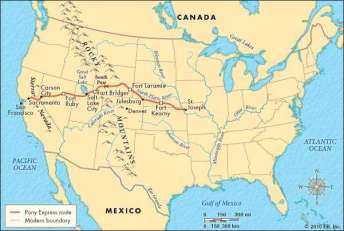
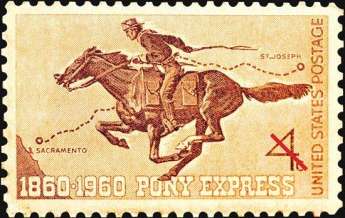
Six riders died in service to the Pony Express, but that wasn’t the most dangerous job.
From the time of Lewis and Clark, a growing nation expanded ever westward. First came the trappers and the traders. In 1834, merchant Nathaniel Wyeth led the first religious group westward along what would become the Oregon Trail. In 1848, James W. Marshall discovered gold at a place called Sutter’s Mill. Countless prospectors swelled the ranks of homesteaders flooding ever westward. The California Gold Rush was on.
That same year, the Postal Department awarded a contract to the Pacific Mail Steamship Company to deliver mail to the western territories. Under the contract, a letter would ship south from New York, transferred by horseback and rail across the Isthmus of Panama or the Isthmus of Tehuantepec in Mexico before returning to sea, destined for San Francisco. The process required three to four weeks under the best of circumstances, but it was more reliable than the old stage coach.
California became the 31st state in 1850. Ten years later some 380,000 people lived there. With coast-to-coast rail still years away, simmering tensions hurtling the nation toward Civil War proved the new system inadequate, even as the rapid transfer of information became ever more important.
Businessmen William Russell, Alexander Majors and William B. Waddell were in the shipping business, employing some 75,000 oxen, thousands of wagons and 6,000 men. One of those was the pioneer, future banker and Mayor of el Paso, Charles Robert Morehead. With experience running wagon trains through Wyoming and Utah, several attacked by Indians, Morehead was dispatched to Washington DC to meet with President Hames Buchanan. The subject, a proposed relay carrying mail to the west and back. A Pony Express.
The Central Overland California & Pike’s Peak Express Company officially opened on April 3, 1860, horse-and-rider relays carrying letters the 1,966-mile distance from St. Joseph, Missouri to Sacramento, California, and back.
Individual riders covered 75 – 100 miles at a time changing horses every 10-15 miles, at relay stations. Westbound delivery was compressed from weeks to ten days, on average. Riders carrying President Abraham Lincoln’s inaugural address covered the run in 7 days, and 17 hours.
Alone in a wilderness of bandits and sometimes hostile natives, riders traveled around the clock, their way lit only by lighting, or the light of the moon. In May 1860, 20-year old Robert “Pony Bob” Haslam finished a 75-mile run only to learn his replacement, as terrified of Paiute Indians, who’d been attacking stations along the way. Jumping on a fresh horse, Haslam encountered another station burned out by Paiutes. Pony Bob covered 370 miles in 40 hours before it was over, a Pony Express record.
Six riders died along the way, but even that wasn’t the most dangerous job. Livestock stations were little more than dirt floor hovels in remote locations with corrals for horses. Stationery and unmoving, livestock handlers were constantly at risk of ambush by desperados, and raiding Indians. In 18 months as many as 16 stock hands lost their lives.
80 to 100 riders aged 11 to 40 covered some 650,000 miles before it was over, delivering some 35,000 pieces of mail for an average of $100-$150 per month. Riders themselves were required to weigh 125-pounds or less and swear out the following oath, on pain of termination:
“I, (name), do hereby swear, before the Great and Living God, that during my engagement, and while I am an employee of Russell, Majors, and Waddell, I will, under no circumstances, use profane language, that I will drink no intoxicating liquors, that I will not quarrel or fight with any other employee of the firm, and that in every respect I will conduct myself honestly, be faithful to my duties, and so direct all my acts as to win the confidence of my employers, so help me God.”
Oath sworn by Pony Express Riders
Costs started out at $5.00 per ½ ounce and dropped to $1.00 per ½ ounce, after the introduction of a newer, lighter-weight paper. Even so, $5.00 in 1860 is equal to $130 today. The system was a financial disaster.
In the 19th century, the Pony Express was to the old methods as email is to snail mail. Even so, the system never did turn a profit. Far too expensive for ordinary people, the Pony Express carried mostly newspaper reports, business documents and government dispatches. For everyone else, the Central Overland California and Pike’s Peak Express Co. (C.O.C.&P.P.) stood for “Clean Out of Cash & Poor Pay!”
An expensive stopgap leading to the first transcontinental telegraph, the founders declared bankruptcy in only 18 months. The Pony Express came to a halt 18 months after it began, ending service in October 1861.
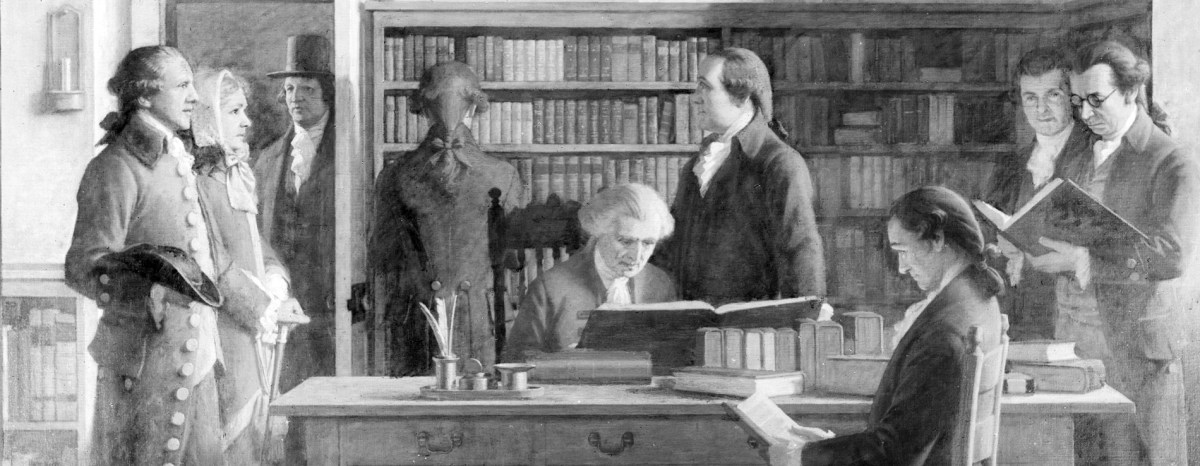
The fifteenth child of Josiah and Abiah Franklin was born in a little house on Milk Street in Boston, across from the Old South Church.
The family moved to a larger house at Union & Hanover Street when little Benjamin was six. As the tenth son, Ben was destined to be “tithed” to the church, but Josiah changed his mind after the boy’s first year in Boston Latin School. Considering the small salary, it was too expensive to educate a minister of the church.
The boy was sent to George Brownell’s English school for writing and arithmetic where he stayed until age ten, when he went to work in his father’s shop making tallow candles and boiling soap. After that, “Dr.” Benjamin Franklin’s education came exclusively from the books he picked up along the way.
By twelve the boy was “Hankering to go to sea”. His father was concerned about his running away. Knowing of the boy’s love of books, the elder Franklin apprenticed his son to the print shop of James Franklin, one of his elder sons, where he went to work setting type for books. And reading them. He would often “borrow” a book at night, returning it “early in the Morning lest it should be miss’d or wanted.”
By 1720, James Franklin began to publish The New England Courant, the second newspaper to appear in the American colony.
Franklin often published essays and articles written by his friends, a group describing itself as “The Hell-Fire Club”. Now 16, Benjamin desperately wanted to be one of them, but James seemed to feel that little brothers should be seen and not heard.
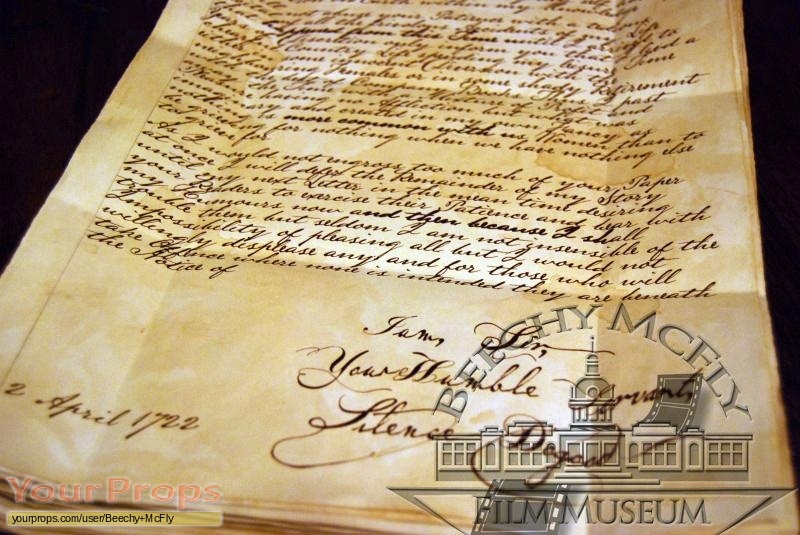
Sometime around March 1722, a letter appeared beneath the print shop door. “Sir”, the letter began, “It may not be improper in the first Place to inform your Readers, that I intend once a Fortnight to present them, by the Help of this Paper, with a short Epistle, which I presume will add somewhat to their Entertainment”. The letter went on in some detail to describe the life of its author. It was signed, Mrs. Silence Dogood.
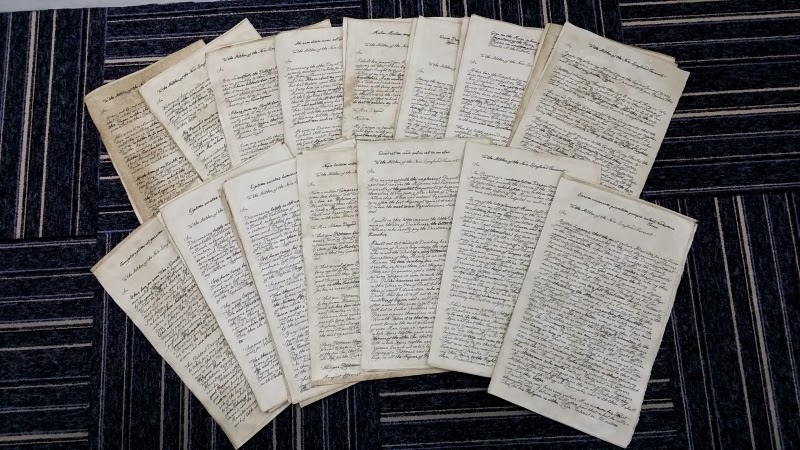
That first letter was published on April 2. True to her word, Silence Dogood wrote again in two weeks. And then again. And again. Once every other week, for over half a year. The Dogood letters were delightful, cleverly mocking the manners of Boston “Society” and freely giving advice, particularly on the way that women should be treated. Nothing was sacred. One letter suggested that the only thing students learned at Harvard College, was conceit.
James Franklin and his literary friends loved the letters, and published every one. All of Boston was charmed with Silence Dogood’s subtle mockery of the city’s Old School Puritan elite. Proposals of marriage came into the print shop, when the widow Dogood coyly suggested that she would welcome suitors.
James was jailed at one point, for printing “scandalous libel” about Massachusetts Governor Joseph Dudley. The younger Franklin ran the shop in his absence, when Mrs. Dogood came to his defense. Quoting Cato, she proclaimed: “Without freedom of thought there can be no such thing as wisdom and no such thing as public liberty without freedom of speech.”
Silence Dogood letters
And then the letters stopped, much to the dismay of the Courant and its readership. One wrote to the editor, saying the paper had “lost a very valuable Correspondent, and the Public been depriv’d of many profitable Amusements.”
On December 3, James Franklin ran an ad. “If any Person . . . will give a true Account of Mrs. Silence Dogood, whether Dead or alive, Married or unmarried, in Town or Country, . . . they shall have Thanks for their Pains.” It was only then that his sixteen-year-old brother fessed up. Benjamin Franklin was the author of the Silence Dogood letters.
All of Boston was amused by the hoax Not James. He was so furious with his little brother, the younger Franklin broke his terms of apprenticeship and fled, to Pennsylvania.
So it was a future Founding Father of the Republic, the inventor, scientist, writer and philosopher, the statesmen who appears on our $100 bill, came to Philadelphia. Within a few years, Franklin had set up his own print shop, publishing the Philadelphia Gazette as well as his own book bindery, in addition to buying and selling books.
Thanks in no small part to Franklin’s efforts, literacy standards were higher in Colonial America than among the landed gentry of 18th century England.
Franklin’s diplomacy to the Court of Versailles was every bit as important to the success of the Revolution, as the Generalship of the Father of the Republic, George Washington. Signatory to both the Declaration of Independence and the Constitution, it is arguably Ben Franklin who broke the impasse of the Convention of 1787, paving the way for ratification of the United States Constitution.
By that time too old and frail to deliver his own speech, Franklin had someone else read his words to the deadlocked convention.
“ON THE WHOLE, SIR, I CAN NOT HELP EXPRESSING A WISH THAT EVERY MEMBER OF THE CONVENTION WHO MAY STILL HAVE OBJECTIONS TO IT, WOULD, WITH ME, ON THIS OCCASION, DOUBT A LITTLE OF HIS OWN INFALLIBILITY, AND, TO MAKE MANIFEST OUR UNANIMITY, PUT HIS NAME TO THIS INSTRUMENT”.
Doubt a little of his own infallibility. That seems like good advice, even today.
A Trivial Matter
Despite ending his formal education at the age of ten, Benjamin Franklin is considered to be one of the great polymaths along with the likes of Aristotle, Leonardo da Vinci and Albert Schweitzer. A prolific inventor, Franklin never patented a single one, believing such innovations should be shared, freely. A brief list of Franklin’s inventions include bifocal glasses, the lighting rod and the Franklin stove. The founding father’s personal favorite was a musical instrument which came to be played by the likes of Mozart and Beethoven: the Glass Armonica
In 1974, logger Oliver ‘Porky’ Bickar chartered a helicopter and flew 70 old tires to the peak of the long-dormant Mount Edgecumbe volcano in Alaska. Dousing the pile with gasoline and setting the thing alight, townspeople gaped at the ominous black cloud rising from the volcano. Local police and fire were in on the gag but the Coast Guard, was not. ‘Coasties’flew over to inspect the situation but instead of molten lava, there was a great pile of burning tires surrounded by the giant words April Fool, spray painted on the sides of the crater.
In Chaucer’s Canterbury Tales, “March 32” of 1392 is the day the wily fox tricked the vain cock Chanticleer. The fox appealed to the rooster’s vanity and insisted he would love to hear the cock crow, just as his amazing father had. Standing on tiptoe with neck outstretched and eyes closed, the rooster obliged with unfortunate, if not unpredictable results.
April Fools. The ancient Roman festival of Hilaria held on March 25, may be a precursor. The Medieval Feast of Fools, held December 28, remains to this day a time in which pranks are played in Spanish-speaking countries.
In 1582, France switched from the Julian calendar to the Gregorian moving New Year to January 1 as specified by the Council of Trent, of 1563. Those who didn’t get the news and continued to celebrate New Year in late March/April 1, quickly became the butt of jokes and hoaxes.
Paper fish were placed on their backs, as these “poisson d’avril” (April fish) were said to symbolize the young, naïve, easily caught first fish of Spring.
The Flemish children of Belgium lock their parents or teachers out, letting them in only if they promise to bring treats that evening or the next day.
In 1539, Flemish poet Eduard de Dene wrote of a nobleman who sent his servants on fool’s errands on April 1.
In Scotland, April Fools’ Day is traditionally called Hunt-the-Gowk Day. Though the term has fallen into disuse, a “gowk” is a cuckoo or a foolish person. The prank consists of asking someone to deliver a sealed message requesting unspecified assistance. The message reads “Dinna laugh, dinna smile. Hunt the gowk another mile”. On reading the message, the recipient will explain that in order to help, he’ll first need to contact another person, sending the victim on down the road with the same message.
In Poland, “Prima Aprilis” is so strong that the anti-Turkish alliance with Leopold I, signed on April 1, 1683, was backdated to March 31.
Animals were kept at the Tower of London since the 13th century, when Emperor Frederic II sent three leopards to King Henry III. In later years, elephants, lions and even a polar bear were added to the collection, the polar bear trained to catch fish in the Thames.
In 1686, John Aubrey referred to the holiday as “Fooles holy day”, the first British reference.
On April 1, 1698, citizens were invited to the Tower of London to witness the “Washing of the Lions” in the tower moat. Quite a few were sucked in. The April 2 edition of Dawks’ News-Letter reported that “Yesterday being the first of April, several persons were sent to the Tower Ditch to see the Lions washed.” The “annual ceremony of washing the lions,” lasted throughout the 18th & 19th centuries, always held on April 1st.
By the mid-19th century the prank became quite elaborate. Tickets were printed and distributed for the event, specifying that attendees be “Admitted only at the White Gate”, and that “It is requested that no Gratuities will be given to the Wardens on any account.”In “Reminiscences of an Old Bohemian”, Gustave Strauss laments his complicity in the hoax in 1848. “These wretched conspirators”, as Straus called his accomplices, “had a great number of order-cards printed, admitting “bearer and friends” to the White Tower, on the 1st day of April, to witness…the famous grand annual ceremony of washing the lions”.
Pandemonium broke out when hundreds showed up, only to realize they’d been pranked. “In the midst of the turmoil” Strauss wrote, “some one spotted me to whom I had given an order of admission, and he would have set the whole mob upon me. Knowing of old that discretion is, as a rule, the better part of valour…I had to skedaddle, and keep dark for a time, until the affair had blown over a little”.
In 1957, (you can guess the date), the BBC reported the delightful news that mild winter weather had virtually eradicated the dread spaghetti weevil of Switzerland. Swiss farmers were now happily anticipating a bumper crop of spaghetti. Footage showed smiling Swiss, happily picking spaghetti from the trees.An embarrassingly large number of viewers were fooled, calling BBC offices asking how to grow their own spaghetti tree. Callers were told to “Place a piece of spaghetti in a tin of tomato sauce, and hope for the best.”
Instantly recognizable to a generation of British TV viewers, Sir Patrick Alfred Caldwell-Moore hosted the longest running BBC production hosted by the same presenter, The Sky at Night. The author of over 70 books on astronomy and renowned for his expertise in moon observation, Moore’s signature monocle and stern on-air personae made him The authority for all things, astronomical. In 1976, Moore informed his viewers that a rare alignment of Pluto and Jupiter would temporarily reverse the law of gravity allowing viewers to float through the air. At 9:47am Moore instructed his viewers to ‘Jump Now!‘. Most took the so-called Jovian-Plutonian effect as harmless good fun but many, did not. One caller claimed that she and 11 friends had taken flight and ‘orbited gently around the room’. Another man claimed to have risen so high as to hit his head on the ceiling, demanding compensation for unspecified injuries.
The Warby Parker Company website describes a company mission of “offer[ing] designer eyewear at a revolutionary price, while leading the way for socially conscious businesses”.
On April 1, 2012, Warby Parker released a new line of eyeglasses for dogs, appropriately called “Warby Barker”.
For only $95, your hipster pooch could be sporting the latest styles in canine eyeware, in irresistible dog treat shades like “Gravy Burst” and “Dusty Bacon.” There was a monocle option too, for those partial to that Prussian Field Marshall look.
Anyone falling for the gag got an “April Fools!” message on the on-line shopping cart.
Not to be outdone, Burger King announced the introduction of a new Whopper flavored mouthwash, for those who just can’t get enough of a good thing. I know it’s true because I read it on-line, but it should be mentioned here. There is no “White Gate” at the Tower of London. Never was.
This “Today in History” is dedicated to the man for whom I am namesake. United States Army Lieutenant Colonel (retired) Richard B. “Rick” Long, Sr., 2/25/37 – 3/31/18. Rest In Peace, Dad. You left us too soon.
The Oxford English Dictionary defines Monument as “A statue, building, or other structure erected to commemorate a notable person or event”.
Our nation’s most hallowed ground is itself such a monument – Memorial Avenue extending across the Potomac connecting Arlington House, the former home of Confederate General Robert E. Lee with the Lincoln Memorial at the opposite end symbolizing the immutable bond, between North and South.
The first military burial at Arlington National Cemetery was that of Private William Henry Christman, 67th Pennsylvania Infantry, interred on May 13, 1864. Two more joined Christman that day, the trickle soon turning into a flood. By the end of the war between the states, that number was 17,000 and rising.
In modern times, an average week will see 80 to 100 burials in the 612 acres of Arlington.
Nineteen years ago, a news release from the Department of Defense reported “Private First Class Michael A. Arciola, 20, of Elmsford, New York, died February 15, 2005, in Al Ramadi, Iraq, from injuries sustained from enemy small arms fire. Arciola was assigned to the 1st Battalion, 503d Infantry Regiment, 2nd Infantry Division, Camp Casey, Korea”.
Private Arciola joined a quarter-million buried in our nation’s most hallowed ground on March 31. Two hundred or more mourners attended his funeral, a tribute befitting the tragedy of the loss of one so young.
Sixteen others were buried that same Friday. Most were considerably older. Some brought only a dozen or so mourners. Others had no friends or family members whatsoever, on-hand to say goodbye.
Save for a volunteer from a group called, Arlington Ladies.
In 1948, Air Force Chief of Staff General Hoyt Vandenberg and the general’s wife Gladys, regularly attended funeral services at Arlington National cemetery.
Sometimes, a military chaplain was the only person present at these services. Both husband and wife felt that a member of the Air Force family should be present at these funerals. Before long, Gladys began to invite other officer’s wives. Over time, a group of women from the Officer’s Wives Club formed specifically for the purpose.
In 1973, General Creighton Abrams’ wife Julia did the same for the Army, forming a group calling themselves “Arlington Ladies”. Groups of Navy and Coast guard wives followed suit in 1985, and 2006.
Traditionally, the Marine Corps Commandant sends an official representative of the Corps to all Marine funerals. The Marine Corps branch of the Arlington Ladies were formed in 2016.
Arlington Ladies’ Chairman Margaret Mensch explained “We’ve been accused of being professional mourners, but that isn’t true. I fight that perception all the time. What we’re doing is paying homage to Soldiers who have given their lives for our country.”
The casual visitor cannot help but being struck with the solemnity of such an occasion. Air Force Ladies’ Chairman Sue Ellen Lansell spoke of one service where the only other guest was “one elderly gentlemen who stood at the curb and would not come to the grave site. He was from the Soldier’s Home in Washington, D. C. One soldier walked up to invite him closer, but he said no, he was not family”.
The organization was traditionally formed of current or former military wives. Today their number includes daughters and even one “Arlington Gentleman”. At one time they came alone, or in pairs. Today, 145 or so volunteers from four military branches are a recognized part of all funeral ceremonies at Arlington National Cemetery, their motto: “No Soldier will ever be buried alone.”
The volunteer arrives with a military escort from the Navy or the United States Army 3rd Infantry Regiment, the “Old Guard”. The horse-drawn caisson arrives from the old post chapel, carrying the flag draped casket. Joining the procession, she will quietly walk to the burial site, her arm inside that of her escort. A few words are spoken over the deceased, followed by the three-volley salute. Off in the distance, a solitary bugler sounds Taps.
The folded flag is presented to the grieving widow, or next of kin. Only then will she break her silence, stepping forward with a word of condolence and two cards: one from the service branch Chief of Staff and his wife and a second, from herself.
Joyce Johnson buried her husband Lieutenant Colonel Dennis Johnson in 2001, a victim of the Islamist terrorist attack on the Pentagon. Johnson remembers the Arlington Ladies’ volunteer as “a touchingly, human presence in a sea of starched uniforms and salutes”. Three years later Johnson herself paid it forward, becoming one of the Arlington Ladies.
Any given funeral may be that of a young military service member killed in service to the nation, or a veteran of Korea or WWII who spent his last days in the old soldier’s home. It could be a four-star General or a Private. It matters not a whit.
“We’re not professional mourners. We’re here because we’re representing the Air Force family and because, one day, our families are going to be sitting there in that chair”. – Sandra Griffin, Air Force volunteer, Arlington Ladies
Individual volunteers attend about five funerals a day, sometimes as many as eight. As with the Tomb of the Unknown sentinels who hold their vigil heedless of weather, funeral services pay no mind, to weather conditions. The funeral will proceed on the date and time scheduled irrespective of rain, snow or heat. Regardless of weather, a representative of the Arlington Ladies will be in attendance.
The job of the Arlington Ladies is to honor, not to grieve. But it doesn’t always work out that way. Linda Willey of the Air Force Ladies describes the difficulty of burying Pentagon friends after 9/11, even as pieces of debris littered the cemetery. Paula McKinley of the Navy Ladies still chokes up over the hug of a ten-year old girl who had lost both parents. Margaret Mensch speaks of the heartbreak of burying one of her own young escorts after he was killed in Afghanistan, in 2009.
Barbara Benson was herself a soldier, an Army flight nurse during WWII. She is the longest serving Arlington Lady. “I always try to add something personal”, Benson said, “especially for a much older woman. I always ask how long they were married. They like to tell you they were married 50 or 60 years…I don’t know how to say it really, I guess because I identify with Soldiers. That was my life for 31 years, so it just seems like the natural thing to do.”
Elinore Riedel was chairman of the Air Force Ladies during the War in Vietnam, when none of the other military branches had women representatives. “Most of the funerals were for young men,” she said. “I saw little boys running little airplanes over their father’s coffins. It is a gripping thing, and it makes you realize the awful sacrifices people made. Not only those who died, but those left behind.”
Mrs. Reidel is a minister’s daughter, who grew up watching her father serve those in need. “It doesn’t matter whether you know a person or not”, she said, “whether you will ever see them again. It calls upon the best in all of us to respond to someone in deep despair. I call it grace…I honestly feel we all need more grace in our lives.”
23-year veteran of the United States Air Force Sandra Griffin, now serves as an Arlington Lady.
“First they came for the socialists, and I did not speak out—because I was not a socialist. Then they came for the trade unionists, and I did not speak out— because I was not a trade unionist. Then they came for the Jews, and I did not speak out—because I was not a Jew. Then they came for me—and there was no one left to speak for me”. – Martin Niemöller
“We shall go on to the end. We shall fight in France, we shall fight on the seas and oceans, we shall fight with growing confidence and growing strength in the air, we shall defend our island, whatever the cost may be. We shall fight on the beaches, we shall fight on the landing grounds, we shall fight in the fields and in the streets, we shall fight in the hills; we shall never surrender, and if, which I do not for a moment believe, this island or a large part of it were subjugated and starving, then our Empire beyond the seas, armed and guarded by the British Fleet, would carry on the struggle, until, in God’s good time, the New World, with all its power and might, steps forth to the rescue and the liberation of the old”.
Winston Churchill
Before the age of the internet, office jokes and bits of folk wisdom were passed around and copied, and copied again. “The Last great of Defiance“ was one of those.
The image speaks for itself. I had one on the wall, for years. This is one of those stories.
The last great effort of German arms burst out of the frozen Ardennes forest on December 16, 1944, aiming for the vital port at Antwerp.
“Unternehmen Wacht am Rhein“, (“Operation Watch on the Rhine”) was a tactical surprise for the Wehrmacht, as allied forces were driven back through the densely forested regions of France, Belgium and Luxembourg. Wartime news maps showed a great inward “bulge” in the lines, and the name stuck. The Battle of the Bulge was the largest and bloodiest battle fought by American forces in World War 2, fought out in some of the harshest winter conditions in recorded history and involving some 610,000 GIs.
Prisoners were swept up by the thousands, to face an uncertain future. In Malmedy, Belgium, seventy-five captured Americans were marched into an open field and machine gunned by members of the 1st SS Panzer Division (Leibstandarte Adolf Hitler), a part of 6th Panzer Army.
On December 16, the all-black 333rd Field Artillery Battalion of the racially segregated US Army put up an heroic defense outside the town of Wereth, Belgium. Using 155mm guns to delay the German advance they were desperately outnumbered. The 333rd was overrun the following day, groups of men scattering to escape as best they could. Eleven soldiers made their way to the home of Mathias Langer, the Mayor of Wereth.
Movie poster for the 2011 film, “The Wereth Eleven”
To shelter allied troops under German occupation was to risk summary execution. Despite the obvious risk to their own lives, Matthias and his wife Maria took these men in and attempted to hide them, in their home. When German troops arrived, the eleven surrendered rather than risk the lives of their benefactors.
Eleven men were marched out of sight and murdered by German troops. Every one of them. Lost in the confusion of the Bulge, the bodies of the Wereth 11 lay hidden under the snow, until the Spring melt. For the next fifty years their story was lost, to history.
Nazi atrocities were not limited to Allied troops. By some accounts, more civilians were killed during the Battle of the Bulge than anytime over the last four years. When the fighting was over, more than 115 bodies were found in the small villages of Ster and Parfondruy, alone.
For Master Sargent Roderick “Roddie” Edmonds, the war ended on December 19, swept up with hundreds of American troops and taken prisoner. These were the lucky ones, enduring those first white-hot moments of capture to be sent alive to a German prisoner-of-war camp. Edmonds was later transferred to another camp near Ziegenhain, Germany. At the age of 24, Master Sergeant Roddie Edmonds was now the senior non-commissioned officer at Stalag IX-A, responsible for 1,275 American POWs.
Unsurprisingly, the Wehrmacht maintained harsh anti-Jewish policies and kept Jewish POWs in strict segregation. In the East, Russian Jews unfortunate enough to become POWs were immediately swept up, and sent to extermination camps. In the west, the future was more uncertain for Jewish POWs. Many of them were worked to death in slave labor camps.
On January 27, the first day at Stalag IX-A, commandant Siegmann ordered Edmonds: All American Jews were to identify themselves at the following day’s assembly. The word went out to all five barracks: “We’re not doing that. We’re all turning out“.
The following morning, 1,275 POWs presented themselves. Every. Single. Man.
Siegmann was perplexed. “They can’t all be Jews!” As senior NCO, Edmonds spoke for the group. “We’re all Jews here“. The Nazi commandant was apoplectic, pressing a Luger into Edmonds’ forehead. This is your last chance.
Imagine yourself in this situation and ponder, what would you do?
Edmonds gave his name, rank and serial number. : ‘If you are going to shoot’, he said, ‘ you are going to have to shoot all of us because we know who you are and you’ll be tried for war crimes when we win this war.’” Siegmann was incandescent, white with rage, but the moment passed. He was defeated.
The 1,275 American POWs held at Stalag IX-A were liberated on March 30, 1945, including some 200 Jews.
Years later the Army called once again and Roddie Edmonds was recruited, this time for the war in Korea. He never said a word not even to his family, of what happened at Stalag IX-A.
Chris Edmonds is the Pastor at Piney Grove Baptist Church in Maryville, Tennessee, and the son of Roddie Edmonds. Following his father’s death in 1985, Chris’ mother gave him his father’s war diary, where he found a brief mention of this story. Chris scoured the news for more information. This was around the time Richard Nixon was looking for his post-Presidential home. As it happened, Nixon bought his posh, upper-east side home from one Lester Tanner, a prominent New York Lawyer who mentioned in passing, he owed his life to Roddie Edmonds.
So it is, this story came to light. In 2015, Edmonds was honored as “Righteous among the Nations”, the first American soldier to be so honored. It’s the highest honor bestowed by the state of Israel, on non-Jews who risked their lives to save Jews from the Nazi death machine. President Barack Obama recognized Edmonds’ heroism in a 2016 speech before the Israeli embassy. In 2017 Tennessee Senator Marsha Blackburn led a bipartisan effort to bestow the Congressional Gold Medal.
Time.com wrote in August 2023, “He was praised at the ceremony by President Barack Obama for actions “above and beyond the call of duty,” although he has been denied the Medal of Honor by the Army because it claims that his actions were not undertaken in combat, a strange position given an enemy officer literally pointed a gun at Edmonds’ head”.
As I write this final passage, Pastor Edmonds and the Jewish veterans saved by M/Sgt Edmonds continue to push for the Knoxville, Tennessee native to receive the Medal of Honor. Pastor Edmonds says he always looked up to his father. The man had always been his hero. “I just didn’t know he had a cape in his closet“.












 Revere himself covered barely 12 miles before being captured, his horse confiscated to replace the tired mount of a British sergeant. Revere would finish his “ride” on foot, arriving at sunrise on the 19th to witness the last moments of the battle on Lexington Green.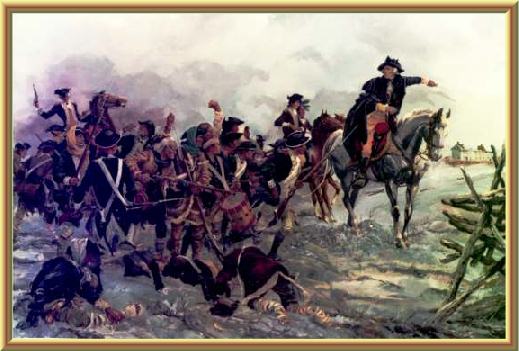


 General David Wooster was mortally wounded at the Battle of Ridgefield, moments after shouting “Come on my boys! Never mind such random shots!” Today, an archway marks the entrance to Wooster Square, in the East Rock Neighborhood of New Haven.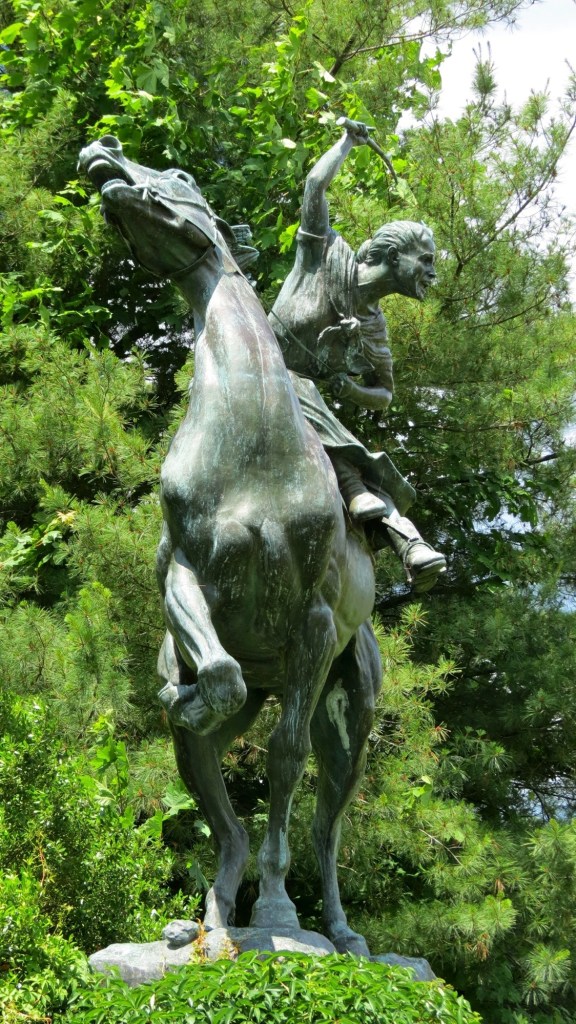

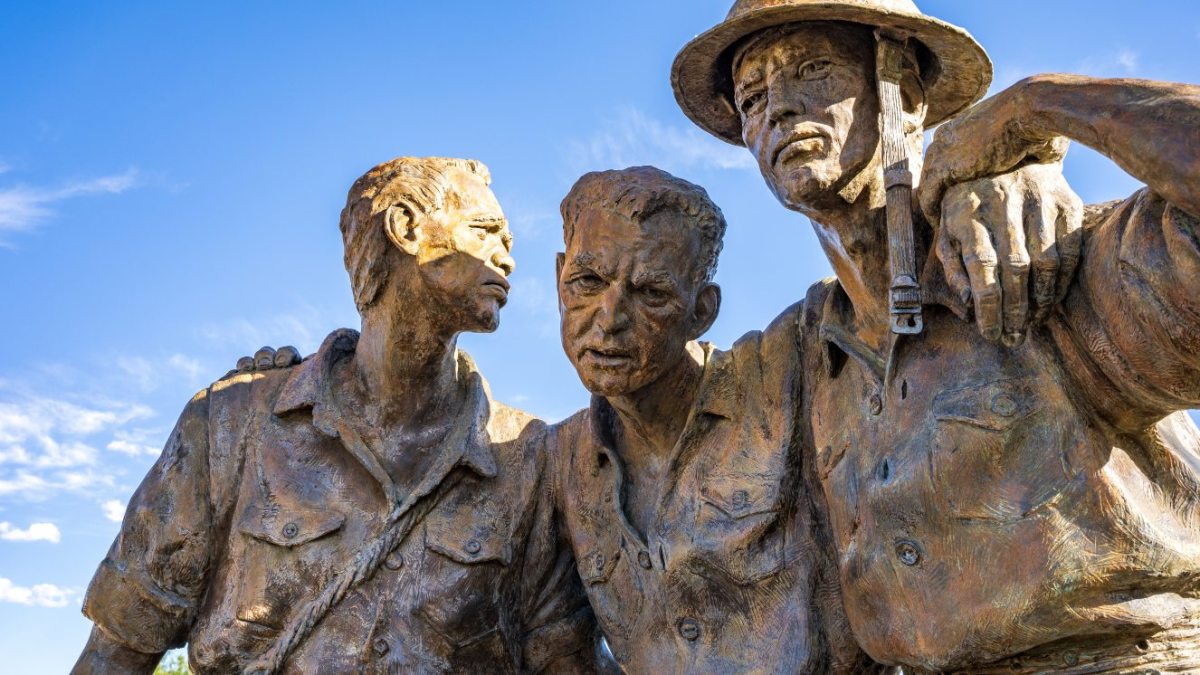
 The United States was grossly unprepared to fight a World War in 1942. The latest iteration of “War Plan Orange” (WPO-3) called for delaying tactics in the event of war with Japan, buying time to gather US Naval assets to sail for the Philippines. The problem was, there was no fleet to gather. The flower of American pacific power in the pacific, lay at the bottom of Pearl Harbor. Allied war planners turned their attention to defeating Adolf Hitler.
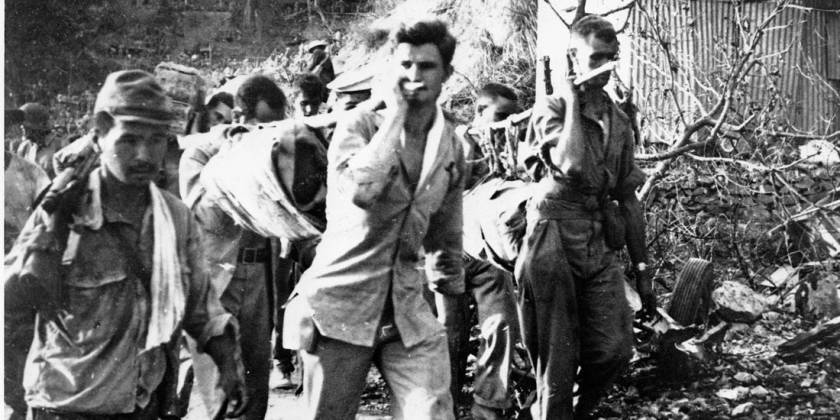 The Japanese were sadistic. Guards would beat marchers and bayonet those too weak to walk. Tormented by a thirst few among us can even imagine, men were made to stand for hours under a relentless sun, standing by a stream from which none were permitted to drink. The man who broke ranks and dove for the water was clubbed or bayoneted to death, on the spot. Japanese tanks would swerve out of their way to run over anyone who had fallen and was too slow in getting up. Some were burned alive, others buried alive. Already crippled from tropical disease and starving from the long siege of Luzon, wanton killing and savage abuse took the lives of some 500 – 650 Americans and between 5,000 – 18,000 Filipinos.
  United States Marine Corps 1st Lieutenant Austin Shofner came ashore back in November, with the 4th Marines. Shofner and his fellow leathernecks engaged the Japanese as early as December 12 and received their first taste of aerial bombardment, on December 29. Promoted to Captain and placed in command of Headquarters Company, Shofner received two Silver Stars by April 15 in near-constant defense against aerial attack.
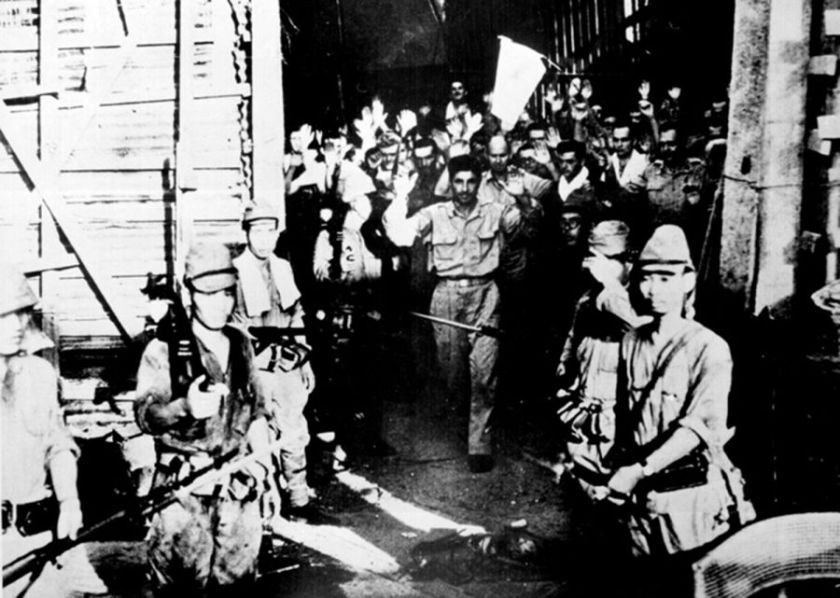 Nearly 150,000 Allied soldiers were taken captive by the Japanese Empire during World War 2. Clad in unspeakably filthy rags they were fed a mere 600 calories per day of fouled rice, supplemented only by the occasional insect or bird or rodent unlucky enough to fall into desperate hands. Diseases like malaria were all but universal as gross malnutrition led to loss of vision and unrelenting nerve pain. Dysentery, a hideously infectious disease of the large intestine reduced grown men to animated skeletons. Mere scratches resulted in grotesque tropical ulcers up to a foot in length exposing living bone and rotting flesh to swarms of ravenous insects.
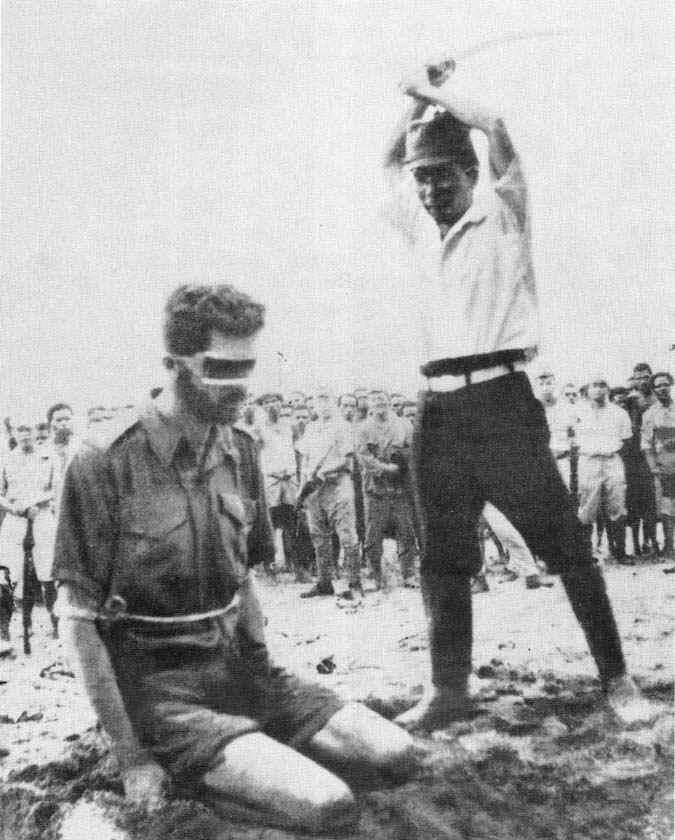 Given such cruel conditions it’s a wonder anyone escaped at all but it did happen. One time.










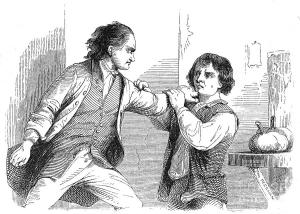




 In 1582, France switched from the Julian calendar to the Gregorian moving New Year to January 1 as specified by the Council of Trent, of 1563. Those who didn’t get the news and continued to celebrate New Year in late March/April 1, quickly became the butt of jokes and hoaxes.
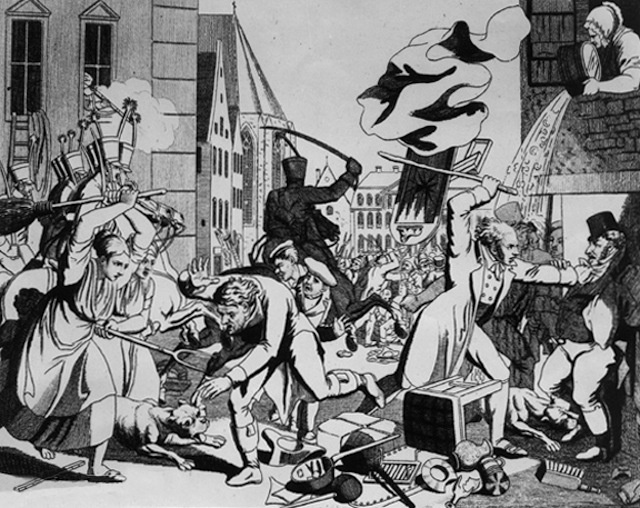 In Scotland, April Fools’ Day is traditionally called Hunt-the-Gowk Day. Though the term has fallen into disuse, a “gowk” is a cuckoo or a foolish person. The prank consists of asking someone to deliver a sealed message requesting unspecified assistance. The message reads “Dinna laugh, dinna smile. Hunt the gowk another mile”. On reading the message, the recipient will explain that in order to help, he’ll first need to contact another person, sending the victim on down the road with the same message.
 Animals were kept at the Tower of London since the 13th century, when Emperor Frederic II sent three leopards to King Henry III. In later years, elephants, lions and even a polar bear were added to the collection, the polar bear trained to catch fish in the Thames.
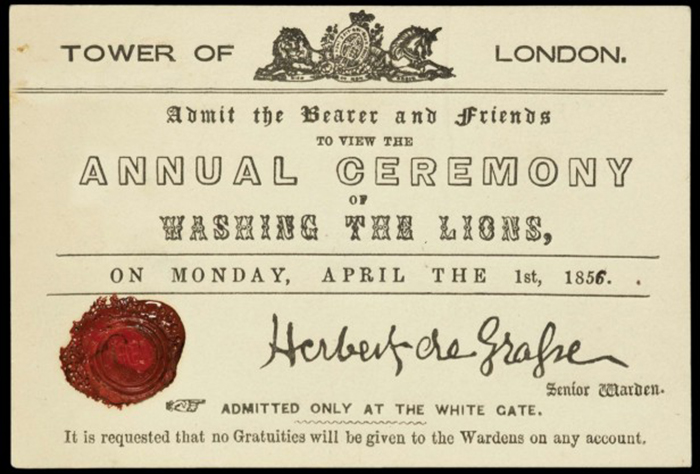 In “Reminiscences of an Old Bohemian”, Gustave Strauss laments his complicity in the hoax in 1848. “These wretched conspirators”, as Straus called his accomplices, “had a great number of order-cards printed, admitting “bearer and friends” to the White Tower, on the 1st day of April, to witness…the famous grand annual ceremony of washing the lions”.
 In 1957, (you can guess the date), the BBC reported the delightful news that mild winter weather had virtually eradicated the dread spaghetti weevil of Switzerland. Swiss farmers were now happily anticipating a bumper crop of spaghetti. Footage showed smiling Swiss, happily picking spaghetti from the trees.
 The Warby Parker Company website describes a company mission of “offer[ing] designer eyewear at a revolutionary price, while leading the way for socially conscious businesses”.


 Nineteen years ago, a news release from the Department of Defense reported “Private First Class Michael A. Arciola, 20, of Elmsford, New York, died February 15, 2005, in Al Ramadi, Iraq, from injuries sustained from enemy small arms fire. Arciola was assigned to the 1st Battalion, 503d Infantry Regiment, 2nd Infantry Division, Camp Casey, Korea”.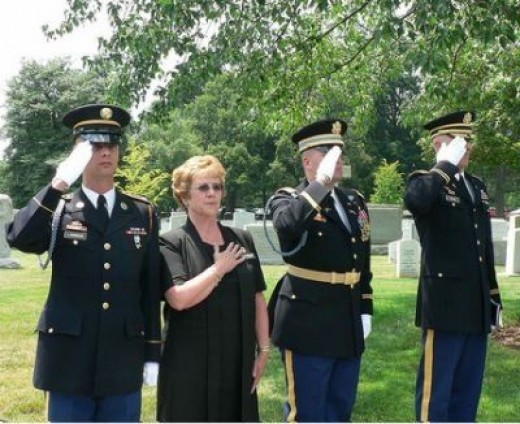
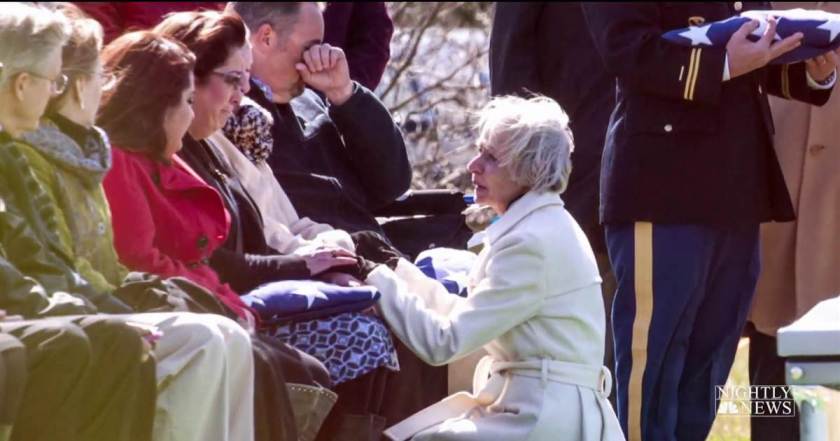 Sometimes, a military chaplain was the only person present at these services. Both husband and wife felt that a member of the Air Force family should be present at these funerals. Before long, Gladys began to invite other officer’s wives. Over time, a group of women from the Officer’s Wives Club formed specifically for the purpose.
 The casual visitor cannot help but being struck with the solemnity of such an occasion. Air Force Ladies’ Chairman Sue Ellen Lansell spoke of one service where the only other guest was “one elderly gentlemen who stood at the curb and would not come to the grave site. He was from the Soldier’s Home in Washington, D. C. One soldier walked up to invite him closer, but he said no, he was not family”.
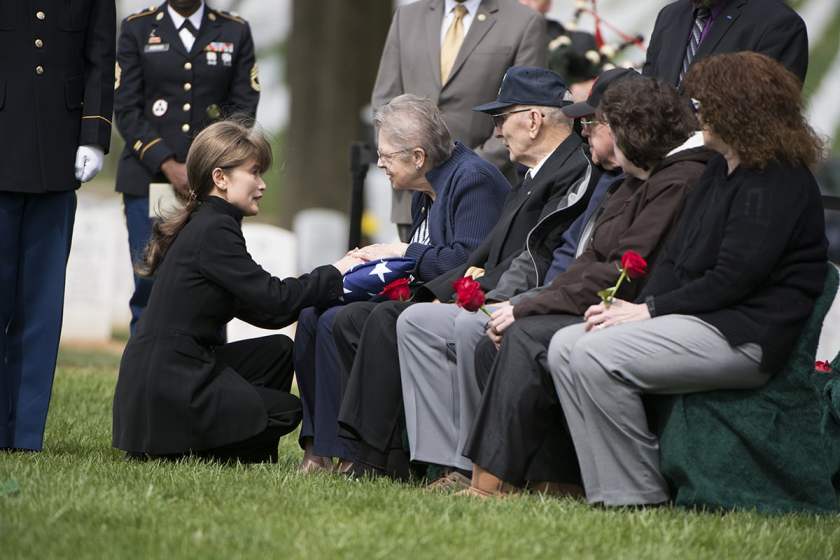

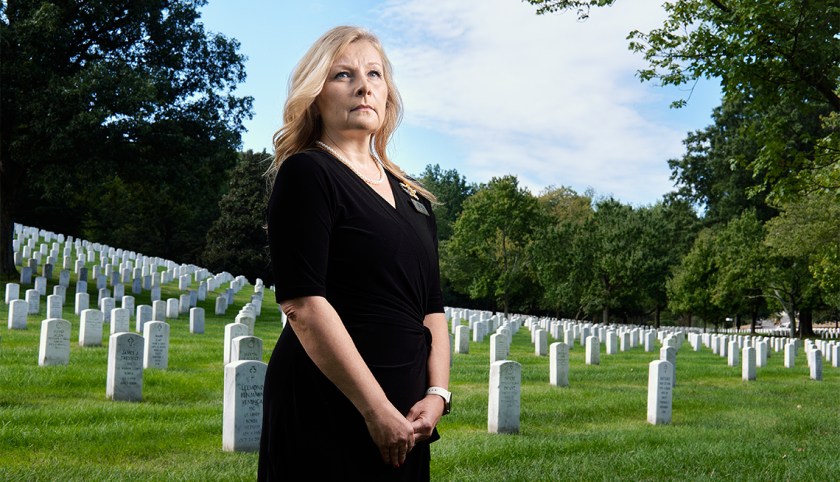

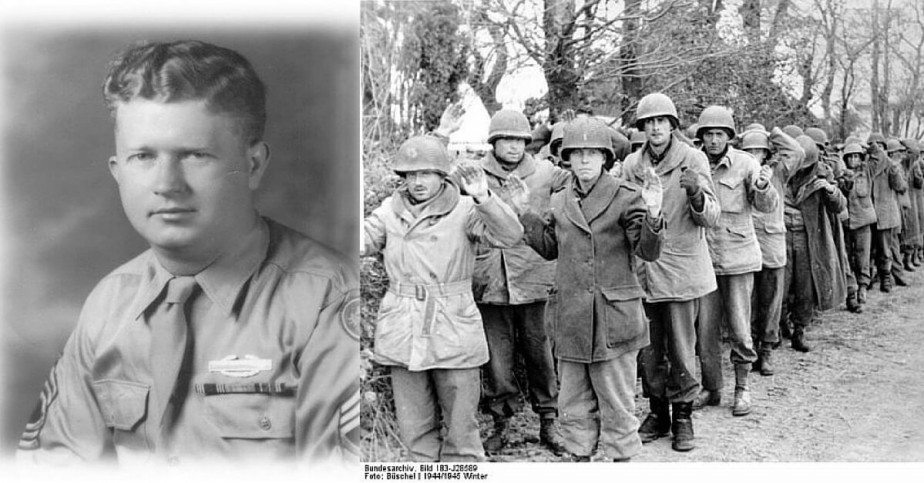
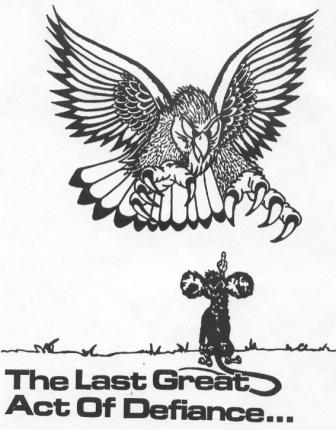
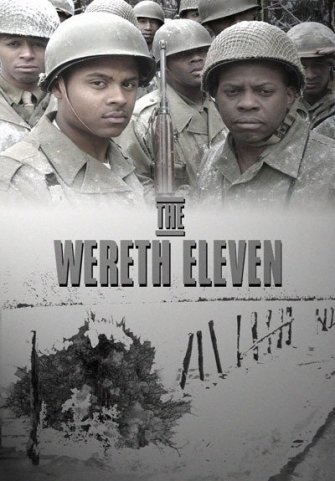

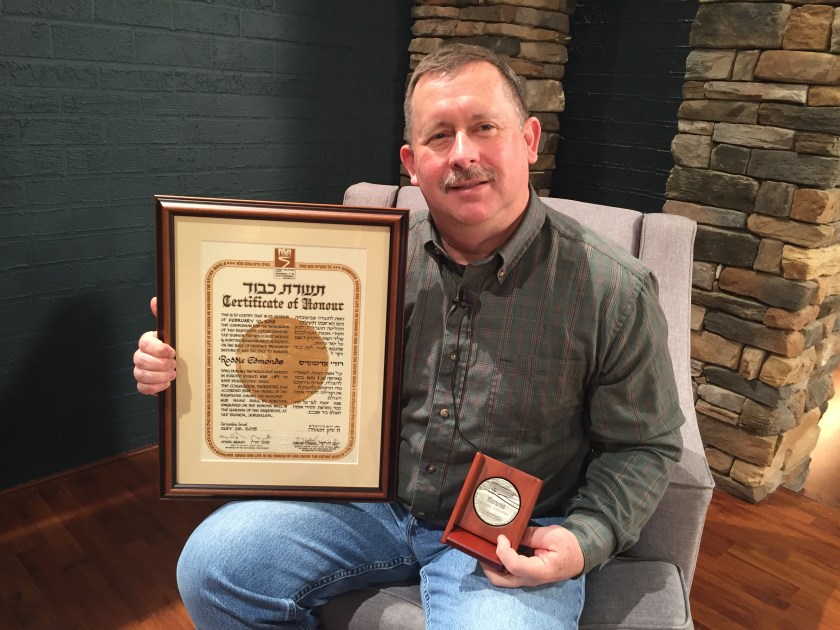


You must be logged in to post a comment.