

At the age of 2 years and 10 months, Puyi was taken from his parents and installed on the Qing Dynasty throne, in the Chinese Imperial Palace in Beijing. The year was 1908.
It must have been bewildering for this toddler who was terrified by the sound of the ceremonial drums. Grown men would kowtow and avert their eyes in his presence. His wet nurse, Wen-Chao Wang, was the only familiar face in the Royal Court. She was the only one who could console him. She alone was allowed to accompany him to the Forbidden City.
Puyi’s abdication of the throne four years later marked the end of 1,000 years of dynastic rule in China, earning him the sobriquet “The Last Emperor” of China.

Today, the Tsingtao beer available in Chinese restaurants the world over, is one of the last cultural vestiges of European colonization of China. In the latter half of the 19th century, China became increasingly subjugated through colonization by British, French and German powers.
American President Millard Filmore dispatched Commodore Matthew Perry to Japan in 1852, forcing an opening of that nation’s economy to trade with the West, and commencing a half-century’s period of rapid industrialization in resource-poor Japan. The smaller nation grew in both economic and military power, while China suffered the humiliations of the first and second opium wars, and forced colonization by European interests.
Japan piled on in the First Sino-Japanese War of 1894-95, culminating in the massacre of much of Lüshun City (formerly “Port Arthur”), cession of Chinese territories, and the recognition of an independent Korea.
China declared war on Imperial Germany in August 1917, intending to send combat units to the western front, but never getting around to doing so. The move entitled them to a seat at the Paris Peace Conference, but all that got them was a secret list of 21 demands issued by the Japanese Empire. Japan emerged from this period with greater influence over the Chinese economy, and increased Japanese control over the resource-rich regions of Northern China and Manchuria.
On September 18, 1931, a small quantity of dynamite was detonated by Japanese Lt. Kawamoto Suemori, near a railroad owned by Japan’s South Manchuria Railway near Mukden, in modern Shenyang. It was a ruse, a bald pretext for the Japanese invasion of Manchuria in Northern China, and everyone knew it.
The explosion was so weak that it failed to destroy the line and a train passed minutes later, but the script was already written. The Imperial Japanese Army accused Chinese dissidents of the “Mukden Incident”, launching a full scale invasion.
Japan installed Puyi as Emporer Kangde of the puppet state of “Manchukuo”, all the while suppressing the native Han Chinese in one of the most brutal and genocidal occupations of the 20th century.
Puyi was kept on a short leash by his Japanese handlers, his life mainly consisting of signing laws prepared by Japan, reciting prayers, consulting oracles, and making formal visits throughout his state.
The Second world war was drawing to a close when the Soviet Union declared war on Japan, beginning its invasion of occupied China two days after the atomic bomb was dropped on Hiroshima, the day before Nagasaki. Puyi was captured at an airfield on this day in 1945, and held in a Soviet gulag in Siberia until Mao Tse-Tung’s Communist party came to power in 1949.

Puyi spent ten years in the Fushun War Criminals Management Centre in Liaoning province until he was declared “reformed”, moving to Peking in 1959 and taking up residence as an ordinary citizen.
Mao’s “Cultural Revolution” of the late 1960s is estimated to have killed 40 to 70 million Chinese. You’re really playing in the Big Leagues, when they can’t estimate your death toll any closer than the nearest 30 million.
The Last Emperor was an easy target of the “Red Guards”. He probably wouldn’t have survived the tender ministrations of the communist government, but he died quietly due to complications of Kidney Cancer on October 17, 1967.
The ashes of the last Emperor, a man who had found himself at the head of over a half-billion people at a time when the world population was only 2 billion, were placed at the Babaoshan Cemetery, the former burial ground of imperial concubines and court eunuchs.


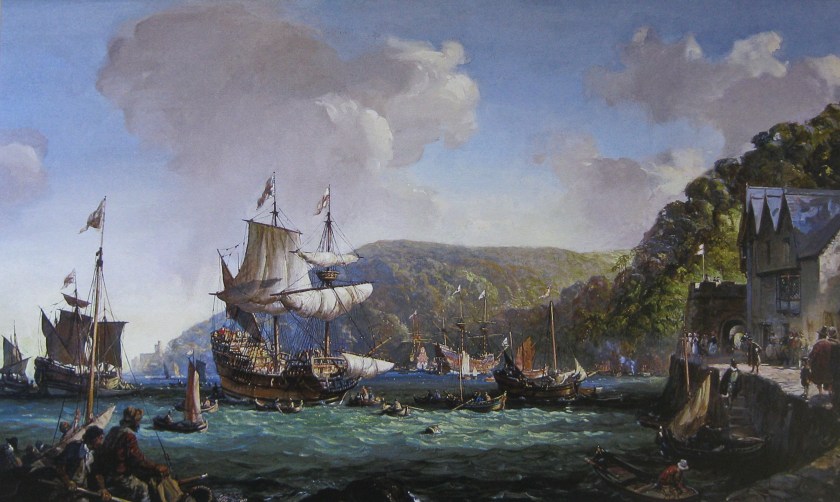
 65 days at sea brought them up on the outer reaches of Cape Cod in mid-November, near the present site of Provincetown Harbor. There they stayed long enough to draw up the first written framework of government established in the United States, signing the Mayflower Compact off the shores of Provincetown on November 11, 1620.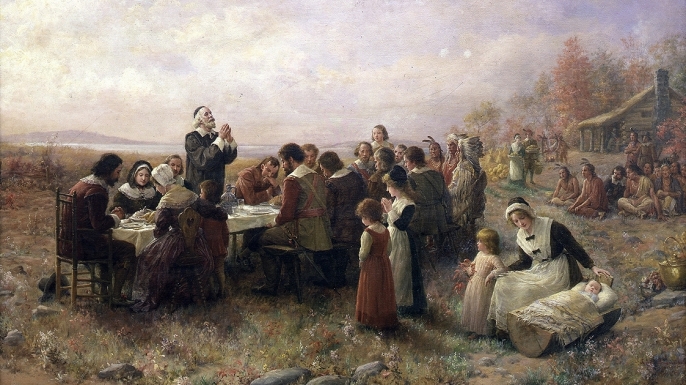

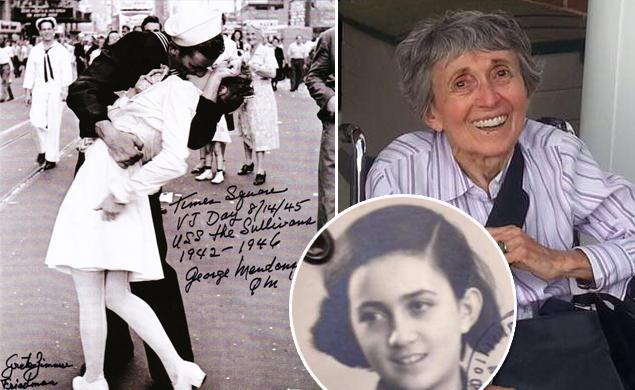
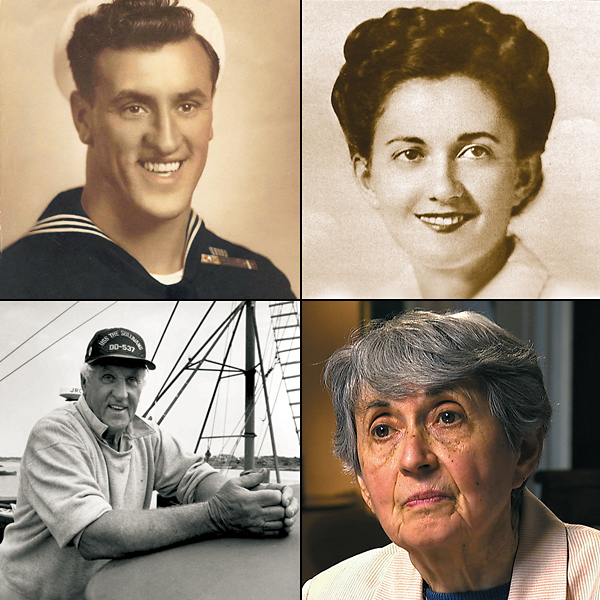
 Reporters from the AP, NY Times, NY Daily News and others descended on Times Square to record the spontaneous celebration.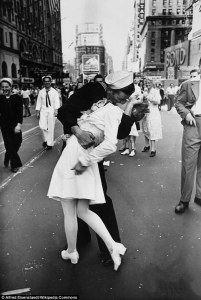
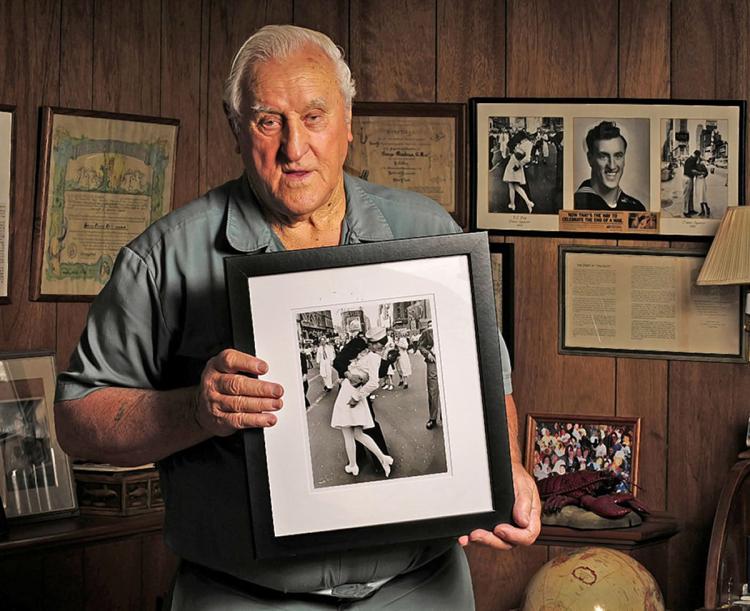 This year, the couple celebrates their 68th wedding anniversary. Rita says she wasn’t angry that her husband kissed another woman on their first date. She points out that she can been seen grinning in the background of the famous picture. She will admit, however, ‘In all these years, George has never kissed me like that.’

 One of the more profoundly silly bits of pop culture nonsense served up in the recent past, may be the world coming to an end on 12/21/12, according to the Mayan calendar. The calendar itself isn’t silly, it’s actually a very sophisticated mathematical construct, but the end of the world part certainly was.
 The Mayans used three separate calendars, each period represented by its own glyph. The Long Count was mainly used for historical purposes, able to specify any date within a 2,880,000 day cycle, about 7,885 solar years. The Haab was a civil calendar, consisting of 18 months of 20 days, and one 5-day Uayeb, a nameless period rounding out the 365-day year. The Tzolkin was the “divine” calendar, used mainly for ceremonial and religious purposes. Consisting of 20 periods of 13 days, the Tzolkin goes through a complete cycle every 260 days. The significance of this cycle is unknown, though it may be connected with the 263 day orbit of Venus. There is no year in the Haab or Tzolkin calendars, though a Haab and Tzolkin date may be combined to specify a particular day within a 52-year cycle.
 It doesn’t really roll over to “zero”, either. The base 20 numerical system means that 12/22/12 begins the next 400 year (actually 394.3 years) period to begin the 13th Bak’tun. It will reset to zero at the end of the 20th Bak’tun, about 3,000 years from now. Please let me know how that turns out.


 Kennedy and Willy remained aboard as BQ-8 completed its first remote controlled turn at 2,000′, near the North Sea coast. They removed the safety pin arming the explosive, Kennedy sending the code “Spade Flush”, to signal the task was complete. They were his last words. The aircraft exploded two minutes later, a shower of wreckage coming to earth near the village of Blythburgh in Suffolk, England. A series of small fires were started and 59 buildings were damaged, but there were no casualties on the ground. The bodies of Kennedy and Willy were never recovered.
 When Joseph Kennedy Jr. was born, his grandfather John F. Fitzgerald, then Mayor of Boston, said, “This child is the future President of the nation”. He had been a delegate to the Democrat’s National Convention in 1940, and planned to run for Massachusetts’ 11th congressional district in 1946.

 Lambeau worked for the Indian Packing Company in those days, making $250 a month as a shipping clerk. The two went to Lambeau’s employer and got a commitment for $500 for team uniforms, provided that the team use the company’s name. Today, “Green Bay Packers” is the oldest team name still in use in the NFL.

 No other club in professional football history has won three consecutive championships. The Packers did it twice: 1929–1931, and 1965–1967.


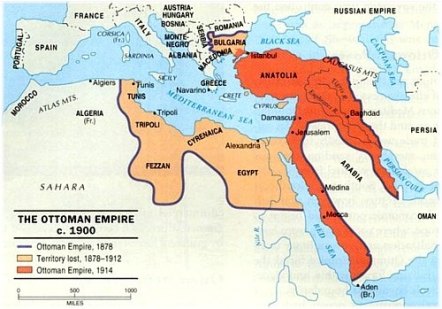
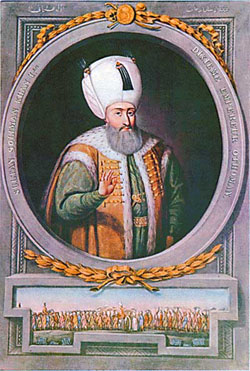 The Ottoman Empire reached the height of its power during the 16th and 17th centuries, under the reign of Suleiman the Magnificent. One of the most powerful states in the world and ruling over 39 million subjects, the Ottoman Empire controlled a territory spanning three continents: over two million square miles.


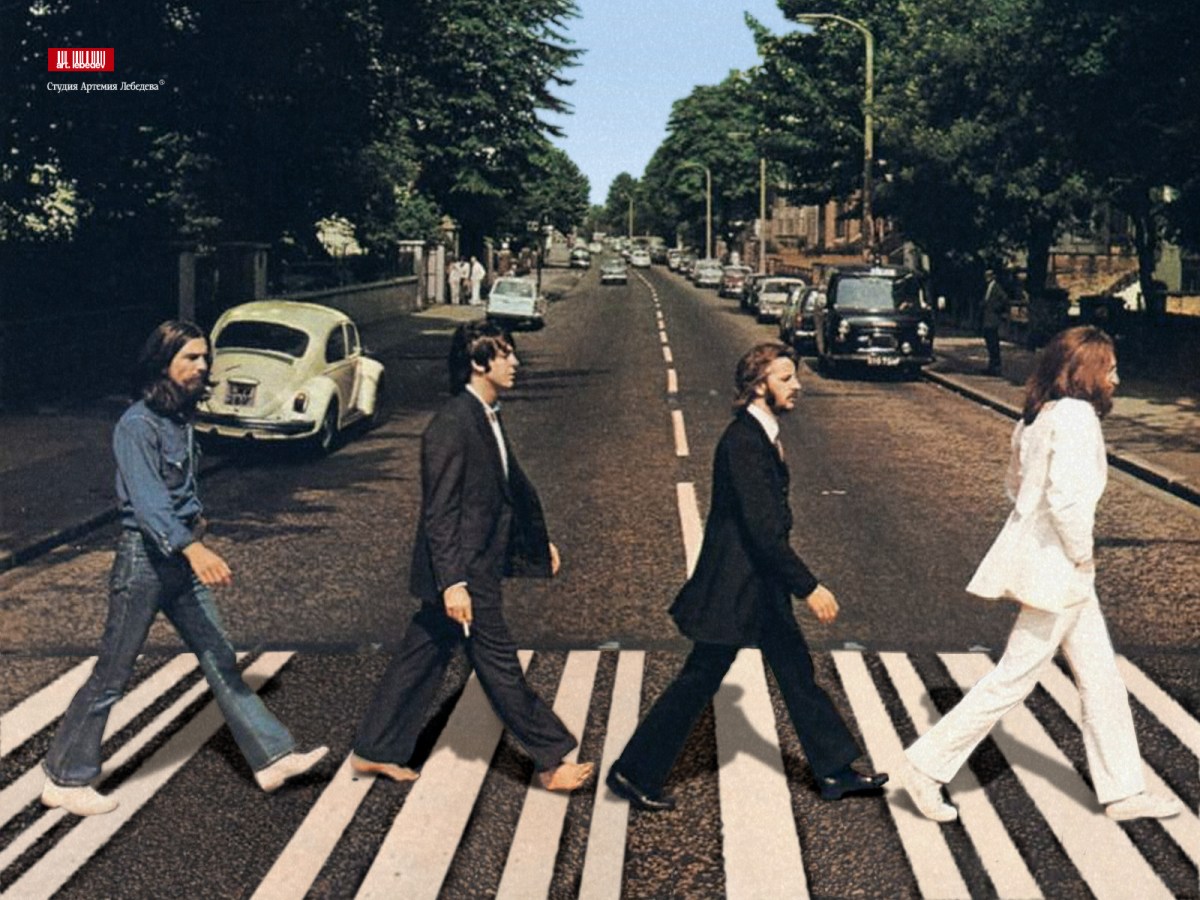


 The November 7, 1969, Life magazine interview with McCartney and his wife Linda finally put the story to rest. “Perhaps the rumor started because I haven’t been much in the press lately“, he said. “I have done enough press for a lifetime, and I don’t have anything to say these days. I am happy to be with my family and I will work when I work. I was switched on for ten years and I never switched off. Now I am switching off whenever I can. I would rather be a little less famous these days“.
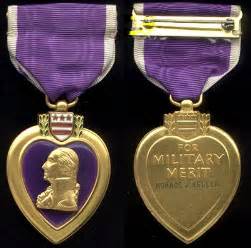
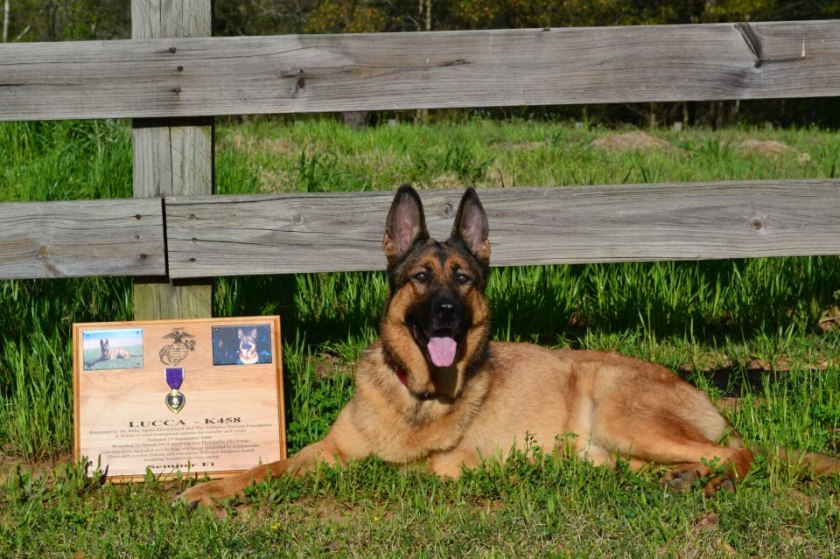
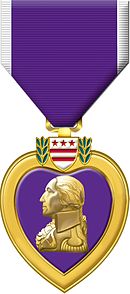 In 1927, Army Chief of Staff General Charles Summerall directed that a bill be drafted and submitted to Congress, “To revive the Badge of Military Merit”. This badge of merit came to be known as the Purple Heart. General Douglas MacArthur, Summerall’s successor, began work on a new design for the medal in 1931. Elizabeth Will, heraldic specialist with the Quartermaster General’s office, created the design we see today.


You must be logged in to post a comment.