

Joachim Fritz Krauledat was born in Tilsit, East Prussia on April 12, 1944, a region later absorbed into Soviet Russia. The boy never met his father. A German soldier on the Eastern Front of WWII, Fritz Krauledat would be killed months before the birth of his son.
Joachim‘s mother Elsabeth had to flee with the baby in the harsh winter of 1945, as the oncoming Soviet Red Army destroyed all in its path. The two would escape the Iron Curtain one more time in 1948, this time in a dangerous nighttime dash which the then-four year old remembers to this day.
“Pack your rucksack Joachim. We’re going on a trip.’ That was all my mother told me the night we escaped from East Germany” ….. We crossed near the Hartz Mountains south of Brunswick and Hannover. I remember seeing search lights moving, ……… As the women passed under the wire, one of our guides took me by the hand and led me through, As I crouched I could hear a commotion, then gunfire, maybe a machine gun burst. Hurry, hurry, hurry just keep running implored our guide.” *
 The family settled for a time in Hannover, West Germany, barely avoiding the communist noose as it closed around their former home in the East.
Krauledat was an indifferent student, possibly due to poor eyesight. He’s legally blind, afflicted since birth with achromatopsia, a condition which left him totally colorblind and severely averse to light. Even as a child, he was rarely seen without the dark glasses which would later become his trademark.
The boy became interested in music, listening over the British Forces Broadcasting Service and US Armed Forces Radio. Listening to his transistor radio, Little Richard singing in a language he didn’t understand, Joachim Krauledat knew. He was going to become a rock ‘n roll singer.
The family moved to Canada in 1958, where the Canadian National Institute for the Blind offered him a Wollensach reel-to-reel tape recorder. The “Talking Book Program” was intended to bring the spoken word to visually impaired students. This 14-year old was more interested in the “record” button.
The gym teacher called him “John”, while his mother became “Mrs. K,” to the other kids. The name stuck. Years later, Joachim Krauledat legally changed his name to John Kay.
“ From as far back as I remember, I always liked music.”
– John Kay
The family moved to Buffalo in 1963, where the young musician found his possibilities limited. At age 20 he and his buddy Klaus packed up the ’62 Chevy, and headed west. The “Mother Road”. Route 66.
The next several years were spent honing and developing his music, a folk and blues singer performing throughout North America. Kay joined a blues rock and folk group called “The Sparrow” in 1965, becoming part of the rock music scene in San Francisco’s Haight-Ashbury district, and the Sunset Strip in Los Angeles.

The band added a couple new members in 1967, changing their name to a character from a Herman Hesse novel. They called themselves Steppenwolf.
Steppenwolf became one of the world’s foremost rock bands, with standards like “The Pusher”, and “Monster”, releasing “Magic Carpet Ride” on this day in 1968. They gave us the term “Heavy Metal” with the rock anthem “Born to Be Wild”, but that didn’t refer to the music. “Heavy Metal Thunder” referred to large, loud, motorcycles.
Steppenwolf toured for over 40 years. There isn’t a Baby Boomer alive who wouldn’t read this and come away with one of their songs in his head. They’ve sold over 25 million records and licensed their songs in over 50 motion pictures. The music is iconic, from the sound track of the 1969 “Easy Rider” film to their last performance on July 24, 2010, at the three day HullabaLOU music festival in Louisville, Kentucky.
 Steppenwolf gave us 22 albums. We all know them in one way or another. Yet, the lead singer’s escape from the horrors of the Iron Curtain, not once but twice, is all but unknown. That, as Paul Harvey used to say, is the Rest, of the Story.
- – John Kay from his autobiography, Magic Carpet Ride


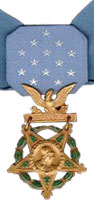 Major Whittlesey, Captain George McMurtry, and Captain Nelson Holderman, all received the Medal of Honor for their actions atop hill 198. Whittlesey was accorded the rare honor of being a pallbearer at the interment ceremony for the Unknown Soldier, but it seems his experience weighed heavily on him. Charles Whittlesey disappeared from a ship in 1921, in what is believed to have been a suicide.


 Once, the small dog was able to perform a task in minutes that otherwise would have taken an airstrip out of service for three days, and exposed an entire construction battalion to enemy fire. The air field at Lingayen Gulf, Luzon, was crucial to the Allied war effort, and the signal corps needed to run a telegraph wire across the field. A 70′ long, 8” pipe crossed underneath the air strip, half filled with dirt.
 Smoky toured all over the world after the war, appearing in over 42 television programs and entertaining thousands at veteran’s hospitals. In June 1945, Smoky toured the 120th General Hospital in Manila, visiting with wounded GIs from the Battle of Luzon. She’s considered to be the first therapy dog, and credited with expanding interest in what had hitherto been an obscure breed.
 Bill Wynne was 90 years old in 2012, when he was “flabbergasted” to be approached by Australian authorities. They explained that an Australian army nurse had purchased the dog from a Queen Street pet store, becoming separated in the jungles of New Guinea. 68 years later, the Australians had come to award his dog a medal.
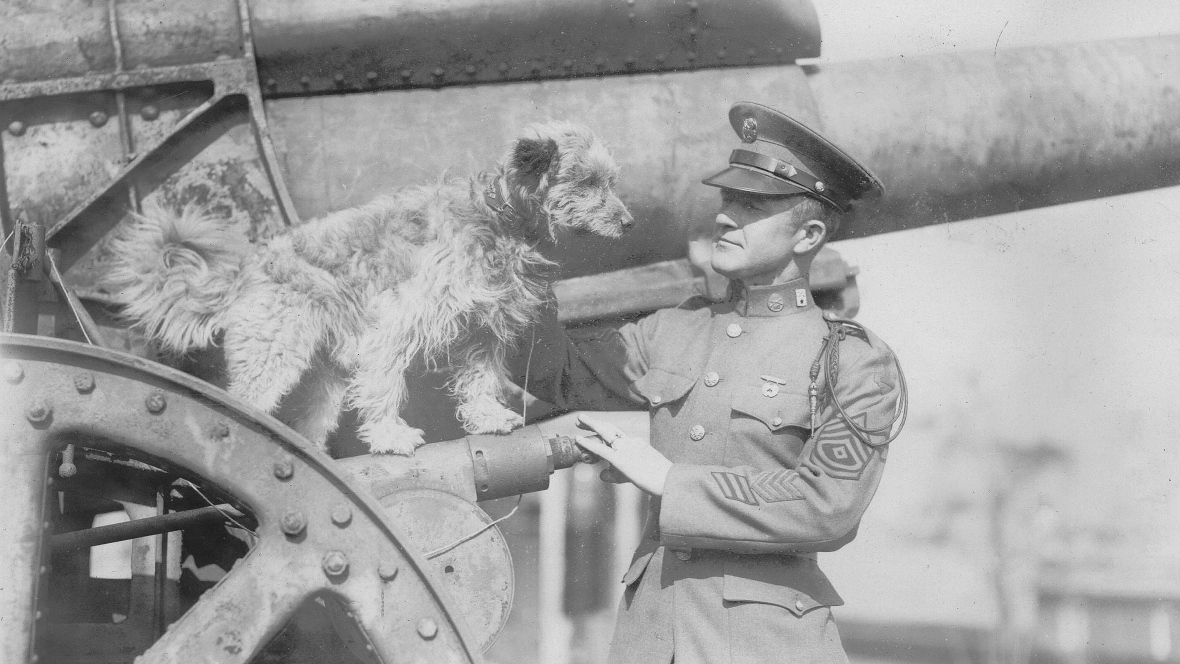
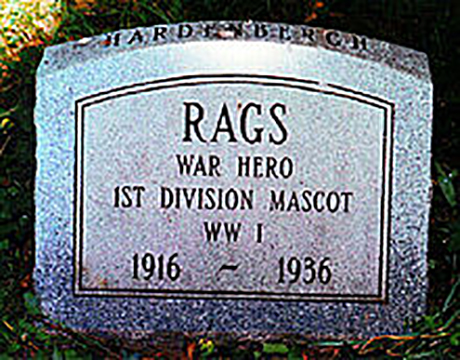
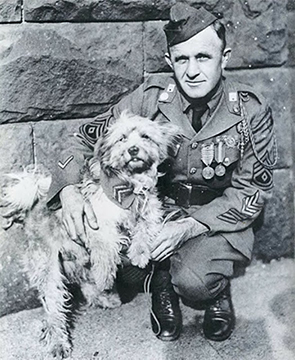 It was a small dog, possibly a Cairn Terrier mix. He looked like a pile of rags, and that’s what they called him. The dog had gotten Donovan out of a jam, now he would become the division mascot for real. Rags was now part of the US 1st Infantry Division, the Big Red One.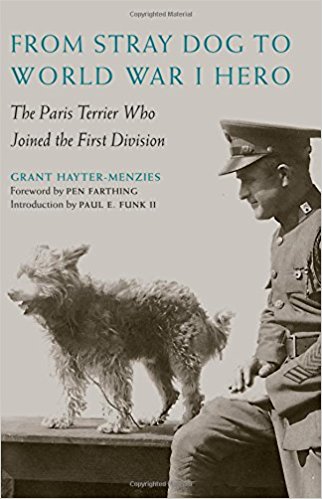


 TE, as Lawrence preferred to be called, was reading books and newspapers by the age of four. He first went to the Middle East as an archaeology student in 1909, walking 1,100 miles across Syria, Palestine, and parts of Turkey, surveying the castles of the Crusaders for his thesis. During this time he was shot at, robbed and severely beaten. Despite all of it, TE Lawrence developed an affinity for the Middle East and its people, which would last a lifetime.
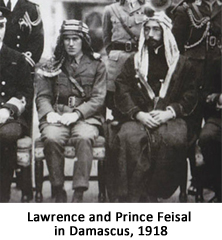 Dressing himself in the flowing Arab Thawb, Lawrence joined the forces of Ali’s son, Feisal.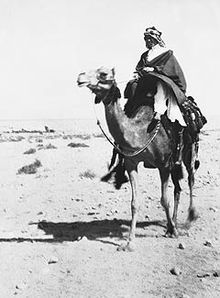
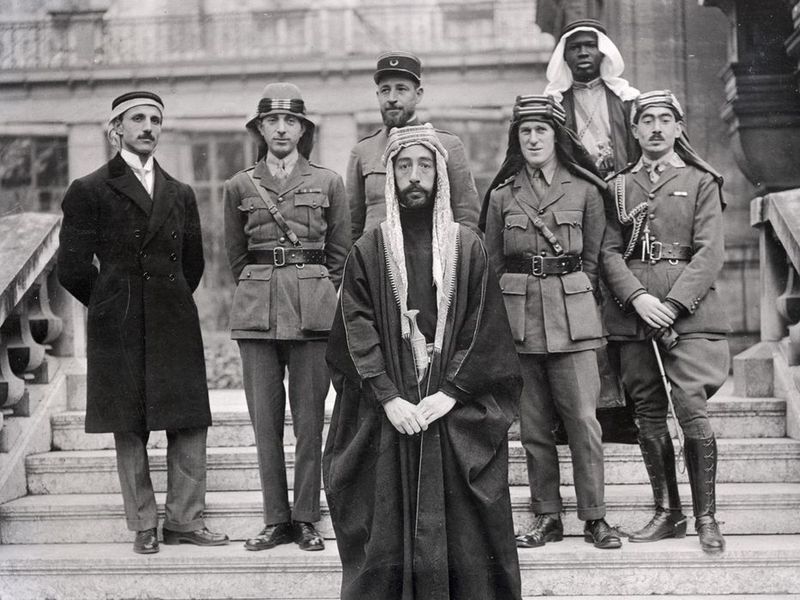
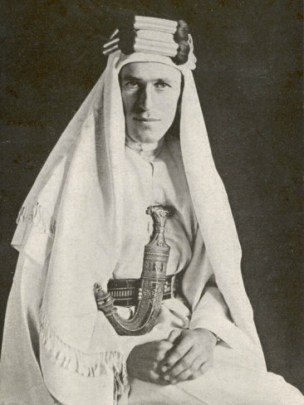
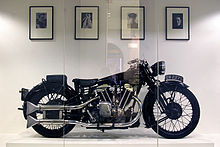
 To most of us, the desert is an inscrutable place, as is the mind, culture and history of the Middle East. Few westerners would ever get to know this part of the world like TE Lawrence.
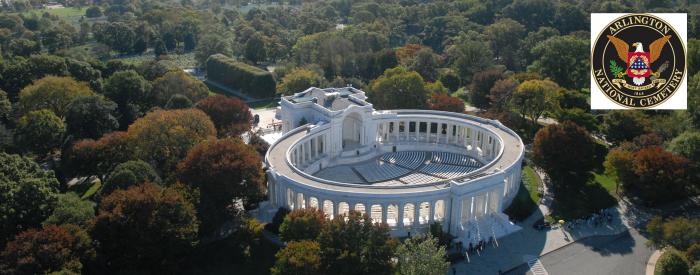

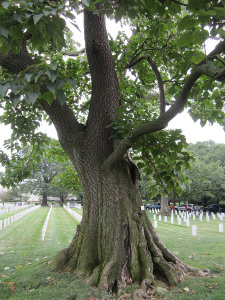
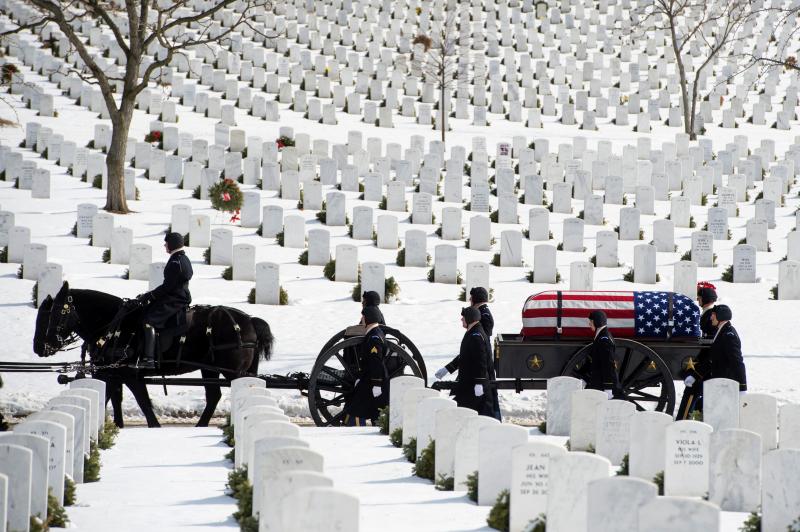

 Other tree ancestors include the Water Oak next to the Brown Chapel African Methodist Church in Selma, where Reverend Martin Luther King, Jr. delivered his “We Shall Overcome” speech, before setting out on the 50-mile march to Montgomery. The George Washington American Holly was grown from seeds gathered at Mount Vernon. Helen Keller climbed the 100-year-old Water Oak, as a child. The Overcup Oak descends from a tree which shaded the birthplace of the 16th President of the United States, Abraham Lincoln.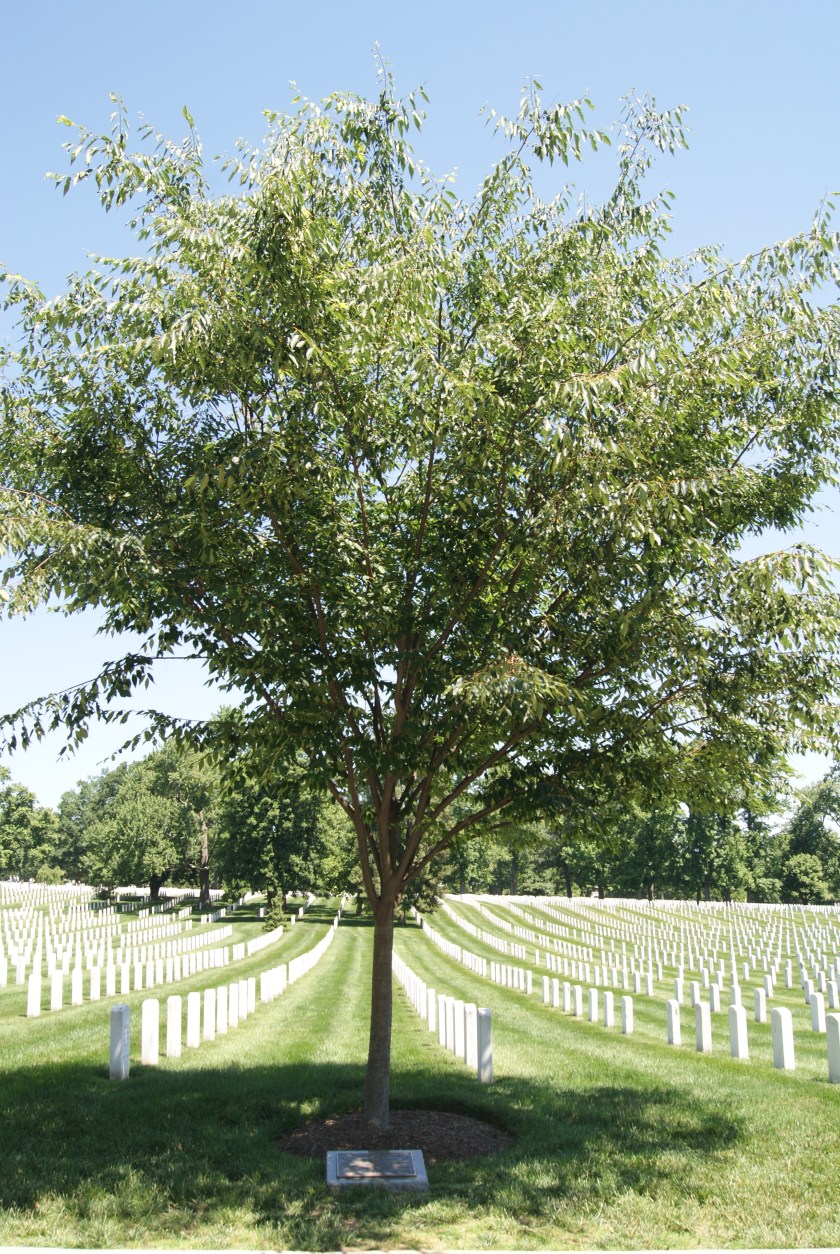





 Pitchers Eddie Cicotte and Claude “Lefty” Williams, along with outfielder Oscar “Hap” Felsch, and shortstop Charles “Swede” Risberg were all principally involved with fixing the series. Third baseman George “Buck” Weaver was at a meeting where the fix was discussed, but decided not to participate. Weaver handed in some of his best statistics of the year during the Series.
 Rumors were flying when the series started on October 2. So much money was on Cincinnati that the odds were flat. Gamblers complained that nothing was left on the table. Williams lost his three games in the best-out-of nine series, which I believe stands as a World Series record to this day. Cicotte became angry, thinking that gamblers were trying to renege, and he bore down, the White Sox winning game 7.
 Ironically, the 1919 scandal would lead to a White Sox crash in the 1921 season, beginning the “Curse of the Black Sox”. It was a World Series championship drought that lasted 88 years, ending only in 2005, with a sweep of the Houston Astros. Exactly one year after the Boston Red Sox ended their own 86-year drought, the “Curse of the Bambino”.




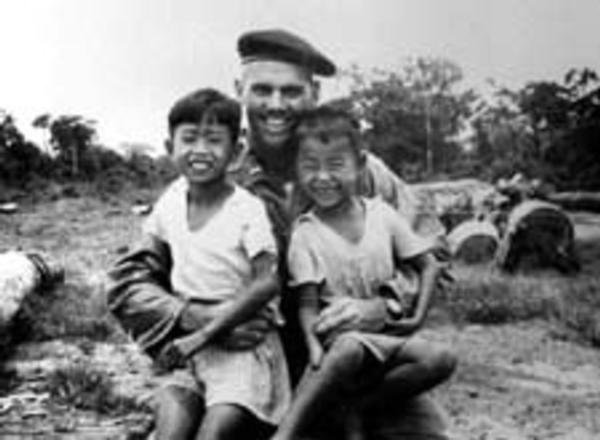

 In his spare time, this Green Beret, Army Ranger and Special Forces warrior would volunteer to work in the countless orphanages of South Vietnam.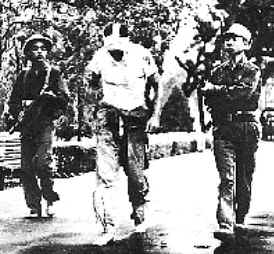
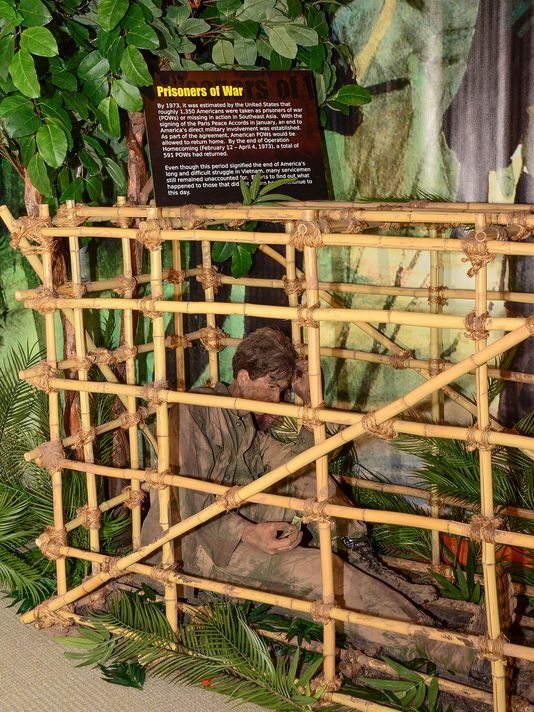
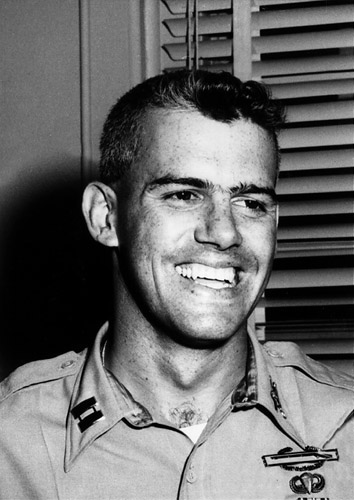 Rocky attempted to escape four times, despite leg wounds which left him no option but to crawl on his belly. Each such attempt earned him savage beatings, after which he’d only try harder.
 Rocky was murdered by his captors, his “execution” announced on North Vietnamese “Liberation Radio” on September 26, 1965. He was twenty-eight.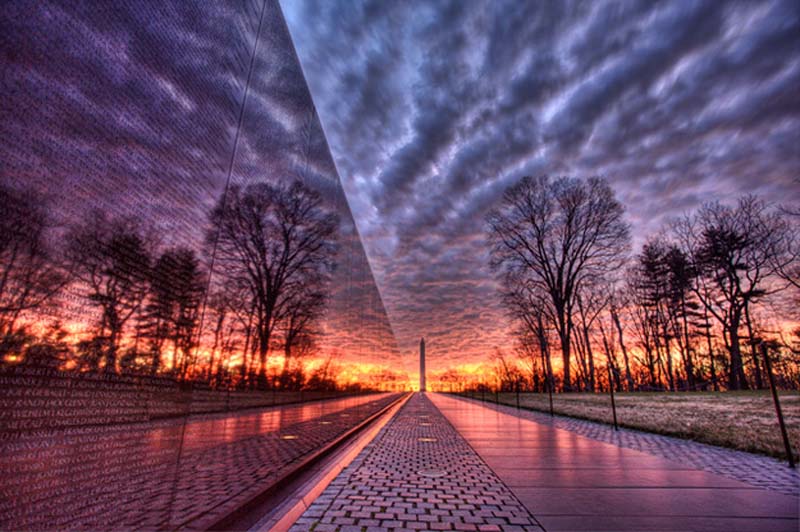


You must be logged in to post a comment.