

On December 7, 1941, Imperial Japanese air forces attacked the US Pacific Naval anchorage at Pearl Harbor.
President Franklin Delano Roosevelt appeared before a joint session of Congress the following day, asking for a declaration of war. Little did they know, the war with  Imperial Japan would rage for another 33 years.
Alright, not really. Representatives of the Empire of Japan signed the instruments of surrender aboard the USS Missouri on September 2, 1945, formally ending the war in the Pacific. Except, there were those who didn’t get the message.
Following the Battle of Saipan, June 15 – July 9, 1944, Captain Sakae Ōba and a company of 46 men took to carrying out guerrilla actions against American troops. The company surrendered on December 1, 1945, three months after the end of the war.
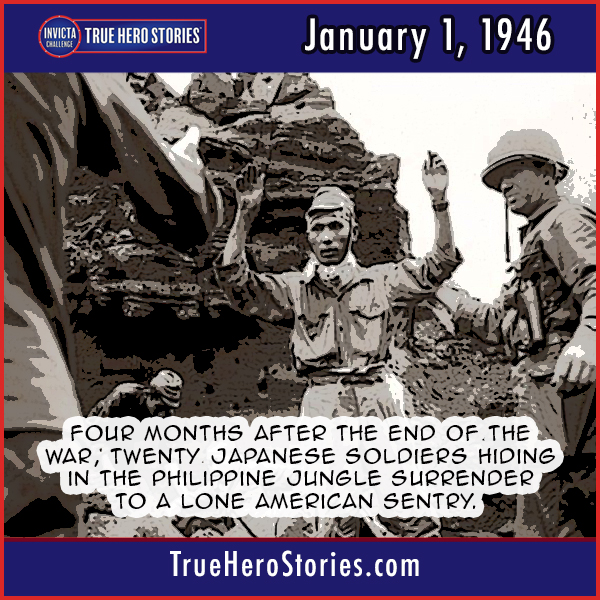
Navy Lieutenant Hideo Horiuchi was arrested on August 13, 1946, while recovering from wounds received in a battle with Dutch troops.
Lieutenant Ei Yamaguchi led 33 soldiers in an attack on an American Marine Corps detachment on Peleliu in March, 1947. Reinforcements were sent in, including a Japanese admiral who finally convinced these guys that the war was over. The group surrendered in April.
Two machine gunners from the Imperial Japanese Navy surrendered on Iwo Jima, on January 6, 1949.
 Several went on to fight for the Viet Minh against French troops in Indochina.
Seaman Noburo Kinoshita hanged himself in the Luzon jungle, in 1955. Kinoshita had vowed never to “return to Japan in defeat”. I guess he meant it.
Private Bunzō Minagawa held out until May 1960, on the American territory of Guam. Minagawa’s immediate superior, Sergeant Masashi Itō, surrendered a few days later. Corporal Shoichi Yokoi, who also served under Itō, was captured twelve years later.
After the war, 2nd Lieutenant Hirō Onoda took to the mountains of Lubang Island in the Philippines, along with Private Yūichi Akatsu, Corporal Shōichi Shimada and Private First Class Kinshichi Kozuka, carrying out guerilla actions and engaging in shootouts with local police. Akatsu left the other three in 1949, and surrendered six months later. Shimada was killed by a search party in 1954. Kozuka was shot and killed by local police in 1972, while burning rice collected by farmers.
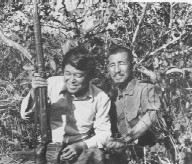
Two years later, the Japanese explorer and adventurer Norio Suzuki set out, looking for “Lieutenant Onoda, a wild panda, and the Abominable Snowman, in that order”. The pair met on February 20, 1974 when Suzuki nearly got shot for his troubles, but he was quick. “Onoda-san, the emperor and the people of Japan are worried about you.”
“I am a soldier” he said, “and remain true to my duties.” Onada would surrender when ordered to do so, by a superior officer. Suzuki returned to Japan and located Onoda’s commanding officer, Major Yoshimi Taniguchi, who was working in a book store. The pair flew to Lubang, where Taniguchi issued the following orders:
In accordance with the Imperial command, the Fourteenth Area Army has ceased all combat activity.
In accordance with military Headquarters Command No. A-2003, the Special Squadron of Staff’s Headquarters is relieved of all military duties.
Units and individuals under the command of Special Squadron are to cease military activities and operations immediately and place themselves under the command of the nearest superior officer. When no officer can be found, they are to communicate with the American or Philippine forces and follow their directives.
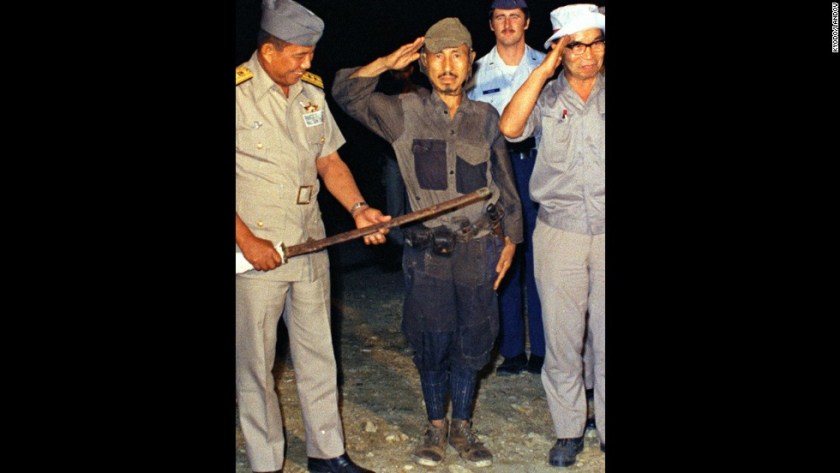
Thus properly relieved of duty, Onada surrendered, turning over his sword, his rifle, 500 rounds of ammunition and a number of hand grenades, along with his kaiken, the dagger his mother had given him, to kill himself if he were ever captured. It was March 9, 1974.
Private Teruo Nakamura, born Attun Palalin to the aboriginal Amis people of Taiwan, was the last confirmed holdout of WW2. Nakamura, who spoke neither Japanese nor Chinese, was discovered by the Indonesian Air Force on Morotai, surrendering to a search patrol on December 18, 1974. The war was over. 29 years, 3 months, and 16 days after the Japanese Instrument of Surrender.
Years later, Hirō Onada described that first encounter: “This hippie boy Suzuki came to the island to listen to the feelings of a Japanese soldier. Suzuki asked me why I would not come out…” Norio Suzuki had found his Onada, and the wild panda was soon to follow. The explorer died in a Himalayan avalanche at age 37, still searching for the Abominable Snowman.


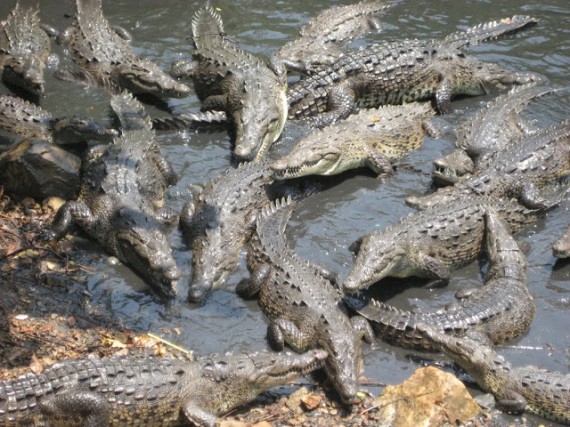
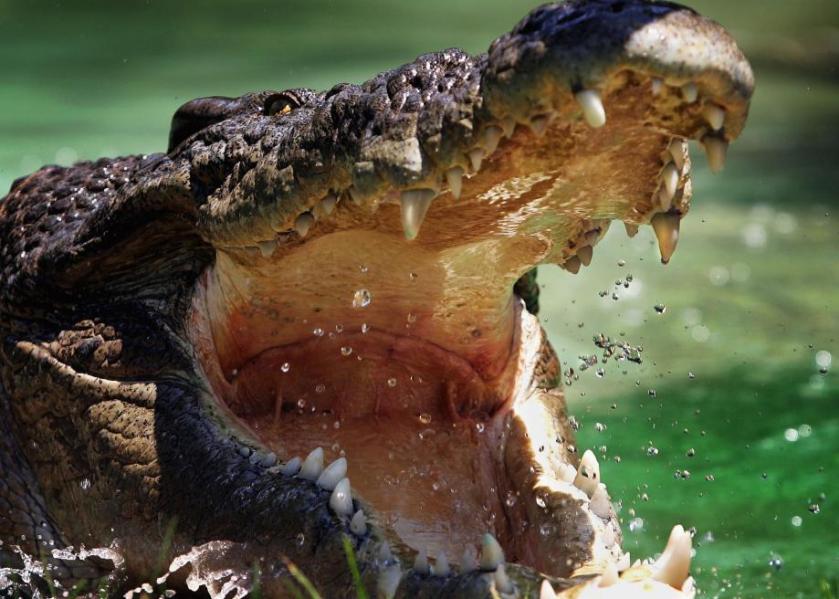
 On February 7, the 71st Infantry and supporting tanks reached Ramree town where they found determined Japanese resistance, the town falling two days later. Naval forces blockaded small tributaries called “chaungs”, which the retreating Japanese used in their flight to the mainland. A Japanese air raid damaged an allied destroyer on the 11th as a flotilla of small craft crossed the strait, to rescue survivors of the garrison. By February 17, Japanese resistance had come to an end.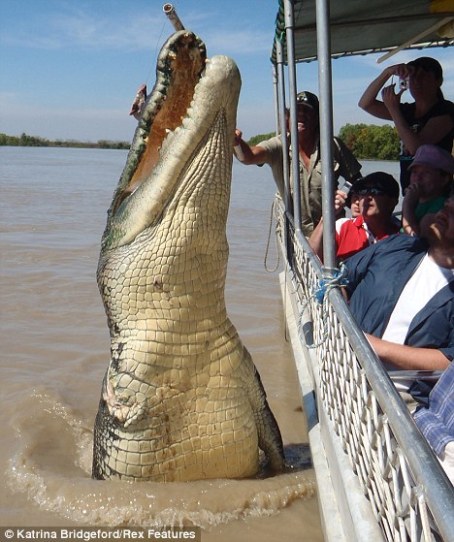


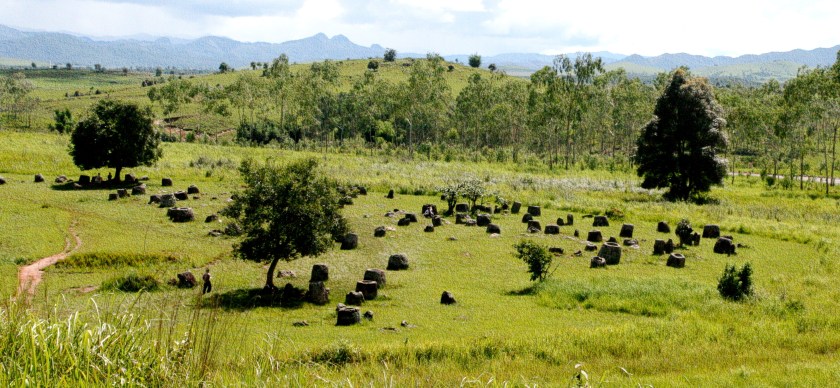
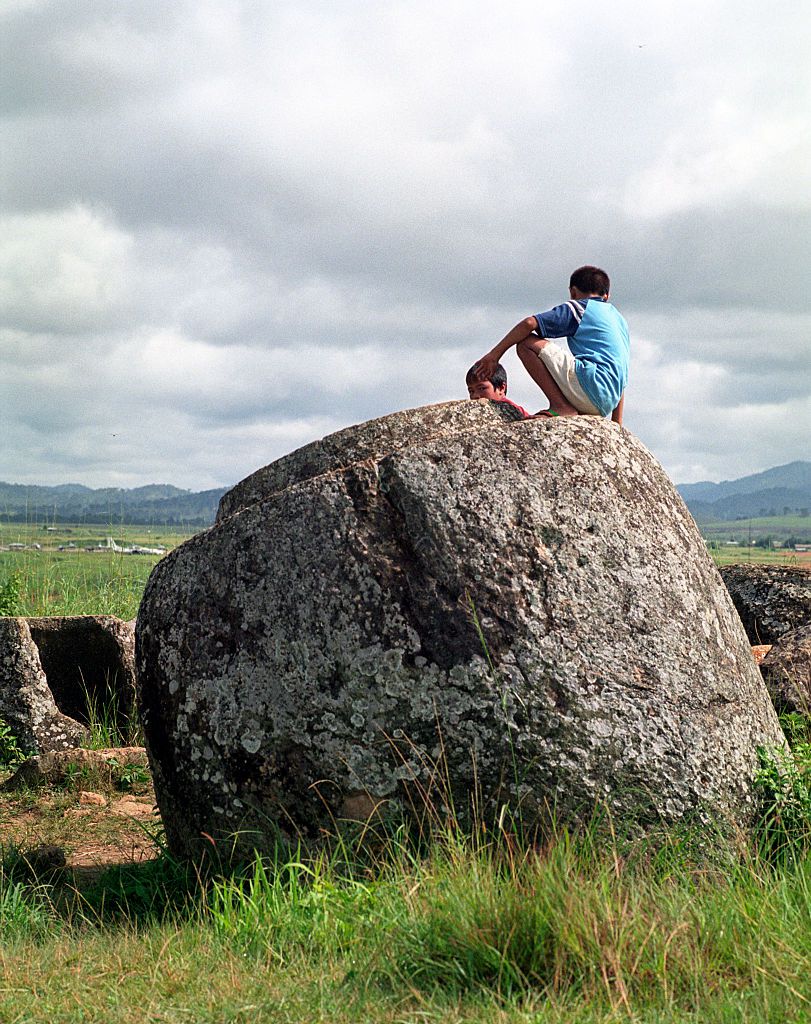
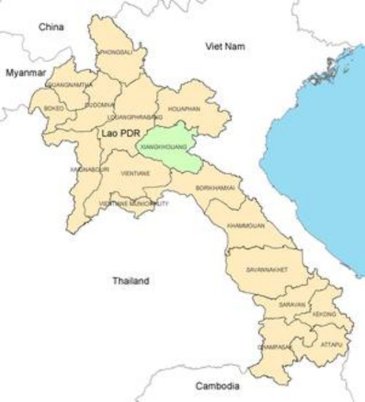
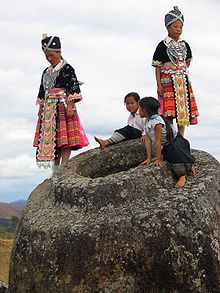 The Geneva Convention of 1954 partitioned Vietnam at the 17th parallel, and guaranteed Laotian neutrality. North Vietnamese communists had no intention of withdrawing from the country or abandoning their Laotian communist allies, any more than they were going to abandon the drive for military reunification, with the south.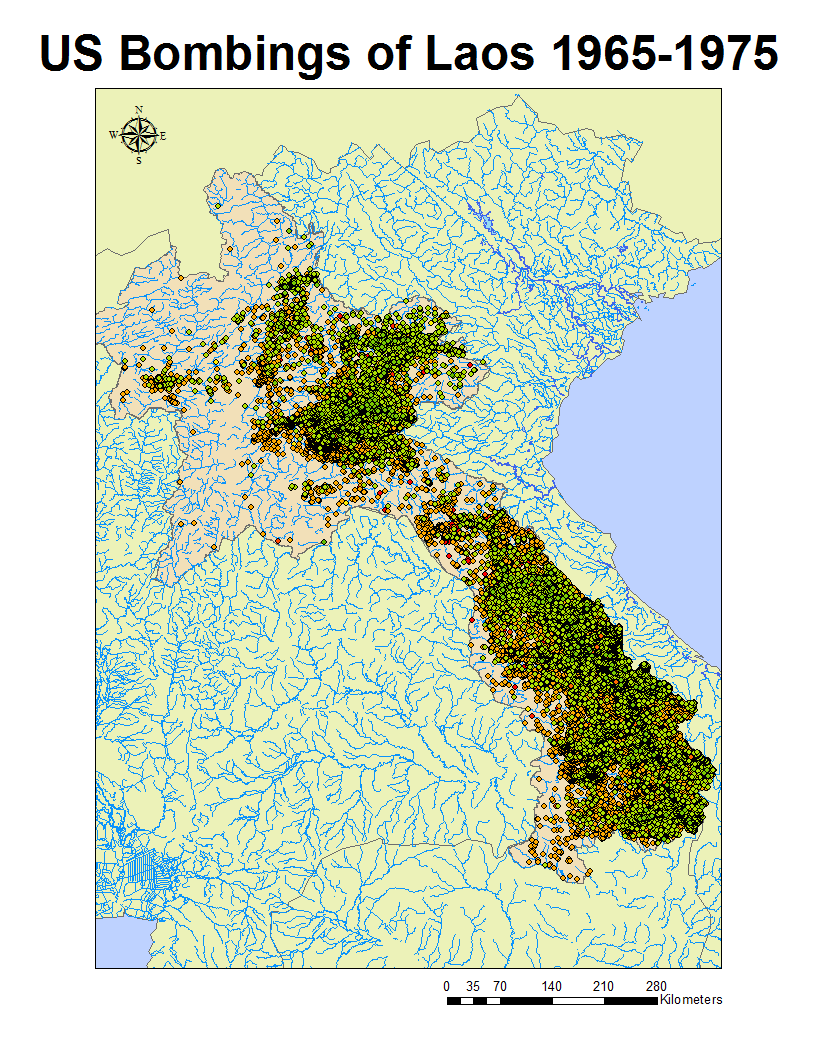
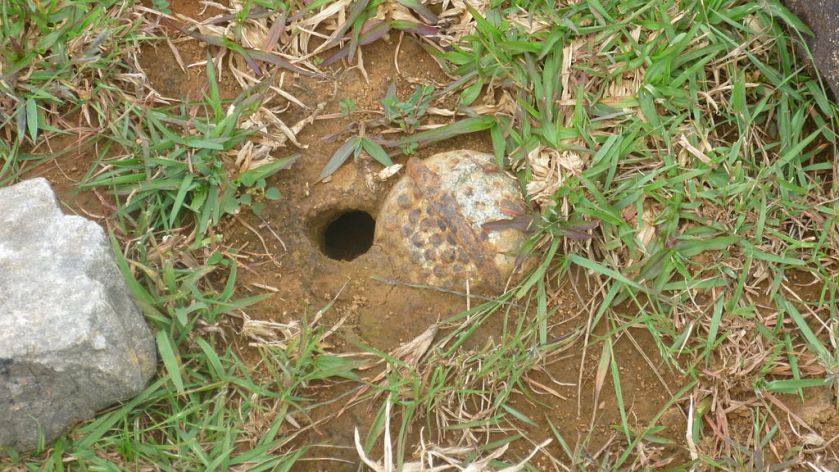
 On February 18, 1977, Murray Hiebert, now senior associate of the Southeast Asia Program at the Center for Strategic and International Studies (CSIS) in Washington, D.C. summed up the situation in a letter to the Mennonite Central Committee, US: “…a formerly prosperous people still stunned and demoralized by the destruction of their villages, the annihilation of their livestock, the cratering of their fields, and the realization that every stroke of their hoes is potentially fatal.”


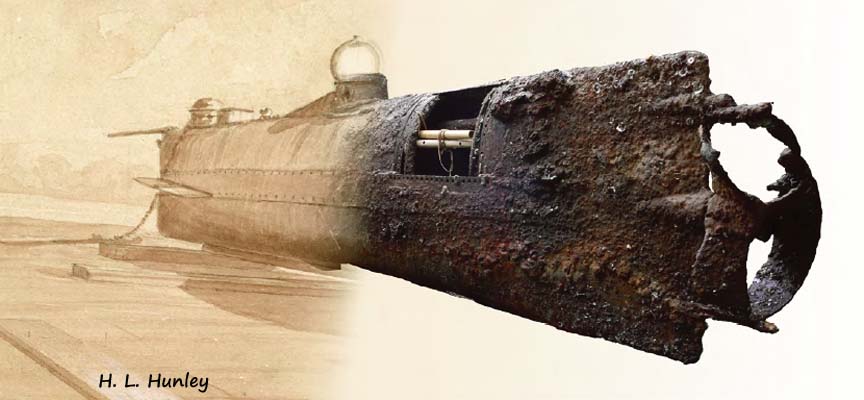
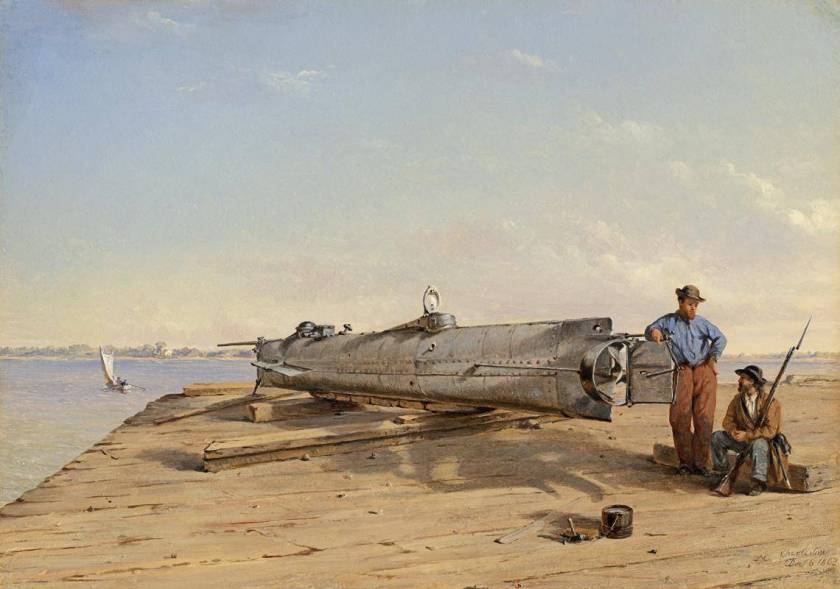
 A second crew tested the submarine on October 15, this one including Horace Hunley himself. The submarine conducted a mock attack but failed to surface afterward, this time drowning all 8 crew members.
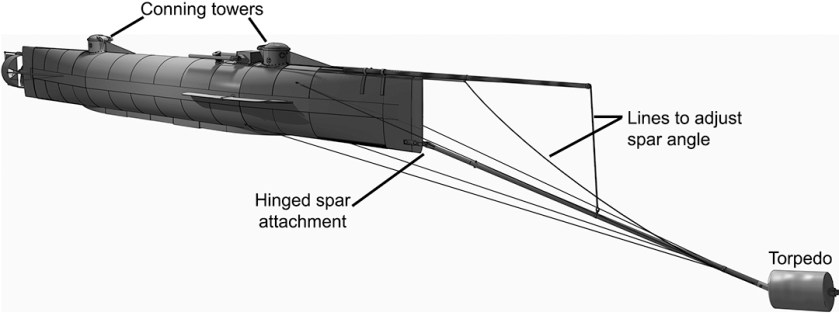
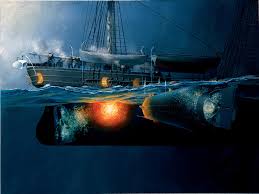 Tide and current conditions in Charleston proved very different from those in Mobile. On several test runs, the torpedo floated out ahead of the sub. That wouldn’t do, so a spar was fashioned and mounted to the bow. At the end of the spar was a 137lb waterproof cask of powder, attached to a harpoon-like device with which Hunley would ram its target.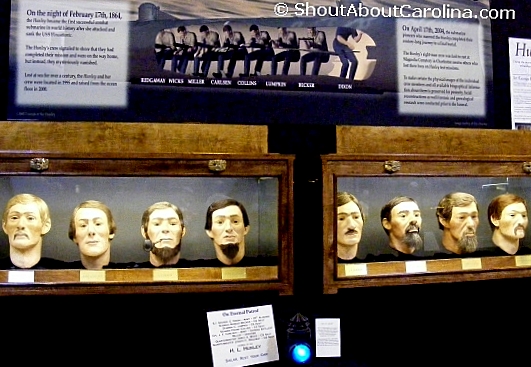

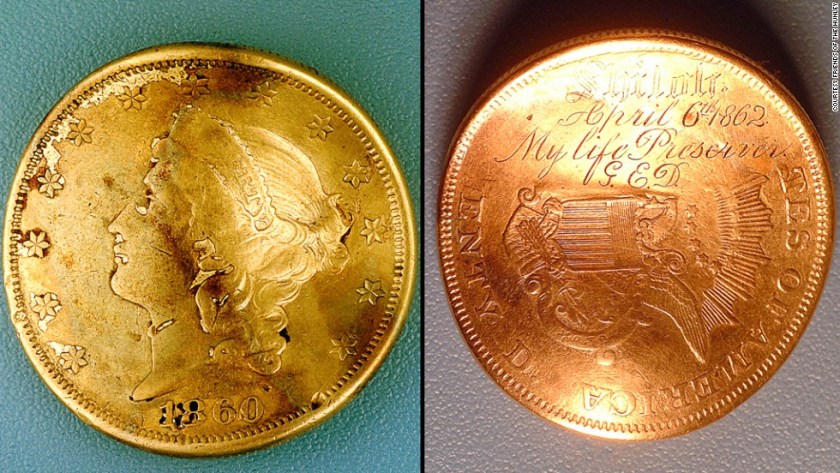 On the coin, clearly showing signs of having been struck by a bullet, are inscribed these words:


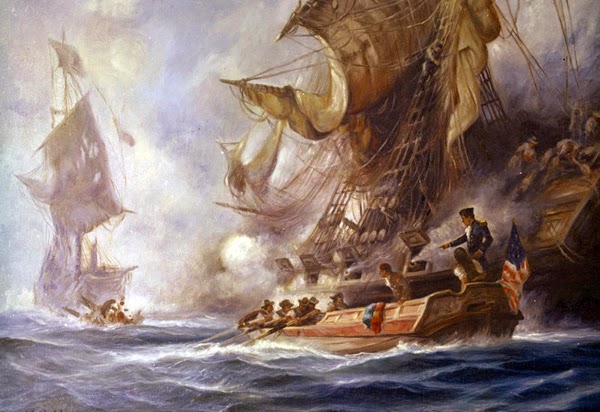
 On the evening of February 16, 1804, Decatur entered Tripoli Harbor with a force of 74 Marines. With them were five Sicilian volunteers, including pilot Salvador Catalano, who spoke fluent Arabic. Disguised as Maltese sailors and careful not to draw fire from shore batteries, Decatur’s force boarded the frigate, killing or capturing all but two of its Tripolitan crew. Decatur and his marines had hoped to sail Philadelphia out of harbor, but soon found she was in no condition to leave. Setting combustibles about the deck, they set the frigate ablaze. Ropes burned off, setting the Philadelphia adrift in the harbor. Loaded cannon cooked off as the blaze spread, firing random balls into the town. It must have been a sight, when gunpowder stores ignited and the entire ship exploded.

 Mickey Dugan was born on February 17, 1895, on the wrong side of the tracks. A wise-cracking street urchin with a “sunny disposition”, Mickey was the kind of street kid you’d find in New York’s turn-of-the-century slums, maybe hawking newspapers. “Extra, Extra, read all about it!”
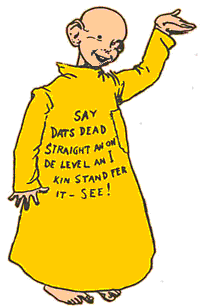 Outcault’s “Hogan’s Alley” strip, one of the first regular Sunday newspaper cartoons in the country, became colorized in May of 1895. For the first time, Mickey Dugan’s oversized, hand-me-down nightshirt was depicted in yellow. Soon, the character was simply known as “the Yellow kid”.
 We hear a lot today about “fake news”, but that’s nothing new. Circulation wars were white hot in those days, competing newspapers using anything possible to get an edge. Real-life street urchins hawked lurid headlines, heavy on scandal-mongering and light on verifiable fact. Whatever it took, to increase circulation.




 The problem was, the Pope refused to grant the divorce. Henry launched the Reformation so that he could divorce his wife and marry this young girl from Kent, getting his divorce the following year and going on to become Supreme Head of the Church of England.
 Anne of Cleaves would be wife #4, an arranged marriage with a German Princess intended to secure an alliance with the other major Protestant power on the continent, especially after England’s break with Rome over that first divorce. Henry was put off by her appearance however, apparently believing himself to be quite the prize. The marriage went unconsummated. They were amicably divorced after 6 months.




 Elbridge Gerry was born in 1744, in the north shore Massachusetts town of Marblehead. Gerry spent most of his adult life in public office, excepting a ten-year period in the family codfish packing business. First elected to the state legislature in 1772, Gerry died in office in 1814, while serving as Vice President under President James Madison.
 Benjamin Russell was a newspaper editor, and ardent Federalist. The painter Gilbert Stuart commented on the new district map hanging over Russell’s desk, saying “That will do for a salamander.” “Better say a Gerry-mander!” was Russell’s reply. A cartoonist added head, wings, and claws. The cartoon map and the name appeared in the Boston Gazette within the month.
 In the 1960s, gerrymandering was used to “crack” the voting strength of black and urban voters. A 1962 Supreme Court decision ruled that electoral districts must reflect the principle of “one man, one vote”. A 1985 decision ruled it unconstitutional to alter election districts to favor of any political party.
 Here in the home of the Gerrymander, Barney Frank’s old 4th congressional district resembles nothing so much as a grasping hand. I’m not sure if the new congressional map is much of an improvement, but hey. It seems to work for the ruling class.

 Historical Easter Eggs - Today in History
You must be logged in to post a comment.