
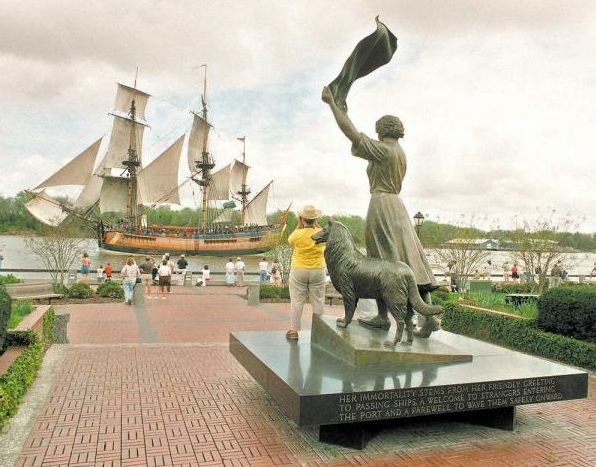
Following the War of 1812, President James Madison ordered a series of coastal fortifications built, to protect the young nation from foreign invasion. Fort Pulaski, located on Cockspur Island between Savannah and Tybee Island, Georgia, is one of them.
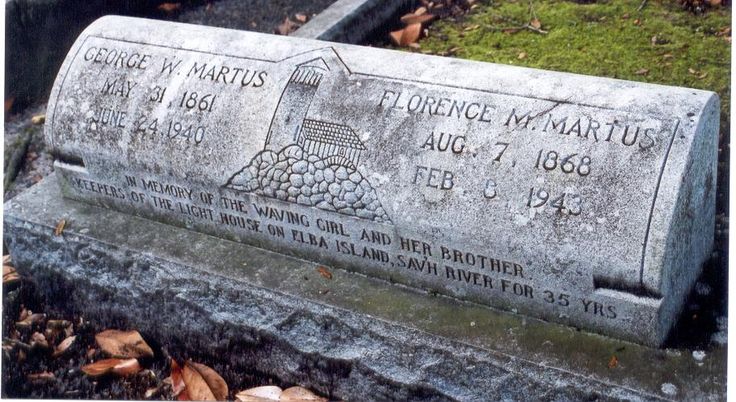
 Florence Margaret Martus was born there in 1868, where her father worked as an ordnance sergeant. Martus spent her childhood on the south channel of the Savannah River, moving in with her brother, keeper of the Cockspur Island Lighthouse, when she was 17.
Sometime around 1887 while still a young girl, Florence began waving at ships passing in the river.
It started with friends, working the river. Harbor masters, bar pilots and tugboat captains. She’d use a lantern by night and a white handkerchief by day.
“The waving girl” and her collie soon became familiar figures, greeting every ship that entered or left the port of Savannah. Sailors would look for her and salute in return. Vessels would blow their horns. Few ever met her, in person.
Legends grew up around her, over the years. She had fallen in love with a sailor. She wanted him to find her when he returned. He’d been lost at sea.
The bittersweet truth was not quite so dramatic. She later said, “That’s a nice story. But what got me started – I was young and it was sort of lonely on the island for a girl. At first I would run out to wave at my friends passing, and I was so tickled when they blew the whistle back at me“.
 So it was that Miss Martus would take out her handkerchief by day or light her lantern by night, and she would greet every vessel that came or went from the Port of Savannah. Every one of them. Some 50,000 vessels, over 44 years.
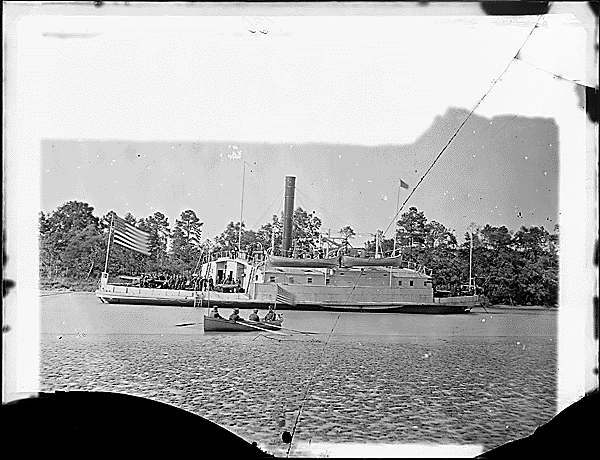
In 1893, Martus and her brother braved hurricane conditions, rowing out to save several men from a sinking boat. She waved an American flag at the troop ship St. Mihiel after WWI, on its return to Savannah carrying the US Army of the Rhine.
“The Waving Girl” took it upon herself to greet every ship entering or leaving the Port of Savannah, from young womanhood until old age.
She stopped only when she was forced to do so when her brother, then 70, had to leave his lighthouse job and the home that went with it.
All that time she kept a careful record of every ship: name, date, where it was from and type of vessel. It must have broken her heart to move, because she burned the entire record. 44-years’ worth. WWII-era reporter Ernie Pyle lamented “The daily record for forty-four years, one of the most legendary figures of the Seven Seas, kept in her own hand, gone up in smoke in two minutes”.
Martus never reconciled herself to the move, saying, “It’s just like trying to dig up that big oak tree and get it to take root someplace else.”
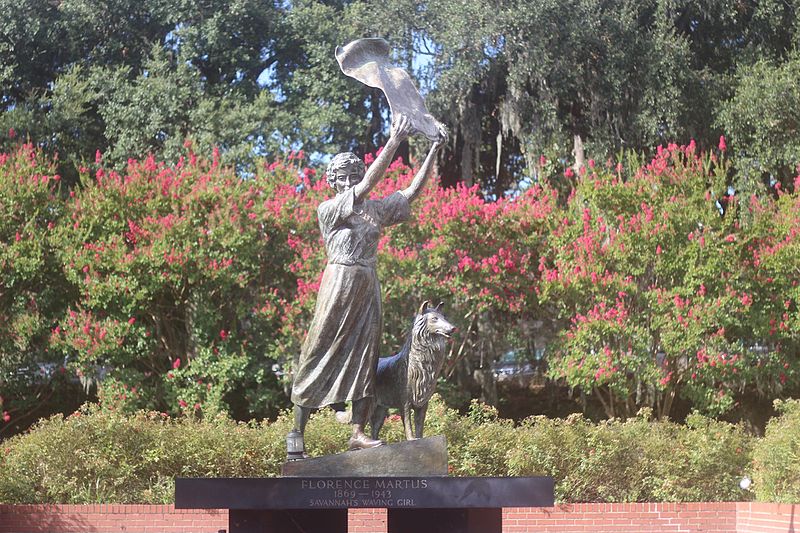
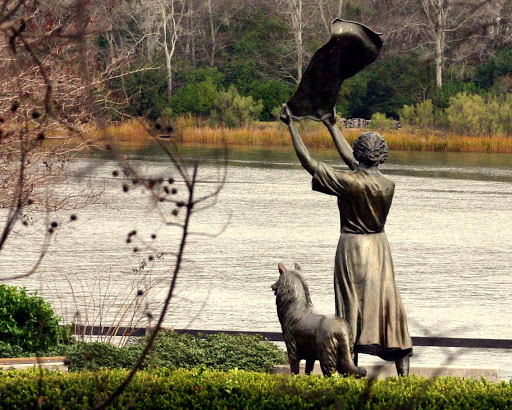
The artist Felix de Weldon, who sculpted the United States Marine Corps Memorial outside Arlington National Cemetery, erected a statue of the Waving Girl and her collie. You can see it in Morrell Park, on the west bank of the Savannah River.
The Waving Girl passed away on February 8, 1943, following a brief bout with bronchial pneumonia.
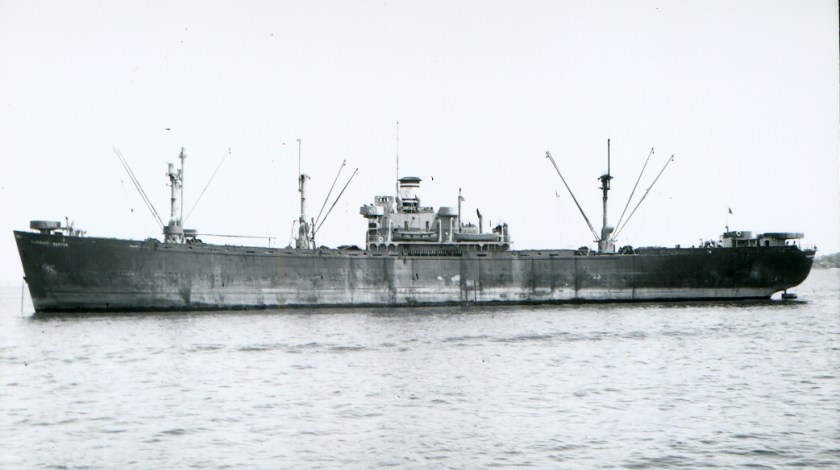
 The Southeastern Shipbuilding Corporation of Savannah built 88 Liberty ships during the course of World War II, the light, low-cost cargo ship which came to symbolize the industrial output of the American economy.
One of them was named in her honor. The SS Florence Martus was officially christened on September 27, 1943.
Today, the four vessels of the “Savannah Belles Ferry” fleet ply the waters of the Savannah River, each named for notable women from Savannah history. There is the Juliette Gordon Low, named for the founder of the Girl Scouts of America. Susie King Taylor was born a slave and earned her freedom at age 14, serving as a nurse during the Civil War and later opening one of the first schools in Savannah, for Americans of African ancestry. The Mary Musgrove is named for the native American translator, and indispensable connection between Chief Tomochichi, Mico (Leader) of the Yamacraw and James Oglethorpe, founding father of the city of Savannah. And the Florence Martus, the Waving Girl of Cockspur Island.


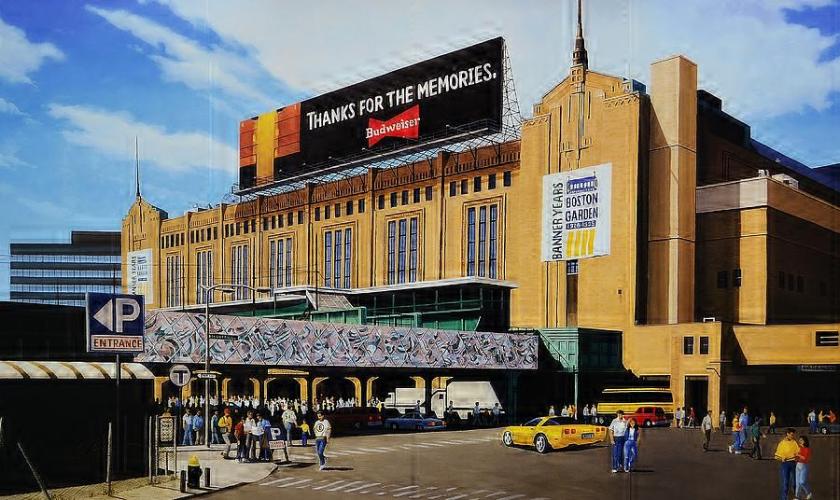

 Bound to a wheelchair after thirteen years and barely able to stand without aid of a walker, Normand Léveillé came back to the Garden twenty-three years ago tonight, to skate there one last time.

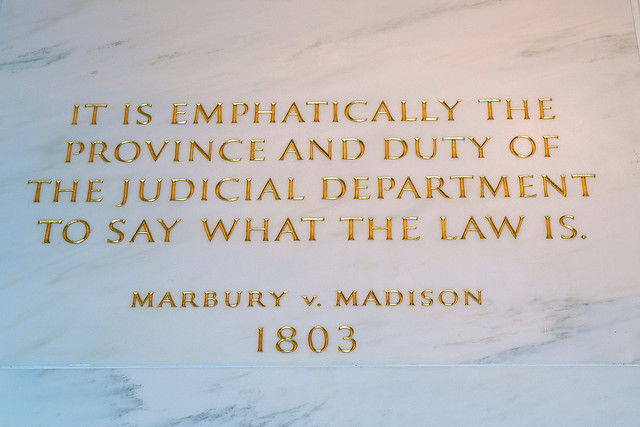
 Even at the Constitutional Convention, delegates expressed concerns about the larger, more populous states holding sway, at the expense of the smaller states. The “Connecticut Compromise” solved the problem, creating a bicameral legislature with proportional representation in the lower house (House of Representatives) and equal representation of the states themselves in the upper house (Senate).
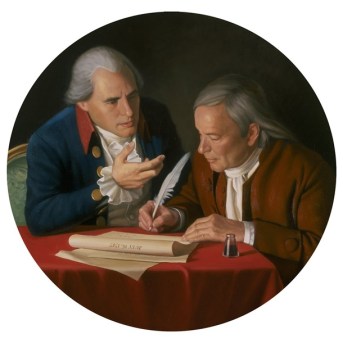 A compromise was reached in February, 1788 whereby Massachusetts and other states would ratify the document, with the assurance that such amendments would immediately be put up for consideration.



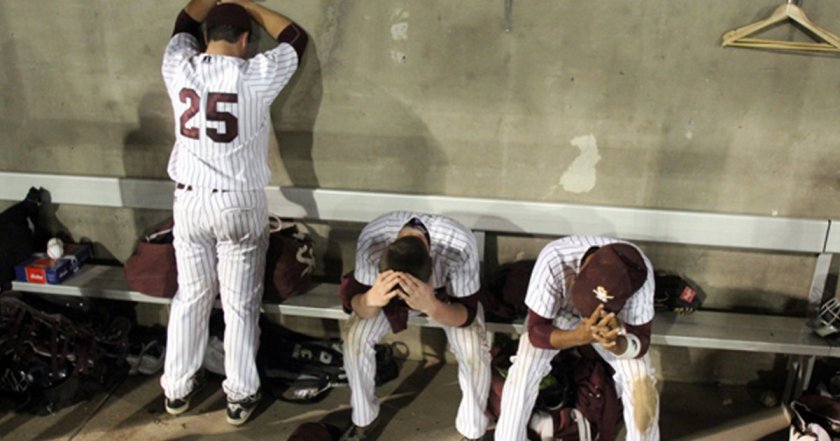
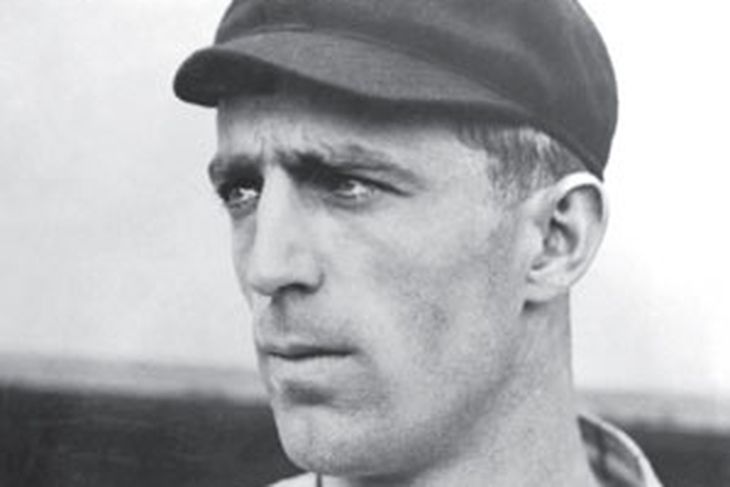
 Merkle thought so too, and ran to the Giants’ clubhouse, never touching second base.


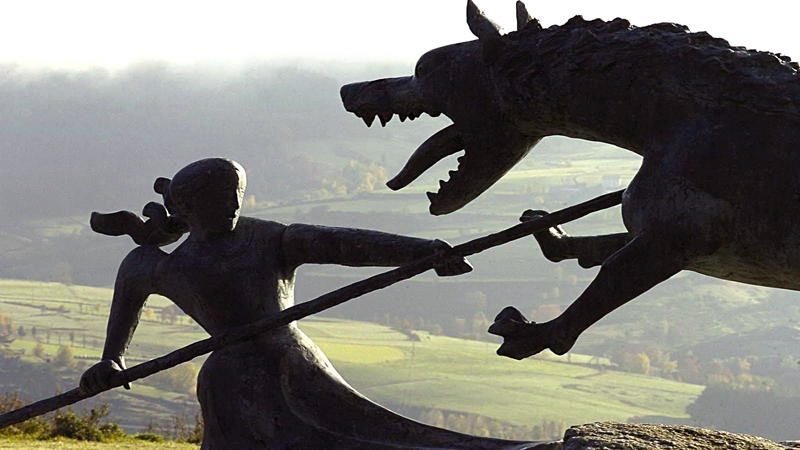

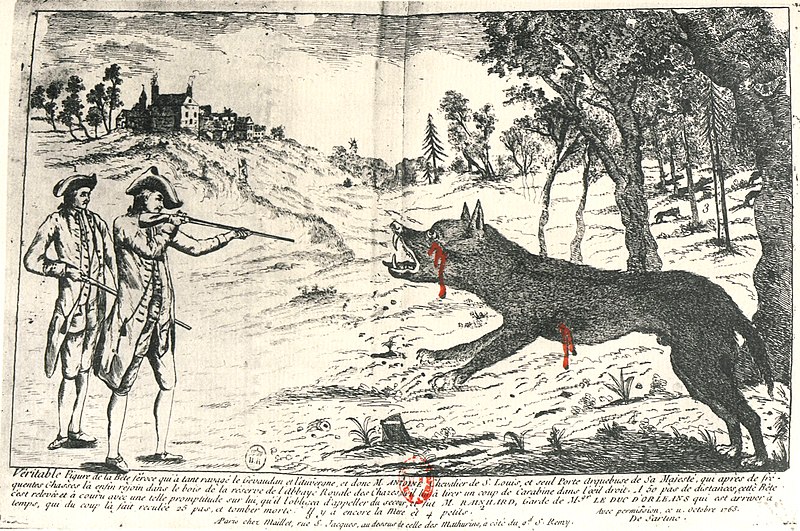
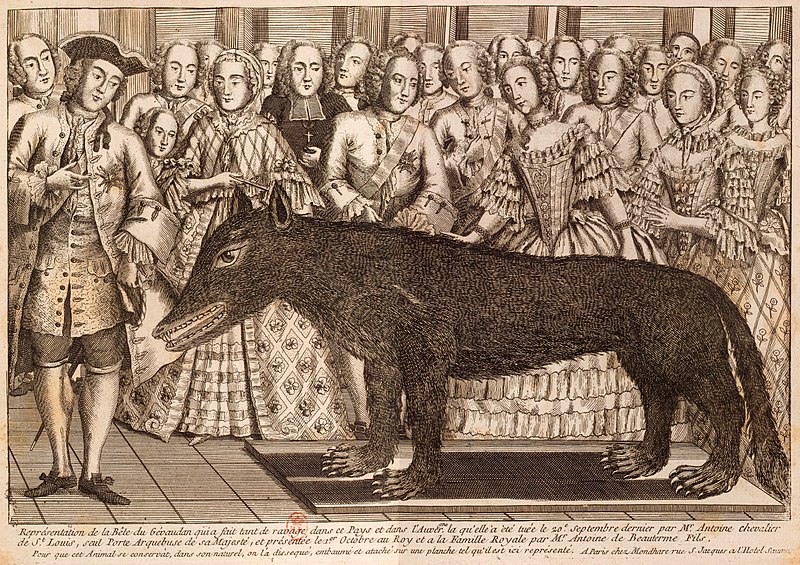
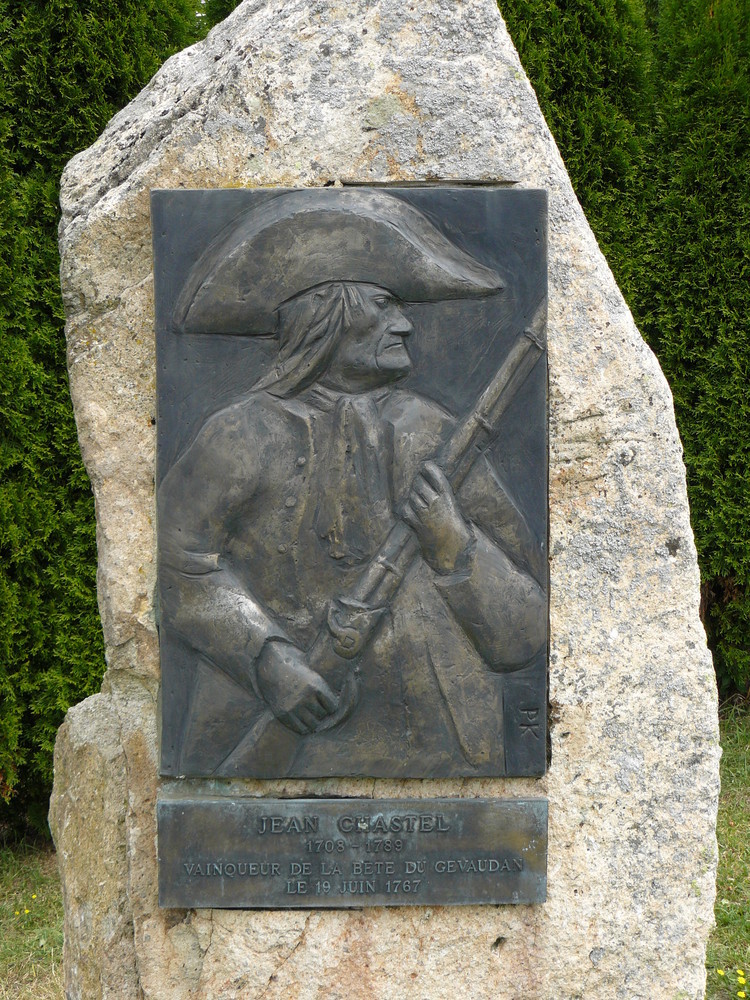
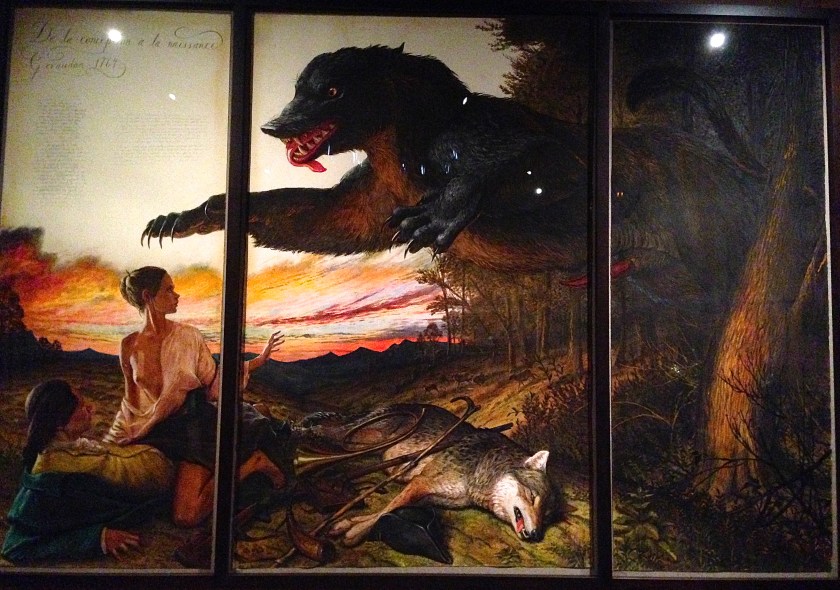
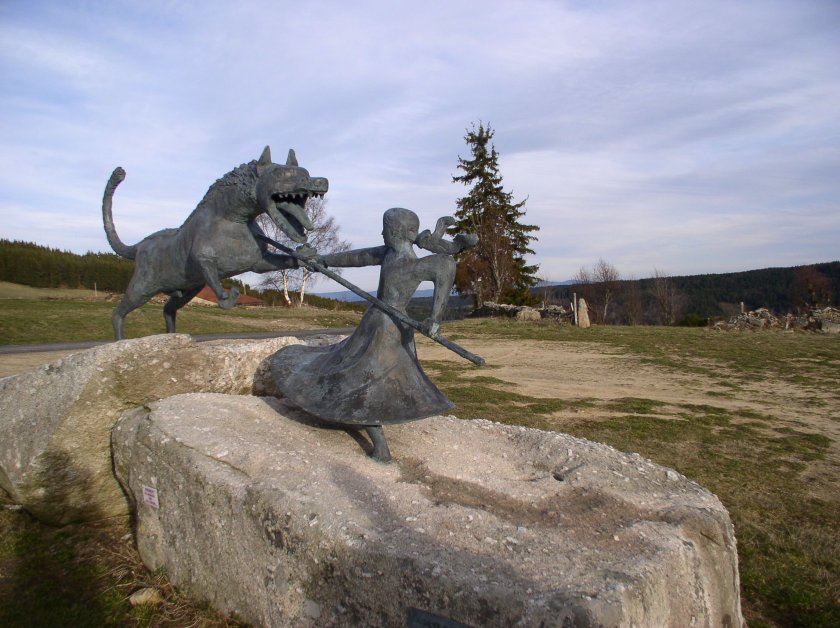
 Terror gripped the region in the later months of 1764, as the Beast attacked women, men and children. Usually while alone, and often while tending livestock.




 Jefferson Davis’ experiment was to be the first large-scale re-introduction of these animals on the North American continent, in geologic history.


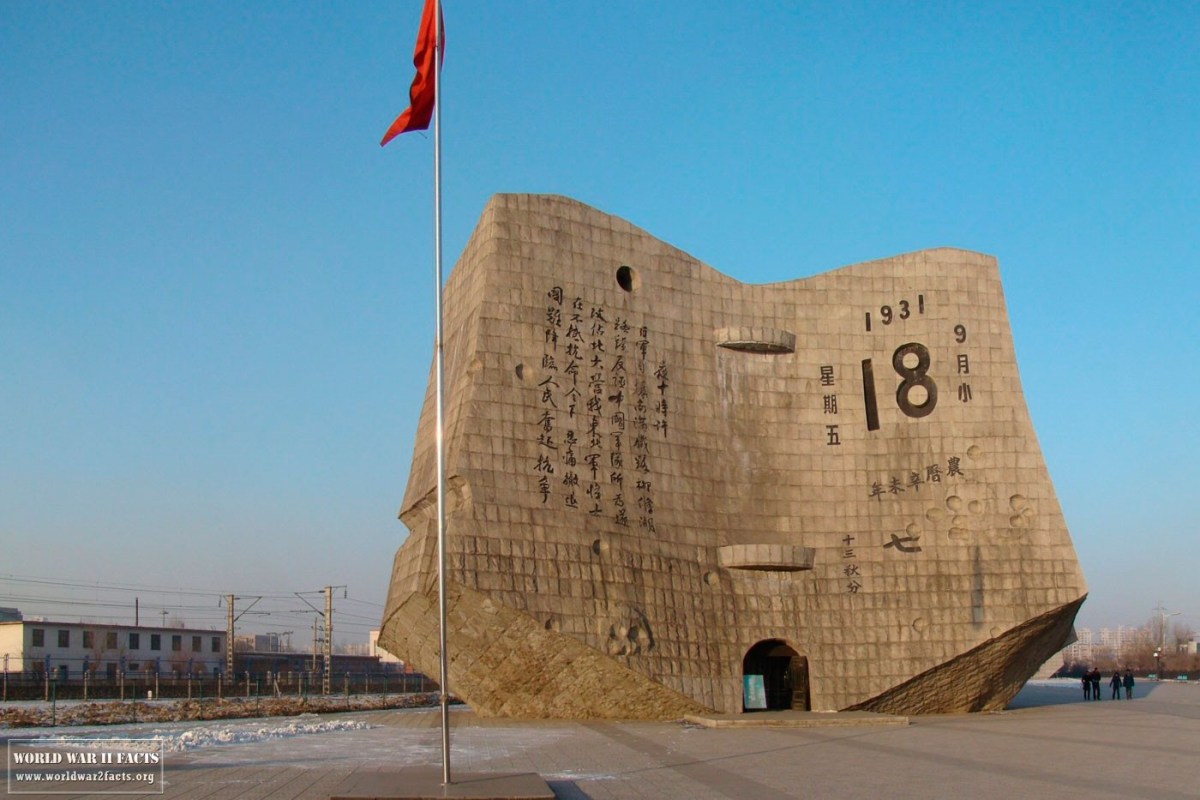
 The first Sino-Japanese war of July 1894 – April 1895, was primarily fought over control of the Korean peninsula. The outcome was never in doubt, with the Japanese army and navy by this time patterned after those of the strongest military forces of the day.
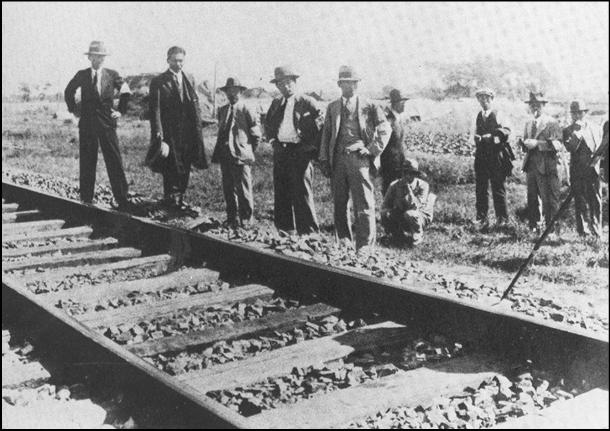
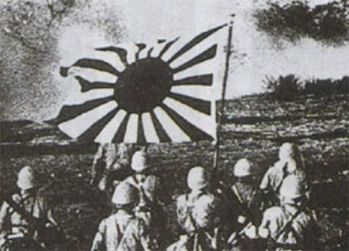 As Western historians tell the tale of WW2, the deadliest conflict in history began in September 1939, with the Nazi invasion of Poland. The United States joined the conflagration two years later, following the sneak attack on the American Naval anchorage at Pearl Harbor, by naval air forces of the Empire of Japan.
 Historical Easter Eggs - Today in History
You must be logged in to post a comment.