Human sacrifice! Dogs and cats living together! Mass hysteria!
Accomplished as he was with the violin, cello, piano and guitar, Adam Liszt was a natural musician, a personal friend of Joseph Haydn and Ludwig von Beethoven. It was natural that Adam’s young son Franz would take to music, like a duck to water. That he did, beginning at the age of seven. Franz Liszt would come to be known as one of the greatest pianists of all time, but there was more. In an age of staid reserve not known for mass hysteria, the man’s mere appearance was capable of exciting paroxysms of adulation among his fans, heretofore rarely seen outside the realm of religious rapture.
Fans wore the man’s likeness in brooches and pendants. At concerts, women would literally fight to get at his gloves or his hat or even a broken piano string from which to fashion a bracelet. Female admirers would carry glass vials, in which to hold the dregs of his coffee. One infatuated lady-in-waiting once saw him toss a cigar butt, to the curb. Heedless of the stink of that malodorous object she picked the thing up and wore it in a locket bearing the diamond encrusted initials, F.L.
Franz Liszt in 1858
The German poet Heinrich Heine coined the phrase “Lisztomania” but this wasn’t the hysterical adulation directed at four lads from Liverpool, of a later age. Heine referred to a literal medical condition communicable to the public and requiring immunization measures, to control.
Frenzied adulation amounting to mass hysteria was unusual in the time of Franz Liszt, but not unheard of. The delirium of an earlier age would so thoroughly sweep through Great Britain that not even the Royal family, was exempt.
William Betty, the ‘Boy Wonder”
It all began in 1802 when William Henry West Betty attended a theater with his father in Belfast, at age 11. The boy was enthralled by what he had seen declaring to his father “I shall certainly die if I may not be a player.”
Anyone who’s raised a pre-teen can well imagine the badgering, that followed. At last relenting the father brought young “Master Betty” to the theater manager who must have seen some natural talent. There followed several weeks of training and that first performance, met with rave reviews.
Shakespearian acting is famously difficult in the world of thespians but Betty was a natural, even memorizing the famously wordy role of Hamlet, in three hours.
Hamlet. Romeo. Macbeth. The Boy Wonder trod the boards from Dublin to Glasgow to Edinburgh becoming a sensation across all Ireland, and Scotland.
Paintings were made in his likeness. One cartoon depicted the young artist bestriding the bodies of older players, of the age. A medal was struck with the lad’s image and the inscription, “Not yet mature but matchless”.
The kid was earning a hundred pounds a night at a time when the average working man was lucky to receive one, in a week.
All across England, the kid was a sensation. He was “the Young Roscius”, a reference to the slave-turned-actor of Roman antiquity who inspired Quintus Lutatius Catulus to proclaim, “I stood by chance to greet the uprising Aurora, when suddenly, on the left, Roscius rose up. Please, o heavenly gods, give me leave to say that a mortal seemed to me more handsome than a god“.
At last, Master Betty was ready for London. Hopeful theater goers stood in line for hours just to get tickets in December, 1804. The Covent Garden theater hired policemen to control the crowd waiting outside to catch a glimpse, of the Boy Wonder. One reporter wrote: “Shrieks and screams of choking, trampled people were terrible. Fights for places grew; constables were beaten back, the boxes were invaded. The heat was so fearful that men, all but lifeless, were lifted and dragged through the boxes into the lobbies which had windows.”
Betty was celebrated by London society, invited to dine with none other than King George III and his wife, the Queen Consort Charlotte of Mecklenburg-Strelitz. The House of Commons was adjourned on March 14, 1805 so MPs could trek across London to see Betty play Hamlet.
In his short but meteoric career, Master Betty inspired a rash of child prodigies. For the Boy Wonder, the flame was destined to burn out. The novelty was gone, he couldn’t draw large enough crowds, to pay for the venue.
In 1806, a failed performance of Richard III caused him to be hissed, off the stage. Critics panned an attempted comeback in 1812 and another in 1819. There was a failed suicide attempt at the age of 30.
On September 6, 1997, Elton John performed “A Candle in the Wind” at the funeral for Princess Diana, a song about the meteoric rise and the tragic death, of Marilyn Monroe. For William Betty the candle blew out in 1824. Like so many child prodigies, this one retired to a life of lonely obscurity where he devoted his time and still-considerable fortune, to charitable causes. He died with barely a notice on August 24, 1874, at the age of 83.
In recent months we have learned from our “elites”, that math is racist. That men participating in women’s sports is perfectly reasonable, that men can give birth. Dumbo and Peter Pan have been canceled. Dr. Seuss is driven from polite society.
The news this morning spoke of an “elite” private school in New York, and the 12-page memorandum sent home to Moms and Dads. Turns out the Grace Church School doesn’t like the terms, “Mom” and “Dad”. Kids aren’t allowed to use them anymore. Even at home.
Leaving a reasonable person to wonder, what exactly renders these people, “elite”? And why would such a thing warrant any response at all, save for a one-finger salute?
In recent months we have learned from such “elites”, that math is racist. That men participating in women’s sports is perfectly reasonable, that men can give birth. Dumbo and Peter Pan have been canceled. Dr. Seuss is driven from polite society.
Scores of millions of women and men of all persuasions and all political stripes quietly shake their heads in hopes that this too, shall pass. And not for the first time. In 1688, no fewer than 19 counties in England and Wales mobilized to defend against armed and rampaging bands of non-existent Irishmen. In 1954, widespread observation of previously unnoticed pits and dings in windshields caused residents of Washington state to believe there was an epidemic of windshield pitting, attributed to everything from sand flea eggs, to nuclear testing.
History abounds with episodes of mass hysteria. The Dancing plague of 1518. The Witchcraft Hysteria of 1692 and the granddaddy of them all la Grande Peur, the Great Fear sweeping across 1789 France culminating in the French Revolution, the Napoleonic wars and an estimated 3.1 million dead Frenchmen.
All that to return back to the status quo, in 1815.
Imagine you were there, from the beginning. August 1789. Your personal politics are middle of the road, maybe a little to the left but in all respects, “Moderate”. Now imagine your nation’s politics have shifted so radically in the space of two short years, you find yourself on the “reactionary right”. You are hounded, subject to persecution, even execution, at the hands of your own government. And your personal convictions haven’t changed.
In early modern France, society broke into “three estates”: the Clergy (1st), the Nobility (2nd) and a 3rd Estate encompassing common women and men. The estates-general was a legislative body comprising three assemblies representing each of the three estates.
French society found itself at a crossroads in the late 18th century. Politically, the “commons” had become a caste of its own with a desire for parity, with the 1st and 2nd Estates. Culturally, the “Age of Enlightenment” brought with it an elevation of “Reason” at the expense of tradition and with it, a diminution of the Monarchy and the Church.
Economically, the French state carried massive debt at this time, a condition made worse by French support of the American Revolution a decade earlier. (Did we really just blow another two Trillion on a “Covid relief” package, with 7% actually going to Covid relief?)
The straw to break the camel’s back came in the form of successive crop failures. Across Europe, peasants tilled the lands of the manor houses of minor Lords who themselves owed fealty, to the higher nobility. The system had been around since Roman times. In 1789 France, successive crop failures spawned rumors of an aristocratic plot to wipe out the working classes. Peasants rose up to take action, against the seigneurs.
The fiscal and agricultural crises of 1789 pushed the nation over the edge. The “tennis court oath” that May asserted the autonomy of the third estate, a direct affront to the hereditary rights of Kings. The beast was unleashed. The mob stormed the Bastille that July leading to bread riots in the streets and a march on the King’s residence, at Versailles.
In three short months, King Louis XVI was stripped of executive authority.
On this day in 1790, the national Assembly decreed the sale of church-owned lands by municipalities, an affront to church authority unimaginable, in earlier ages.
King Louis XVI of France
King Louis XVI fled with his family in June 1791 only to be captured, returned to Paris and placed under guard. Even then the first French constitution approved that September, reflected the voices of moderation. While sharply limiting monarchical power the King still kept his head, still GOT to be King while enjoying veto power and the authority to appoint ministers.
Radical elements were inflamed, led by the likes of Maximilien de Robespierre, Camille Desmoulins and Georges Danton. The King must be put on trial. Louis XVI was deposed in August 1792 and thrown in prison, followed by an orgy of violence against suspected “counter-revolutionaries”.
Once absolute monarch of France, “Citizen Louis Capet” was executed by guillotine in January 1793 in front of a crowd of 100,000. Bloodthirsty sans culottes rejoiced, wrote The London Times, while “honest citizens… could not suppress their heartfelt grief and mourned in private”. Queen Marie-Antoinette followed her husband to the guillotine, nine months later. The son of the royal couple, Louis-Charles, was thrown into a stone prison cell at the age of 8. The boy was dead at ten. The physician who performed his autopsy expressed shock and dismay at the scars, covering his little body.
The Jacobins, the most radically leftist in a kaleidoscopic mélange of competing factions, were now in power. These people went so far as to abolish history itself, creating a new calendar with themselves at the beginning. Year one. Just like that proclaimed by Pol Pot in April, 1975.
“We are the ones we’ve been waiting for”.
Historical caricature of the reign of terror
The revolution turned on itself and ate its own young in 1793-’94, a period described as the “reign of terror”. Victims by the tens of thousands walked their final steps to the guillotine, while equal numbers stood to face firing squads.
Robespierre, once the thought leader behind this whole mess, came to be seen as an enemy of the Revolution. Knowing all too well what would happen next Robespierre shot himself in the face, to prevent his own arrest. The suicide attempt succeeded only in destroying the man’s lower jaw, and several teeth. That visage, once the face of Revolution itself and now wrapped in blood soaked bandages, was separated from the rest of him the following day.
Fun fact: Joseph-Ignace Guillotin had nothing to do with the contraption, that bears his name. He didn’t even approve of capital punishment. As a physician, the torture inflicted by breaking on the wheel, burning at the stake, death by boiling and dismemberment was repugnant. To be hacked at by axe or sword was hardly any better. If capital punishment was to be carried out at all he believed, the quick, impersonal and painless death afforded by a decapitation machine might just be the first step toward abolishing the death penalty, altogether.
It was Tobias Schmidt who actually invented the thing.The association with the guillotine so embarrassed the doctor’s family they changed their name. One J.M.V. Guillotin, an unrelated physician practicing in Lyons, met his end on the guillotine, giving rise to the myth that the inventor was killed by his own machine. Dr. Joseph-Ignace Guillotin died at home of natural causes, in 1814.
Robespierre was barely in the ground when a certain Corsican corporal was thrown in prison, a suspected supporter of Robespierre. Napoleon Buonaparte would earn a place with the regime in October 1796, 13 Vendémiaire according to the new calendar, by putting down a royalist revolt in the streets.
The Napoleonic era had begun, fifteen years of violence pitting no fewer than 7 international coalitions, against the French war machine. French historian Hippolyte Taine has claimed the Revolution and Napoleonic wars took the lives of 3.1 million Frenchmen, alone. Precise numbers are impossible to determine.
Mark Twain once said that history doesn’t repeat itself, but it does rhyme.
Following a year-long government lockdown and four years of the most divisive politics in American history – even Civil War soldiers from the north and south agreed about 80% of the time – we find ourselves in a period of national hysteria. The capital is surrounded by armed troops, and razor wire. Social media billionaires with funny haircuts and weird beards arrogate to themselves who gets to say what, and when. 1st Amendment be damned.
The wealthiest man on the planet shuts down whole social media channels while #2 rains down cash on racists, claiming to root the racists out of math.
Or maybe men really can give birth and math really is, racist. Who knows, maybe everything will turn out right, after all. Now that we’ve unsexed Mr. Potato Head.
“Wrought upon at length, you may say, by an enthusiasm and frenzy that could brook no control – I burst the tyrant bands, which held my sex in awe, and clandestinely, or by stealth, grasped an opportunity, which custom and the world seemed to deny, as a natural privilege”. – Deborah Sampson
Her mother was Deborah Bradford Sampson, great-granddaughter of William Bradford, the Mayflower passenger and later Governor of Plymouth Colony. As the mother of seven, Deborah did the best she could. She also raised her young niece whose parents and baby brother were killed and scalped, by Indians. She was not one to make great choices in men, though. Jonathan Sampson would abandon his wife and children to start a new life, in Maine.
Deborah Sampson was the 5th child of this union, born in 1760 in the southeastern Massachusetts town of Plympton. Her father left the family destitute, and all the Sampson children were sent off to live with friends and relatives, a common practice at that time.
Today her bronze likeness greets visitors to the Sharon town library, 22 miles south of Boston. So, who is Deborah Sampson?
Sharon town library
At age ten, Deborah became an indentured servant to the family of Jeremiah Thomas, of Middleborough. She was treated well but, in 18th century New England, female education wasn’t a priority. Deborah would overcome the obstacle, persuading the Thomas sons to share their lessons with her. The episode would reveal a lot of who she’d become in later life.
As Revolution came to the soon-to-be former British colonies, Deborah supported herself as a schoolteacher. She became skilled at weaving and light carpentry and sold milking stools and pie crimpers, door to door.
In 1782, Deborah Sampson entered the life for which we know her, today. She bound her breasts with a linen cloth, donned male attire and went to war for her country. As a soldier.
In an age when the average man stood five-foot six-inches tall, Deborah stood 5’8″. With “plain features” according to a neighbor and what her biographer described as a “waist [which] might displease a coquette”, the transition wasn’t as unlikely as it would seem.
She joined an army unit in Middleborough under the assumed name of Timothy Thayer. She almost pulled it off too before being recognized, by a local. She paid back that part of her signing bonus not already spent and tried again, this time where she wouldn’t be known. Fifty miles away, in Uxbridge.
Sampson joined a light infantry unit under the assumed name of Robert Shirtliff, part of the 4th Massachusetts Regiment.
Deborah Sampson fought for a year and a half, as a man, and not in some rear-echelon outfit. The light infantry soldier was specifically chosen to be bigger and stronger than average, charged with rapid flanking movements, rearguard defense and forward reconnaissance, for units on the move. It was not a place where anyone would expect to find someone of her sex.
That baby-smooth chin earned her no end of grief from her fellow soldiers, but she persevered. Sampson fought in several skirmishes, the first outside Tarrytown New York, on July 3, 1782. There she received a deep gash on the forehead and two musket balls, to her thigh. Terrified that her sex would be discovered, she begged her fellow soldiers not to intervene. Her pleas fell on deaf ears. She was put on a horse, and dragged off to the hospital.
Doctors tended to her forehead but she sneaked out before they could get a look at that leg. Using a pen knife and sewing needle, Deborah removed one of the balls, herself. The other was too deep. She would carry it with her for the rest of her life, deep inside a wound that never quite healed.
The war was basically over following the American victory at Yorktown, yet negotiations dragged on, for a year. Even then, American soldiers remained in uniform.
On April 1, 1783, Sampson was assigned to be waiter to Major General John Paterson. That June a contingent of soldiers under General Paterson, were ordered to put down an anti-government protest by some 400 continental soldiers known as the Pennsylvania mutiny of 1783.
Deborah fell ill while in Philadelphia. Delirious, fading in and out of consciousness it was doctor Barnabas Binney who removed her clothes only to find the linen cloth, which bound her breasts. Thus discovered she was removed to the doctor’s home where the female members of the household joined in her care, with a trained nurse.
“Robert Shirtliff” recovered and, handed a note to give to General Paterson, assumed her secret was betrayed. She was right. Other women had been reprimanded for what she had done but Paterson seemed to admire what she’d accomplished. She was sent home with an honorable discharge, a few words of advice and enough money, to get home to Massachusetts.
She married one Benjamin Gannett two years later and moved to the Gannett family farm, in Sharon. There the couple raised three kids plus an orphan, but life was hard. As farms go this one was small, the soil depleted from generations of use.
In 1792 she petitioned the Massachusetts legislature for back pay, withheld because of her sex. She was awarded 34 pounds plus interest dating back to her 1783 discharge. The measure was signed by governor John Hancock.
Sampson went on a speaking tour where she’d extoll traditional feminine roles. Then she’d step out and return to the stage in uniform, flawlessly performing a long and taxing series of military drills. She did it for money but, once expenses were paid there was little left. She often borrowed money from her family and from a friend, named Paul Revere.
Revere wrote to Massachusetts member of Congress William Eustis in 1804: “I have been induced to enquire her situation, and character, since she quit the male habit, and soldiers uniform; for the more decent apparel of her own gender… humanity and justice obliges me to say, that every person with whom I have conversed about her, and it is not a few, speak of her as a woman with handsome talents, good morals, a dutiful wife, and an affectionate parent.“
On this day in 1805, Congress approved her application. An invalid pension of $4 a month.
Deborah Sampson wasn’t the first woman awarded a military pension, that honor went to Margaret Cochran Corbin. At the battle of Fort Washington on November 16, 1776, Corbin continued to fire the gun in whose service her husband was killed, only minutes before. A fine job she did too, before being hit by enemy fire. With her jaw and her left breast severely damaged, her left arm all but ripped from her body, Corbin entered captivity following British victory.
Corbin never did regain use of that left arm. Gruff and thoroughly unfeminine she made few friends among the women of her age, preferring instead the rough and masculine company of fellow soldiers.
Deborah Sampson adopted the more traditional role of wife and mother and died of yellow fever in her 66th year. She went to her rest in the Rock Ridge cemetery in Sharon, Massachusetts. So it is the bronze likeness of Massachusetts’ “official heroine” greets visitors to the Sharon town library, the only person so honored, by an American state.
Every day, visitors of all ages pass her likeness, in front of that library. Do they know her name? Who knows, but wouldn’t she set a fine example for our daughters and granddaughters. Not at all the sort of role model our girls are subjected to, in our own day and age.
For that one moment one signal operator was the only man in the free world, who knew what the world would soon learn
All too often, history is measured in terms of the monsters.
Zimbabwe’s President Robert Mugabe once orchestrated the murder of 20,000 civilians from a single province, after failing to receive even one vote. During the late 1970s, Pol Pot and a revolutionary leftist cadre called the Angka murdered 1/5th the population of the southeast Asian nation, of Cambodia. Communist Chairman Mao Tse-Tung’s policies and political purges killed between 49 and 78 million fellow Chinese citizens, between 1949 and 1976.
You’re really playing in the Big Leagues when they can’t get your body count any closer than the nearest thirty million.
Life in Mao’s China was quite different from that depicted in the propaganda posters.
From Adolf Hitler to Idi Amin, the top ten dictators of the last 150 years account for the loss of nearly 150 million souls. Soviet dictator Josef Stalin joined this parade of horribles with the deliberate starvation of as many as ten million Ukrainians in 1932-’33, a political famine known as the Holodomor. Estimates of the dead attributed to the Communist monster run as high as 60 million, surpassing that of even the National Socialist dictator, Adolf Hitler.
Stalin suffered from poor health in his final years. He was found on the floor of his Kuntsevo Dacha on March 1, 1953, semiconscious, suffering from a brain hemorrhage. His was “a difficult and terrible death” according to Stalin’s daughter Svetlana, lasting four days. Josef Stalin died on March 5, perhaps of natural causes, perhaps he was murdered. Few knew. Fewer cared. The beast was dead.
Fifteen hundred miles to the west in Landsberg Germany, a young staff sergeant was listening. Landsberg was a forward base at this time in the decades-long standoff we remember, as the “Cold war”.
John enlisted in the Air force in 1950, reporting for duty at Lackland AFB, in Texas. He met the woman who would become his first wife there, Vivian, but that was all four years in the future. For now, the budding romance would have to wait. John had deployment papers, to Landsberg.
Today if we want to talk with someone we pick up the phone, but it wasn’t always that easy. In the early 19th century, Europeans experimented with various electrical signaling devices.
Samuel Morse developed a system of timed signals in the early 1840s. Two tones, one short and one long, combined to represent every letter in the alphabet, and every number.
Dots and dashes. Dits and Dahs
John had talent when it came to Morse code. Signals were anything but clear but he could almost anticipate the patterns, coming out of the ether.
Rising to the rank of Staff Sergeant, John was often placed at the forward position, straining to derive meaning through the static from the distant Dits and Dahs of Soviet communications.
The work was demanding and highly secretive. He wasn’t allowed to leave base and when he did, privileges were sharply limited. He couldn’t even share the work with his sweetheart, back in Texas. In hundreds of letters home he never could talk about what he did. He may as well have been in prison.
John saw an American film around this time, a film noir crime drama called Inside The Walls of Folsom Prison. He could relate.
At night, “Johnny” would seek a kind of lonely solace with his old guitar. He found a rhythm, a melody of sorts in the dots and dashes, of Morse code.
He even started a band, called the “Landsberg Barbarians”.
So it was the young Staff Sergeant was listening to Soviet chatter on March 5, 1953, straining to pull some order out of faint and distant signals confused and all but obliterated, by static. And then it came to him. The one word standing out from the sequence.
D – Dah-Dit-Dit E – Dit A – Dit-Dah D – Dah-Dit-Dit
He listened to it again, and again. The news was momentous if true but he had to get this right. In all the free world he alone knew, what the rest would soon learn. The Soviet leader, the Great Beast Josef Stalin, was dead.
Sergeant Cash told his superiors of what he had learned, and the rest is history. Josef Stalin lay in state for three days at Moscow’s House of Unions where the crush of crowds killed 100 people. He was laid to rest in Lenin’s Mausoleum in Red Square on March 9.
Johnny went back to his job. At night he’d pick up his guitar. The Dits and Dahs. The words would come later but, for now, the melody. A song begun in Landsberg so many would come to believe had arrived later, following that famous visit to Folsom Prison.
For many years, Johnny Cash could tell no one about the Stalin intercept. 3 Hall of Fame inductions, 9 CMA awards and 17 Grammys would have to wait. For now he went back to his job save for nights spent alone. Nights when the talent which had found its voice in that rare ability to find patterns in Morse code found another voice, one we could all understand.
Dit-Dah-Dah-Dah-Dit-Dit-Dah-Dah, Dit-Dah-Dah-Dit-Dah-Dah “When I was just a baby, my mama told me “Son, always be a good boy, don’t ever play with guns…“”
White Rose survivor Jürgen Wittenstein described what it was like for ordinary Germans to live in Nazi Germany:
The government—or rather, the party—controlled everything: the news media, arms, police, the armed forces, the judiciary system, communications, travel, all levels of education from kindergarten to universities, all cultural and religious institutions. Political indoctrination started at a very early age, and continued by means of the Hitler Youth with the ultimate goal of complete mind control. Children were exhorted in school to denounce even their own parents for derogatory remarks about Hitler or Nazi ideology.
— George J. Wittenstein, M.D., “Memories of the White Rose”, 1979
With Hitler’s appointment as chancellor on January 30, 1933, the National Socialist Worker’s Party (Nationalsozialistische Deutsche Arbeiterpartei, or NSDAP) lost no time in consolidating power. Two days later, the 876-member democratically elected deliberative body, the “Reichstag”, was dissolved.
The National Socialists never did call themselves “Nazis”. That was a derogatory term coined by opponents, long before the party came to power. Throughout the 1930s, it became increasingly dangerous to speak ill of the Nazi party. One such was the Württemberg politician Robert Scholl who criticised the ruling party before, during and after World War 2. Scholl was one of the lucky ones, he lived to tell the story, but not without spending some of that time, behind bars.
Robert and Magdalena (Müller) Scholl had six children together, four girls and two boys. The older of the two brothers, Hans Fritz joined the Hitler youth, against the express will of his father.
He even held a leadership position in the Deutsches Jungvolk in der Hitler Jugend (“German Youngsters in the Hitler Youth”), a section of the Hitler Youth aimed at indoctrinating boys, 10-14.
In 1935, Hans was selected to carry the flag at the 1935 Nazi party rally in Nuremberg, one of three standard-bearers, from Ulm.
He joined the Reich Labor Service for two years before beginning medical school, in Munich. During a semester break, Scholl was drafted as a medic in the French campaign. Back at school, Scholl began to meet teachers and students, critical of the regime. Theirs was a Christian-ethical world view. One of them was Alexander Schmorrell.
Hugo Schmorell was a German-born doctor, living and working in Russia. He married Natalia Vedenskaya, the daughter of a Russian Orthodox priest. Alexander Schmorell was born to the couple in Orenberg Russia and baptised, in the Russian Orthodox church.
Hugo remarried after Natalia died of typhus, this time to a German woman who, like himself, grew up in Russia. Alexander grew up bilingual, able to speak German and Russian, as a native.
The family moved to Weimar Germany following the Russian Revolution. In later interrogations by the Gestapo, Alexander described himself as a German-Russian Tsarist who hated Bolsheviks.
In the Nazi mindset, slavs are part of the great horde of Untermenschen, people considered racially or socially, inferior. Alexander believed no such thing about himself. He was proud of both his German and his Russian sides.
In religion class, Schmorell displayed a stubborn refusal to bend to the will of others, crossing himself right-to-left in the manner of the Russian church, and not left to right. Alexander joined the Scharnhorst youth as a boy, mostly for the love of horseback riding. Once the organization was absorbed into the Hitler Youth movement he gradually stopped attending. Like Scholl, Schmorell joined the Wehrmacht, participating in the Anschluss and eventual invasion, of Czechoslovakia.
In 1941, Scholl and Schmorrell were drafted as medical auxiliaries, for service in the east. There the two witnessed the dark underbelly of the regime in whose service, they risked their lives. The Warsaw ghetto. The savage treatment of Russian prisoners. The deportations and dark rumors of extermination centers.
With the naivety of youth, Scholl and Schmorrell wanted better. Back in school the pair discussed this with Kurt Huber, professor of music and a vocal anti-Nazi. By June 1942, the pair started to write pamphlets, calling themselves, the “White Rose”.
“Isn’t it true that every honest German is ashamed of his government these days? Who among us has any conception of the dimensions of shame that will befall us and our children when one day the veil has fallen from our eyes and the most horrible of crimes—crimes that infinitely outdistance every human measure—reach the light of day?”— 1st leaflet of the White Rose
During later gestapo interrogations, Scholl gave differing stories as to the origin of the name. A poem of the same name by the German poet, Clemens Brentano. A work by the Cuban poet, José Martí. Perhaps it was nothing more than the purity of the white rose, in the face of evil. Or maybe Scholl meant to throw his tormenters off the scent of Josef Söhngen, the anti-Nazi bookseller who had helped them, in so many ways.
“Since the conquest of Poland, 300,000 Jews have been murdered in this country in the most bestial way … The German people slumber on in dull, stupid sleep and encourage the fascist criminals. Each wants to be exonerated of guilt, each one continues on his way with the most placid, calm conscience. But he cannot be exonerated; he is guilty, guilty, guilty!”— 2nd leaflet of the White Rose.
Christoph Probst
Sophie Scholl
Willi Graf
The group added members and supporters. Willi Graf who, unlike the founding members hated the Hitler Youth movement, from the beginning. Christoph Probst whose step-mother was Jewish and considered the Nuremberg laws an affront to human dignity. Hans’ sister Sophie who joined, despite her older brother’s protests. Like her brother, Sophie detested what the Nazis stood for.
“Why do you allow these men who are in power to rob you step by step, openly and in secret, of one domain of your rights after another, until one day nothing, nothing at all will be left but a mechanised state system presided over by criminals and drunks? Is your spirit already so crushed by abuse that you forget it is your right—or rather, your moral duty—to eliminate this system?”— 3rd leaflet of the White Rose
Bishop Clemens August Graf von Galen was critical of the Nazi movement from the beginning, denouncing Hitler’s “Worship of Race” as early as 1934.
Galen excoriated the Nazi euthanization program from the Catholic pulpits of Münster and across the German empire, condemning “the innocent and defenceless mentally handicapped and mentally ill, the incurably infirm and fatally wounded, innocent hostages and disarmed prisoners of war and criminal offenders, people of a foreign race or descent”.
Bishop Galen’s sermons were seminal in the formation of the White Rose. One of his sermons formed the basis for the first pamphlet.
Hand copied leaflets were inserted into phone books or mailed directly, to teachers and students.
The grotesque sham trials conducted by Hitler’s “Blood Judge” Roland Feisler made short work of any who would oppose “Der Fuhrer”. Today, the “People’s Court” of Nazi Germany is best remembered in the wake of the July 20, 1944 plot to assassinate Adolf Hitler. In reality, this perversion of justice had been around for ten years, handing out death sentences, in the hundreds. This video gives a pretty good idea of “justice” meted out, in Roland Feisler’s court.
There were Germans throughout the war who objected to the murder of millions, but theirs was a forlorn hope. Clergymen Dietrich Bonhoeffer would state “the ultimate question for a responsible man to ask is not how he is to extricate himself heroically from the affair, but how the coming generation shall continue to live.” For his opposition to the Reich, Bonhoeffer would pay with his life.
Helmuth James Graf von Moltke, great grand-nephew of the famous Helmut von Moltke would lead 28 dissidents of the “Kreisau Circle”, against this “outrage of the Christian conscience.” These too would pay with their lives.
The most successful German opposition party came from the universities of Munich, with connections in Berlin, Hamburg, Stuttgart and Vienna, including the White Rose. These were a surprise to Nazi leaders as Universities had long been stalwart supporters of Nazi ideology.
On February 18, Hans and Sophie Scholl arrived on campus with a suitcase full of pamphlets. This was their 6th. Hurriedly moving through the campus the Scholls left stacks of leaflets, outside full lecture halls:
Memorial to the “Weiße Rose” in front of the Ludwig Maximilian University of Munich
“…Fellow Fighters in the Resistance!Shaken and broken, our people behold the loss of the men of Stalingrad. Three hundred and thirty thousand German men have been senselessly and irresponsibly driven to death and destruction by the inspired strategy of our World War I Private First Class. Fuhrer, we thank you!…” – Excerpt from pamphlet 6
Their task complete, the pair realized they still had a few. From the upper floor of the atrium, Sophie tossed them into the air and watched them flutter to the ground. It was reckless and stupid, an action witnessed by custodian Jakob Schmid who promptly called the police.
The Scholl siblings were quickly arrested. Hans had on his person the draft, of another pamphlet: #7, written by Christoph Probst. He tried to eat it but the Gestapo was too fast. Probst was arrested within hours, eighty more over the following days. On February 22, 1943, all three were tried before judge Feisler’s People’s Court. All three were sentenced to death and executed by guillotine, the same day.
Es lebe die Freiheit! (Let Freedom live!)— Hans Scholl’s last words before his execution
Graf, Schmorrell, Huber and 11 others were tried on April 13. All three received the same sentence: death by decapitation. All but one of the others received prison sentences, between 6 months and 10 years.
The last member to be executed was Hans Conrad Leipelt on January 29, 1945.
Despite the execution of the group’s leaders, the White Rose had the last word. That last pamphlet was smuggled out of Germany and copied, by the allies. Millions of copies rained down from the sky, dropped, by allied bombers.
Today, the “People’s Court” of the schweinhund Feisler is a district court, in Munich. That’s it, at the top of this page.
LLieselotte ″Lilo″ Fürst-Ramdohr
Lieselotte ″Lilo″ Fürst-Ramdohr was a war widow at 29 when she joined the White Rose, hiding pamphlets in an apartment closet and helping to make stencils, for graffiti. In 2013 she gave an interview for BBC Worldwide, three months before she died. She was 99.
Lieselotte was arrested and interrogated for a month by the Gestapo, and released. She thinks they’d hoped she would lead them, to fellow conspirators.
In 2012, Lilo’s friend Alexander Schmorell was awarded sainthood by the Russian Orthodox church.
She thinks it’s all too amusing. “He would have laughed out loud” she said, “if he had known. He wasn’t a saint. He was just a normal person.”
For Japan the Kamikaze of the 13th century became a foundational myth. The Divine Wind, a literal act of Divine Providence sweeping the enemy from the seas. It was the stuff of nationhood. Not until the 20th century would Japan be called upon, to again defend her natural borders. The myth of the Divine Wind would prove to be just the thing.
Sometime around the year 84AD, Calgacus of the Caledonian Confederacy in Northern Scotland, described the nature of peace, Roman style. The Pax Romana. “They make a desert and call it peace“.
So it was with the Pax Mongolica, a time when “A maiden bearing a nugget of gold on her head could wander safely throughout the realm.” A time of peace for those who would submit, and pay tribute.
Mongolian horsemen ride in formation during the opening ceremony of the annual Naadam festival in the town of Arvaikheer, some 400 km (250 miles) west of Ulan Bator, July 9, 2006. This year’s festival is bigger than ever, as Mongolia celebrates 800 years since Genghis Khan united the nation. Celebrations around the country will culminate in a national festival in the capital on July 11. REUTERS/Nir Elias (MONGOLIA)
Never mind the pyramid of skulls over there. The Mongol conquests lasted 199 years and killed an estimated 10 to 15 percent of the population, of the entire planet.
Imagine an army of circus riders, equipped with composite bows and a minimum of 60 arrows apiece, capable of hitting a bird in flight.
The Mongol bow was a laminate of horn and tendon around a bamboo core, the “push/pull” of the two materials producing draw weights of 80 to 160 pounds depending on the physical strength of its user. Deadly accurate aimed shots were possible at 200 meters, over twice the length of an NFL football field. Ballistic fire rained down at 500 meters, equivalent to the height of the twin towers of the World Trade Center, plus another football field. Stirrups allowed riders to fire in any direction including to the rear. The feigned retreat was a favored tactic. God help anyone rash enough, to pursue.
The warrior Esungge was the Jim Thorpe or the Michael Jordan of his day, this nephew of Genghis Khan possessed of legendary strength and skill, as an archer. In a 1225 gathering of Mongol dignitaries, Esungge struck a target at 400 meters.
Riders had a minimum of 3-4 small, fast horses, able to transfer mounts in mid-gallop in order to keep them fresh.
In a day and age when the movement of armies was limited to +/- 30 miles per day, Mongol warriors could cover 100 miles and more. Even as the first rumors arrived concerning the approach of this horde, there in the distance appeared the guidons of the lead riders. The apocalypse was right outside your door.
First came Börte, the first and favorite wife of Temüjin, kidnapped when her husband was only 19. By raising a force sufficient to enforce his will and accomplishing her rescue, Temüjin proved his military mettle. Next came the civil war which he won, based on two innovations. First, Temüjin promoted people based on merit, rather than family connections. The great Mongol general Jebe steps onto the pages of history not as a favorite, but as the enemy who put an arrow in Temüjin’s neck, at the Battle of the 13 Sides.
The Mongolian actress Khulan Chuluun first came to international notice as Börte in the 2007 Oscar nominated Russian film, Mongol.
Next, the leader of the Mongols welcomed the lower classes among conquered peoples while the wealthy and powerful among them ended up destitute, or dead.
After founding an empire, Temüjin was proclaimed Genghis Khan, an honorary title possible ascending from the Turkic “tengiz” or sea, and Khan, meaning “Supreme Leader”. Genghis Khan, his sons and grandsons went to war on a scale never before seen in human history.
Genghis, went after the dynasty of the western Xia first and then the Jin dynasty, in the north of China. Once considered little more than a nuisance on the outskirts of civilization, the Mongol horde had now subjugated a nation of 25 million.
H/T ancient.eu, original image by bkkbrad
In 25 years the Mongols conquered more territory than Rome had managed to conquer, in 400 years. By the time of Genghis’ death in 1227, the Mongol empire stretched from the Pacific ocean to the Caspian sea. Ten million square miles, equal to the entire African continent. More than all of North America, Central America and all the islands of the Caribbean, combined.
Before he died, Genghis instructed his empire be divided into four Khanates, each to be ruled by one of his four sons: Jochi, Chagatai, Ögedei and Tolui. Genghis was buried in a secret location near the sacred mountain at Burkan Kuldun. Ögedei sacrificed 40 slave girls and 40 horses to lead his father into the next world. In 1228 the kurultai, the political and military council governing ancient Mongol and Turkic politics, elected Ögedei Supreme Leader.
Fun fact: Ögedei was the third son of Genghis, hand selected by the Great Khan to be his successor and Supreme Leader of the Mongol empire. He was also, a drunk. Chastised for his drinking by his brother Chagatai, Ögedei offered to have a supervisor keep an eye on how much he drank, and agreed to keep his consumption to a specified number of cups per day. After that the Great Khan would always drink his favorite sauce, from a very large cup.
Ögedei is credited with creating a system of taxation of the peoples conquered by his father, and establishing the first capital of the Mongol empire, at Karakorum. Later capital cities would include Daidu (Beijing) and Xanadu, whose name would live on in a mediocre 1980 film by the same name, starring Olivia Newton-John.
Somehow I wonder if Kublai Khan would have recognized his summer capital in that film, but now I’m getting ahead of the story.
In 1231, Ögedei launched the first of what would be seven invasions of Goryeo, the ancient proto-state we now know as Korea.
Mongol armies under the Great Khan Ögedei raided west from Afghanistan to Iran, sacking the great cities of the Bulgars and the Rus and reaching as far as Hungary and Poland. Kiev, Krakow, Buda and Pest were all sacked, and looted. The first scouts reached as far as Bohemia and Vienna. The horde was poised to sweep through all Europe when the Great Khan died in 1241, most likely during one of the drinking binges for which the Great Khan was famous.
According to the Law of Yassa, they all turned back for Karakorum and the selection, of a new Khan.
Fun fact: Georgia is one of the oldest Christian nations in the world converting to Christianity in the 4th century following the death of Christ. At the time of the apocalyptic 12th century invasion by Mongols, Georgia was preparing to join the 5th Crusade to retake Jerusalem. Census numbers taken by the Mongols themselves indicated Georgia’s ability to raise 4½ tumens, or 45,000 troops. Today we can only guess at how 45,000 troops may have affected the outcome.
There followed a period of short-lived Khans followed by regents, usually the wives or mothers of past or future khans. The tale of female domination in this world run by men is a story in itself, but now I’m getting ahead of the story. Again.
The 4th Khagan (Supreme ruler) of the Mongol Empire Möngke conquered Iraq and Syria, putting an end to the “Golden Age” of Islam. The death of Möngke Khan in 1259 set off a civil war between two brothers, grandsons of Genghis Khan. Kublai emerged victorious in 1264 over his younger brother Ariq Böke. He went on to subjugate the Song of the south of China, unifying that nation under one rule for the first time since the 9th century.
Kublai Khan, Khagan of the Mongol Empire and self styled emperor of the Yuan dynasty sits atop a throne carried by four elephants in this 18th century engraving. H/T Wikipedia
Korea, ravaged by 39 years of the Mongolian menace with barely a wooden structure left standing, capitulated and became a tributary state. It was the apex of the Mongol empire, a landmass now extending from the Sea of Japan to the shores of Turkmenistan.
In three generations the Mongols now ran the second largest empire in history, second only to that of Great Britain. Nearly 18% of dry land on the entire planet was under Mongol rule when Kublai, the self-styled Yuan emperor, set his sights on Japan.
In 1266 Kublai demanded that Japan too, become a vassal state. He sent emissaries with a letter. It is hard to find more entitlement, more arrogance and more menace, in so few words.
“Cherished by the Mandate of Heaven, the Great Mongol Emperor sends this letter to the King of Japan. The sovereigns of small countries, sharing borders with each other, have for a long time been concerned to communicate with each other and become friendly… Goryeo rendered thanks for my ceasefire and for restoring their land and people when I ascended the throne. Our relation is feudatory like a father and son. We think you already know this…Enter into friendly relations with each other from now on. We think all countries belong to one family. How are we in the right, unless we comprehend this? Nobody would wish to resort to arms.”
The overture was ignored by Shogun Shikken (regent) Hōjō Tokimune and by Emperor Kameyama as was a second, two years later. Subsequent Korean emissaries and Mongol ambassadors weren’t even allowed to land.
The first invasion fleet arrived on Tsushima Island on November 4, 1274. Both sides wildly overestimated the strength of the other. Modern estimates put Japanese defenders at 4,000 to 6,000 over the next few days, the Yuan invading force at roughly 22,000 Mongol, Han, Jurchen and Korean soldiers and another 8,000 Korean sailors.
80 mounted samurai and their retinues stood in the way of that initial landing. The outcome was never in doubt but the small garrison sold their lives dearly. one samurai called Sukesada is said to have cut down 25 invaders in single combat. Results were much the same at Iki Island and Hakata Bay. Gunpowder bombs were hurled at defenders confusing samurai and terrifying horses. Such weapons had never before been seen outside of China but modern shipwreck excavations, have confirmed their existence. Stoneware bombs stuffed with gunpowder and scrap iron.
Defenders retreated to Mizuki, the ancient earthwork moat fort where all expected a final stand, but it never happened.
Back on the ships, three Yuan generals discussed what to do next. Liu Fuxiang, shot in the face by the samurai Shōni Kagesuke, believed the troops were exhausted, and needed to rest. Holdon wanted to press the attack but Hong Dagu agreed with Liu. Most of the invaders left that night, and then it happened. The Divine Wind of Retribution. The Kamikaze.
Portion of the “Mongol Scroll”, Illustrated Account of the Mongol Invasion of Japan.’ Commissioned by Takezaki Suenaga, 1293
The typhoon rising out of the east drove the Yuan fleet, dashing some onto the rocks and sinking others to the bottom. Anyone caught on the beach was executed on the spot save for Song Chinese who were believed to be there, against their will. The Mongol vessels, river craft without keel, struggled to make way. In the end some 200 ships were lost. 14,000 men departing with the invading force, never came home.
The power of the Khan depended on legends of invincibility. Such a defeat could be easily afforded, but not tolerated. There followed a period of intense diplomacy as the Khagan dealt with the troublesome Song. On September 1275, Kublai Khan sent five more emissaries to Kyūshū. These weren’t about to be sent home without an answer and so they received their response. Tokimune had them all beheaded, by sword. Five more came in 1279, with the same result.
Then came the ultimatum from the Great Khan himself. A letter. On February 20, 1281, the Japanese Imperial Court ordered all temples and shrines to pray for victory, in the second Mongol invasion.
It was the largest amphibious invasion in history until the 20th century assault on Normandy. Miles of defensive wall had been built in places, over 9-feet tall. Spikes (left) prevented Mongol vessels from approaching the shore.
A northern fleet departed Korea with 900 ships and 40,000 soldiers. The southern fleet sailed from China with an overwhelming force of 3,500 ships and 100,000 soldiers. The onslaught from Korea arrived in June, once again overwhelming the mid-channel islands at Tsushima and Iki.
This time, the formidable defenses along the shore at Hakata Bay held the invader. Invader and defender fought along the waterline, sometimes In the surf but defenses, held. Fleets of small vessels with a dozen warriors apiece swarmed among the Mongol fleet, setting fires and bringing the fight, to the enemy. These small boats accomplished little militarily but Mongol captains responded, chaining their ships together to better defend themselves.
The southern fleet arrived in August, the combined forces moving east to attack Takashima. For weeks, defenders kept the invader from getting a foothold, but no one can resist such overwhelming numbers. Not for long.
Then as before, came the Divine Wind. The Kamikaze. Unexpected in this early season and shocking in its intensity, the typhoon lashed the western shores of the home islands on August 15. Small Japanese vessels were able to seek shelter. Sturdier Korean ships were able to shelter in open water but, the makeshift Chinese fleet, never had a chance. A third of the northern fleet and over half of the southern, was destroyed. Those lucky enough to make it to land were executed, on the beach. A carpet of bodies and wreckage floated so densely on the surf, it seemed one could walk on water.
Kublai Khan never recovered. Nor did the Mongol empire. With all that manpower, all that wealth at the bottom of the ocean, the Great Khan turned first to corrupt financial advisors and later to gluttony, and alcohol. Military orders became increasingly irrational. Orders for a third invasion of Japan, that never materialized. Invasions of Vietnam and Java turned to debacle. With the deaths of his favorite wife and heir apparent, Kublai withdrew from affairs of government and died in 1294, fat, alcoholic and afflicted by gout.
For Japan the Kamikaze became a foundational myth. The Divine Wind, a literal act of Divine Providence sweeping the enemy from the seas. It was the stuff of nationhood. Not until the 20th century would Japan be called upon, to again defend her natural borders. The myth of the Divine Wind would prove to be just the thing.
USS BUNKER HILL hit by two Kamikazes in 30 seconds on 11 May 1945 off Kyushu. Dead – 372. Wounded – 264. (Navy)
NARA FILE #: 080-G-323712
WAR & CONFLICT BOOK #: 980
To the human participants in this story, this is a tale of four weeks’ combat over a marginally important, tropical island. For the apex predator of the mangrove swamp, it was little more than a dinner bell.
Five hundred feet off the coast of Myanmar, formerly Burma, across the Bay of Bengal from the Indian sub-continent, there lies the island of Ramree, about a third the size of New York’s Long Island.
In 1942, the Imperial Japanese Army aided by Thai forces and Burmese insurgents drove the British Empire and Chinese forces out of Burma, occupying much of the Burmese peninsula and with it, Ramree island. In January 1945, the allies came to take it back.
RAF 356 Squadron after bombing Japanese positions on Ramree Island
The battle started out with Operation Matador on January 14, an amphibious assault designed to capture the strategic port of Kyaupyu, and it’s nearby airfield.
By early February, a mixed force of British Royal Marines and Indian allies dislodged a force of some 980 Japanese defenders, who abandoned their base and marched inland to join a larger regiment of Japanese soldiers across the island.
On February 7, the 71st Infantry and supporting tanks reached Ramree town where they found determined Japanese resistance. The town fell in two days. Naval forces blockaded small tributaries called “chaungs”, which retreating Japanese used in their flight to the mainland. A Japanese air raid damaged an allied destroyer on the 11th as a flotilla of small craft crossed the strait, to rescue survivors of the garrison. By February 17, Japanese resistance had come to an end.
The route took the retreating Japanese across 10 miles of marsh and mangrove swamp. Bogged down and trapped in the mire, the soldiers found themselves cut off and surrounded, alone with the snakes, the mosquitoes and the scorpions, of Ramree island.
Throughout the four-week battle for Ramree Island, the allied blockade inflicted heavy casualties on Japanese forces. The thousand men cut off in the swamp, had more immediate concerns.
:Lured by a tour guide dangling kangaroo meat from a pole, the 18ft, two-ton monster was, er, snapped by photographer Katrina Bridgeford, who was on the Adelaide River cruise with her family”. Tip of the Hat for this image, to the UK Daily Mail Note the missing right arm on this monster was probably eaten by one of his own kind.
NationalGeographic.com describes the Japanese’ problem, the nightmare predator, Crocodylus porosus. The saltwater crocodile: “Earth’s largest living crocodilian—and, some say, the animal most likely to eat a human—is the saltwater or estuarine crocodile. Average-size males reach 17 feet and 1,000 pounds, but specimens 23 feet long and weighing 2,200 pounds are not uncommon.
Opportunistic predators, they lurk patiently beneath the surface near the water’s edge, waiting for potential prey to stop for a sip of water. They’ll feed on anything they can get their teeth into including water buffalo, monkeys, wild boar and even sharks. Without warning, they explode from the water with a thrash of their powerful tails, grasp their victim, and drag it back in, holding it under until the animal drowns.
British naturalist Bruce Stanley Wright participated in the battle for Ramree, and gave the following account in his book, Wildlife Sketches Near and Far, published in 1962:
“That night [February 19, 1945] was the most horrible that any member of the M.L. [marine launch] crews ever experienced. The crocodiles, alerted by the din of warfare and the smell of blood, gathered among the mangroves, lying with their eyes above water, watchfully alert for their next meal. With the ebb of the tide, the crocodiles moved in on the dead, wounded, and uninjured men who had become mired in the mud.
The scattered rifle shots in the pitch black swamp punctured by the screams of wounded men crushed in the jaws of huge reptiles, and the blurred worrying sound of spinning crocodiles made a cacophony of hell that has rarely been duplicated on earth. At dawn the vultures arrived to clean up what the crocodiles had left…Of about 1,000 Japanese soldiers that entered the swamps of Ramree, only about 20 were found alive”.
Current Distribution – Saltwater or Estuarine Crocodile (Crocodylus porosus)
The actual numbers will never be known. Skeptics question how so many of these beasts could support themselves in such a small space but, consider this: Saltwater crocodiles are excellent swimmers and are regularly spotted miles out to sea. Individuals have even been discovered in the relatively frigid Sea of Japan – thousands of miles from their native habitat. In 2016, Australian Rangers counted 120 “salties” in a 6-kilometer (3.7 mile) stretch of the East Alligator River, in the Northern Territory.
To the human participants in this story, this is a tale of four weeks’ combat over a marginally important, tropical island. For the apex predator of the mangrove swamp, it was little more than a dinner bell.
“When men who have no obligation to fight, who could not possibly be criticized if they did not fight, yet nevertheless decide, upon their own individual initiative, to risk their lives in defense of a cause that they hold to be dear, then we are in the presence of true heroism” – General Henri Gouraud
German Chancellor Otto von Bismarck once said the next European war would begin with “some damn fool thing in the Balkans”. Bismarck got his damn fool thing in Sarajevo on June 28, 1914. We all know the story. The diplomatic visit of an heir presumptive. The open car. The wrong turn. The assassin.
There followed a series of diplomatic stumbles, military mobilizations and counter-mobilizations called the “July Crisis of 1914″. By August, there was no turning back. There would be no “Phony War” this time, no “Sitzkreig”, as wags were wont to call the early days of World War 2. The coming storm crashed across the continent like a clap of thunder.
Britain went to war with a professional army of 750,000 men, small by European standards. 8 million men were conscripted or recruited over the next four years, nearly half coming from outside the UK. They came from all over the British empire and beyond. Over 300 Americans volunteered with the Royal Flying Corps in WW1 as did Jamaican William Robinson Clarke, the first black pilot to fly for Britain, but no power so enjoyed the support of foreign volunteers, as France.
Foreign mercenary soldiers have a long history with the French military. Philip VI led 15,000 Italian soldiers against Edward III, in 1346. Napoleon had 60,000 Swiss Guard under contract of the Schweizergarten, in Vienna. King Louis Philippe formed the French Foreign Legion on March 9, 1831.
“American volunteers in the French Foreign Legion cross the Place de L’Opera Paris on August 25, 1914, headed for Rouen” H/T americansatwarinforeignforces.com
The United States was still neutral in the beginning, over two years away from joining the fray. The influx of American volunteers, began almost immediately. They came to join the French Foreign Legion, to drive for the ambulance corps and, later, to fly.
Interestingly, the central powers made limited use of foreign conscripts or recruits. There was the occasional foreign colonial in German units, soldiers of Chinese or African descent. Several Americans volunteered to fly for the Imperial German Flying Corps. Though nominally allied with czarist Russia, longstanding animosities led some Fins to volunteer with the Imperial German army. Irish Republicans took opportunity to attempt an independent Irish Republic and Germany was happy to assist but it was der Löwe von Afrika (Lion of Africa) General Paul Emil von Lettow-Vorbeck who famously led 11,000 to 12,000 African Askari troops in the only successful invasion into a part of the British empire of all of WW1.
With only a handful of generations come and gone between our time and that of the Great War, WW1 holds a prominent place in modern conceptions of “recent” history. Similarly, the WW1 generation held the Revolution in close regard, the events of the last century and one-half foundational to their own time. Americans were keenly aware in 1914 of the pivotal role played by France, in American independence. Kiffin and Paul Rockwell are but two examples of Americans who left comfortable lives to serve “over there” as a debt of gratitude, to the likes of the Count of Rochambeau and the Marquis de Lafayette.
General John “Black Jack” Pershing famously quipped on arriving on French soil, “Lafayette, we are here”.
The French Foreign Legion operated two regiments at this time comprised of six battalions of 1,000 men each and headquartered in north Africa. The need for manpower was acute. Two-thirds were of German or Austrian background and therefore of suspect loyalty.
Thousands of Americans volunteered for WW1 service in the Legion, notables among their number including composer and songwriter Cole porter, Eugene Jacques Bullard, who would go on to become the first black American fighter pilot in history, William Wellman, director of the 1927 film Wings and winner of the Best Picture award at the first Academy Awards ceremony and poet Alan Seeger (left), author of “I have a rendezvous with death” and uncle of the folk artist and social activist, Pete Seeger.
William Moll served his five years with the Foreign Legion and returned home to Chicago. He became filthy rich and died, in 1937. Imagine the reading of that will. All those eager relatives and the man left every dime of it, to the French Foreign Legion.
Some Foreign Legion units experienced close to 100% casualties.
Alan Seeger met his rendezvous with death at the Somme, in 1916. Fellow Legion soldier Rif Baer described his last moments: “His tall silhouette stood out on the green of the cornfield. He was the tallest man in his section. His head erect, and pride in his eye, I saw him running forward, with bayonet fixed. Soon he disappeared and that was the last time I saw my friend.” Even then, lying mortally wounded in no man’s land Seeger cheered on his passing comrades as the life ebbed out of him.
Not legally “Americans” at this time but members of their own sovereign nations, no fewer than 4,000 Indians enlisted with the Canadian Expeditionary Force, in 1914. Some 15,000 native Americans from many tribal affiliations enlisted with the American Expeditionary Force where members of the Choctaw, Cherokee and Cree nations learned to talk in code, early forerunners of the famous Navajo code talkers, of WW2.
The Battle of the Frontiers, a series of clashes between August 7 and September 6, 1914 brought no fewer than 2.7 million combatants together producing casualties on both sides, of some 664,000. The motor inventory of entire nations public and private, seemed inadequate to transport the cataract of wounded to places of medical care.
Members of expatriate American business community and embassy employees rushed in to assist in early association with the American Hospital at Neuilly-sur-Seine, in Paris.
US Ambassador Myron Herrick and his wife Carolyn (“Kitty”) were instrumental in the early stages of the war as were wealthy donors such as the Vanderbilts, in early association with the American Hospital, founded four years earlier. As German armies crashed through Belgium and raced to capture Paris, the government fled for Bordeaux. Herrick stayed defiantly in Paris. “Paris belongs not only to France,” he said, “it belongs to the world!”
Three distinct ambulance corps would evolve over time involving no fewer than 3,500 American volunteers. Notable among ther number include the authors Ernest Hemingway, John Dos Passos and Dashiell Hammett who all but invented the hard-boiled crime novel.
Edward “Eddie” Mandell Stone lived in France when the war broke out and enlisted, with Foreign Legion, 2nd Regiment, Battalion C.
A member of a machine-gun section, Eddie (right) was mortally wounded on February 17, 1915 and taken to the Military Hospital at Romilly. He died of his wounds on February 27 becoming the first American combatant to die, in the ‘War to end all wars”.
After 1915, American pilots volunteered for multiple “Escadrille” – flight squadrons of the French Air Service, the Aéronautique Militaire.
The March 7, 1918 Harvard Alumni Bulletin would give Norman Prince full credit for persuading the French government to form all-American flying squadrons. He wouldn’t live to see the article in print.
Sergeant Norman Prince caught a landing wheel on a telegraph wire after a bombing run on October 12, 1916, sustaining massive injuries when his plane flipped over and crashed. He was promoted to sous (2nd) lieutenant on his death bed and awarded the Legion of Honor. He died three days later, at the age of 29.
Gervais Raoul Victor Lufbery (left) flew for both the Aéronautique Militaire and for the US Army Air Service and is sometimes listed as an Ace, in both. All but 1 of Lufbery’s 17 victories came as a French pilot. Raoul Lufbery was thrown from his aircraft and killed on May 19, 1918.
William Thaw II of Pittsburgh was the first pilot to fly up New York’s East River under all four bridges, the first American engaged in aerial combat in the war.
Authorized on March 21, 1916 as the Escadrille Américaine (Escadrille N.124), American pilots wore French uniforms and flew French aircraft. Germany expressed dismay over the very existence of such a unit, complaining that the neutral United States appeared to be aligning with France.
Escadrille N.124 changed its name in December 1916, adopting that of a French hero of the American Revolution. Marie-Joseph Paul Yves Roch Gilbert du Motier, Marquis de Lafayette.
Five French officers commanded a core of 38 American volunteers in the beginning, supported by all-French mechanics and ground crew. Rounding out the Escadrille were two unit mascots, the African lions Whiskey and Soda.
William Thaw with unit mascot mascots, Whiskey and Soda. ca 1916
The Lafayette Escadrille is often confused with the much larger Lafayette Flying Corps, and the movie “Flyboys” adds to the confusion. The Flying Corps was different from the Escadrille, the former coming about as the result of widespread interest in the exploits of the latter. American volunteers were assigned individually or in groups of two or three to fly in various French Aviation units, but, prior to US entry into the war. The Lafayette Escadrille was the only one to serve as a single organization.
All told, 267 American volunteers applied to serve in the Lafayette Flying Corps, credited with downing 199 German planes at the cost of 19 wounded, 15 captured, 11 dead of illness or accident, and 51 killed in action.
William Graves Sharp took office in December 1914 and served as Ambassador the remainder of the war, but never seemed to get out from under the shadow of his predecessor, Myron Herrick. Ambassador Herrick returned to Paris in 1921 and remained, until 1929. Herrick greeted Richard Lindberg in 1927 and stood throughout the long funeral ceremonies, for Ferdinand Foch.
It is there the ambassador was believed to have contracted the illness, that would take his life. Now forgotten in his home country, Myron Herrick is well remembered in his adopted nation of France.
Today you can walk through the gardens of Paris’ Place des États-Unis, down the slope from Bartholdi’s sculpture where Lafayette forever shakes hands, with Washington. Up from the monument for American Volunteers in the Great War is the bust of Myron Herrick.
The once governor of Ohio and forgotten diplomat who refused to be moved when everyone around him, ran.
As the most destructive war in human history unfolded between Nazi and Germany and Soviet Russia, an apocalypse known simply as the Ostfront, two more children were born in the wild. Dmitry in 1940 and Agafia, in 1943. The Lykovs missed World War 2 entirely without the slightest idea, of the outside world.
The Taiga occupies the high latitudes of the world’s northern regions, a vast international belt line of coniferous forests consisting mostly of pines, spruces and larches between the high tundra, and the temperate forest. An enormous community of plants and animals, this trans-continental ecosystem comprises a vast biome, second only to the world’s oceans.
The Eastern Taiga is a region in the east of Siberia, a vast, unexplored wilderness more than half again, the size of the continental United States. With snows lasting until May and resuming in September, there are no nearby oceans or seas to moderate temperature. Extremes are capable of summertime highs over 100° Fahrenheit (40c) to a wintertime low of -80° (-62c).
For all its size the region is all but unpopulated. Outside of a few towns the Siberian Taiga is home to no more than a few thousand. Siberia is also the source of vast Russian wealth in the form of oil, gas and minerals. In a wilderness capable of swallowing whole phalanxes of explorers there is hardly a district which hasn’t been overflown, at least once.
Helicopters and fixed wing aircraft cross huge tracts of arboreal forest carrying prospectors, workers and surveyors to and from remote backwoods camps.
So it was in 1978, the chopper descending with its team of geologists. Looking for a place to land near some unnamed tributary of the Abakan river, that trackless waterway with a name derived from the Khakas word, for “bear’s blood”. Treetops swayed in the propwash as the pilot peered downward, looking for a place to put down. And then he saw it. 100 miles from the Mongolian border and a good 150 miles from the nearest settlement. If those weren’t signs of human habitation, they sure looked like it.
Circling back, the pilot took another pass. And another. The Soviet government had no record of anyone living out here but, there it was. The clearing, 6,000 feet up the mountainside. The long furrows of a large garden. Someone had been growing here, for a very long time.
The Lykovs’ homestead seen from a Soviet reconnaissance plane, 1980. H/T Smithsonian
Ten miles away a four-person team of geologists, was there to explore for iron ore. The scientists thought they’d check it out. Packing what small gifts they could think of the team set out to investigate. The Russian writer, traveler and ecologist Vasily Peskov had once written, “It’s less dangerous to run across a wild animal (in these parts) than a stranger.” Geologist Galina Pismenskaya knew as much, and packed a gun.
As the four approached the spot described by the helicopter crew, there began to be signs. A worn path. A log laid across a stream. A rough shed filled with birchbark containers, with potatoes.
Pismenskaya describes what came next:
The Lykovs lived in this hand-built log cabin, lit by a single window “the size of a backpack pocket” and warmed by a smoky wood-fired stove. H/T Smithsonian
“…beside a stream there was a dwelling. Blackened by time and rain, the hut was piled up on all sides with taiga rubbish—bark, poles, planks. If it hadn’t been for a window the size of my backpack pocket, it would have been hard to believe that people lived there. But they did, no doubt about it…. Our arrival had been noticed, as we could see.
The low door creaked, and the figure of a very old man emerged into the light of day, straight out of a fairy tale. Barefoot. Wearing a patched and repatched shirt made of sacking. He wore trousers of the same material, also in patches, and had an uncombed beard. His hair was disheveled. He looked frightened and was very attentive…. We had to say something, so I began: ‘Greetings, grandfather! We’ve come to visit!’
The old man did not reply immediately…. Finally, we heard a soft, uncertain voice: ‘Well, since you have traveled this far, you might as well come in.’“
From the inside, the old man’s shanty was like something medieval. Dark, cramped and filthy, this was a single room under a roof propped up by sagging joists and a bare dirt floor covered with potato peelings, and pine nuts. Most astonishing of all this forest hovel out of a Grimm’s fairy tale turned out to be home, for a family of 5.
As eyes adjusted to the darkness the intruders spotted two women. Hysterical, quietly sobbing with terrified eyes and sinking to the floor, one of them praying, over and over. ‘This is for our sins, our sins. This is for our sins, our sins.This is for our…’
Agafia Lykova (left) with her sister, Natalia. H/T Smithsonian
This wasn’t working. The four scientists quickly backed out and regrouped at a spot, a few yards away. Sitting down to eat they waited. A half-hour later the door once again, creaked open. Wary but curious like some wild thing the three emerged, and sat down with their visitors. There were small offerings, jam, tea, and bread, but always the same response. A shaking of the head and waving of the hand. “We are not allowed that“.
The old man spoke haltingly. The two sisters spoke to one another, in a manner which sounded like some kind of “blurred cooing”.
The story that emerged that day and over several more visits became more astonishing, by the minute. The old man, his name was Karp Lykov, was part of an old, fundamentalist Russian Orthodox sect, worshiping in a style unchanged since the time, of Czar Peter the great. Things went from bad to worse following the Russian Revolution, for the “Old Believers”. As the atheist Bolsheviks took power, countless numbers of Old Believers had fled into the wilderness, to escape persecution. Sometime in the 1930s a communist patrol had shot Lykov’s brother while Karp knelt beside him, working.
Dmitry (left) and Savin in the Siberian summer H/T Smithsonian
The Lykov family numbered 4 in 1936: Karp, his wife Akulina, a boy nine-year-old Savin, and Natalia, who was only two. Karp Lykov had to do something. The family scooped up some seeds and a few possessions and fled, into the forest. Over the years the family moved ever deeper, into the Taiga.
As the most destructive war in human history unfolded between Nazi Germany and Soviet Russia, an apocalypse known simply as the Ostfront, two more children were born in the wild. Dmitry in 1940 and Agafia, in 1943. The Lykovs missed World War 2 entirely without the slightest idea, of the outside world.
Life in the Taiga stood forever, at the brink of starvation. Roots, grass, potato tops. Every year the family meeting, whether to eat or save some of what they had, for seed. Dmitri grew hard, hunting barefoot in winter and possessed of preternatural stamina, capable of running wild animals to exhaustion and killing them, with his bare hands. With neither bow nor firearm, this was their only meat.
It snowed in June in 1961, killing their vegetables and setting the course, for famine. That was the year Akulina starved to death, preferring that her children eat. A single grain of rye managed to survive which the family guarded day and night, lest some wild animal eat their only hope.
A Russian press photo of Karp Lykov (second left) with Dmitry and Agafia, accompanied by a Soviet geologist. H/T Smithsonian
Imagine. 42 years in that place without so much as a glimpse, into civilization. Nobody meant for it to happen but it was the outside world, which finally destroyed them.
Karp tried to keep it all, on the outside. The only gift he would accept was salt but, over time, the younger Lykovs gave in. Here a knife and fork and there an electric flashlight. None of them could take their eyes off the television, at the geologist’s camp.
The family went into decline. In the fall of 1981, three of the Lykov children died within days of each other. Savin and Natalia suffered from kidney failure, probably as the result of their harsh change in diet. Dmitri, the consummate outdoorsman who knew the Taiga in all her moods, succumbed to pneumonia, probably begun as an infection contracted from one of his new friends.
Karp Lykov and his daughter Agafia, wearing clothes donated by Soviet geologists not long after their family was rediscovered. H/T Smithsonian
They tried to call him a helicopter but Dmitry would not leave his family. “We are not allowed that,” he murmured, just before he died. “A man lives for howsoever God grants.”
The geologists tried to persuade Karp and Agafia to come out of the wilderness, to rejoin those of their relatives who had survived the purges, of the Stalin regime. The answer was always, “no”.
Karp Lykov died in his sleep on February 16, 1988. 27 years to the day from his wife, Akulina. Agafia buried him with the help of the geologists, on the mountainside, and then returned home.
Nothing lasts forever . There came that day when the visitors had to take their leave. One of the geologists, a driller named Yerofei Sedov, remembered: I looked back to wave at Agafia. She was standing by the river break like a statue. She wasn’t crying. She nodded: ‘Go on, go on.’ We went another kilometer and I looked back. She was still standing there.
Much of this tale comes from a 2013 article, in Smithsonian magazine. That’s where I got most of these images. At that time Agafia Lykova lived and perhaps yet lives, now approaching eighty, this child of the Taiga living alone, high above the Abakan.
The Lykovs’ graves. Today only Agafia survives of the family of six, living alone in the taiga. H/T Smithsonian
We are surrounded today by computing horsepower, undreamed of by any but the science fiction buffs of earlier generations. The 8088-processor powered IBM personal computer released 40 short years ago had eight times more memory than “Apollo’s brain”, the guidance computer navigating Apollo 11 to the moon and back, ten years earlier.
In the age of sail, naval combat was “muzzle to muzzle”. Before 1800 most such actions took place at ranges between 60 and 150 feet (18 – 46 m).
USS Constitution in combat during the War of 1812
The Civil War Battle of Cherbourg in 1864 pitting the Mohican-class sloop-of-war USS Kearsarge against the Confederate commerce raider CSS Alabama, opened at 3,000 feet (910m).
Battle of Cherbourg, 1864
In 1884 the invention of the steam turbine produced speeds in naval vessels, never before dreamed of. By the turn of the 20th century, rifled guns of vastly larger size hurled explosive ammunition over the horizon. Enormously complex fire control solutions had to be calculated for range, movement of both vessels, elevation, the yaw of the firing ship, meteorological conditions, even the ambient temperature in powder magazines.
The projectile in flight is subject to forces such as gravity, drag, wind and air pressure and, at longer ranges, even latitude and rotation of the planet. Any given salvo may be accurately fired at a moving target only to fall harmlessly, several ship lengths behind. With the other guy shooting back, there isn’t always another chance to get it right.
Battle of Jutland, WW1
On land, artillery fire control solutions are nearly as complex and all of it, pertains only to a single gun. What is to be done then, about training all the guns on a warship, against a single target. What about a whole fleet?
Over time, increasingly accurate solutions were devised but, by World War 2, the race for fire control supremacy had outstripped the old ways. The penalty for failure was the difference, between life and death.
Extreme slow motion image, of air patterns around a bullet, in supersonic flight
We are surrounded today by computing horsepower, undreamed of by any but the science fiction buffs of earlier generations. The 8088-processor powered IBM personal computer released 40 short years ago had eight times more memory than “Apollo’s brain”, the guidance computer navigating Apollo 11 to the moon and back, ten years earlier.
The iPhone 5s has 1,300 times the computing power, of the Apollo moon lander.
A wonder for its time, IBM PC processors could address up to 64k at a time, within the computer’s (max) 1 mb memory. The 80286 based PC/AT released three years later sported a 20mb internal hard drive. Today, 128 bucks at Walmart will get you 4 Gigabytes of memory and a 160 gig, hard drive.
Back to artillery. The idea of a calculating machine was anything, but new. The abacus has been around for 3,000 years. The hand operated Antikythera analog computer dredged up from the ocean bottom in 1901, may go back as far as 205 BC. The 12th century “castle clock” invented by the Muslim polymath Ismail al-Jazari may be the world’s first programmable computer, capable of showing local time, lunar and solar orbits and even adjusting for length of day at certain times of the year.
Modern recreation of the ancient Antikythera mechanism
The US Army commissioned a study for a giant electronic “brain” to calculate firing tables back on May 31, 1943. Work began with Johns Hopkins physicist John Mauchly with chief engineer John Presper Eckert of the University of Pennsylvania’s Moore School of Electrical Engineering.
It took a year for the team to design the machine and another 18 months to build it. The Electronic Numerical Integrator and Computer (ENIAC) was officially powered up in November, 1945.
The one thing those ancient machines have in common, is they were all hardware. “Software”, as it was known to programmers of the 1940s, had instructions written directly into the machine, in binary code.
The war was over in December 1945 but the military still had work for ENIAC to do. The first real-world calculations were performed On December 10.
ENIAC was formally dedicated at the University of Pennsylvania on February 15, 1946. Risible though the machine may be by modern standards, ENIAC was a wonder of science and technology, for its time. The press dubbed the thing, a “Giant Brain”. A trajectory taking 20 hours to calculate by humans took 30 seconds. One ENIAC was the computational equal, of 2,400 humans.
What the press didn’t know, was behind the scenes. In the early days of the war, the Moore School of Engineering worked with the Ballistic Research Laboratory (BRL) where a team of 100 “human computers” were trained to hand-calculate firing tables for artillery shells. With so many men off to war and programming seen at that time as “clerical work” the BRL hired, mostly women.
These were the “Top Secret Rosies”, the female “computers”, of WW2. When the ENIAC project began six of them came over, as programmers.
Marlyn Wescoff [left] and Ruth Lichterman were two of the female programmers of ENIAC. H/T Institute of Electrical and Electronics Engineers
Projects involved design for the hydrogen bomb, weather predictions, cosmic-ray studies, thermal ignition, random-number studies and wind-tunnel design.
ENIAC began as a room-sized modular computer comprised of individual panels, to perform different functions. Numbers were sent back & forth on buses, called trays. At its height ENIAC had 18,000 vacuum tubes, 7,200 crystal diodes, 1,500 relays, 70,000 resistors, 10,000 capacitors and something like 5 million hand soldered joints occupying 1,800 square feet. The machine consumed 150 kilowatts of electricity. Rumor had it when ENIAC was switched on the lights in all Philadelphia, dimmed.
All things must come to an end. ENIAC, once a wonder of science and technology was already obsolete, by 1956. At its height, the machine weighed in at 25 tons and performed 5,000 calculations, per second. Weighing in at 4.55 ounces the iPhone 6, performs 25 Billion calculations per second.
Today the electronic descendants of ENIAC perform tasks of increasing, even mind boggling complexity. Mapping the human genome. Climate research. Exploration, for oil and gas.
Before long top-of-the line mainframe computers were performing at a rate not in the thousands of instructions per second but MIPS. Millions of instructions per second. The first supercomputer arrived in 1965 with so much horsepower as to require a whole new unit of measure: FLOPS “floating-point operations per second”.
The term wasn’t in use during ENIAC’s day but, if it was, that bad boy was chunkin’ along, at 500 FLOPS. Supercomputer performance metrics have since climbed the metric decadic system, bending vocabularies to new and hitherto unimagined heights. KiloFLOPS was eclipsed by megaFLOPS and gigaFLOPS and continued ever onward. The “tera” prefix (Trillion) gave way to the dizzying petaFLOP, or one one quadrillion: a thousand trillion floating point line operations, per second.
“The IBM Blue Gene/P supercomputer “Intrepid” at Argonne National Laboratory runs 164,000 processor cores using normal data center air conditioning, grouped in 40 racks/cabinets connected by a high-speed 3-D torus network”. H/T Wikipedia
In April 2020 the distributed computing network folding@home acheived computing performance of one exaFLOPS. Unless you’re in interplanetary space I can’t think of another use, for such a number. Unless we’re talking about the federal debt.
As of January 2021 no single machine has scaled such heights, but they’re working on it. One exaFLOPS. A quintillion floating point line operations, per second. The estimated speed at the neural level, of the human brain.

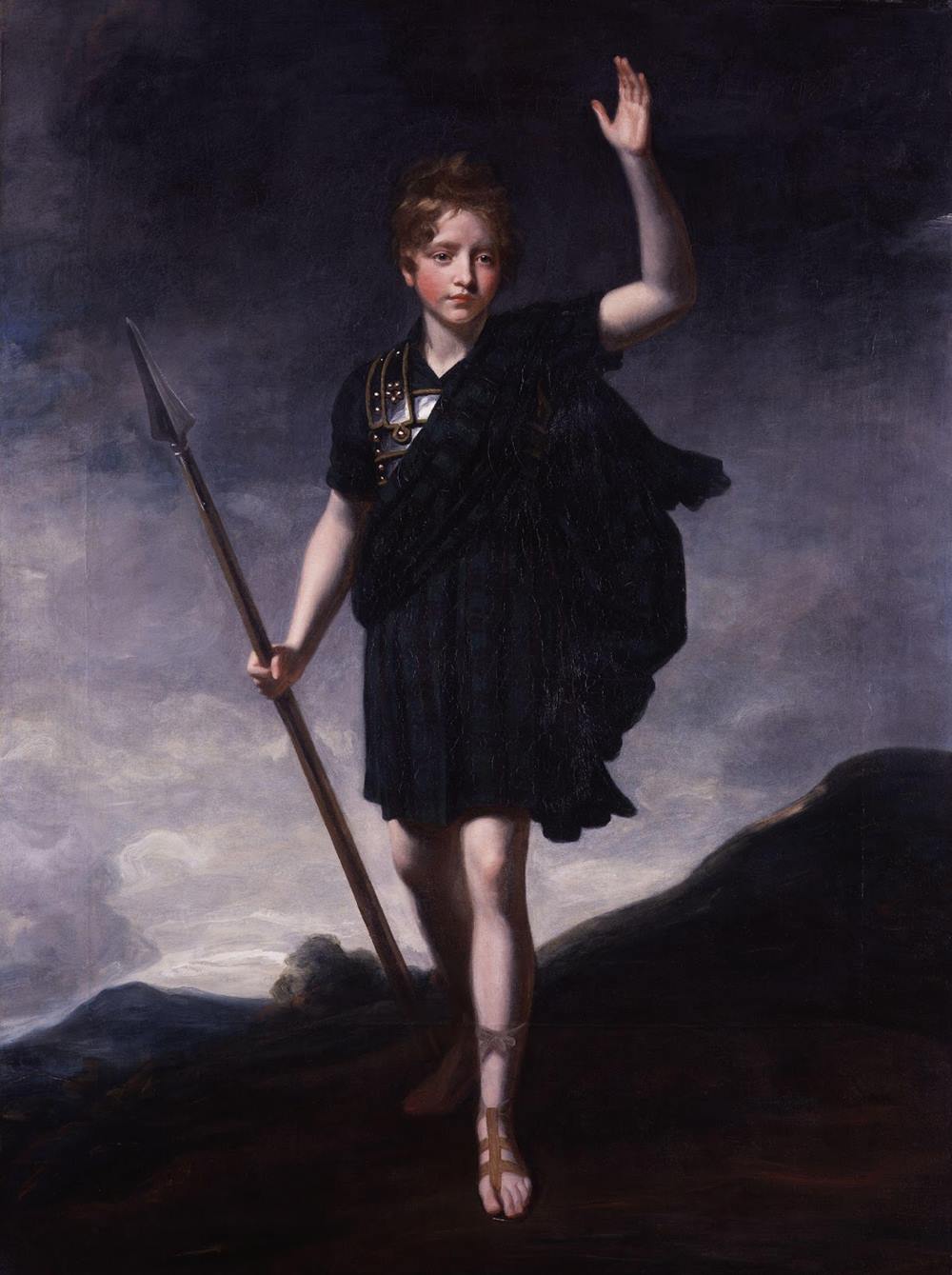
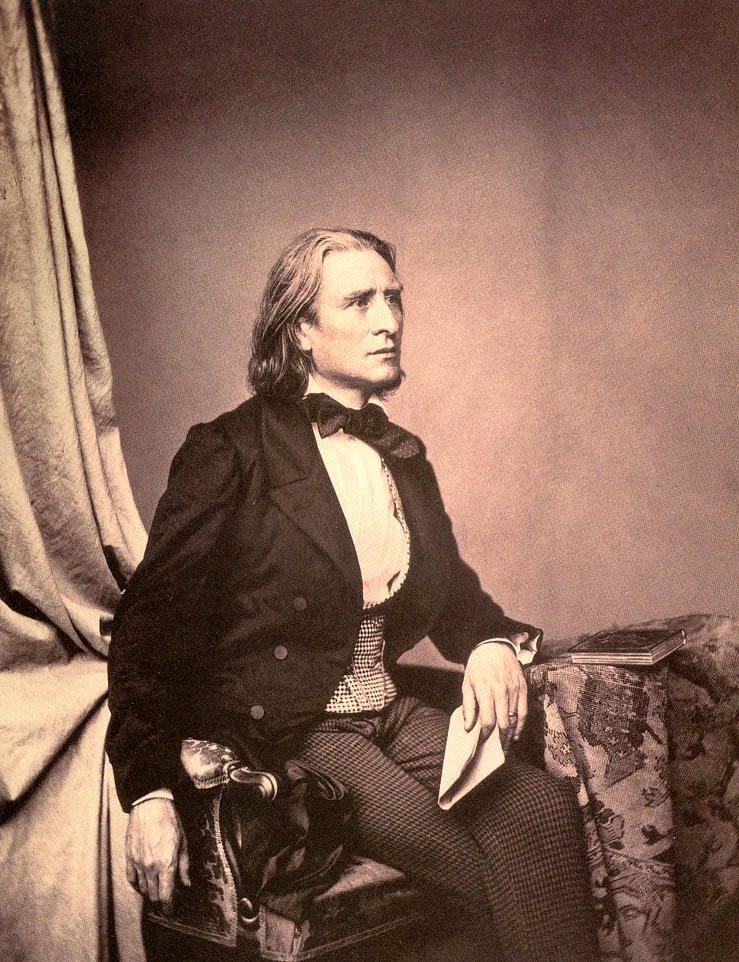
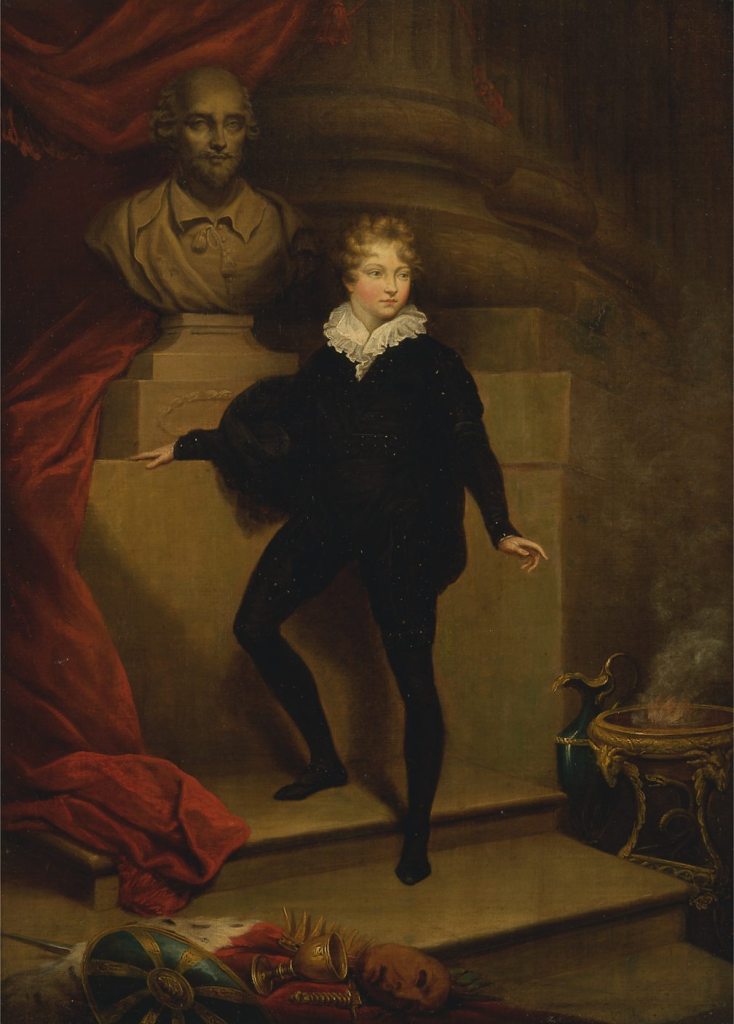
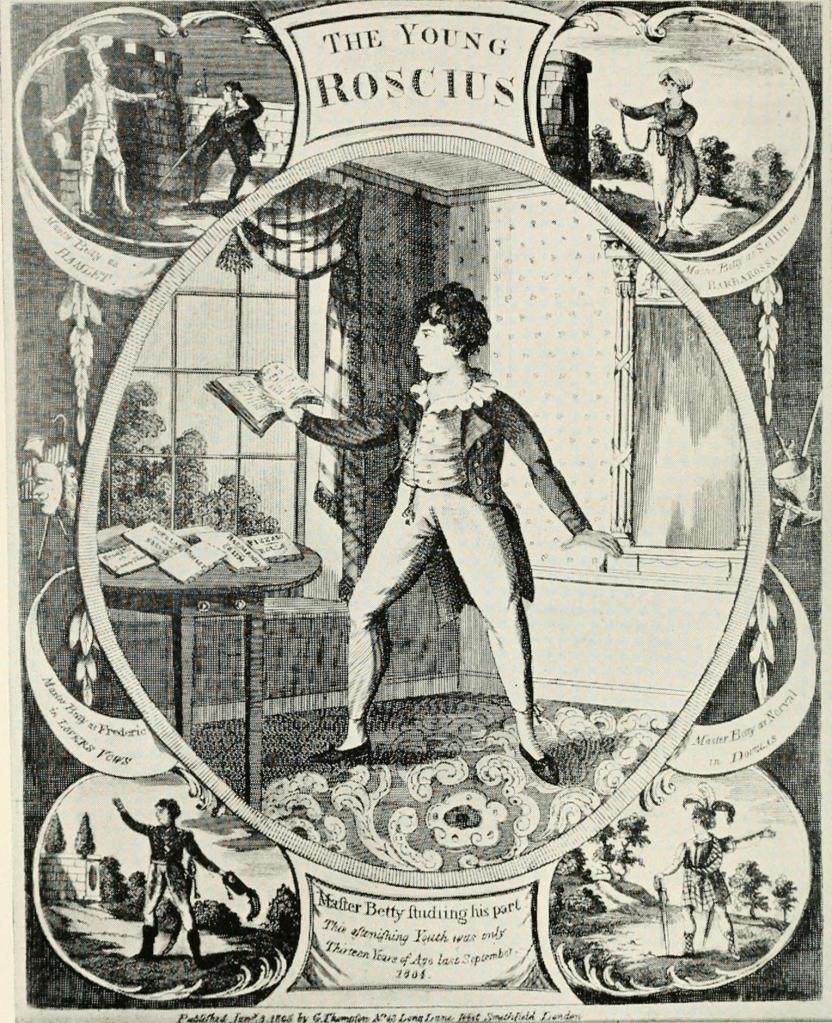
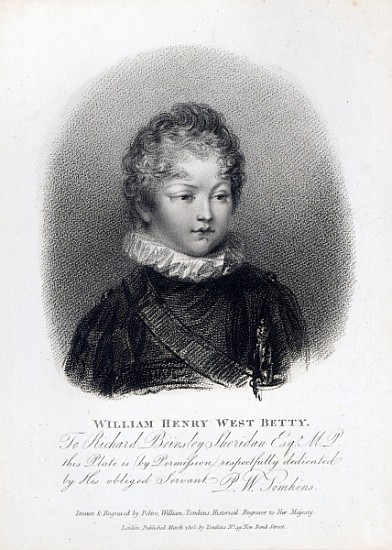




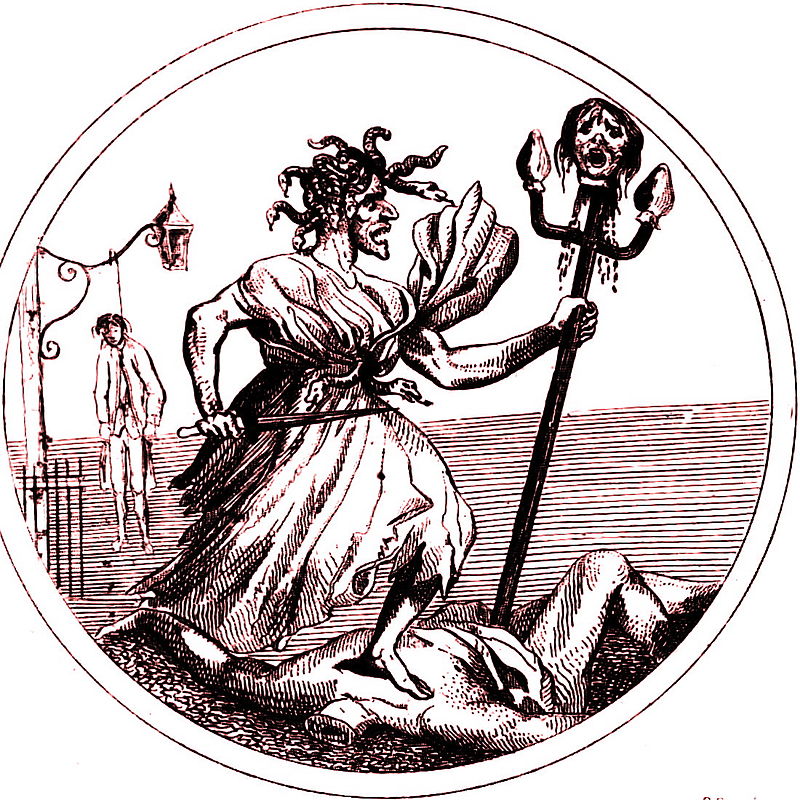
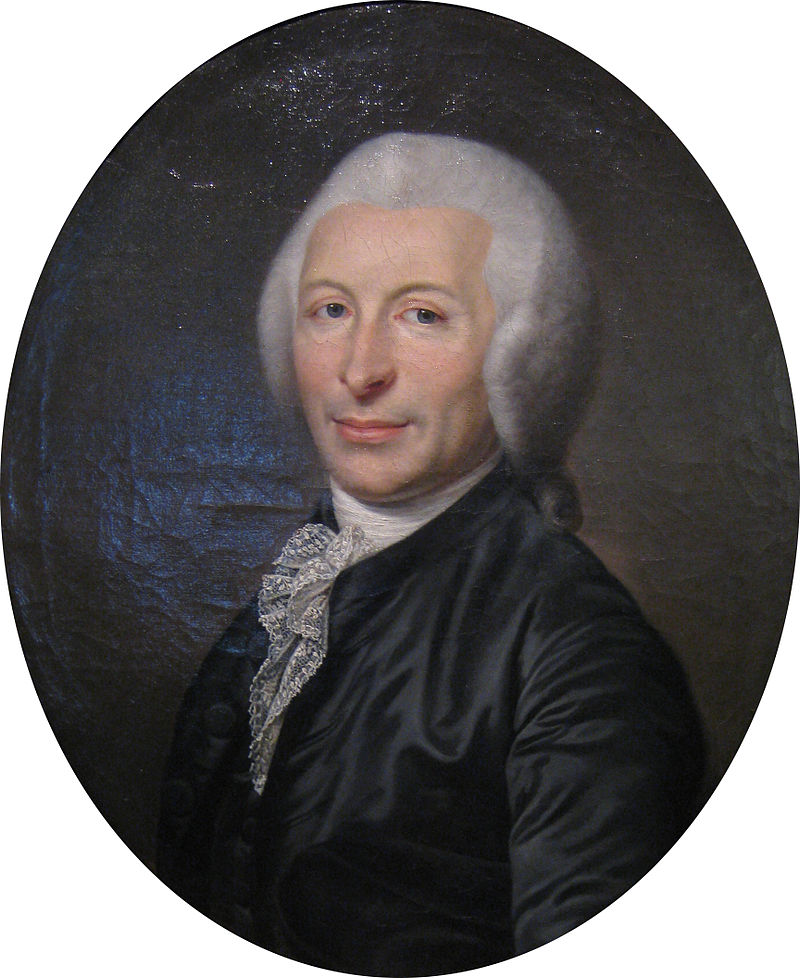




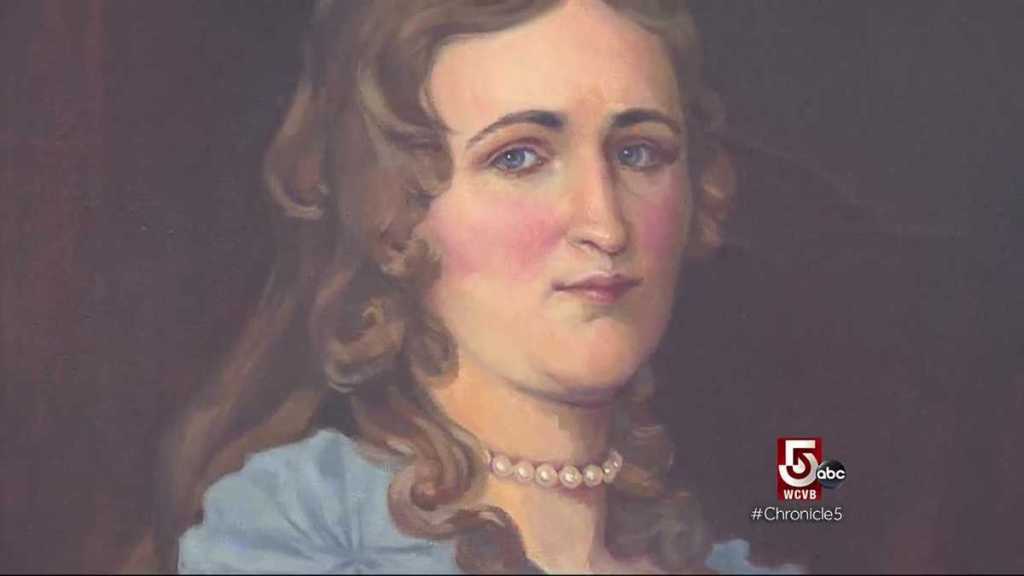
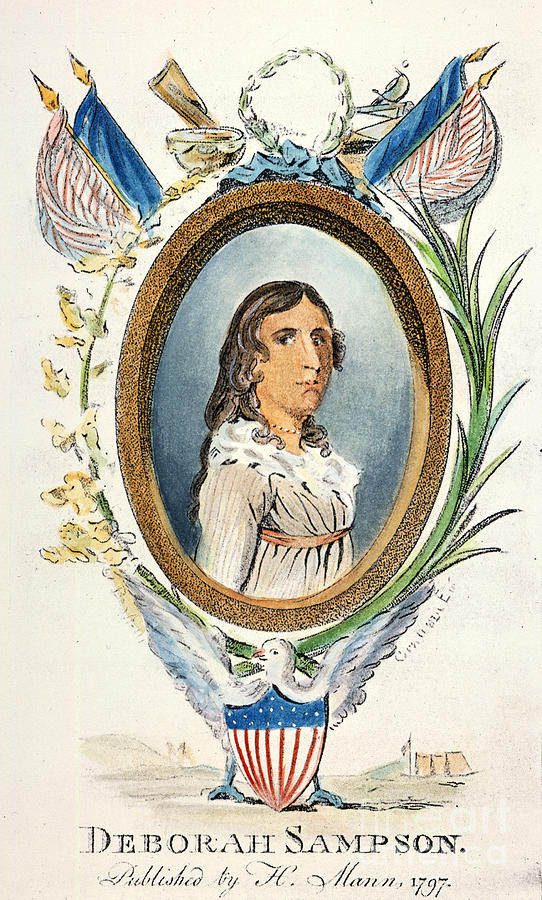

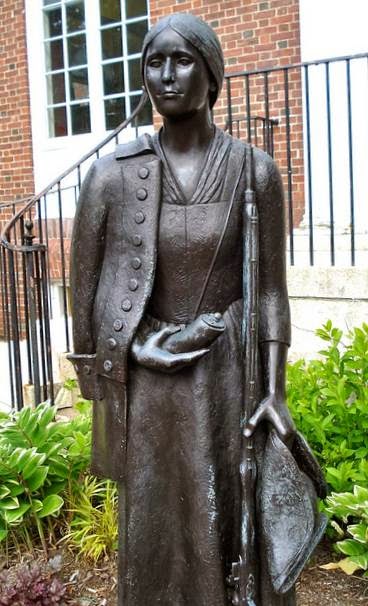
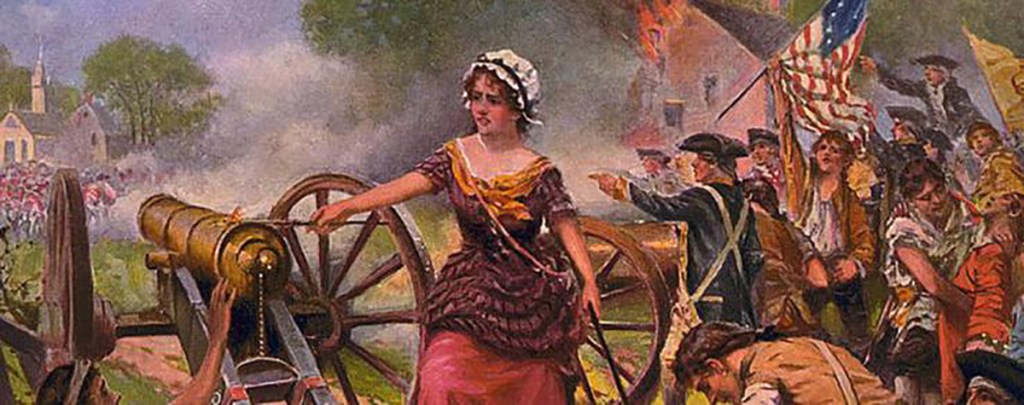

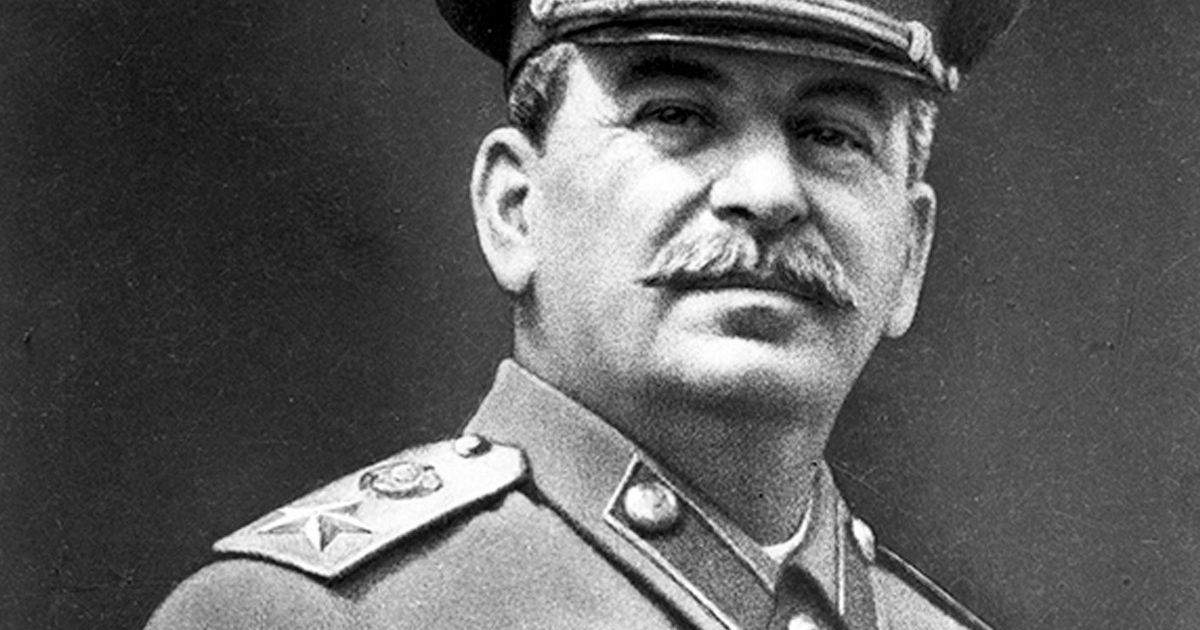

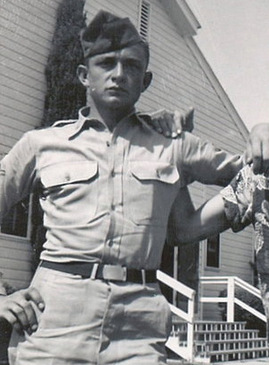
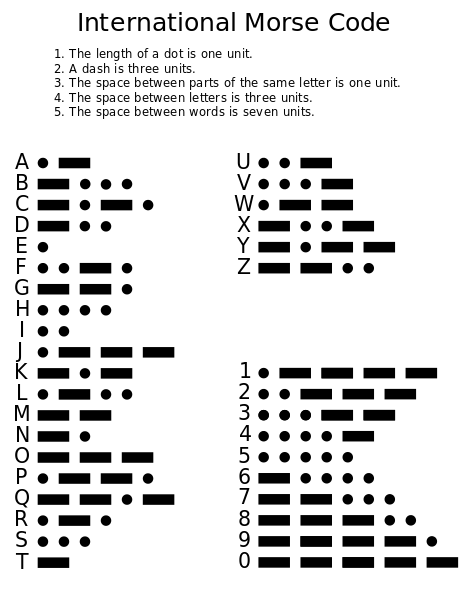
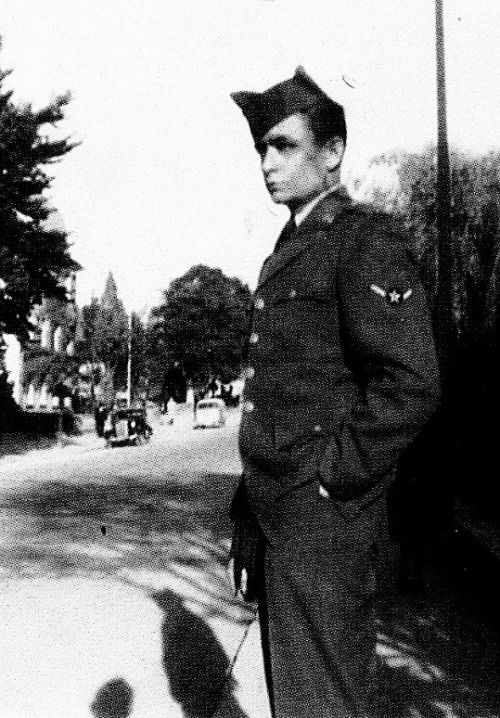

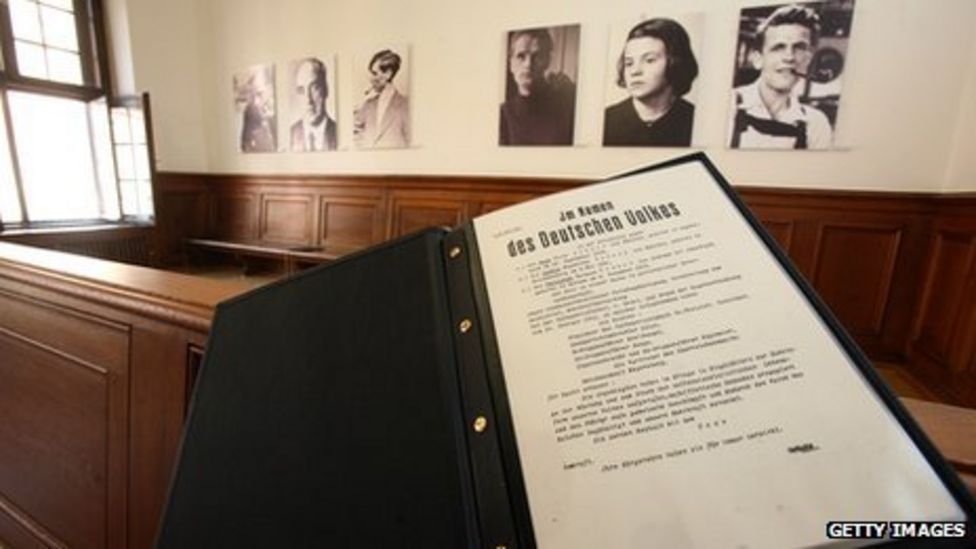
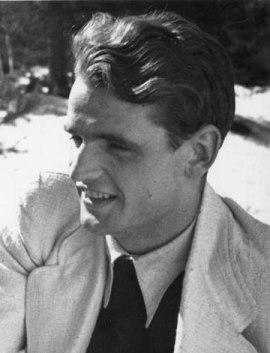
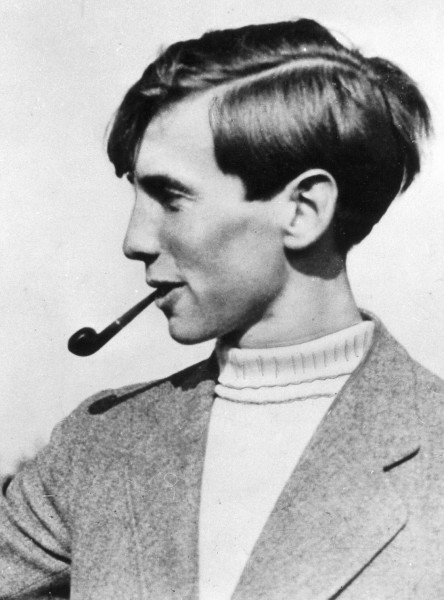
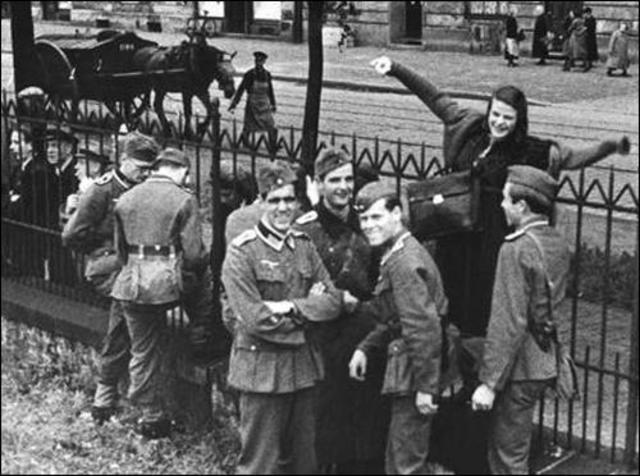
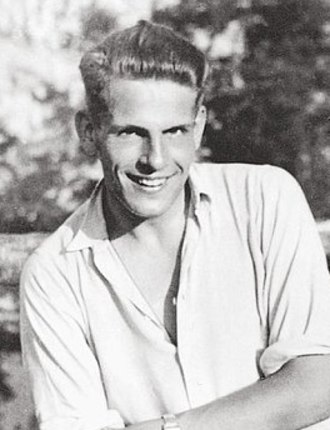

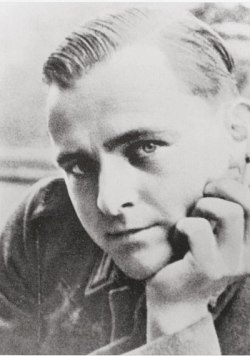
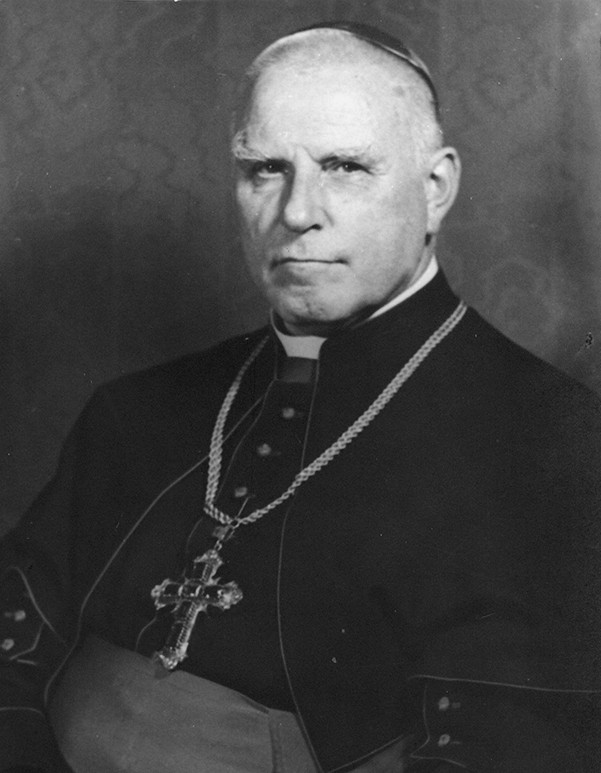
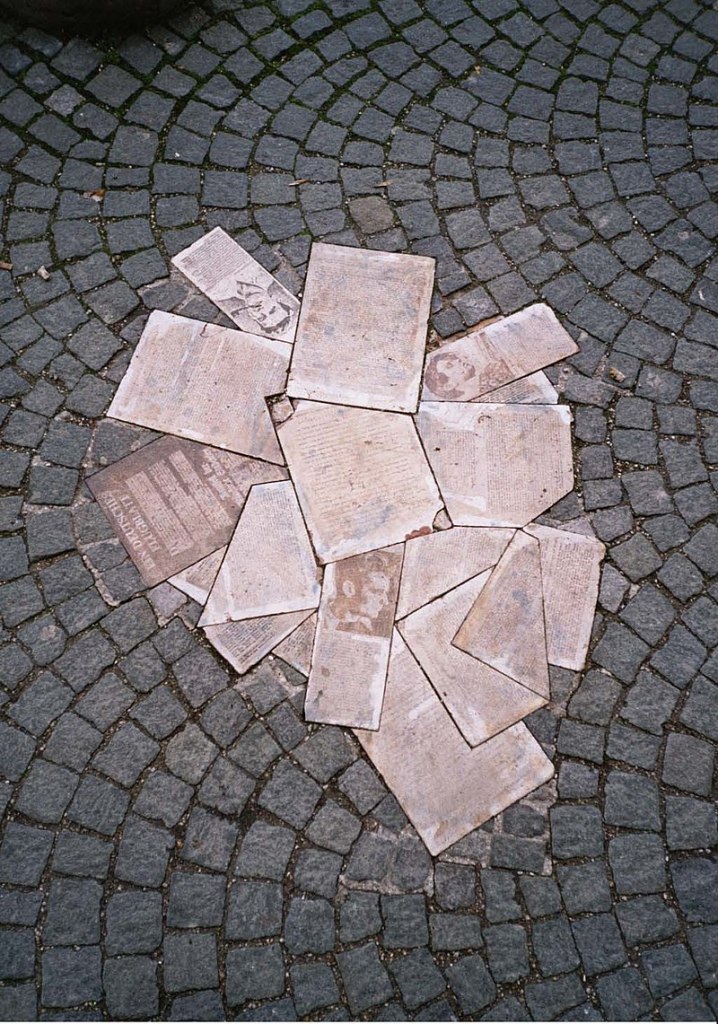
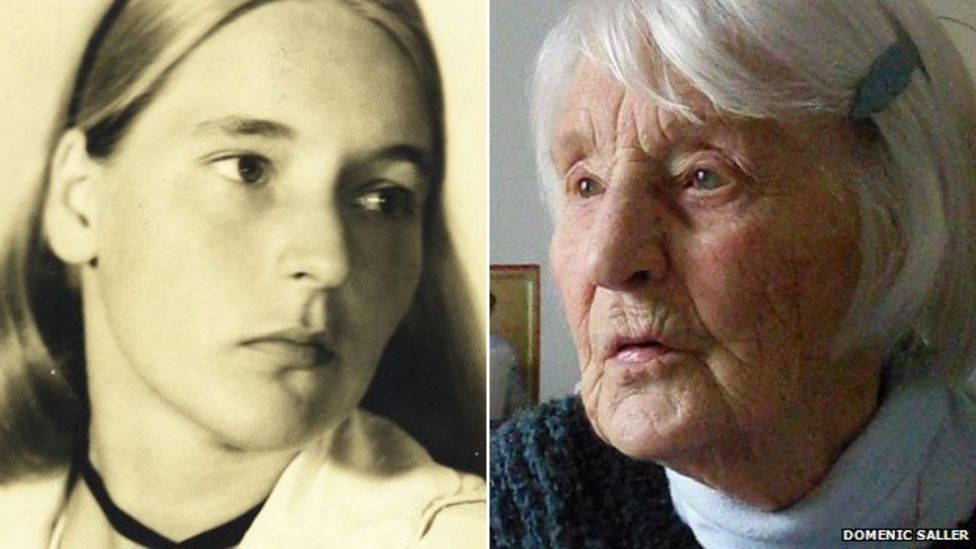


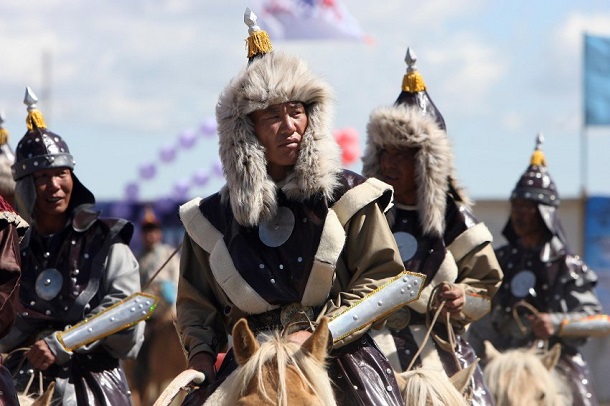


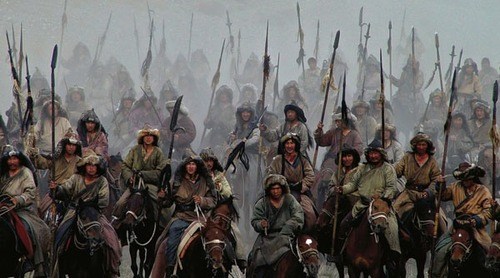

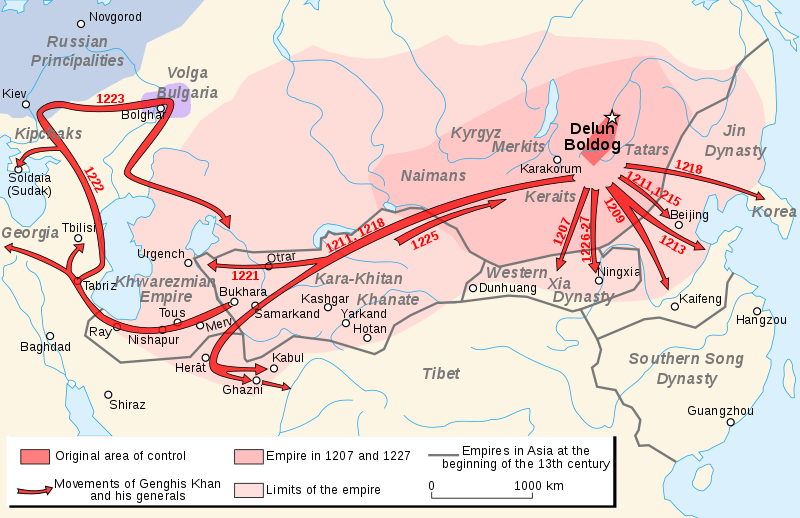
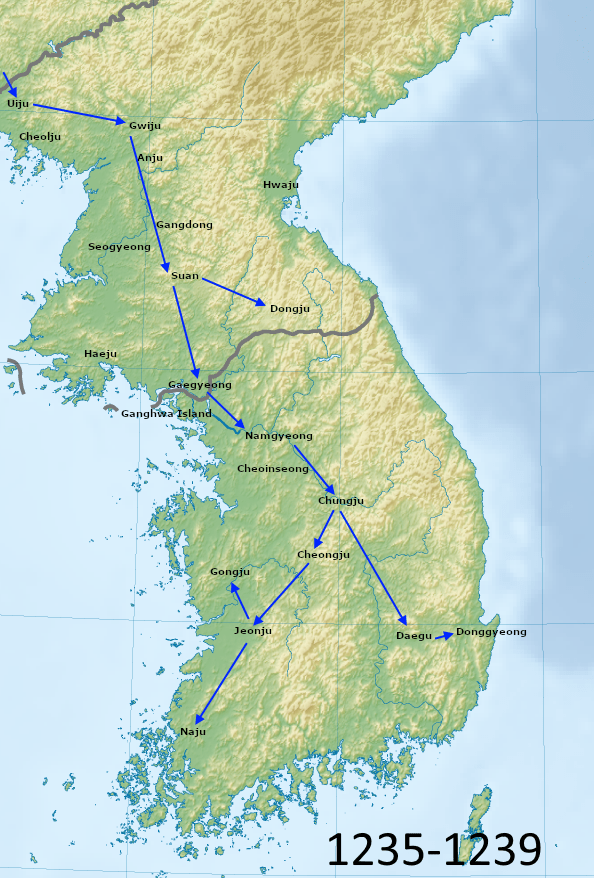

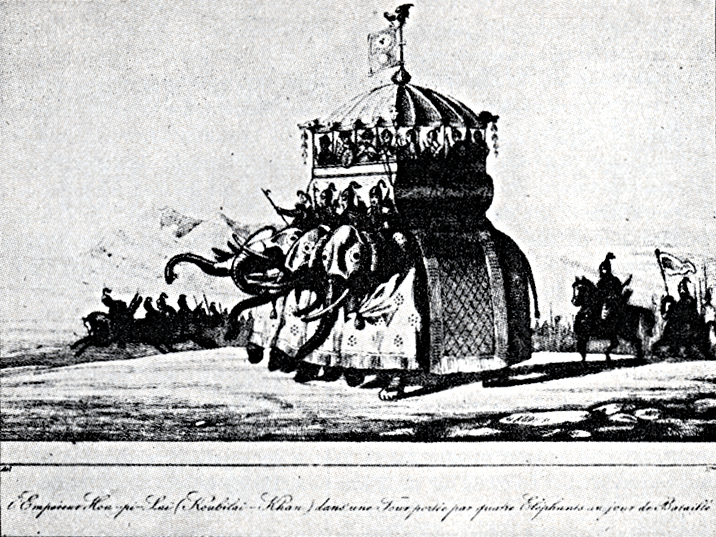
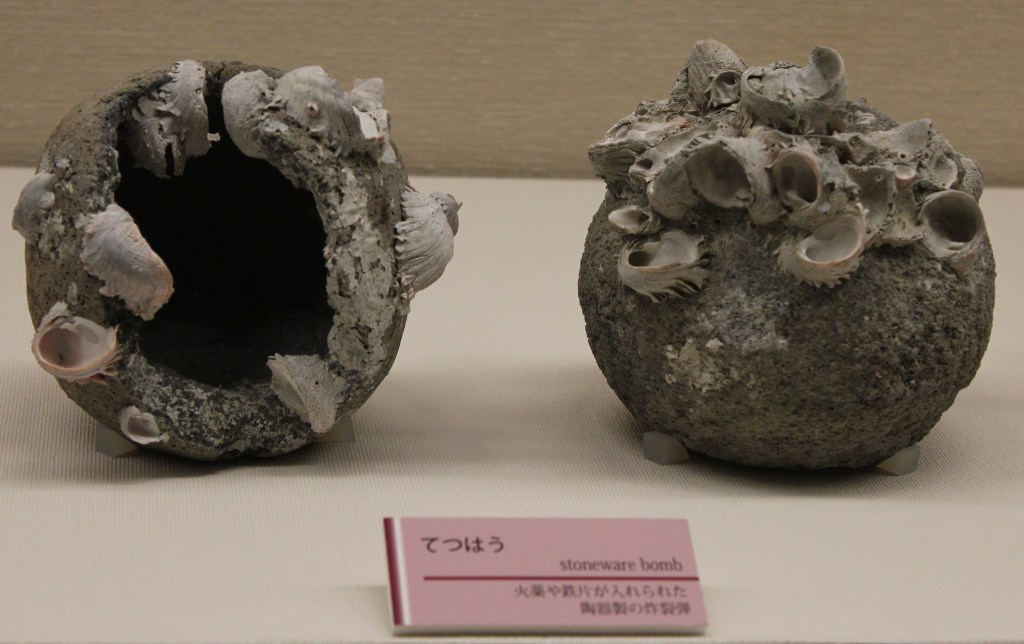
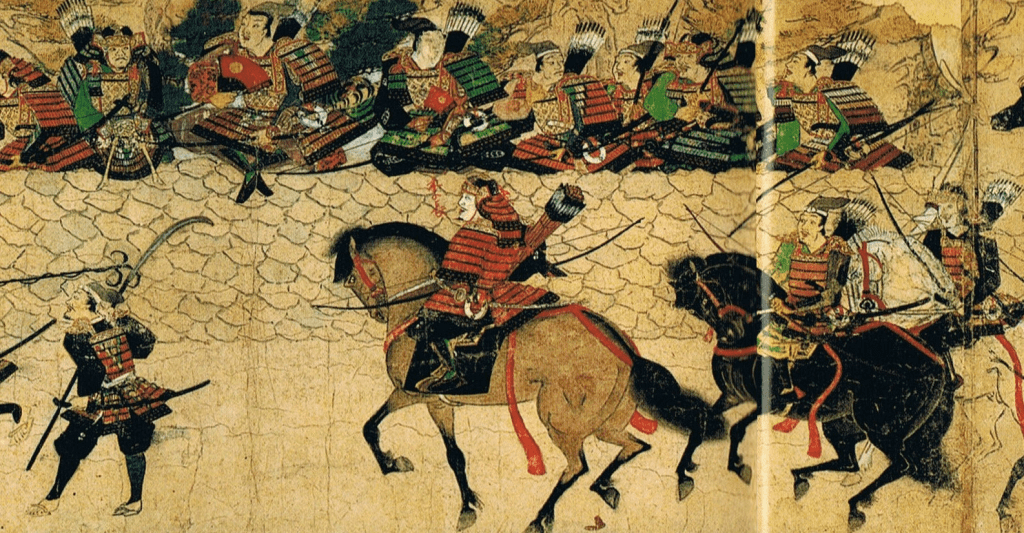
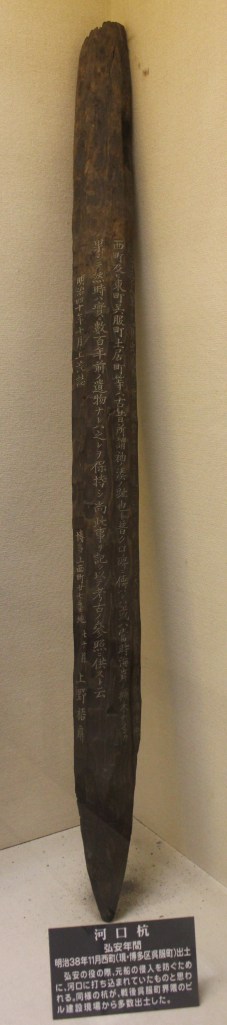
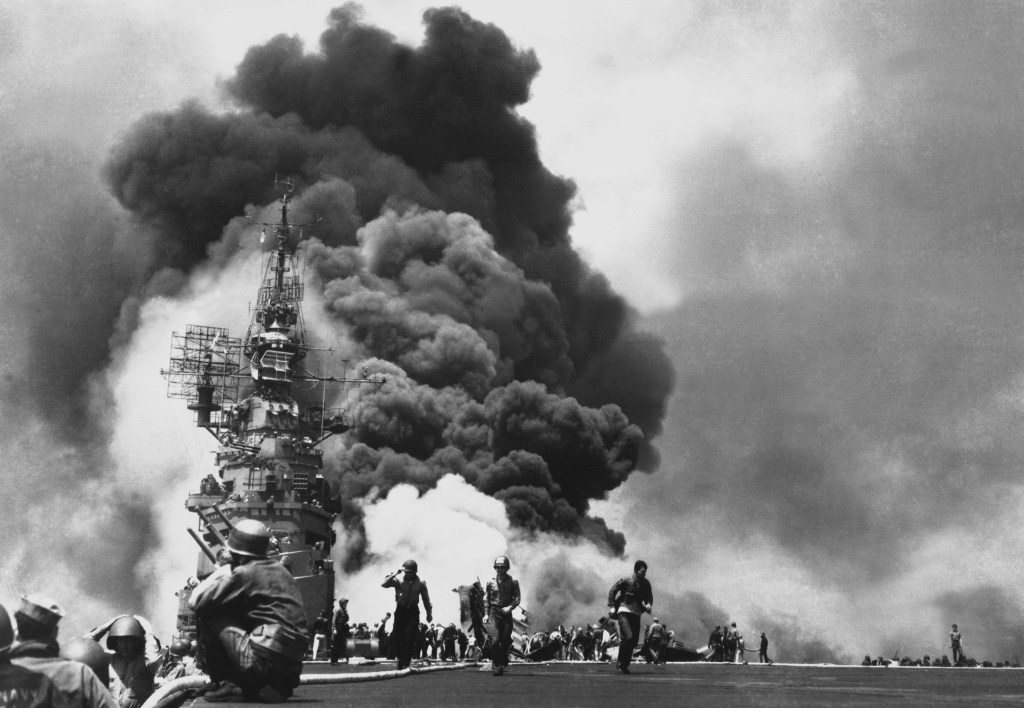


 On February 7, the 71st Infantry and supporting tanks reached Ramree town where they found determined Japanese resistance. The town fell in two days. Naval forces blockaded small tributaries called “chaungs”, which retreating Japanese used in their flight to the mainland. A Japanese air raid damaged an allied destroyer on the 11th as a flotilla of small craft crossed the strait, to rescue survivors of the garrison. By February 17, Japanese resistance had come to an end.

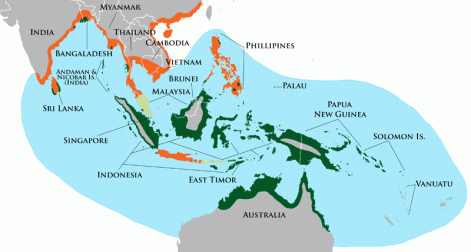



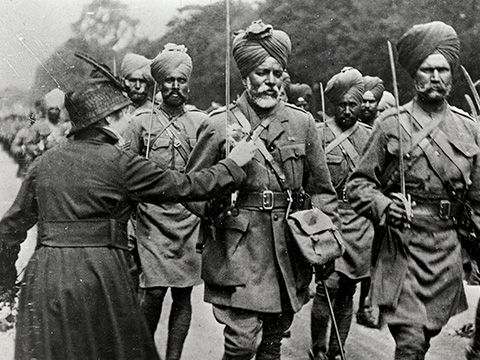
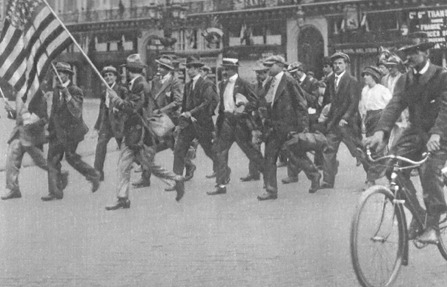
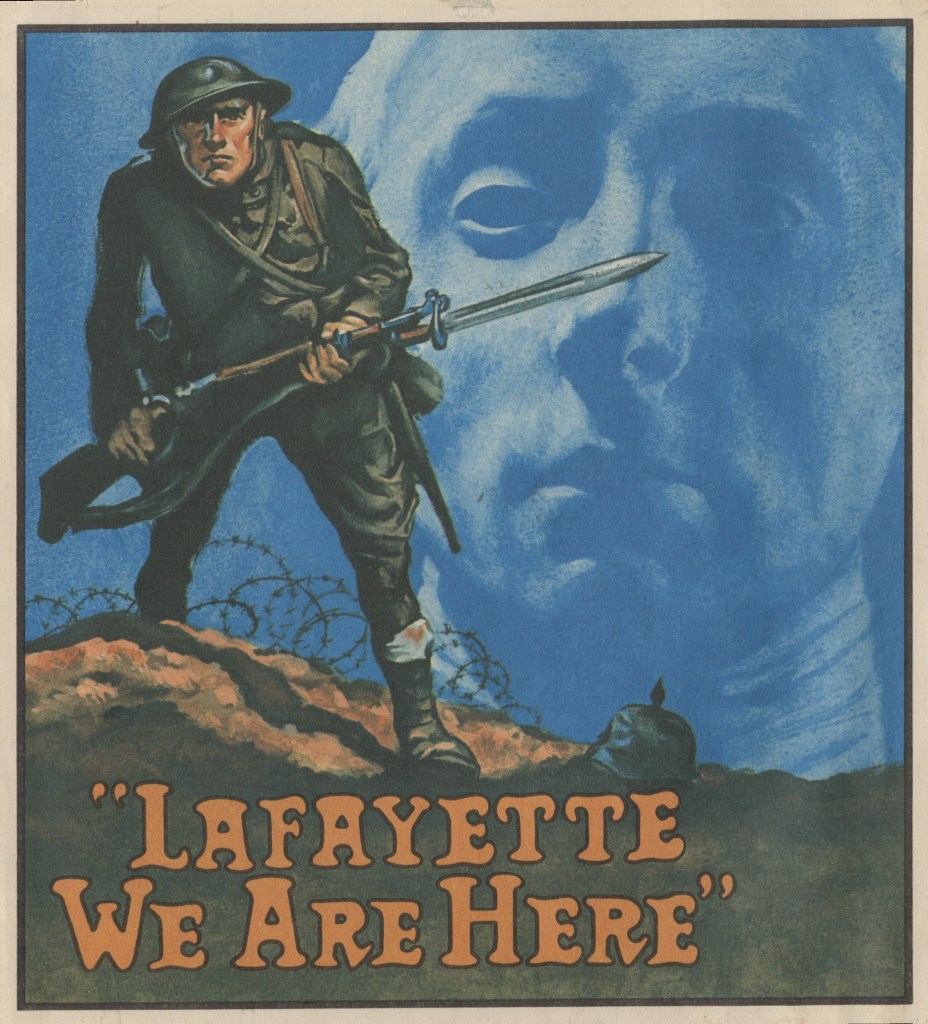


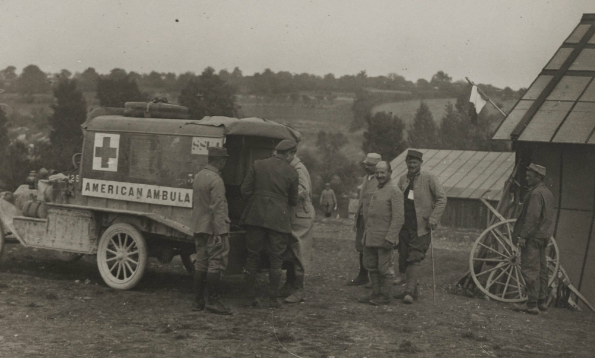
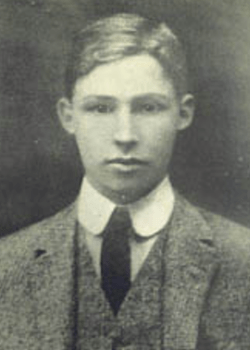


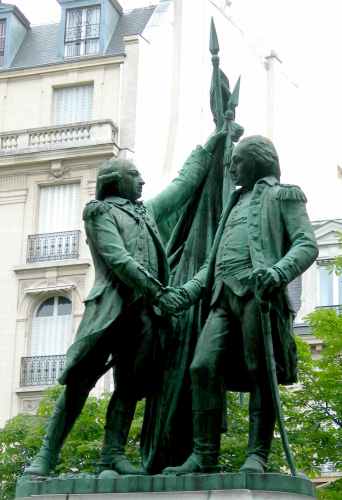



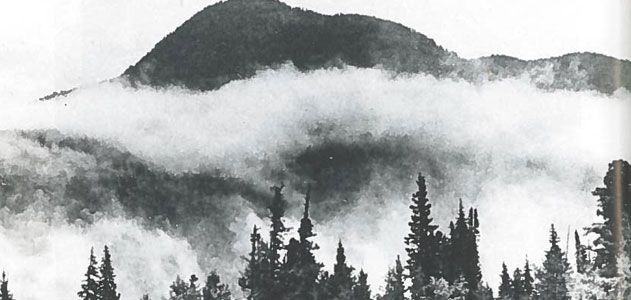
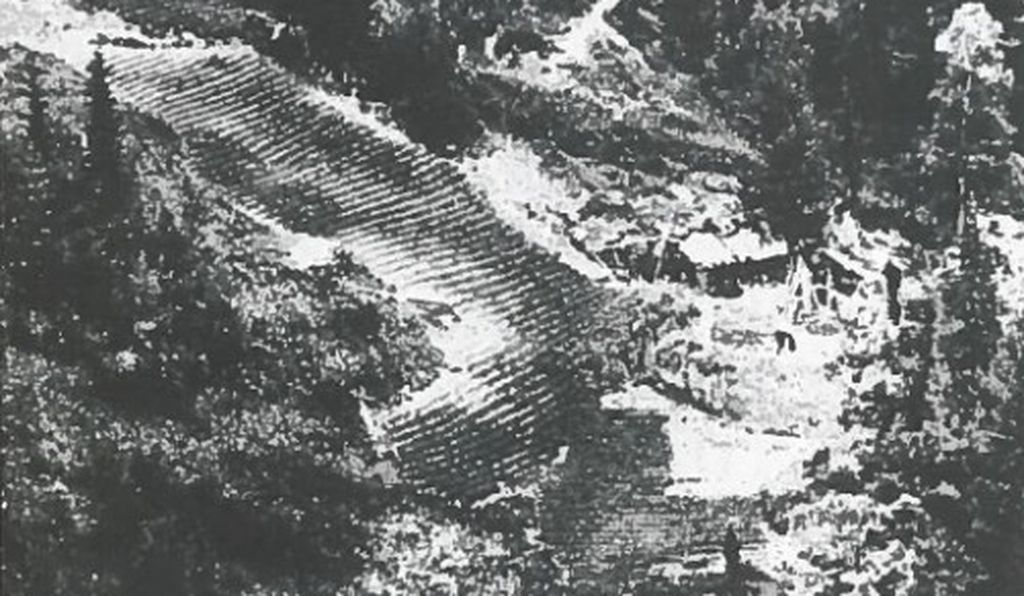

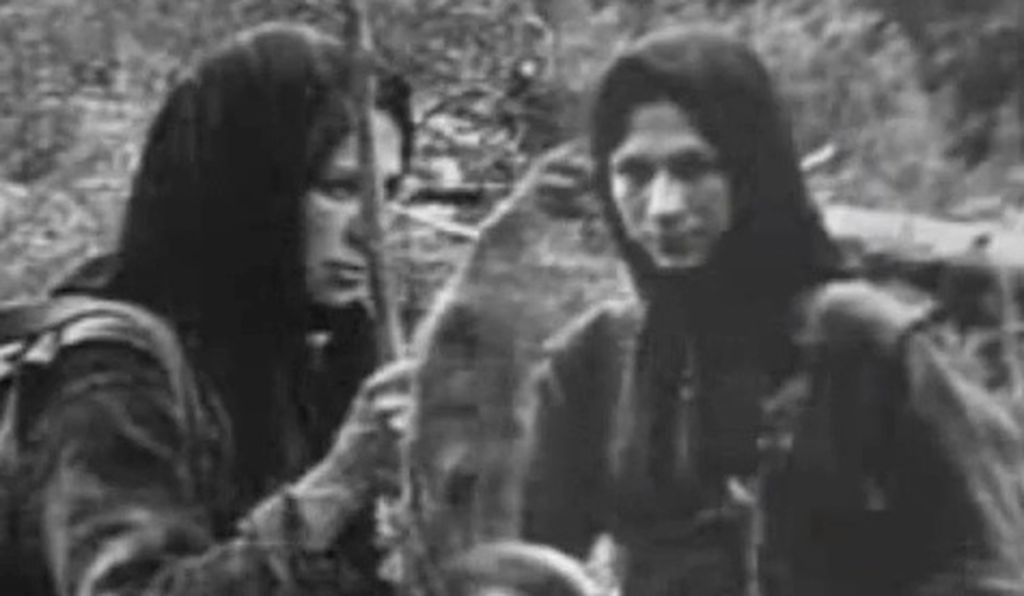
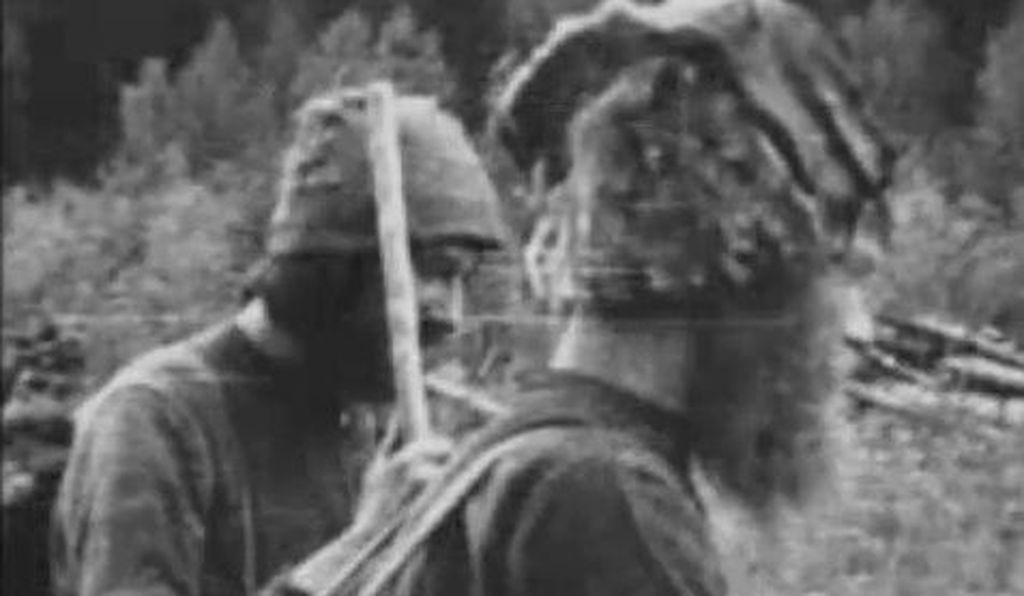
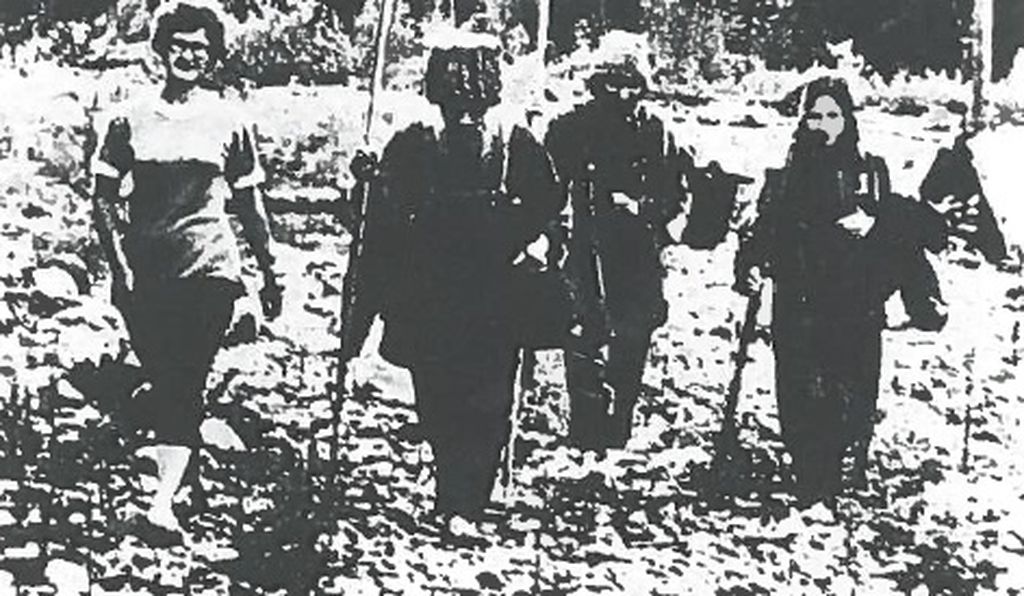
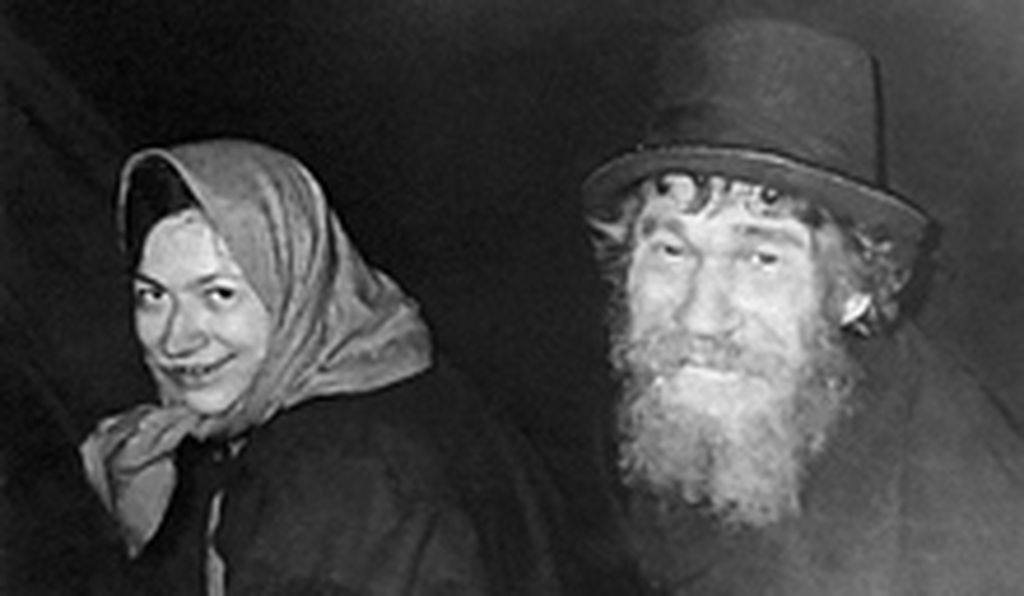
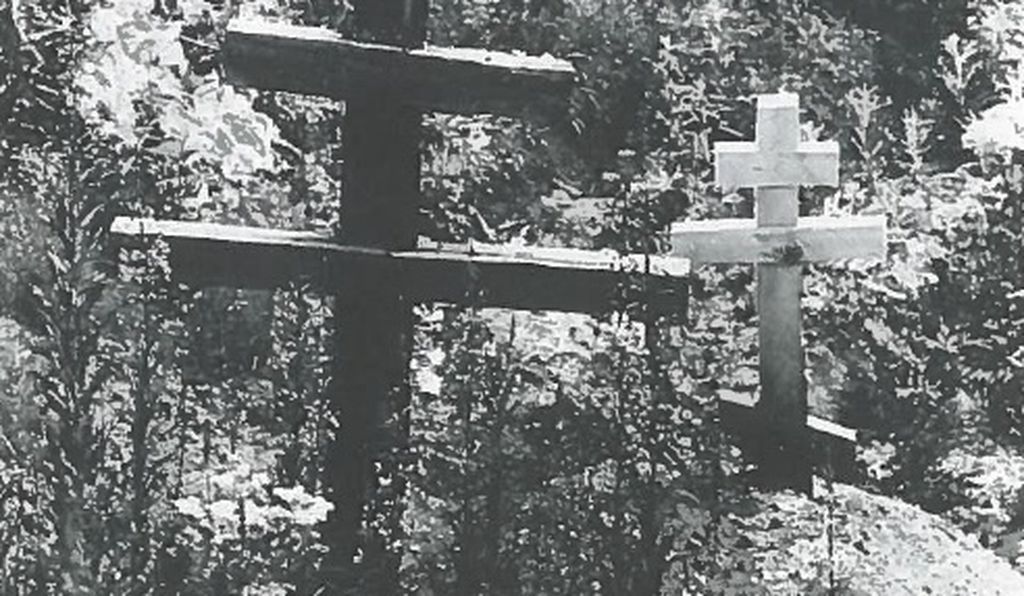


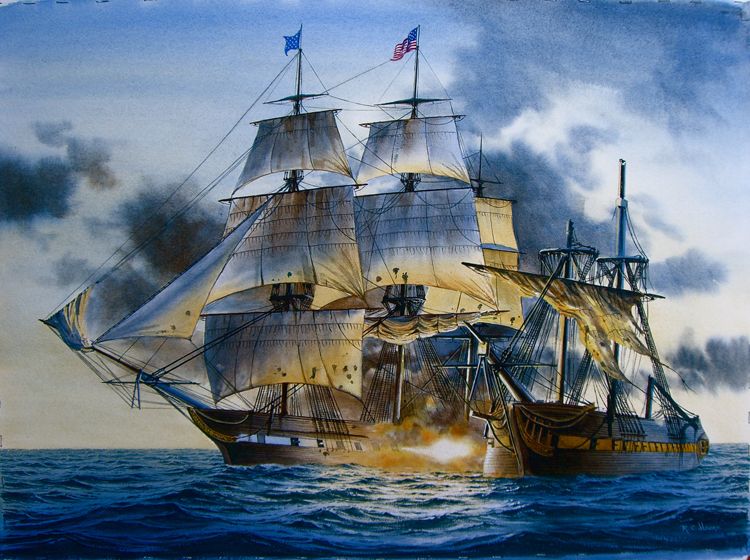
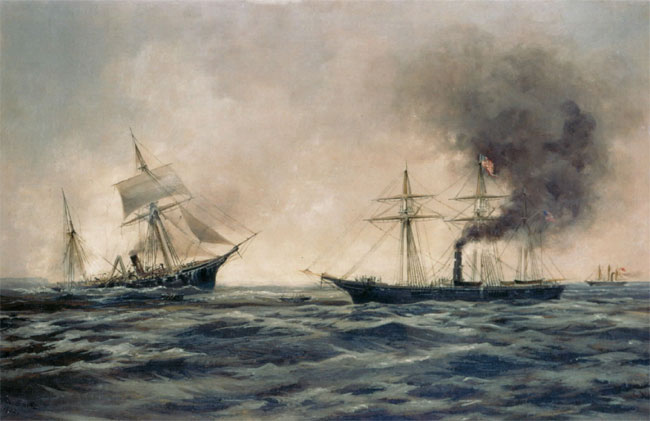
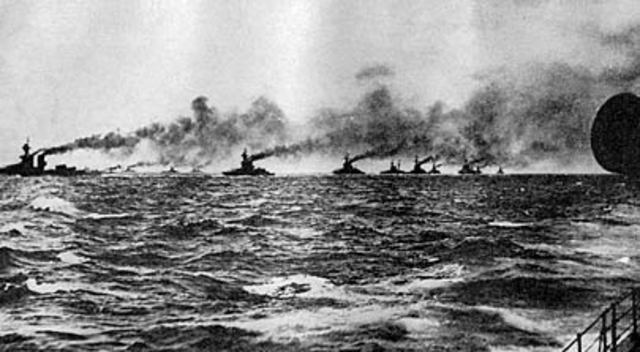








 Historical Easter Eggs - Today in History
You must be logged in to post a comment.