

In 1857, President James Buchanan appointed Lieutenant Edward Beale to survey and build a 1,000-mile wagon road from Fort Defiance, New Mexico to the Arizona/California border. The survey continued an experiment first suggested by Secretary of War and future President of the Confederate States of America Jefferson Davis, in the use of camels as draft animals.

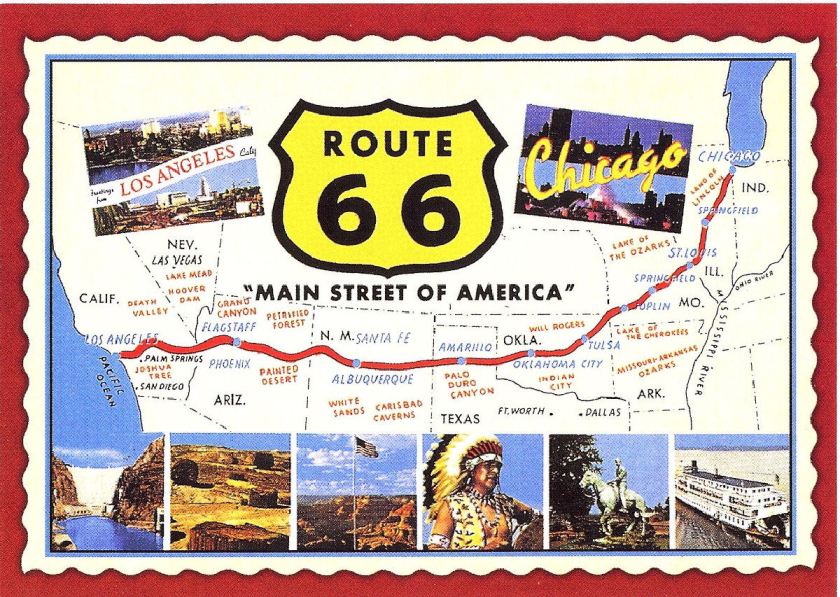
The camel part turned out to be a flop, but the road building was not. Beale’s wagon trail went on to become the western end of “America’s Main Street”. Route 66.

The “Mother Road” became an official part of the national highway system in 1927. It was yet to be paved, when the US Highway 66 Association held a “Bunion Derby” in 1928. It was a footrace from Los Angeles to Madison Square Garden, a distance of 3,423½ miles. Naturally, the LA to Chicago leg ran along Route 66.

Andy Hartley Payne, an Oklahoma Cherokee runner won the race in 573 hours, 4 minutes and 34 seconds. 11th place finisher Harry Abrams ran the race in the opposite direction the following year, becoming the only person to twice run across the continental United States.
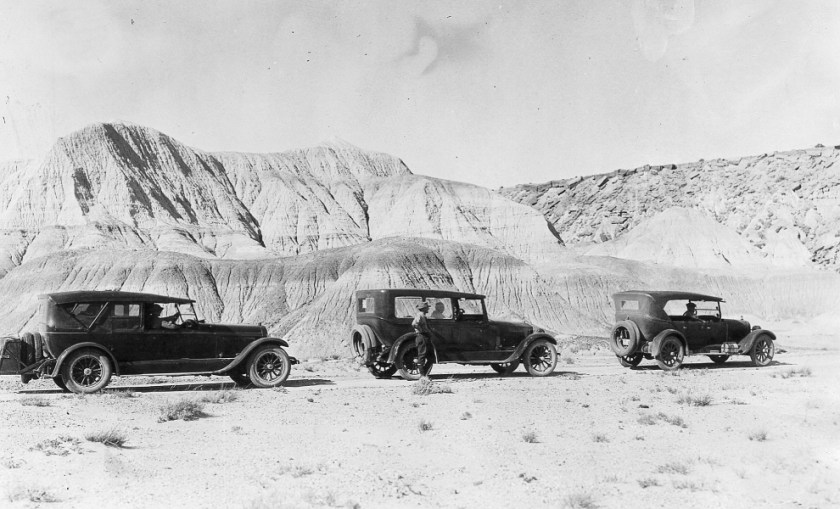
In 1914, a Model T sold for $490. As the 20s drew to a close, the number of registered drivers had tripled to 23 million.
The 1932 Summer Olympics in Los Angeles and the westward migration of the “Dust Bowl” era increased the number of “Mom & Pop” service stations, restaurants, and motor courts, springing up to serve the needs of passing motorists.

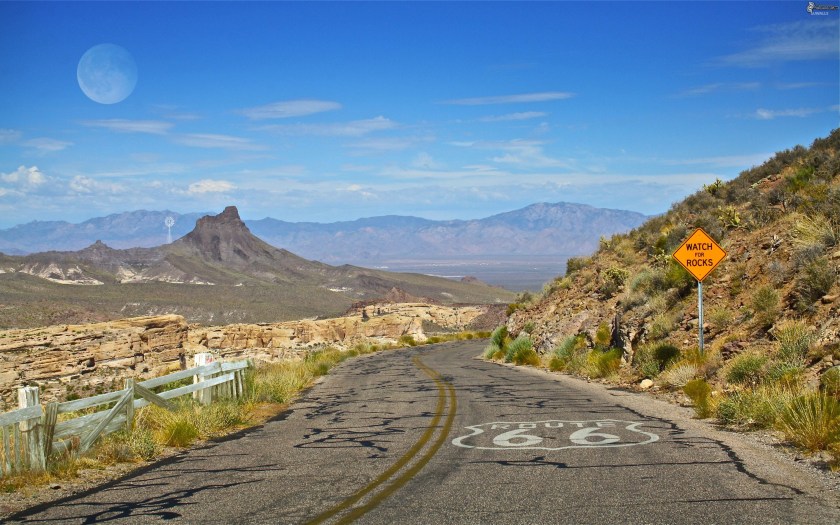
The road was fully paved by 1938, passing through the Painted Desert on the way by the Grand Canyon and Meteor Crater in Arizona.
The golden age of the automobile, had arrived. All manner of roadside attractions popped up to serve the burgeoning tourist business. There were teepee-shaped motels and frozen custard stands. Indian curio shops and reptile farms.
Meramec Caverns outside of St. Louis painted billboards on barns, calling themselves “Jesse James hideout”. The Big Texan sold a 72-ounce steak dinner, making it free to anyone who could eat the whole thing in an hour.


The fast-food industry was born on Route 66, when Sheldon “Red” Chaney built Red’s Giant Hamburg in Springfield, Missouri. Believed to be the first drive-through restaurant in the country, the name was supposed to be “Red’s Giant Hamburger“. Chaney had to cut the two bottom letters off his sign, when the city refused to raise the telephone wires.


Patrick McDonald opened “The Airdrome” restaurant on Route 66 in 1937, years before the world knew anything about Ray Kroc. Hot dogs were some of the first items he ever sold. Ten cent hamburgers were added later, along with all-you-can-drink orange juice for five cents. Three years later, McDonald’s two sons Maurice and Richard (“Mac” and “Dick”) moved the entire building 40 miles east, to San Bernardino, calling the place “McDonald’s Bar-B-Que”.
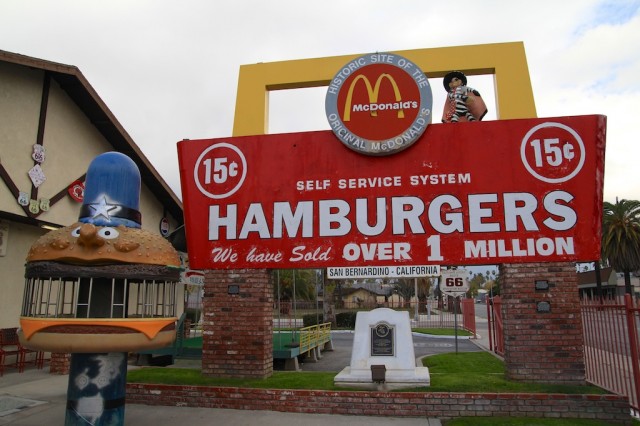
General Eisenhower came out of WWII with an appreciation for the German highway system, the Autobahn, and signed the Interstate Highway Act as President in 1956. It was the beginning of the end for Route 66. New highway construction began to bypass town centers, and once-thriving Mom & Pops began to die off.
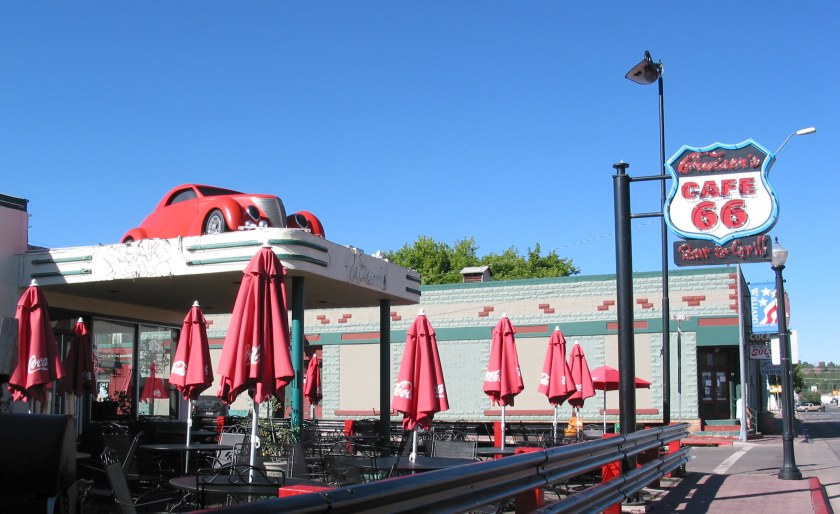
By the mid-’50s, Missouri upgraded its sections of US 66 to four lanes, by-passing town centers and the businesses that went with them.
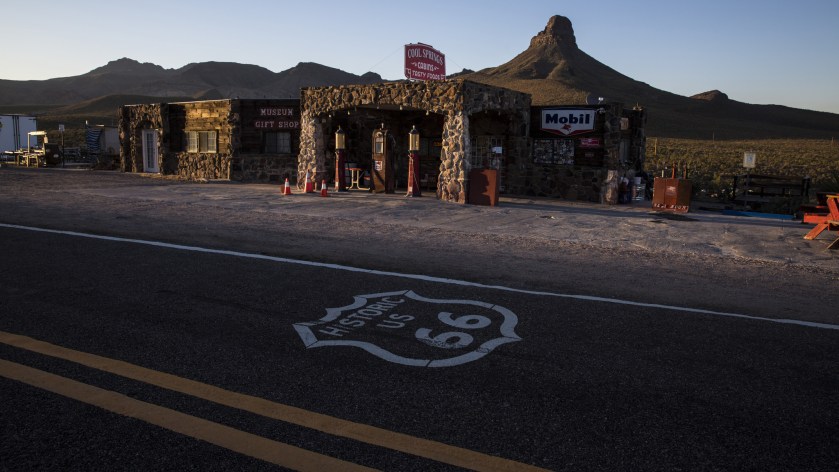
Illinois widened US 66 from Chicago to the Mississippi River. By 1957, virtually the entire Missouri-Kansas-Oklahoma stretch was replaced by 4 lane toll roads. You could see the old 66 as you drove parallel to it, but travelers rarely stopped.

The last parts of Route 66 were decertified by state highway and transportation officials on this day in 1985. In some cities, the old road is now the “Business Loop”.

The Mother Road has been carefully preserved in some areas, abandoned in others.
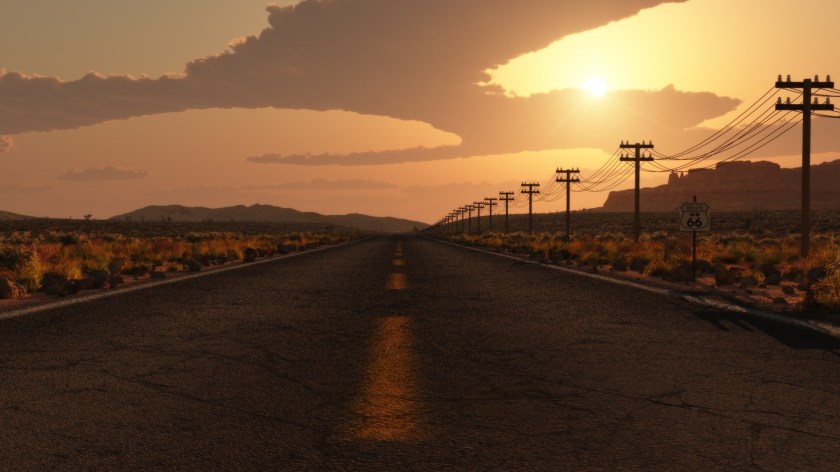
Today, most of the old attractions are gone. You couldn’t drive the old Route 66 from Chicago to LA if you wanted to. But you could get close. If you plan ahead.




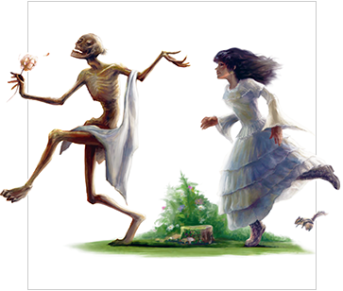 Most such outbreaks coincided with periods of extreme hardship such as crop failure, famine and floods, and involved between dozens and tens of thousands of individuals.
 Even today there is little consensus about what caused the phenomenon. Some have blamed “St Anthony’s Fire”, a toxic and psychoactive fungus of the Claviceps genus, also known as ergot. Often ingested with infected rye bread, symptoms of ergot poisoning are not unlike those of LSD, and include nervous spasms, psychotic delusions, spontaneous abortion, convulsions and gangrene resulting from severe vasoconstriction.


 There is an oft-repeated but mistaken notion that the circus goes back to Roman antiquity. The panem et circenses, (bread and circuses)” of Juvenal, ca AD100, refers more to the ancient precursor of the racetrack, than to anything resembling a modern circus. The only common denominator is the word itself, the Latin root ‘circus’, translating into English, as “circle”.
 These afternoon shows gained overwhelming popularity by 1770, and Astley hired acrobats, rope-dancers, and jugglers to fill the spaces between equestrian events. The modern circus, was born.
 and fear, his demonstrations emphasizing the animal’s intelligence and tractability over ferocity.




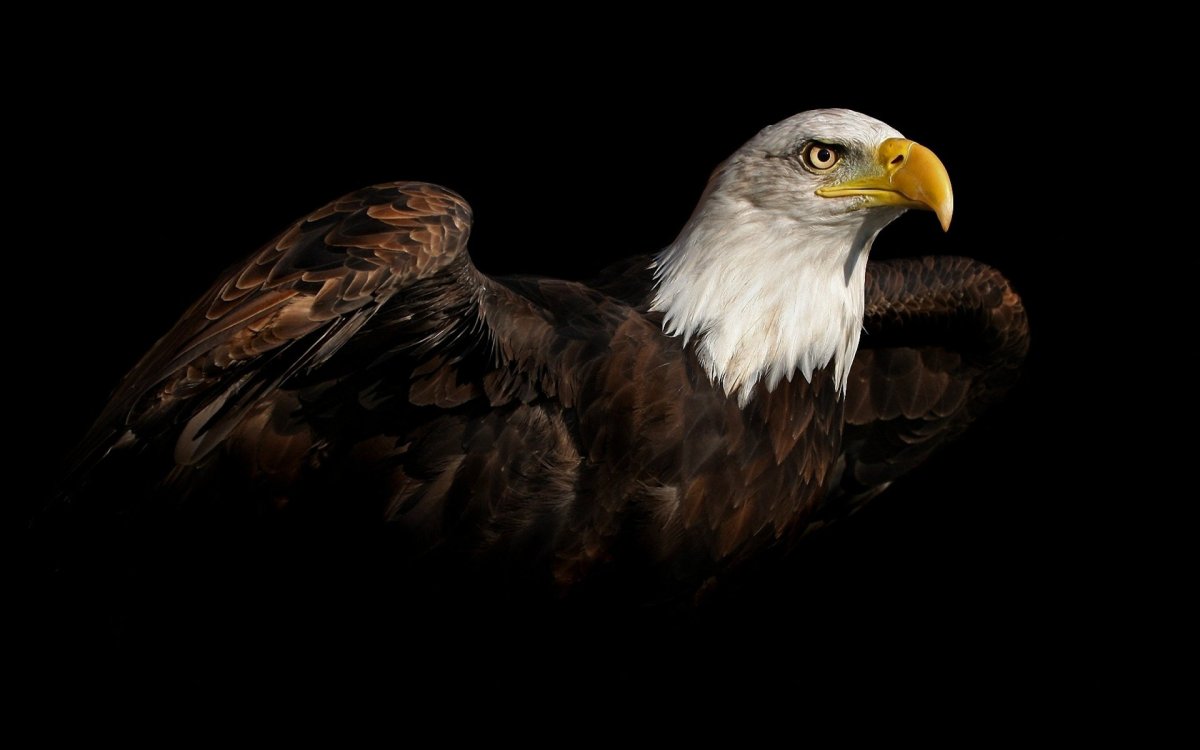


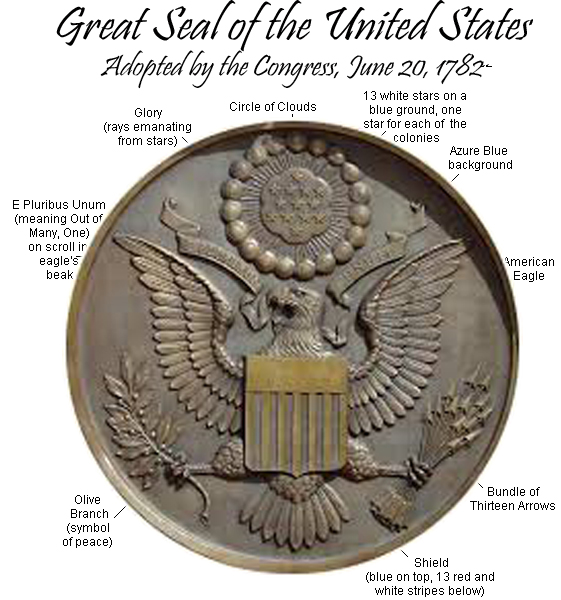
 Finally, a constellation of thirteen stars breaks out of the clouds above, signifying a new people, now ready to take its place among the sovereign nations of earth.
 The militant atheist type wishing to divest himself of all that “church & state” stuff may, at his convenience, feel free to send those dollar bills, to me. I’m in the book.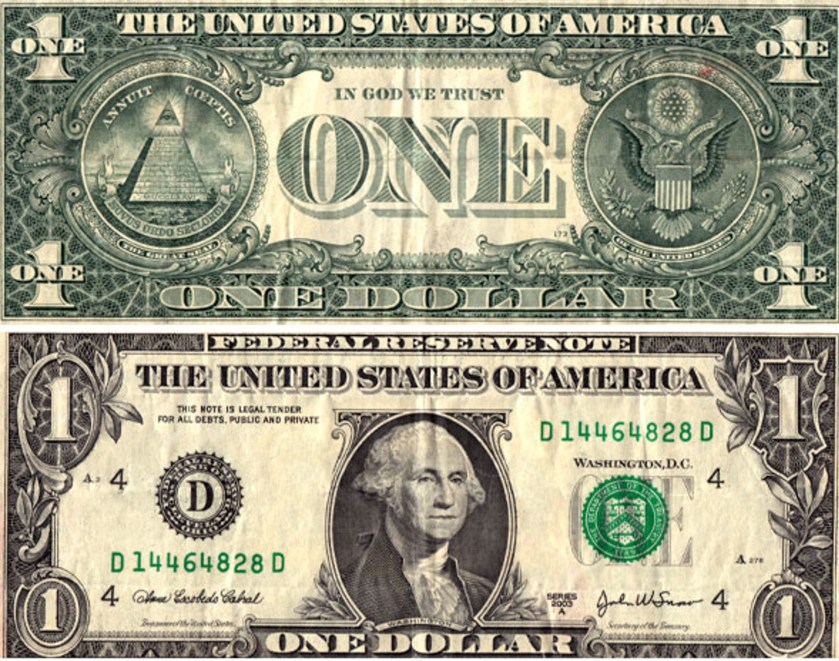


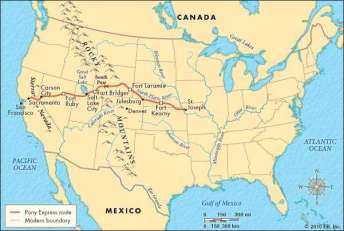 across the Isthmus of Panama or the Isthmus of Tehuantepec, in Mexico. The simmering tensions which would lead the nation to Civil War would prove such a system inadequate, as the rapid transfer of information became ever more important.
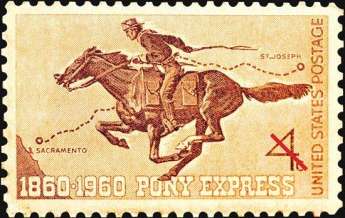 The Pony Express compressed the standard 24-day schedule for overland delivery to ten days, but the system was a financial disaster. Little more than an expensive stopgap before the first transcontinental telegraph system.
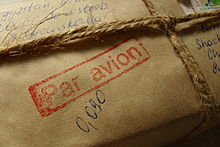 The first mail carried through the air arrived by hot air balloon on January 7, 1785, a letter written by Loyalist William Franklin to his son William Temple Franklin, at that time serving a diplomatic role in Paris with his grandfather, the United States’ one-time and first postmaster, Benjamin Franklin.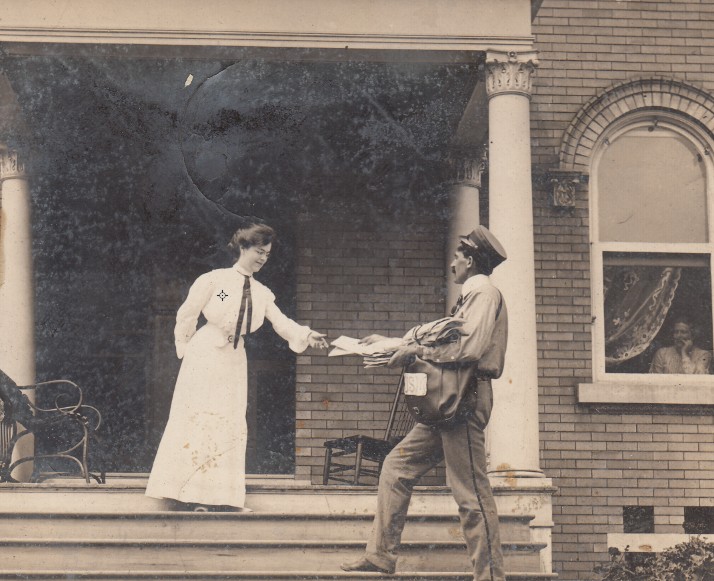
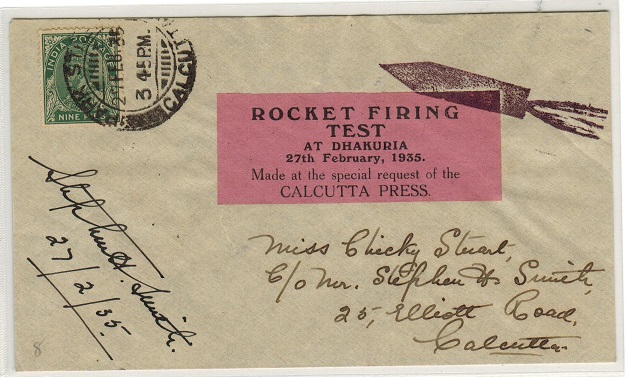
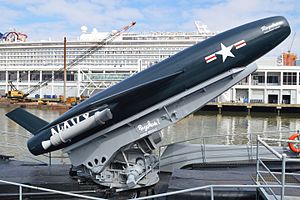


 The Regulus was superseded by the Polaris missile in 1964, the year in which Barbero ended her nuclear strategic deterrent patrols. She was struck from the Naval Registry that July, and suffered the humiliating fate of the target ship, sunk off the coast of Pearl Harbor on October 7 by the nuclear submarine USS Swordfish.


 Lay became a lumberjack, a jewelry salesman, and a peanut salesman, before going to work for the Atlanta based Barrett Potato Chip Company. He traveled the Southeast during the Great Depression in his Model A Ford, selling chips to grocery stores, gas stations and soda shops. When the company’s owner died, Lay raised $60,000 and bought the company’s plants in Atlanta and Memphis.
 Lay began buying up small regional competitors at the same time that another company specializing in corn chips, was doing the same. “Frito”, the Spanish word for “fried”, merged with Lay in 1961 to become – you got it – Frito-Lay. By 1965, Lay’s was the #1 potato chip brand sold in every state.
 The biggest threat that Frito-Lay would ever experience came from the Beer giant Anheuser-Busch, when the company introduced their “Eagle” line of salty snacks in the 1970s. It made perfect sense at the time, a marketing and distribution giant expanding into such a complementary product category, what could go wrong? Frito-Lay profits dropped by 16% by 1991 and PepsiCo laid off 1,800 employees, but Eagle Snacks never turned a profit in 16 years. Anheuser-Busch put the company up for sale in 1995.
 Tom Peters wrote about Frito-Lay in his 1982 book “In Search of Excellence”. The company will spend $150 to make a $30 delivery if that’s what they need to do. Their customer is counting on them. While a transaction like that doesn’t make economic sense, the company prides itself on a 99½% on-time delivery record. Frito-Lay has the highest profit margins in the industry and a 60% market share in an “undifferentiated commodity”, in which their closest competitor has 7%.


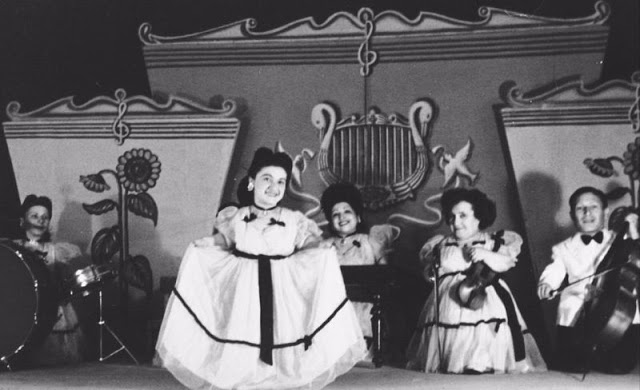

 There was no future for them in this place. Only 50 of the 650 Jewish inhabitants of the village ever returned. The family emigrated to Israel in May 1949, resuming their musical tour and performing until the group retired in 1955.
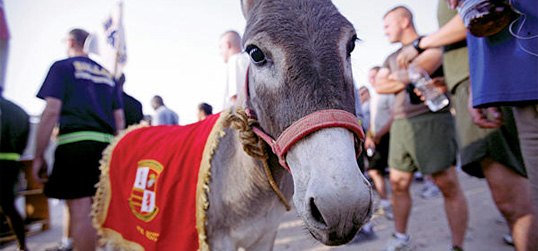
 Early one August morning, Colonel Folsom awoke to a new sound. The thwap-thwap-thwap of the helicopters, the endless hum of the generators, those were the sounds of everyday life. This sound was different – the sound of braying donkey.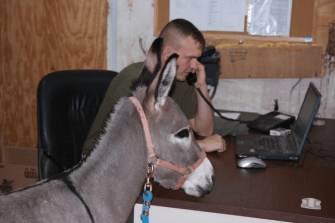
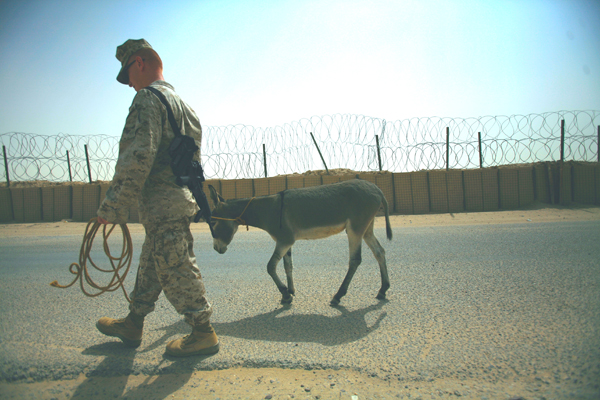 Before long, Smoke was a familiar sight around Camp Taqaddum. After long walks around the wire, Smoke learned to open doors and wander around. If you ever left that candy dish out on your desk, you were on your own.
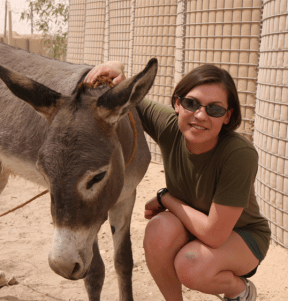 Regulations prohibit the keeping of pets in a war zone. A Navy Captain helped get Smoke designated as a therapy animal, and he was home to stay. As it turned out, there was more than a little truth to the label. For young women and men thousands of miles from home in a war zone, the little animal was a welcome reminder of home.
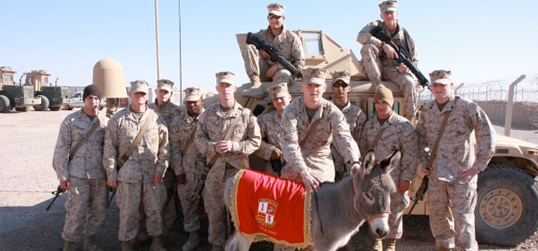 Colonel Folsom couldn’t get the little animal out of his head and, learning of his plight in 2010, determined to get him back. There were plenty of kids who had survived trauma of all kinds in his home state of Nebraska. Folsom believed that the animal could do them some good, as well.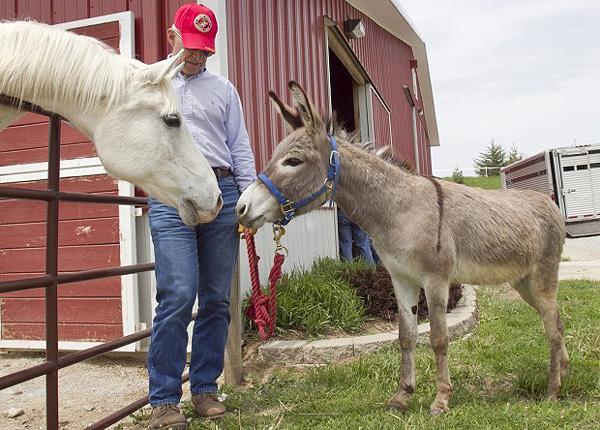


 The camels arrived on May 14, 1856, and set out for the newly established Camp Verde in West Texas, with elements of the US Cavalry and seven handlers.


 A few months later, a Salt River rancher named Cyrus Hamblin spotted the animal while rounding up cows. It was a camel, and Hamblin saw that it had something that looked like the skeleton of a man tied to its back. Nobody believed his story, but a group of prospectors fired on the animal several weeks later. Though their shots missed, they saw the animal bolt and run, and a human skull with some parts of flesh and hair still attached fell to the ground.




 Historical Easter Eggs - Today in History
You must be logged in to post a comment.