

The whaleship Essex set sail from Nantucket in August 1819, the month Herman Melville was born. The 21-man crew expected to spend 2-3 years hunting sperm whales, filling the ship’s hold with oil before returning to split the profits of the voyage.
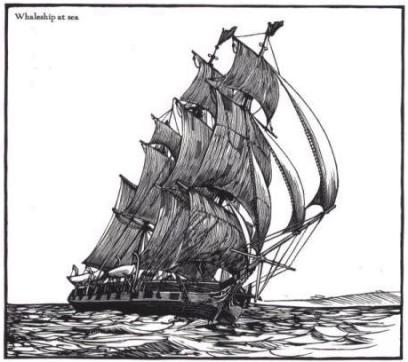
Essex sailed down the coast of South America, rounding the Horn and entering the Pacific Ocean. There they heard that the whaling grounds near Chile and Peru were exhausted so they sailed for the “offshore grounds”, almost 2,000 miles from the nearest land.
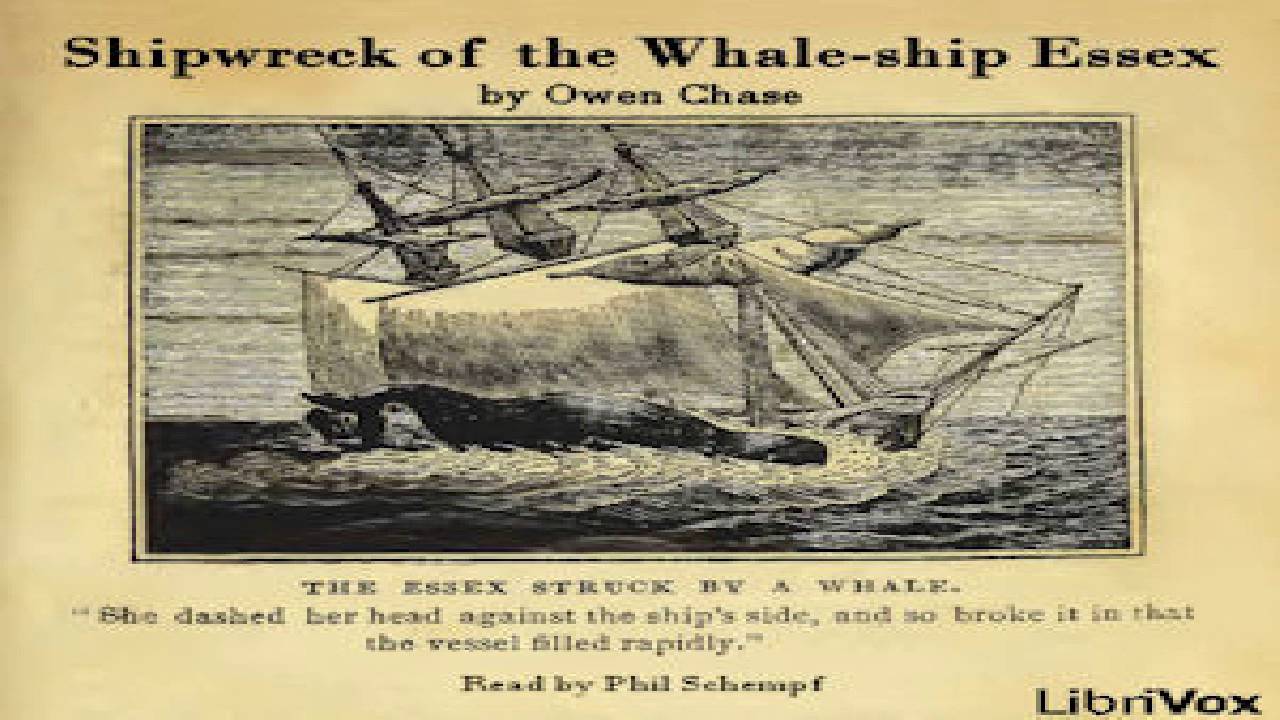
That’s exactly where they were there on November 20, 1820, with two of Essex’ three boats out hunting whales. The lookout spotted a huge bull sperm whale, behaving oddly, lying motionless on the surface with his head facing the ship. He was a large animal, much larger than most, estimated at 85 feet long and 80 tons. In moments, he began to move. Picking up speed it soon became clear, this beast was charging the ship.
The powerful tail churned the water to froth as the great beast closed the distance, striking the port side so hard, it shook the ship.
Never in the history of the whale fishery had a whale been known to attack a ship unprovoked. What was happening now was unmistakable.
The huge animal seemed dazed at first by the impact, floating to the surface and resting near the ship’s side. He then turned and swam away for several hundred yards before turning to resume the attack. He came in at the great speed of 24 knots according to First Mate Owen Chase, ramming the port bow and driving the stern into the water. Oak planking cracked and splintered as the whale worked his tail up and down, driving the 238-ton vessel backward. Essex had already started to go down when the whale broke off his attack, diving below the surface, never to return.

Captain George Pollard’s boat was the first to make it back. Staring in disbelief, Pollard asked “My God, Mr. Chase, what is the matter?” The first mate replied: “We have been stove by a whale”.
The whale ship Essex was dying. No force on earth could save her. The crew divided into groups of seven and boarded the three boats. It wasn’t long before Essex sank out of sight. 21 men now alone, stranded in 28-foot open boats, about as far from land as it was mathematically possible to be.
The whalers believed that cannibals inhabited the Marquesa islands, 1,200 miles to the west. So they headed south, parallel to the coast of South America. Before the ordeal was over, they themselves were destined to become the cannibals.
With good winds, they might reach the coast of Chile in 56 days. There were enough rations to last 60 provided they were distributed at starvation levels, but much of it turned out to be ruined, by salt water. There was a brief reprieve in December, when the three small boats landed on a small island in the Pitcairn chain. There they were able to get their fill of birds, eggs, crabs, and peppergrass. Within a week the island was stripped clean. The men decided to move on save for three who refused to get back in the boats and were left behind.
None of them knew it but this was Henderson Island, only 104 miles from Pitcairn Island where survivors from the 1789 Mutiny on HMS Bounty had managed to survive for the past 36 years.
After two months at sea, the boats had long separated from one another. Starving men were beginning to die and the survivors came to an unthinkable conclusion. They would have to eat their own dead.
When those were gone, the survivors drew lots to see who would die, that the others might live. Captain Pollard’s 17-year-old cousin Owen Coffin, whom he had sworn to protect, drew the black spot. Pollard protested, offering to take his place, but the boy declined. “No”, he said, “I like my lot as well as any other.” Again, lots were drawn to see who would be Coffin’s executioner. Owen’s friend, Charles Ramsdell, drew the black spot.
On February 18, the British whaleship Indian spotted a boat containing Owen Chase, Benjamin Lawrence and Thomas Nickerson. It was 90 days sink Essex sank out of sight. Five days later, the Nantucket whaleship Dauphin pulled alongside another boat, to find Captain Pollard and Charles Ramsdell inside. The pair was so far gone they didn’t even notice at first, gnawing on the bones of their comrades.
The three left on Henderson Island were later rescued. The third whaleboat was found beached on a Pacific island several years later, with four skeletons on board.

The Essex was the first ship recorded to have been sunk by a whale, though she would not be the last. The Pusie Hall was attacked in 1835. The Lydia and the Two Generals were both attacked by whales a year later. The Pocahontas and the Ann Alexander were sunk by whales in 1850 and 1851.
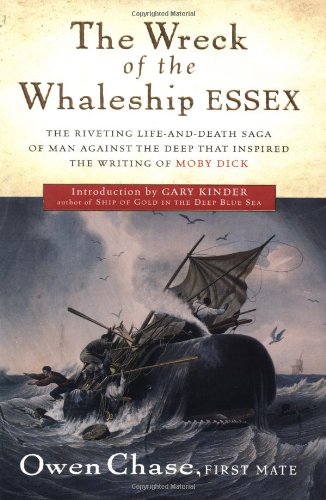
31 years after the Essex’ sinking a sailor turned novelist published his sixth work, beginning with these words: “Call me Ishmael”.

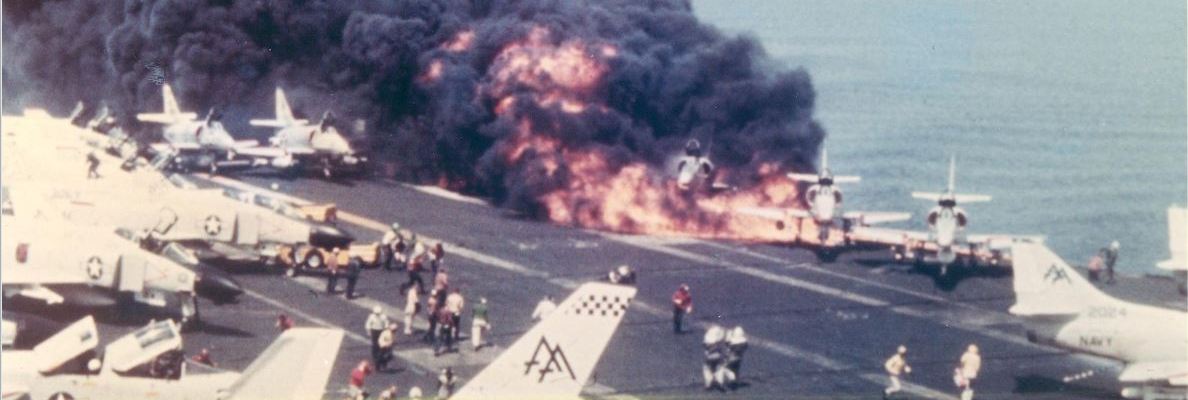
 These older bombs were way past their “sell-by” date, having spent the better part of the last ten years in the heat and humidity of Subic Bay depots. Ordnance officers wanted nothing to do with the Fat Boys, with their rusting shells leaking paraffin, and rotted packaging. Some had production date stamps as early as 1953.
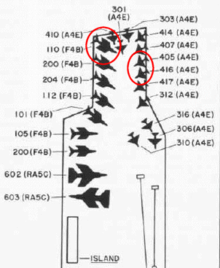 In addition to the bombs, ground attack aircraft were armed with 5″ “Zuni” unguided rockets, carried four at a time in under-wing rocket packs. Known for electrical malfunctions and accidental firing, standard Naval procedure required electrical pigtails to be connected, at the catapult.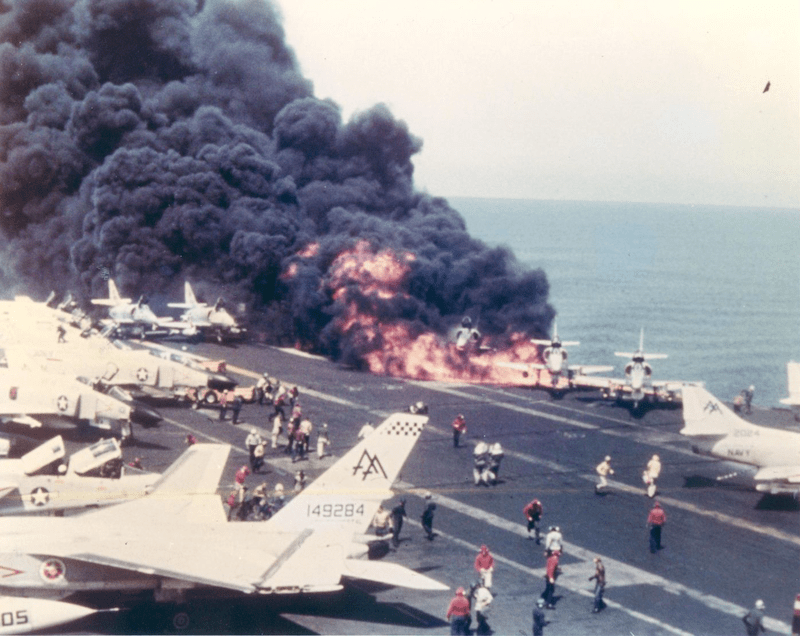


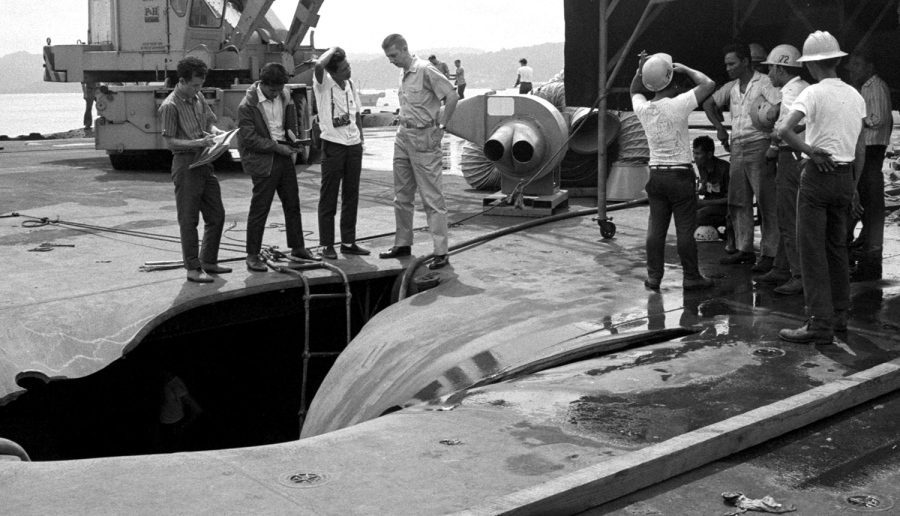 Gary Childs of Paxton Massachusetts, my uncle, was among the hundreds of sailors and marines who fought to bring the fire under control. Gary was below decks when the fire broke out, leaving moments before his quarters were engulfed in flames. Only by that slimmest of margins did any number of sailors aboard the USS Forrestal, escape being #135.
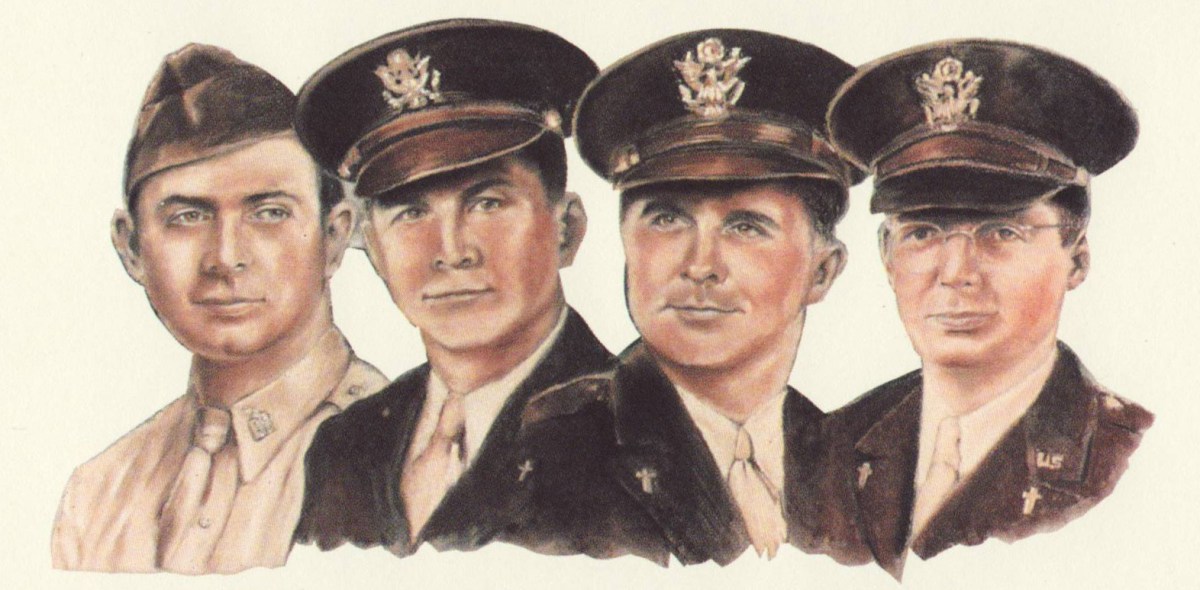
 German submarine wolf packs had already sunk several ships in these waters. Late on the night of February 2, one of the Cutters flashed flashed the light signal “we’re being followed”.
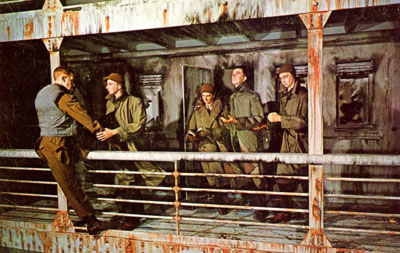 Those who could escape scrambled onto the deck, injured, disoriented, many still in their underwear as they emerged into the cold and darkness.
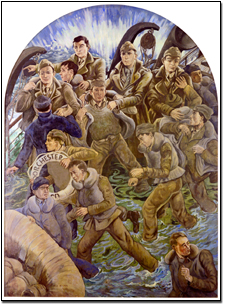 Dorchester was listing hard to starboard and taking on water fast, with only 20 minutes to live. Port side lifeboats were inoperable due to the ship’s angle. Men jumped across the void into those on the starboard side, overcrowding some to the point of capsize. Only two of fourteen lifeboats launched successfully.
 Rushing back to the scene, coast guard cutters found themselves in a sea of bobbing red lights, the water-activated emergency strobe lights of individual life jackets. Most marked the location of corpses. Of the 904 on board, the Coast Guard plucked 230 from the water, alive.
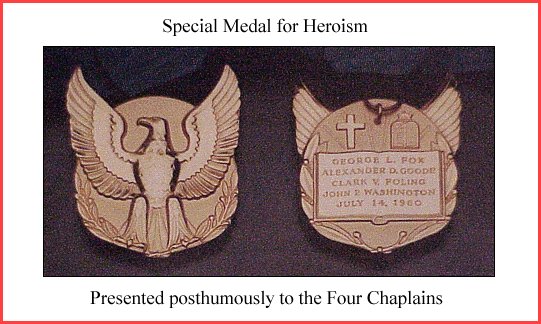 John 15:13 teaches us, “Greater love hath no man than this, that a man lay down his life for his friends”. Rabbi Goode did not call out for a Jew when he gave away his only hope for survival, Father Washington did not ask for a Catholic. Neither minister Fox nor Poling asked for a Protestant. Each gave his life jacket to the nearest man.



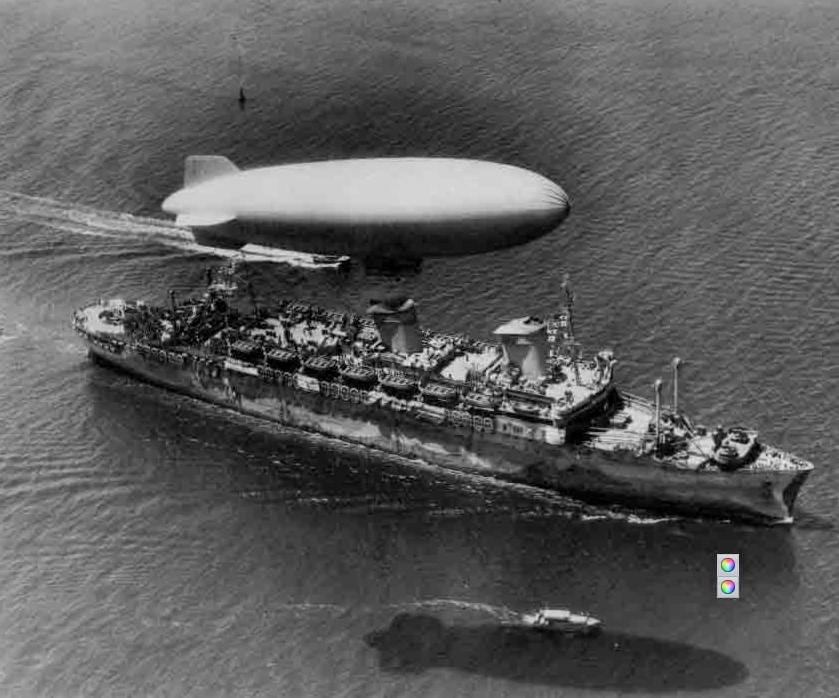 During her service to the United States Navy, West Point was awarded the American Defense Service Medal, American Campaign Medal, European-African-Middle Eastern Campaign Medal, Asiatic-Pacific Campaign Medal, and World War II Victory Medal.
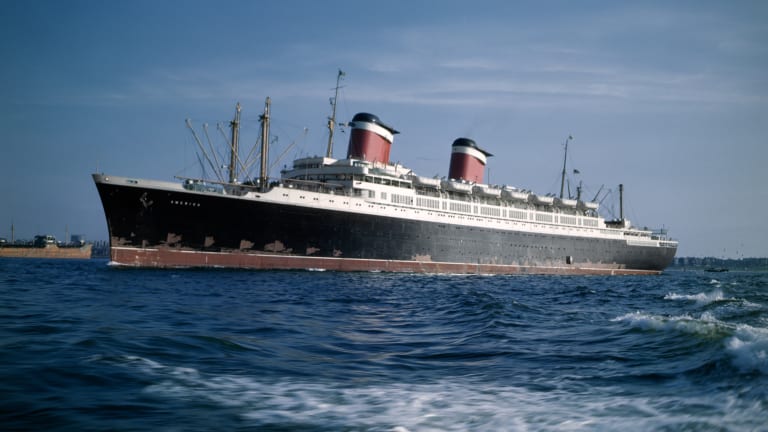 She was in terrible condition and her refit nowhere near complete when America set sail on her first cruise on June 30, 1978. There was rusted metal, oil soaked rags and backed up sewage. There were filthy mattresses and soiled linens. One woman later said, she was a “floating garbage can.” The angriest of customers actually got into fist fights with members of the crew. There were so many complaints the ship finally turned back, still within sight of the Statue of Liberty.
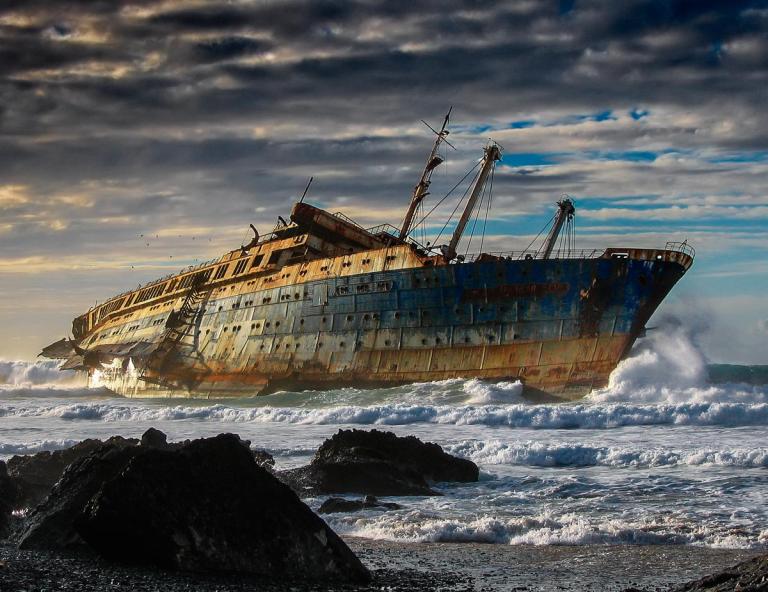
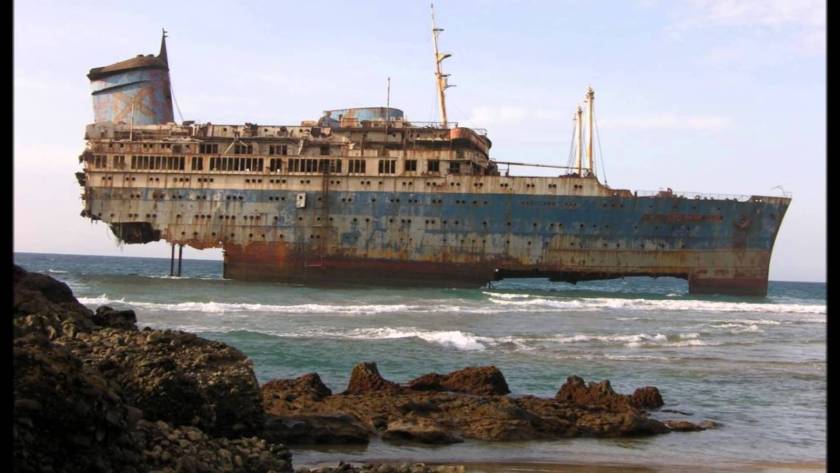
 Sold yet again in 1993 and renamed the American Star, the new owners planned to convert her to a five-star hotel ship off Phuket, Thailand. A planned 100 day tow began on New Year’s Eve of 1993, but the lines broke. On January 17, 1994, the former SS America was adrift in foul seas, running aground in the Canary Islands the following day. Discussions of salvage operations were soon squashed, as the ship broke in two in the pounding surf.
 The National WWII Museum in New Orleans reports on its website that the men and women who fought and won the great conflict are now passing at a rate of 550 per day. How many, I wonder, might think back and remember passage on the most successful troop transport of their day.
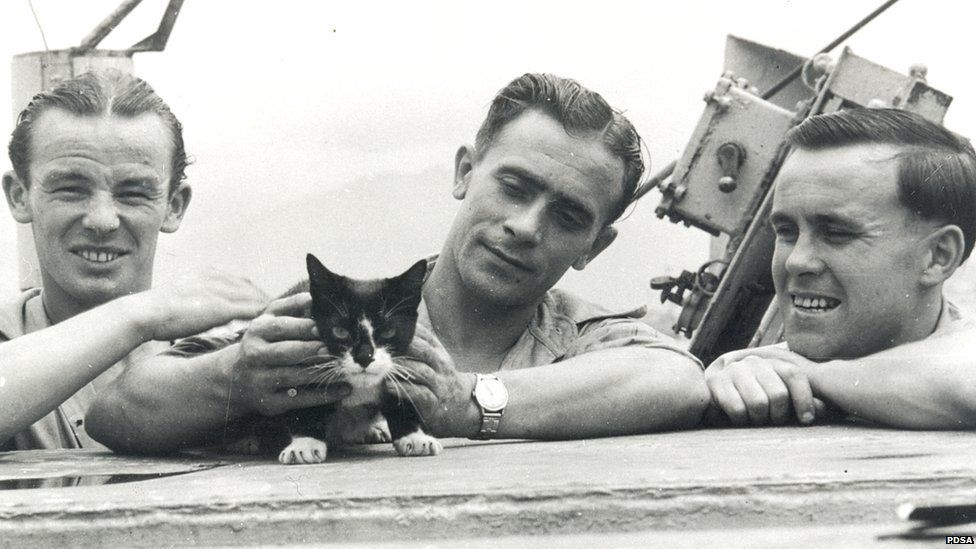
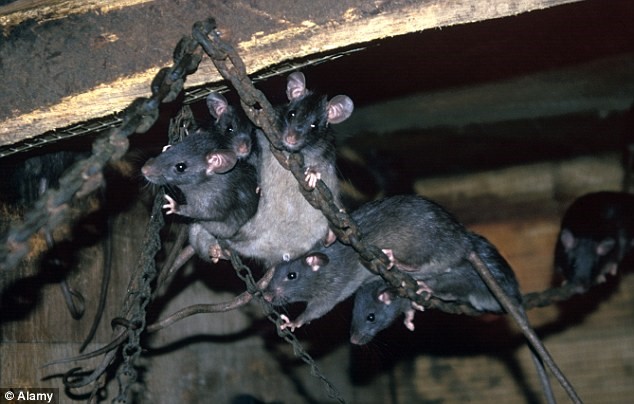
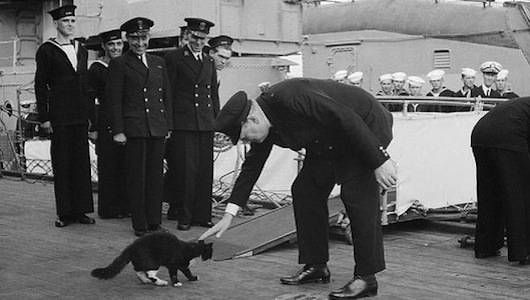
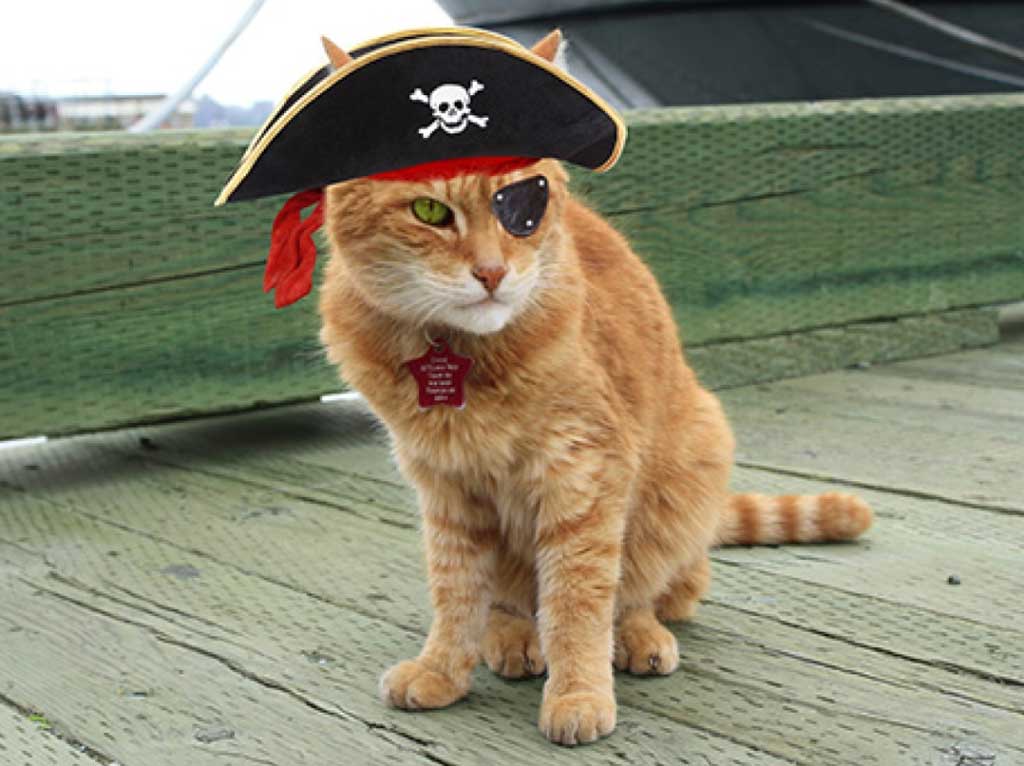
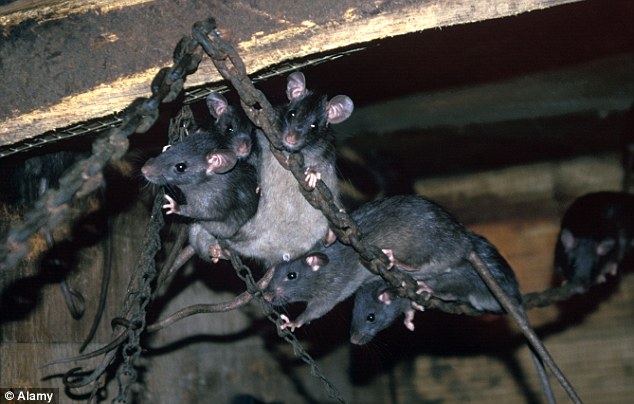
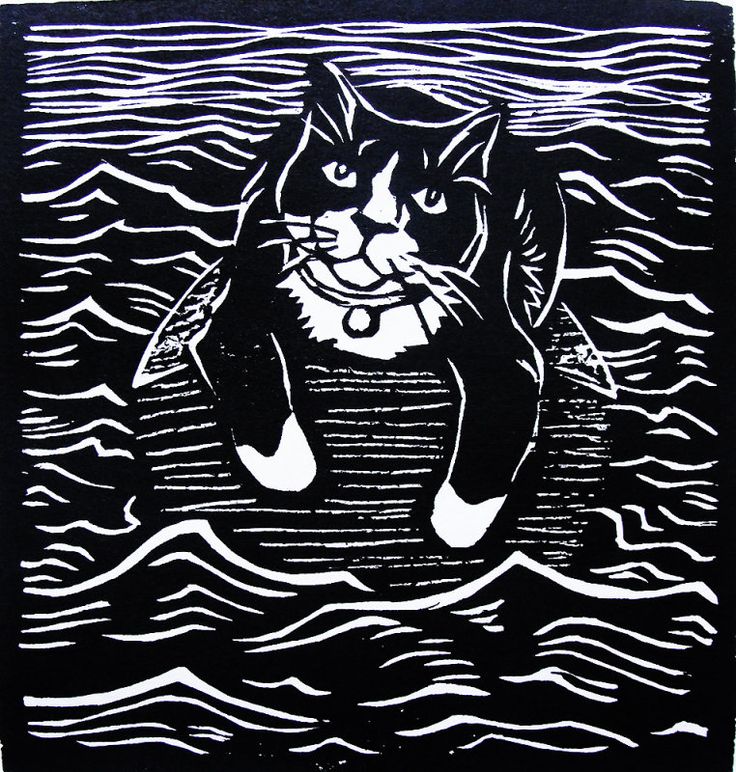
 Simon earned the admiration of the Amethyst crew, with his prowess as a rat killer. Seamen learned to check their beds for “presents” of dead rats while Simon himself could usually be found, curled up and sleeping in the Captain’s hat.

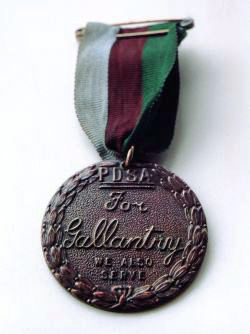 All but unseen amidst the economic devastation of World War 1, the domesticated animals of Great Britain were in desperate straits. Turn-of-the-century social reformer Maria Elizabeth “Mia” Dickin founded the People’s Dispensary for Sick Animals (PDSA) in 1917, working to lighten the dreadful state of animal health in Whitechapel, London. To this day, the PDSA is one of the largest veterinary charities in the United Kingdom, conducting over a million free veterinary consultations, every year.


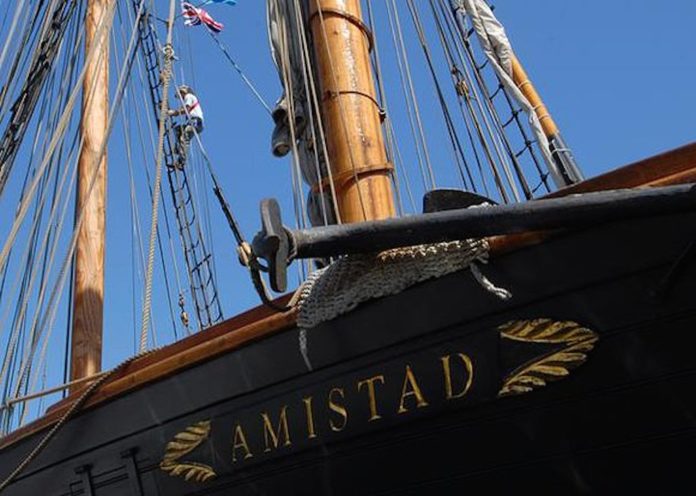

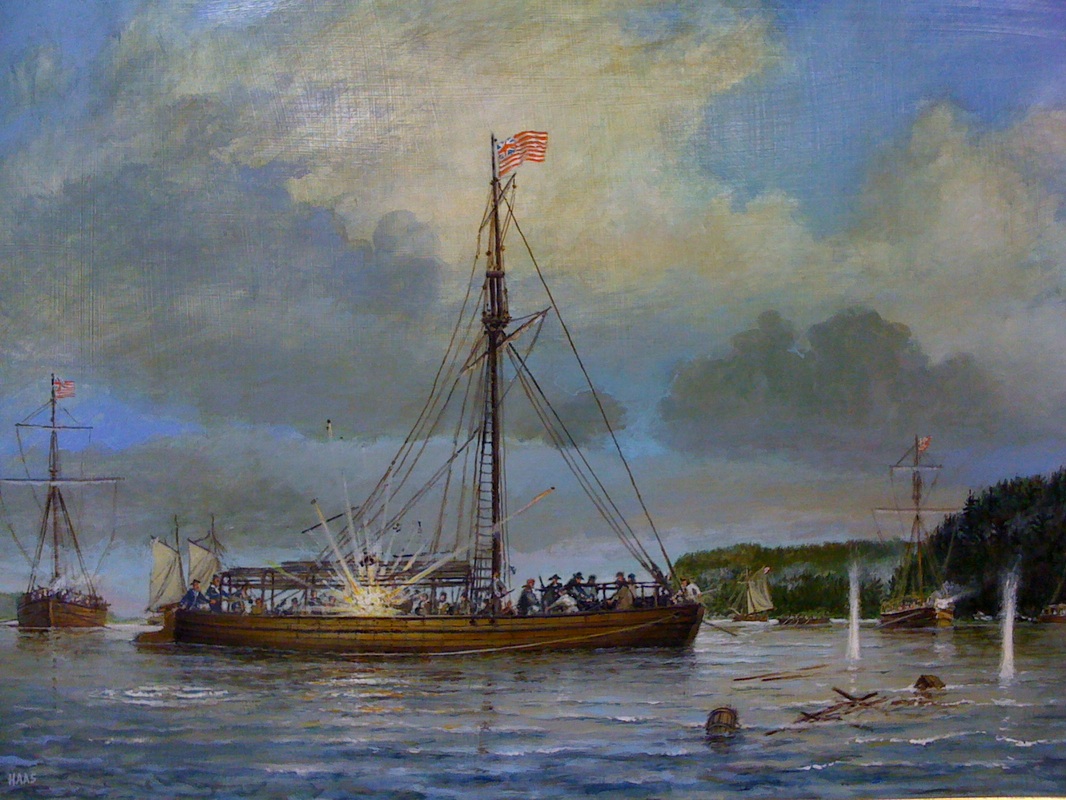


 Hermanus Schuyler oversaw the effort, while military engineer Jeduthan Baldwin was in charge of outfitting. Gates asked General Benedict Arnold, an experienced ship’s captain, to spearhead the effort, explaining “I am intirely uninform’d as to Marine Affairs”.
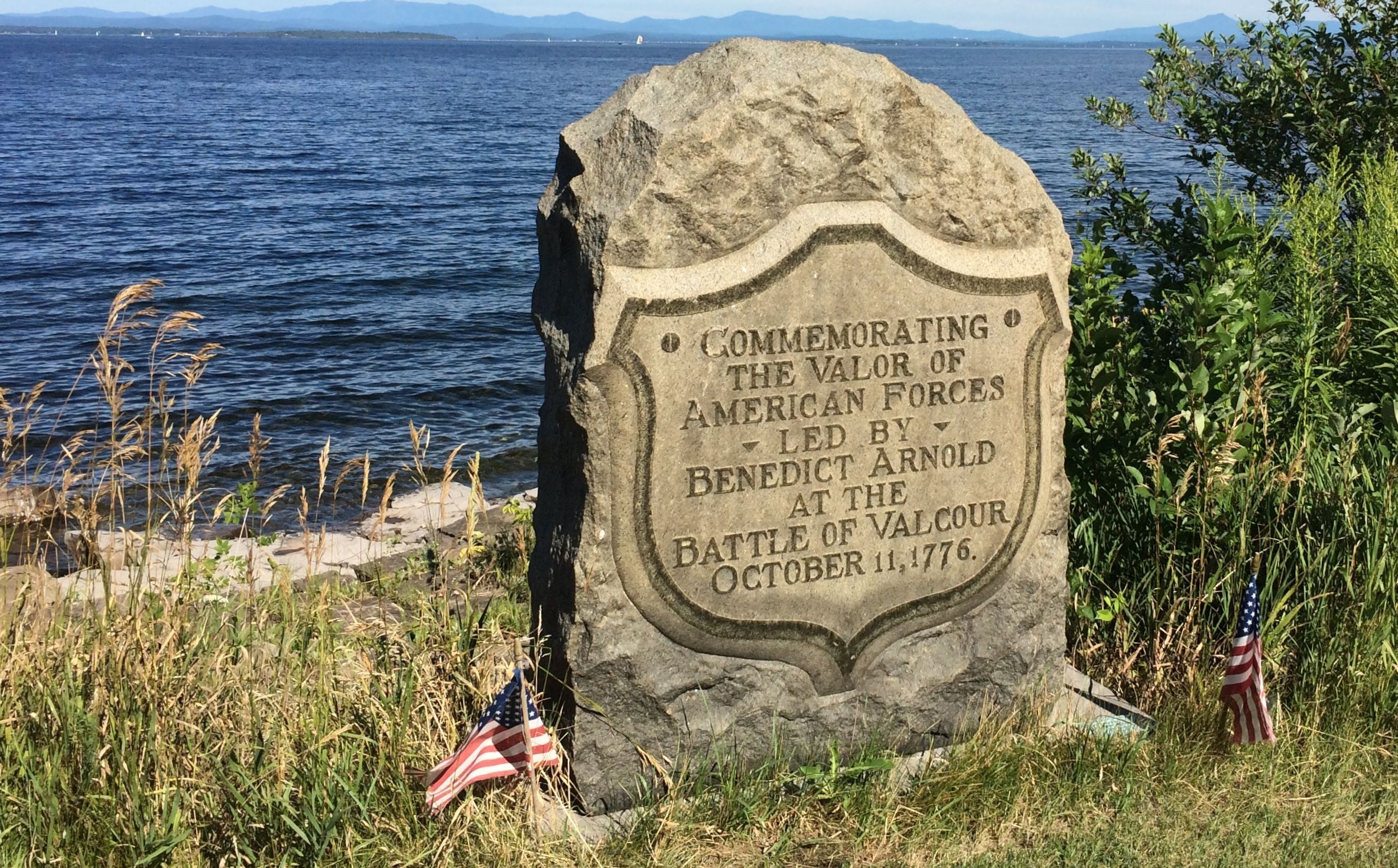
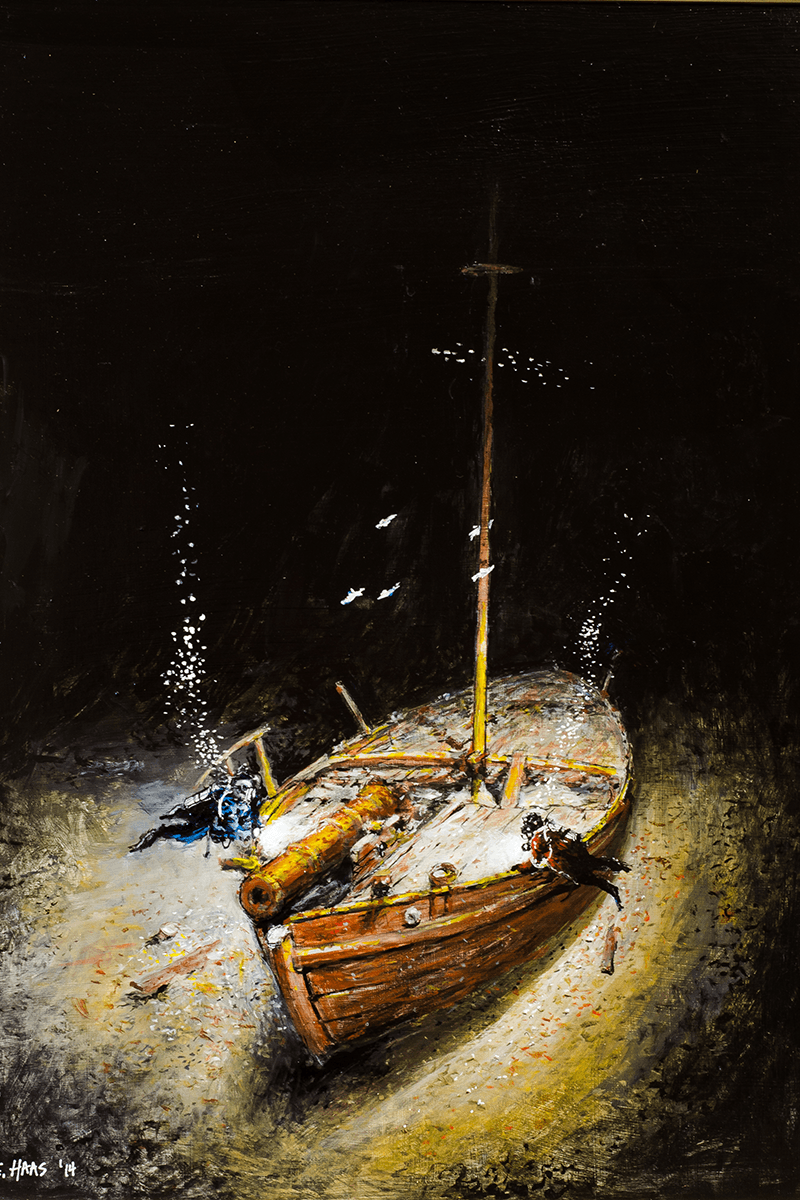
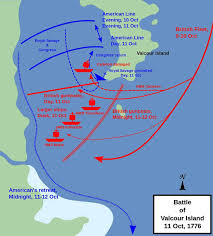 As the two sides closed in the early days of October, General Arnold knew he was at a disadvantage. The element of surprise was going to be critical. Arnold chose a small strait to the west of Valcour Island, where he was hidden from the main part of the lake. There he drew his small fleet into a crescent formation, and waited.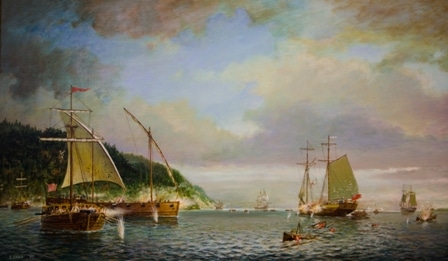





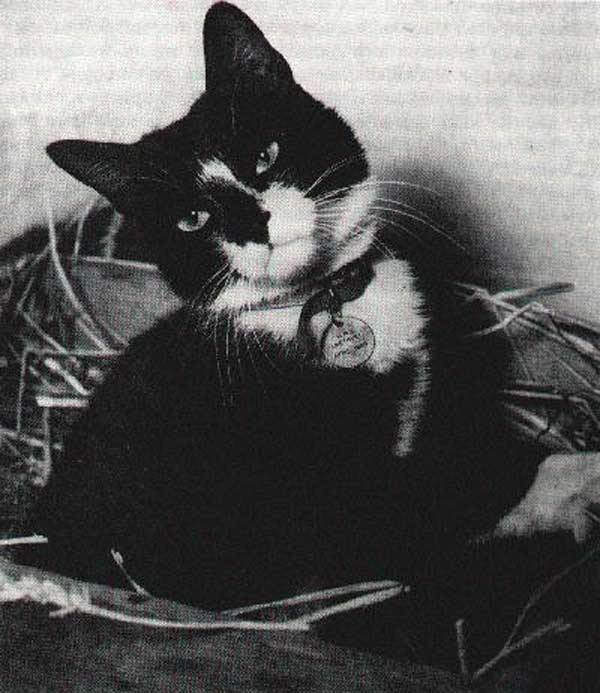
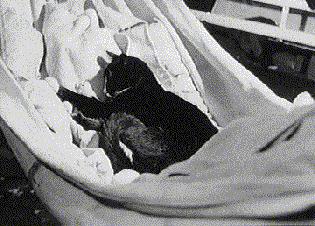 Amethyst returned fire but it wasn’t long before she was disabled, run aground with most of her guns too high to return fire. The first salvo from the Communist guns exploded in the Captain’s quarters, mortally wounding Commander Skinner and badly injuring the ship’s cat.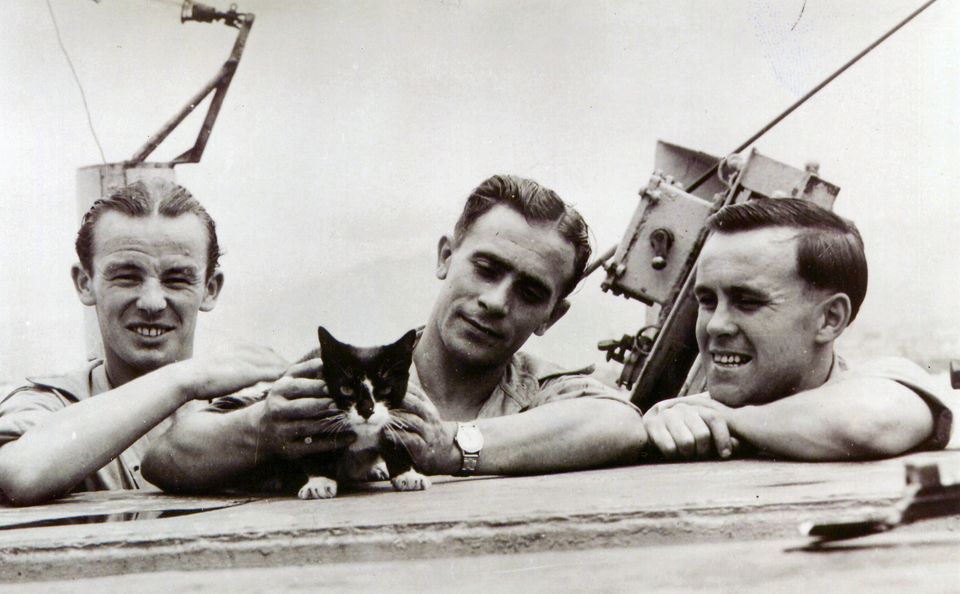
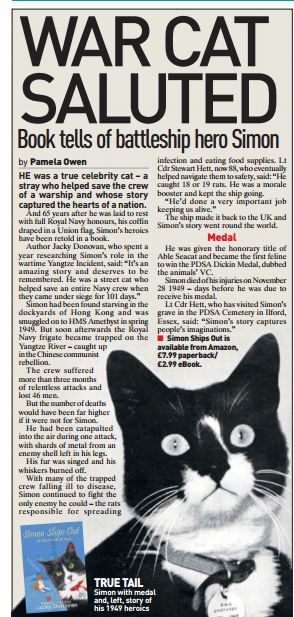 The Amethyst incident resulted in the death of 47 British seamen with another 74, wounded. HMS Amethyst herself sustained heavy damage in the episode. The heavy cruiser HMS London, the destroyer HMS Consort and the sloop HMS Black Swan were also damaged.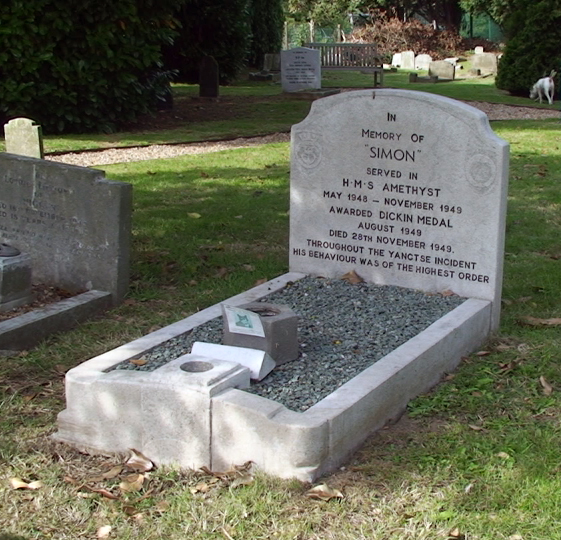






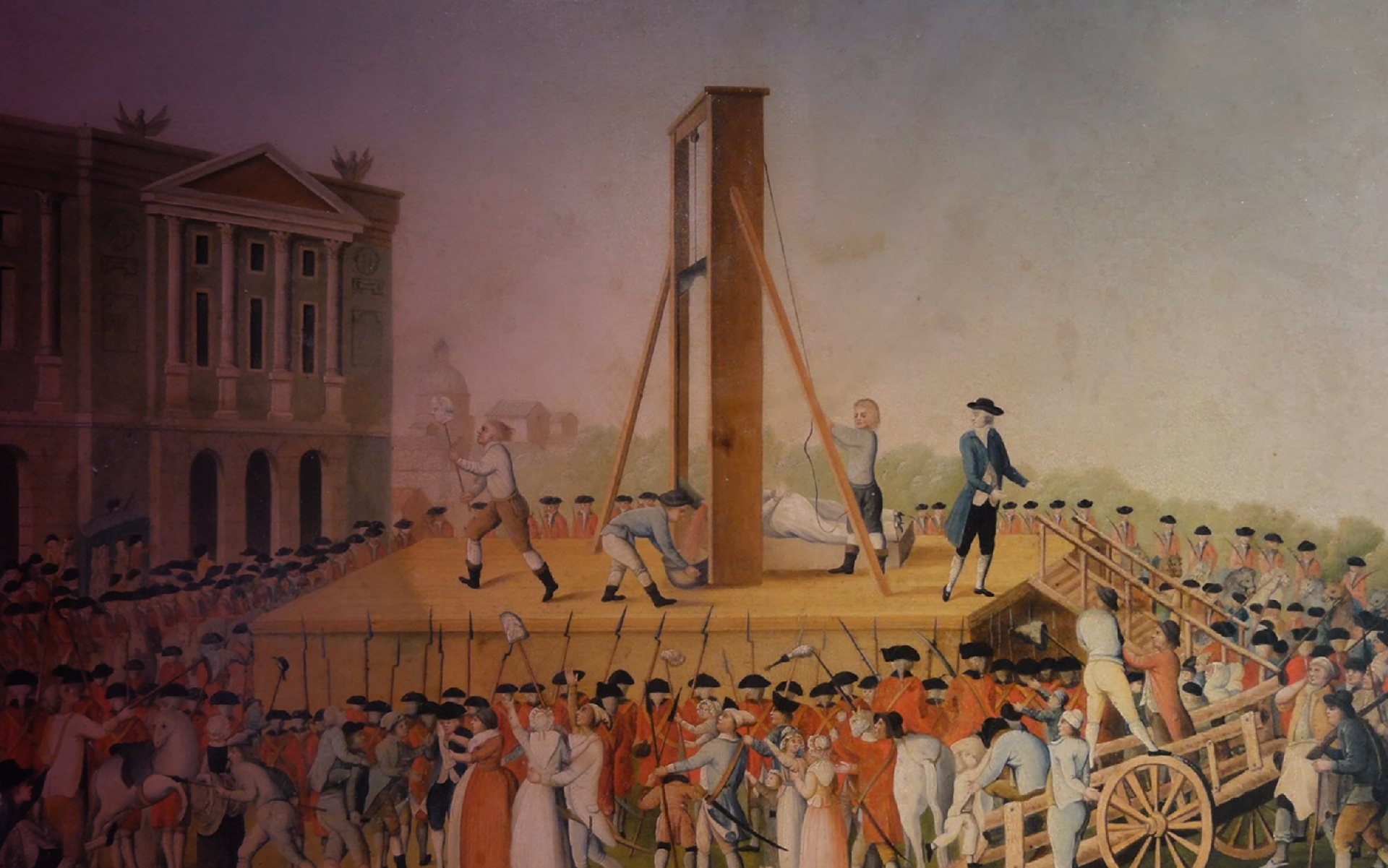 The monarchical powers of Europe were quick to intervene. For the 32nd time since the Norman invasion of 1066, England and France once again found themselves in a state of war.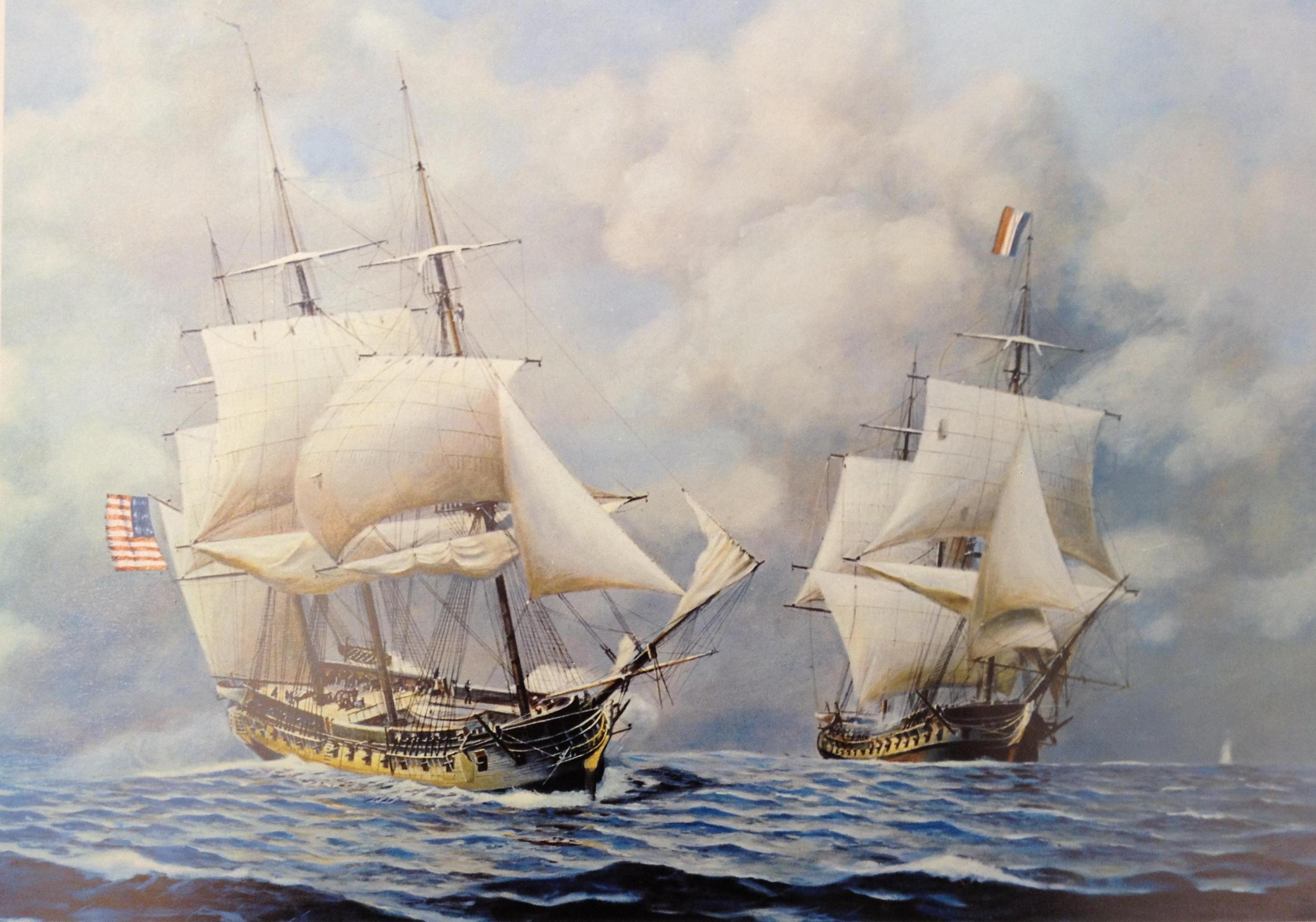



You must be logged in to post a comment.