

The SS Eastland was a passenger steamship based in Chicago, used for tours of the inland waterways and Great Lakes areas around the city. Eastland’s design was top heavy and made her subject to listing, a problem that plagued the ship from her christening in 1903. Embarking passengers would crowd along the rail to wave goodbye, several times having to be herded across the decks to reduce the list. Once, she even started to take on water at the main gangplank.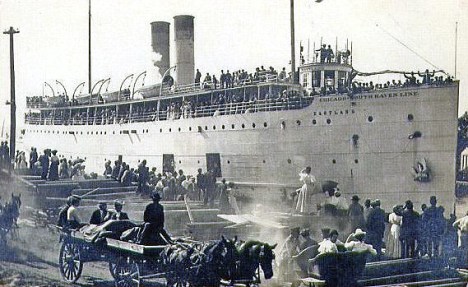
Special passenger restrictions were imposed on Eastland, which seemed to help until 1914, when Woodrow Wilson’s administration passed strict lifeboat legislation in the wake of the RMS Titanic disaster.
The ironic part is that the weight of additional lifeboats is probably what doomed the already top-heavy Eastland to disaster.
It was July 24, 1915, when Eastland and two other Great Lakes passenger steamers, the Theodore Roosevelt and the Petoskey, were chartered to take Western Electric employees to a picnic in Michigan City, Indiana. Eastland was docked on the south bank of the Chicago River, between Clark and LaSalle, near the site of the present day Merchandise Mart. Passengers began boarding around 6:30am. By 7:10 the ship had reached its full capacity of 2,572 passengers.
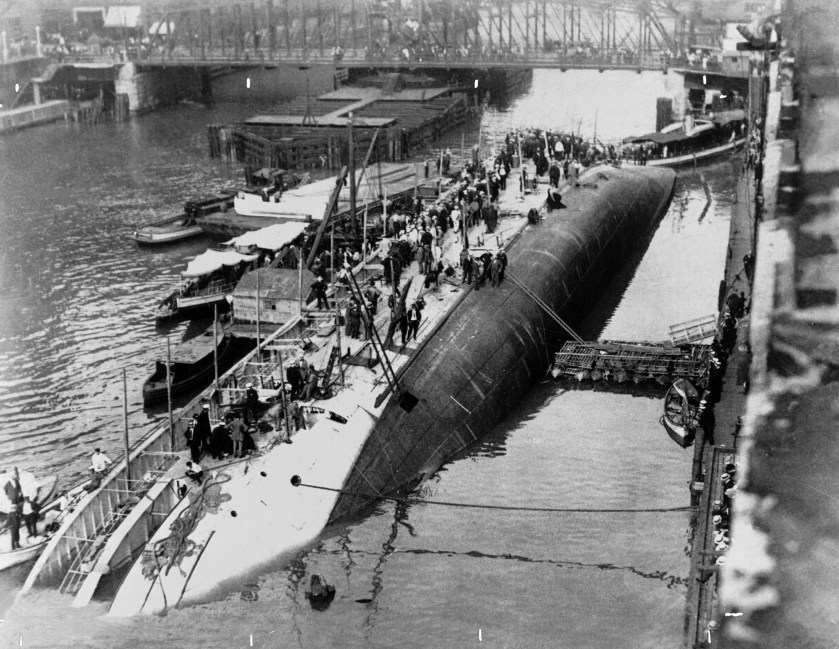
A number of passengers went below decks to get out of the chill, but hundreds stayed out on the upper decks, excited about the day ahead. The port side list away from the dock, had set in early in the boarding process, and crew members began to pump water into the starboard ballast tanks to stabilize the ship. Something interesting must have happened on the river at 7:28, causing a number of passengers to rush to the port side rail.
Novelist Jack Woodford witnessed what happened next, describing it in his autobiography: “And then movement caught my eye. I looked across the river. As I watched in disoriented stupefaction a steamer large as an ocean liner slowly turned over on its side as though it were a whale going to take a nap. I didn’t believe a huge steamer had done this before my eyes, lashed to a dock, in perfectly calm water, in excellent weather, with no explosion, no fire, nothing. I thought I had gone crazy”. Hundreds were trapped below decks, others were crushed under heavy bookcases, pianos and tables.
Another vessel, the Kenosha, pulled alongside almost immediately. Several passengers were able to jump directly onto her decks, others were rescued at the wharf, only 20′ away. Hundreds were beyond saving.
 Temporary morgues were set up in area buildings for the identification of the dead; including what is now the sound stage for The Oprah Winfrey Show, Harpo Studios, and the location of the Chicago Hard Rock Cafe.
Then-20-year-old George Halas was scheduled to be on the Eastland, but he was late and showed up after the capsize. 844 passengers and four crew members lost their lives in the disaster, but Eastland herself would have a second life. She was raised from the bottom, converted to a gun boat, and stationed at the Great Lakes Naval Reserve, re-christened USS Wilmette.
Wilmette saw no combat service in WWI, though she was given the task of sinking UC-97, a German U-Boat surrendered to the US after WWI. Wilmette’s guns were manned by Gunner’s Mate J.O. Sabin, who had fired the first American shell in WWI, and Gunner’s Mate A.F. Anderson, the man who fired the first American torpedo of the war.
Wilmette would serve once again as a training ship in WWII, and sold for scrap on Halloween day, 1946.

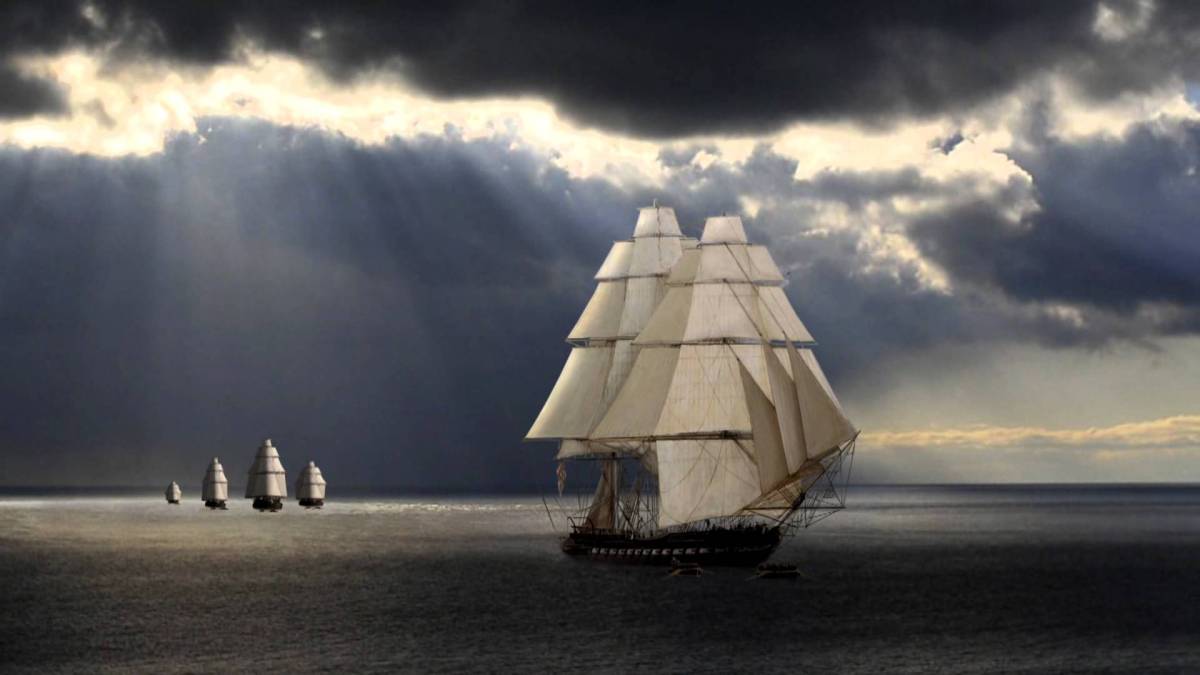
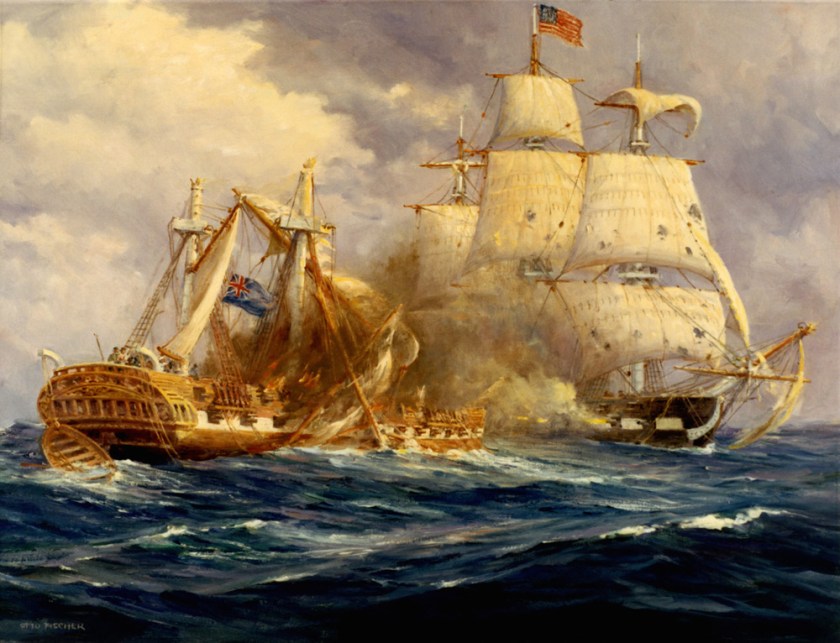



 Semmes would recover from his wounds, returning to the war ravaged South via Cuba in February, 1865. That April, he would supervise the destruction of all Confederate warships in the vicinity, following the fall of Richmond. Semmes’ former command fought on as “the Naval brigade”, Semmes himself appointed Brigadier General, though the appointment would never be confirmed. The Confederate Senate had ceased to exist.
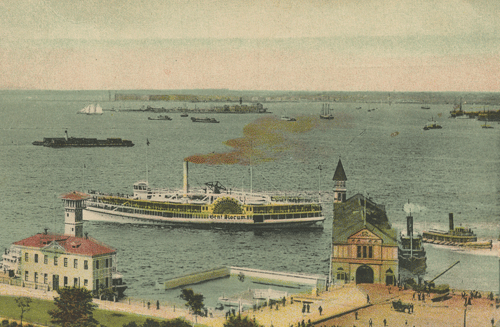
 It was 9:30 on a beautiful late spring morning when the sidewheel passenger steamboat General Slocum, left the dock and steamed into New York’s East River.




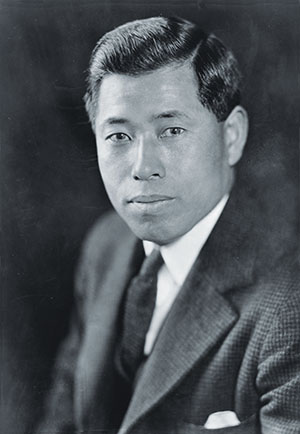 Isoroku Takano was born in Niigata, the son of a middle-ranked samurai of the Nagaoka Domain. His first name “Isoroku”, translating as “56”, refers to his father’s age at the birth of his son. At this time, it was common practice that samurai families without sons would “adopt” suitable young men, in order to carry on the family name, rank, and the income that came with it. The young man so adopted would carry the family name. So it was that Isoroku Takano became Isoroku Yamamoto in 1916, at the age of 32.
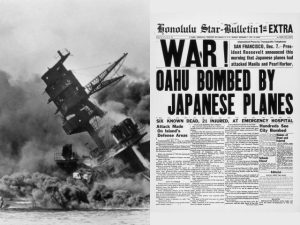 Many believed that Yamamoto’s career was finished when his old adversary Hideki Tōjō ascended to the Prime Ministership in 1941. Yet there was none better to run the combined fleet. When the pro-war faction took control of the Japanese government, he bowed to the will of his superiors. It was Isoroku Yamamoto who was tasked with planning the attack on Pearl Harbor.
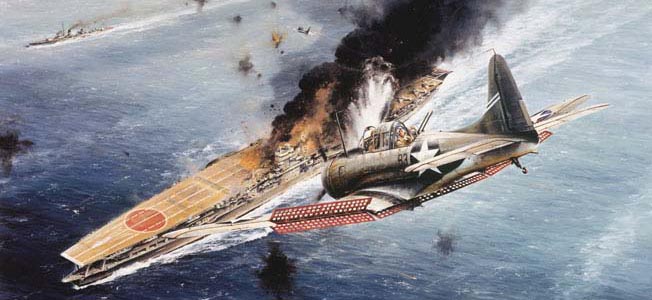 American carrier based Torpedo bombers were slaughtered in their attack, with 36 out of 42 shot down. Yet Japanese defenses had been caught off-guard, their carriers busy rearming and refueling planes when American dive-bombers arrived.
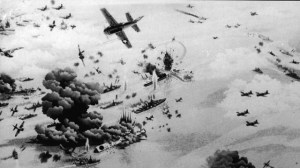 Midway was a disaster for the Imperial Japanese navy. The carriers Akagi, Kaga, Soryu and Hiryu, the entire strength of the task force, went to the bottom. The Japanese also lost the heavy cruiser Mikuma, along with 344 aircraft and 5,000 sailors. Much has been made of the loss of Japanese aircrews at Midway, but two-thirds of them survived. The greater long term disaster, may have been the loss of all those trained aircraft mechanics and ground crew who went down with their carriers.
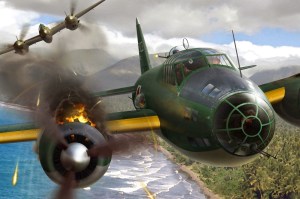 tour throughout the South Pacific. US naval intelligence intercepted and decoded his schedule. The order for “Operation Vengeance” went down the chain of command from President Roosevelt to Secretary of the Navy Frank Knox to Naval Operations Admiral Ernest King to Admiral Chester Nimitz at Pearl Harbor. Sixteen Lockheed P-38 Lightnings, the only fighters capable of the ranges involved, were dispatched from Guadalcanal on April 17 with the order: “Get Yamamoto”.
 intercepted over Rabaul on April 18, 1943. Knowing only that his target was “an important high value officer”, 1st Lieutenant Rex Barber opened up on the first Japanese transport until smoke billowed from its left engine. Yamamoto’s body was found in the wreckage the following day with a .50 caliber bullet wound in his shoulder, another in his head. He was dead before he hit the ground.





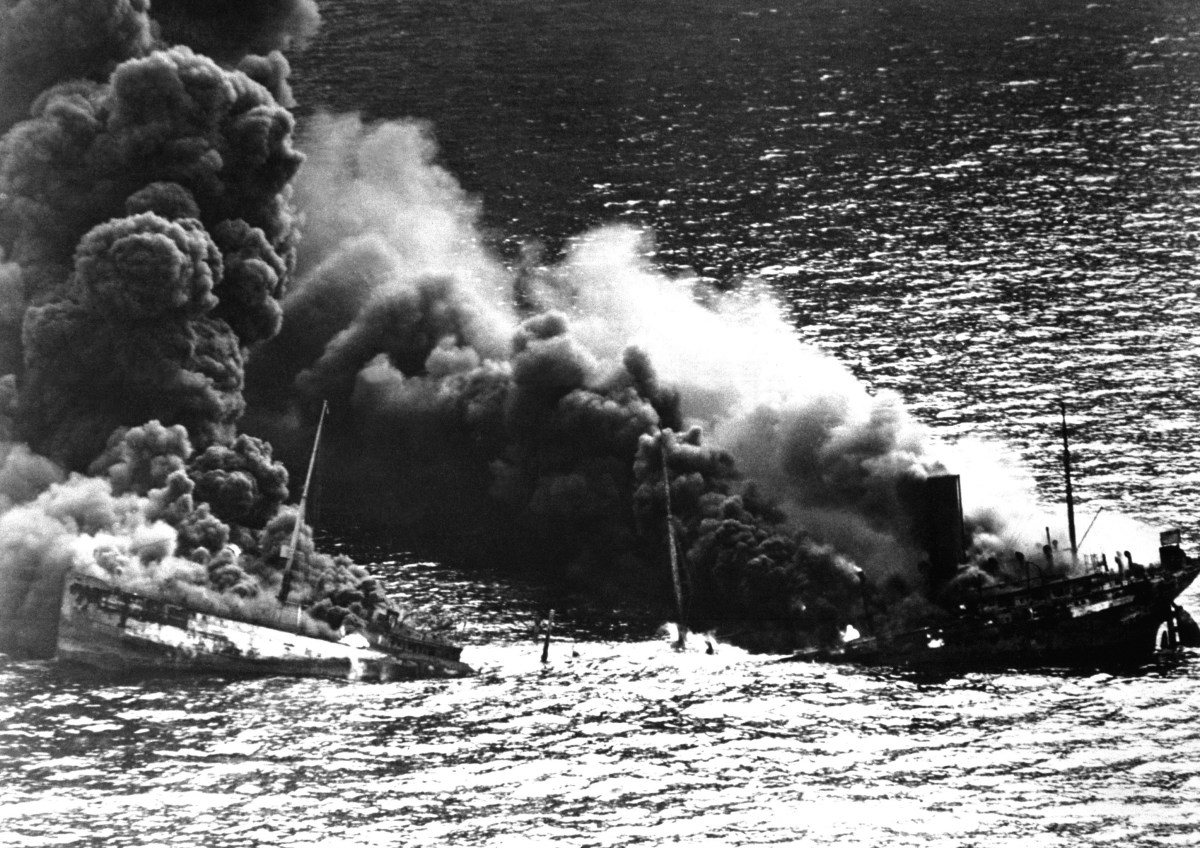
 Atlantic. On the 25th the Polish-British Common Defense Pact was added to the Franco-Polish Military Alliance. Should Poland be invaded by a foreign power, England and France were now committed to intervene.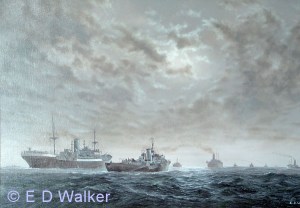
 ship encounters unfolding across a theater thousands of miles wide. According to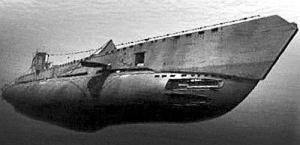
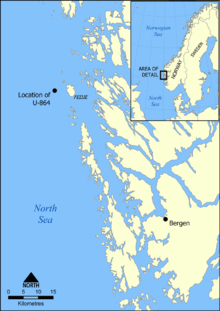 Norway, for repairs after running aground in the Kiel Canal. The sub was able to clear the island of Fedje off the Norway coast undetected on February 6. By this time British MI6 had broken the German Enigma code. They were well aware of Operation Caesar.
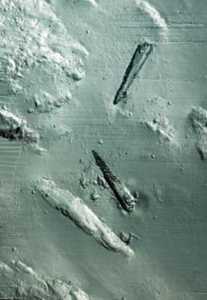 A four dimensional firing solution accounting for time, distance, bearing and target depth was theoretically possible, but had rarely been attempted under combat conditions. Plus, there were unknown factors which could only be approximated.


You must be logged in to post a comment.