

When it comes to American politics, it has often been said that “All politics is local”. The saying is commonly associated with former Speaker Tip O’Neill, but the notion goes back, long before his time. When it comes to self-governance, it’s hard to know what could be more local, than the body known as Town Meeting.
The town meeting form of local government is found in parts of the United States, where some localities elect town meeting members, and others where citizens who simply “show up”. The roots go back to 11th century Anglo Saxon England and before, the Old English “moot” or “mot,” deriving from the same root which gave us “meet”. Most often used in “gemot,” meaning “community meeting to discuss public affairs and policies”, this parliamentary forebear was known as the “Witenagemot,” literally “meeting of wise men”.
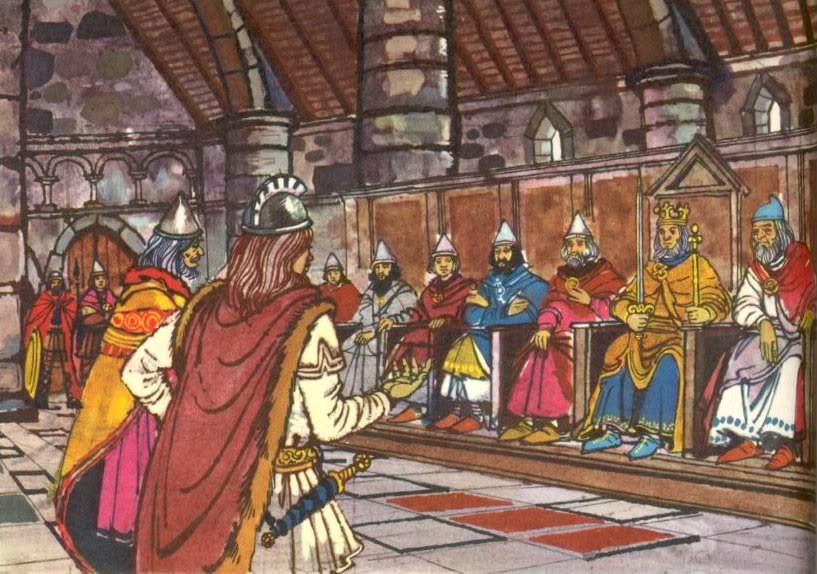
The Basque region of northern Spain has held Town Meeting since the middle ages. Residents of a town would meet at the “Anteiglesia” (“in front of the church”) to vote on local matters, and to elect representatives to the regional assembly. All but the largest 10% of municipalities in Switzerland still use town meetings for their usual legislative body.
Southern American populations were more widely scattered in colonial America, where in New England, shorter distances encouraged regular town meetings, instilling in our forebears the belief that they could (and should) govern themselves.
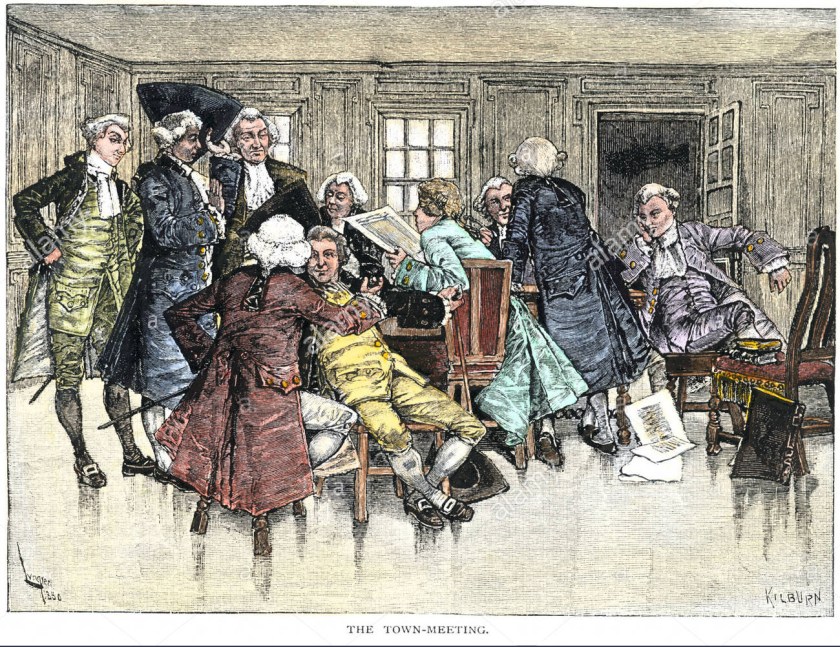
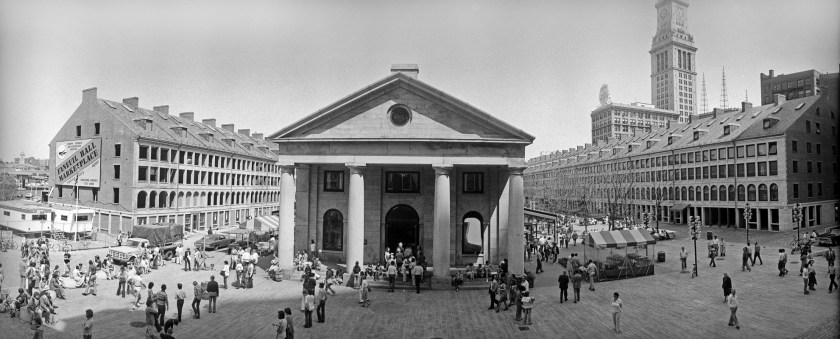
The 1st American town meeting took place on March 14, 1743 in Faneuil Hall, Boston. Faneuil Hall was given to the city by the merchant Peter Faneuil in 1742. Destroyed by fire in 1761, the place was rebuilt the following year. It was here that colonists gathered to protest the Sugar Act in 1764, and here where you may have first heard the protest, “no taxation without representation.” Faneuil Hall became the scene of Revolutionary meetings, today this Birthplace of the Revolution is described by many as “the cradle of liberty.” Charles Bulfinch enlarged the hall in 1806, and the building is still in use today as a market, gathering place, meeting hall, and living museum.
The southern part of Burlington Vermont was re-chartered in 1971 as the City of South Burlington, the new charter providing that only budget increases of 10% or more annually be placed before town meeting. The results have been predictable and it’s unlikely that there will be any such exceptions in the future.
 Town meetings have been more prevalent in New England states, but not exclusively. Michigan was the first Midwestern state to adopt the system, and Minnesota townships of more than 25 regularly hold town meeting.
The town meeting continues today as a form of direct democratic rule, in which members of a community come together to legislate and direct policy and budgets for local government.
The 19th century naturalist Henry David Thoreau captured the spirit of the age, in comparing town meeting to more top-down styles of government. “On any moral question”, he said, “I would rather have the opinion of Boxboro than of Boston and New York put together… When, in some obscure country town, the farmers come together to a special town-meeting, to express their opinion on some subject which is vexing the land, that, I think, is the true Congress, and the most respectable one that is ever assembled in the United States”.
William F. Buckley, Jr., was rather more pithy, when he said “I am obliged to confess I should sooner live in a society governed by the first two thousand names in the Boston telephone directory than in a society governed by the two thousand faculty members of Harvard University”.
Feature image, top of page: 41 men sign the Mayflower Compact off Provincetown Harbor, the first written framework of self-government, in the New World. November 11, 1620.


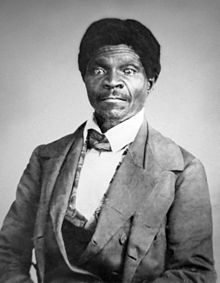
 Dr. Emerson died in 1842, leaving his estate to his wife Eliza, who continued to lease the Scotts out as hired slaves.


 Far-left anarchists mailed no fewer than 36 dynamite bombs to prominent political and business leaders in April 1919, alone. In June, another nine far more powerful bombs destroyed churches, police stations and businesses.
 To this day there are those who describe the period as the “First Red Scare”, as a way to ridicule the concerns of the era. The criticism seems unfair. The thing about history, is that we know how their story ends. The participants don’t, any more than we know what the future holds for ourselves.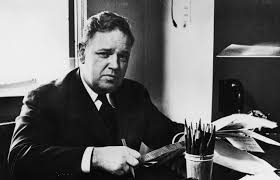
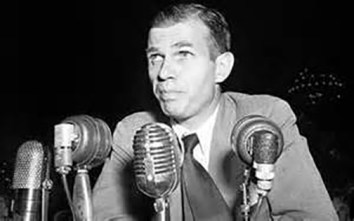
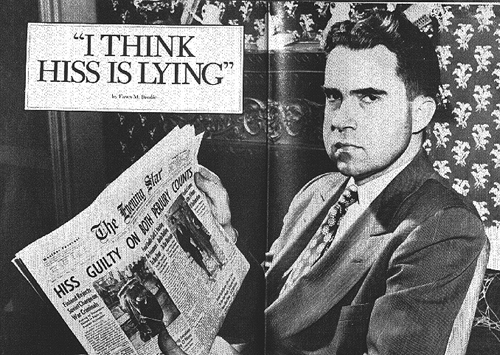
 Before defecting from the Left, Chambers had secreted documents and microfilms, some of which he hid inside a pumpkin at his Maryland farm. The collection was known as the “Pumpkin Papers”, consisting of incriminating documents, written in what appeared to Hiss’ own hand, or typed on his Woodstock no. 230099 typewriter.
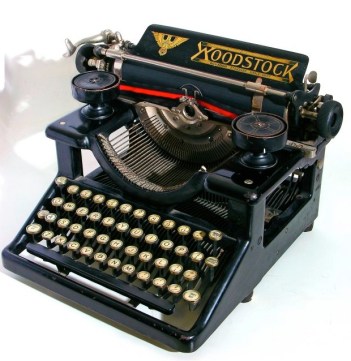 Hiss’ theory never explained why Chambers side needed another typewriter, if they’d had the original long enough to mimic its imperfections with a second.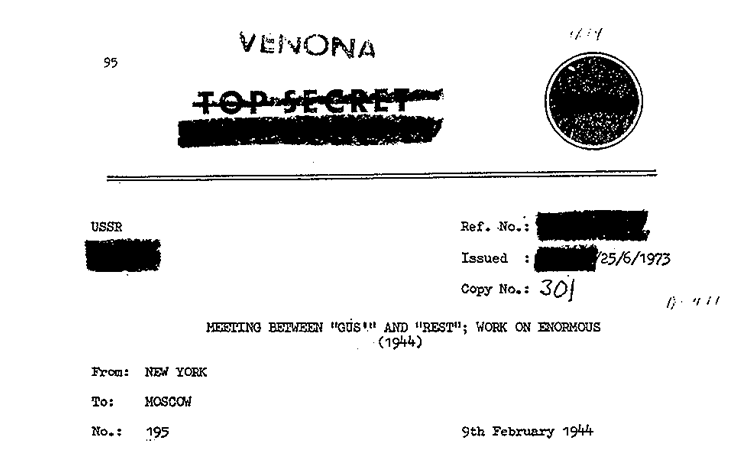


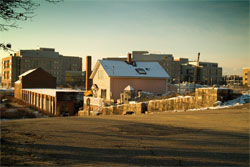
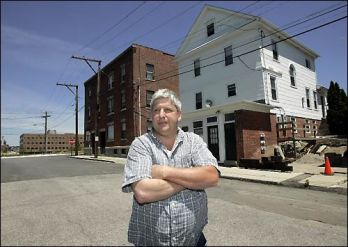

 Eminent domain exists for a purpose, but the most extreme care should be taken in its use. Plaintiffs argued that this was not a “public use”, but rather a private corporation using the power of government to take their homes for economic development, a violation of both the takings clause of the 5th amendment and the due process clause of the 14th.
 Clarence Thomas took an originalist view, stating that the majority opinion had confused “Public Use” with “Public Purpose”. “Something has gone seriously awry with this Court’s interpretation of the Constitution“, Thomas wrote. “Though citizens are safe from the government in their homes, the homes themselves are not“. Antonin Scalia concurred, seeing any tax advantage to the municipality as secondary to the taking itself.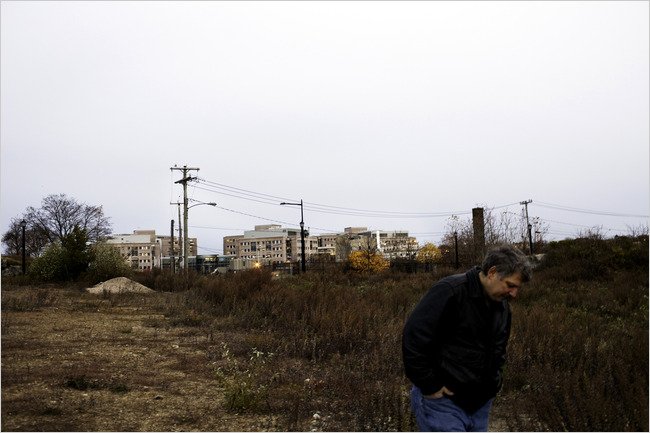

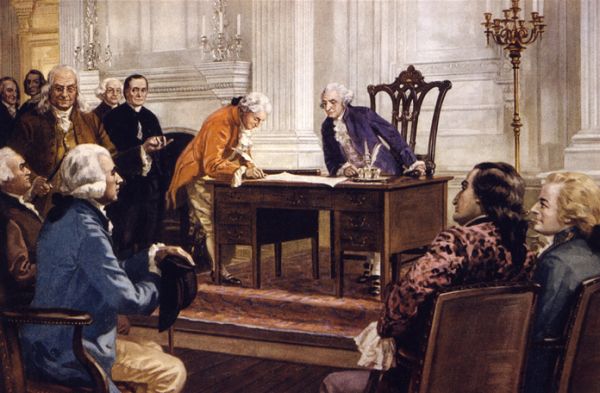
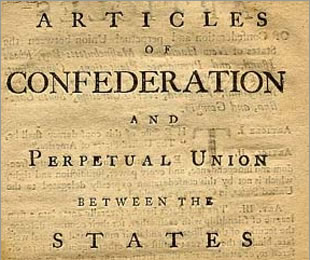 Twelve of the original thirteen states ratified these “Articles of Confederation” by February, 1779. Maryland held out for another two years, over land claims west of the Ohio River. In 1781, seven months before Cornwallis’ surrender at Yorktown, the 2nd Continental Congress formally ratified the Articles of Confederation. The young nation’s first governing document.
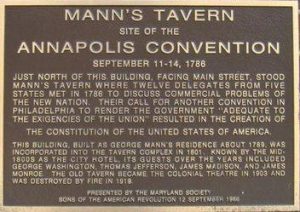 The Union would probably have broken up, had not the Articles of Confederation been amended or replaced. Twelve delegates from five states met at Mann’s Tavern in Annapolis Maryland in September 1786, to discuss the issue. The decision of the Annapolis Convention was unanimous. Representatives from all the states were invited to send delegates to a constitutional convention in Philadelphia, the following May.
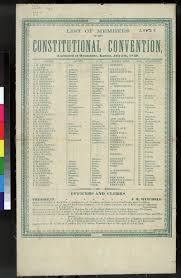 25, 1787. The building is now known as Independence Hall, the same place where the Declaration of Independence and the Articles of Confederation were drafted.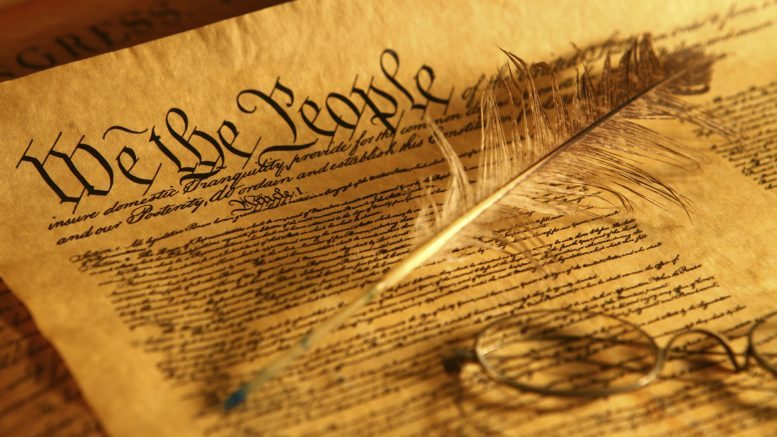
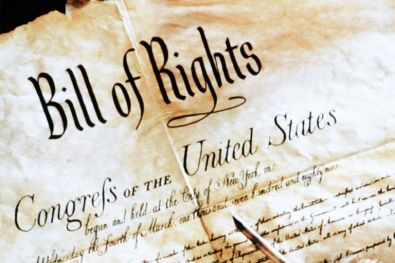 On September 25, the first Congress adopted 12 amendments, sending them to the states for ratification.

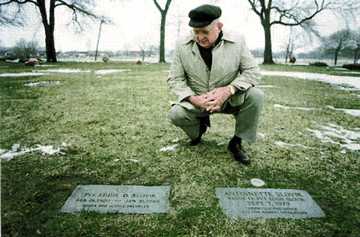
 Edward Donald “Eddie” Slovik was paroled in 1942, his criminal record making him 4F. “Registrant not acceptable for military service”. He took a job at the Montella Plumbing and Heating company in Dearborn, Michigan, where he met bookkeeper Antoinette Wisniewski, the woman who would later become his wife.
 The rapid movement of the army during this period caused difficulty for many replacements, in finding their units. Edward Slovik and John Tankey finally caught up with the 109th on October 7. The following day, Slovik asked his company commander Captain Ralph Grotte for reassignment to a rear unit, saying he was “too scared” to be part of a rifle company. Grotte refused, confirming that, were he to run away, such an act would constitute desertion.
 “I, Pvt. Eddie D. Slovik, 36896415, confess to the desertion of the United States Army. At the time of my desertion we were in Albuff [Elbeuf] in France. I came to Albuff as a replacement. They were shelling the town and we were told to dig in for the night. The following morning they were shelling us again. I was so scared, nerves and trembling, that at the time the other replacements moved out, I couldn’t move. I stayed there in my fox hole till it was quiet and I was able to move. I then walked into town. Not seeing any of our troops, so I stayed over night at a French hospital. The next morning I turned myself over to the Canadian Provost Corp. After being with them six weeks I was turned over to American M.P. They turned me loose. I told my commanding officer my story. I said that if I had to go out there again I’d run away. He said there was nothing he could do for me so I ran away again AND I’LL RUN AWAY AGAIN IF I HAVE TO GO OUT THERE. — Signed Pvt. Eddie D. Slovik A.S.N. 36896415”.
 1.7 million courts-martial were held during WWII, 1/3rd of all the criminal cases tried in the United States during the same period. The death penalty was rarely imposed. When it was, it was almost always in cases of rape or murder.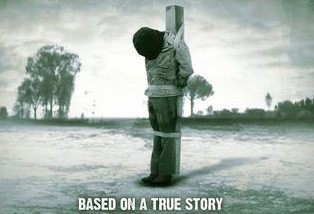


 Iva Ikuko Toguri was born in Los Angeles on July 4, 1916, the daughter of Japanese immigrants. She attended schools in Calexico and San Diego, returning to Los Angeles where she enrolled at UCLA, graduating in January, 1940 with a degree in zoology.
 She called herself “Orphan Annie,” earning 150 yen per month (about $7.00 US). She wasn’t a professional radio personality, but many of those who recalled hearing her enjoyed the program, especially the music.

 d’Aquino was sentenced to ten years and fined $10,000 for the crime of treason, only the seventh person in US history to be so convicted. She was released from the Federal Reformatory for Women at Alderson, West Virginia in 1956, having served six years and two months of her sentence.


 The United States had been in World War II for two years in 1943, when Claude Wickard, head of the War Foods Administration as well as Secretary of Agriculture, had the hare brained idea of banning sliced bread.
 Article 1, Section 8 of the Constitution includes the “Commerce Clause”, permitting the Congress “To regulate Commerce with foreign Nations, and among the several States, and with the Indian Tribes”. That’s it and, not surprisingly, the Federal District Court sided with the farmer.
 The Supreme Court, apparently afraid of President Roosevelt and his aggressive and illegal “
 The stated reasons for the ban never did make sense. At various times, Wickard claimed that it was to conserve wax paper, wheat and steel, but one reason was goofier than the one before.


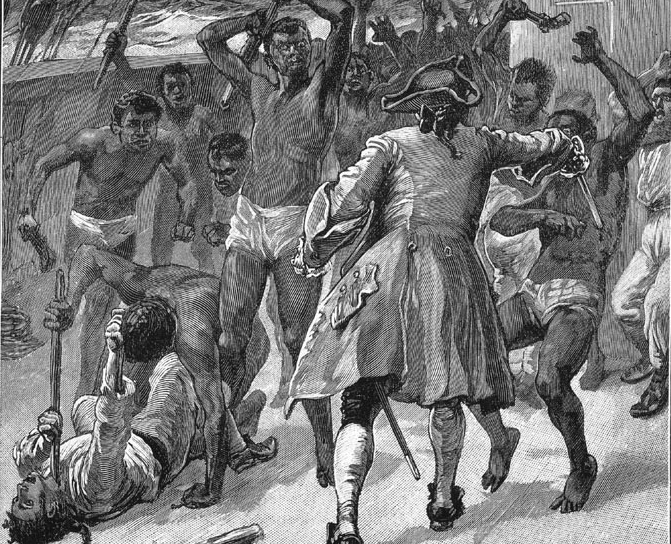
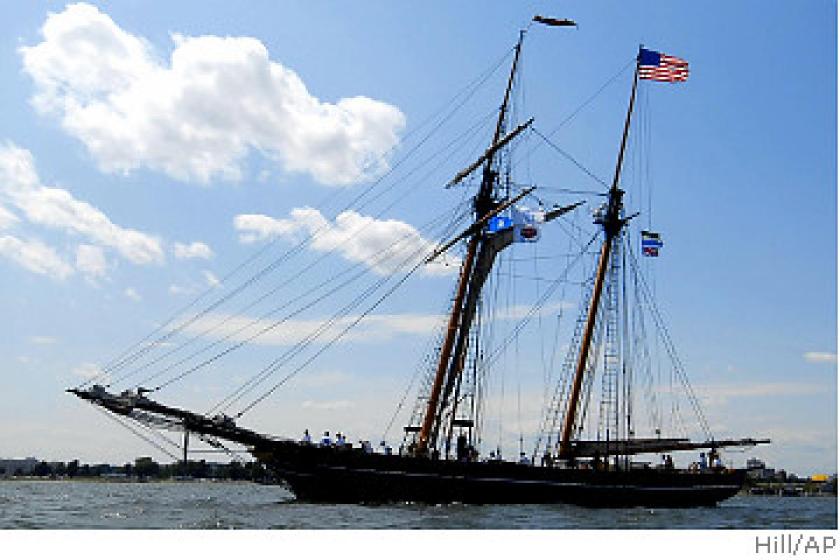
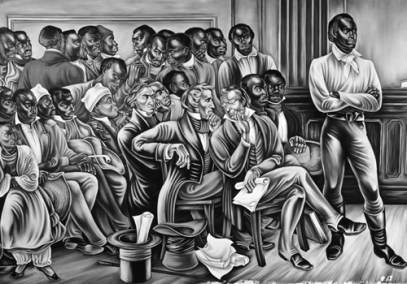 The district court trial which followed in Hartford determined that the Mendians’ papers were forged, and they should be returned to Africa. The cabin boy was ruled to be a slave and ordered returned to the Cubans, however he fled to New York with the help of abolitionists. He would live out the rest of his life as a free man.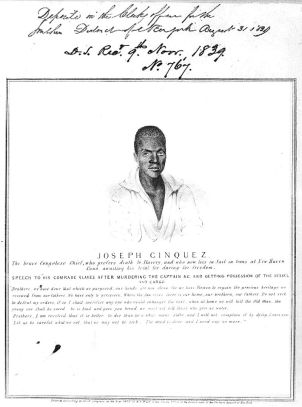


You must be logged in to post a comment.