

Before the first Europeans arrived in the “new world”, descendants of the Nanticoke inhabited a region from Delaware north through New Jersey and southern New York, and eastern Pennsylvania. The Europeans called them “Delaware”. These indigenous Americans called themselves “Lenni-Lenape” which literally means “Men of Men”, but is translated to mean “Original People.” (Hat tip, http://www.nanticoke-lenape.info).
In the early 1680s, Chief Tammamend (“The Affable”) of the Lenni-Lenape nation took part in a meeting with the English colonists, where he is supposed to have said that his people and the newcomers would “live in peace as long as the waters run in the rivers and creeks and as long as the stars and moon endure.”
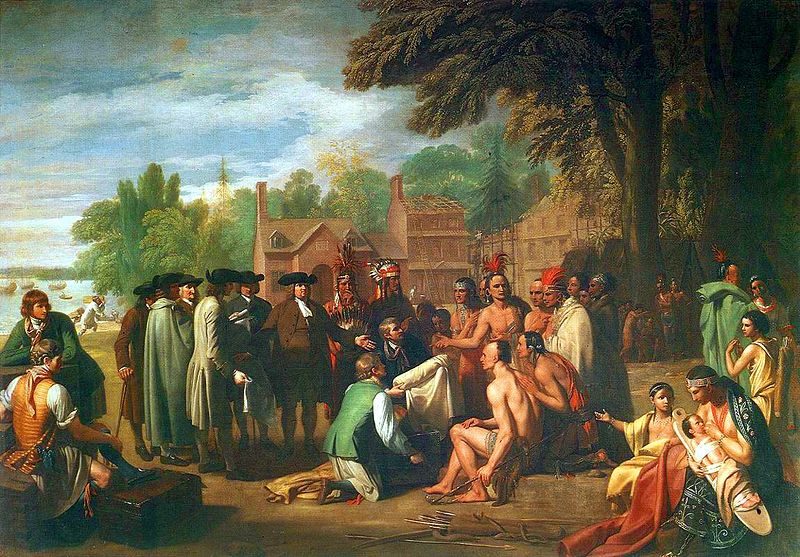
“Tammany” to the settlers, Chief Tammamend became a living symbol of peace and friendship, between the two peoples. He died in 1701, but his legend lived on. In the next one-hundred years Tammany societies were established from Georgia to Rhode Island.
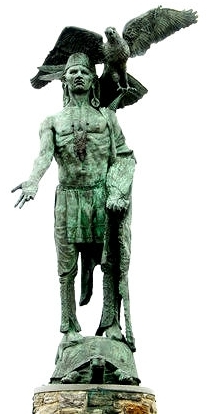 Tammany Societies adopted a number of native terms, with leaders calling themselves Grand Sachem, and meeting in halls called “Wigwams”. The most famous of these was incorporated in New York on May 12, 1789.
Within ten years, what had begun as a social club had morphed into a political machine. Tammany helped Aaron Burr counter Alexander Hamilton’s Society of the Cincinnati, and Burr went on to win New York’s two electoral votes in 1800. Without help from “Tammany Hall”, many historians believe that John Adams would have been re-elected to a second term.
Tammany Hall expanded its connections within New York Democrat party politics. After Andrew Jackson’s victory in 1828, the Tammany machine all but owned the government in New York city and state, alike.
Fun fact: On December 20, 1860, the Secession convention of South Carolina unanimously asserted an end to Union, proclaiming that “We…have solemnly declared that the union heretofore existing between this State and the other States of North America, is dissolved, and that the State of South Carolina has resumed her position among the nations of the world, as a separate and independent State…” In the following days, the world waited to see who would follow. The next governing entity to actually do so was the state of Mississippi, but the first to discuss the idea (after South Carolina) was New York, in the person of Tammany Hall’s own mayor, Fernando Wood.
The 19th century was a time of massive immigration, providing an ever-expanding base of political and financial support for urban politicians. Political machines helped new arrivals with jobs, housing and citizenship, providing a patina of “constituent service” and hiding a dark under-belly of graft and corruption.
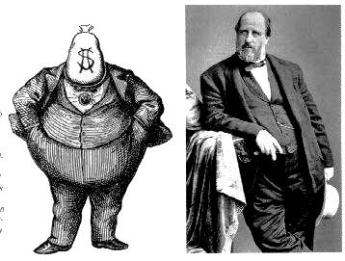
In the 1860s, Tammany Hall politician William Magear Tweed established a new standard in public self-dealing. Biographer Kenneth Ackerman wrote: “The Tweed ring at its height was an engineering marvel, strong and solid, strategically deployed to control key power points: the courts, the legislature, the treasury and the ballot box. Its frauds had a grandeur of scale and an elegance of structure: money-laundering, profit sharing and organization“.
New York contractors were instructed to multiply invoices. Checks were cashed through a go-between, settling with the contractor and dividing the rest between “Boss” Tweed and his cronies. This system of corruption inflated the cost of the New York County Courthouse to nearly $13 million, more than the Alaska purchase. One carpenter billed $360,751 (equivalent to $4.9 million today), for one month’s work. A plasterer got $133,187 for two days.
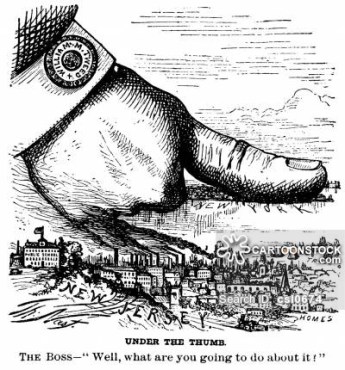 Some among the self-styled “Uppertens”, the top 10,000 amid New York’s socioeconomic strata, fell in with the self-dealing and corruption of the Tammany Hall machine. Others counted on an endless supply of cheap immigrant labor.
The system worked while Tweed’s Machine kept “his people” in line, until the “Orange Riots” of 1870-71 broke out between Irish Catholics and Protestants, killing 70.
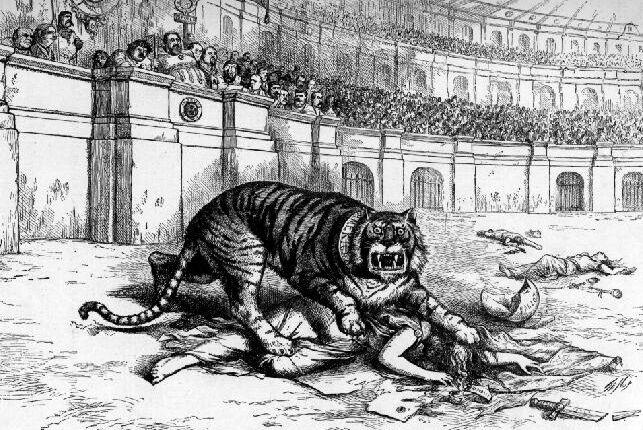
Harper’s Weekly editorial cartoonist Thomas Nast, creator of the modern American Santa Claus and the Republican Elephant, was the scourge of Tammany Hall. Following the Orange riots, the New York Times added its voice to that of the cartoonist.
Boss Tweed, the third-largest landowner in New York City, Director of the Erie Railroad, the Tenth National Bank, and the New York Printing Company, Proprietor of the Metropolitan Hotel, former State Senator and former Member of the United States Congress, was arrested on October 27, 1871, and tried on charges of public corruption. An 1877 aldermen’s committee estimated that Boss Tweed’s graft cost New York taxpayers between $25 and $45 million. Later estimates ranged as high as $200 million, equivalent to an astonishing $2.8 Billion, today.
The Tammany Hall political machine, moved on. By the end of the 19th century, ward Boss Richard Croker ran a system of graft and corruption the likes of which Boss Tweed could have only dreamed.
In the end, three things killed the Tammany Hall system. Early Irish arrivals had been primary beneficiaries and major supporters of Tammany’s patronage system, but there are only so many favors to go around. Continued immigration diluted Tammany’s base, and later arriving Irish, Italian and eastern European immigrants found themselves frozen out.
 Next is the spoils system, itself. To this day, too many think it’s government’s job to “Bring home the Bacon”, not seeming to realize that they are themselves, the hogs. The Roosevelt administrations’ efforts to fix the Great Depression resulted in a blizzard of bacon from an increasingly Nationalized federal government, separating the local machines from their proximate base of support.
Last came “reformers” such as New York governor and future President of the United States Franklin Delano Roosevelt, who occasionally built enough steam to hurt the Tammany machine. Manhattan District Attorney Thomas E. Dewey, he of the famous “Dewey Wins!” photograph, managed to put several Tammany Hall leaders in jail, along with such unsavory supporters as “Lucky Luciano”.
Republican Fiorello La Guardia served three terms as New York mayor between 1934-’45, the first anti-Tammany mayor ever, to be re-elected. A brief resurgence of Tammany power in the 1950s met with Democratic party resistance led by the likes of Eleanor Roosevelt, and party politician Herbert Lehrman. By the mid-1960s, the Tammany Hall system, was dead.
Tammany Hall was a local manifestation of a disease afflicting the entire country. Boston, Chicago, Cleveland, Kansas City, Philadelphia, St. Louis and others: all suffered their own local outbreak.

The Ward Boss still lives in places like Chicago but, like the Jeffersons, the corruption has “moved on up”. Today, rent seekers and foreign powers pay tens of millions in “speaking fees” and other “pay-for-play” schemes.
A hundred years ago, Ambrose Bierce (my favorite curmudgeon) described politics as “A strife of interests masquerading as a contest of principles. The conduct of public affairs for private advantage“. Boss Tweed could tell you. It’s as true now, as it was in his time.
Featured image, top of page: Harper’s Weekly cartoonist Thomas Nast’s depiction of the Tammany ring: Who stole the people’s money? T’was him!


 The history of the Navajo code talkers of WWII is relatively well known, but by no means, unique. Indigenous Americans of other nations served as code talkers in WW2, including Assiniboine, Lakota and Meskwaki soldiers, who did service in the Pacific, North African, and European theaters of the war.
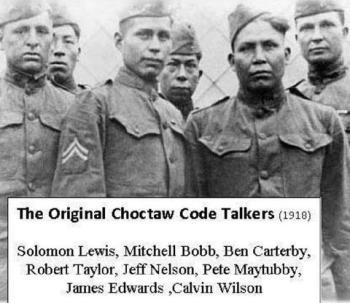 The Choctaw themselves didn’t use the term “Code Talker”, that wouldn’t come along until WWII. At least one member of the group, Tobias W. Frazier, simply described what they did as, “talking on the radio”. Of the 19 who served in WWI, 18 were native Choctaw from southeast Oklahoma. The last was a native Chickasaw. The youngest was Benjamin Franklin Colbert, Jr., the son of Benjamin Colbert Sr., one of Teddy Roosevelt’s “Rough Riders” of the Spanish American War. Born September 15, 1900 in the Durant Indian Territory, he was all of sixteen, the day he enlisted.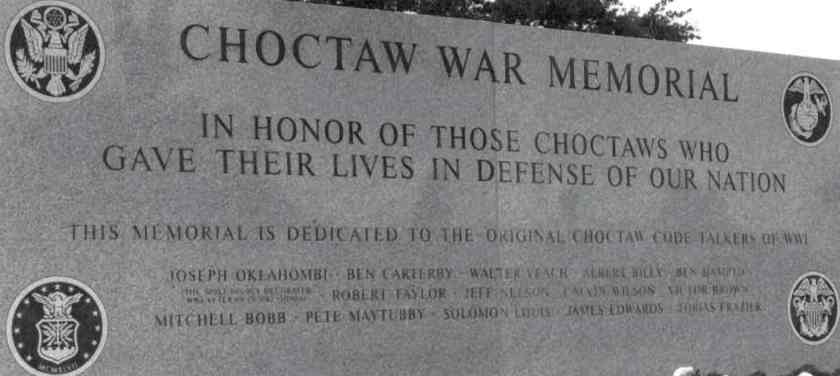


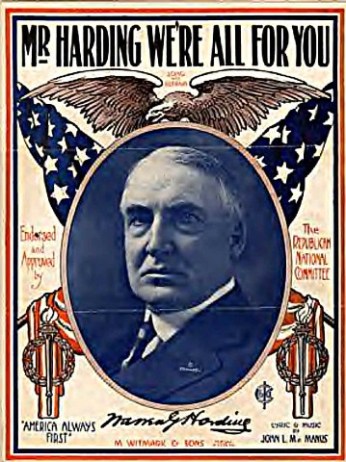 Harding’s Treasury Secretary, Andrew Mellon, believed that money was driven underground or overseas as income tax rates increased. Mellon held the heretical belief for that time, that lower tax rates led to greater levels of economic activity and that, as people had more of their own money to work with, increased activity resulted in higher tax revenues.

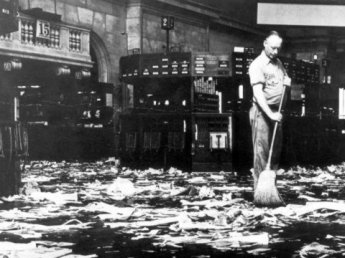 Fears of the Smoot-Hawley tariff act fueled a further contraction in the following weeks, for apparently good reason. When President Hoover signed the protectionist measure into law in 1930, American imports and exports plunged by more than half.


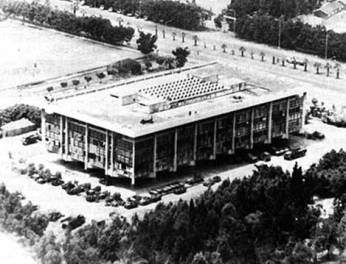
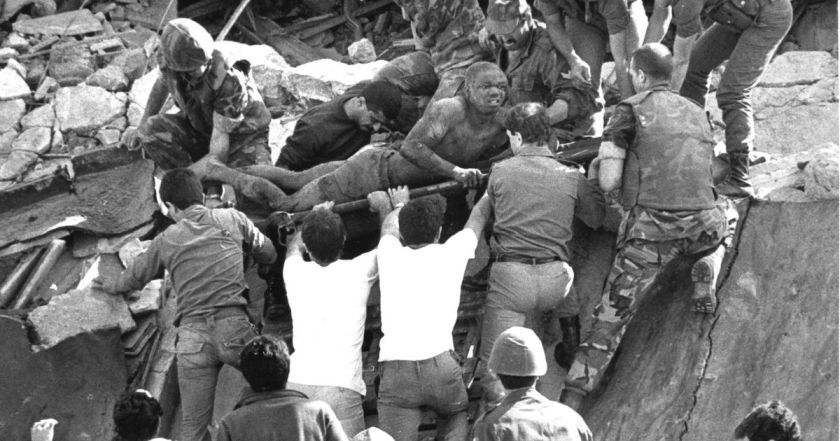
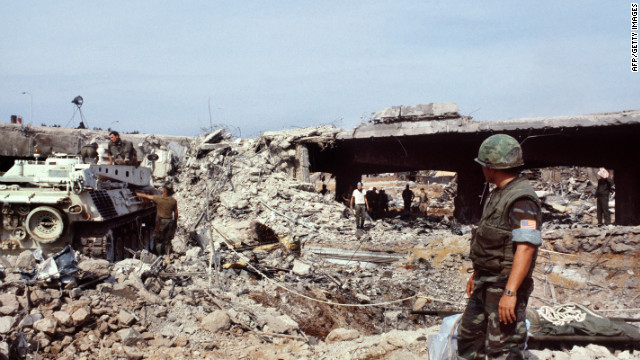

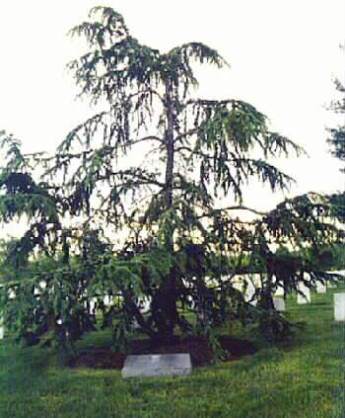 A Lebanese cedar tree grows in the green expanse of section 59 at Arlington National Cemetery, marking the final resting place of twenty-one honored dead, among the first Americans to die in the global war against Islamist terrorism. A fight which continues, to this day.
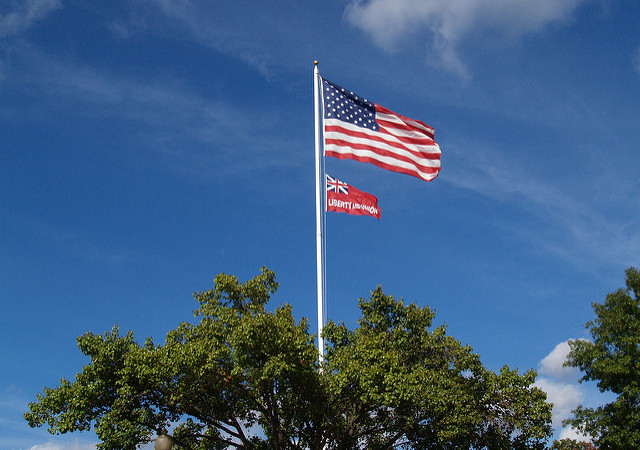
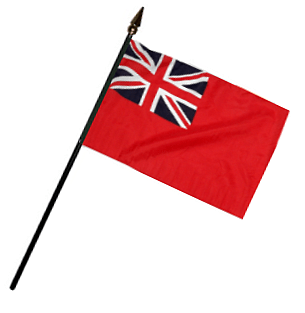
 First raised above the town square on October 19, 1774, the flag’s canton featured the Union Jack, on the blood red field of the British Red Ensign. The


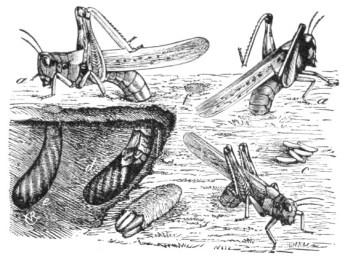
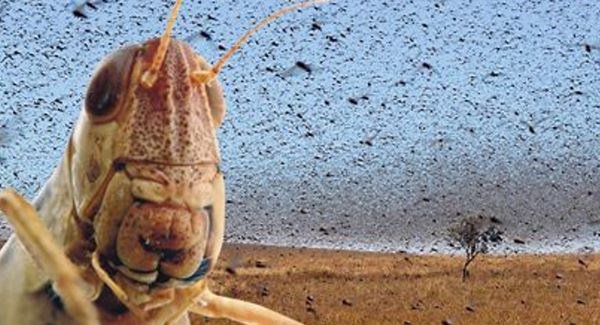
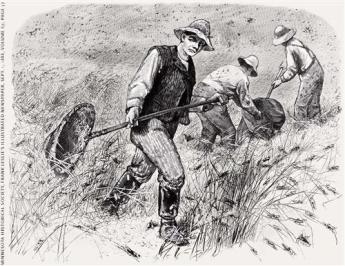 Farmers used gunpowder, fire and water, anything they could think of, to destroy what could only be seen as a plague of biblical proportion. They smeared them with “hopperdozers”, a plow-like device pulled behind horses, designed to knock jumping locusts into a pan of liquid poison or fuel, or even sucking them into vacuum cleaner-like contraptions.
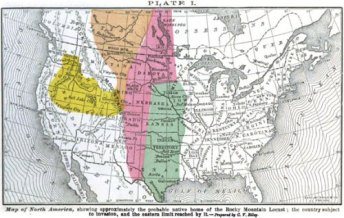 And then the locust went away, and no one is entirely certain, why. It is theorized that plowing, irrigation and harrowing destroyed up to 150 egg cases per square inch, in the years between swarms. Great Plains settlers, particularly those alongside the Mississippi river, appear to have disrupted the natural life cycle. Winter crops, particularly wheat, enabled farmers to “beat them to the punch”, putting away stockpiles of food before the pestilence reached the swarming phase.

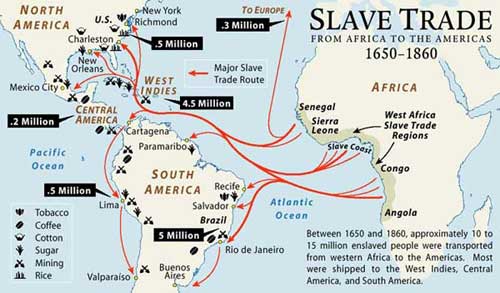
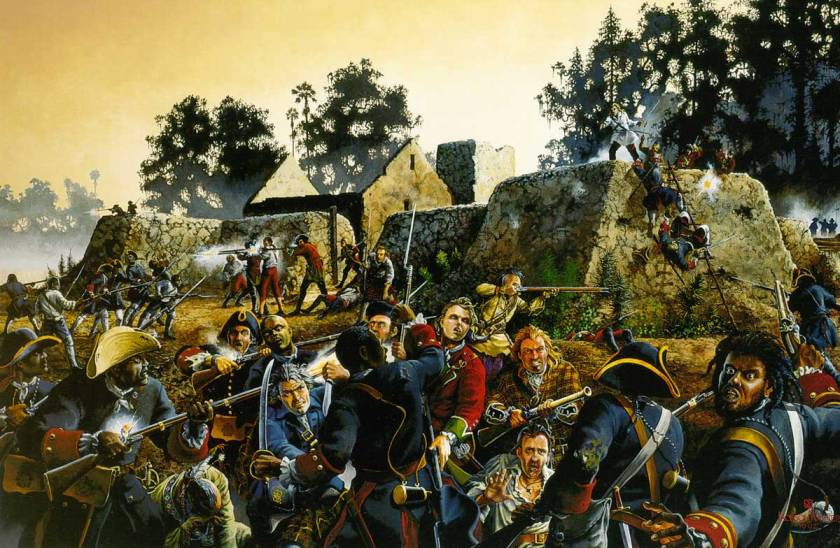
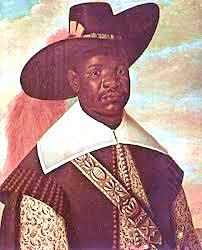 Juan Garrido moved from the west coast of Africa to Lisbon, Portugal, possibly as a slave, or perhaps the son of an African King, sent for a Christian education. Be that as it may, Garrido came to the new world a free man in 1513, with Juan Ponce de León. A black Conquistador who spent thirty years with the conquest, “pacifying” (fighting) indigenous peoples and searching for gold, and the mythical fountain of youth.
 The Spanish government in Florida began to offer asylum to slaves from British colonies as early as 1687, when eight men, two women and a three year old nursing child arrived there, seeking refuge. It probably wasn’t as altruistic as it sounds, given the history. The primary interest seems to have been disrupting the English agricultural economy, to the north.


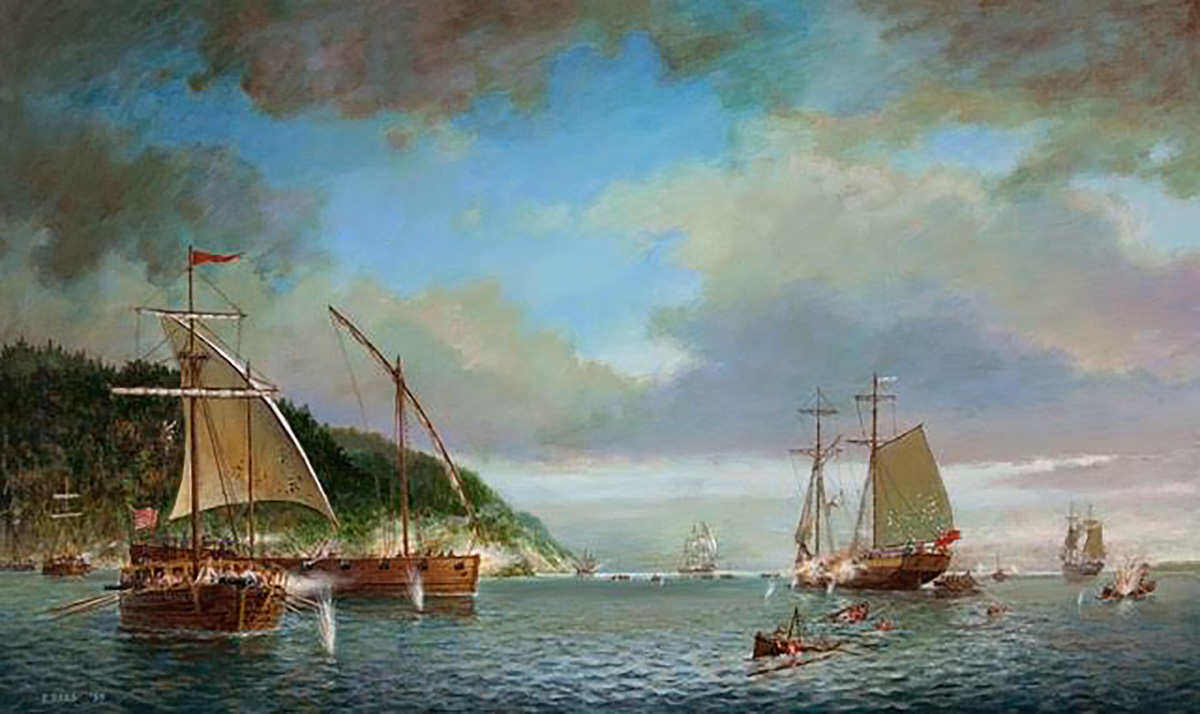

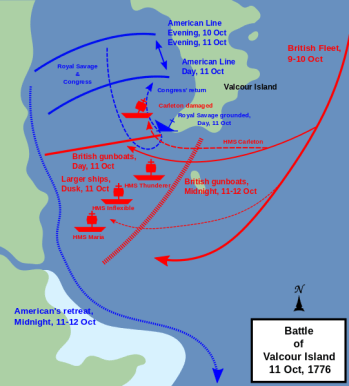 It’s not well known that the American Revolution was fought in the midst of a smallpox pandemic. General George Washington was an early proponent of vaccination, an untold benefit to the American war effort, but a fever broke out among shipbuilders which nearly brought their work to a halt.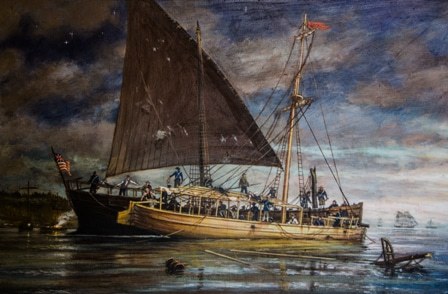
 200 were able to escape to shore, the last of whom was Benedict Arnold himself, who personally torched his own flagship, the Congress, before leaving it behind, flag still flying.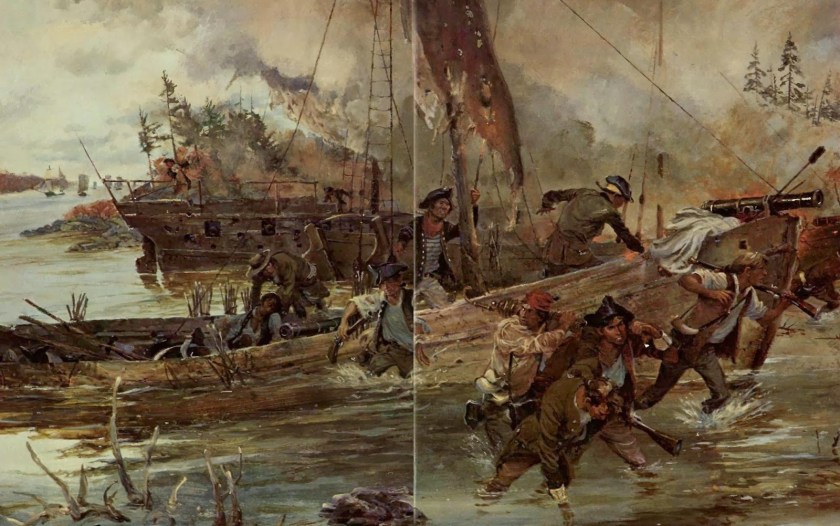





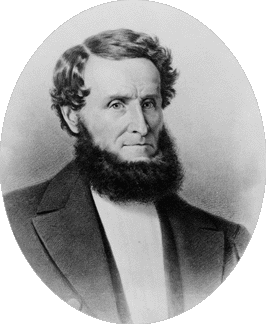 In 1825, Lick left Buenos Aires, for a year-long tour of Europe. This was the time of the Brazilian War for Independence, and Portuguese authorities captured his ship on its return.
 Gold was discovered at Sutter’s Mill, shortly after Lick’s arrival. He caught a little of the gold fever himself, but soon learned that he could make more money buying and selling land, rather than digging holes in it.


 Historical Easter Eggs - Today in History
You must be logged in to post a comment.