
The Napoleonic Wars took place between 1799 and 1815, pitting a series of seven international coalitions against the forces of Napoleon Bonaparte and his Grande Armée. The former American colonies benefited from the European conflict, remaining on the sidelines and doing business with both sides. Within a ten-year period, the fledgling United States had become one of the world’s largest neutral shippers.
In 1807, two third-rate French warships were penned up in Maryland’s Chesapeake Bay, blockaded by a number of English warships outside of the harbor.
London born Jenkin Ratford was an English sailor who deserted the British Navy and defected to the neutral United States. This story might have ended better for him had he not run his mouth, but that wasn’t this guy. Ratford couldn’t resist taunting British officers, boasting of his escape to the “land of liberty”
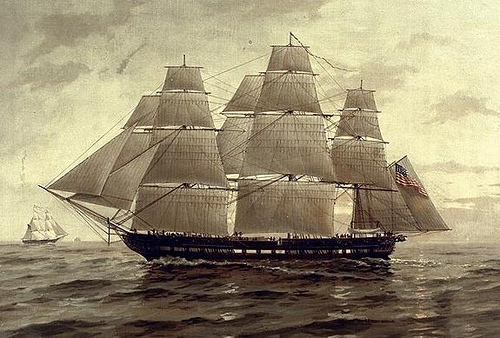
The USS Chesapeake was preparing for a Mediterranean cruise with Ratford aboard, when she emerged from Norfolk, Virginia. Her decks were laden with supplies and stores of every kind, and her guns unwisely stored. Chesapeake was nowhere near combat ready when she was approached by the HMS Leopard on June 22.
The Chesapeake’s commander, Commodore James Barron, was unconcerned when the Leopard, under the command of Captain Salusbury Pryce Humphreys, asked permission to board. Lieutenant John Meade of Her Majesty’s Navy presented Barron with a search warrant. Barron declined to submit, and the officer returned to the Leopard.
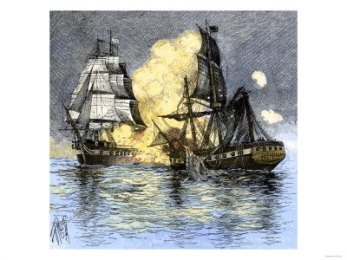 Humphreys then used a hailing trumpet and ordered the American ship to comply, to which Barron responded “I don’t hear what you say”. Humphreys fired two rounds across Chesapeake’s bow, followed immediately by four broadsides.
Chesapeake fired a single shot before striking colors and surrendering. Humphreys refused the surrender and boarded, taking Ratford and three American born sailors with them when they left.
There was little resistance, yet the “Chesapeake-Leopard Affair” had left three American crewmembers dead, and 18 wounded.
American public opinion was outraged over the humiliation, as the four men were transported to Halifax for trial. Federalists and Democratic-Republicans were united as never before. President Thomas Jefferson remarked “Never since the Battle of Lexington have I seen this country in such a state of exasperation as at present, and even that did not produce such unanimity.”
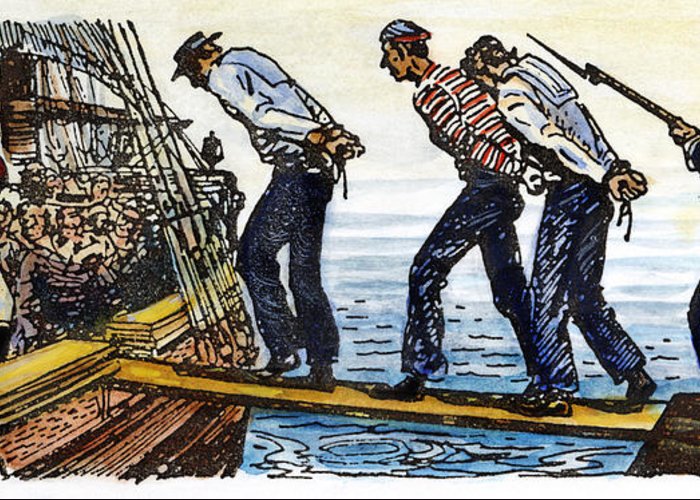
The English court found all four guilty of desertion and hanged Ratford by the fore yardarm of his former vessel, HMS Halifax. The three Americans, David Martin, John Strachan, and William Ware, were sentenced to 500 lashes.
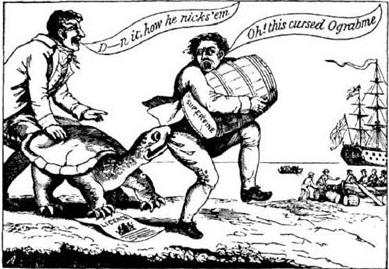
With the puny American navy deployed to the Mediterranean to check the Barbary pirates, President Jefferson’s options were limited to economic retaliation. The Embargo Act of 1807 intended to extract concessions from France and Great Britain, instead had the effect of imposing crippling setbacks on some industries, while others railed against government interference in the private economy. Many came to the conclusion that the only solution, lay in violence.
British envoys delivered proclamations reaffirming the practice of impressment, amounting to the kidnapping of sailors and forcing their labor aboard British ships. In total, the Royal Navy impressed over 9,000 sailors claiming to be American citizens, becoming the driving force behind the United States going to war with England, in 1812.
Despite being wounded, Barron was blamed for the “Chesapeake-Leopard Affair”. A court-martial suspended him from service for five years, without pay. Commodore Stephen Decatur was one of the presiding officers at the court-martial. In 1820, Barron challenged Decatur to a duel, killing his fellow Commodore over comments concerning the 1807 incident.
Undergoing a refit in Boston Harbor in 1813, USS Chesapeake was challenged to single combat by Captain Philip Broke, commanding the British frigate HMS Shannon.
 United States Naval Captain James Lawrence was eager to comply, confident in the wake of a number of American victories in single-ship actions.
It was a Big mistake.
All of Boston turned out that June day, to watch the fight. Cheers went out across the docks and from scores of private vessels across Boston Harbor, as Chesapeake slipped her moorings and glided out of the harbor.
Boston authorities reserved dock space in expectation of a guest. The arrival of a captured British frigate, so it was thought, was a foregone conclusion. Rooftops, hills and trees from Lynn to Malden and Cohasset to Scituate were crowded with spectators, come to watch the show.
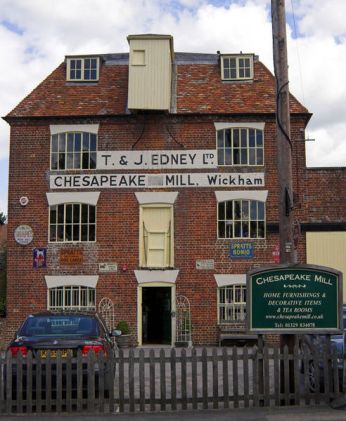
The tale of the Battle of Boston Harbor must be a story for another day. Suffice it to say that USS Chesapeake ended her career as the British frigate HMS Chesapeake, before being sold for scrap, in 1819. Two-hundred years later, the ship’s timbers live on. Part of the Chesapeake Mill in the historic village of Wickham, in Hampshire, England.


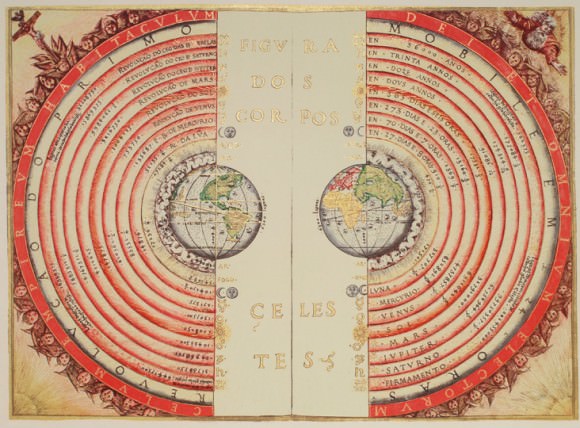

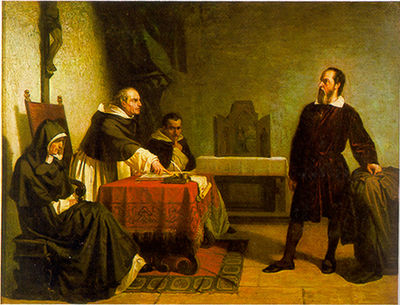
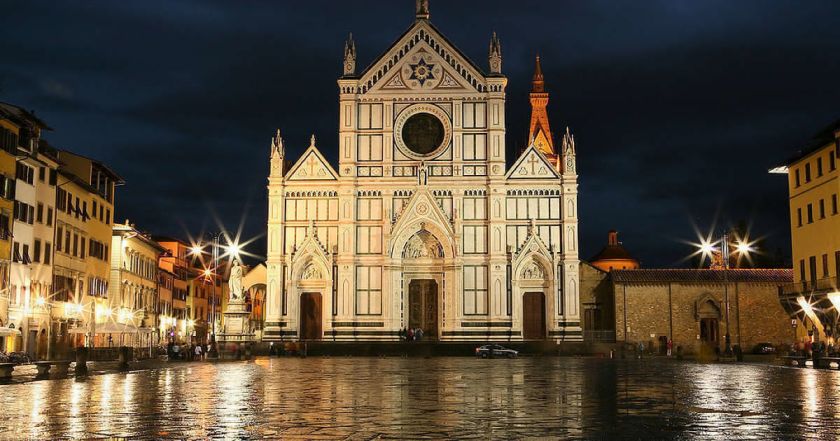
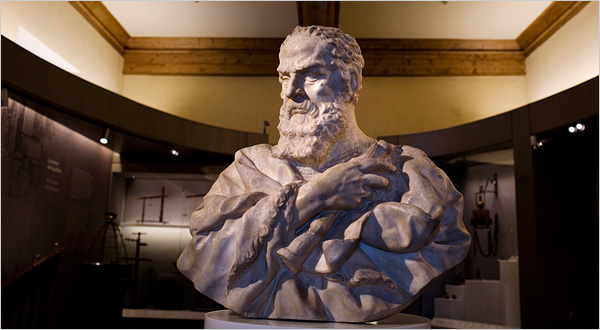
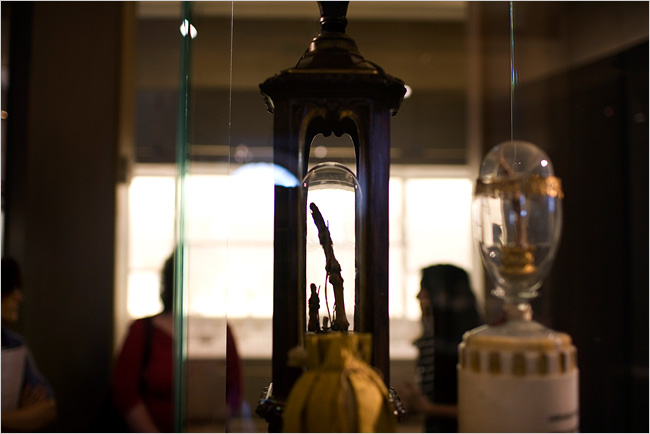 Some 100 years later, two fingers and a tooth were purchased at auction, and have since rejoined their fellow digit at the Museo Galileo. To this day, these remain the only human body parts, in a museum otherwise devoted to scientific instrumentation.
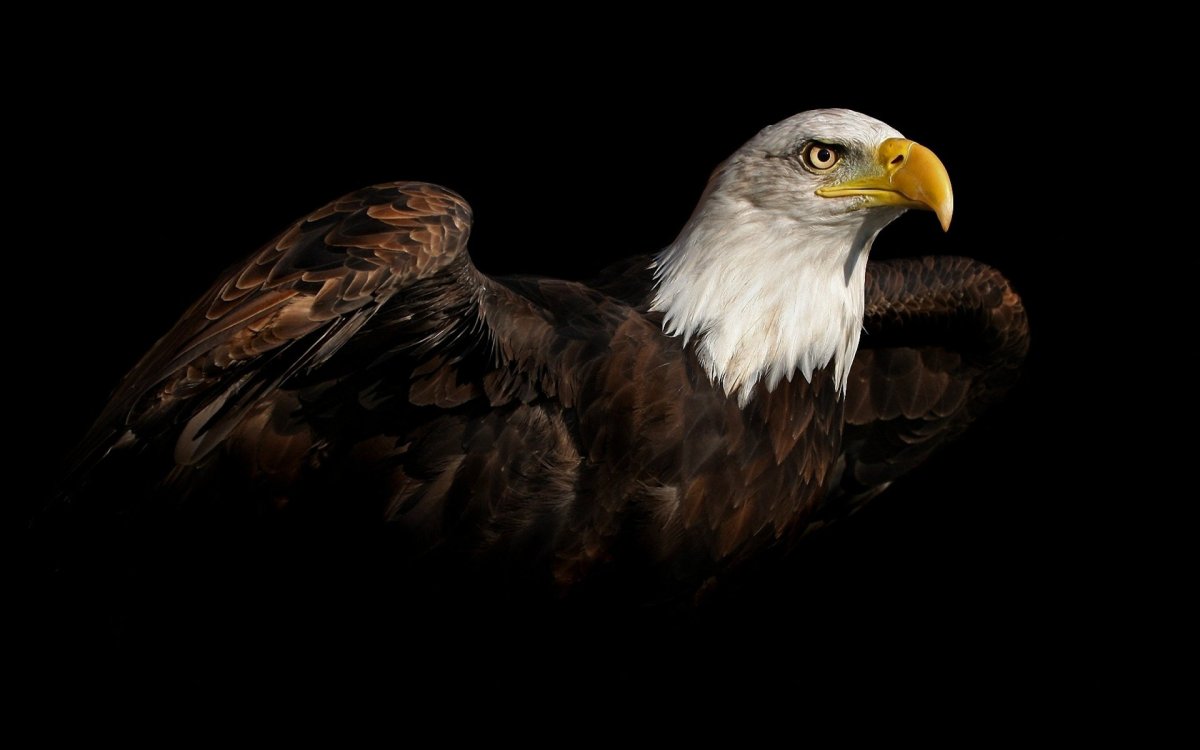


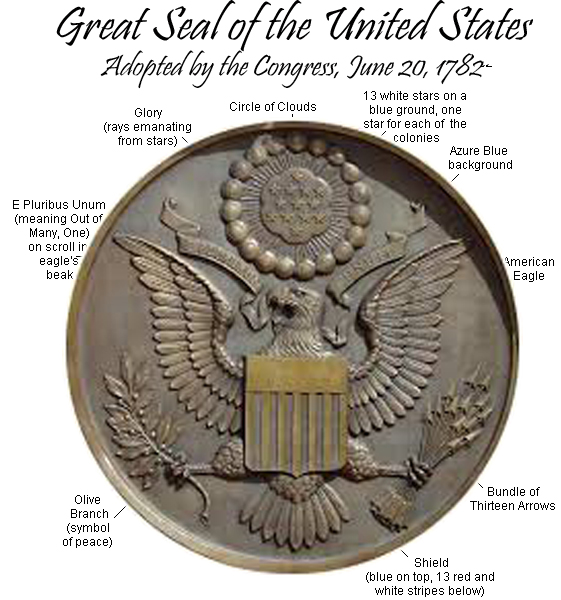
 Finally, a constellation of thirteen stars breaks out of the clouds above, signifying a new people, now ready to take its place among the sovereign nations of earth.
 The militant atheist type wishing to divest himself of all that “church & state” stuff may, at his convenience, feel free to send those dollar bills, to me. I’m in the book.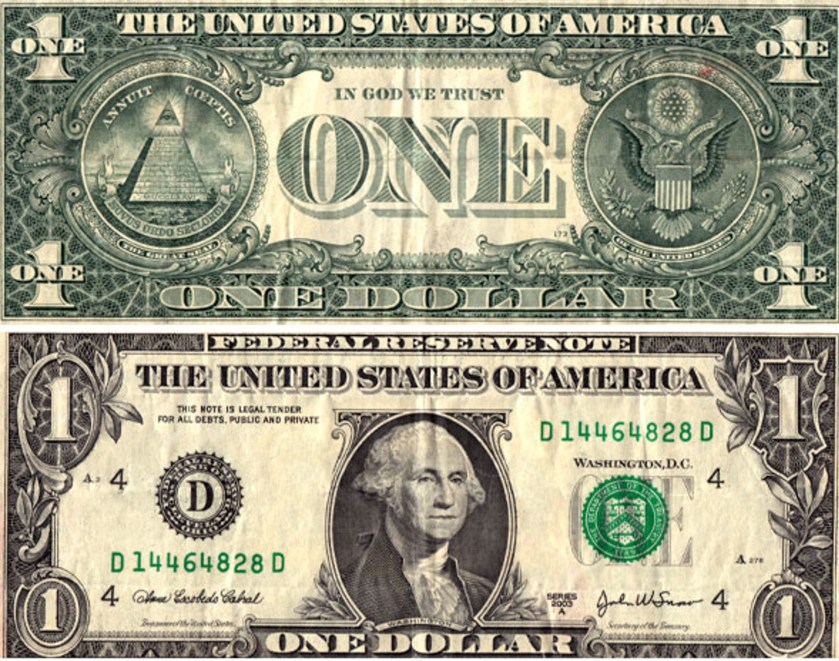


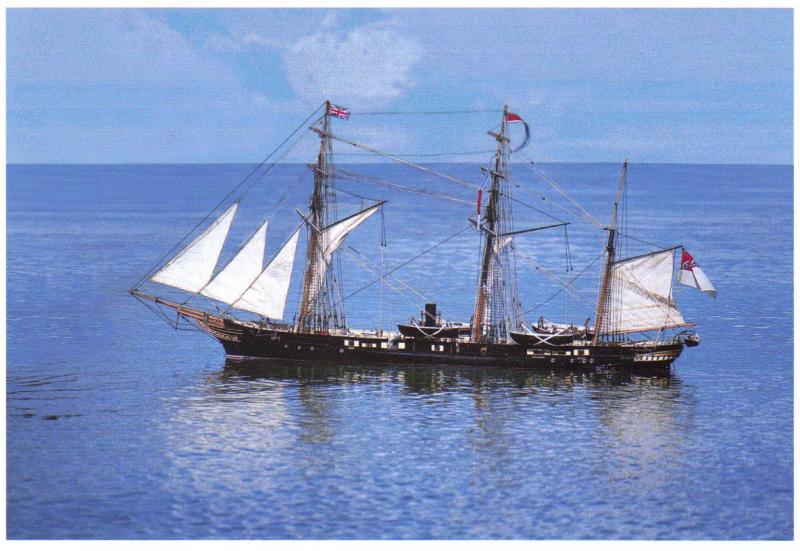
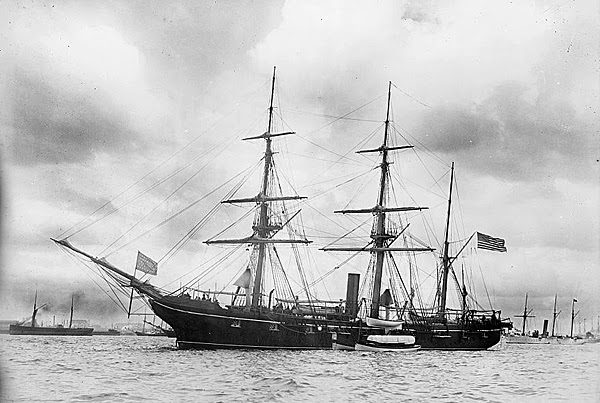

 CSS Alabama steamed out of Cherbourg harbor on the morning of June 19, 1864, escorted by the French ironclad Couronne, which remained nearby to ensure that the combat remained in international waters. Kearsarge steamed further to sea as the Confederate vessel approached. There would be no one returning to port until the issue was decided.
 Captain Winslow put his ship around and headed for his adversary at 10:50am. Alabama fired first from a distance of a mile, and continued to fire as the range decreased.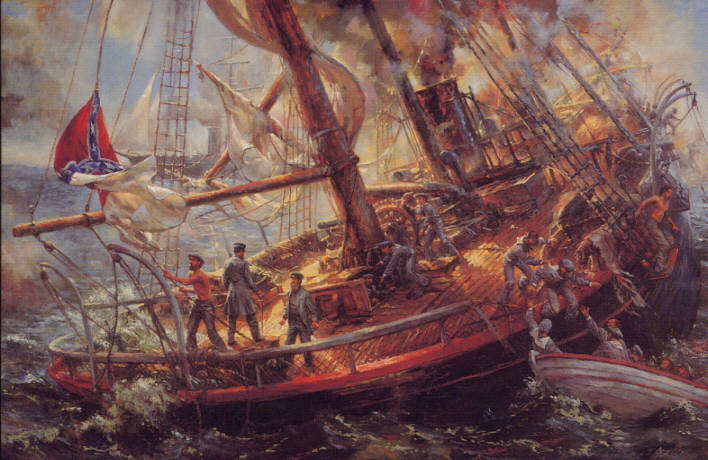
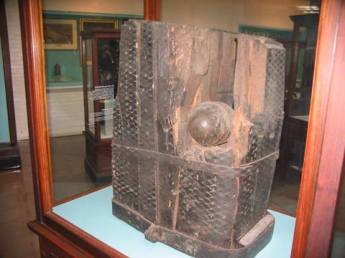


 Austrian military history professor Erik Durschmied wrote in his excellent book`

 Stoker wrote in his notes, “in Wallachian language means DEVIL”. In a time and place remembered for near-cartoonish levels of violence, Vlad Țepeș stands out for his extraordinary cruelty. There are tales of Țepeș disemboweling his own mistress. That he collected the noses of vanquished adversaries. Some 24,000 of them. That he dined among forests of victims, spitted on poles. That he even impaled the donkeys they rode in on.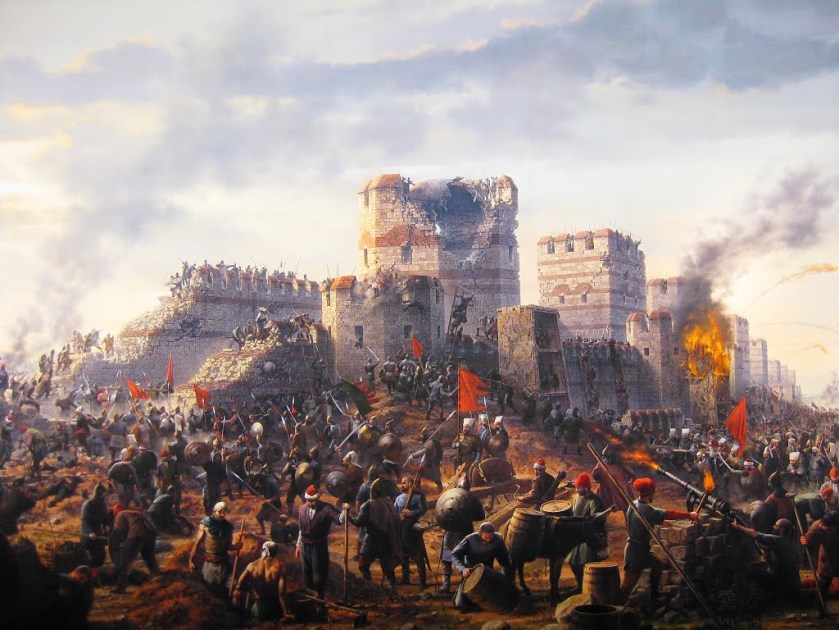
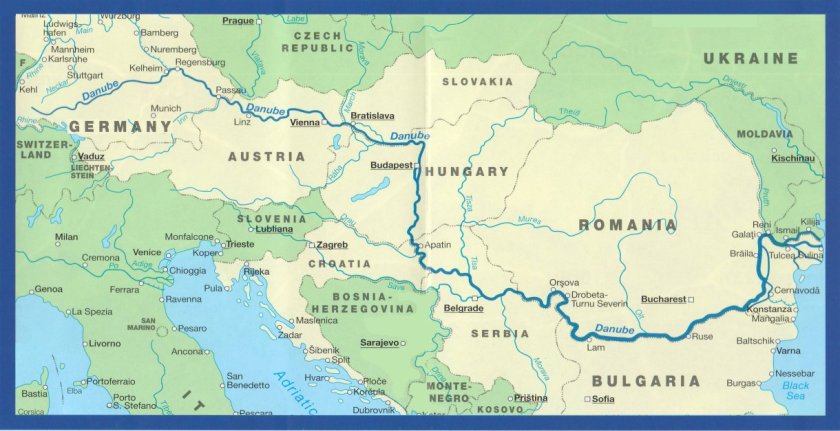
 Outnumbered five-to-one, Ţepeş employed a scorched earth policy, poisoning the waters, diverting small rivers to create marshes and digging traps covered with timber and leaves. He would send sick people among the Turks, suffering lethal diseases such as leprosy, tuberculosis and bubonic plague.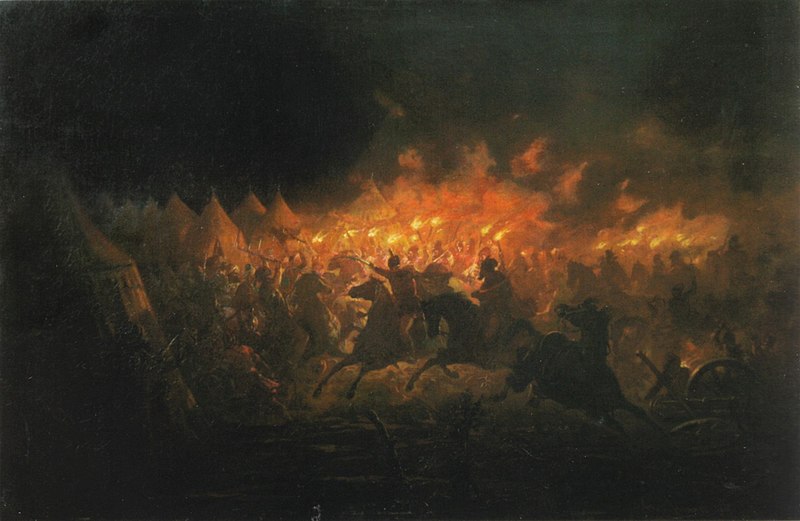


 The British line advanced up Breed’s Hill twice that afternoon, Patriot fire decimating their number and driving the survivors back down the hill to reform and try again.


 Starvation, shipwreck and disease killed no fewer than 1 in 10 during the period 1790 – 1820, without any so much as setting foot in the new world. And still they came.




 From the dawn of the 20th century, the Nobel Peace prize was awarded to individuals and organizations which have “done the most or the best work for fraternity between nations, for the abolition or reduction of standing armies and for the holding and promotion of peace congresses.”
 Great Uncle Jacob Deppin was also there at Appomattox, wearing Blue. He served for the duration, save for the year and one-half spent in captivity.


 Lafayette’s wife Adrienne gave birth to their first child on one such visit, a baby boy the couple would name Georges Washington Lafayette.


 Historical Easter Eggs - Today in History
You must be logged in to post a comment.