

Arjumand Banu was the daughter of a wealthy Persian noble, third wife of Emperor Shah Jahan of the Mughal Empire, who ruled the lands of South Asia from modern-day Afghanistan to Kashmir and south to the Deccan plateau of South India.
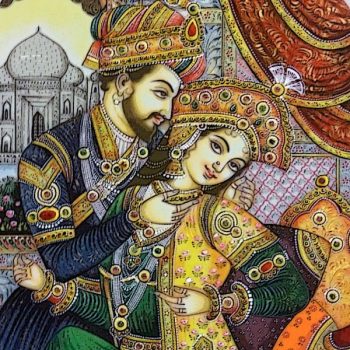 As Empress consort and beloved by the Emperor above all his wives, Arjumand was better known by the title “Mumtaz Mahal”, translating from the Persian as “the exalted one of the palace”. Jahan called her ‘Malika-i-Jahan’. She was his “Queen of the World”.
The labor and delivery of a daughter, the couple’s 14th child was a terrible trial for the Empress Consort, a 30-hour ordeal resulting in postpartum hemorrhage leading to her death on June 17, 1631.
The Emperor went into secluded mourning, emerging a year later with his back bent, his beard turned white. There followed a 22-year period of design and construction for a mausoleum and funerary garden, suitable to the Queen of the World.
This was no ordinary building, this grand edifice to the undying love of an Emperor. The English poet Sir Edwin Arnold described the place as “Not a piece of architecture, as other buildings are, but the proud passion of an emperor’s love wrought in living stones.” Today the palace is known among the 7 “Modern Wonders of the World” or simply, the Taj Mahal.

The “Pillarization” of northern European society constituted a separation along religious and political lines, so strict that many individuals had little to no contact, with people outside their own pillar. 19th century Belgian society divided along three such cohorts, segregating itself largely along Catholic, Protestant and Social-Democratic strata.
The worst days of the South African Apartheid system had nothing over the European society of the age, when it came to social segregation. Pillars possessed their own institutions: universities, hospitals and social organizations. Each even had its own news apparatus.
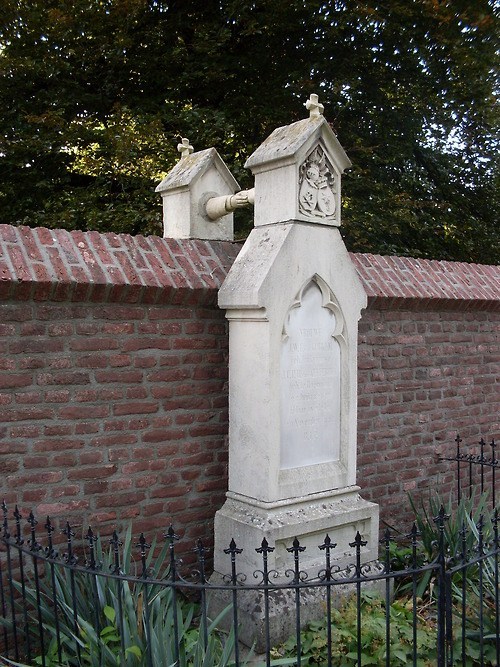
The romance between Colonel J.W.C van Gorkum of the Dutch Cavalry and Lady J.C.P.H van Aefferden was a social outrage. The 22-year old noblewoman was a Catholic. 33-year old Colonel van Gorkum was a Protestant and not a part of the nobility. The couple’s marriage in 1842 was the scandal of Roermond but, despite all that taboo, theirs was a happy marriage lasting 38-years.
The Colonel died in 1880 and was buried next to the wall, separating the Catholic and Protestant parts of the cemetery. Van Gorkum’s Lady died some eight years later, wishing to be buried next to her husband. Such a thing was impossible. She would be buried opposite the wall in the Catholic part of the cemetery, as close as she could get to her beloved husband.
Such was The Law for this time and place, but neither custom nor law said anything about a little creative stonework. So it is the couple joins hands in death as in life, together and inseparable, for all eternity.
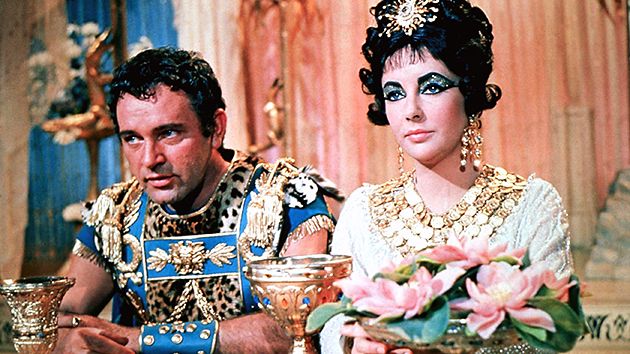
From the 1997 film Titanic to the fictional Shakespearean lovers Romeo and Juliet to the very real Roman General Marc Antony and his Greek Princess turned Egyptian Pharoah Cleopatra VII, the appeal of the Tragic Romance is as old as history and as new, as popular culture.
Few such tales have anything over the tragic love affair, of the unfortunate Hannah Robinson.
Hannah Robinson was one of the most beautiful women in all Colonial Rhode Island, the privileged daughter of the wealthy Narragansett planter Rowland and Anstis (Gardiner) Robinson. Years later during the time of the American Revolution, the opulent Robinson mansion entertained the likes of the Marquis de Lafayette and the Comte de Rochambeau, but I’m getting ahead of the story.
As a young girl, Hannah had nary a care in the world and spent countless hours on a large rock, enjoying the view overlooking Narragansett Bay.

When she grew older, Hannah attended Madame Osborn’s finishing school in Newport. There she fell in love with the French and Dancing instructor Pierre Simond, the son of an old family of French Huguenot ancestry who liked to go by the name, Peter Simon.
The degree to which the penniless Simond reciprocated the young woman’s feelings is difficult to know, but Hannah fell hard.
Peter took a position as private tutor to one of the Robinison cousins, a short two miles away. It wasn’t long before Simond was secretly visiting Hannah, at home. He’d hide out in a large cabinet in Hannah’s room. The pair called it the “Friendly Cupboard”. At night, Simond would hide out in a large lilac bush where the couple would talk for hours, and exchange letters. Anstil was quick to get wise but she never let on, to her husband.
Then came the night Rowland spied the white paper, fluttering to the ground. He rushed to the lilac and beat at the bush with a stick, until there emerged a ragged French teacher. After that, Rowland kept his eldest on a very short leash.
The apple doesn’t fall far from the tree. If Hannah Robinson was stubborn, she came by it honestly. In a rare moment of weakness, Rowland allowed Hannah and young sister Mary to attend a ball at Smith’s Castle some ten miles up the road, accompanied by a black “servant” called “Prince” who really was, it turns out, an African prince.
So it was, the trap was sprung.

The trio came to a place on horseback, where there awaited a carriage. Peter’s carriage. Mary cried and Prince begged her not to go but, to no avail. This was the couple’s elopement. Hannah would have it no other way.
Rowland was apoplectic and cut off his daughter, from her allowance. The happy couple moved to Providence, but Dad proved to be right. Now penniless, Simon soon lost interest in his young wife and left her. Sometimes for days on end. Others for weeks at a time.
Hannah’s health went into a steep decline. Not even the little dog sent by her mother, nor her childhood maid – a woman also named Hannah, could bring back her spirits. The young woman wasted away in Providence as, just 35-miles to the south, Mary contracted tuberculosis, and died. Anstis’ health, failed.
Rowland Robinson would come to relent, but too late. Hannah’s health was destroyed. The fast sloop from Providence delivered a sickly shadow of her former self.
The four strong servants carrying the litter were asked to stop by the rock, where Hannah had passed all those happy hours as a girl. Watching the bay. She picked a flower. “Everlasting Life”.

A sad reunion followed between the two women, the sick mother and the sick daughter. Anstis would recover and live to see a Revolution bring Independence to the American colonies. Not so the unfortunate daughter. Hannah Robinson died at home on this day in 1773. She was 27.
The Civilian Conservation Corps (CCC) built an observation tower in 1938, at the place where Hannah used to watch the Bay. At four stories in height the thing was used for coastal watch, during World War 2. The tower was rebuilt in 1988, using timbers from the original construction.
You can climb the Hannah Robinson tower to this day if you want, there in North Kingstown, not far from the rock where that little girl spent a happy childhood. Watching the bay, all those many years ago.

Hannah Robinson Tower, North Kingstown Rhode Island

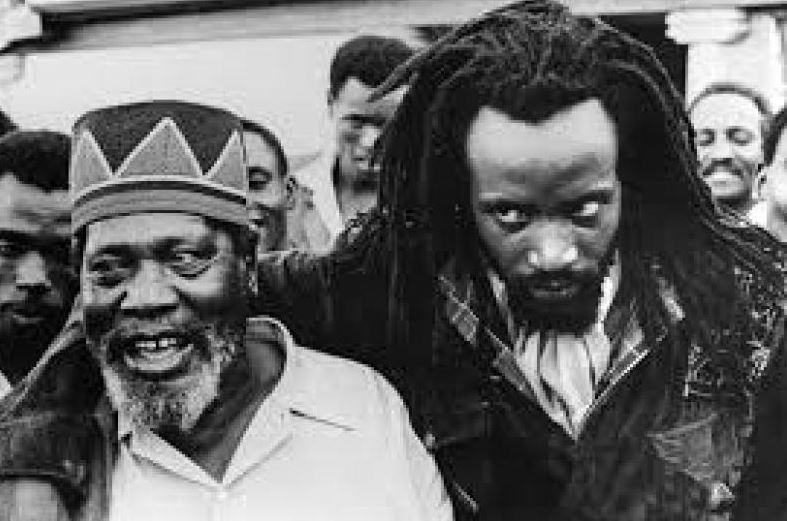

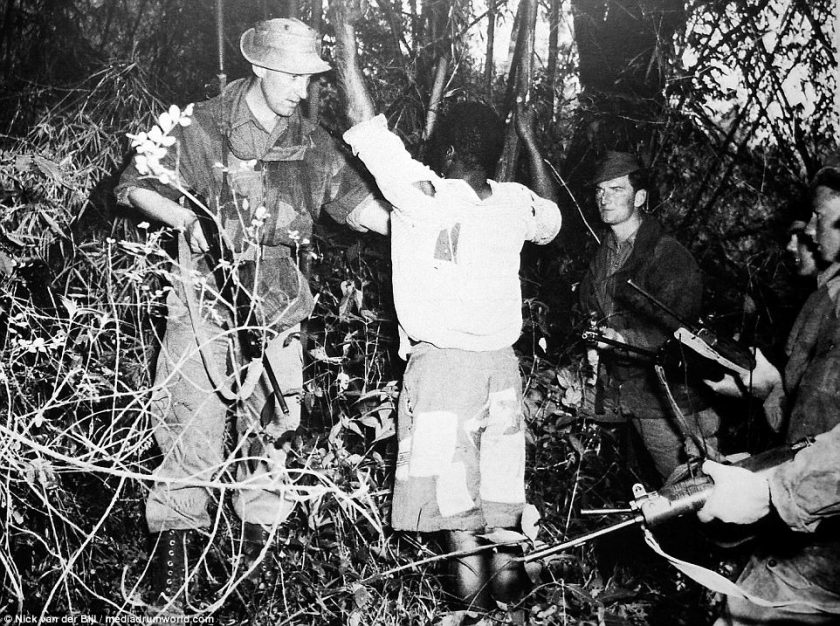 Barack Obama wrote in his memoir “Dreams from my Father”, that his grandfather Hussein Onyango Obama was captured and tortured by British authorities during the Mau Mau uprising. The now-former President wrote that his father was “selected by Kenyan leaders and American sponsors to attend a university in the United States, joining the first large wave of Africans to be sent forth to master Western technology and bring it back to forge a new, modern Africa“.
 If you’re interested in a little pop culture sauce to go with this turkey, the Mau Mau uprising inspired a number of similar rebellions throughout the region. One of them occurred in the East African coastal city of Zanzibar.


 Jessica McClure Morales is 33-years old. A typical West Texas Mom, with two kids and a dog. Her life is normal in every way. She’s a teacher’s aide. Her husband Danny, works for a piping supply outfit.
 Midland, Texas first responders quickly devised a plan. A second shaft would be dug, parallel to the well. Then it was left only to bore a tunnel, until rescuers reached the baby. The operation would be over, by dinnertime.
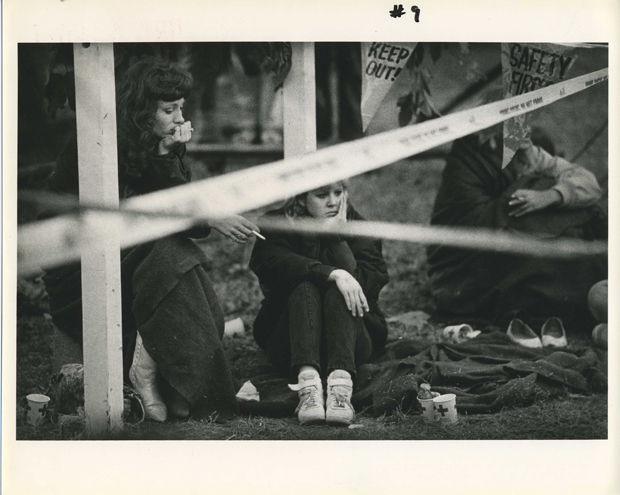


 These were good signs. A baby could neither sing nor cry, if she could not breathe.
 Baby Jessica came out of that well with her face deeply scarred and toes black with gangrene, for lack of blood flow. She required fifteen surgeries before her ordeal was over, but she was alive.
 The story has a happy ending for baby Jessica. Not so, for many others. The New York Times wrote:
 President Ronald Reagan quipped, “Everybody in America became godmothers and godfathers of Jessica while this was going on.” Baby Jessica appeared with her teenage parents Reba and Chip on Live with Regis and Kathie Lee, to talk about the incident. Scott Shaw of the Odessa American won the Pulitzer prize for The photograph. ABC made a television movie: Everybody’s Baby: The Rescue of Jessica McClure. USA Today ranked her 22nd on a list of “25 lives of indelible impact.” Everyone in the story became famous. Until they weren’t.
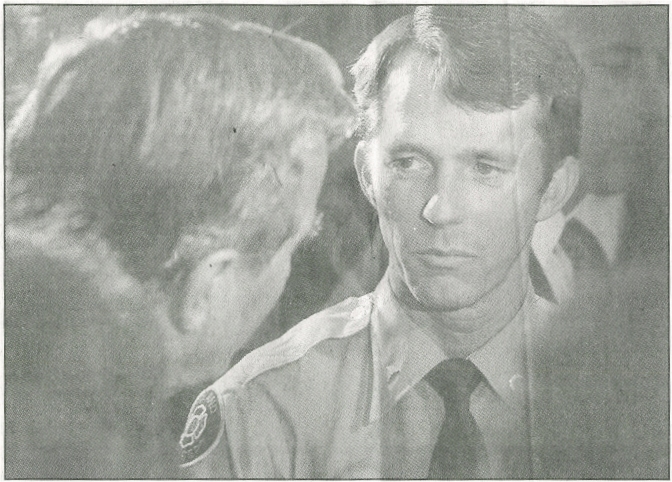 In April 1995, O’Donnell’s mother noticed the missing shotgun at the family ranch, in Stanton Texas. The 410 buckshot, loaded with larger pellets intended for bigger game, or self defense. They found the body some 20-miles away, slumped over the wheel of the new Ford pickup. This was no accident. You don’t put a barrel that long into your mouth, without meaning to.

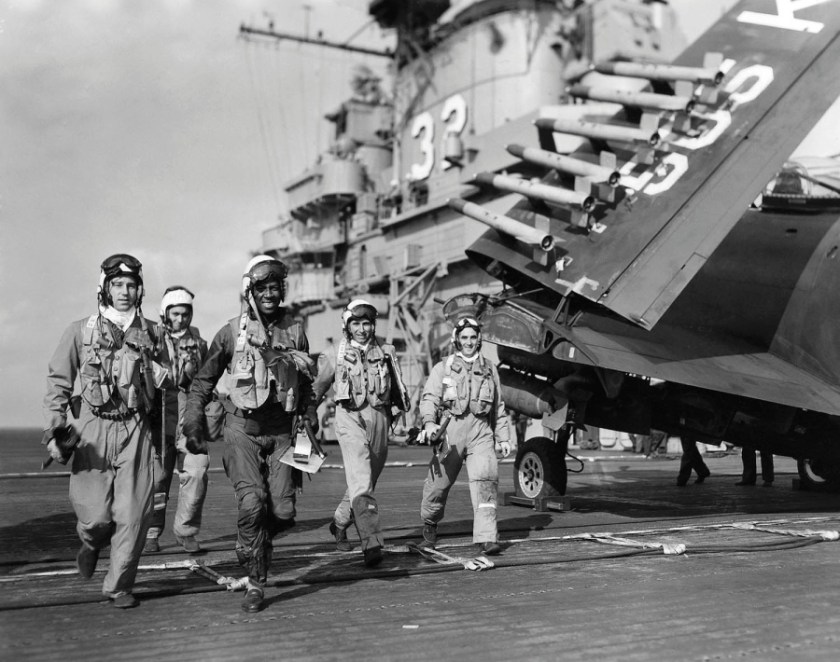
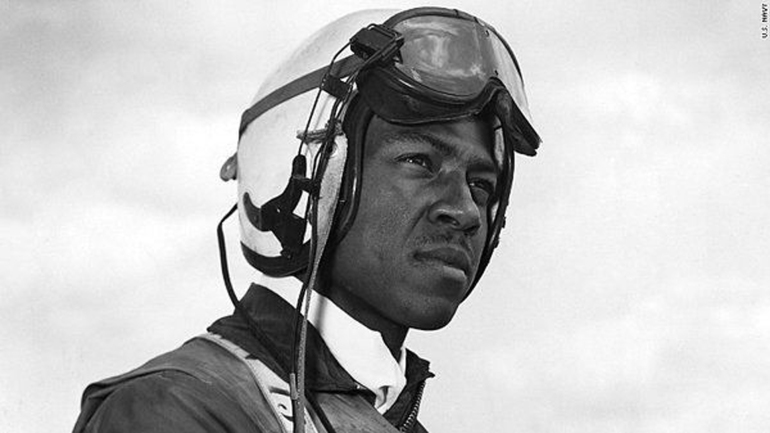
 Hudner acted on instinct, deliberately crash landing his own aircraft and, now injured, running across the snow to the aid of his friend and wing man. Hudner scooped snow onto the fire with his bare hands in the bitter 15° cold, burning himself in the progress while Brown faded in and out of consciousness. Soon, a Marine Corps helicopter pilot landed, to help out. The two tore into the stricken aircraft with an axe for 45 minutes, but could not free the trapped pilot.


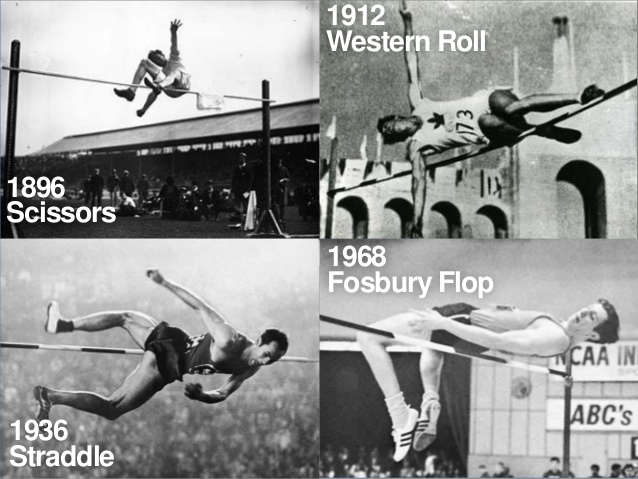


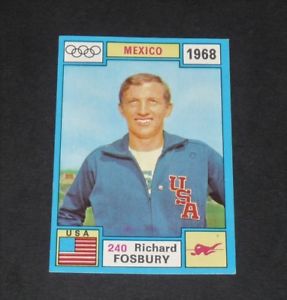 80,000 spectators witnessed for the first time, the “wrong foot” ascent. The perfect arch. The body mechanics leaving the jumper’s center of gravity, below the bar.
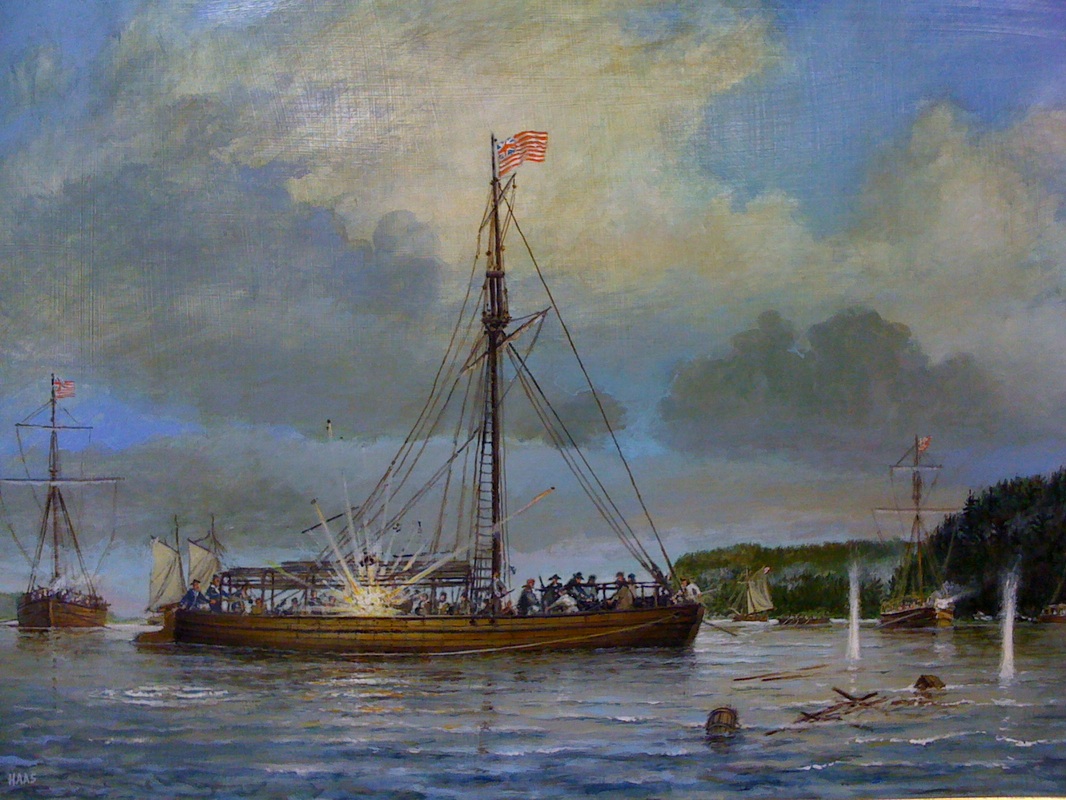

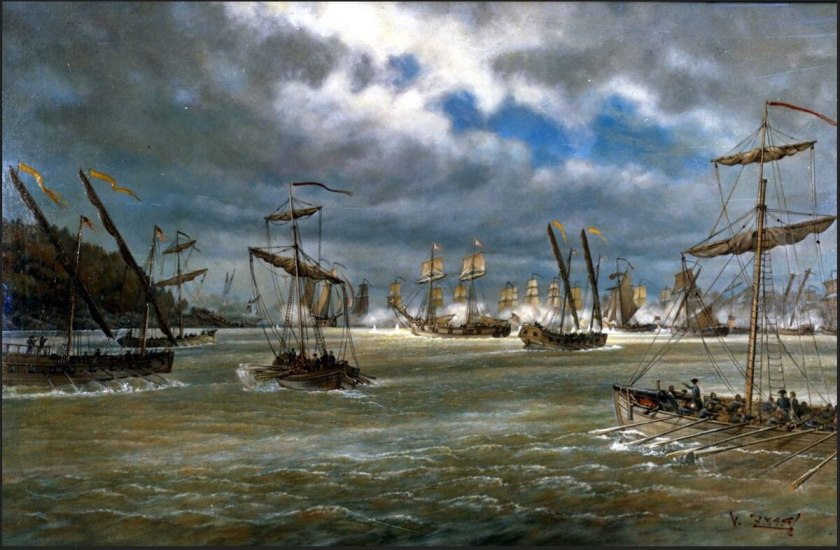
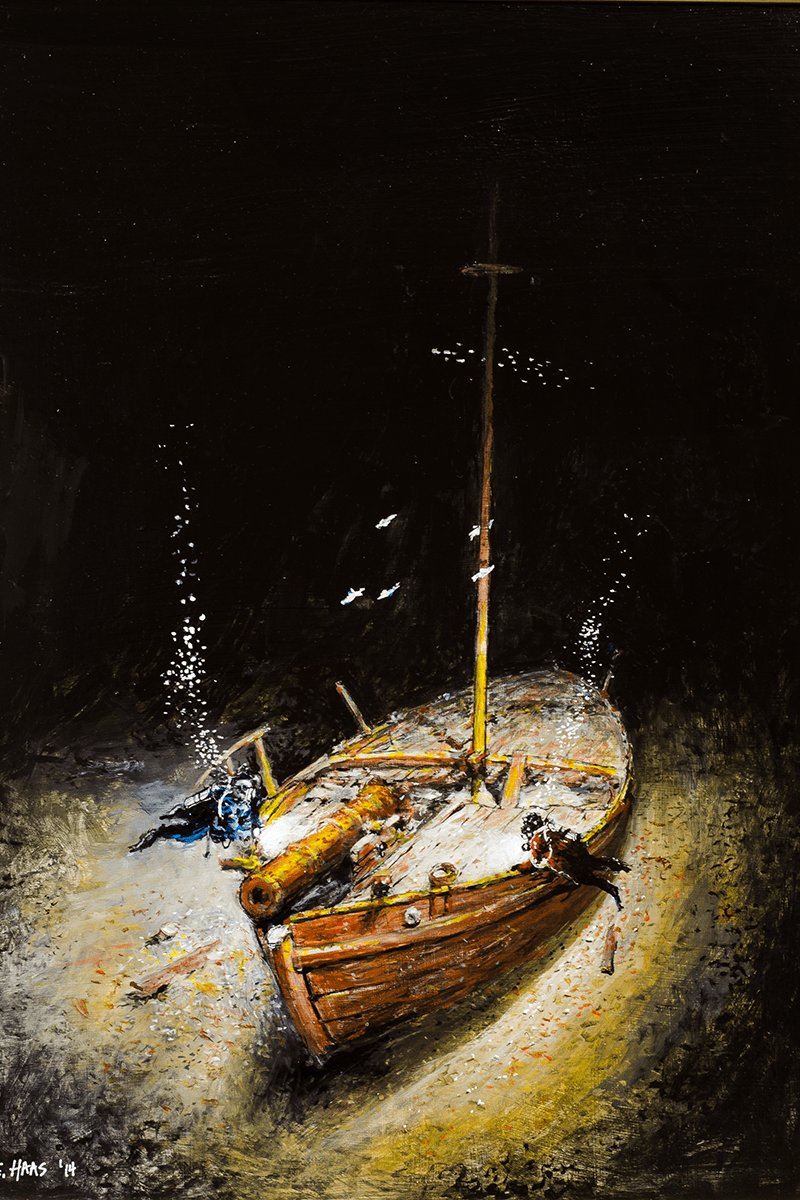
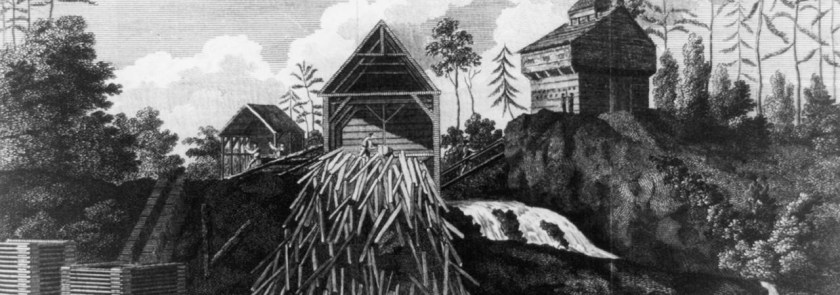 Hermanus Schuyler oversaw the effort, while military engineer Jeduthan Baldwin was in charge of outfitting. Gates asked General Benedict Arnold, an experienced ship’s captain, to spearhead the effort, explaining “I am intirely uninform’d as to Marine Affairs”.
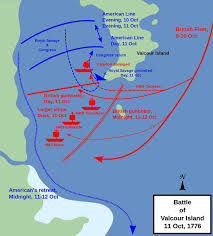 As the two sides closed in the early days of October, General Arnold knew he was at a disadvantage. The element of surprise was going to be critical. Arnold chose a small strait to the west of Valcour Island, where he was hidden from the main part of the lake. There he drew his small fleet into a crescent formation, and waited.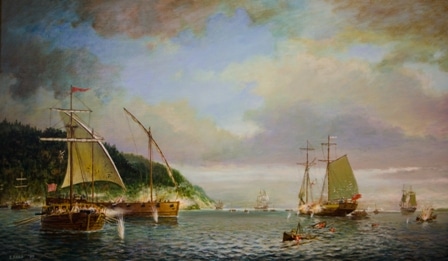


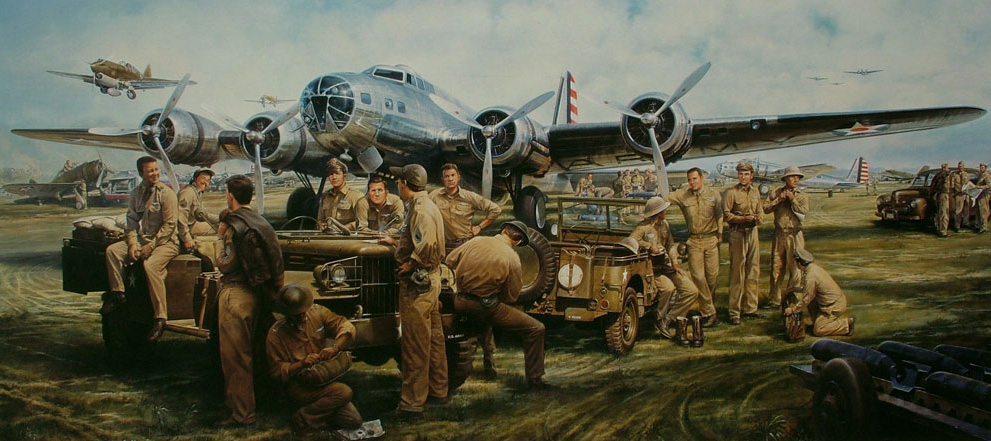
 The Municipal Airport in Portsmouth New Hampshire opened in the 1930s, expanding in 1951 to become a Strategic Air Command (SAC) base. The name was changed to Pease Air Force Base in 1957, in honor of Harl Pease, Jr., recipient of the Medal of Honor and Distinguished Flying Cross for heroism that led to his death in World War II.
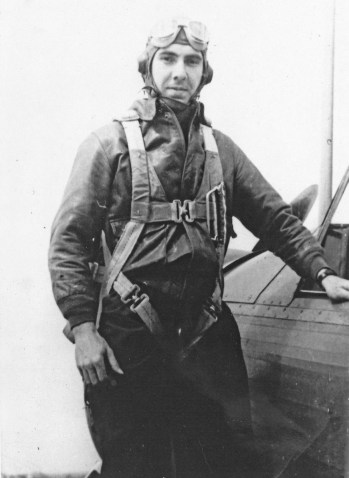 United States Army Air Corps Captain Harl Pease, Jr. was ordered to lead three battered B-17 Flying Fortresses to Del Monte field in Mindanao, to evacuate General Douglas MacArthur, his family and staff, to Australia. One of the aircraft was forced to abort early, while the other developed engine trouble and crashed. Pease alone was able to land his Fortress, despite inoperative wheel brakes and used ration tins covering bullet holes.
 “When 1 engine of the bombardment airplane of which he was pilot failed during a bombing mission over New Guinea, Capt. Pease was forced to return to a base in Australia. Knowing that all available airplanes of his group were to participate the next day in an attack on an enemy-held airdrome near Rabaul, New Britain, although he was not scheduled to take part in this mission, Capt. Pease selected the most serviceable airplane at this base and prepared it for combat, knowing that it had been found and declared unserviceable for combat missions. With the members of his combat crew, who volunteered to accompany him, he rejoined his squadron at Port Moresby, New Guinea, at 1 a.m. on 7 August, after having flown almost continuously since early the preceding morning. With only 3 hours’ rest, he took off with his squadron for the attack. Throughout the long flight to Rabaul, New Britain, he managed by skillful flying of his unserviceable airplane to maintain his position in the group. When the formation was intercepted by about 30 enemy fighter airplanes before reaching the target, Capt. Pease, on the wing which bore the brunt of the hostile attack, by gallant action and the accurate shooting by his crew, succeeded in destroying several Zeros before dropping his bombs on the hostile base as planned, this in spite of continuous enemy attacks. The fight with the enemy pursuit lasted 25 minutes until the group dived into cloud cover. After leaving the target, Capt. Pease’s aircraft fell behind the balance of the group due to unknown difficulties as a result of the combat, and was unable to reach this cover before the enemy pursuit succeeded in igniting 1 of his bomb bay tanks. He was seen to drop the flaming tank. It is believed that Capt. Pease’s airplane and crew were subsequently shot down in flames, as they did not return to their base. In voluntarily performing this mission Capt. Pease contributed materially to the success of the group, and displayed high devotion to duty, valor, and complete contempt for personal danger. His undaunted bravery has been a great inspiration to the officers and men of his unit”.


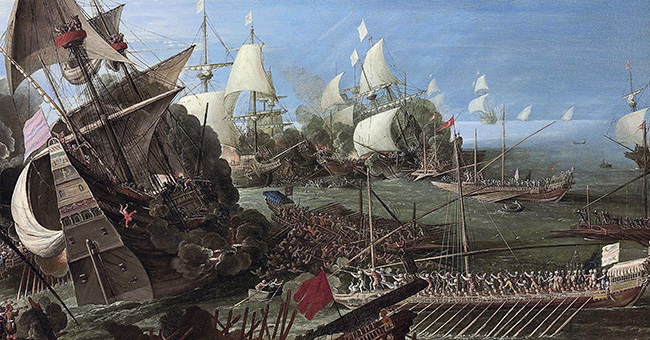
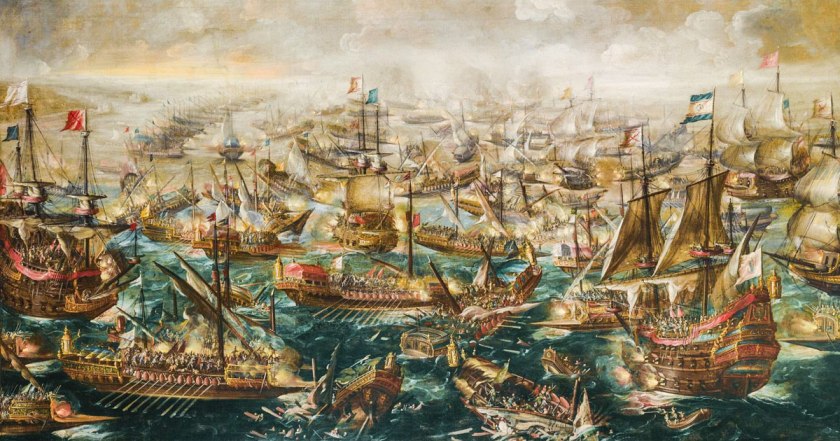
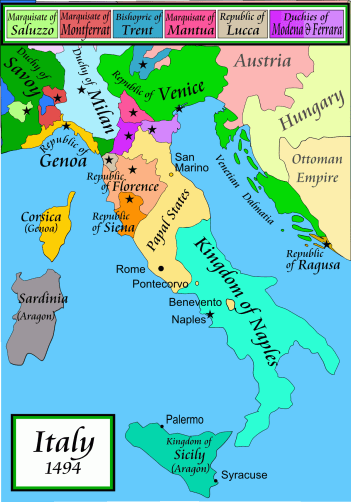 The “Italian wars” of the late fifteenth and early sixteenth centuries pitted no fewer than eight separate Christian alliances against one another, between forces of the Valois and Habsburg monarchies, the Holy Roman Empire and various Italian republics. In time, republican Venice was alone in retaining her independence, aside from minor city-states such as Lucca and San Marino.
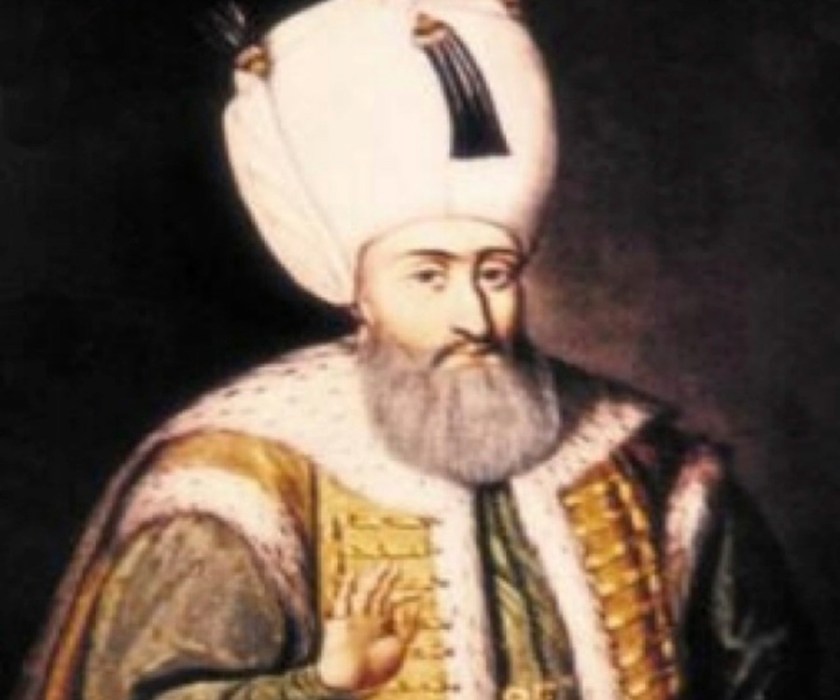
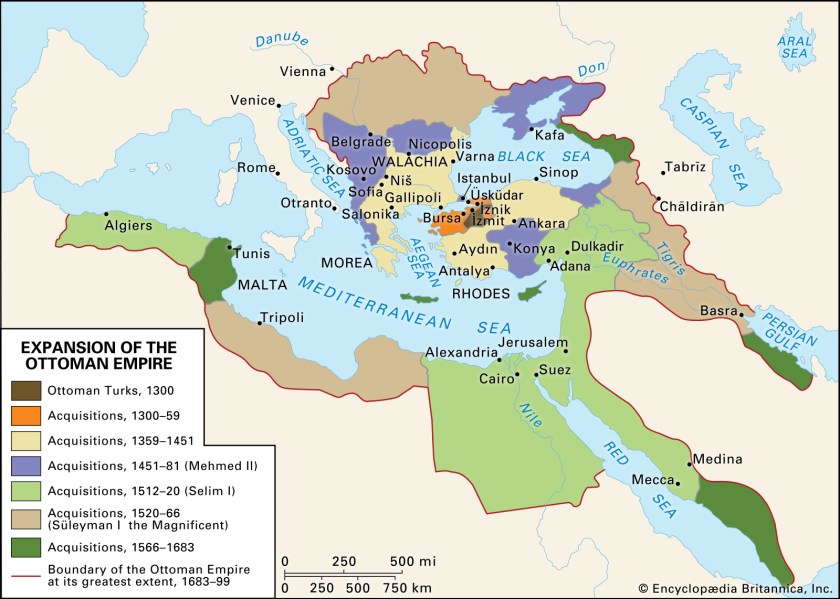
 Roxelana is unique in all Ottoman history, rising from Harem slave and Sultan’s concubine, to Süleiman’s legal wife and “Queen of the Ottoman Empire.” It was she who began a 130-year period of female influence over the male line known as the “Sultanate of Women” when, though born to slavery, the wives and mothers of the Sultan wielded extraordinary political power over affairs of the Ottoman Empire.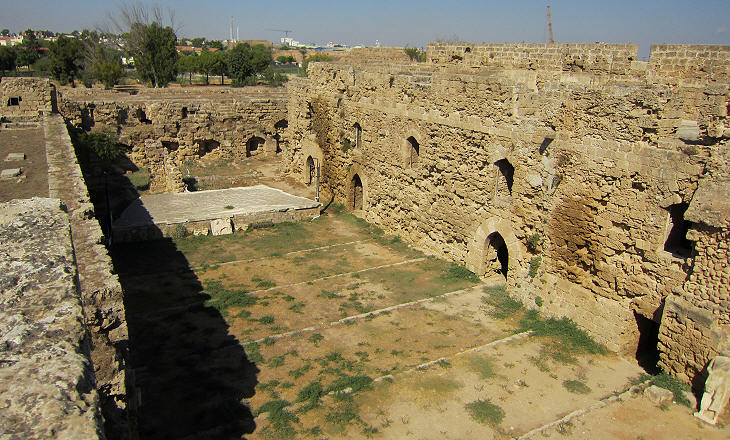










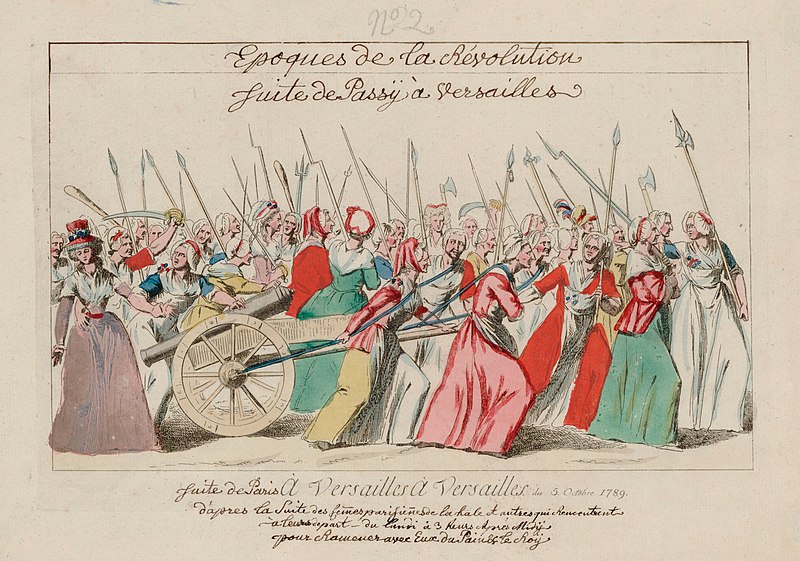
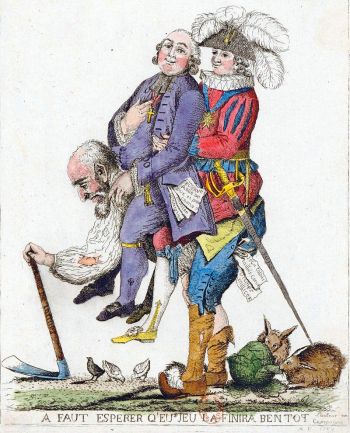
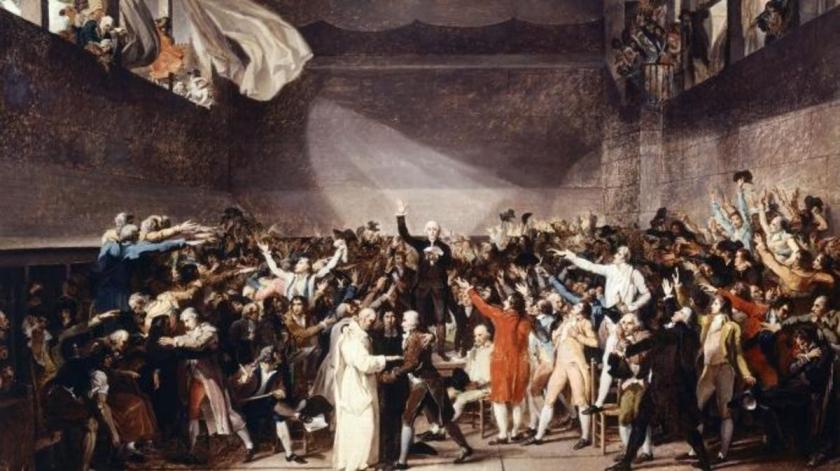 The oath itself was a revolutionary act. Unlike the English Parliament, the Estates-General were little more than an advisory body, whose authority was not required for Royal taxation or legislative initiatives. The oath taken that day asserted that political authority came from the people and their representatives, not from the monarchy. The National Assembly had declared itself supreme in the exercise of state power, making it increasingly difficult for the monarchy to operate based on “Divine Right of Kings”.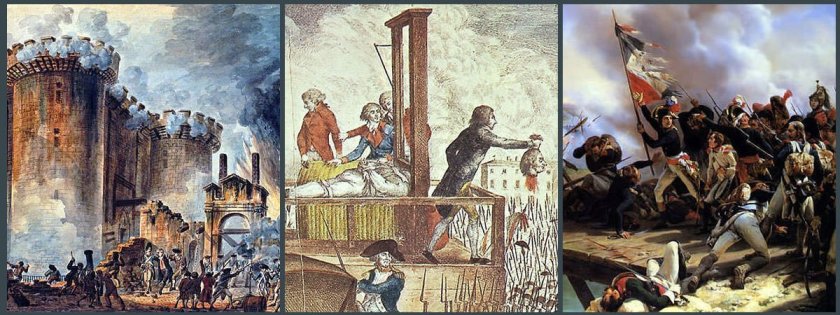

 Historical Easter Eggs - Today in History
You must be logged in to post a comment.