

Edward the Confessor, King of England, went into a coma in December 1065, having expressed no clear preference for a successor. Edward died on January 5 after briefly regaining consciousness, and commending his wife and kingdom to the protection of Harold, second son of Godwin, the powerful Earl of Wessex, and Gytha Thorkelsdóttir.
The Anglo-Saxon Kings didn’t normally pick their own successors, but their wishes carried import. Nobles of the Witenagemot, the early Anglo-Saxon predecessor to the modern parliament, were in Westminster to observe the Feast of the Epiphany. Convening the following day, the council elected Harold Godwinson, crowning him King Harold II on January 6.
For some, Harold’s quick ascension was a matter of administrative convenience and good fortune, that everyone just happened to be at the right place, at the right time. Others saw shades of conspiracy. A brazen usurpation of the throne. Edward’s death touched off a succession crisis which would change the course of history.

Harold’s younger brother Tostig, third son of Godwin, was himself a powerful Earl of Northumbria, and thoroughly detested by his fellow northern Earls. Tostig was deposed and outlawed by King Edward in October 1065, with support from much of the local ruling class as well as that of Tostig’s own brother, Harold.
King Edward’s death a short two months later, left the exile believing he had his own claim to the throne. Tostig’s ambition and animosity for his brother, would prove fatal to them both.
After a series of inconclusive springtime raids, Tostig went to a Norman Duke called William “The Bastard”, looking for military support. William had his own claim to the English throne, and had already declared his intention to take it. The Norman Duke had little use for King Harold’s younger brother, so Tostig sought the assistance of King Harald of Norway, also known as Harald Hardrada (“harðráði” in the Old Norse), the name translating as”hard ruler”.

Tostig sailed for England with King Harald and a mighty force of some 10,000 Viking warriors, arriving in September, 1066. Six thousand were deployed on September 20, to meet 5,000 defenders on the outskirts of the village of Fulford, near the city of York. Leading the defenders were those same two brothers, Edwin of Mercia, and Morcar of Northumbria.
The Anglo-Saxons were first to strike, advancing on a weaker section of the Norwegian line and driving Harald’s vikings into a marsh. With fresh invaders hurrying to the scene, the tide turned as the English charge found itself cut off and under attack, wedged between the soft ground of the marsh and the banks of an adjoining river. The encounter at Fulford Gate was a comprehensive defeat for the English side. It was over in an hour. On this day in 1066, two of the seven Great Kingdoms of Anglo-Saxon England, were decimated.
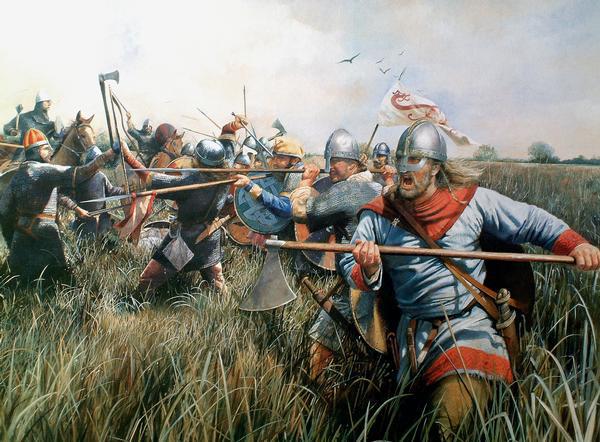
Perhaps not wanting to have his capital city looted, Tostig agreed to take a number of hostages, and retired seven miles south to Stamford Bridge to await formal capitulation. Harald went along with the plan, believing he had nothing further to fear from the English.
Meanwhile, King Harold awaited with an army in the south, anticipating William’s invasion from Normandy. Hearing of the events at Fulford, Harold marched his army north, traveling day and night and covering 190 miles in four days, on foot, completely surprising the Viking force waiting at Stamford Bridge.
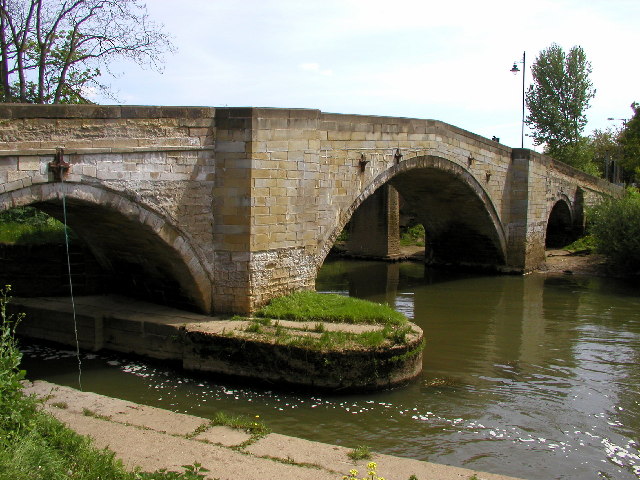
Believing they had come to accept submission, the Norwegians must have looked at the horizon and wondered, how a peace party could raise that much dust. This was no peace party. With their forces spread out and separated on opposite sides of the River Derwent, Harald Hardrada and his ally Tostig now faced a new army.
At the height of the battle, one Berserker stood alone at the top of Stamford Bridge, wielding the great two-handed Dane Axe. Alone and surrounded, this giant of a man slew something like 40 English soldiers when one of Harold’s soldiers floated himself under the bridge, spearing the Viking warrior from below.
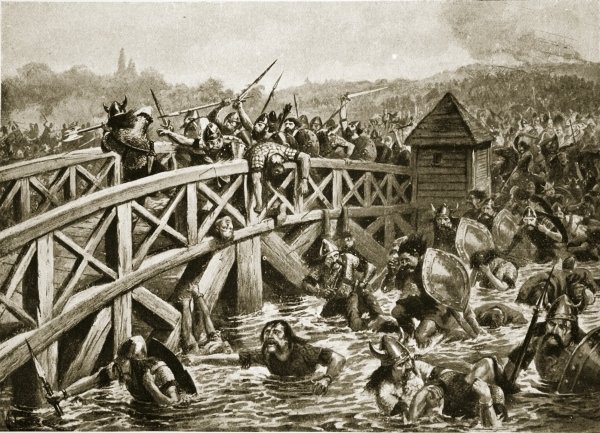
The savagery of the battle at Stamford Bridge, can only be imagined. Before the age of industrialized warfare, every injury was personally administered with sword, axe or mace. Before it was over 5,000 of King Harold’s soldiers lay dead, about a third of his entire force. Two-thirds of King Harald’s Vikings died at Stamford Bridge, about 6,000 including Harald himself and the would-be King, Tostig Godwinson.
So many died in that small area that, 50 years later, the site was said to have been white with the sun bleached bones of the slain. Of 300 ships arriving that September, the battered remnants of Harald’s Viking army needed only 24, to sail away.

Stamford Bridge is often described as the end of the Viking invasions of England, but that isn’t quite so. There would be others, but none so powerful as this. The Last of the Great Vikings, was dead.
The Norman landing King Harold had been waiting, for took place three days later at Pevensey Harbor, just as his battered army was disbanding and heading home for the Fall harvest. The Anglo Saxon army would march yet again, meeting the Norman invader on October 14 near the East Sussex town of Hastings. King Harold II was killed that day, with an arrow to his eye. He was the Last of the Anglo Saxon Kings.
Twenty years later, William “The Conqueror” would commission the comprehensive inventory of his new Kingdom, the “Domesday Book“.

Alternate histories are fraught with peril. It’s hard to tell the story of events, which never occurred. Even so, I have to wonder. Some of the best men in the England of 1066 were killed under King Harold‘s banner, in the clash at Stamford Bridge. Surely every last man among them faced some degree of exhaustion to say nothing of wounds, the day they faced Duke William’s Norman force on that Hastings hillside.
Those who survived Stamford Bridge performed a round-trip march of some 380-miles, in the three weeks since Fulford.
Those three weeks in 1066 altered the next 1,000 years of British history and with it, her former colonies in America. How different were those last thousand years, but for this one day’s outcome, at a place called Fulford Gate.
Feature image, top of page” One scene from the Bayeux Tapestry. At 20-inches tall and nearly 230-feet long, the 11th-century textile tells the story of the Norman conquest of England, in 1066.


 Jefferson Davis’ experiment was to be the first large-scale re-introduction of these animals on the North American continent, in geologic history.


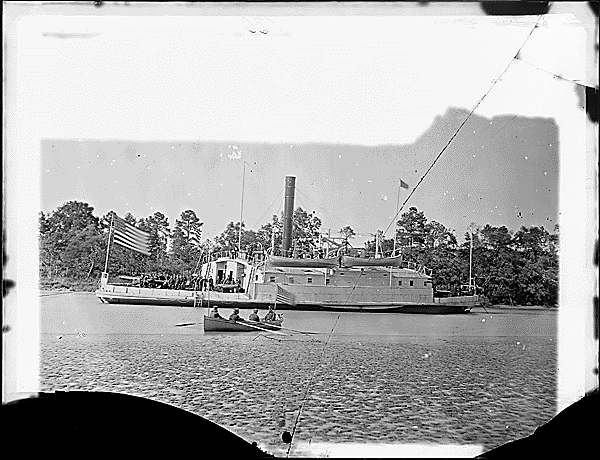
 The first Sino-Japanese war of July 1894 – April 1895, was primarily fought over control of the Korean peninsula. The outcome was never in doubt, with the Japanese army and navy by this time patterned after those of the strongest military forces of the day.
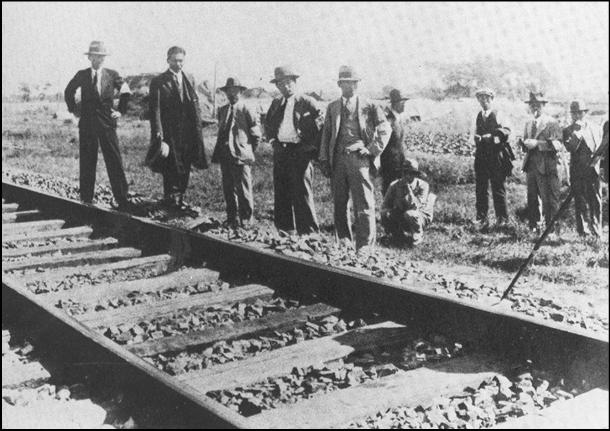
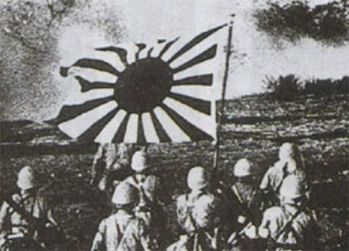 As Western historians tell the tale of WW2, the deadliest conflict in history began in September 1939, with the Nazi invasion of Poland. The United States joined the conflagration two years later, following the sneak attack on the American Naval anchorage at Pearl Harbor, by naval air forces of the Empire of Japan.


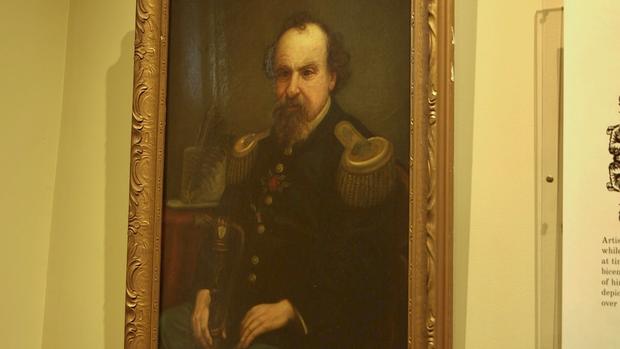
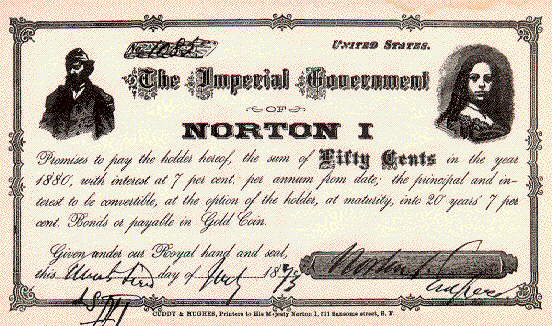
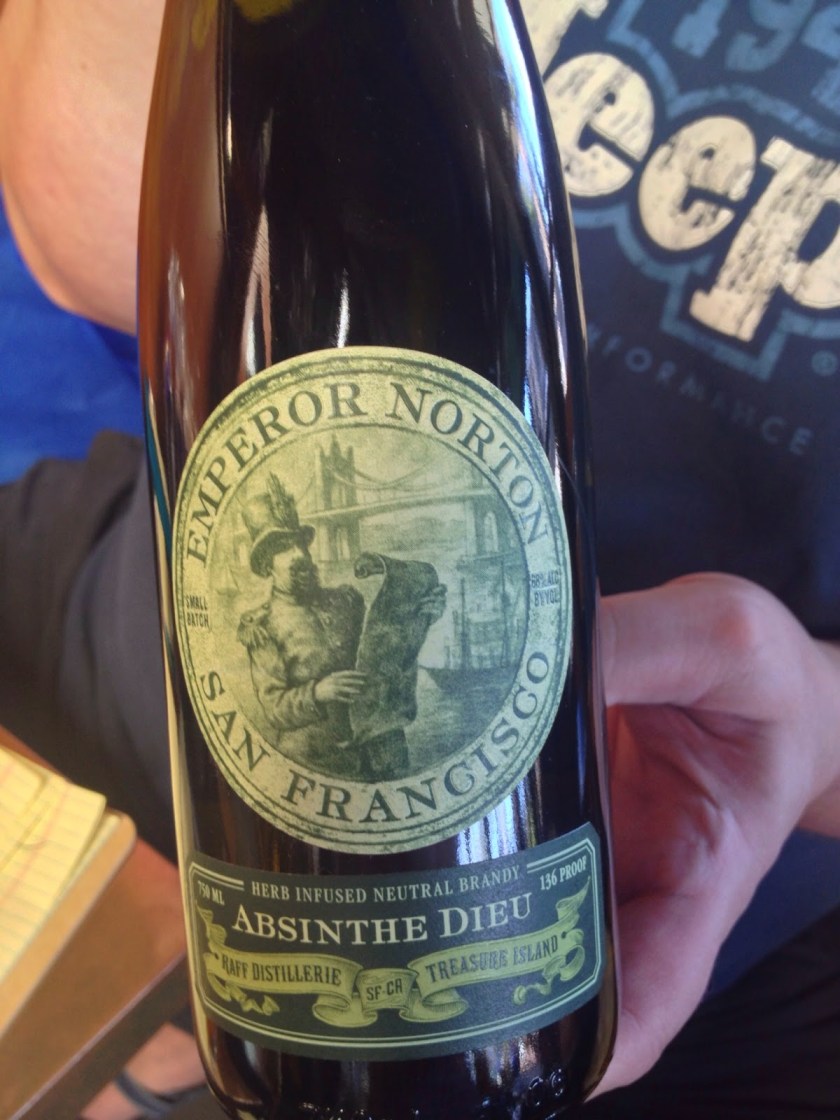
 WHEREAS, it is necessary for the repose of our Empire that the said decree should be strictly complied with; NOW, THEREFORE, we do hereby Order and Direct Major-General Scott, the Command-in-Chief of our Armies, immediately upon receipt of this, our Decree, to proceed with a suitable force and clear the Halls of Congress”.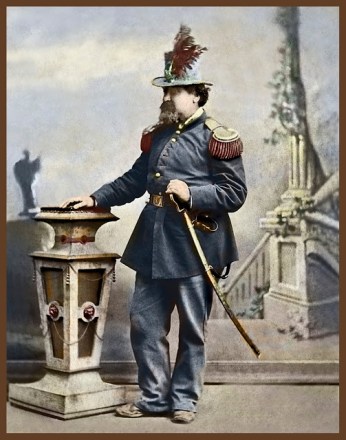




 In the heart of the Financial District in Manhattan, at the corner of Wall Street & Broad stands an office building, commonly known as “The Corner”.


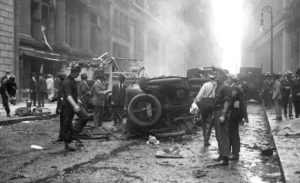 That June, another nine far more powerful bombs used up to twenty-five pounds of dynamite, for the first time introducing the use of metal slugs, to add to the bomb’s lethality. The intended victims were all political figures who’d supported anti-sedition or deportation legislation including AG Palmer himself, or judges who’d sentenced anarchists to long prison terms. None were successful, though one killed a 70-year-old night watchman, who stopped to check a suspicious package on the doorstep of judge Charles Nott.


 Early armored cars were fine for moving personnel over smooth roads, but there was a need for a vehicle capable of navigating the broken terrain of no man’s land. In the run-up to WWI, several soon-to-be belligerents were conducting experiments with “land ships”, with varying degrees of success.

 The most unusual tank of WWI was the tricycle designed “Lebedenko” or “Tsar Tank”. Developed by pre-Soviet Russia, the armament and crew quarters on this thing were 27′ from the ground, making them irresistible targets for enemy artillery.


 Interior temperatures rose to 122° Fahrenheit and more, making me wonder if these things weren’t as dangerous to their own crews as they were to the other side.
 The only German project to be produced and fielded in WWI was the A7V. They only made 20 of these things in the armored, “Sturmpanzerwagen Oberschlesien“, “Upper Silesia Assault Armored Vehicle” version, and a few more in the unarmored “Überlandwagen”, “Over-land vehicle”, used for cargo transport.
 It would be very different, in the next war.

 The documents came from Lt. Col. Bill Burkett, a former Texas Army National Guard officer who had received publicity back in 2000, when he claimed to have been transferred to Panama after refusing to falsify then-Governor Bush’s personnel records. Burkett later retracted the claim, but popped up again during the 2004 election cycle. Many considered the man to be an “anti-Bush zealot”.
 Meanwhile, the four “experts” used in the original story were publicly repudiating the 60 Minutes piece.
 Yet Killian’s wife and son had cleared out his office after his death, and neither found anything so much as hinting at the existence of such documents. Others who claimed to know Carr well described her as a “sweet old lady”, but said they had “no idea” where those comments had come from.
 Public confidence in the “Mainstream Media” plummeted. Many saw the episode as a news network lying, and the “Newspaper of Record” swearing by it.


 On September 13, 1987, Roberto dos Santos Alves and Wagner Mota Pereira entered the Instituto Goiano de Radioterapia (IGR), bent on theft. The private hospital was permanently closed at the time, and partly demolished. Alves and Pereira were looking for anything they might sell, for scrap.

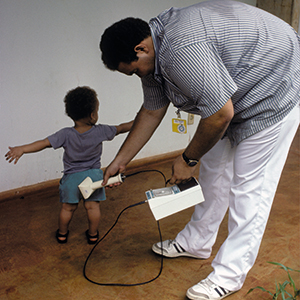 Five days after the theft, Alves sold the items he had pilfered, to a nearby scrapyard. Noticing the blue glow from the punctured capsule, the scrapyard owner thought the object might be valuable or even supernatural, and took the thing inside. Several rice-sized grains of the glowing material were pried from inside the capsule, as Devair Ferreira (the owner of the scrapyard) invited friends and family to come and see the strange, glowing substance. Ferreira’s brother Ivo brought some of the stuff home to his six-year-old daughter, about the time when Devair’s 37-year-old wife Gabriela, became ill.
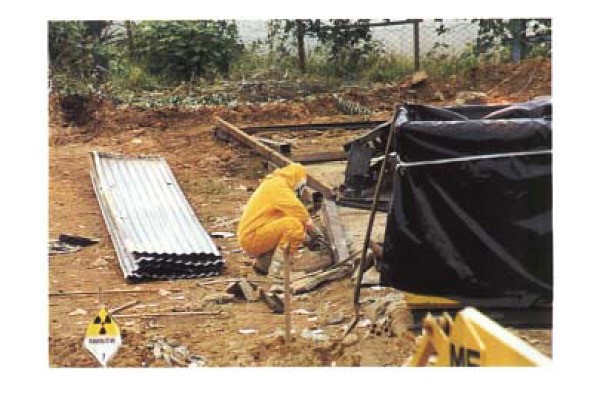 The incident was broadcast all over Brazil, and 130,000 people people flooded into area hospitals, afraid they had been exposed. One thousand individuals showed greater than background levels of radiation, 249 showed significant signs of contamination.

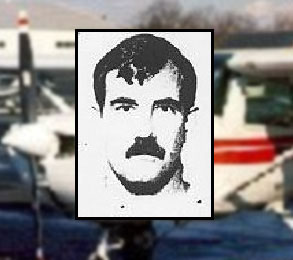 For Frank Eugene Corder, life took a turn for the worse in 1993, around the time the truck driver was fired for reasons unknown. That April, Corder was arrested for theft. Another arrest that October, this time on illegal substance charges, led to a 90-day sentence to a drug rehab center.







 Historical Easter Eggs - Today in History
You must be logged in to post a comment.