

Today, Sunday, September 30, 2018, is Gold Star Mother’s Day. I wish to dedicate this “Today in History”, to those women who have made the greatest sacrifice a mother can make, in service to the nation. The rest of us owe them a debt which can never be repaid.
Suppose you were to stop 100 randomly selected individuals on the street, and ask them: “Of all the conflicts in American military history, which single battle accounts for the greatest loss of life“. I suppose you’d get a few Gettysburgs in there, and maybe an Antietam or two. The Battle of the Bulge would come up, for sure, and there’s bound to be a Tarawa or an Iwo Jima. Maybe a Normandy. I wonder how many would answer, Meuse-Argonne.
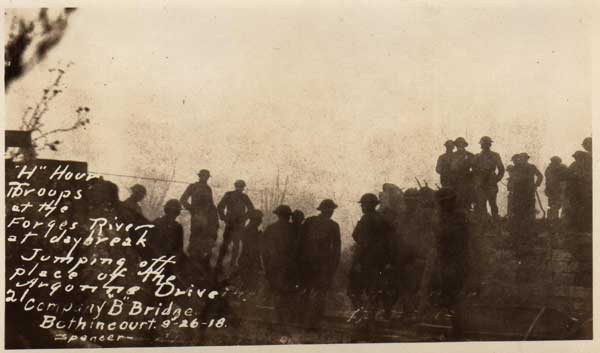
The United States was a relative late-comer to the Great War, entering the conflict in April 1917, when President Woodrow Wilson asked permission of the Congress, for a “War to end all wars”. American troop levels “over there” remained small throughout the rest of 1917, as the formerly neutral nation of fifty million ramped up to a war footing.
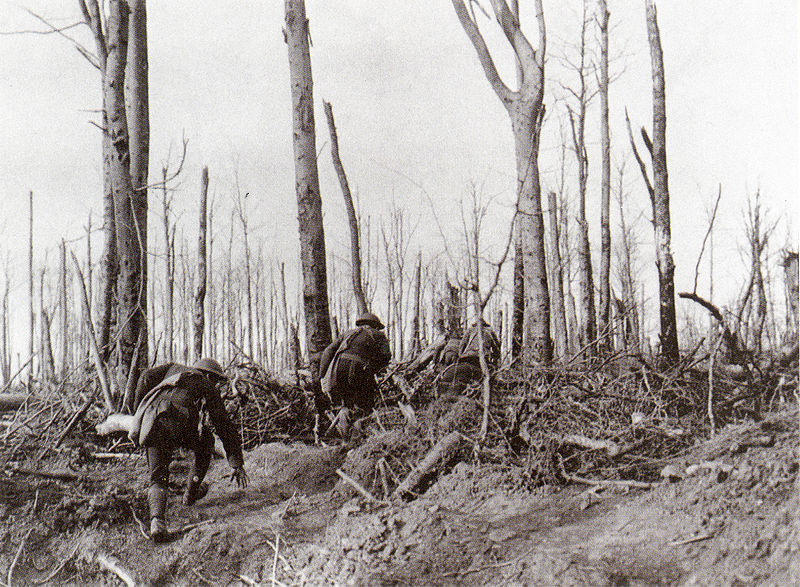
The trickle turned to a flood in 1918, as French ports were expanded to handle their numbers. The American Merchant Marine was insufficient to handle the influx, and received help from French and British vessels. By August, every one of what was then forty-eight states had sent armed forces, amounting to nearly 1½ million American troops in France.
After four years of unrelenting war, French and British manpower was staggered and the two economies, nearing collapse. Tens of thousands of German troops were freed up and moving to the western front, following the chaos of the Russian Revolution. The American Expeditionary Force was arriving none too soon.
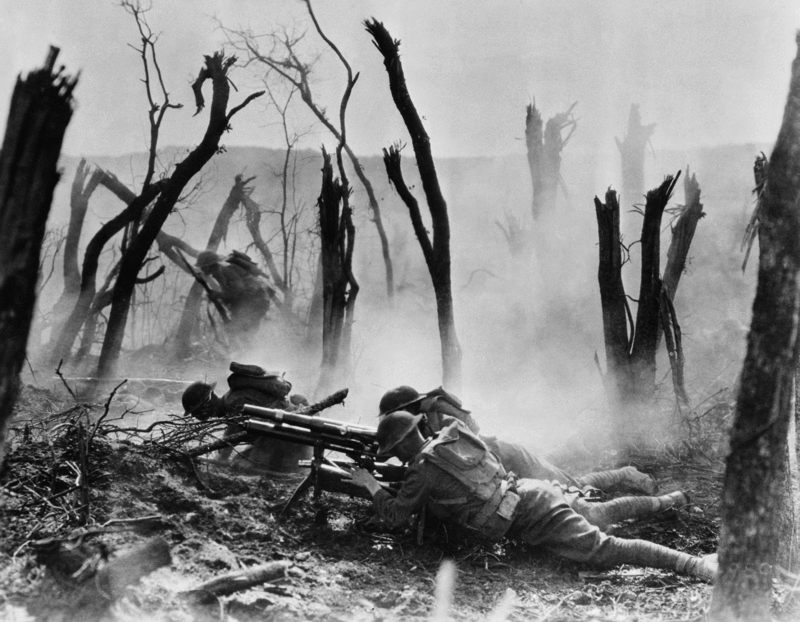
Following successful allied offensives at Amiens and Albert, Allied Supreme Commander Ferdinand Foch ordered General John J. “Black Jack” Pershing to take overall command of the offensive, with the objective of cutting off the German 2nd Army. Some 400,000 troops were moved into the Verdun sector of northeastern France. This was to be the largest operation of the AEF, of World War I.With a half-hour to go before midnight September 25, 2,700 guns opened up in a six hour bombardment, against German positions in the Argonne Forest, along the Meuse River.

Some 10,000 German troops were killed or incapacitated by mustard and phosgene gas attacks, and another 30,000 plus, taken prisoner. The Allied offensive advanced six miles into enemy territory, but bogged down in the wild woodlands and stony mountainsides of the Argonne Forest.

The Allied drive broke down on German strong points like the hilltop monastery at Montfaucon and others, and fortified positions of the German “defense in depth”.
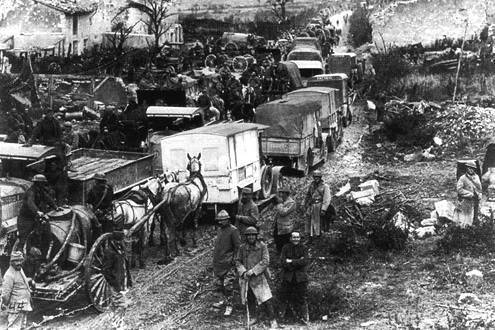
Pershing called off the Meuse-Argonne offensive on September 30, as supplies and reinforcements backed up in what can only be termed the Mother of All Traffic Jams.
Fighting was renewed four days later resulting in some of the most famous episodes of WW1, including the “Lost Battalion” of Major Charles White Whittlesey, and the single-handed capture of 132 prisoners, by Corporal (and later Sergeant) Alvin York.

The Meuse-Argonne offensive would last forty-seven days, resulting in 26,277 American women gaining that most exclusive and unwanted of distinctions, that of being a Gold Star Mother. More than any other battle, in American military history. 95,786 others would see their boys come home, mangled.

In May of that year, President Woodrow Wilson approved a suggestion from the Women’s Committee of the Council of National Defenses, that American women were asked to wear black bands on the left arm, with a gilt star for every family member who had given his life for the nation.
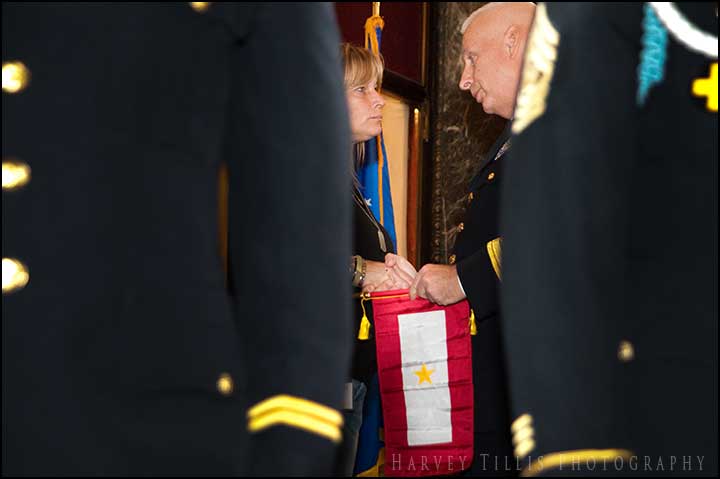
Today, Title 36 § 111 of the United States Code provides that the last Sunday in September be observed as Gold Star Mother’s Day, in honor of those women who have made the ultimate sacrifice. (April 5 is set aside, as Gold Star Spouse’s Day). Recently, both President Barack Obama and Donald Trump have signed proclamations, setting this day aside as Gold Star Mother’s and Family’s Day.

At first a distinction reserved only for those mothers who had lost sons and daughters in WW1, that now includes a long list of conflicts, fought over the last 100 years. At this time the US Army website reports “The Army is dedicated to providing ongoing support to over 78,000 surviving Family members of fallen Soldiers”.
Seventy-eight thousand, out of a nation of some 320 million. They are so few, who pick up this heaviest of tabs on behalf of the rest of us.


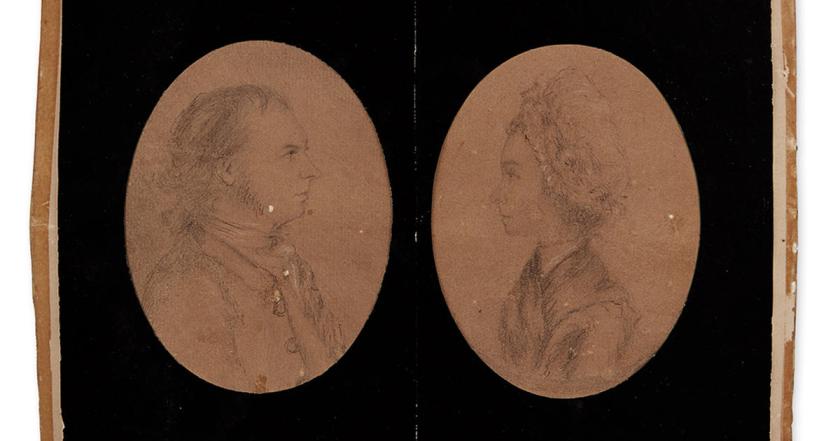


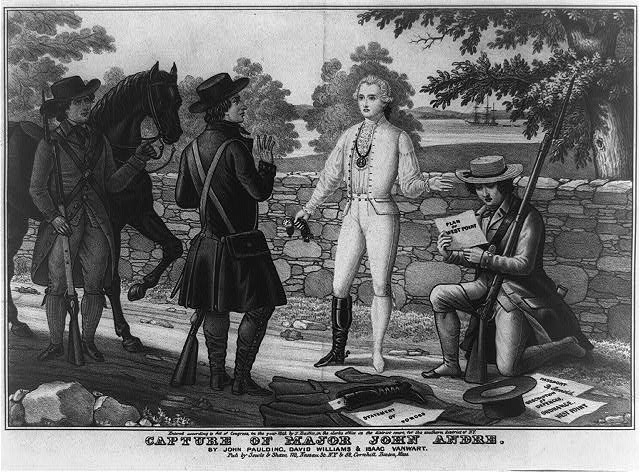
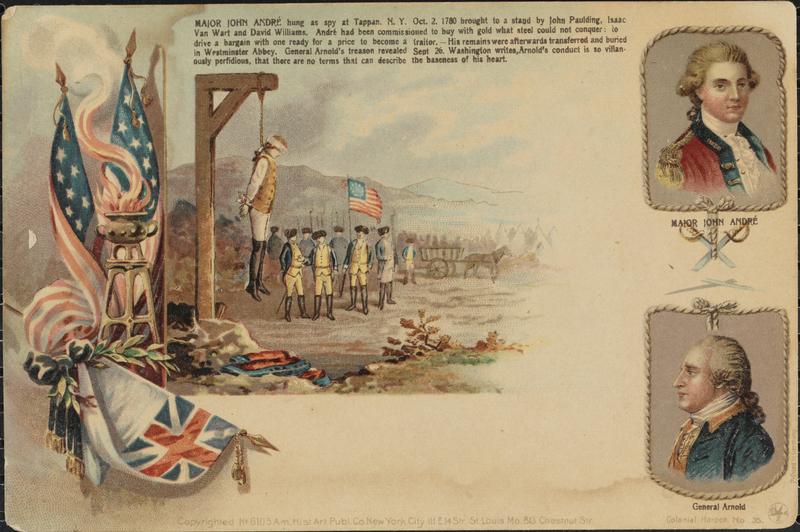
 Long afterward, in the early 20th century, the descendants of Major-General Lord Charles Grey returned the painting to the United States, indicating that André had probably looted Franklin’s home under orders from General Grey, himself. A Gentleman always, it would explain the man’s inability to defend his own actions. Today, that oil portrait of Benjamin Franklin hangs in the White House.





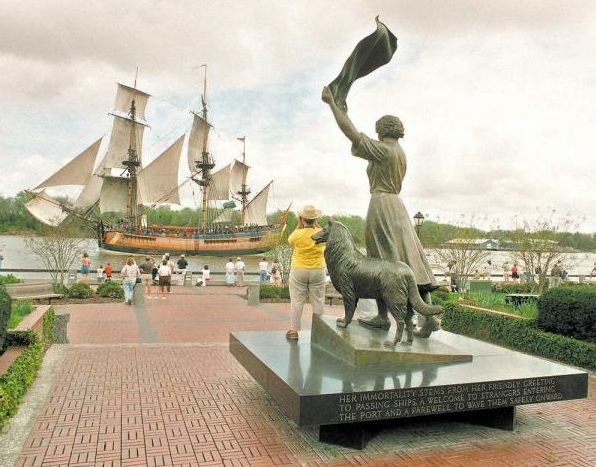
 Florence Margaret Martus was born there in 1868, where her father worked as an ordnance sergeant. Martus spent her childhood on the south channel of the Savannah River, moving in with her brother, keeper of the Cockspur Island Lighthouse, when she was 17.
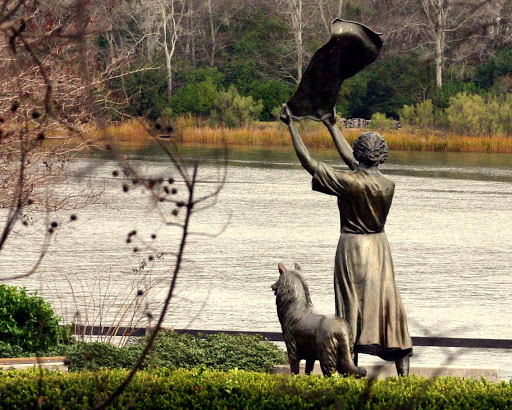
 So it was that Miss Martus would take out her handkerchief by day or light her lantern by night, and she would greet every vessel that came or went from the Port of Savannah. Every one of them. Some 50,000 vessels, over 44 years.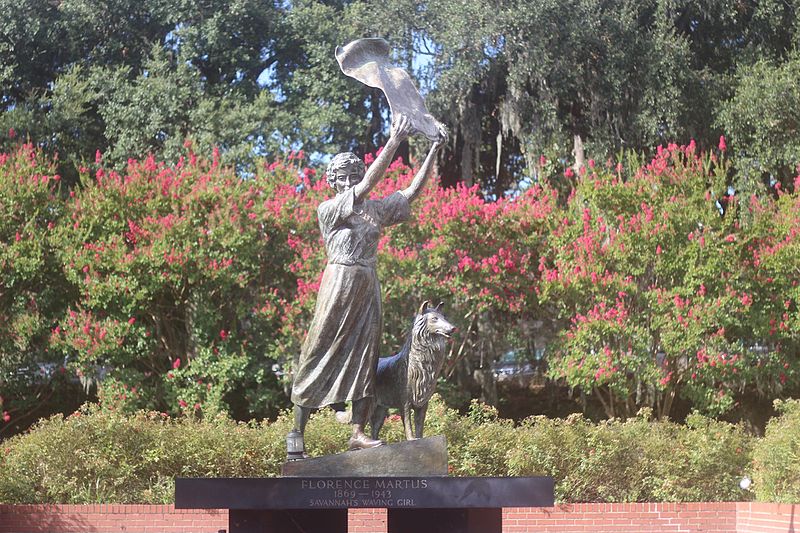
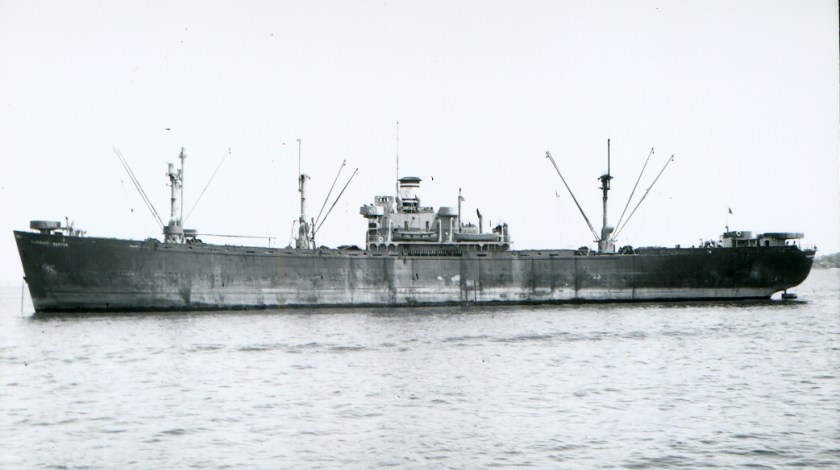
 The Southeastern Shipbuilding Corporation of Savannah built 88 Liberty ships during the course of World War II, the light, low-cost cargo ship which came to symbolize the industrial output of the American economy.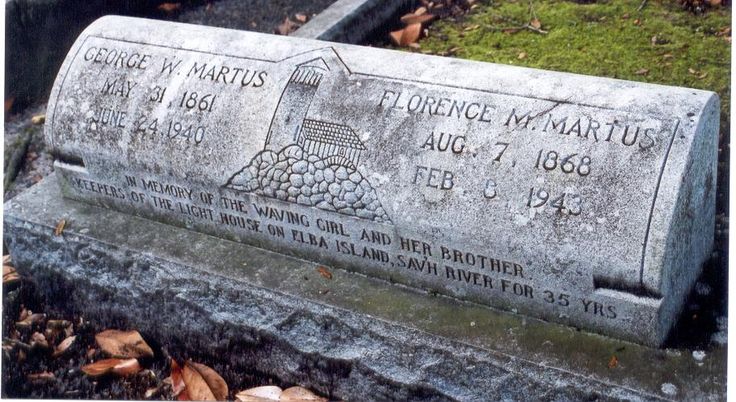



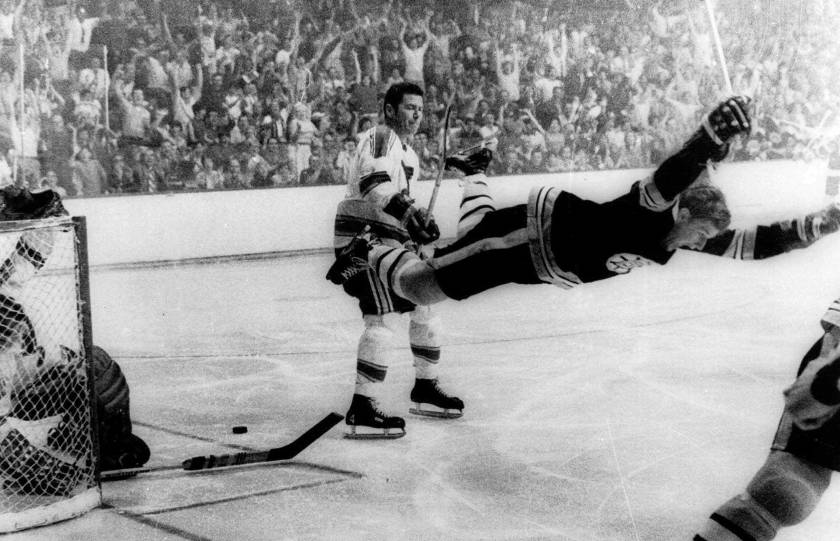
 Bound to a wheelchair after thirteen years and barely able to stand without aid of a walker, Normand Léveillé came back to the Garden twenty-three years ago tonight, to skate there one last time.

 Even at the Constitutional Convention, delegates expressed concerns about the larger, more populous states holding sway, at the expense of the smaller states. The “Connecticut Compromise” solved the problem, creating a bicameral legislature with proportional representation in the lower house (House of Representatives) and equal representation of the states themselves in the upper house (Senate).
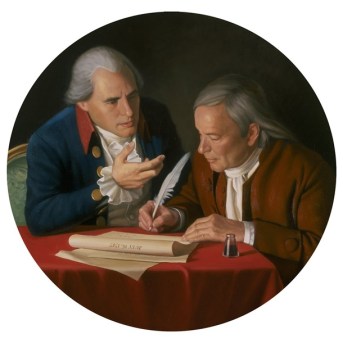 A compromise was reached in February, 1788 whereby Massachusetts and other states would ratify the document, with the assurance that such amendments would immediately be put up for consideration.





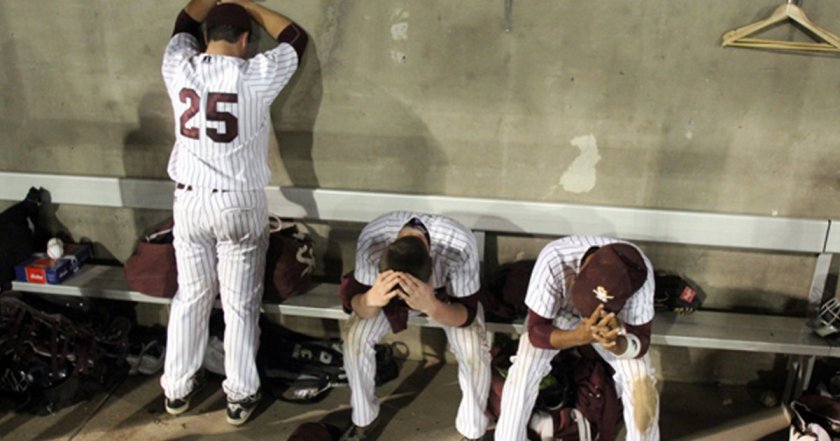
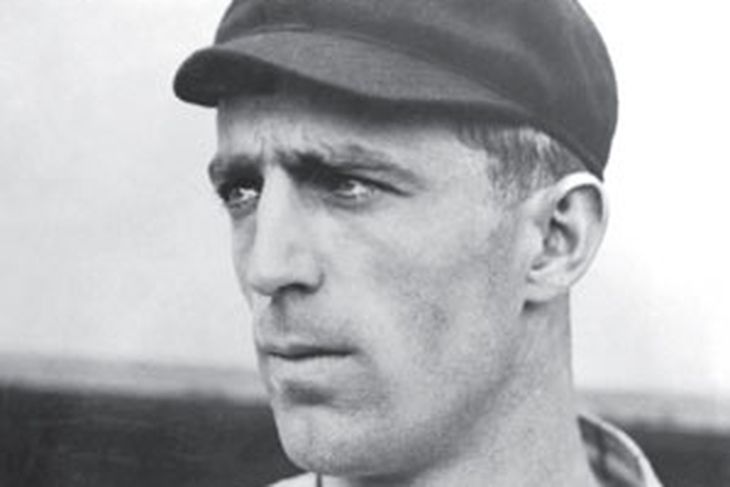
 Merkle thought so too, and ran to the Giants’ clubhouse, never touching second base.

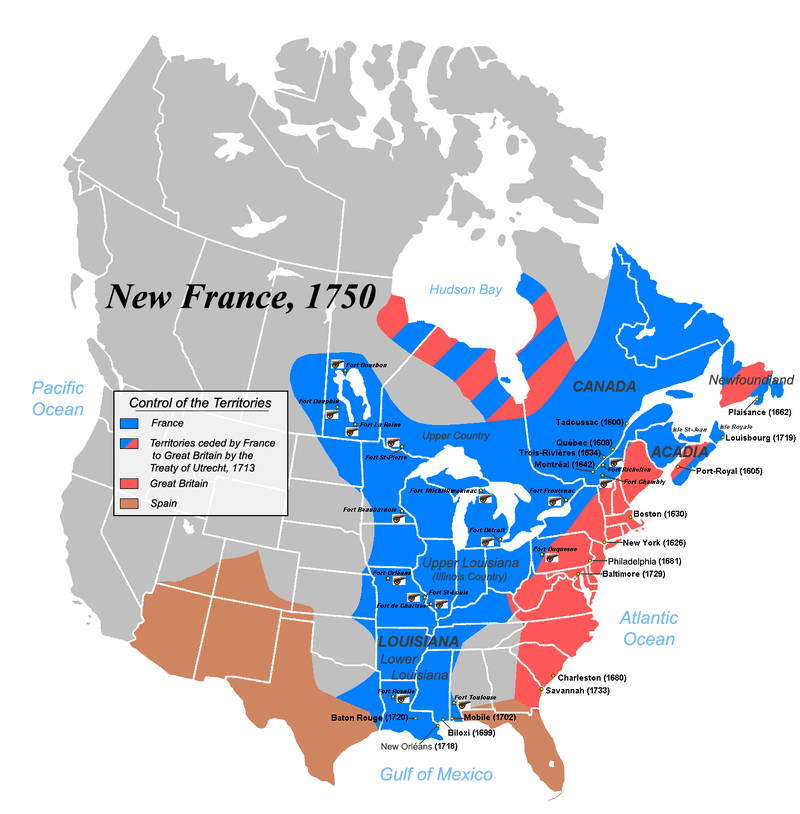
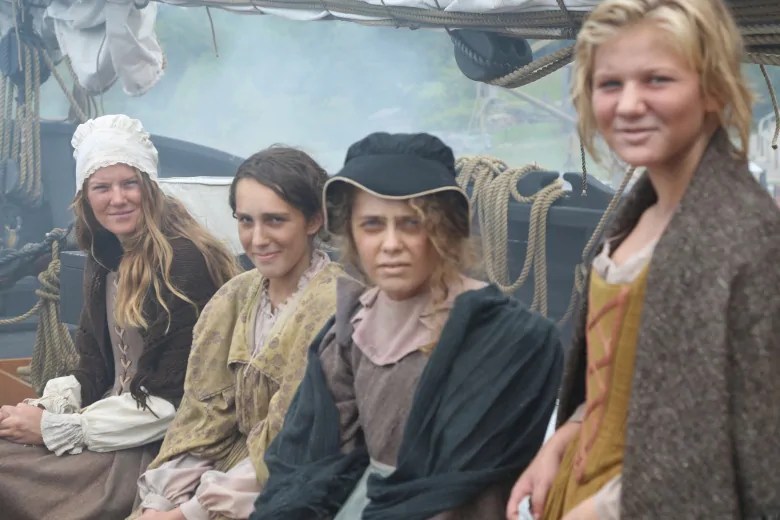



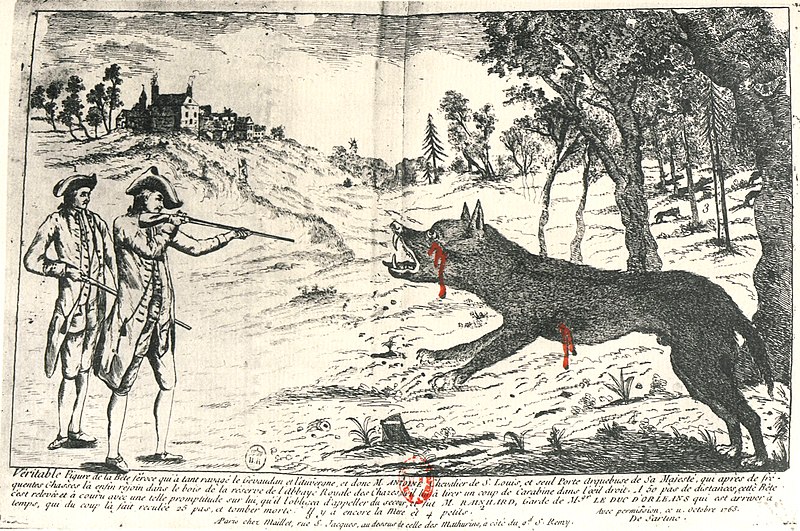
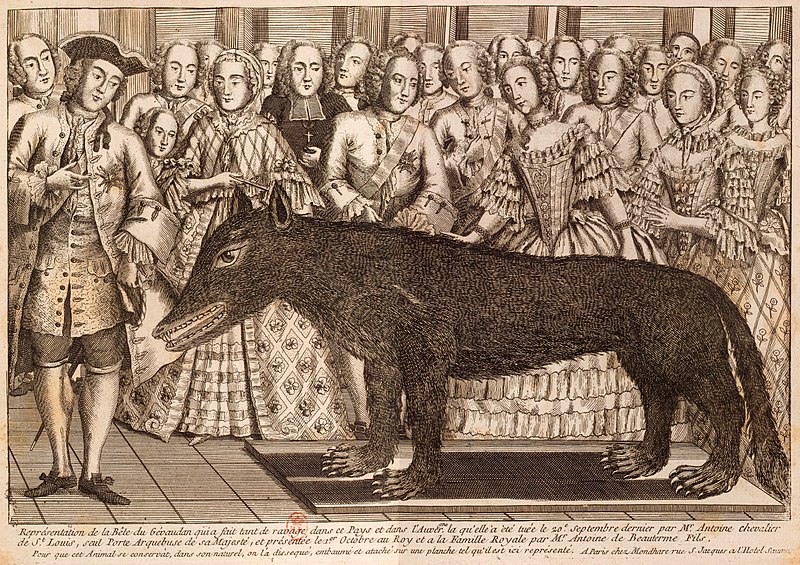
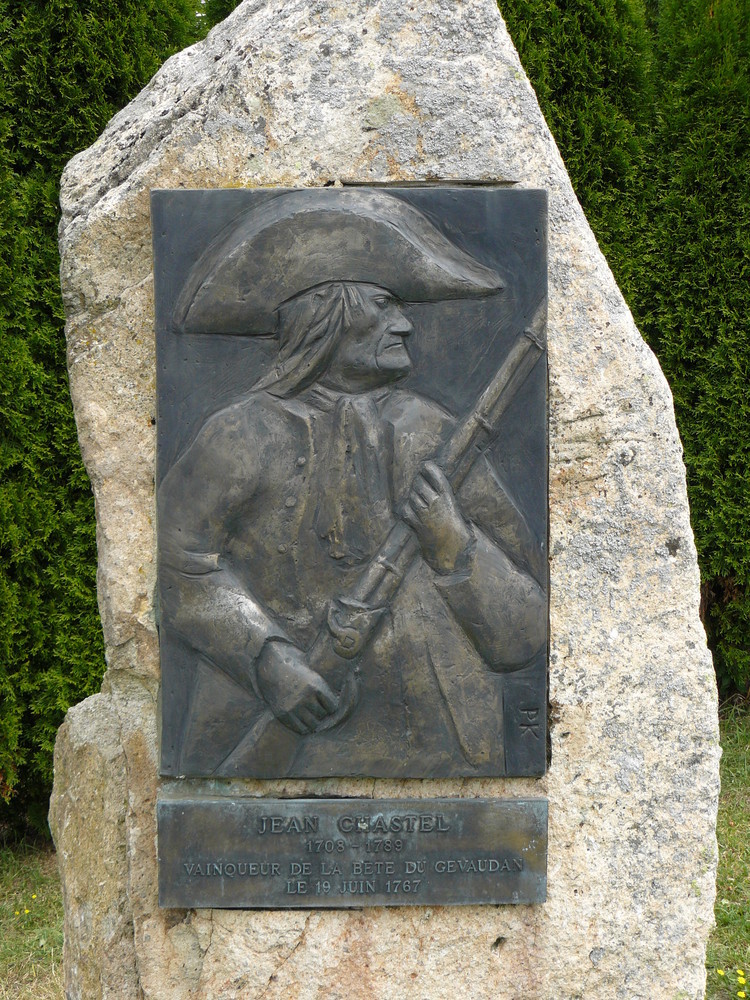
 Terror gripped the region in the later months of 1764, as the Beast attacked women, men and children. Usually while alone, and often while tending livestock.



 Historical Easter Eggs - Today in History
You must be logged in to post a comment.