

 Founded by Byzas, son of the Greek King Nisos circa 657BC, the earliest days of Byzantium are clouded by legend. Located on the easternmost peninsula where Europe becomes Asia, the city is surrounded on three sides, by water.
Besieged and all but destroyed by Rome in 196AD, the city soon regained the wealth and status it had formerly enjoyed as a center of trade. The Roman Emperor Constantine established a second residence at Byzantium in 330, which was later renamed Constantinople, in his honor. What had been a fishing village a thousand years earlier was now the seat of the Eastern Roman Empire, and would remain so for another thousand years.
Emperor Theodosius built a set of walls around the landward side of the city in the 5th century. Avars, Arabs, Rus and Bulgars would all come up against the Theodosian Walls, which were all but impregnable to the siege apparatus of the era. Until the age of gunpowder.
 21-year-old Mehmed II began the final siege of Constantinople on April 6, 1453. Commanding 120,000 attackers with an estimated 126 ships, Ottoman forces faced 7,000 to 12,000 Christian defenders with 26 ships, defending almost 3½ miles of land wall and another 9 miles of sea wall facing the Sea of Marmara and the Golden Horn.
Byzantine commander Constantine XI sent out a plea for reinforcements to Pope Nicholas V, who agreed to seek help despite centuries of animosity between the Eastern and Western Churches. France and England were enmeshed in a hundred-years’ war at the time, Spain had a Reconquista to tend to. The German Principalities were fighting each other. No significant assistance ever appeared.
Giovanni Giustiniani arrived with 700 Genoese and Greek soldiers in January 1453, and was placed in command of the land walls. Three Genoese galleys and a Byzantine blockade runner fought their way through the Ottoman blockading fleet on April 20th. There would be no more help after that.
On land, Mehmed’s forces encircled the network of trenches, parapets and walls which made up the Theodosian defenses. At sea, he placed his forces on either side of the Bosporus, effectively cutting off the Black Sea and encircling the city on three sides.
A huge chain across the northern harbor, the “Golden Horn”, was all that kept Constantinople open on that side.
 Mehmed placed his cannon into positions facing the wall. The largest, the monster “Basilica” was 27′ long, weighed 18 tons, and required a team of 60 oxen and 400 men to move it. It had a diameter of 30″, large enough for a grown man to crawl inside. Its 150lb powder charge was capable of hurling a half-ton stone ball a distance of over a mile. While the weapon did catastrophic damage to the city walls, it took over three hours to reset after firing, and frantic efforts by the defenders were able to repair much of the damage between shots.
 Serbian Sappers dug tunnels under the city, intending to undermine and blow out the walls, but Christian counter-miners broke into the tunnels and attacked them with swords, axes and Greek fire, an early form of napalm.
Unable to breach the chain, Mehmed ordered his ships portaged across dry land on greased logs, enabling them to enter the harbor and attack via the Golden Horn. Burning vessels called “fire ships” were launched against them without success, requiring Constantine to spread out his already thin forces to defend multiple sides.
Holding a council of war with his advisors on May 26th, Mehmed ordered a massive assault carried out on the night of the 28th-29th, after a period of rest and prayer.
Mehmed’s poorly equipped, inferior “auxiliary” soldiers launched just after midnight.  These were the cannon fodder, their purpose to wear down the defenders in preparation for attacks by professional soldiers, the Bashi-Bazouks. Then came the Janissaries, Christian slave warriors raised from childhood to be the elite of the Ottoman army, Attackers stormed the walls by the tens of thousands, while Ottoman ships pounded the city from the harbor.
Christian defenses finally began to falter, as Giustiniani was badly wounded and taken to the rear. Constantine too was under heavy pressure, leading the defense of the Lycus Valley to the south. When Ottomans found the Kerkoporta gate to the north open, they surged into the city, opening additional gates. Fanning out, Ottoman soldiers moved through Constantinople, killing at will.

When Emperor Justinian finished construction in 537, the Hagia Sofia was the largest Christian cathedral in the world, remaining so for almost 1,000 years. Now Christian civilians in their thousands fled to the massive dome, barricading themselves inside where they prayed.
The Venetian surgeon Nicolò Barbaro wrote that “all through the day the Turks made a great slaughter of Christians through the city”. At last, the massive bronze doors of the Hagia Sofia were breached, and the Turks began to divide up civilians according to their value at the slave market. Thousands of civilians were killed and 30,000 either enslaved or deported.
In the weeks that followed, Pope Nicholas V called for an immediate crusade to recover the city, but none stepped forward to lead the effort. It was a turning point in Western history. Many see the Fall of Constantinople as the end of the Middle Ages and the beginning of the Renaissance. The loss of Constantinople severed European trade routes with Asia, forcing European powers to seek out water routes.
Forty years later, Ferdinand and Isabella would discuss such a voyage of exploration with the Italian navigator, Christopher Columbus.
Christian artifacts and artworks were removed or plastered over as churches were converted into mosques. Mehmed II became “Mehmed the Conqueror”, his greatest conquest “Kostantiniyye”, the name morphing to “Islambol” by the 18th century, meaning “City of Islam” or “Full of Islam”. Today, the former seat of the Byzantine Empire is the 7th largest city on the planet, by population. Istanbul.


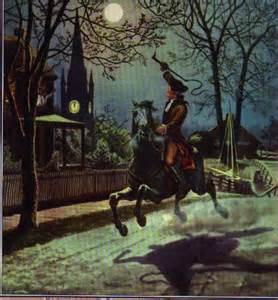 Boston Patriots had been preparing for such an event. Sexton Robert John Newman and Captain John Pulling carried two lanterns to the steeple of the Old North church, signaling that the Regulars were crossing the Charles River to Cambridge. Dr. Joseph Warren ordered Paul Revere and Samuel Dawes to ride out and warn surrounding villages and towns, the two soon joined by a third rider, Samuel Prescott. It was Prescott alone who would make it as far as Concord, though hundreds of riders would fan out across the countryside before the night was through.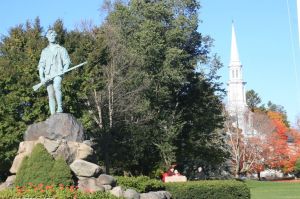
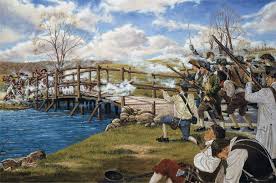 Some British soldiers marched 35 miles over those two days, their final retreat coming under increasing attack from militia members firing from behind stone walls, buildings and trees. One taking up such a firing position was Samuel Whittemore of Menotomy Village, now Arlington Massachusetts. At 80 he was the oldest known combatant of the Revolution.


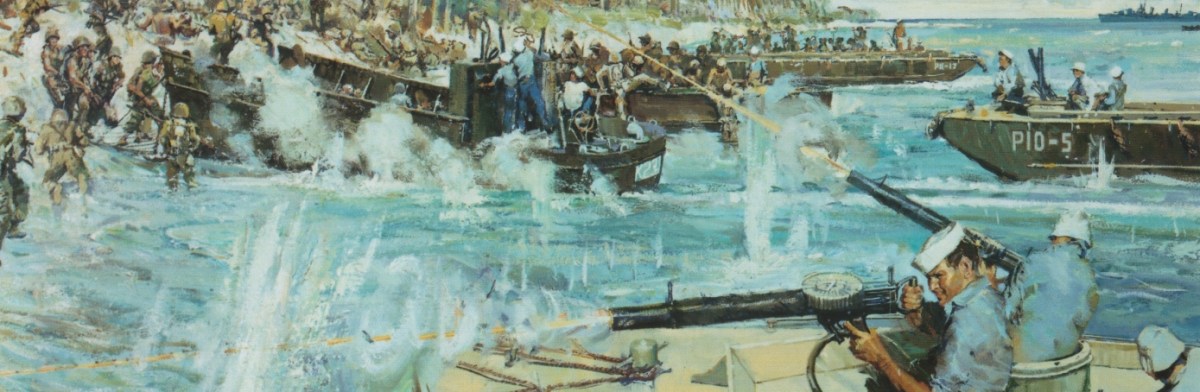
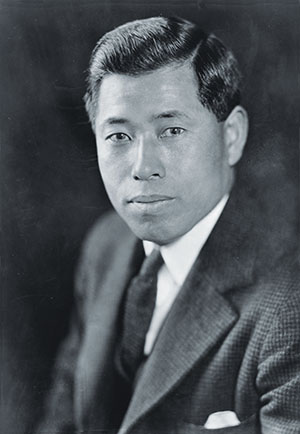 Isoroku Takano was born in Niigata, the son of a middle-ranked samurai of the Nagaoka Domain. His first name “Isoroku”, translating as “56”, refers to his father’s age at the birth of his son. At this time, it was common practice that samurai families without sons would “adopt” suitable young men, in order to carry on the family name, rank, and the income that came with it. The young man so adopted would carry the family name. So it was that Isoroku Takano became Isoroku Yamamoto in 1916, at the age of 32.
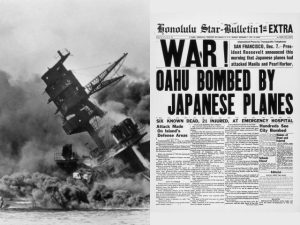 Many believed that Yamamoto’s career was finished when his old adversary Hideki Tōjō ascended to the Prime Ministership in 1941. Yet there was none better to run the combined fleet. When the pro-war faction took control of the Japanese government, he bowed to the will of his superiors. It was Isoroku Yamamoto who was tasked with planning the attack on Pearl Harbor.
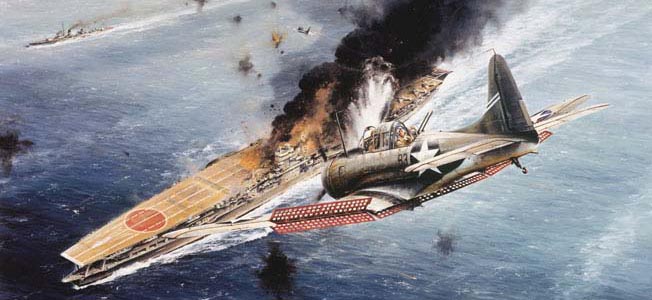 American carrier based Torpedo bombers were slaughtered in their attack, with 36 out of 42 shot down. Yet Japanese defenses had been caught off-guard, their carriers busy rearming and refueling planes when American dive-bombers arrived.
 Midway was a disaster for the Imperial Japanese navy. The carriers Akagi, Kaga, Soryu and Hiryu, the entire strength of the task force, went to the bottom. The Japanese also lost the heavy cruiser Mikuma, along with 344 aircraft and 5,000 sailors. Much has been made of the loss of Japanese aircrews at Midway, but two-thirds of them survived. The greater long term disaster, may have been the loss of all those trained aircraft mechanics and ground crew who went down with their carriers.
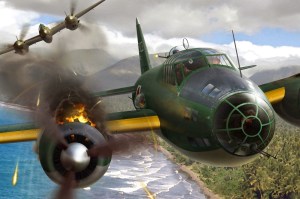 tour throughout the South Pacific. US naval intelligence intercepted and decoded his schedule. The order for “Operation Vengeance” went down the chain of command from President Roosevelt to Secretary of the Navy Frank Knox to Naval Operations Admiral Ernest King to Admiral Chester Nimitz at Pearl Harbor. Sixteen Lockheed P-38 Lightnings, the only fighters capable of the ranges involved, were dispatched from Guadalcanal on April 17 with the order: “Get Yamamoto”.
 intercepted over Rabaul on April 18, 1943. Knowing only that his target was “an important high value officer”, 1st Lieutenant Rex Barber opened up on the first Japanese transport until smoke billowed from its left engine. Yamamoto’s body was found in the wreckage the following day with a .50 caliber bullet wound in his shoulder, another in his head. He was dead before he hit the ground.


 Castro proclaimed his administration to be an example of “direct democracy”, and dismissed the need for elections. The Cuban people could assemble demonstrations and express their democratic will to him personally, he said. Who needs elections?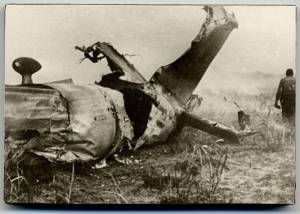
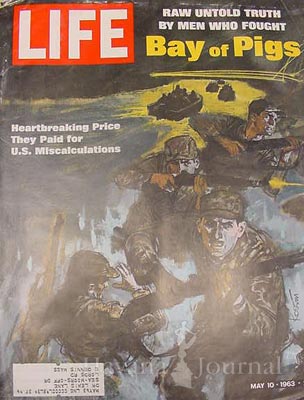 Kennedy was finally persuaded to authorize unmarked US fighter jets from the aircraft carrier Essex to provide escort cover for the invasion’s B-26 bombers, most of which were flown by CIA personnel in support of the ground invasion. Fighters missed their rendezvous by an hour, due to a misunderstanding about time zones. Unescorted bombers are easy targets, and two of them were shot down with four Americans killed. Fighting ended on April 20, 1961 in what had become an unmitigated fiasco.

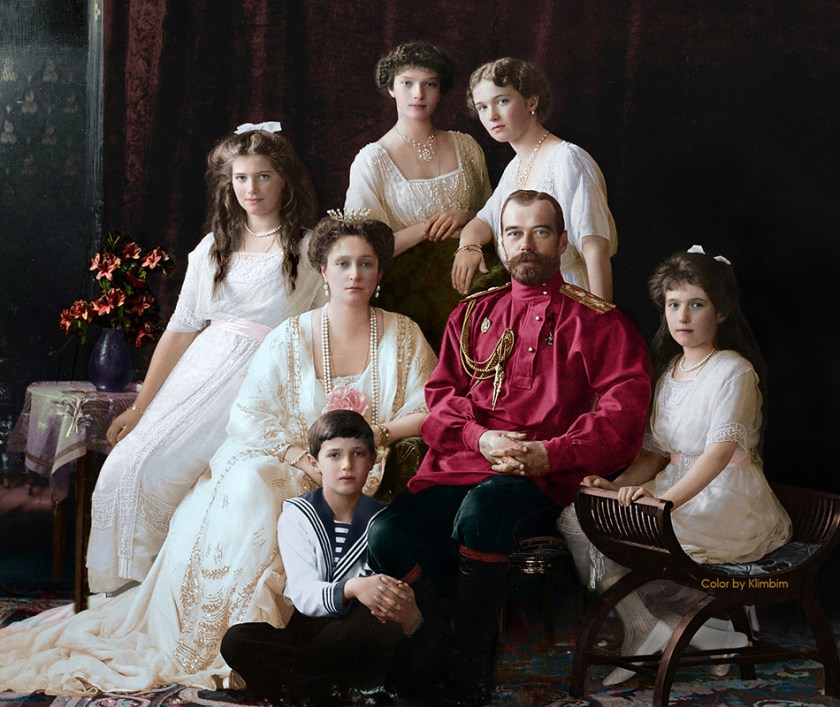
 By 1916 it was generally understood in Germany, that the war effort was “shackled to a corpse”, referring to Germany’s Austro-Hungarian ally. Italy, the third member of the “Triple Alliance”, was little better. On the Triple Entente side, the French countryside was literally torn to pieces, the English economy close to breaking. The Russian Empire, the largest nation on the planet, was on the edge of the precipice.
 the more extreme road. While Reds and Whites both wanted to bring socialism to the Russian people, the Mensheviks argued for predominantly legal methods and trade union work, while Bolsheviks favored armed violence.




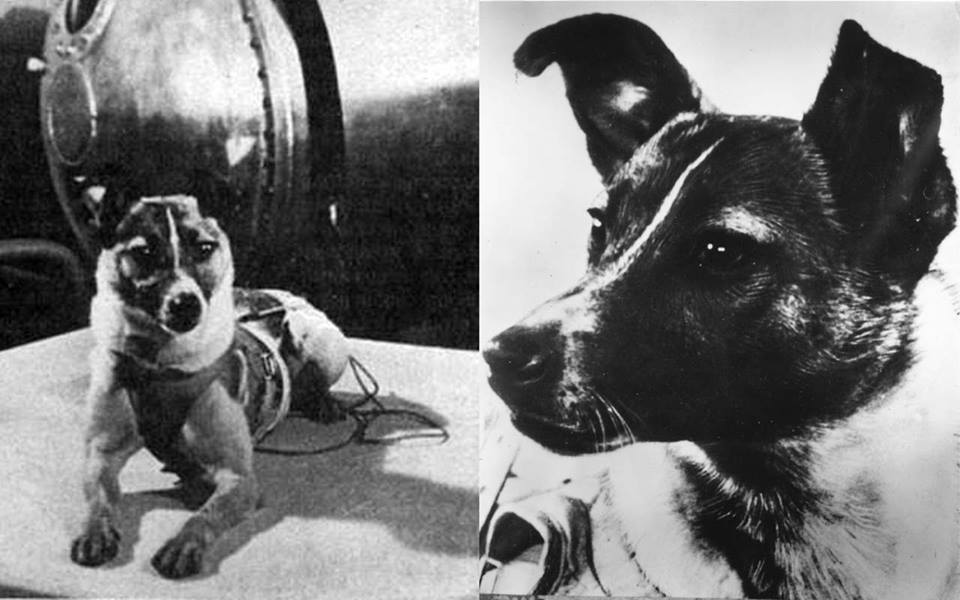
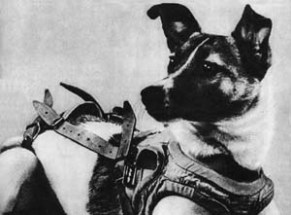
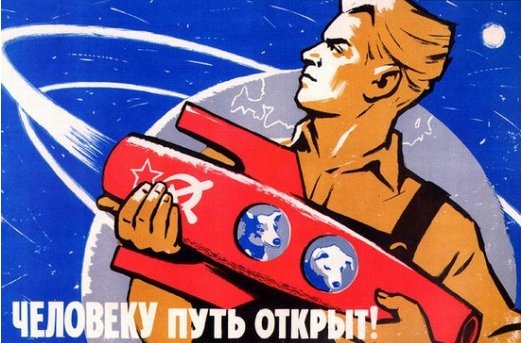
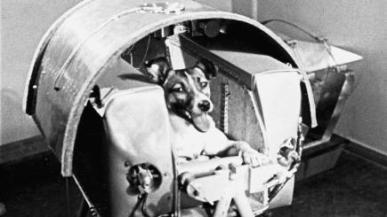 allowed her to stand, sit and lie down. Finally, it was November 3, 1957. Launch day. One of the technicians “kissed her nose and wished her bon voyage, knowing that she would not survive the flight”.
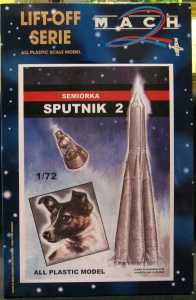 In the beginning, the US News media focused on the politics of the launch. It was all about the “Space Race”, and the Soviet Union running up the score. First had been the unoccupied Sputnik 1, now Sputnik 2 had put the first living creature into space. The more smartass specimens among the American media, called the launch “Muttnik”.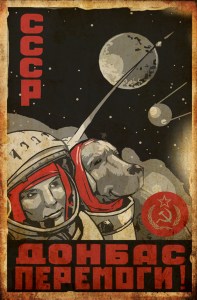
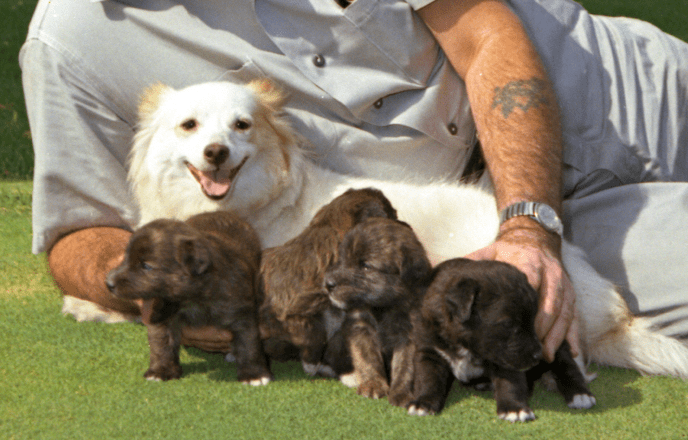
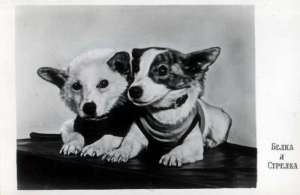 As a dog lover, I feel the need to add a more upbeat postscript, to this thoroughly depressing story.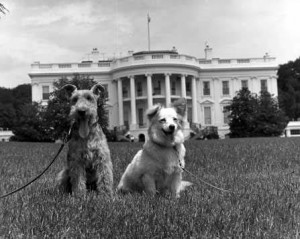


 President James Buchanan attempted to reinforce and resupply Anderson, via the unarmed merchant vessel “Star of the West”. Shore batteries opened up on the effort on January 9, 1861, effectively trapping Anderson and his garrison inside the only federal property in the vicinity.


 Charleston Mercury Newspaper, offered to personally eat the bodies of all the slain in the coming conflict. Not wanting to be outdone, former Senator James Chesnut, Jr. said “a lady’s thimble will hold all the blood that will be shed,” promising to personally drink any that might be spilled.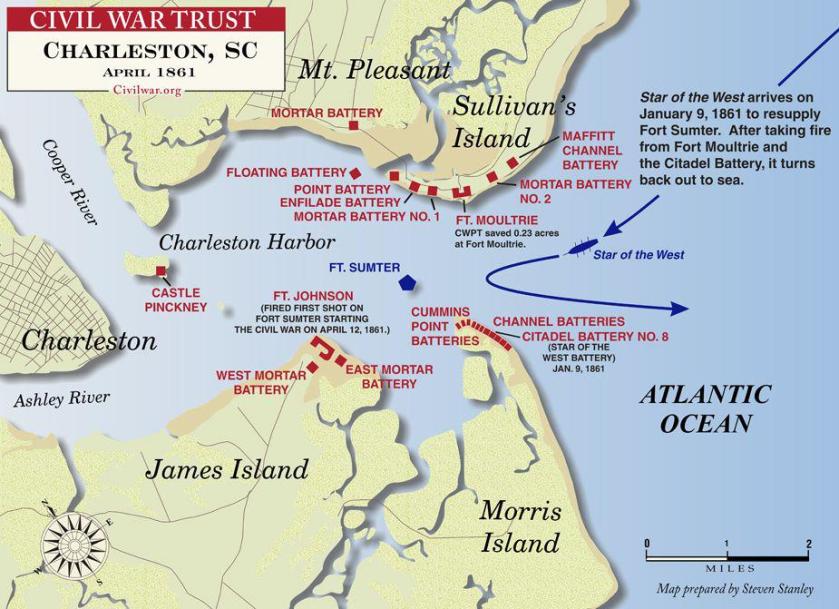

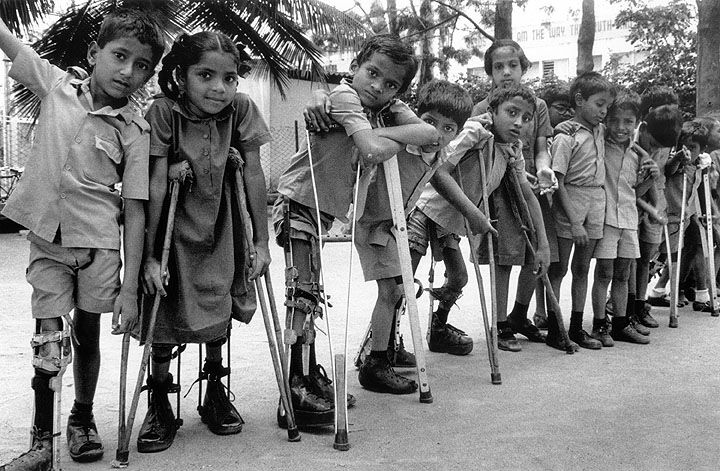
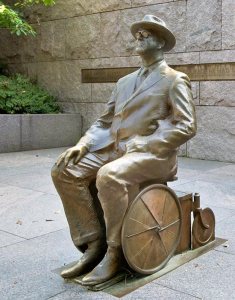
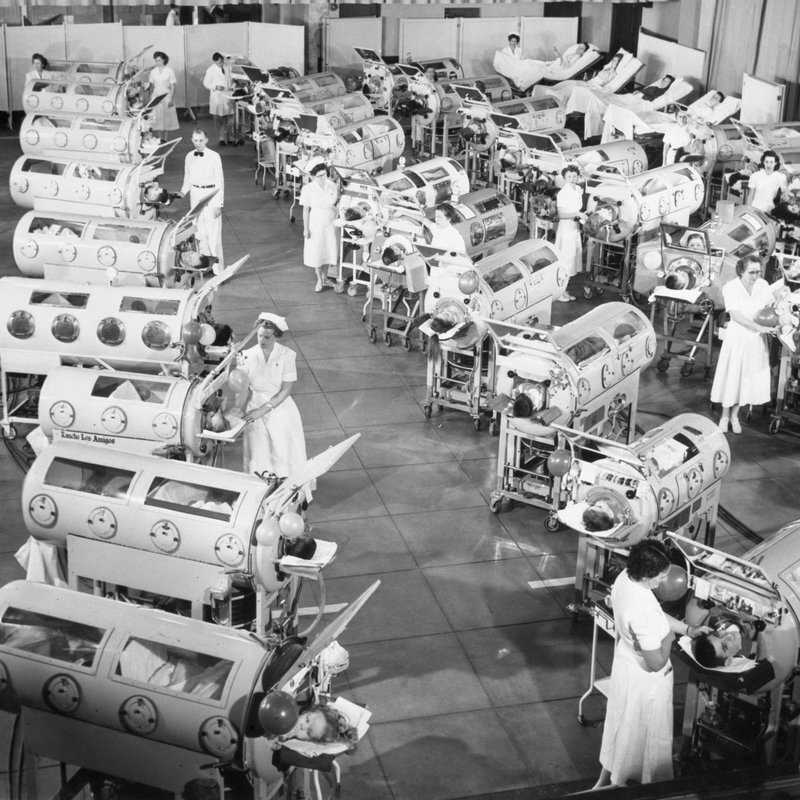
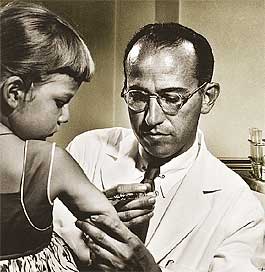 couple kept their kids focused on school.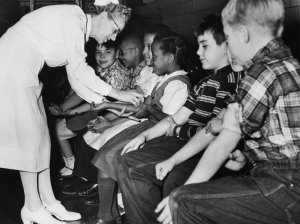
 do to protect the family. I grew up in this era. Each summer, polio would come like The Plague. Beaches and pools would close — because of the fear that the poliovirus was waterborne. Children had to stay away from crowds, so they often were banned from movie theaters, bowling alleys, and the like. My mother gave us all a ‘polio test’ each day: Could we touch our toes and put our chins to our chest? Every stomach ache or stiffness caused a panic. Was it polio? I remember the awful photos of children on crutches, in wheelchairs and iron lungs. And coming back to school in September to see the empty desks where the children hadn’t returned.”



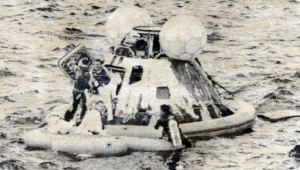
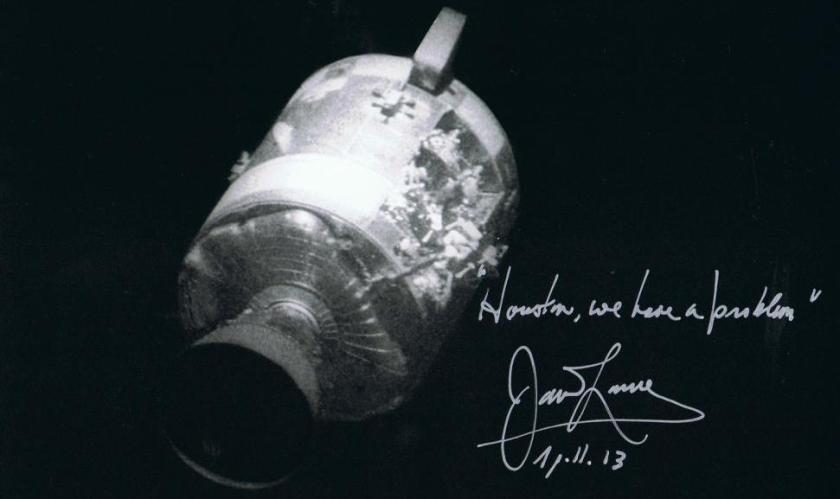
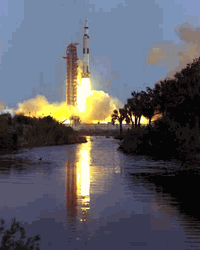 Jack Swigert was supposed to be the backup pilot for the Command Module, (CM), officially joining the Apollo 13 mission only 48 hours earlier, when prime crew member Ken Mattingly was exposed to German measles. Jim Lovell was the world’s most traveled astronaut, a veteran of two Gemini missions and Apollo 8. By launch day, April 11, 1970, Lovell had racked up 572 space flight hours. For Fred Haise, former backup crew member on Apollo 8 and 11, this would be his first spaceflight.
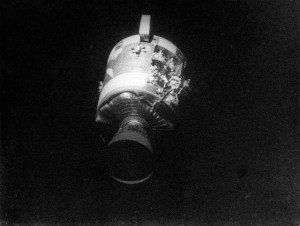
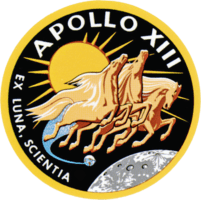 This situation had been suggested during an earlier training simulation, but had been considered unlikely. As it happened, the accident would have been fatal without access to the Lunar Module.


 Historical Easter Eggs - Today in History
You must be logged in to post a comment.