
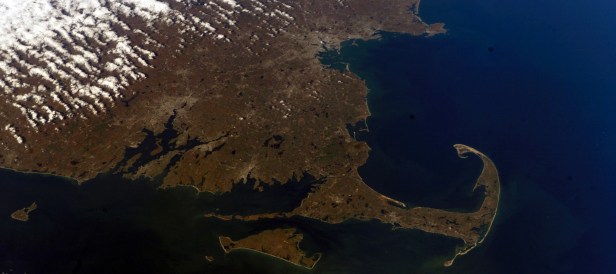
In the Elizabethan and Stuart ages, exploration and colonization was a private enterprise. The English Crown would grant exclusive rights to individuals and corporations to form and exploit colonies, in exchange for sovereignty and a portion of the proceeds. Such efforts were high risk/reward, profit-driven propositions, of interest to a relative few explorers and venture capitalists.
 Queen Elizabeth I of England granted Walter Raleigh a charter to establish a colony north of Spanish Florida in 1583, the area called “Virginia”, in honor of the virgin Queen. At the time, the name applied to the entire coastal region from South Carolina to Maine, and included Bermuda.
By the turn of the 17th century, Raleigh’s influence with the Queen was just about nil. Her only interest seemed to be the revenue stream produced for the crown, and Raleigh was providing none after losing £40,000 in the disastrous “Lost Colony of Roanoke” episode.
By the mid-1590s, a new colonial plan identified parts of northern Virginia, where climate conditions better suited English sensibilities, than those of the more southerly latitudes. The area produced vast wealth from the cold-water fish prized by Europeans, providing the foothold and profits required to support the subsequent addition of settlers.
Early explorers to the area included Sir Humphrey Gilbert, Martin Pring, and George Weymouth, who brought back an American Native named Squanto, who learned English before returning to his homeland. Sir John Smith later called the area “New England”.
Bartholomew Gosnold departed Falmouth, Cornwall in 1602, with 32 onboard a barque named Concord. Intending to establish a colony in New England, Gosnold sailed due west to the Azores, coming ashore at Cape Elizabeth Maine, on May 14. He sailed into Provincetown Harbor the following day, naming the place “Cape Cod”.
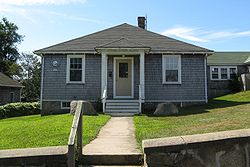
Following the coastline, Gosnold discovered an island covered with wild grape vines. Naming it after his deceased daughter, he called it Martha’s Vineyard. The expedition came ashore on Cuttyhunk in the Elizabethan island chain where they briefly ran a trading post, before heading back to England. Today, the town of Gosnold is the smallest in Massachusetts, with a population of 75 and most of the land owned by the Forbes family.
The title of first European may be a misnomer, as Vikings are believed to have explored the area as early as 1000AD. The land was fruitful for the first Viking explorers, but the indigenous peoples fought back ferociously, causing those “first” Europeans to withdraw to the more easily colonized areas of Greenland and Iceland.

The first of the Puritans fetched up on the shores of Cape Cod in 1620, staying long enough to draw up the first written government framework in the United States, signing the Mayflower Compact off the shore of Provincetown on November 11. Today the sandy soil and scrubby vegetation of the Cape is a delight to tourists, but those first settlers weren’t feeling it. They had to eat. The only positive result from two exploratory trips ashore was the discovery of seed corn stashed by the natives. A third trip ashore resulted in a hostile “first encounter” on the beaches of modern day Eastham, persuading the “Pilgrims” that this wasn’t their kind of place. They left the Cape for good on December 16, dropping anchor at Plymouth Harbor.
The Pilgrims would later encounter the English-speaking natives Samoset and Squanto, who helped to conclude peace terms with Massasoit, Sachem of the Wampanoag.
Some 90% of the native population had been wiped out in the two years preceding, by an epidemic long thought to be smallpox, but now believed to be Leptospirosis, a highly contagious pulmonary hemorrhagic syndrome. Otherwise, things may have gone for the Pilgrims as they had for those first Vikings of 600 years earlier, but that’s a tale for another day.
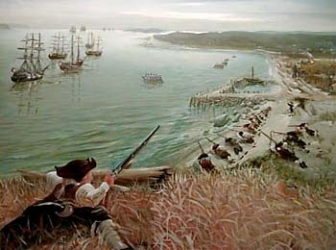
Militia from my own town of Falmouth and neighboring Sandwich poured onto the beaches on April 3, 1779, opposing a landing by 220 Regulars in the modern day area of Surf Drive. The invaders were repulsed, but little Falmouth sustained a cannonade of ball, shot and grape that lasted from eleven in the morning until dark.
The British warship HMS Nimrod fired on my town during the War of 1812. It’s closed now, but the building that formerly housed the Nimrod Restaurant, still sports a hole in the wall where the cannon ball came in.
Cape Cod was among the first areas settled by the English in North America, the town of 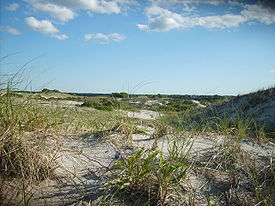 Sandwich established in 1637, followed by Barnstable and Yarmouth in 1639. The thin soil was ill suited to agriculture, and intensive farming techniques eroded topsoil. Farmers grazed cattle on the grassy dunes of the shoreline, only to watch “in horror as the denuded sands ‘walked’ over richer lands, burying cultivated fields and fences.”
By 1800, Cape Cod was all but denuded of trees and firewood had to be transported by boat from Maine. Local agriculture was all but abandoned by 1860, save for better-suited, smaller scale crops such as cranberries and strawberries. By 1950, Cape Cod forests had recovered in a way not seen since the late 1700s.
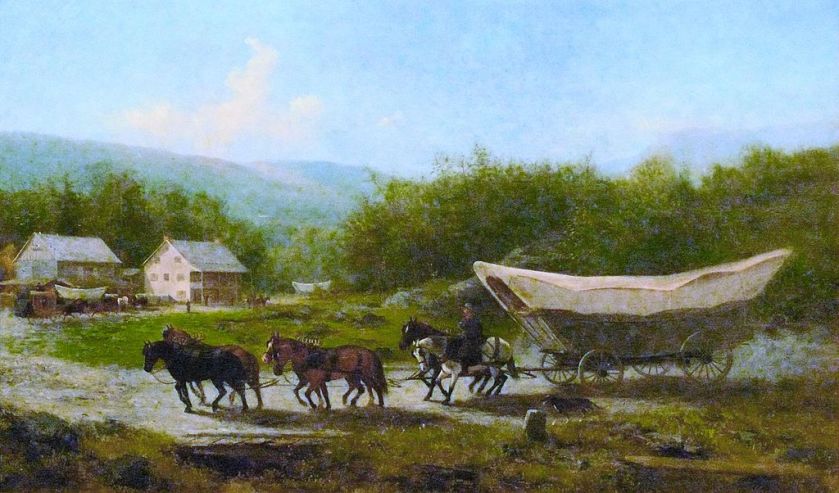
The early Industrial Revolution that built up Rhode Island and Massachusetts bypassed much of Cape Cod, but not entirely. Blacksmiths Isaac Keith and Ezekiel Ryder began building small buggies and sleighs in the Upper Cape town of Bourne, in 1828. Two years later Keith went off on his own By the Gold Rush of 1849, the Keith Car Works was a major builder of the Conestoga Wagons found throughout the United States and Canada, as well as their smaller, lighter cousin, the Prairie Schooner. Before the railroads, Conestoga wagons were heavily used in the transportation of shade tobacco grown in Connecticut, western Massachusetts and southern Vermont, even now some of the finest cigar binders and wrappers available. The story may or may not be true, but I’ve been told that’s why we call cigars, “stogies”.
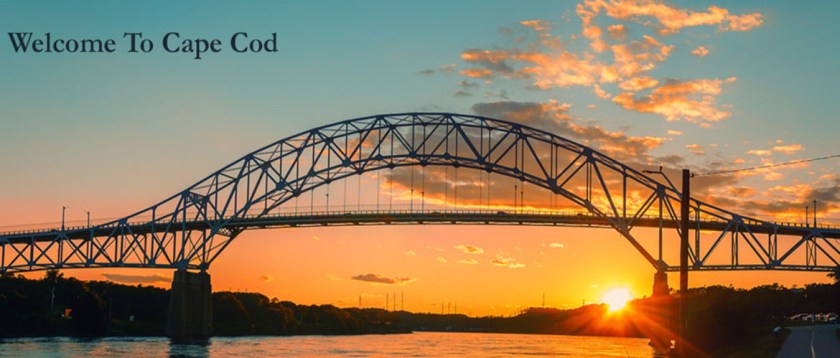
The dredging of a canal connecting the Manomet and Scusset rivers and cutting 62 miles off the water route from Boston to New York was discussed since the time of Miles Standish. Construction of a privately owned toll canal began on June 22, 1909. Giant boulders left in the wake of the glaciers and ghastly winter weather hampered construction, the canal finally opening on July 29, 1914, charging a maximum of $16 per vessel. Navigation was difficult, due to a 5+ mph current combined with a maximum width of 100′ and a max. depth of 25′. Several accidents damaged the canal’s reputation and toll revenues failed to meet investors’ expectations.
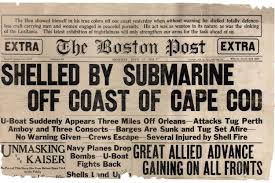
German submarine U-156 surfaced off Nauset beach in Orleans on July 21, 1918, shelling the tug Perth Amboy and its string of towed barges. The federal government took over the canal under a presidential proclamation four days later, later placing it under the jurisdiction of the Army Corps of Engineers. The canal was re-dredged as part of President Roosevelt’s depression era Works Progress Administration to its current width of 480′ and depth of 32′, and connected to the mainland by the Sagamore, Bourne, and Cape Cod Canal Railroad Bridges.
So it is that an estimated 5.23 million tourists will wait countless hours amidst seas of brake lights, to cross those two narrow roadways onto “the Cape”, to enjoy that brief blessed moment of warmth hidden amidst our four seasons, known locally as “almost winter, winter, still winter and bridge construction”.
If anyone wonders why my buddy Carl calls me the “Cape Cod Curmudgeon”, I can only say in my own defense. I’ve been commuting through that crap, for years.

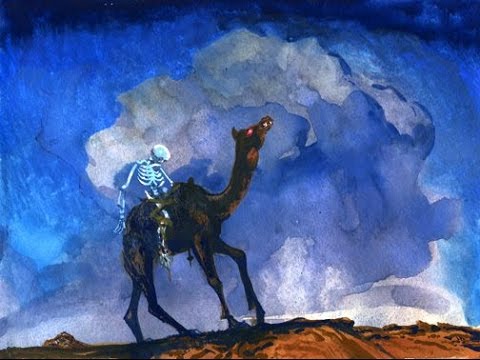


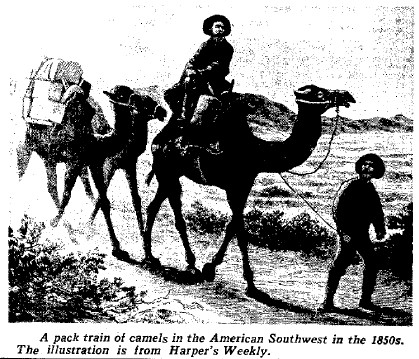
 Some of Camp Verde’s camels were sold off, one was pushed over a cliff by frustrated cavalrymen. Most were simply turned loose to fend for themselves. Their fates are mostly unknown, except for one who made his way to Mississippi in 1863, where he was taken into service with the 43rd Infantry Regiment. “Douglas the Confederate Camel” was a common sight throughout the siege of Vicksburg, until being shot and killed by a Union sharpshooter. Lieutenant Colonel Robert Bevier of the 5th Regiment, Missouri Confederate Infantry was furious, enlisting six of his best snipers to rain down hell on Douglas’ killer. Bevier later said of the Federal soldier “I refused to hear his name, and was rejoiced to learn that he had been severely wounded.”
 men to return. The pair returned that night and found the body of the other woman by the stream. She’d been trampled almost flat, with huge, cloven hoof prints in the mud around her body and a few red hairs in the brush.
 There were further incidents over the next year, mostly at prospector camps. A cowboy near Phoenix came upon the Red Ghost while eating grass in a corral. Cowboys seem to think they can rope anything with hair on it, and this guy was no exception. He lashed the rope onto the pommel of his saddle, and tossed it over the camel’s head. The angry beast turned and charged, knocking horse and rider to the ground. As the camel galloped off, the astonished cowboy could clearly see the skeletal remains of a man lashed to its back.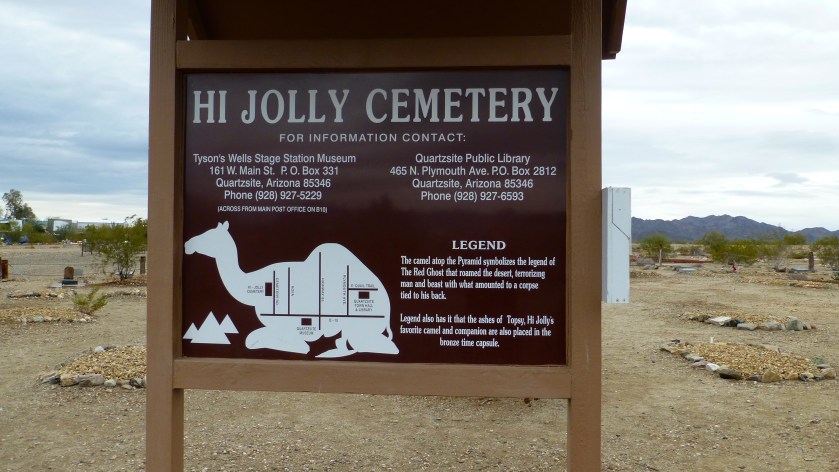


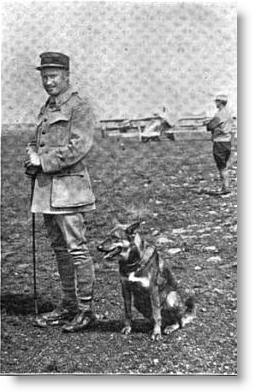
 Escadrille N.124 changed its name in December 1916, adopting that of a French hero of the American Revolution. Marie-Joseph Paul Yves Roch Gilbert du Motier, Marquis de Lafayette. Five French officers commanded a core group of 38 American volunteers, supported by all-French mechanics and ground crew. Rounding out the Escadrille were the unit mascots, the African lions Whiskey and Soda.



 The Nobel Prize for Peace was awarded on October 12 in Oslo, Norway, to the Intergovernmental Panel on Climate Change (IPCC) and Albert Arnold Gore Jr. “for their efforts to build up and disseminate greater knowledge about man-made climate change, and to lay the foundations for the measures that are needed to counteract such change”.

 Hess was an early and ardent proponent of Nazi ideology. A True Believer. He was at Hitler’s side during the failed revolution of 1923, the “Beer Hall Putsch”. He served time with Hitler in prison, and helped him write his political opus “Mein Kampf” (My Struggle). Hess was appointed to Hitler’s cabinet when the National Socialist German Workers’ Party seized power in 1933, becoming Deputy Führer, #3 after Hermann Göring and Hitler himself. Hess signed many statutes into law, including the Nuremberg Laws of 1935, depriving the Jews of Germany of their rights and property.


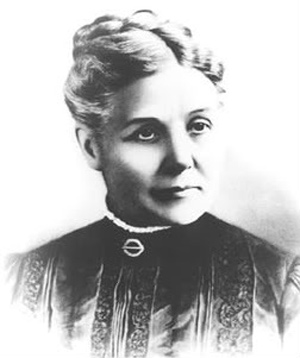

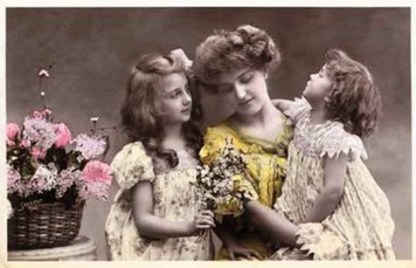 Anna Jarvis believed Mother’s Day to be a time of personal celebration, a time when families would gather to love and honor their mother.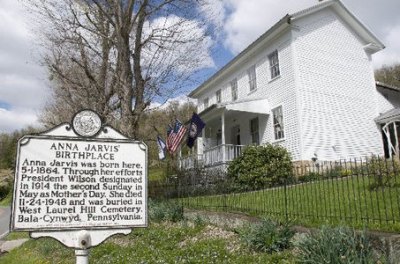

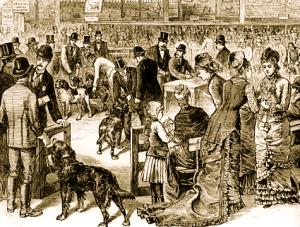 The world’s most famous dog show was first held on May 8, 1877, and called the “First Annual NY Bench Show.” The venue was Gilmore’s Garden at the corner of Madison Avenue and 26th Street, a hall which would later be known as Madison Square Garden. Interestingly, another popular Gilmore Garden event of the era was boxing. Competitive boxing was illegal in New York in those days, so events were billed as “exhibitions” or “illustrated lectures.” I love that last one.
 1,200 dogs arrived for that first show, in an event so popular that the originally planned three days morphed into four. The Westminster Kennel Club donated all proceeds from the fourth day to the ASPCA, for the creation of a home for stray and disabled dogs. The organization remains supportive of animal charities, to this day.
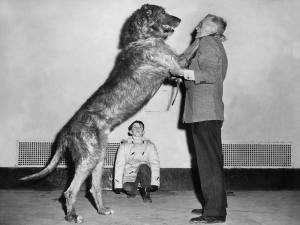 one in 1946. Even so, “Best in Show” was awarded fifteen minutes earlier than it had been, the year before. I wonder how many puppies were named “Tug” that year. The Westminster dog show was first televised in 1948, three years before the first nationally televised college football game.
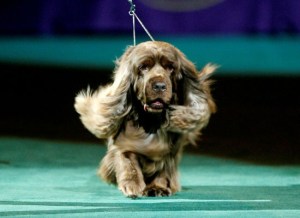
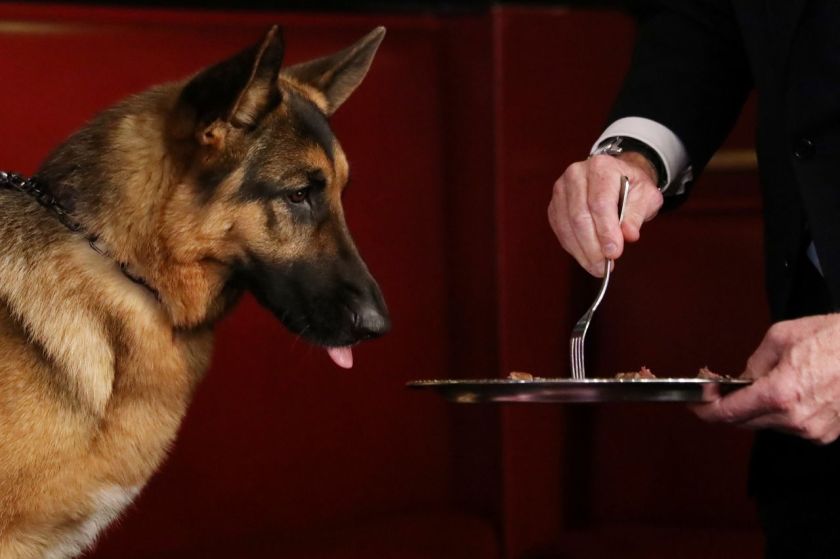
 Since the late 60s, the Westminster Best in Show winner has celebrated at Sardi’s, a popular mid-town eatery in the theater district and birthplace of the Tony award. And then the Nanny State descended, pronouncing that 2012 would be their last. There shalt be no dogs dining any restaurants, not while Mayor Bloomberg is around.


 grounded through the landing line, the ship’s fabric covering became charged in the electrically charged atmosphere, sending a spark to the air frame and igniting a hydrogen leak. Seven million cubic feet of hydrogen ignited almost simultaneously. It was over in less than 40 seconds.
 Where a person was inside the airship, had a lot to do with their chances of survival. Mr and Mrs Hermann Doehner and their three children (Irene, 16, Walter, 10, and Werner, 8) were in the dining room, watching the landing. Mr. Doehner left before the fire broke out. Mrs. Doehner and the two boys were able to jump out, but Irene went looking for her father. Both died in the crash.
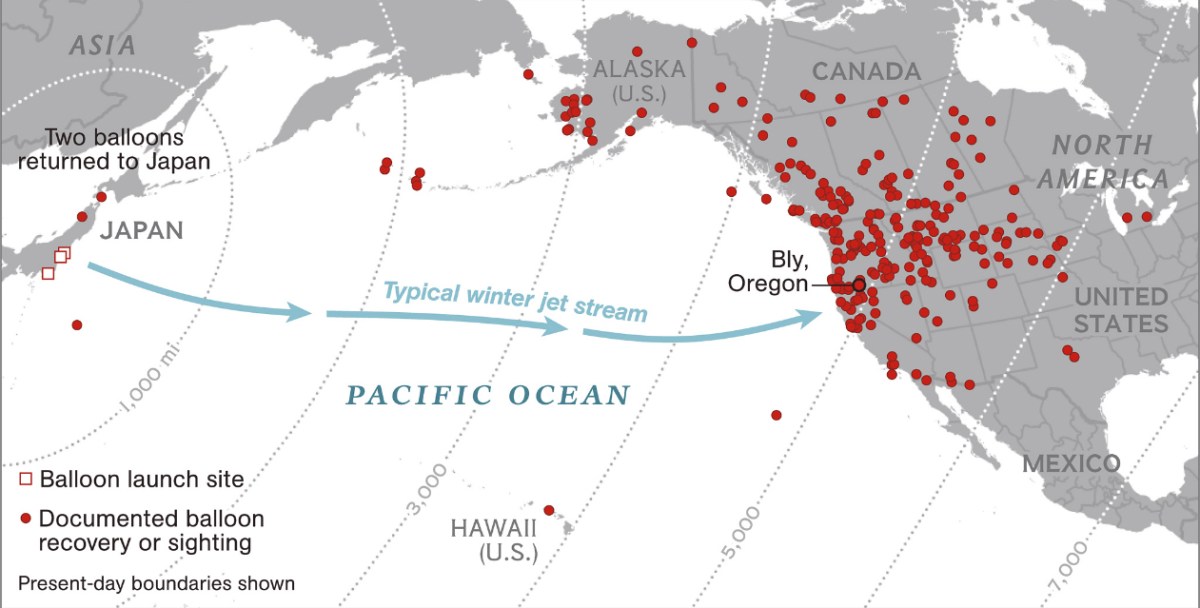
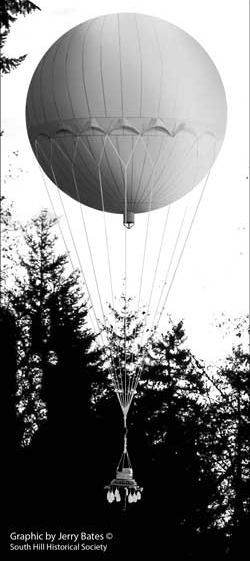
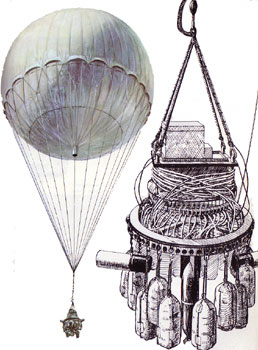 In the latter half of WWII, Imperial Japanese military thinkers conceived the fūsen bakudan or “fire balloon”, a hydrogen filled balloon device designed to ride the jet stream, using sand ballast and a valve system to navigate the weapon system onto the North American continent.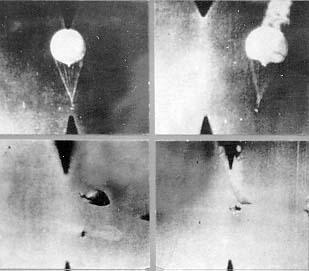


 Itter Castle appeared in the land records of the Austrian Tyrol as early as 1240. When Germany annexed Austria in 1938, Schloss Itter was first leased and later requisitioned outright by the German government, for unspecified “Official use”.

 It was late afternoon as the convoy left for Castle Itter. Leaving Boche Buster and a few Infantry to guard the largest bridge into town. What remained of the convoy fought its way through its last SS roadblock in the early evening, roaring across the last bridge and lurching to a stop in front of Itter’s gate as night began to fall. Itter’s prisoners looked on in dismay. They had expected a column of American tanks and a heavily armed infantry force. What they had here, was a single tank with seven Americans, and a truckload of armed Germans.
 concentration camp administration for the Third Reich and some of the most fanatical soldiers of WWII. Even at this late date SS units were putting up fierce resistance across northern Austria. 100-150 of them attacked on the morning of May 5. Fighting was furious around Castle Itter, the one Sherman providing machine-gun fire support until it was destroyed by a German 88mm gun. By early afternoon Lee was able to get a desperate plea for reinforcements through to the 142nd Infantry, before being cut off. Aware that he’d been unable to give complete information on the enemy’s troop strength and disposition, Lee accepted Jean Borotra’s gallant offer of assistance.
 Literally vaulting over the castle wall, the tennis star ran through a gauntlet of SS strongpoints and ambushes to deliver his message, before donning an American uniform to help fight through to the castle’s defenders. The relief force arrived at around 4pm, as defenders were firing their last ammunition.


You must be logged in to post a comment.