
“Never give in–never, never, never, never, in nothing great or small, large or petty, never give in except to convictions of honor and good sense. Never yield to force; never yield to the apparently overwhelming might of the enemy.” ― Winston Churchill
“Nothing great or small, large or petty…”
Imagine for a moment, you are sixteen. A High School student and quite tall, no longer a boy but not having reached that level of seasoning and experience, to make you a man. Richard Douglas “Dick” Fosbury found himself at this stage in 1963, sixteen years old and not entirely in control of his own 6-foot, 4-inch frame.
Despite his towering height, young Fosbury failed to make the cut, for basketball. So it was he joined the North Medford High Track & Field team, in Medford Oregon. Fosbury eventually settled on the high jump as his best hope of success. There was only one problem. By his own description, Dick Fosbury was the worst high jumper in North Medford High. Possibly the worst, in all of Oregon.
In track & field, the High Jump is an event in which competitors must clear a horizontal bar, without aid and without dislodging the bar. Rules dictate that the jumper must take off from one foot. There is no rule describing how the jumper, must clear the bar.


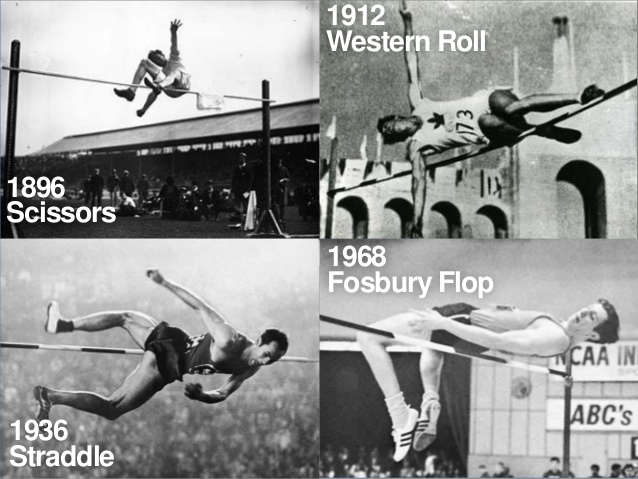
Since the earliest such events in mid-19th century Scotland, jumpers have employed a number of methods. There were standing starts and running approaches, both head-on, and diagonal. Jump techniques included everything from a scissoring of the legs to a “straddle technique” to a belly-down “Western Roll”.
Dick Fosbury tried every one of them and then some, and never cleared five-feet. Sometimes he’d start his approach with no idea of what came next, and always the same conclusion. First the collision and then the ignominious descent into the sawdust, with the bar in hot pursuit. Some would stop to chortle, as one humiliating failure followed another. He was “The Fosbury Flop”.
And still, Fosbury labored on.
Then came the day this lanky teenager no one ever heard of, revolutionized his sport. Instead of jumping face forward with the intention of landing on his feet, Fosbury took his leap off the “wrong foot” and hit the bar, backwards. Coaches criticized his unconventional technique. One newspaper called him the “World’s Laziest High Jumper.”
Those who can, Do, those who can’t, Criticize. Right? The kid beat his own best jump that day, by six inches.
Despite the criticism, Fosbury worked on his technique. The other kids still stopped to watch, but no one was chortling, any more.
Oregon State University (Corvallis) track & field coach Berny Wagner insisted that Fosbury stick to the old-school Western Roll technique during practice but left him some leeway, during meets. That debate ended in Fosbury’s sophomore year with a 6-foot, 10-inch jump that destroyed the school record.
Fosbury won the NCAA championship and qualified for the Olympic squad, for the Summer Games of 1968. Then came the Games themselves, the 1968 Summer Olympics, begun October 12 in Mexico city.
Three men had cleared the bar using the old “straddle” technique when a lanky Civil Engineering student from OSU, took to the mat. His shoes were mismatched, his technique so outlandish, newspapers said he looked like a two-legged camel. It was October 20, 1968.
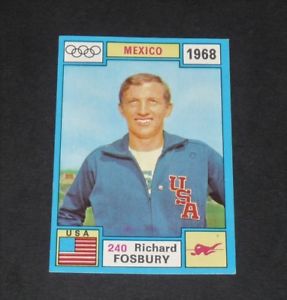 80,000 spectators witnessed for the first time, the “wrong foot” ascent. The perfect arch. The body mechanics leaving the jumper’s center of gravity, below the bar.
At the 2.2 meter mark, only three competitors remained. Fosbury performed the winning leap for the gold medal at 2.24 meters: over 7 & 1/3rd-feet. It was a new Olympic record.
So it was, a gangly kid who once lost a bet he could jump over a chair and broke his hand in the process, came to be the best in the world, at his chosen sport.
Since 1972, the high jump world has adopted the Fosbury Flop, and never looked back. No one is laughing, anymore.
“Nothing in this world can take the place of persistence. Talent will not; nothing is more common than unsuccessful men with talent. Genius will not; unrewarded genius is almost a proverb. Education will not; the world is full of educated derelicts. Persistence and determination alone are omnipotent.” ― Calvin Coolidge

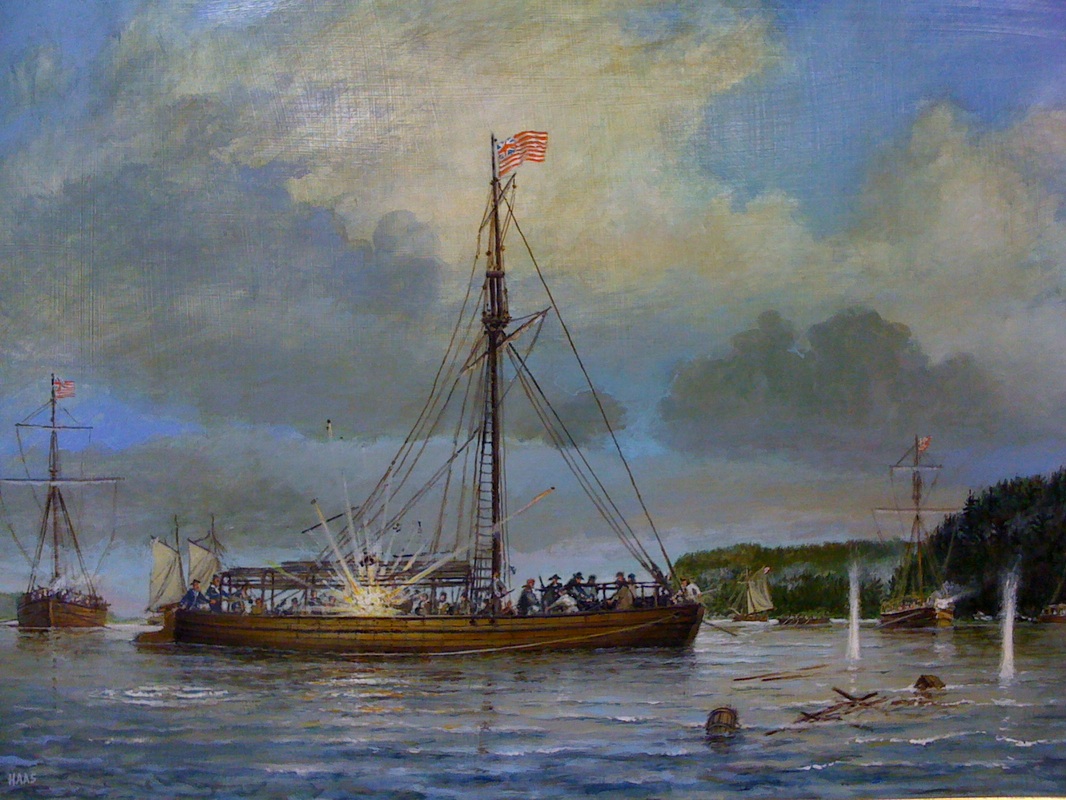
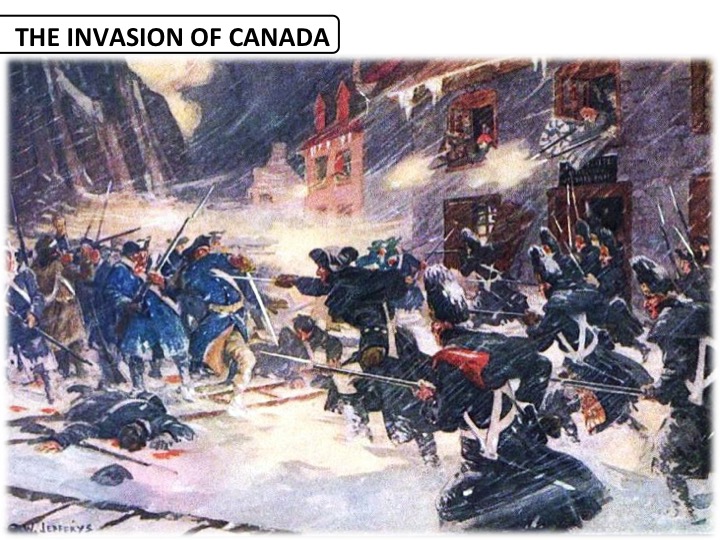
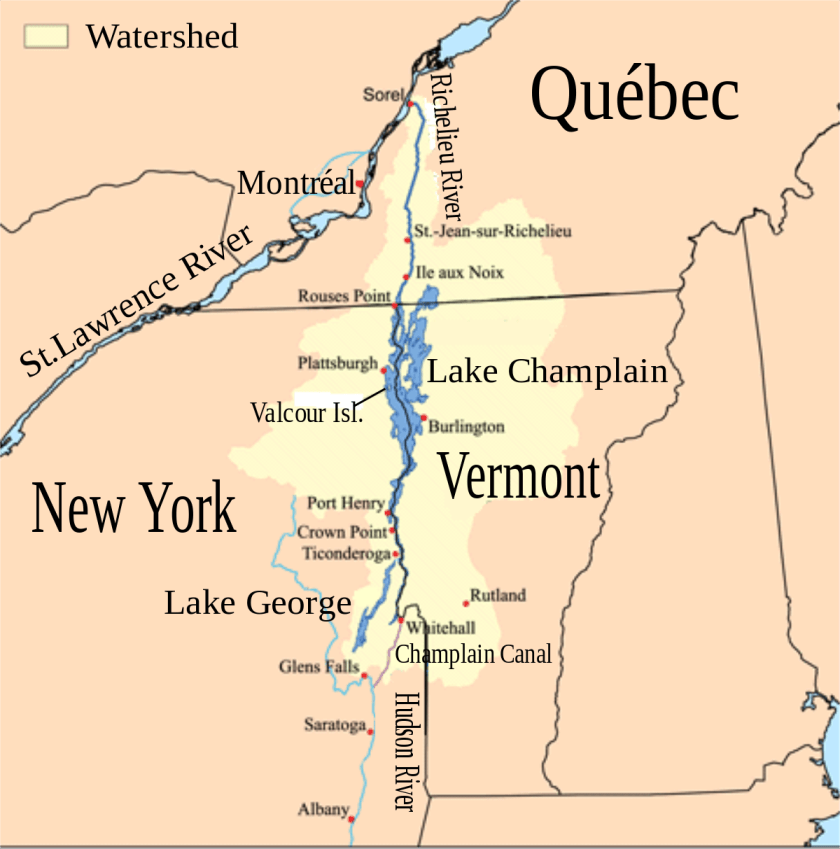
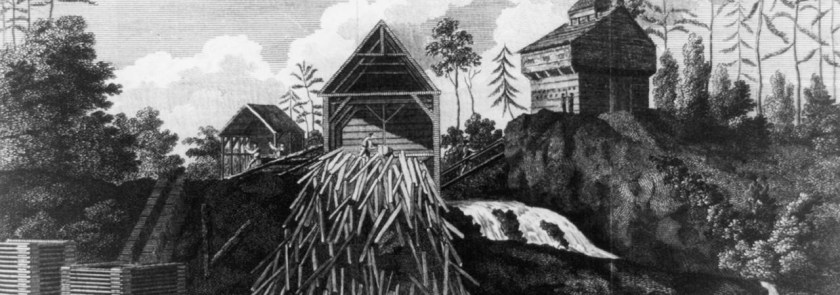 Hermanus Schuyler oversaw the effort, while military engineer Jeduthan Baldwin was in charge of outfitting. Gates asked General Benedict Arnold, an experienced ship’s captain, to spearhead the effort, explaining “I am intirely uninform’d as to Marine Affairs”.
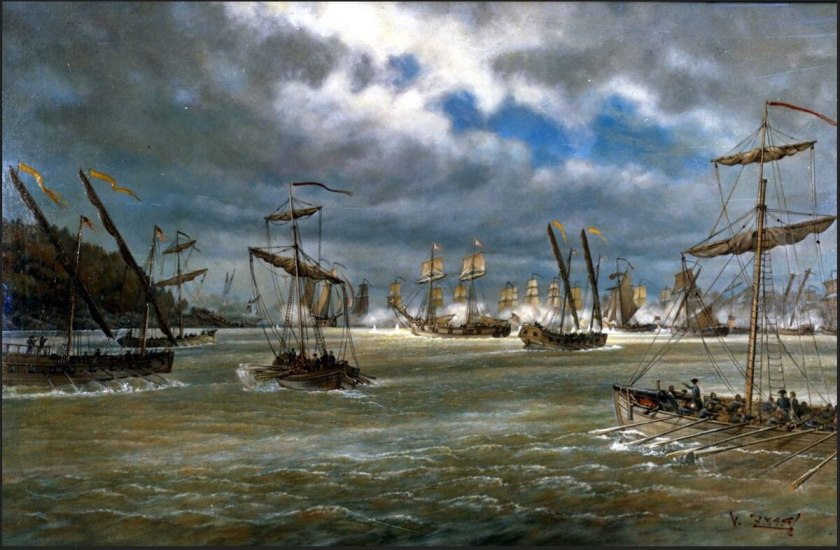
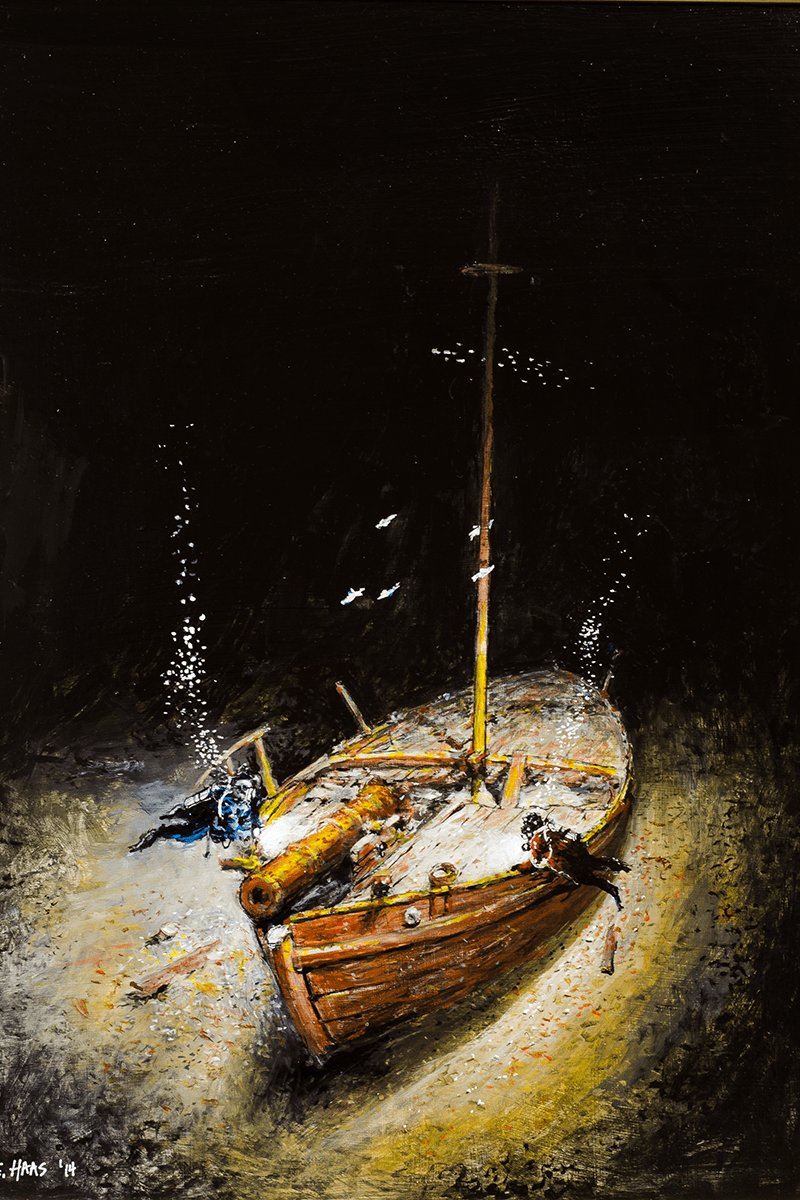
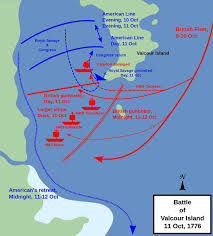 As the two sides closed in the early days of October, General Arnold knew he was at a disadvantage. The element of surprise was going to be critical. Arnold chose a small strait to the west of Valcour Island, where he was hidden from the main part of the lake. There he drew his small fleet into a crescent formation, and waited.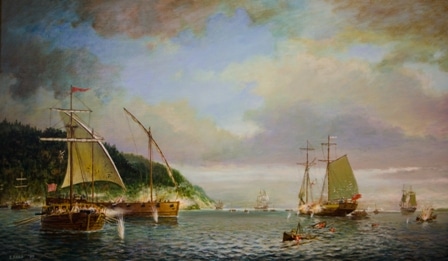


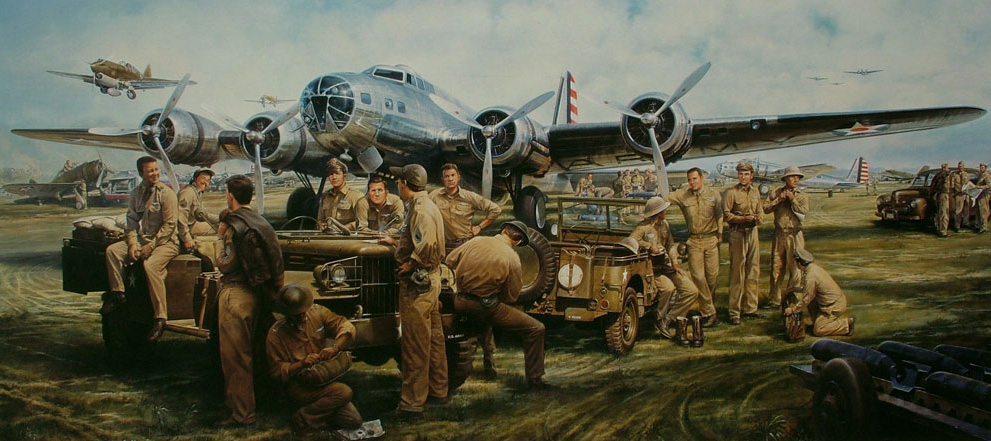
 The Municipal Airport in Portsmouth New Hampshire opened in the 1930s, expanding in 1951 to become a Strategic Air Command (SAC) base. The name was changed to Pease Air Force Base in 1957, in honor of Harl Pease, Jr., recipient of the Medal of Honor and Distinguished Flying Cross for heroism that led to his death in World War II.
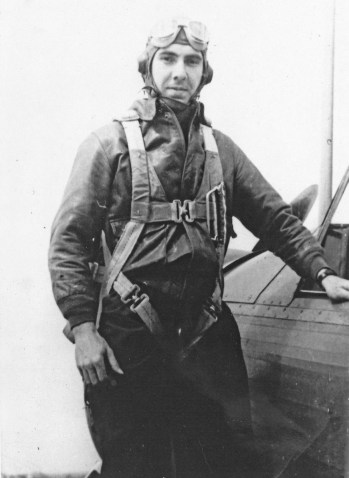 United States Army Air Corps Captain Harl Pease, Jr. was ordered to lead three battered B-17 Flying Fortresses to Del Monte field in Mindanao, to evacuate General Douglas MacArthur, his family and staff, to Australia. One of the aircraft was forced to abort early, while the other developed engine trouble and crashed. Pease alone was able to land his Fortress, despite inoperative wheel brakes and used ration tins covering bullet holes.
 “When 1 engine of the bombardment airplane of which he was pilot failed during a bombing mission over New Guinea, Capt. Pease was forced to return to a base in Australia. Knowing that all available airplanes of his group were to participate the next day in an attack on an enemy-held airdrome near Rabaul, New Britain, although he was not scheduled to take part in this mission, Capt. Pease selected the most serviceable airplane at this base and prepared it for combat, knowing that it had been found and declared unserviceable for combat missions. With the members of his combat crew, who volunteered to accompany him, he rejoined his squadron at Port Moresby, New Guinea, at 1 a.m. on 7 August, after having flown almost continuously since early the preceding morning. With only 3 hours’ rest, he took off with his squadron for the attack. Throughout the long flight to Rabaul, New Britain, he managed by skillful flying of his unserviceable airplane to maintain his position in the group. When the formation was intercepted by about 30 enemy fighter airplanes before reaching the target, Capt. Pease, on the wing which bore the brunt of the hostile attack, by gallant action and the accurate shooting by his crew, succeeded in destroying several Zeros before dropping his bombs on the hostile base as planned, this in spite of continuous enemy attacks. The fight with the enemy pursuit lasted 25 minutes until the group dived into cloud cover. After leaving the target, Capt. Pease’s aircraft fell behind the balance of the group due to unknown difficulties as a result of the combat, and was unable to reach this cover before the enemy pursuit succeeded in igniting 1 of his bomb bay tanks. He was seen to drop the flaming tank. It is believed that Capt. Pease’s airplane and crew were subsequently shot down in flames, as they did not return to their base. In voluntarily performing this mission Capt. Pease contributed materially to the success of the group, and displayed high devotion to duty, valor, and complete contempt for personal danger. His undaunted bravery has been a great inspiration to the officers and men of his unit”.


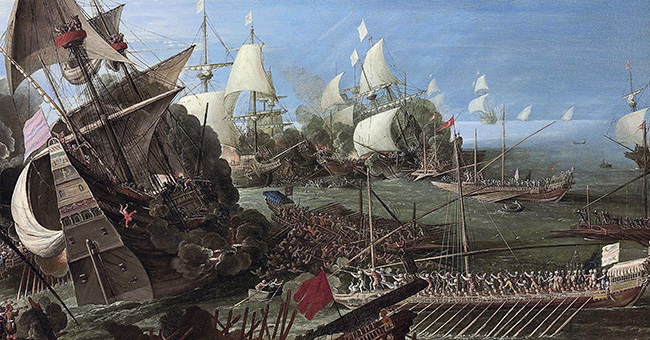
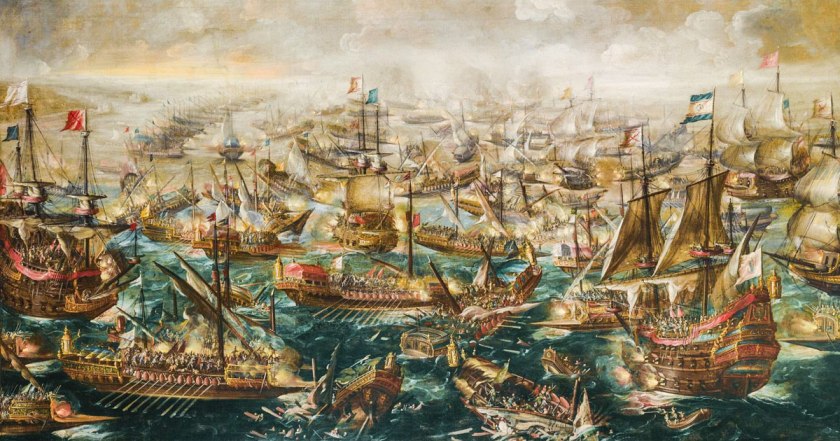
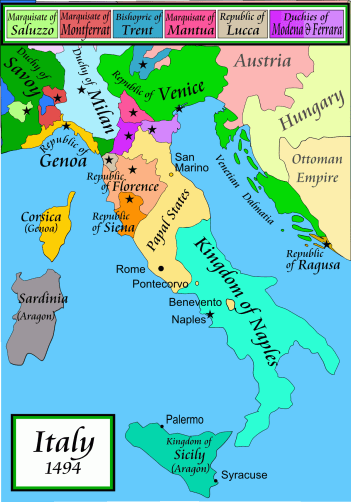 The “Italian wars” of the late fifteenth and early sixteenth centuries pitted no fewer than eight separate Christian alliances against one another, between forces of the Valois and Habsburg monarchies, the Holy Roman Empire and various Italian republics. In time, republican Venice was alone in retaining her independence, aside from minor city-states such as Lucca and San Marino.
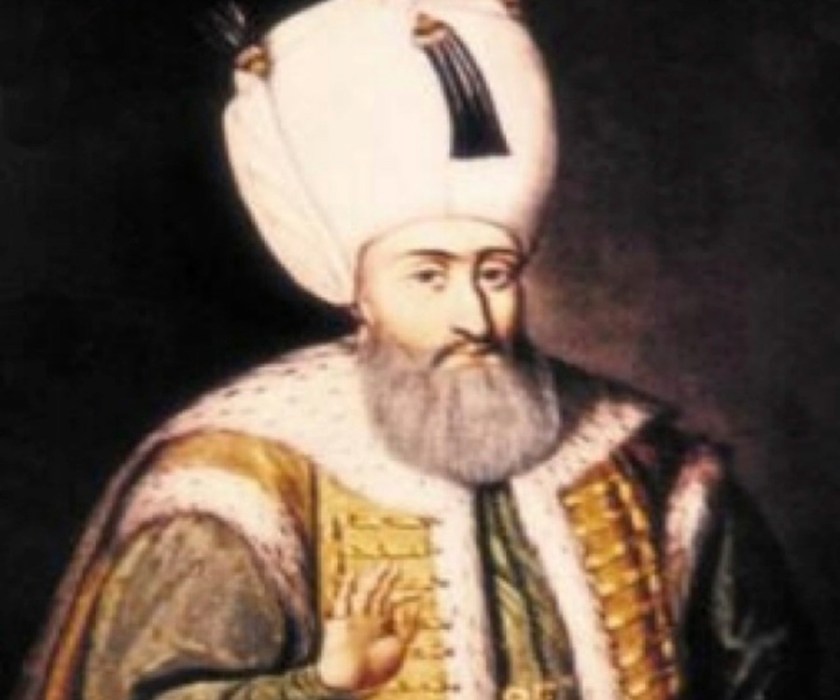
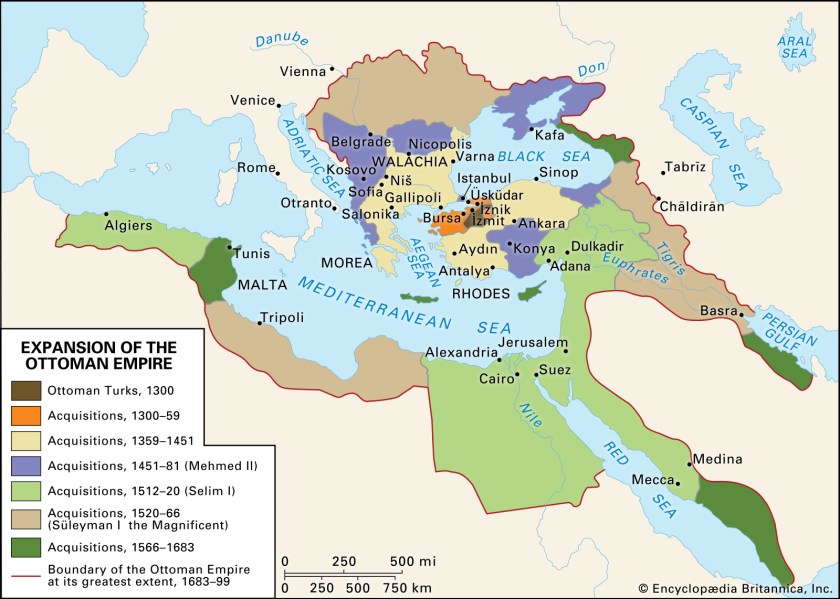
 Roxelana is unique in all Ottoman history, rising from Harem slave and Sultan’s concubine, to Süleiman’s legal wife and “Queen of the Ottoman Empire.” It was she who began a 130-year period of female influence over the male line known as the “Sultanate of Women” when, though born to slavery, the wives and mothers of the Sultan wielded extraordinary political power over affairs of the Ottoman Empire.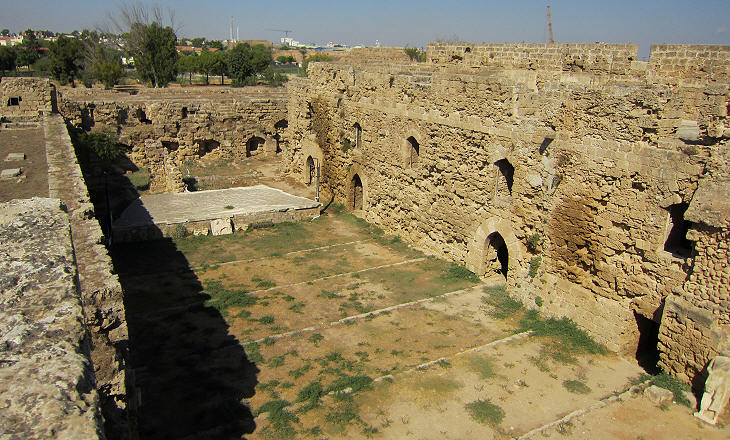








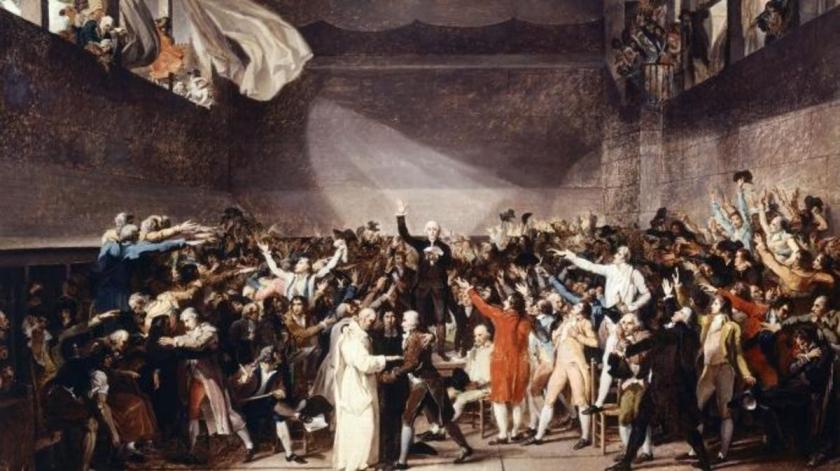 The oath itself was a revolutionary act. Unlike the English Parliament, the Estates-General were little more than an advisory body, whose authority was not required for Royal taxation or legislative initiatives. The oath taken that day asserted that political authority came from the people and their representatives, not from the monarchy. The National Assembly had declared itself supreme in the exercise of state power, making it increasingly difficult for the monarchy to operate based on “Divine Right of Kings”.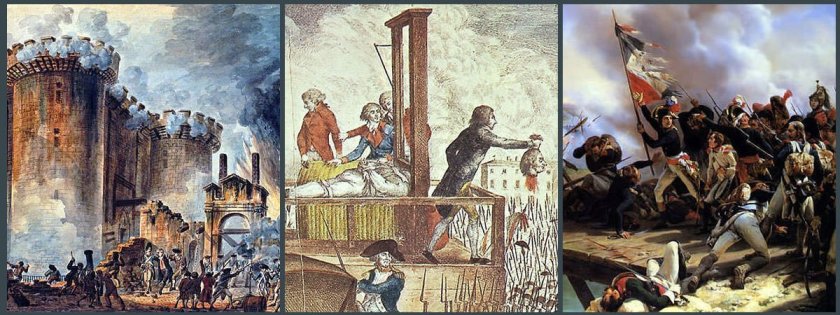


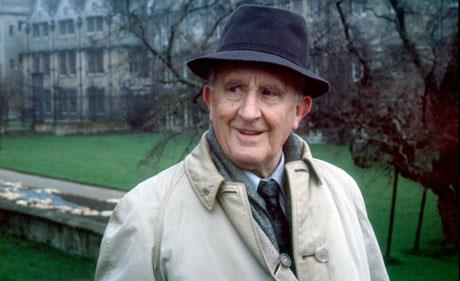
 The family lived for a time next to a rail line, south of Birmingham. John always had an interest in languages, even before he began to invent words of his own. It must have fired the young boy’s linguistic imagination to see the Welsh coal trucks go by, with names like “Nantyglo“, “Penrhiwceiber” and “Senghenydd”, painted on their sides.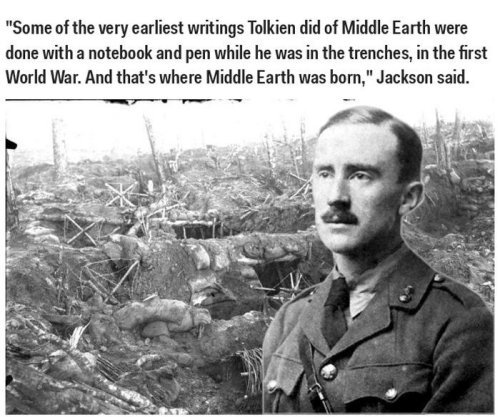




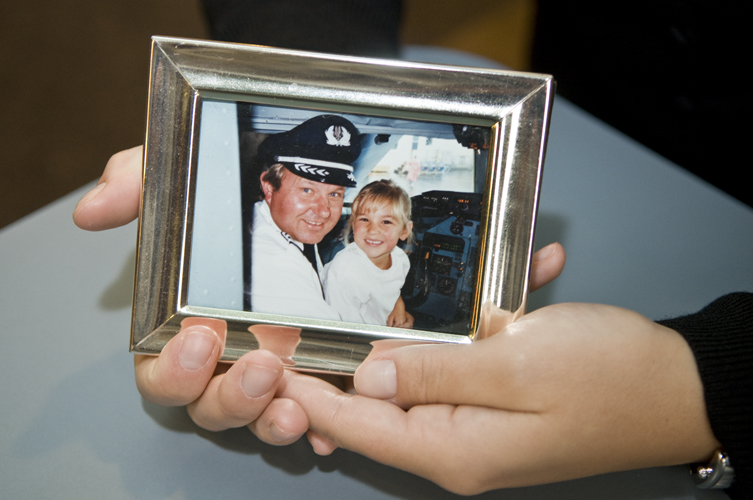
 Graduating from UMass Lowell in 1972 with a degree in nuclear engineering, John Alexander Ogonowski joined the United States Air Force. During the war in Vietnam, this farmer-turned military pilot would ferry equipment from Charleston, South Carolina to Southeast Asia, often returning with the bodies of the fallen aboard that giant, C-141 transport aircraft.
 John Ogonowski helped to create the Dracut Land Trust in 1998, working to conserve the growing town’s agricultural heritage. He worked to bring more people into farming, as well. The bumper sticker on his truck read “There is no farming without farmers”.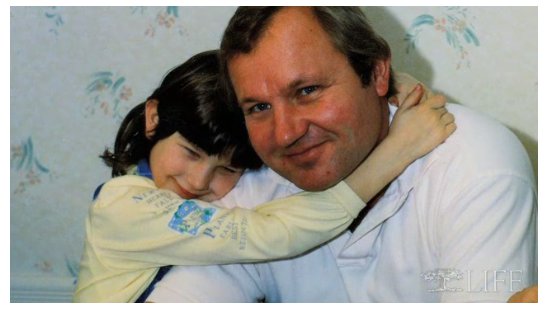
 The program was a great success. Ogonowski told The Boston Globe in 1999, “These guys are putting more care and attention into their one acre than most Yankee farmers put into their entire 100 acres.”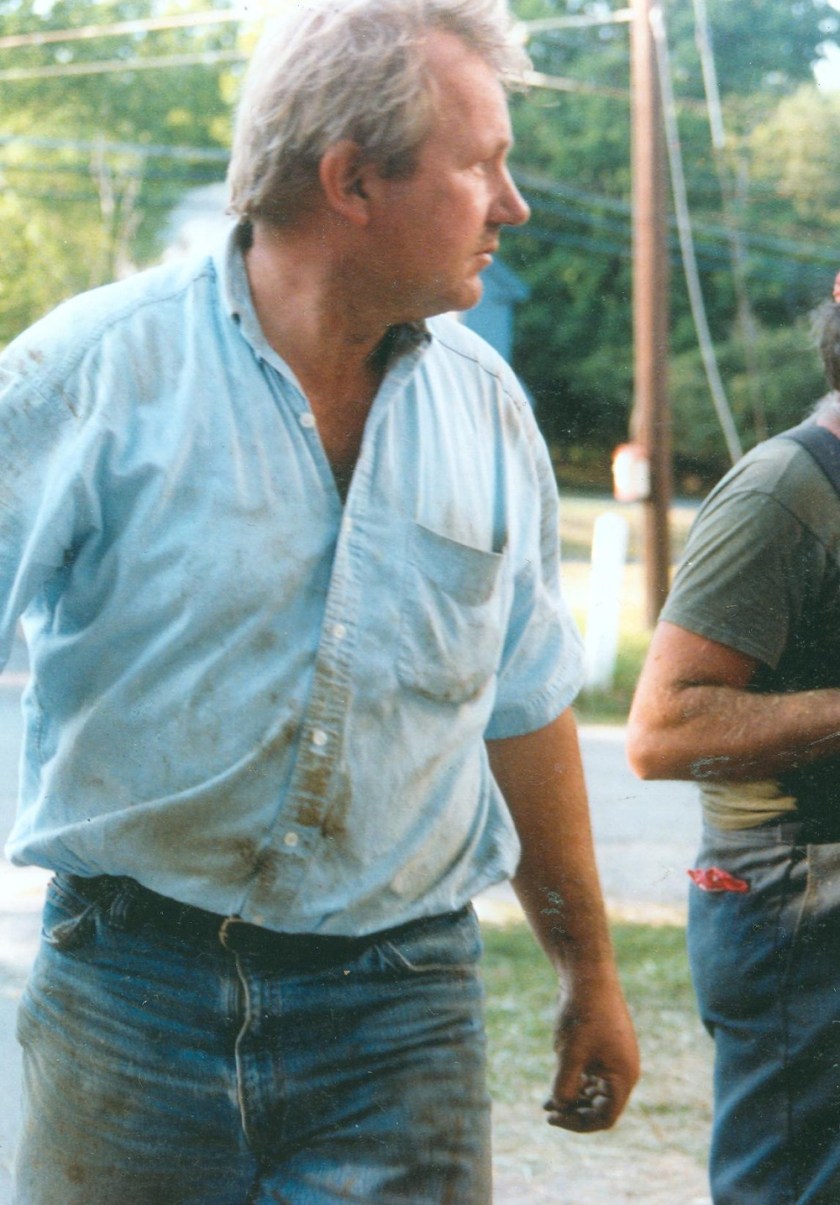



 The story may be little more than a tale told “out of school”, no better than “a guy told me at the pub” concerning a Queen whose name wasn’t ‘Victoria’ at all but Alexandrina Victoria, after her godfather Tsar Alexander I.







You must be logged in to post a comment.