
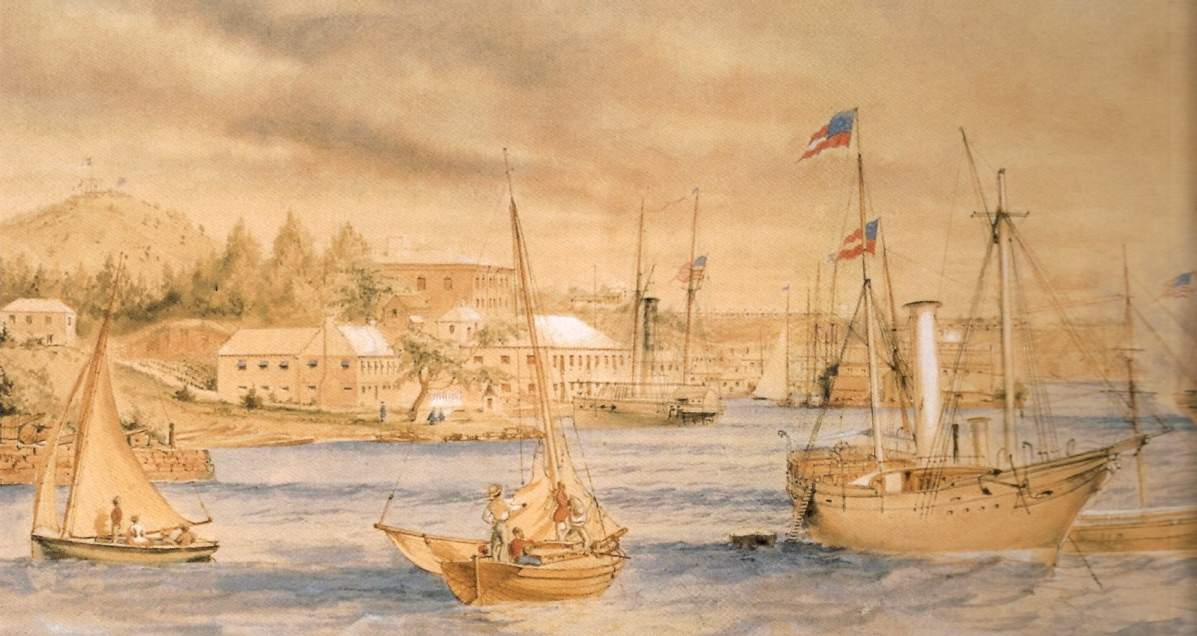
When South Carolina seceded from the Union in December 1860, it was the first of 11 states to do so. War broke out in April, and the Confederacy desperately needed ships for its fledgling Navy. It needed manufactured goods as well, goods which were no longer available from the industrialized North. The answer, in both cases, was Great Britain. While remaining officially neutral, England soon became primary ship builders and trade partners for the Confederacy.
For the British military, Bermuda had already demonstrated its value. Bermuda based privateers captured 298 American ships during the war of 1812. The place served as a base for amphibious operations as well, such as the 1815 sack of Washington, DC. British Commander Sir Alexander Milne said “If Bermuda were in the hands of any other nation, the base of our operations would be removed to the two extremes, Halifax and Jamaica, and the loss of this island as a Naval Establishment would be a National misfortune”.
 President Abraham Lincoln issued a proclamation soon after taking office, threatening to blockade southern coastlines. It wasn’t long before the “Anaconda Plan” went into effect, a naval blockade extending 3,500 miles along the Atlantic coastline and Gulf of Mexico, up into the lower Mississippi River.
Running the blockade was no small or occasional enterprise. The number of attempts to run the Federal stranglehold have been estimated at 2,500 to 2,800, of which about 2/3rds succeeded. Over the course of the war, the Union Navy captured over 1,100 blockade runners. Another 355 vessels were destroyed or run aground.
 Cotton would ship out of Mobile, Charleston, Wilmington and other ports, while weapons and other manufactured goods would come back in. Sometimes, these goods would make the whole trans-Atlantic voyage. Often, they would stop at neutral ports in Cuba or the Bahamas.
North Carolina and Virginia had long-established trade relations with Bermuda, 600 nautical miles to the east.
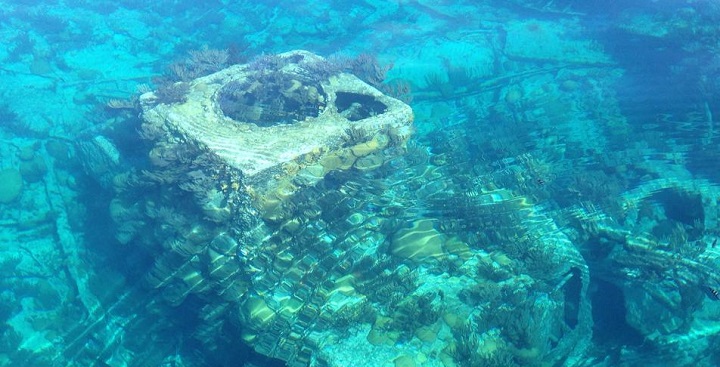
The most successful blockade runners were the fast, paddle wheeled steamers, though surprisingly little is known of the ships themselves. They were usually built in secrecy, and operated at night. One notable exception is the “Nola”, a 236-foot paddle steamer which ran aground on December 30, 1863, en route from London to North Carolina. Nola ran aground, attempting to escape threatening weather. She was wrecked near Western Blue Cut on Bermuda’s reefs, and remains a popular dive destination to this day.
President Lincoln appointed Massachusetts native Charles Maxwell Allen Consul to Bermuda in 1861, where he remained until his death in 1888. There were times when it was a great job, I’m sure, but not in the early days. “There are a great many Southern people here”, Allen wrote in 1862, “14 came in the steamer ‘Bermuda’. They & their friends are down on me & have threatened to whip me”. People were getting rich running the blockade. Allen estimated that one blockade runner alone, which sank after three voyages, generated a profit of more than £173,000.

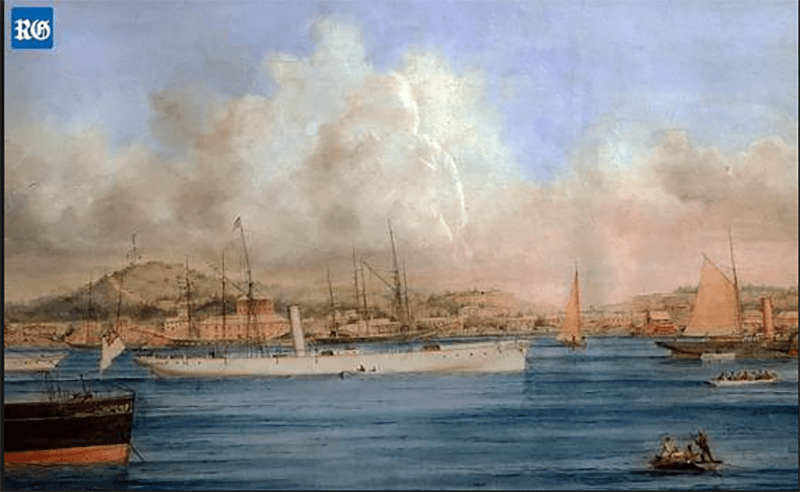
Today, the capital of Bermuda is Hamilton, moved across the island in 1815 from the old port of St. George, leaving the former capital in a kind of time warp, where you can walk down streets that look like they did 150 years ago. Portraits of Robert E. Lee and Confederate battle flags can still be found on the walls of the old port, beside paintings showing the harbor filled with blockade runners, lying quietly at anchor.
Once the office of Confederate Commercial Agent John Tory Bourne and Confederate Shipping Agent Major Norman Walker, today the Bermuda National Trust Museum tells the story of the island’s history, including Bermuda’s role in the American Civil War. The museum’s guide book explains: “The opportunities for Bermudians to profit from blockade running were boundless. Ships needed coal and provisions. Crews required lodging, food and entertainment between runs. Cargoes had to be unloaded, stored and reloaded, while crews and cargoes had to be ferried to ships lying at anchor. Bermudian pilots guided the ships through the reefs; those with skills as mates, carpenters, firemen and ordinary seamen signed on as crew. The Civil War proved to be the road to riches.”
Sheryl and I traveled to Bermuda a while back, and visited the old port at St. George. At some point we learned about the maritime history of the island, as well. Making a living at sea in the 19th century was a dangerous business, so much so that one in ten of the married women living in Bermuda at that time, were widows.
It occurred to me that all those Confederate officers and enlisted men were spending a lot of time in Bermuda. The possibility that followed soon morphed into a probability and then a certainty. At this point I can only wonder how many English citizens there are, residents of Bermuda and loyal subjects of the Queen, who can trace their paternity back to the Confederate States of America.


 Forty years later and half a world away, what would one day become South Africa was divided into four entities: the two British possessions of Cape Colony and Natal, and the two Boer (Dutch) Republics of the Orange Free State and the South African Republic, better known as Transvaal. Of the four states, Natal and the two Boer Republics were mainly agricultural, populated by subsistence farmers. The Cape Colony was by far the largest, dominating the other three economically, culturally, and socially.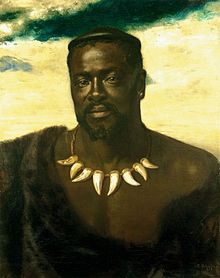

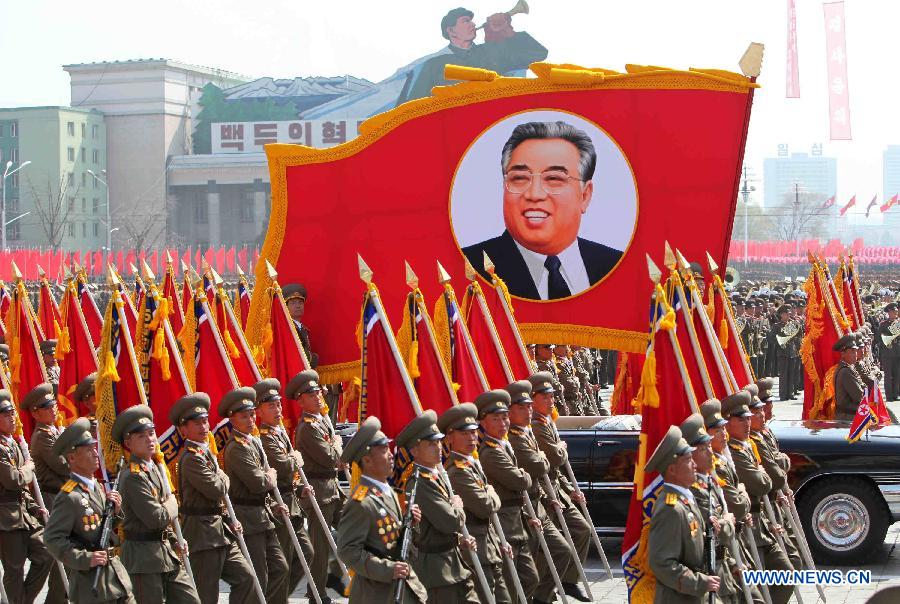
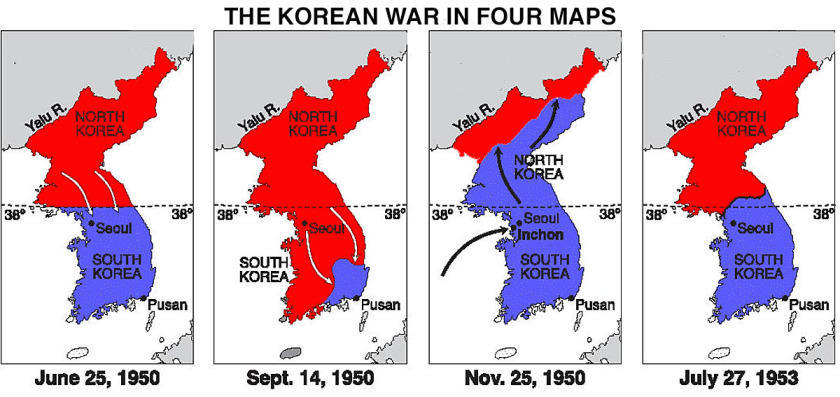 Sixteen countries sent troops to South Korea’s aid, about 90% of whom were Americans. The Soviets sent material aid to the North, while Communist China sent troops. The Korean War lasted three years, causing the death or disappearance of over 2,000,000 on all sides, combining military and civilian.
 The night-time satellite image of the two Koreas, tells the story of what happened next. In the south, the Republic of Korea (ROK) developed into a successful constitutional Republic, a G-20 nation with an economy ranking 11th in the world in nominal GDP, and 13th in terms of purchasing power parity.
 Son of the founder of the Juche Ideal, Kim Jung Il, was an enthusiastic film buff. In a move that would make Caligula blush, Kim had South Korean film maker Shin Sang Ok kidnapped along with his actress ex-wife, Choi Eun Hee. After four years spent starving in a North Korean gulag, the couple accepted Kim’s “suggestion” to re-marry and go to work for him, producing the less-than-box-office-smash “Pulgasari”, a kind of North Korean Godzilla film.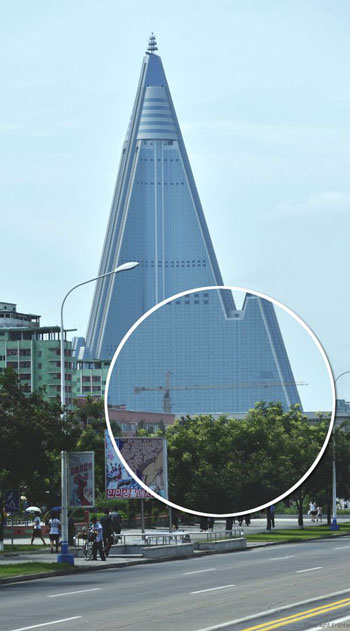







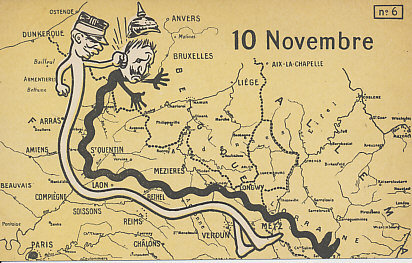
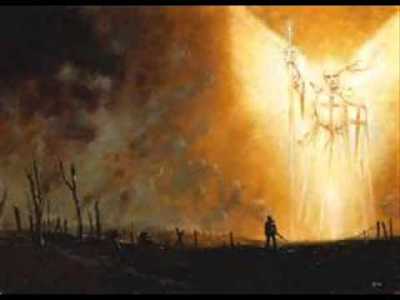
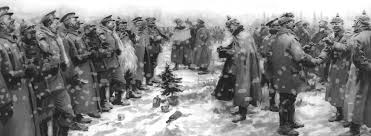
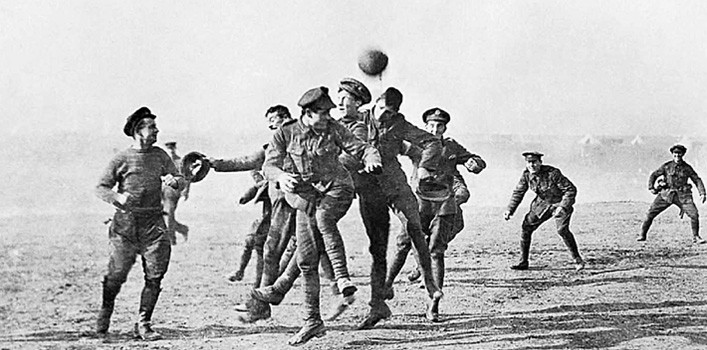
 A few tried to replicate the event the following year, but there were explicit orders preventing it. Captain Llewelyn Wyn Griffith recorded that after a night of exchanging carols, dawn on Christmas Day 1915 saw a “rush of men from both sides … [and] a feverish exchange of souvenirs” before the men were quickly called back by their officers.
 German soldier Richard Schirrmann wrote in December 1915, “When the Christmas bells sounded in the villages of the Vosges behind the lines …. something fantastically unmilitary occurred. German and French troops spontaneously made peace and ceased hostilities; they visited each other through disused trench tunnels, and exchanged wine, cognac and cigarettes for Westphalian black bread, biscuits and ham. This suited them so well that they remained good friends even after Christmas was over”.
 Even so, there is evidence of a small Christmas truce occurring in 1916, previously unknown to historians. 23-year-old Private Ronald MacKinnon of Princess Patricia’s Canadian Light Infantry, wrote home about German and Canadian soldiers reaching across battle lines near Arras, sharing Christmas greetings and trading gifts. “I had quite a good Christmas considering I was in the front line”, he wrote. “Christmas Eve was pretty stiff, sentry-go up to the hips in mud of course. … We had a truce on Christmas Day and our German friends were quite friendly. They came over to see us and we traded bully beef for cigars”. The letter ends with Private MacKinnon noting that “Christmas was ‘tray bon’, which means very good.”
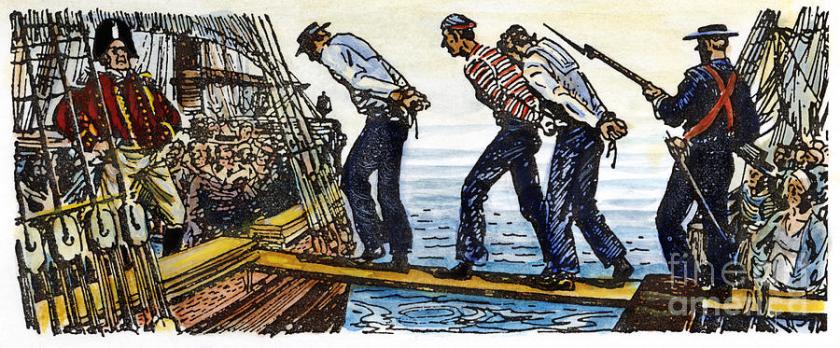
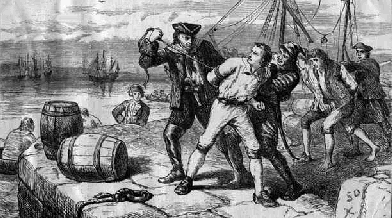 The American public was outraged and there were calls for war in 1807, when HMS Leopard overtook the USS Chesapeake, kidnapping three American-born sailors and one British deserter, leaving another three dead and 18 wounded.
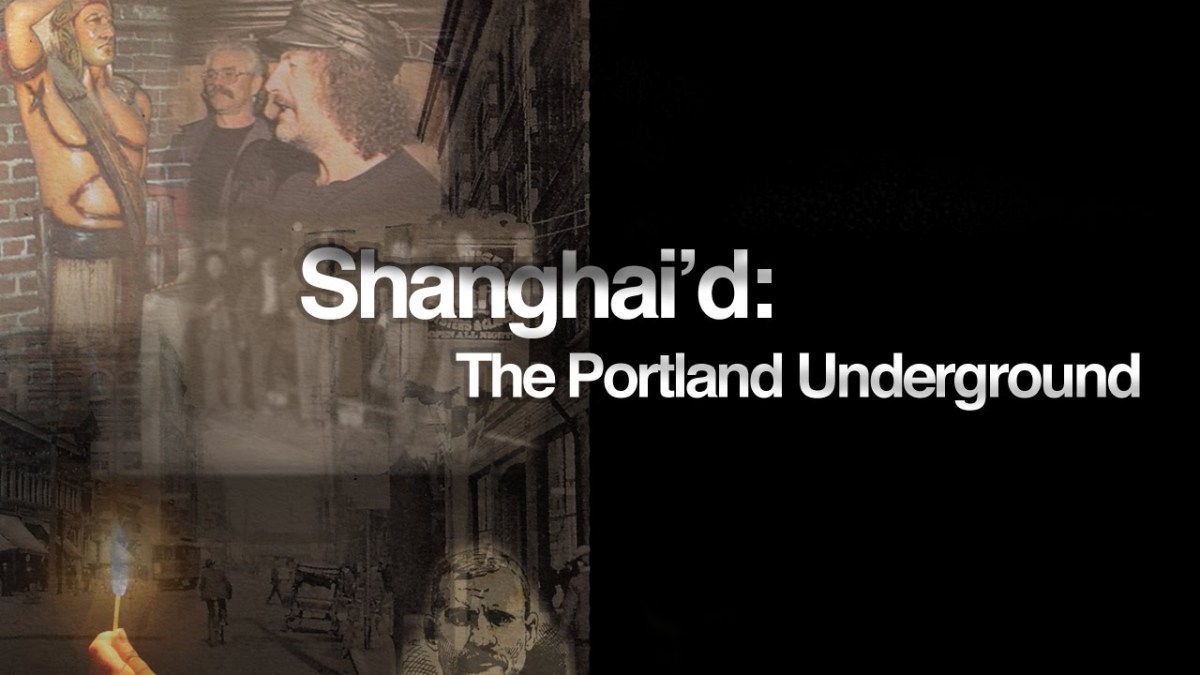
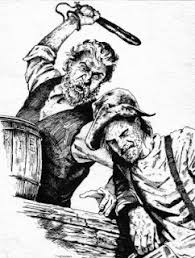 Outside of the British Royal Navy, the practice of kidnapping people to serve as shipboard labor was known as “crimping”. Low wages combined with the gold rushes of the 19th century left the waterfront painfully short of manpower, skilled and unskilled, alike. “Boarding Masters” had the job of putting together ship’s crews, and were paid for each recruit. There was strong incentive to produce as many able bodies, as possible. Unwilling men were “shanghaied” by means of trickery, intimidation or violence, most often rendered unconscious and delivered to waiting ships, for a fee.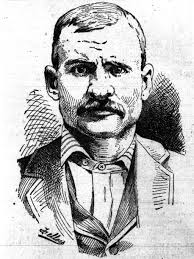
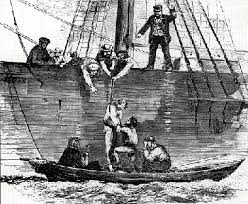 San Francisco political bosses William T. Higgins, (R) and Chris “Blind Boss” Buckley (D) were both notable crimps, and well positioned to look after their political interests. Notorious crimps such as Joseph “Frenchy” Franklin and George Lewis were elected to the California state legislature. There was no better spot, from which to ensure that no legislation would interfere with such a lucrative trade.
 Imagine the hangover the next morning, to wake up and find you’re now at sea, bound for somewhere in the far east. Regulars knew about the trap door and avoided it at all costs, knowing that anyone going over there, was “fair game”.

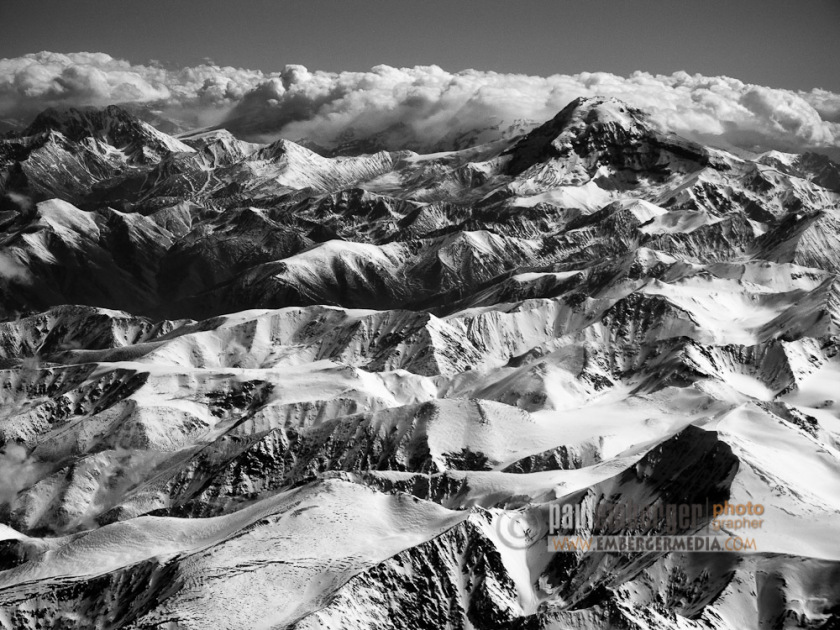
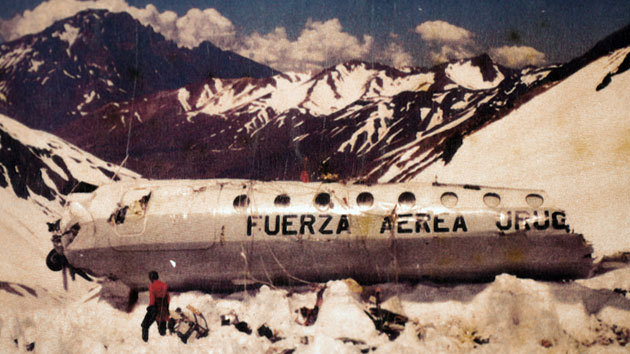
 Stranded and alone in the high Andes, meager supplies soon gave out. A few chocolate bars, assorted snacks and several bottles of wine. It was gone within days, as the survivors scoured the wreckage for crumbs. They ate leather from suitcases, tore apart seats hoping to find straw, finding nothing but inedible foam. Nothing grew at this altitude. There were no animals. There was nothing in that desolate place but metal, glass, ice and rock. And the frozen bodies of the dead.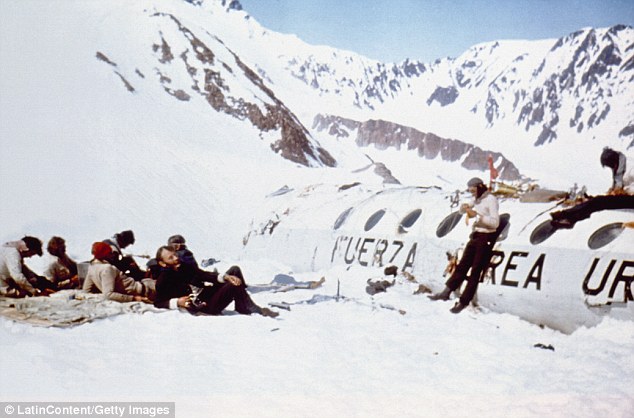
 The Juan Valdez of the coffee commercials is an “Arriero”, a man who transports goods using pack animals. Parrado and Canessa had hiked for almost two weeks when they were building a fire by a river, and spotted such a man on the other side. Sergio Catalán probably didn’t believe his eyes at first, but he shouted across the river. “Tomorrow”.

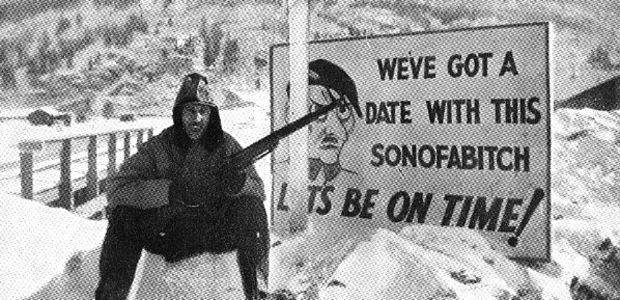
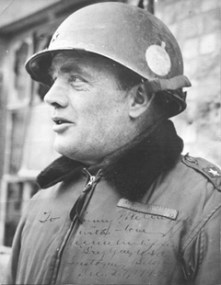
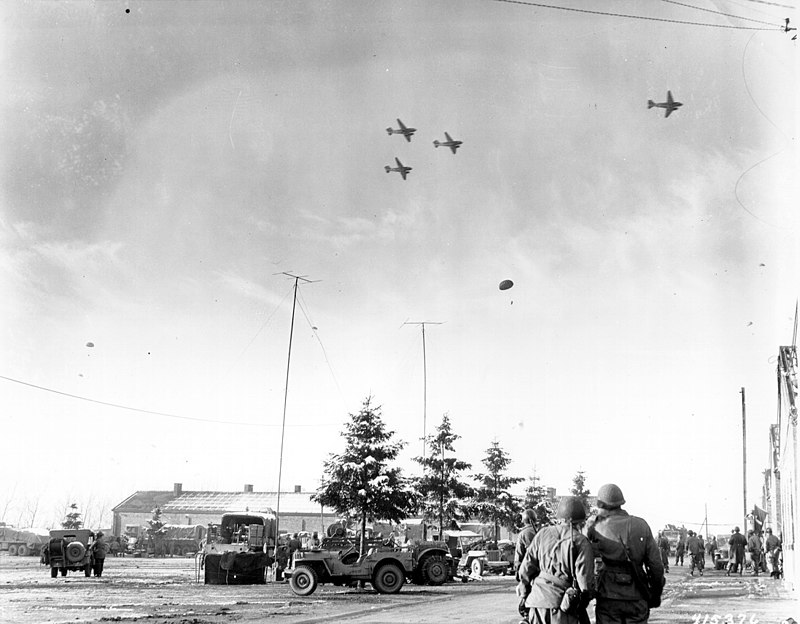
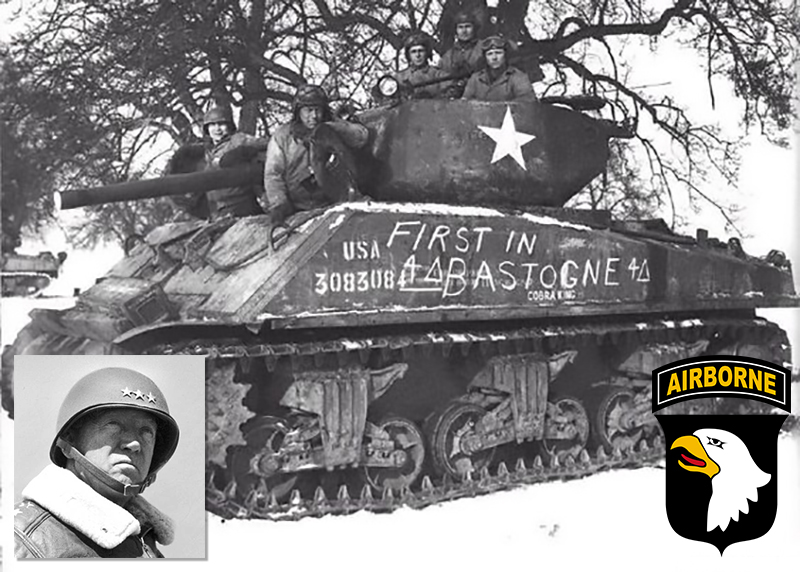
 Augusta Marie Chiwy (“Shee-wee”) was the bi-racial daughter of a Belgian veterinarian and a Congolese mother, she never knew.
 Chiwy married after the war, and rarely talked about her experience in Bastogne. It took King a full 18 months to coax the story out of her. The result was the 2015 Emmy award winning historical documentary, “Searching for Augusta, The Forgotten Angel of Bastogne”.

 A “Fidelity Medallion” was awarded to three militia men in 1780, for the capture of
 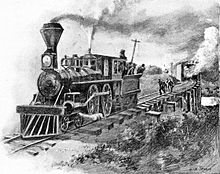 An Army version of the medal was created the following July, first awarded to six Union soldiers for hijacking the Confederate locomotive, “The General”. Leader of the raid James Andrews was caught and hanged as a Union spy. He alone was judged ineligible for the medal of honor, as he was a civilian.
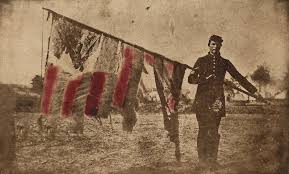 Few soldiers on the Civil War battlefield had a quicker route to death’s door, than the color bearer. National and regimental flags were all-important sources of inspiration and communication.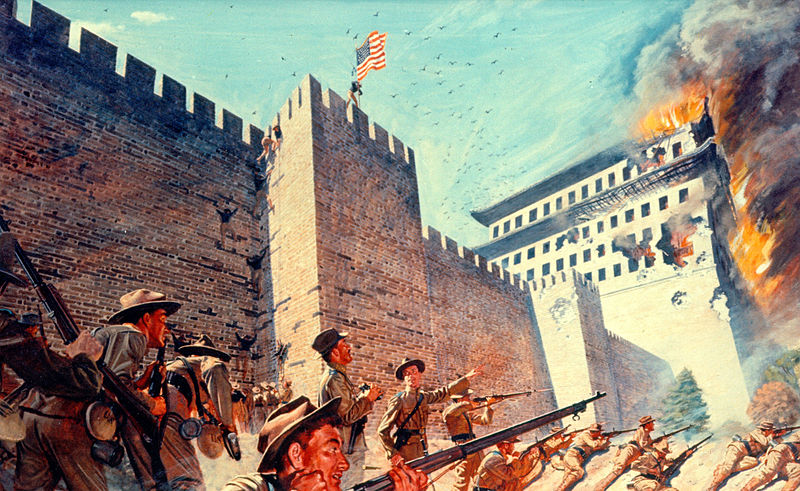


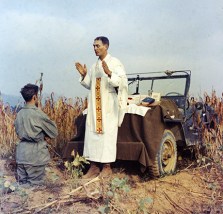 Father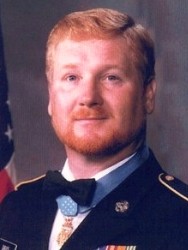


 Historical Easter Eggs - Today in History
You must be logged in to post a comment.