

The words come down to us some 2,000 years from the Roman poet, Horace. Dulcē et decōrum est prō patriā mōrī. It is sweet and proper to die for one’s country.
When the “Great War” broke out in 1914, Wilfred Owen was working as a private English tutor, in Bordeaux. At first in no hurry to sign up, Owen considered joining the French Army before returning home, to England.
In October 1915, he enlisted in the Artists Rifles Training Corps. Originally formed in 1859, the Artists Rifles was a British special forces regiment, raised in London and comprised of painters, musicians, actors and architects, symbolized by the heads of the Roman gods Mars and Minerva.

It must have felt natural. Wilfred Owen was a poet, a talent first discovered about ten years earlier, at the age of ten or eleven.
Owen was commissioned Second Lieutenant after six-months training, and posted with the Manchester Regiment of line infantry. An application to the Royal Flying Corps was rejected in 1916 and he was shipped to France, joining the 2nd Manchester regiment near Beaumont Hamel, on the river Somme.
He was contemptuous of his men at first, considering them all to be louts and barbarians. He wrote home to his mother Susan in 1917, describing his company as “expressionless lumps”. The war was soon to beat that out of him.

Owen was close with his mother, his letters home telling a tale of mud and frostbite, of endless hours under heavy bombardment, sheltered only by a muddy, flooded dugout, of the fall through shell-shattered earth into the cellar below, that earned him a trip to the hospital. It would not be his last.
He was caught in an explosion during the bitter battle of St. Quentin, blown off his feet and into a hole, there to spend days fading in and out of consciousness amidst the mangled remains of a fellow officer.
Following this experience, soldiers reported Owen behaving strangely. He was diagnosed as suffering from neurasthenia or shell shock, what we now understand to be Post-Traumatic Stress Disorder, and sent to Craiglockhart War Hospital in Edinburgh, for treatment.

There, Dr. Arthur Brock encouraged Owen to work on his poetry, to overcome shell shock. There he met another patient, the war poet Siegfried Sassoon. The chance meeting would elevate Wilfred Owen to one of the great war poets, of his generation.
Owen’s work was different before this time, vaguely self important but never self pitying. Never the pacifist – he held those people in contempt – Owen’s nightmares now brought forth a savage honesty and bottomless compassion for the burdens of the ordinary soldier. Tales of trench life: of gas, of lice, of mud and death, of hell and returning to earth, steeped in contempt for the patriotic sentimentality of non-combatants and the slurs of cowardice, so lightly dispensed by the women of the “White Feather” movement.

Anthem for Doomed Youth gives a sense of this period:
What passing-bells for these who die as cattle?
— Only the monstrous anger of the guns.
Only the stuttering rifles’ rapid rattle
Can patter out their hasty orisons.
Owen continued to write through his convalescence, his fame as author and poet growing with the late months of 1917 and into March of the following year. Supporters requested non-combat postings on his behalf, but such requests were turned down. It’s unlikely he would have accepted them, anyway. His letters reveal a deep sense of obligation, an intention to return to the front to be part of that life and to tell the story of the common man, thrust by his government into uncommon conditions.
Wilfred Owen well understood his special talent. He wanted to return to front line combat, made all the more urgent when Sassoon was once again wounded, and removed from the front.

Back in France, Owen captured a German machine gun position on September 29, for which he was awarded the Military Cross. Posthumously.
He wrote home to his mother on October 31, from the shelter of a cellar in a small wood called Bois l’Évêque, near the Sambre–Oise Canal. It was the last such note she would ever receive. “Of this I am certain” he wrote, ” you could not be surrounded by a band of friends half so fine as surround me here.”

The 44-mile Sambre-Oise Canal flows through the Meuse river basin, a network of 38 locks directing the water’s flow and connecting the Netherlands and Belgium with the central waterways of France. Forces of the 2nd Battalion Royal Sussex forced the canal on November 4 in coordination with elements of the 2nd Manchester Regiment and the Lancashire Fusiliers. British forces were to cross surrounding fields lined with high hedges, then to traverse the canal by portable foot bridges or climbing across lock gates.
The battle of the Sambre–Oise Canal was one of the last Allied victories of the Great War, but not without cost. Lock houses on the opposite side formed strong points for German defensive fire, from small arms and machine guns.
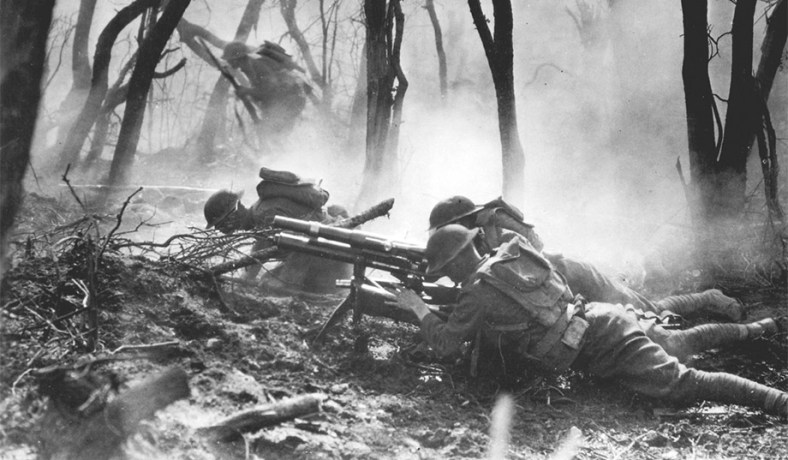
Wilfred Owen was leading a raiding party when the German machine gun barked and chattered to life, the bullets tearing into his body. The armistice ending the ‘War to End All Wars” was to come a week later, nearly to the hour.

The eleventh hour of the eleventh day of the eleventh month. The church bells of Shrewsbury rang out in celebration that day in 1918, even as Tom and Susan Owen, the 25-year-old’s mother and father, opened the dread telegram.
“Deeply regret to inform you, that…”

“Dulce et Decorum Est”
Bent double, like old beggars under sacks,
Knock-kneed, coughing like hags, we cursed through sludge,
Till on the haunting flares we turned our backs,
And towards our distant rest began to trudge.
Men marched asleep. Many had lost their boots,
But limped on, blood-shod. All went lame; all blind;
Drunk with fatigue; deaf even to the hoots
Of gas-shells dropping softly behind.
Gas! GAS! Quick, boys!—An ecstasy of fumbling
Fitting the clumsy helmets just in time,
But someone still was yelling out and stumbling
And flound’ring like a man in fire or lime.—
Dim through the misty panes and thick green light,
As under a green sea, I saw him drowning.
In all my dreams before my helpless sight,
He plunges at me, guttering, choking, drowning.
If in some smothering dreams, you too could pace
Behind the wagon that we flung him in,
And watch the white eyes writhing in his face,
His hanging face, like a devil’s sick of sin;
If you could hear, at every jolt, the blood
Come gargling from the froth-corrupted lungs,
Obscene as cancer, bitter as the cud
Of vile, incurable sores on innocent tongues,—
My friend, you would not tell with such high zest
To children ardent for some desperate glory,
The old Lie: Dulce et decorum est
Pro patria mori.
Wilfred Owen, 1917


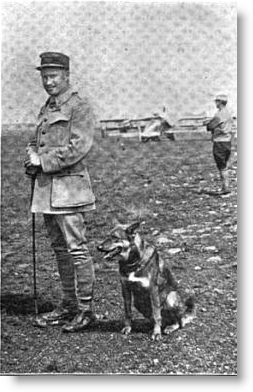 A female lion, “Soda”, was purchased sometime later. The lions were destined to spend their adult years in a Paris zoo but both remembered from whence they had come. Both animals recognized William Thaw on a later visit to the zoo, rolling onto their backs in expectation of a good belly rub.
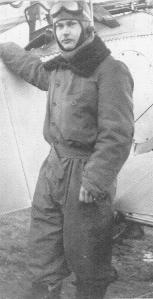
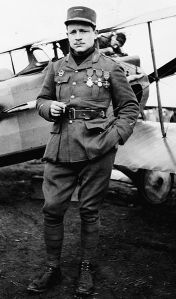
 Escadrille N.124 changed its name in December 1916, adopting that of a French hero of the American Revolution. Marie-Joseph Paul Yves Roch Gilbert du Motier, Marquis de Lafayette.

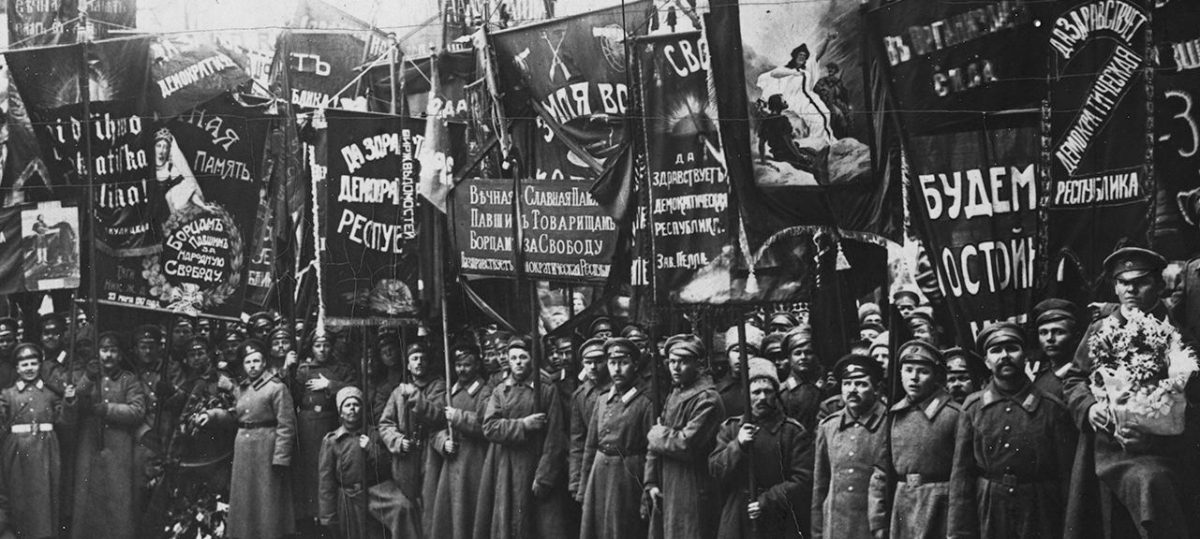
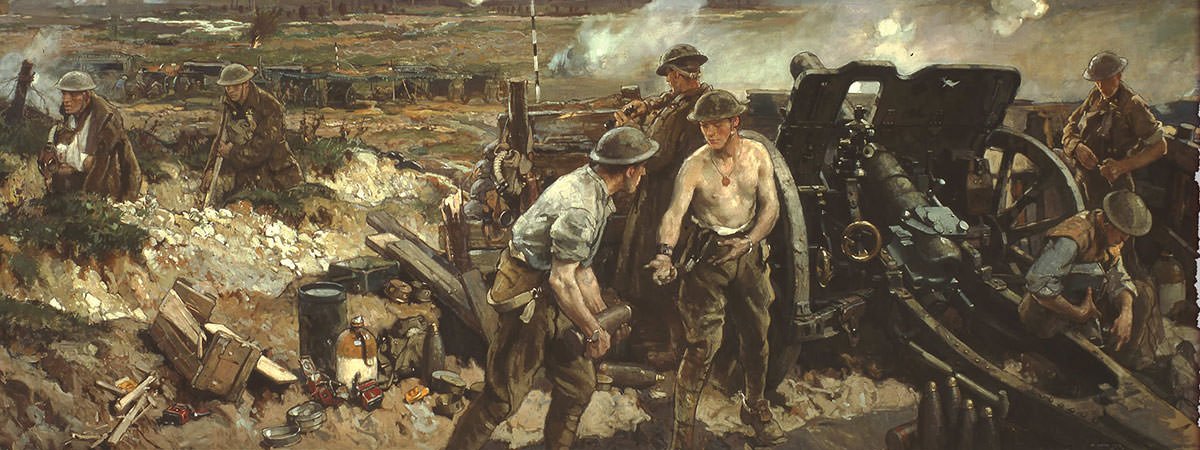 By 1916 it was generally understood in Germany that the war effort was “shackled to a corpse”, referring the Austro-Hungarian Empire where the war had started, in the first place. Italy, the third member of the “Triple Alliance”, was little better. On the “Triple Entente” side, the French countryside was literally torn to pieces, the English economy close to collapse. The Russian Empire, the largest nation on the planet, was teetering on the edge of the precipice.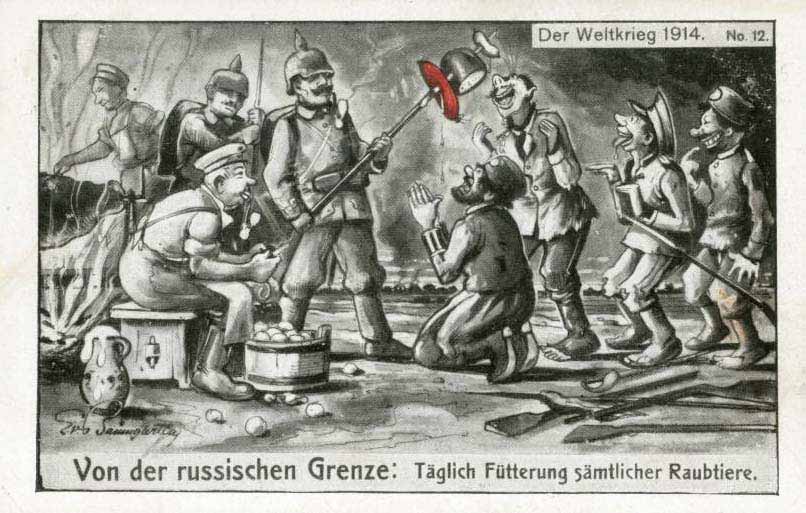
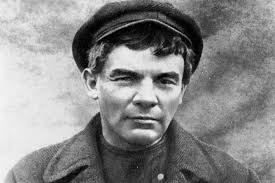
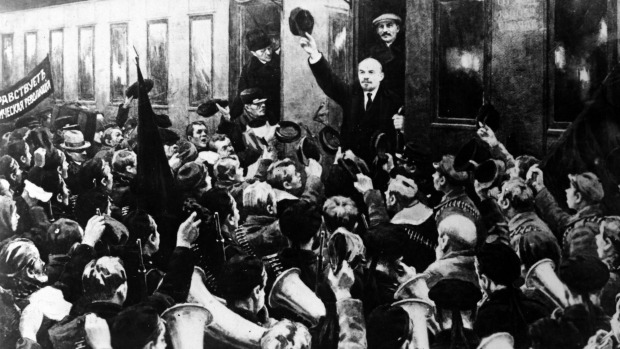 By October, Russia would experience its second revolution of the year. The German Empire could breathe easier. The “Russian Steamroller” was out of the war. And none too soon, too. With the Americans entering the war that April, Chief of the General Staff Paul von Hindenburg and his deputy Erich Ludendorff could now move their divisions westward, in time to face the arrival of the American Expeditionary Force.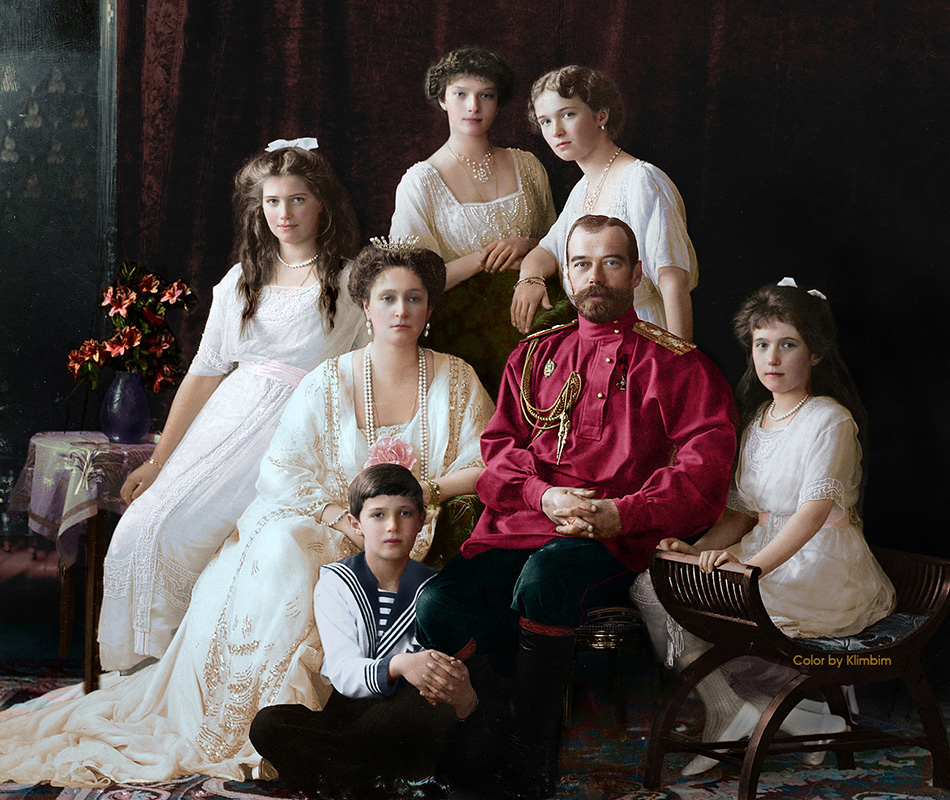


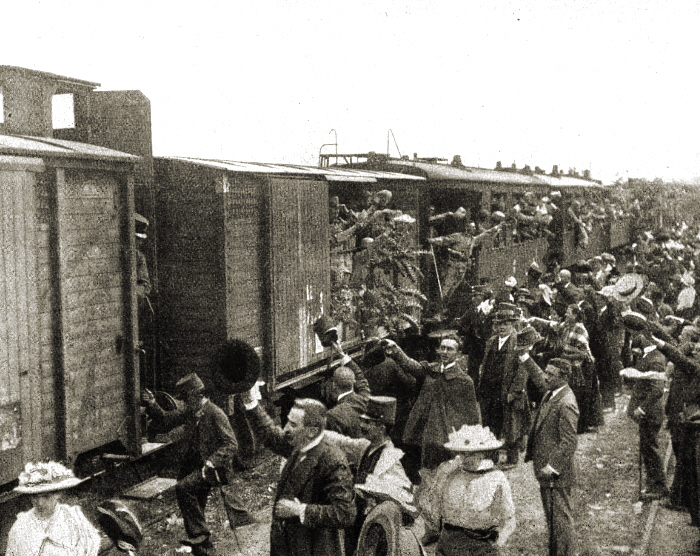
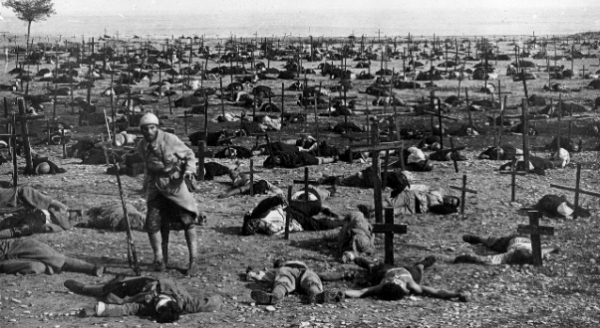
 Some 40 million were killed in the Great War, either that or maimed or simply, vanished. It was a mind bending number, equivalent to the entire population in 1900 of either France, or the United Kingdom. Equal to the combined populations of the bottom two-thirds of every nation on the planet. Every woman, man, puppy, boy and girl.
 The idea of honoring the unknown dead from the “War to end all Wars” originated in Europe. Reverend David Railton remembered a rough cross from somewhere on the western front, with the words written in pencil: “An Unknown British Soldier”.

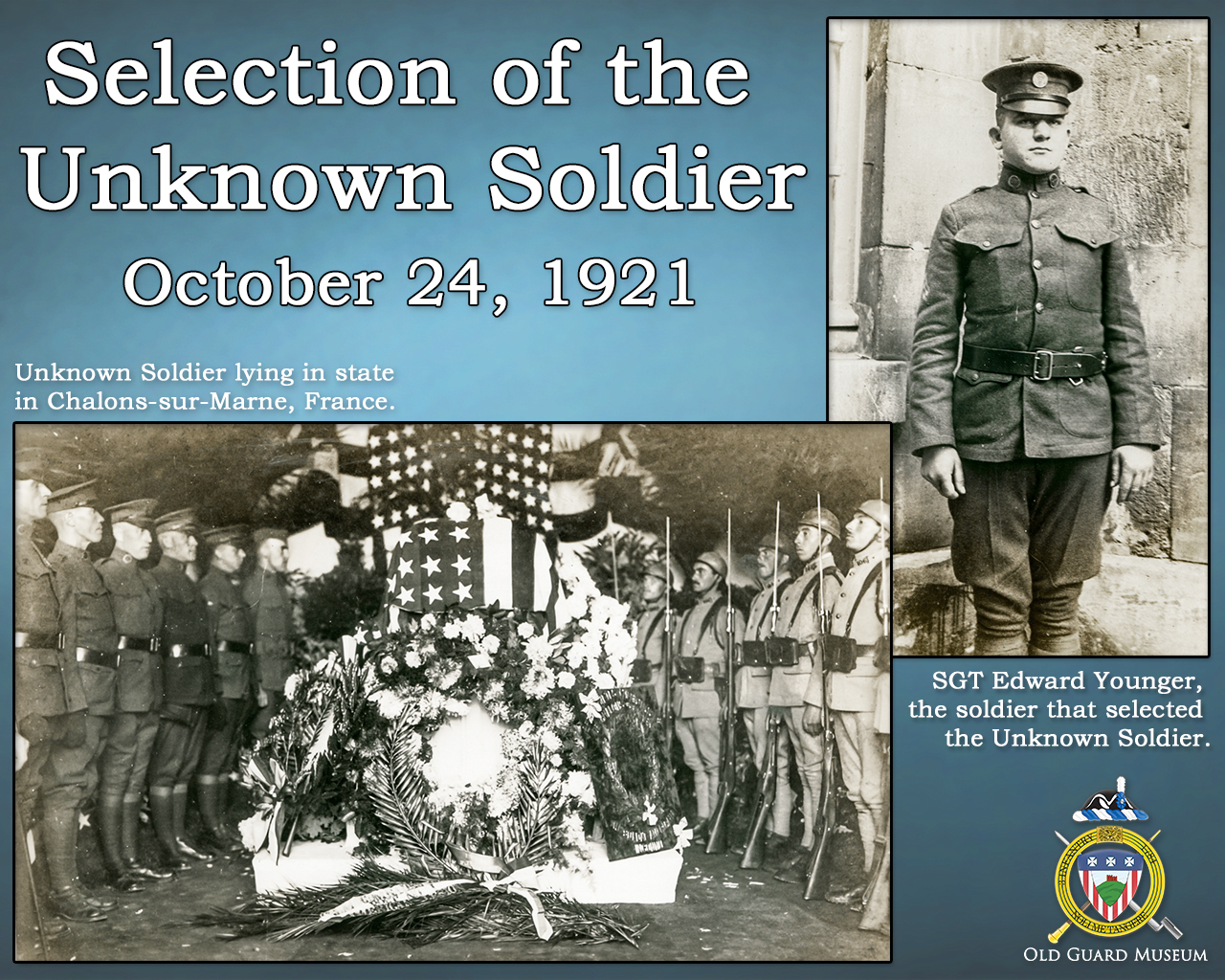 Passing between two lines of French and American officials, Sgt. Younger entered the room, alone. Slowly, he circled the four caskets, three times, before at last stopping at the third from the left. “What caused me to stop” he later said, “I don’t know. It was as though something had pulled me“. Younger placed the roses on the casket, drew himself to attention, and saluted. This was the one.
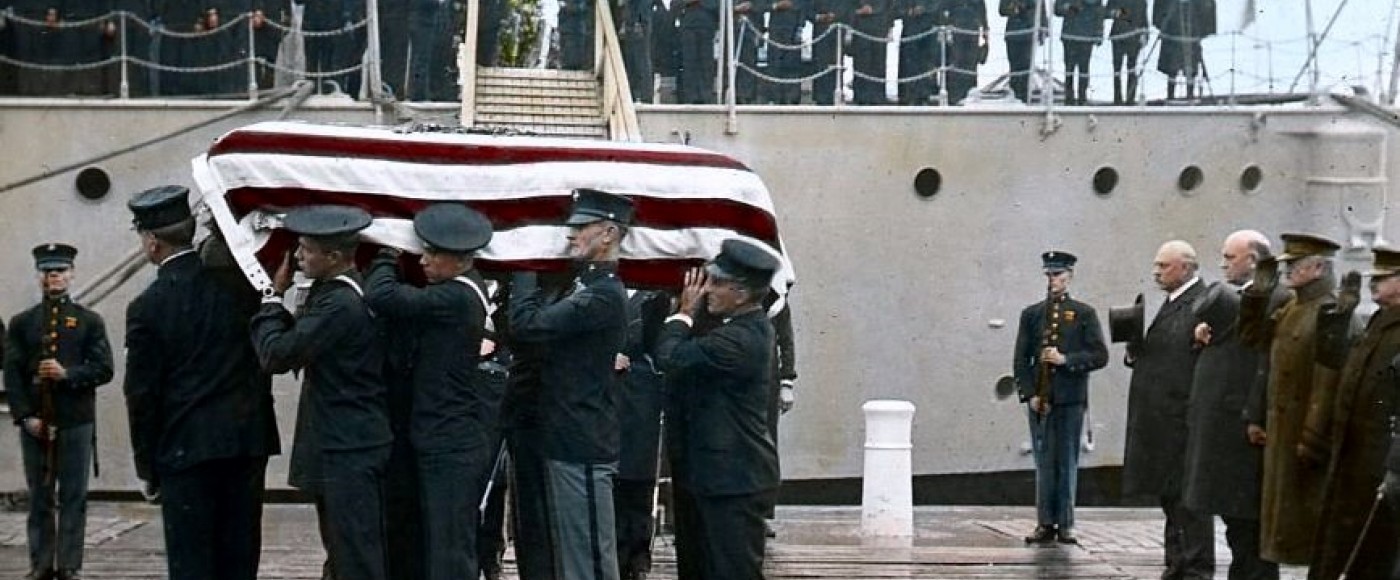 On November 11, the casket was removed from the Rotunda of the Capitol and escorted under military guard to the amphitheater at
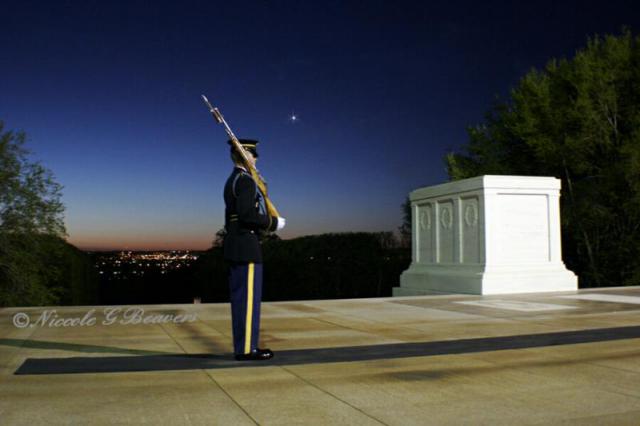
  With three salvos of artillery, the rendering of Taps and the National Salute, the ceremony was brought to a close and the 12-ton marble cap placed over the Tomb of the Unknown Soldier. The west facing side bears this inscription:

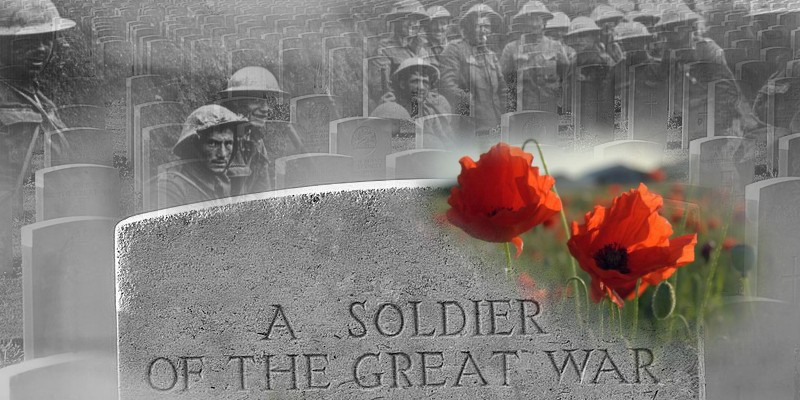
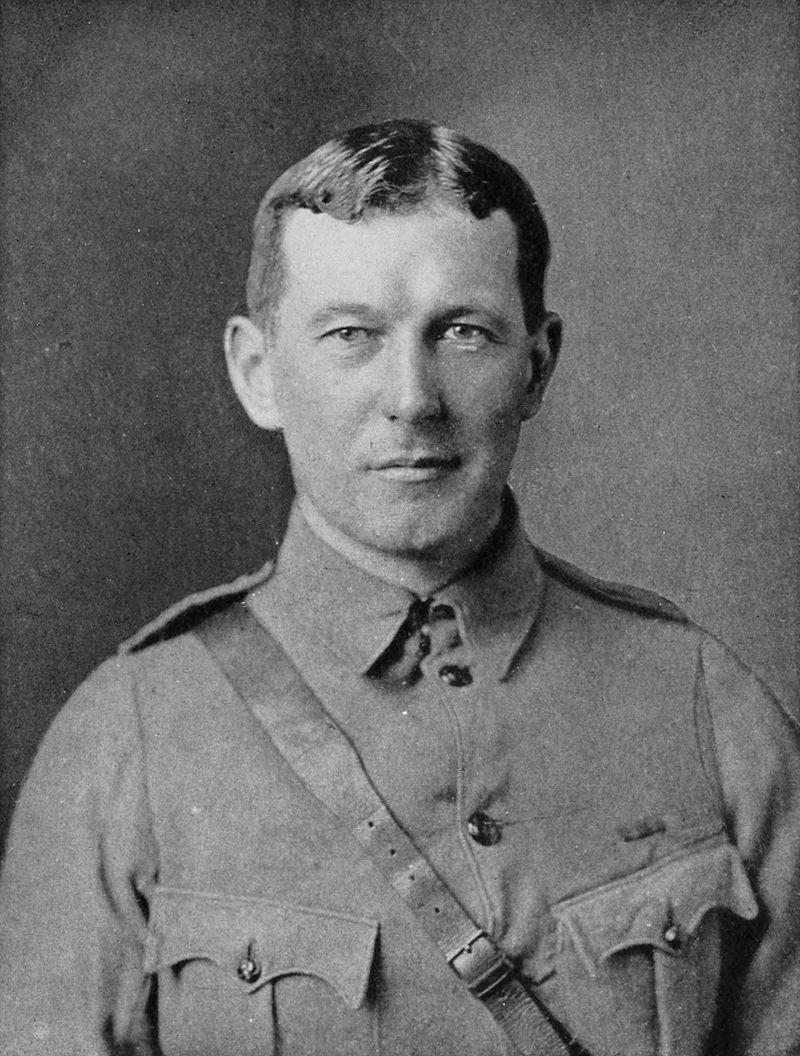 John McCrae was a physician and amateur poet from Guelph, Ontario. Following the outbreak of war in 1914, McCrae enlisted in the Canadian Expeditionary Force at the age of 41. He had the option of joining the medical corps based on his age and training, but volunteered instead to join a fighting unit as gunner and medical officer.




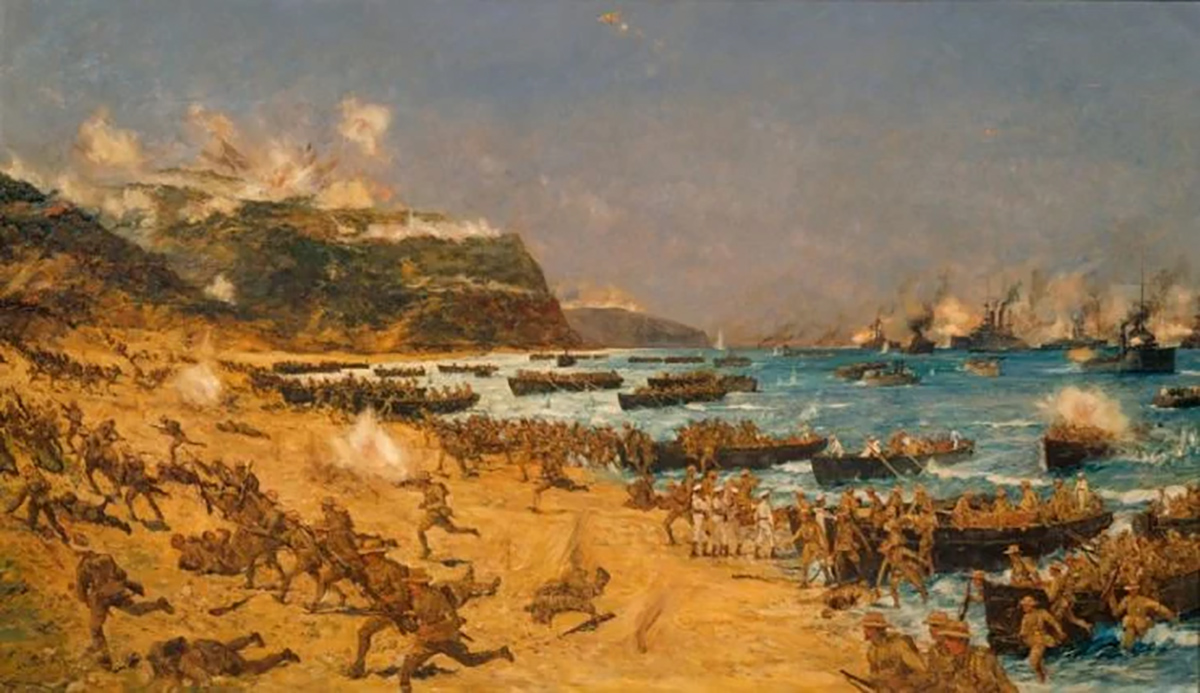


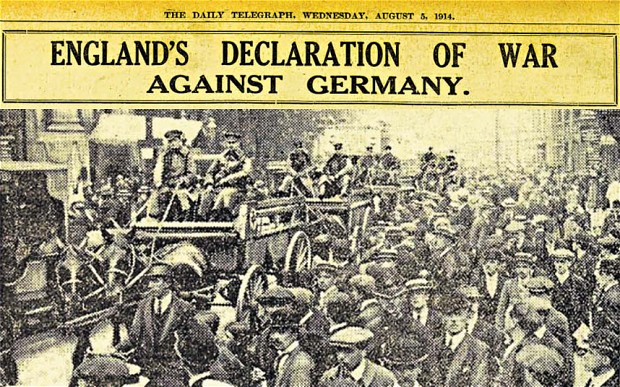


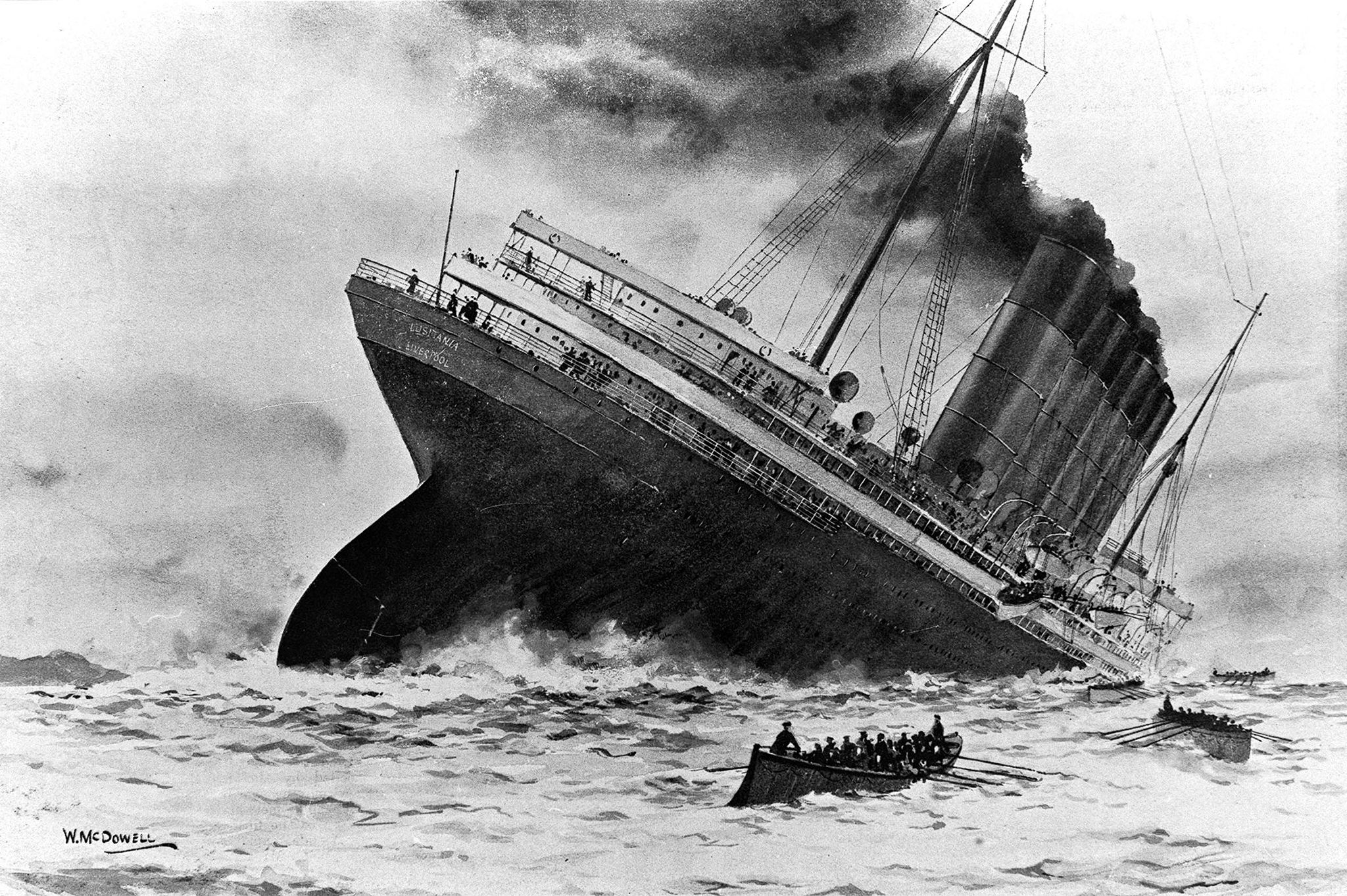
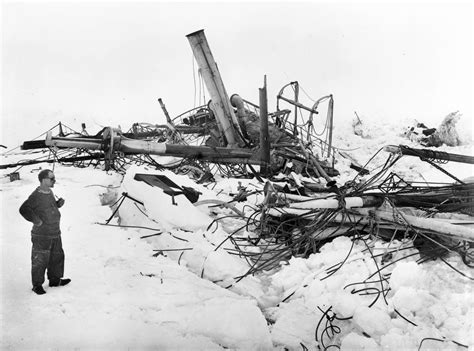
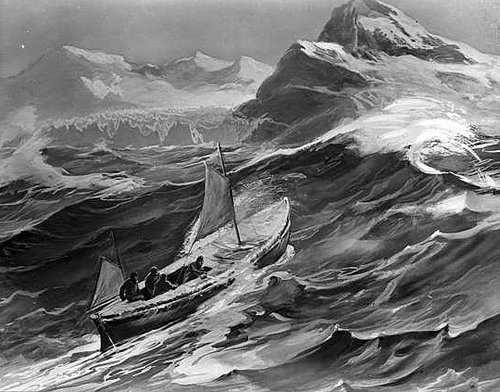
 The disaster of the Great War became “Total War” with the zeppelin raids of January, as Endurance met with disaster of its own. The ship was frozen fast, within sight of the Antarctic continent. There was no hope of escape.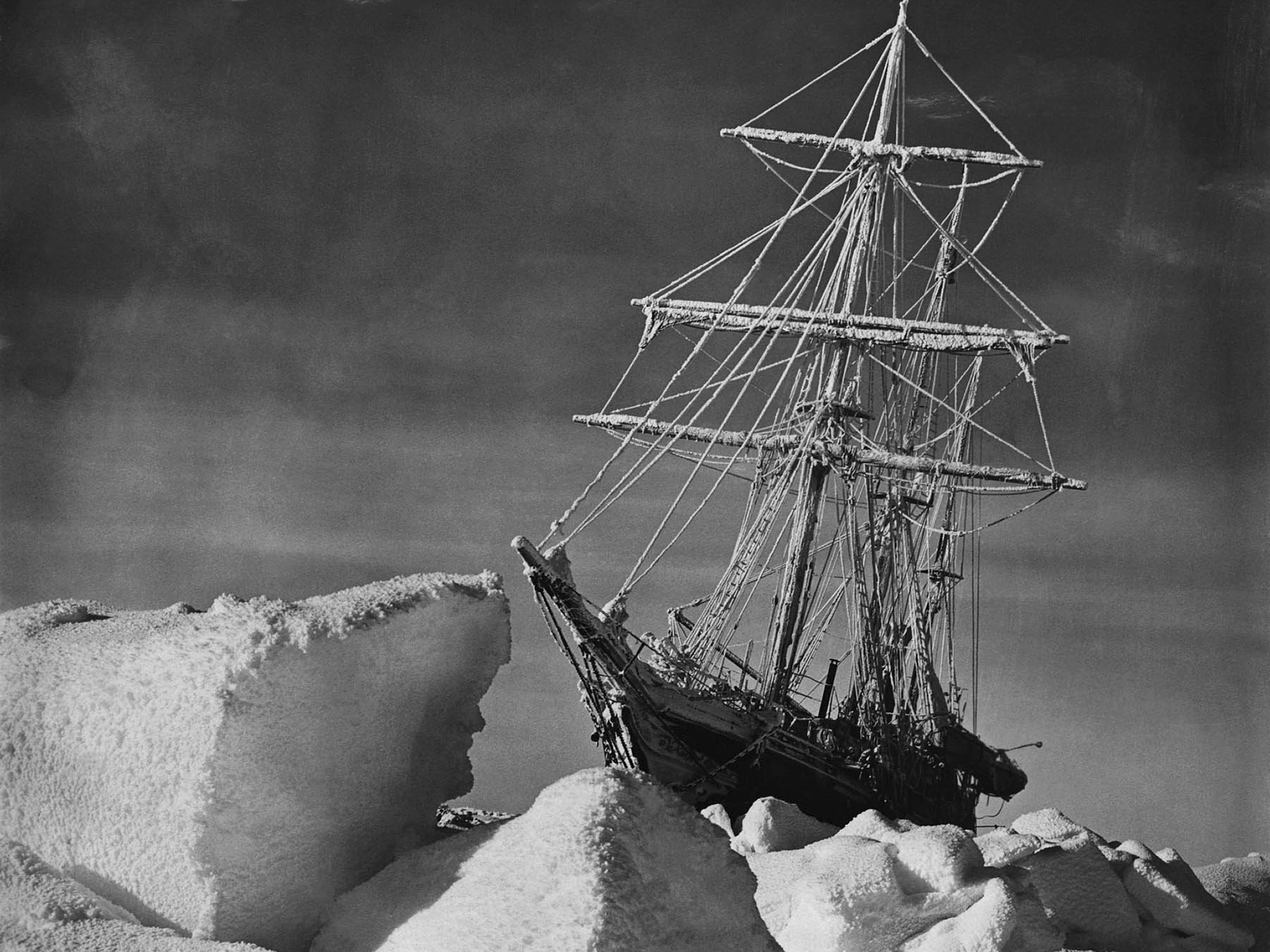

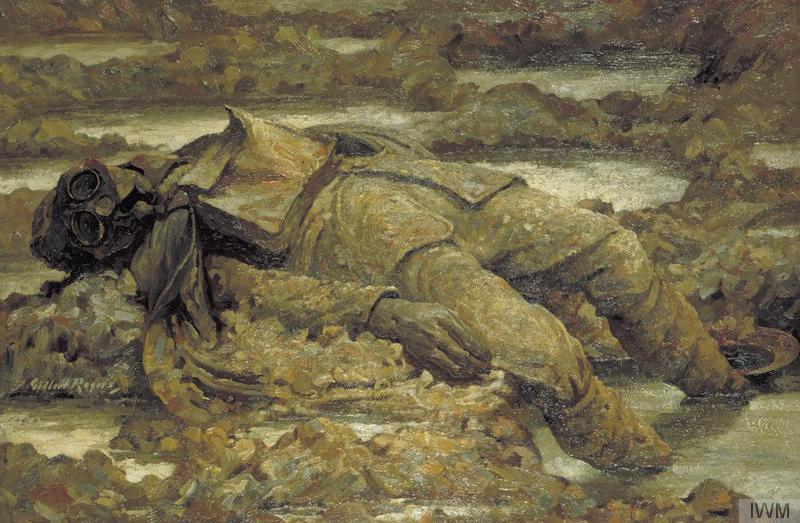


 Both sides in the battle for Troy used poisoned arrows, according to the Iliad and the Odyssey of Homer. Alexander the great encountered poison arrows and fire weapons in the Indus valley of India, in the fourth century, BC. Chinese chronicles describe an arsenic laden “soul-hunting fog”, used to disperse a peasant revolt, in AD178.
 Imperial Germany was first to give serious study to chemical weapons of war, early experiments with irritants taking place at the battle of Neuve-Chapelle in October 1914, and with tear gas at Bolimów on January 31, 1915 and again at Nieuport, that March.


 Great Britain possessed massive quantities of mustard, chlorine, Lewisite, Phosgene and Paris Green, awaiting retaliation should Nazi Germany resort to such weapons on the beaches of Normandy. General Alan Brooke, Commander-in-Chief of the Home Forces, “[H]ad every intention of using sprayed mustard gas on the beaches” in the event of a German landing on the British home islands.
 The Geneva Protocols on 1925 banned the use of chemical weapons, but not their manufacture, or transport. By 1942, the U.S. Chemical Corps employed some 60,000 soldiers and civilians and controlled a $1 Billion budget.
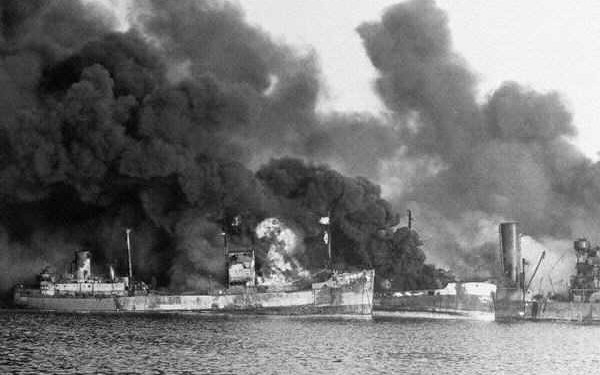
 Death comes in days or weeks. Survivors are likely to suffer chronic respiratory disease and infections. DNA is altered, often resulting in certain cancers and birth defects. To this day there is no antidote.


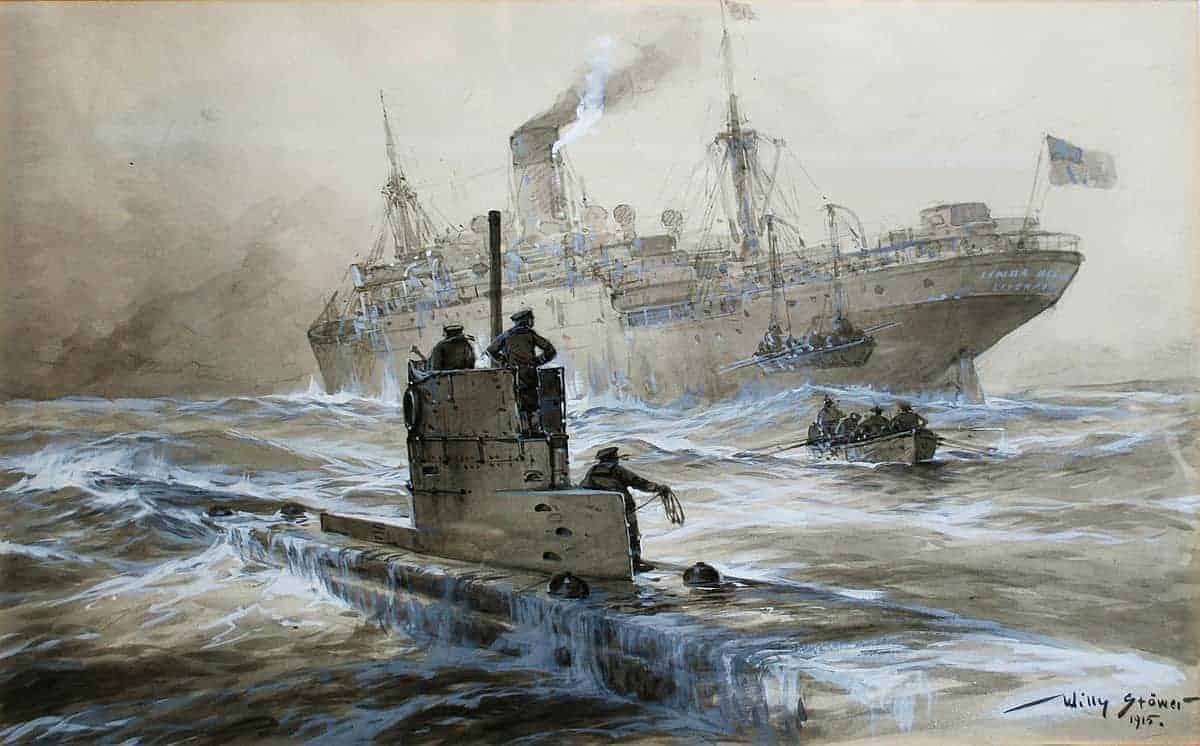
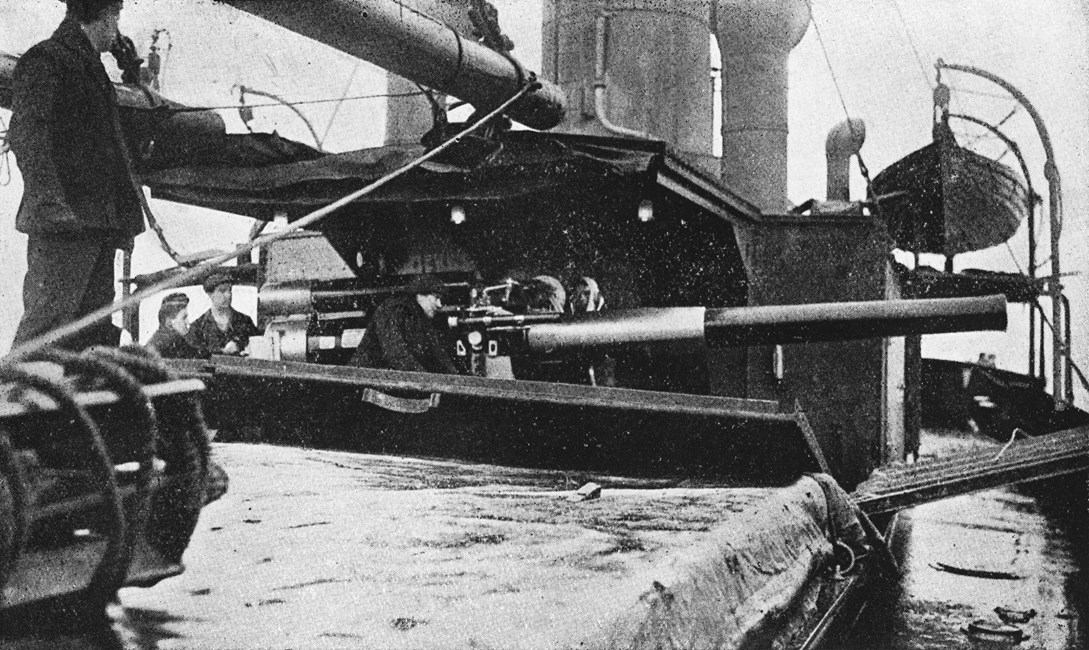
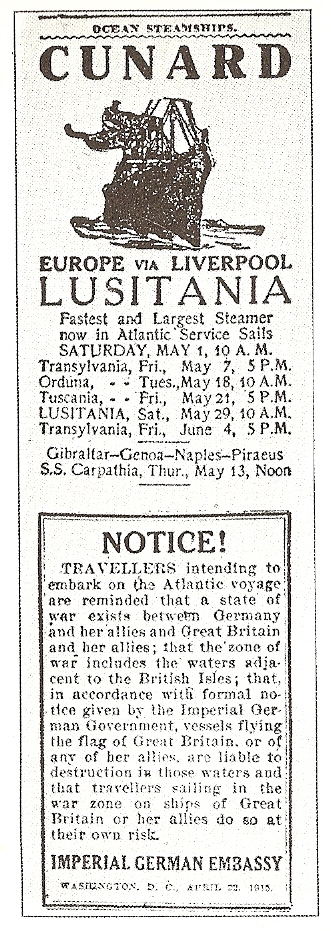
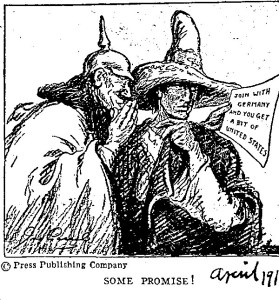 The “Zimmermann Telegram” was intercepted and decoded by British intelligence and revealed to the American government on February 24. The contents of the message outraged American public opinion and helped generate support for the United States’ declaration of war.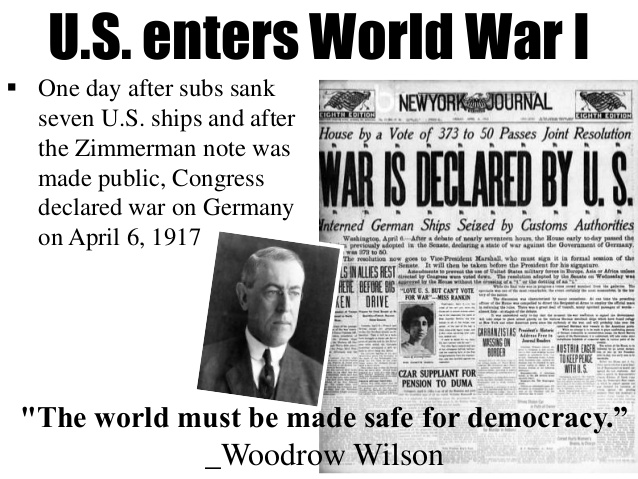


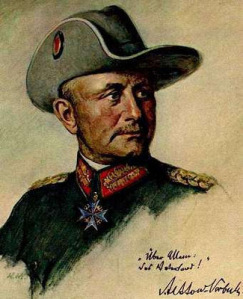 At the outset of the “Great War”, a map of Africa looked nothing like it does today. From the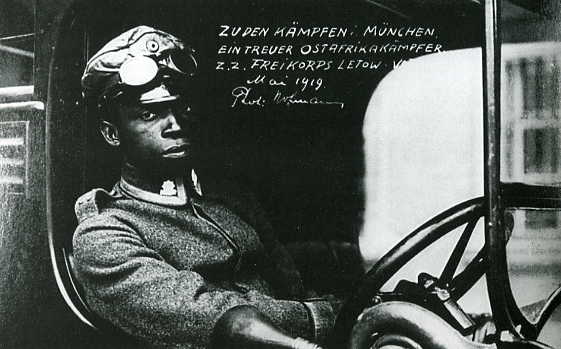
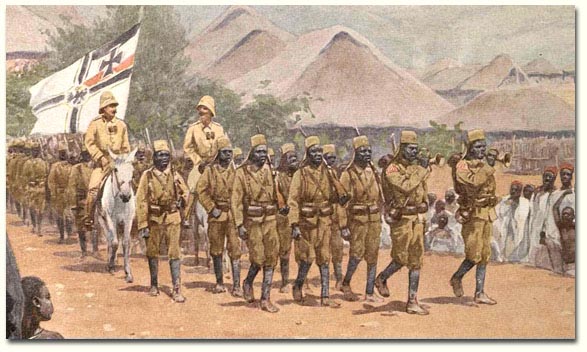 At one point in the battle for Tanga (November 7-8, 1914), a British landing force and their Sepoy allies were routed and driven back to the sea by millions of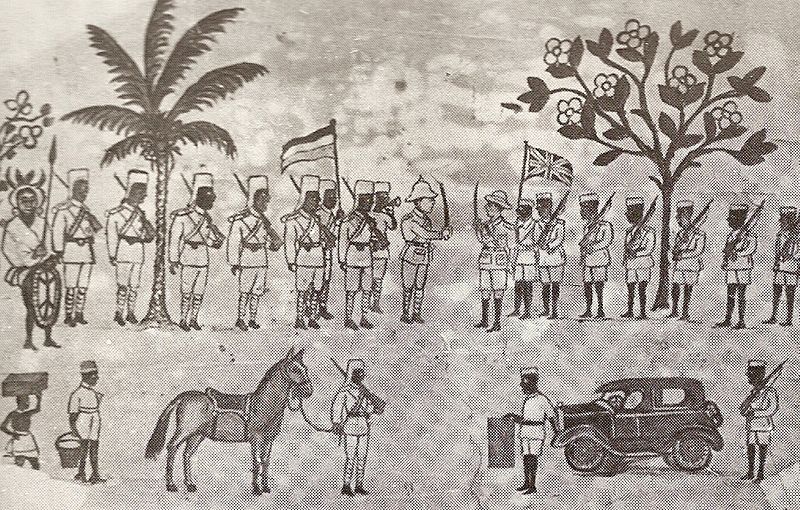
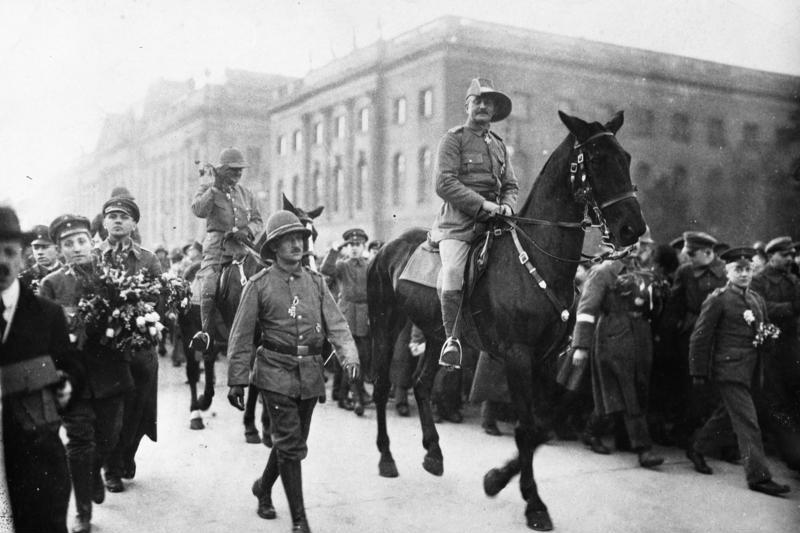
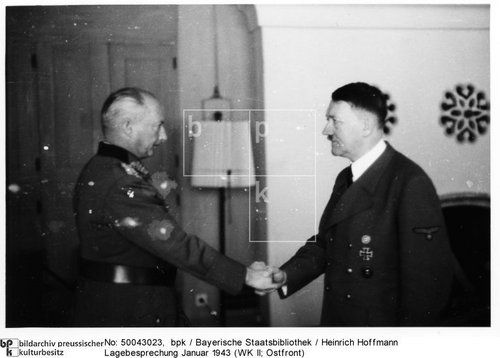
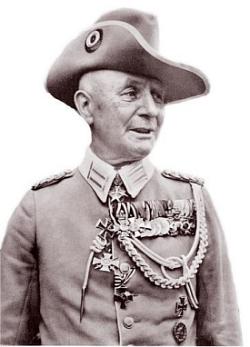 In 1964, the year Lettow-Vorbeck died, the Bundestag voted to give back pay to former African warriors who had fought with German forces in WWI. Some 350 elderly Ascaris showed up. A few could produce certificates given them back in 1918, some had scraps of old uniforms. Precious few could prove their former service to the German Empire.
 A Trivial Matter
 Historical Easter Eggs - Today in History
You must be logged in to post a comment.