

 Founded by Byzas, son of the Greek King Nisos circa 657BC, the earliest days of Byzantium are clouded by legend. Located on the easternmost peninsula where Europe becomes Asia, the city is surrounded on three sides, by water.
Besieged and all but destroyed by Rome in 196AD, the city soon regained the wealth and status it had formerly enjoyed as a center of trade. The Roman Emperor Constantine established a second residence at Byzantium in 330, which was later renamed Constantinople, in his honor. What had been a fishing village a thousand years earlier was now the seat of the Eastern Roman Empire, and would remain so for another thousand years.
Emperor Theodosius built a set of walls around the landward side of the city in the 5th century. Avars, Arabs, Rus and Bulgars would all come up against the Theodosian Walls, which were all but impregnable to the siege apparatus of the era. Until the age of gunpowder.
 21-year-old Mehmed II began the final siege of Constantinople on April 6, 1453. Commanding 120,000 attackers with an estimated 126 ships, Ottoman forces faced 7,000 to 12,000 Christian defenders with 26 ships, defending almost 3½ miles of land wall and another 9 miles of sea wall facing the Sea of Marmara and the Golden Horn.
Byzantine commander Constantine XI sent out a plea for reinforcements to Pope Nicholas V, who agreed to seek help despite centuries of animosity between the Eastern and Western Churches. France and England were enmeshed in a hundred-years’ war at the time, Spain had a Reconquista to tend to. The German Principalities were fighting each other. No significant assistance ever appeared.
Giovanni Giustiniani arrived with 700 Genoese and Greek soldiers in January 1453, and was placed in command of the land walls. Three Genoese galleys and a Byzantine blockade runner fought their way through the Ottoman blockading fleet on April 20th. There would be no more help after that.
On land, Mehmed’s forces encircled the network of trenches, parapets and walls which made up the Theodosian defenses. At sea, he placed his forces on either side of the Bosporus, effectively cutting off the Black Sea and encircling the city on three sides.
A huge chain across the northern harbor, the “Golden Horn”, was all that kept Constantinople open on that side.
 Mehmed placed his cannon into positions facing the wall. The largest, the monster “Basilica” was 27′ long, weighed 18 tons, and required a team of 60 oxen and 400 men to move it. It had a diameter of 30″, large enough for a grown man to crawl inside. Its 150lb powder charge was capable of hurling a half-ton stone ball a distance of over a mile. While the weapon did catastrophic damage to the city walls, it took over three hours to reset after firing, and frantic efforts by the defenders were able to repair much of the damage between shots.
 Serbian Sappers dug tunnels under the city, intending to undermine and blow out the walls, but Christian counter-miners broke into the tunnels and attacked them with swords, axes and Greek fire, an early form of napalm.
Unable to breach the chain, Mehmed ordered his ships portaged across dry land on greased logs, enabling them to enter the harbor and attack via the Golden Horn. Burning vessels called “fire ships” were launched against them without success, requiring Constantine to spread out his already thin forces to defend multiple sides.
Holding a council of war with his advisors on May 26th, Mehmed ordered a massive assault carried out on the night of the 28th-29th, after a period of rest and prayer.
Mehmed’s poorly equipped, inferior “auxiliary” soldiers launched just after midnight.  These were the cannon fodder, their purpose to wear down the defenders in preparation for attacks by professional soldiers, the Bashi-Bazouks. Then came the Janissaries, Christian slave warriors raised from childhood to be the elite of the Ottoman army, Attackers stormed the walls by the tens of thousands, while Ottoman ships pounded the city from the harbor.
Christian defenses finally began to falter, as Giustiniani was badly wounded and taken to the rear. Constantine too was under heavy pressure, leading the defense of the Lycus Valley to the south. When Ottomans found the Kerkoporta gate to the north open, they surged into the city, opening additional gates. Fanning out, Ottoman soldiers moved through Constantinople, killing at will.

When Emperor Justinian finished construction in 537, the Hagia Sofia was the largest Christian cathedral in the world, remaining so for almost 1,000 years. Now Christian civilians in their thousands fled to the massive dome, barricading themselves inside where they prayed.
The Venetian surgeon Nicolò Barbaro wrote that “all through the day the Turks made a great slaughter of Christians through the city”. At last, the massive bronze doors of the Hagia Sofia were breached, and the Turks began to divide up civilians according to their value at the slave market. Thousands of civilians were killed and 30,000 either enslaved or deported.
In the weeks that followed, Pope Nicholas V called for an immediate crusade to recover the city, but none stepped forward to lead the effort. It was a turning point in Western history. Many see the Fall of Constantinople as the end of the Middle Ages and the beginning of the Renaissance. The loss of Constantinople severed European trade routes with Asia, forcing European powers to seek out water routes.
Forty years later, Ferdinand and Isabella would discuss such a voyage of exploration with the Italian navigator, Christopher Columbus.
Christian artifacts and artworks were removed or plastered over as churches were converted into mosques. Mehmed II became “Mehmed the Conqueror”, his greatest conquest “Kostantiniyye”, the name morphing to “Islambol” by the 18th century, meaning “City of Islam” or “Full of Islam”. Today, the former seat of the Byzantine Empire is the 7th largest city on the planet, by population. Istanbul.


 from Vietnam, the Geneva Convention partitioning the country into the communist “Democratic Republic of Vietnam” in the north, and the State of Vietnam in the south, led by Emperor Bao Dai and Prime Minister Ngo Dinh Diem.
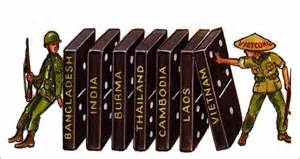 US policy makers feared a “domino” effect, and with good cause. The 15 core nations of the Soviet bloc were soon followed by Eastern Europe, as Poland, Bulgaria, Romania, Hungary and Czechoslovakia fell into the Soviet sphere of influence. Germany was partitioned into Communist and free enterprise spheres after WWII, followed by China, North Korea and so on across Southeast Asia.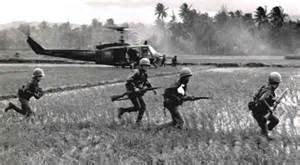
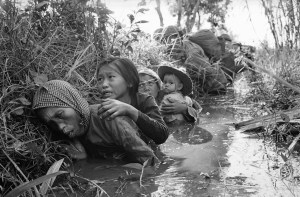 The war in Vietnam pitted as many as 1.8 million allied forces from South Vietnam, the United States, Thailand, Australia, the Philippines, Spain, South Korea and New Zealand, against about a half million from North Vietnam, China, the Soviet Union and North Korea. Begun on November 1, 1955, the conflict lasted 19 years, 5 months and a day. On March 29, 1973, two months after signing the Paris Peace accords, the last US combat troops left South Vietnam as Hanoi freed the remaining POWs held in North Vietnam.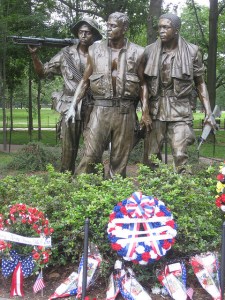


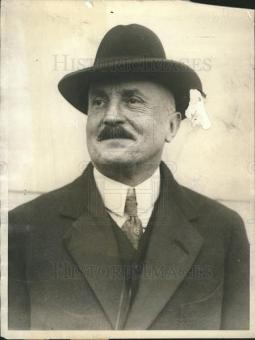
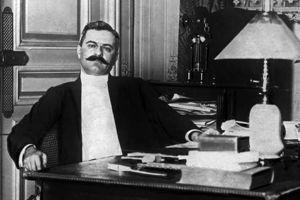
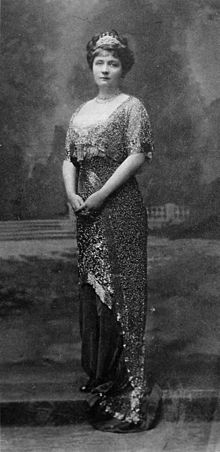
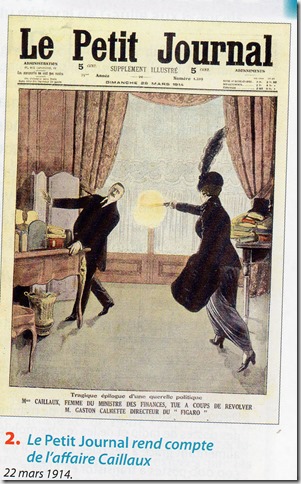 Right, the fall of the powerful, and all the salacious details anyone could ask for. Most of France was riveted by the Caillaux affair in July 1914, ignorant of the European crisis barreling down on them like the four horsemen of the apocalypse. Madame Caillaux’s trial for the murder of Gaston Calmette began on July 20.
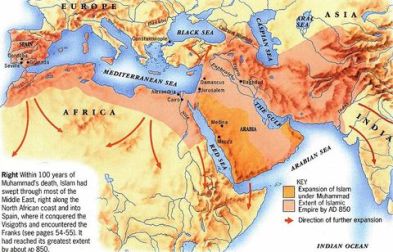 into Western Europe at the Battle of Tours, in 732.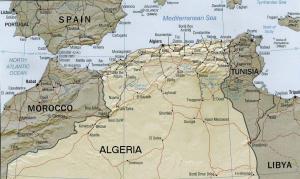
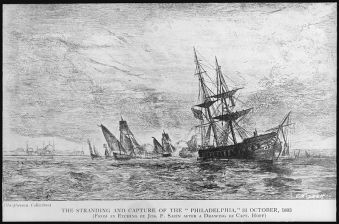
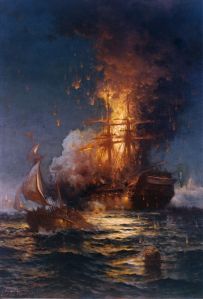

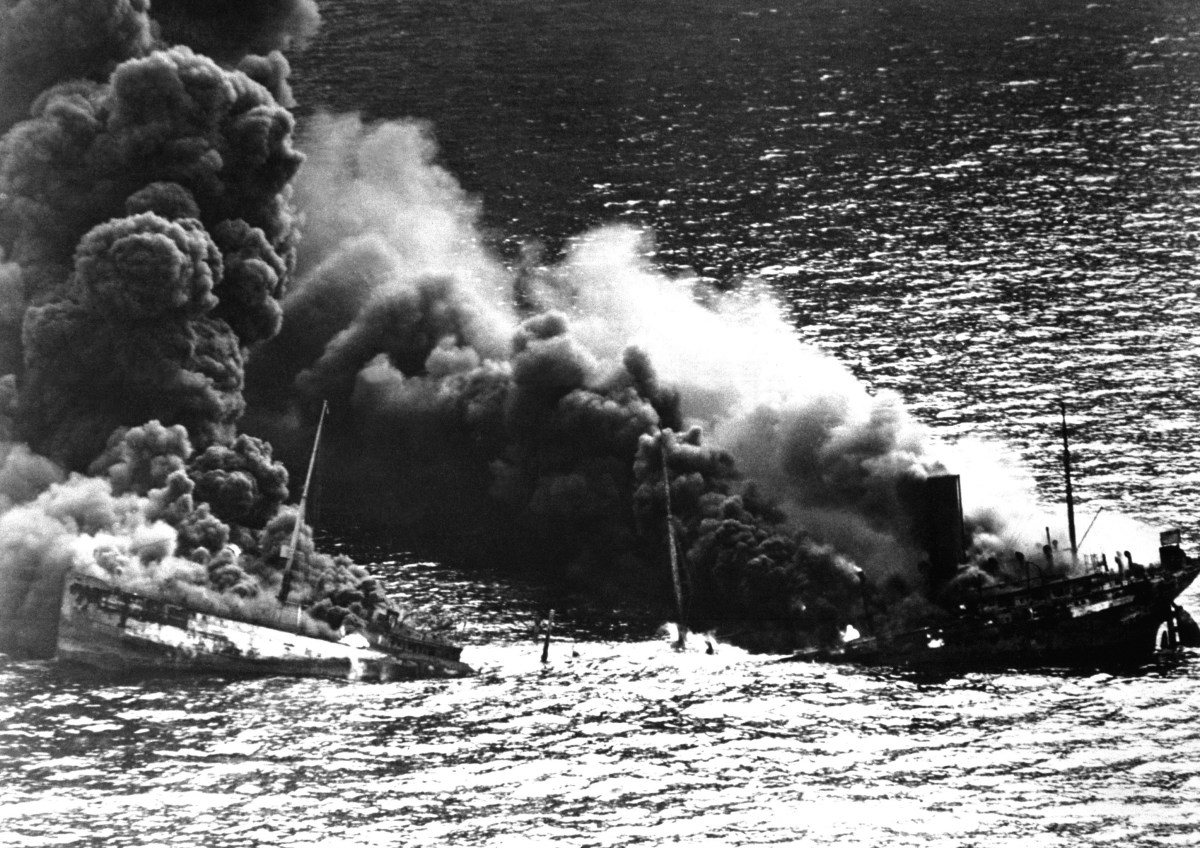
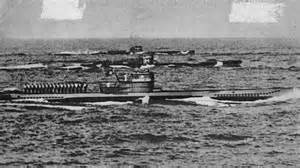 Atlantic. On the 25th the Polish-British Common Defense Pact was added to the Franco-Polish Military Alliance. Should Poland be invaded by a foreign power, England and France were now committed to intervene.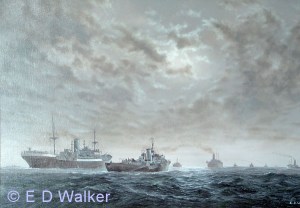
 ship encounters unfolding across a theater thousands of miles wide. According to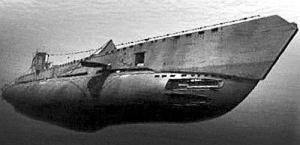
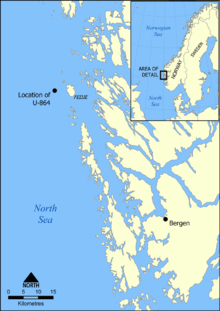 Norway, for repairs after running aground in the Kiel Canal. The sub was able to clear the island of Fedje off the Norway coast undetected on February 6. By this time British MI6 had broken the German Enigma code. They were well aware of Operation Caesar.
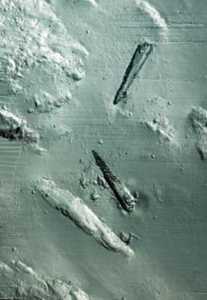 A four dimensional firing solution accounting for time, distance, bearing and target depth was theoretically possible, but had rarely been attempted under combat conditions. Plus, there were unknown factors which could only be approximated.

 Declaration of Independence was even signed. With it were muskets, cannon, gunpowder, bombs, mortars, tents, and enough clothing for 30,000 men, traveling from French ports to the “neutral” Netherlands Antilles island of St. Eustatius.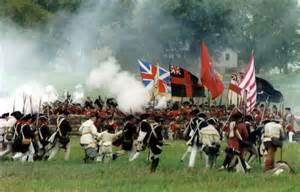
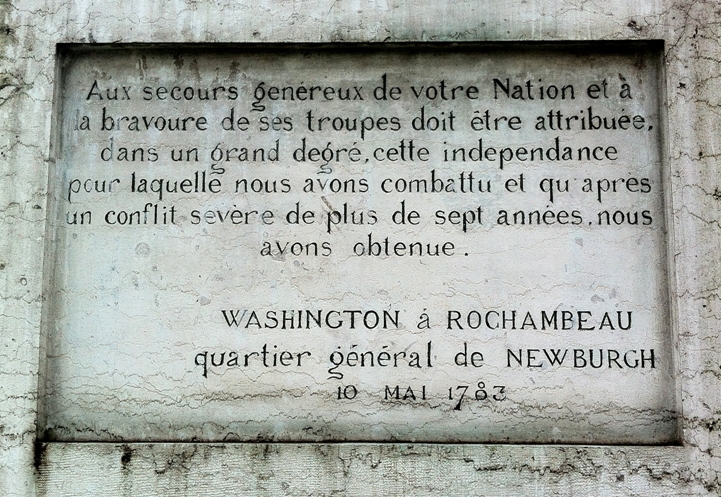
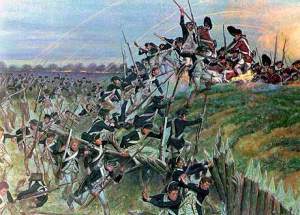 equipment, while de Grasse himself carried 500,000 silver pesos from Havana to help with the payroll and siege costs at the final Battle of Yorktown.
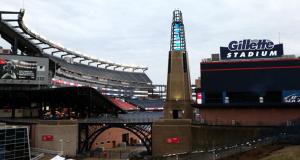 On March 24, 2000, the New England Patriots broke ground on their new stadium home in Foxborough, Massachusetts. The internet company CMGI won naming rights, agreeing to pay $114 million over 15 years for the privilege. The 2002 season opened on September 9 in the Patriots’ new home, tickets bearing the name, CMGI Stadium.
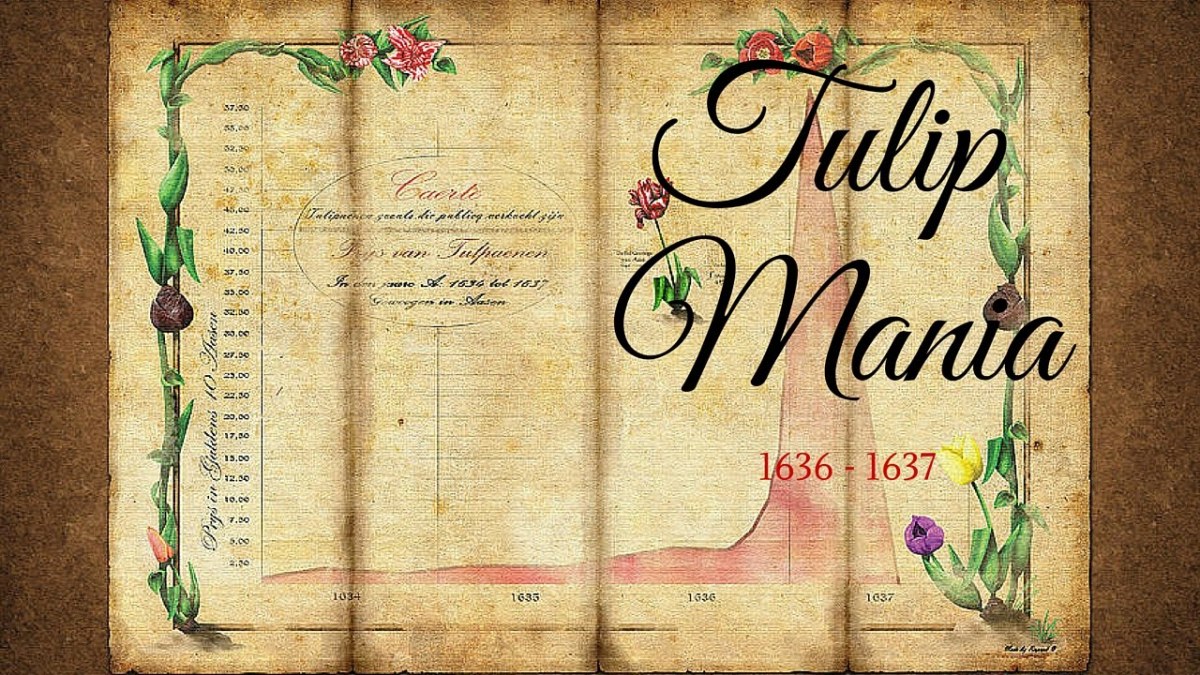
 produced single voyage profits of 400% and more, as merchants built grand estates surrounded by flower gardens. The hyacinth enjoyed early popularity, but the plant at the center of it all was the spectacular, magnificent, tulip.
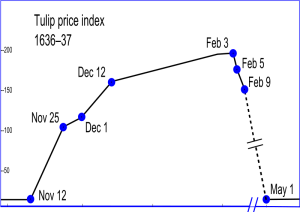 the vivid streaks of yellow or white on the red, brown or purple backgrounds of the “Bizarden” (Bizarres). Ironically, these were the most sickly specimens, victims of a “Tulip breaking virus” which “broke” petals into two or more hues.
 guidelines that year, imposing a 30% quota and raising it to 50% by the end of the Clinton era. By 2007 under President Bush, 55% of all mortgages purchased by the mortgage giants were “sub-prime”.
 2003: “I want to roll the dice a little bit more in this situation toward subsidized housing.”
 That was the year when gas first hit $4/gallon. Those living closest to the financial cliff began to fall off, and foreclosures went through the roof. Highest risk mortgage holders were the first to default, people with $20,000 incomes and multiple investment properties. We all remember 2009. I myself lost a job of 15 years when my employer went under, briefly making my family part of the “zero percent”. Some will tell you that we haven’t emerged from the “Great Recession”, to this day.

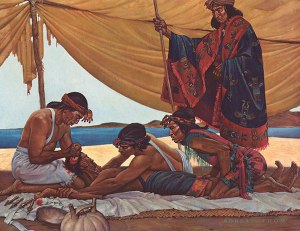 head, and seems to have begun sometime in the Neolithic, or “New Stone Age” period. One archaeological dig in France uncovered 120 skulls, 40 of which showed signs of trepanning. Another such skull was recovered from a 5th millennium BC dig in Azerbaijan. A number of 2nd millennium BC specimens have been unearthed in pre-Colombian Mesoamerica; the area now occupied by the central Mexican highlands through Belize, Guatemala, El Salvador, Honduras, Nicaragua, and northern Costa Rica.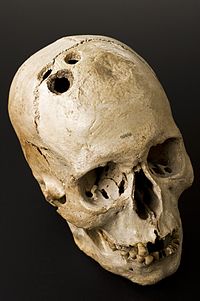
 Trepanation took on airs of pseudo-science, many would say “quackery”, when the Dutch librarian Hugo Bart Huges (Hughes) published “The Mechanism of Brainbloodvolume (‘BBV’)” in 1964. In it, Hughes contends that our brains drained of blood and cerebrospinal fluid when mankind began to walk upright, and that trepanation allows the blood to better flow in and out of the brain, causing a permanent “high”.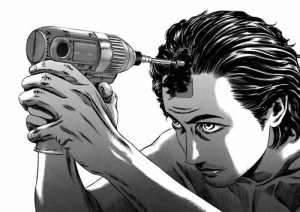



 birth of a son. The Tsarevich Alexei Nikolayevich. The public was informed of the happy news with a 301 gun salute from the cannons of the Peter and Paul Fortress. Those hopes would be dashed in less than a month, when the infant’s navel began to bleed. It continued to bleed for two days, and took all the doctors at the Tsar’s disposal to stop it.
 exception. The bleeding episodes suffered by the Tsarevich were often severe, despite his parents never ending attempts to protect him. Doctors’ efforts were frequently in vain, and Alexandra turned to a succession of quacks, mystics and “wise men” for a cure.
 Influential people approached Nicholas and Alexandra with dire warnings, leaving dismayed by their refusal to listen. According to the Royal Couple, Rasputin was the only man who could save their young son Alexei. By 1916 it was clear to many in the nobility. The only course was to kill Rasputin, before the monarchy was destroyed.
 nothing to fear for your children, they will reign for hundreds of years in Russia…[I]f it was your relations who have wrought my death…none of your children or relations will remain alive for two years. They will be killed by the Russian people…”
 Historical Easter Eggs - Today in History
You must be logged in to post a comment.