
Begun on November 1, 1955, the American war in Southeast Asia lasted 19 years, 5 months and a day. On March 29, 1973, two months after signing the Paris Peace accords, the last US combat troops left South Vietnam as Hanoi freed the remaining POWs held in North Vietnam.
It was the longest war in American history, until Afghanistan.
Jan Scruggs served in that war. Two tours, returning home with a Purple Heart and three army commendation medals as well as a medal for valor. Theirs was an unpopular war and like many, Scruggs found readjustment to civilian life, difficult.
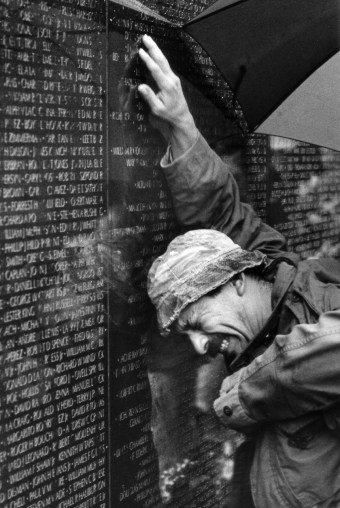
In 1979, he and Becky, his wife of five years, went to see a movie. The Deer Hunter. The film seemed to bring it all back. The RPG that had left him so grievously wounded. The accidental explosion of those mortar rounds that had killed his buddies. Twelve of them.
That night passed without sleep, a waking nightmare of flashbacks and alcohol. By dawn he’d envisioned a memorial. With names on it. Maybe an obelisk. On the Mall, in Washington DC. Becky feared he might be losing his mind.
Scruggs was working for the department of labor at that time when he took a week off, to pursue the project.
The idea received little support. The project was impractical it was said, and besides, the project would distract veterans organizations from more important work. Undaunted, Scruggs soon left his job to pursue the project, full time.
It was tough going. Becky was now the sole breadwinner. In two months the project raised a scant $144.50.
Always a sign of the contemptible times in which we live, the CBS Evening News ridiculed the project. Late night “comedians” joined in the mockery and yet, that CBS report attracted the attention of powerful allies. Thousands of dollars came in, mostly in $5 and $10 denominations.
Chuck Hagel, then deputy administrator for the United States Department of Veterans Affairs, took interest. Likewise John Wheeler, the fellow Vietnam vet – turned attorney who’d spearheaded the effort to erect the Southeast Asia Memorial on the military academy, at West Point.
$8 million came in over the next two years and then came the competition. The actual design. There were 1,422 submissions, so many that selections were performed in an aircraft hangar.

Much to her surprise, the winner was 1st-generation American of Chinese ancestry Maya Lin, then an undergraduate studying architecture, at Yale University.
“The Wall” was dedicated on this day. November 13, 1982.
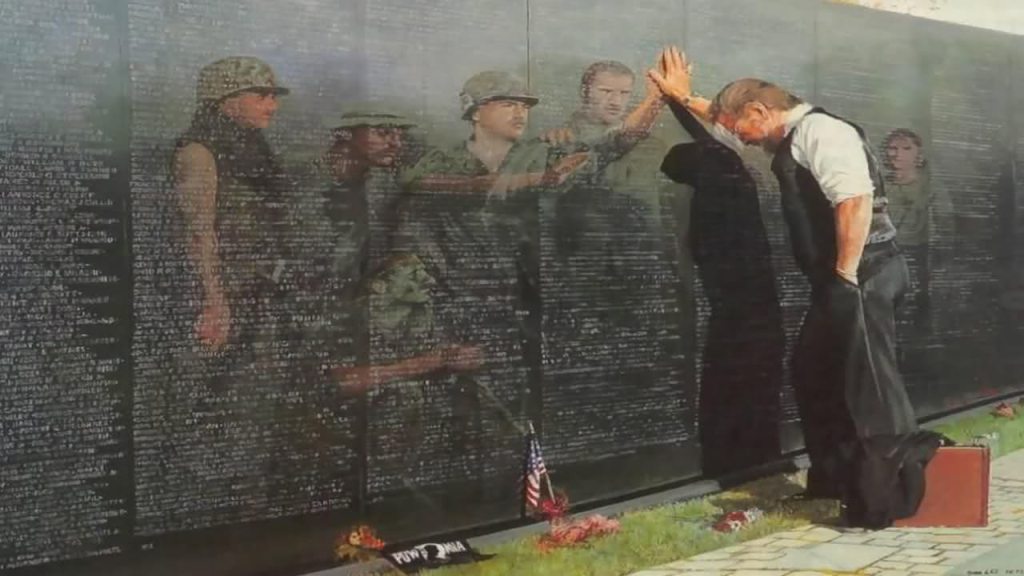
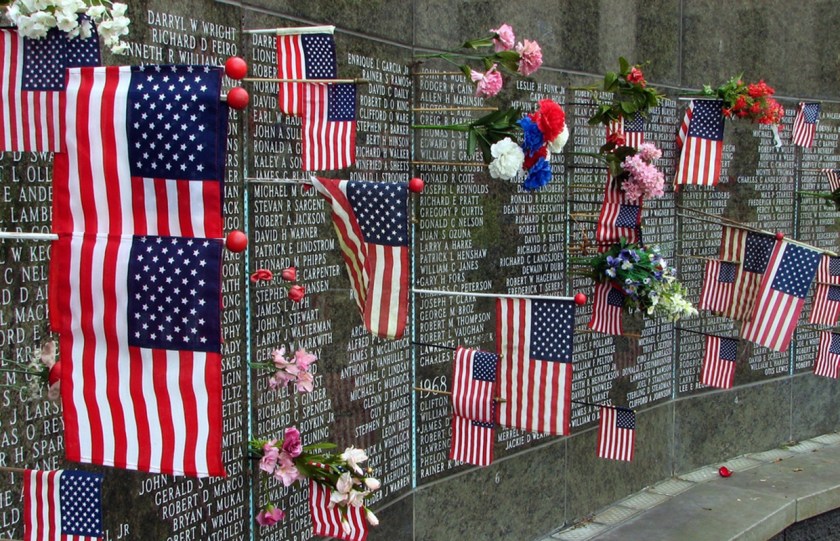
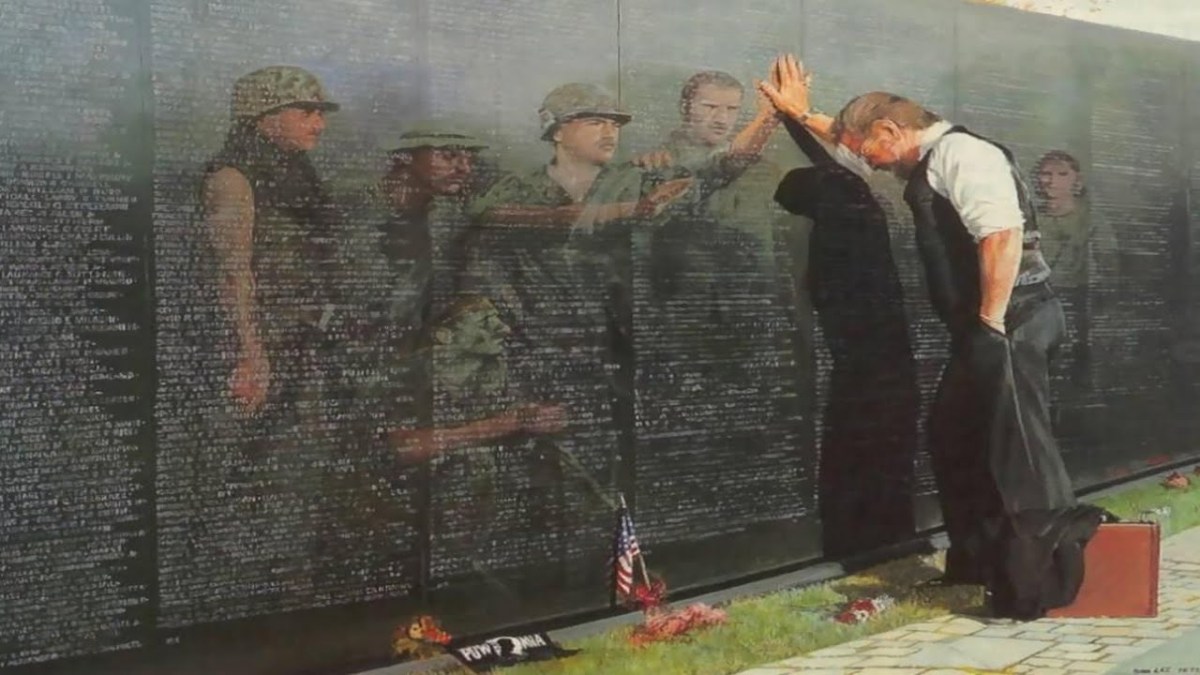
Lin’s design is a black granite wall, 493½-feet long and 10-feet, 3-inches high at its peak, laid out in a great wedge of stone which seems to rise from the earth and return to it. The name of every person lost in the war in Vietnam is sandblasted onto the stone, appearing in the order in which they were lost.
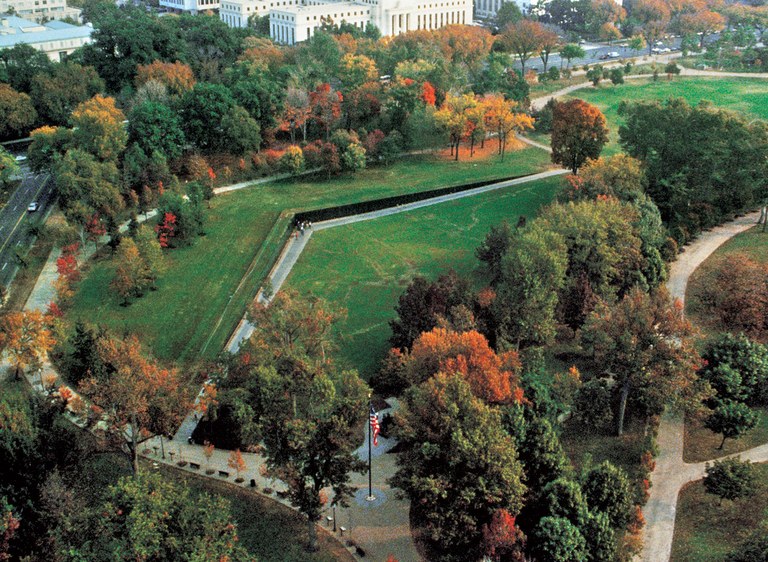
Go to the highest point on the memorial, panel 1E, the very first name is that of Air Force Tech Sgt. Richard B. Fitzgibbon, Jr. of Stoneham, Massachusetts, killed on June 8, 1956. Some distance to his right you will find the name of Marine Corps Lance Cpl. Richard B. Fitzgibbon III, killed on Sept. 7, 1965. The Fitzgibbons are one of three Father/Son pairs, so memorialized.
The names begin at the center and move outward, the east wing ending on May 25, 1968. The same day continues at the far end of the west wing, moving back toward the center at panel 1W. The last name on the wall, the last person killed in the war, meets the first. The circle is closed.
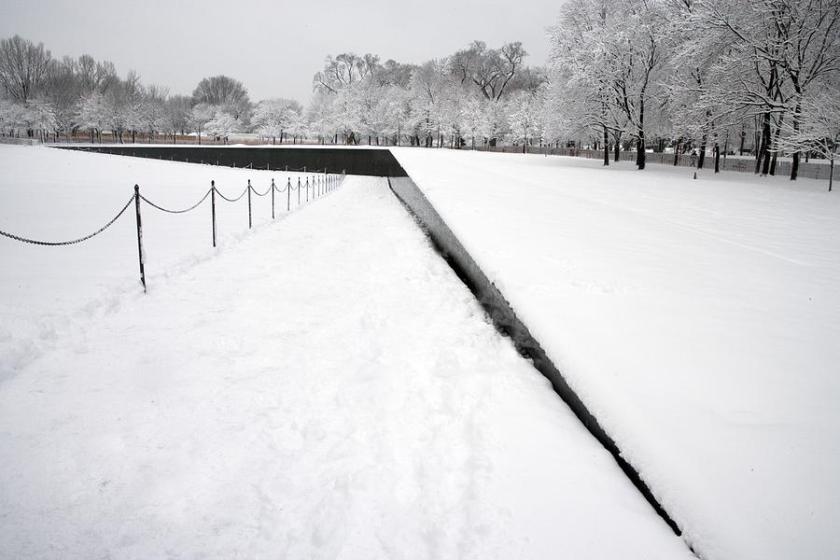
There, you will find the name of Kelton Rena Turner of Los Angeles, an 18-year old Marine, killed in action on May 15, 1975 during the “Mayaguez incident”, two weeks after the evacuation of Saigon.
Most sources list Gary L. Hall, Joseph N. Hargrove and Danny G. Marshall as the last to die in Vietnam, though their fate remains, unknown. These three were United States Marines, an M-60 machine gun squad, mistakenly left behind while covering the evacuation of their comrades, from the beaches of Koh Tang Island. Their names appear along with Turner’s, on panel 1W, lines 130-131.
There were 57,939 names inscribed on the Memorial when it opened in 1982. 39,996 died at age 22 or younger. 8,283 were 19 years old. The 18-year-olds are the largest age group, with 33,103. Twelve of them were 17. Five were 16. There is one name on panel 23W, line 096, that of PFC Dan Bullock, United States Marine Corps. He was 15 years old on June 7, 1969. The day he died.
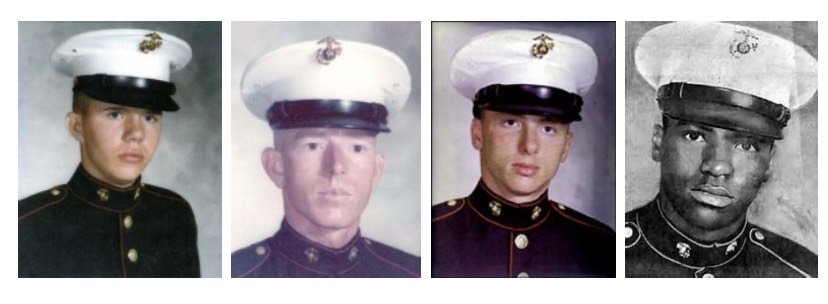
Left to right: PFC Gary Hall, KIA age 19, LCPL Joseph Hargrove, KIA on his 24th birthday, Pvt Danny Marshall, KIA age 19, PFC Dan Bullock, KIA age 15
Eight names belong to women, killed while nursing the wounded. 997 soldiers were killed on their first day in Vietnam. 1,448 died on their last. There are 31 pairs of brothers on the Wall. 62 parents who had to endure the loss of two sons.
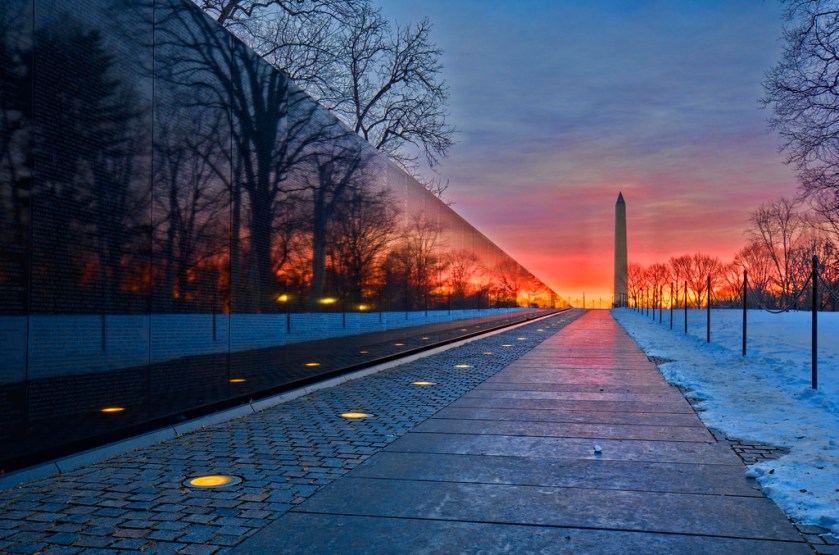
As of Memorial Day 2015, there are 58,307, as the names of military personnel who succumbed to wounds sustained during the war, were added to the wall.
Over the years, the Wall has inspired a number of tributes, including a traveling 3/5ths scale model of the original and countless smaller ones, bringing the grandeur of Lin’s design to untold numbers without the means or the opportunity, to travel to the nation’s capital.
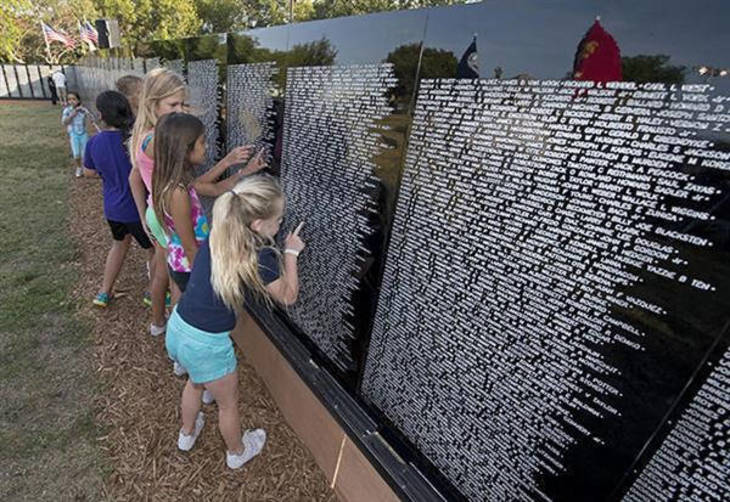
In South Lyons Michigan, the black marble Michigan War Dog Memorial pays tribute to the names and tattoo numbers of 4,234 “War Dogs” who served in Southeast Asia, the vast majority of whom were left behind as “surplus equipment”.
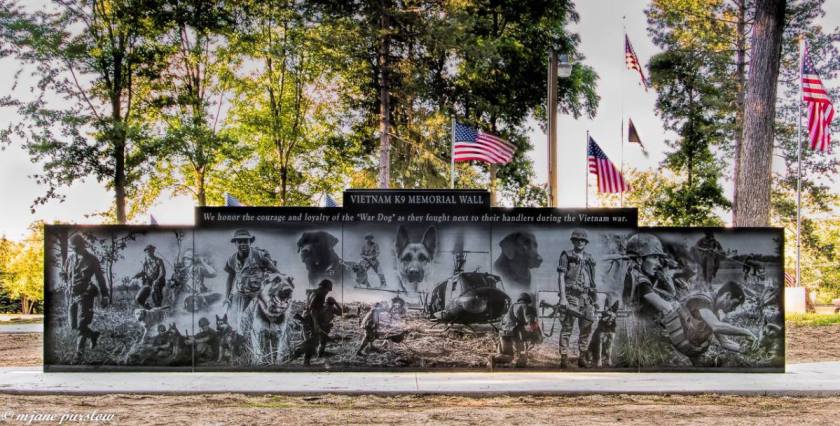
There is even a Vietnam Veterans Dog Tag Memorial, at the Harold Washington Library, in Chicago.

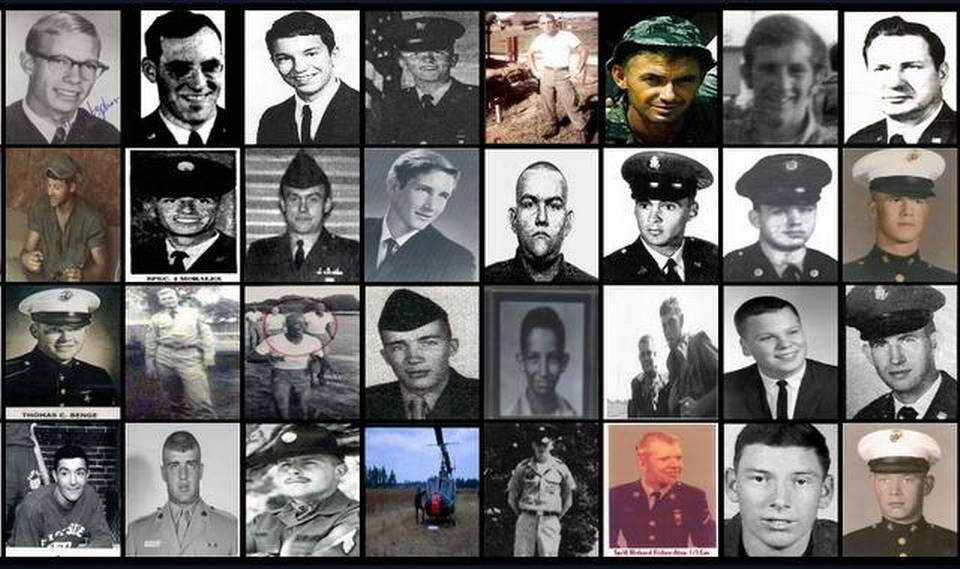
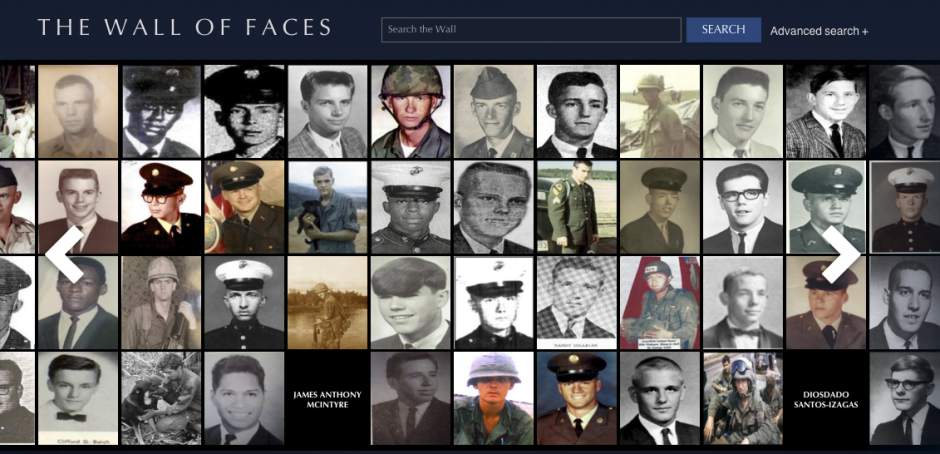
Ten years ago, the Vietnam Veterans Memorial Fund, www.vvmf.org began work on a virtual “Wall of Faces”, where each name is remembered with a face, and a story to go with it. In 2017, the organization was still looking for 6,000+ photographs. As I write this, there remains only 230 yet to be discovered.
Check it out. Pass it around. You might be able to help.
I was nine years old in May 1968, the single deadliest month of that war, with 2,415 killed. Fifty years later, I still remember the way so many disgraced themselves, by the way they treated those returning home from that place.
I can only hope that today, veterans of the war in Vietnam have some sense of the appreciation that is their due, the recognition too often denied them, those many years ago. And I trust my countrymen to remember. If they ever have an issue with United States war policy, they need to take it up with a politician. Not the Armed Services member who is doing what his country asked him to do.

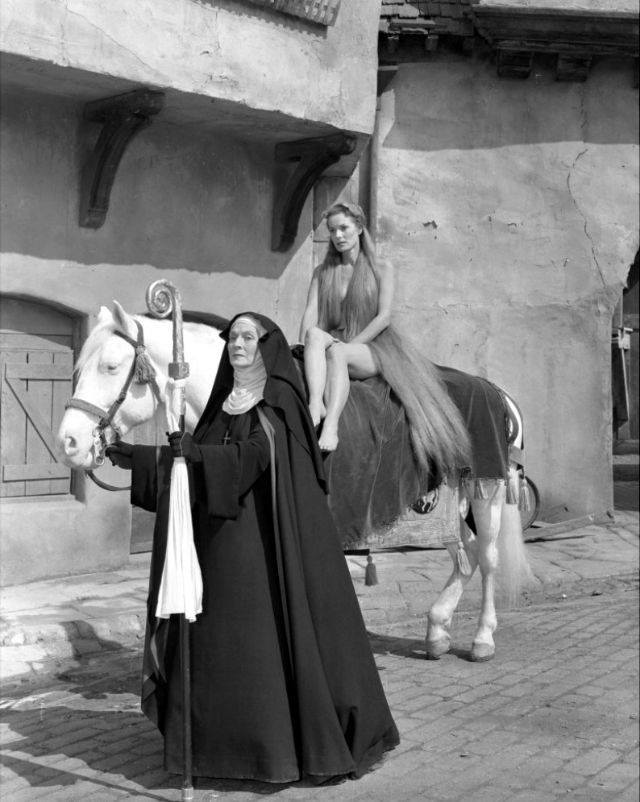
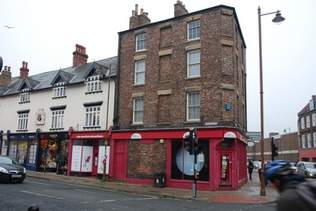 On December 31, 1695, King William III decreed a 2 shilling tax on each house in the land. Never one to miss an opportunity to “stick-it-to-the-rich”, there was an extra tax on every window over ten, a tax which would last for another 156 years.
 In Holland, they used to tax the frontage of a home, the wider your house the more you paid. If you’ve ever been to Amsterdam, narrow houses rise several stories, with hooks over windows almost as wide as the building itself. These are used to haul furniture up from the outside, since the stairways are too narrow. The narrowest home in Amsterdam can be found at Singel #7, the house itself barely wider than its own front door.
 The Roman Emperor Vespasian who ruled from 69 to 79AD, levied a tax on public toilets. When Vespasian’s son, the future Emperor Titus wrinkled his nose, the old man held a coin under the boy’s nose. “Pecunia non olet”, he said. “Money does not stink”. 2,000 years later, the name remains inseparable from public urinals. In France, the er…pissoir… is called vespasiennes, in Italy vespasiani. If you need to piss in Romania you could go to the vespasiene. History fails to record the inevitable push-back on Vespasian’s toilet tax, but I’m sure that ancient Romans had to look where they walked.
 Environmentalist types in Venice, Italy have been pushing a tax on tourism, claiming the city’s facing “an irreversible environmental catastrophe as the subsequent increase in water transport has caused the level of the lagoon bed to drop over time”. Deputy mayor Sandro Simionato said that “This tax is a new and important opportunity for the city,” explaining that it will “help finance tourism”, among other things. So, the problem borne of too much tourism is going to be fixed by a tax to help finance tourism. I think. Or maybe it’s all just another money grab.
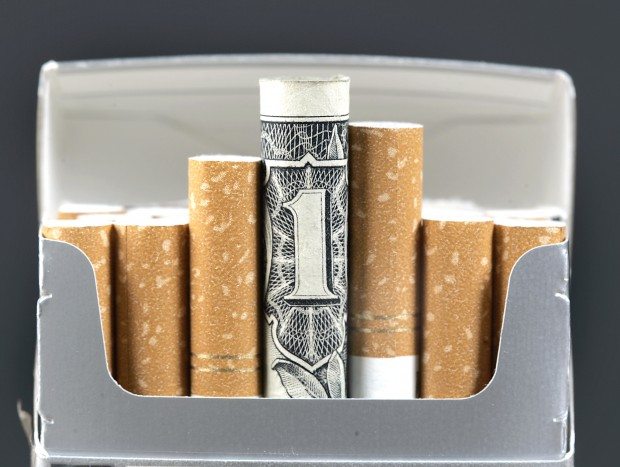 As of December 2015, state and territory tax rates on cigarettes ranged from 17¢ per pack in Missouri to $4.35 in New York, on top of federal, local, county, municipal and local Boy Scout council taxes (kidding). Philip Morris reports that taxes run 56.6% on average, per pack. Not surprisingly, tax rates make a vast difference in where and how people buy cigarettes. There is a tiny Indian reservation on Long Island, measuring a few miles square and home to a few hundred people. Tax rates are close to zero there, on a pack of butts. Until recent changes in tax law, the tiny reservation was selling 100 million cartons per year.
 Back in 2013, EU politicians were discussing a way of taxing livestock flatulence, as a means of curbing “Global Warming”. At that time there was an Australian ice breaker, making its way to Antarctica to free the Chinese ice breaker that got stuck in the ice trying to free the Russian ship full of environmentalist types. They were all there to view the effects of “Global Warming”, until they got stuck in the ice.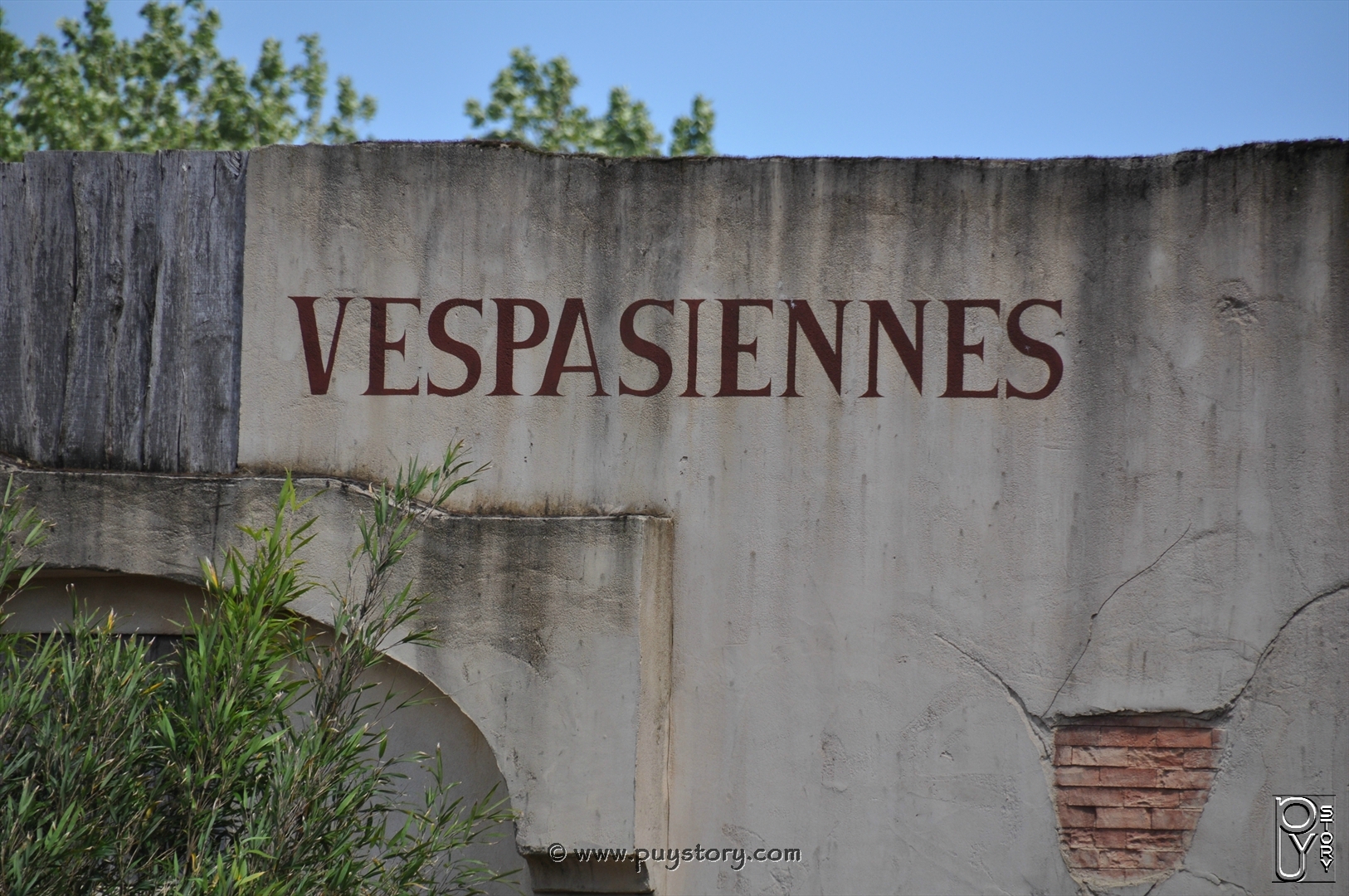


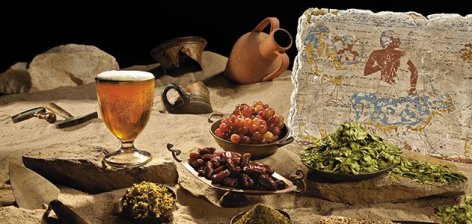 Tacitus scorned the bitter brew of Germanic barbarians. Wine seemed better suited to the sensibilities of the Roman palate. Nevertheless, letters from Roman cavalry commanders of the Roman Britain period, c. 97-103 AD, include requests for more “cerevisia“, for the legionaries.
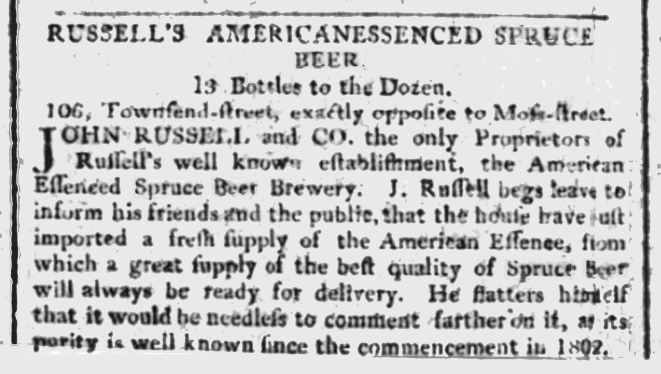 Prior to the drum roaster’s invention in 1817, malt was typically dried over wood, charcoal or straw fires, leaving a smoky quality which would seem foreign to the modern beer drinker. William Harrison wrote in his “Description of England” in 1577, “For the wood-dried malt, when it is brewed, beside that the drink is higher of colour, it doth hurt and annoy the head of him that is not used thereto, because of the smoke“.
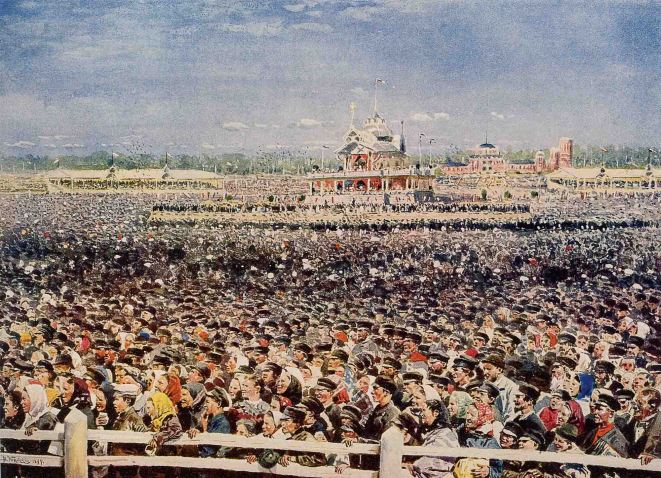
 1,389 were trampled to death and another 1,300 injured in a
  The 18th amendment, better known as “prohibition”, went into effect at midnight, January 16, 1920. For thirteen years it was illegal to import, export, transport or sell liquor, wine or beer in the United States.
 Organized crime became vastly more powerful due to the influx of enormous sums of cash. The corruption of public officials was a national scandal.
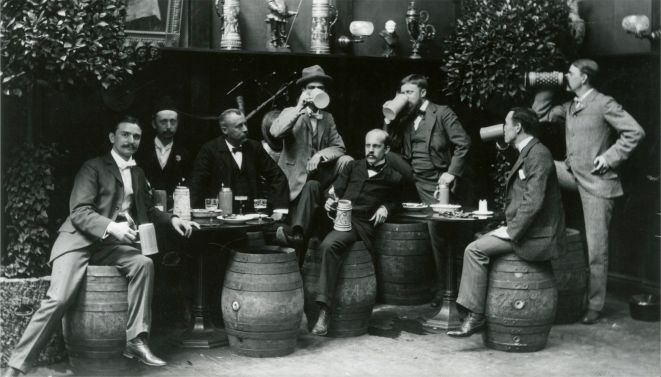 Finally, even John D. Rockefeller, Jr., a lifelong teetotaler who contributed $350,000 to the Anti-Saloon League, had to announce his support for repeal.
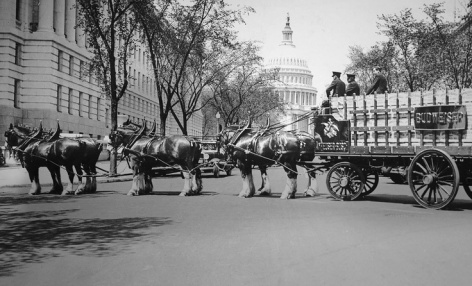 “Dry” leaders tried to prohibit consumption of alcohol on military bases in 1941, but military authorities claimed it was good for morale. Brewers were required to allocate 15% of total annual production to be used by the armed forces. So essential were beer manufacturers to the war effort, that teamsters were ordered to end a labor strike against Minneapolis breweries. Near the end of WWII, the army made plans to operate recaptured French breweries, to ensure adequate supplies for the troops.
 The night before Roosevelt’s law went into effect, April 6, 1933, beer lovers lined up at the doors of their favorite watering holes, waiting for their first legal beer in thirteen years.
 France re-occupied the region following the Japanese defeat which ended World War 2, but soon faced the same opposition from the army of Ho Chi Minh and Vo Nguyen Giap.
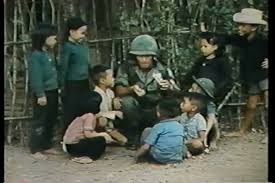 US policy makers feared a “domino” effect, and with good cause. The 15 core nations of the Soviet bloc were soon followed by Eastern Europe, as Poland, Bulgaria, Romania, Hungary and Czechoslovakia fell each in their turn, into the Soviet sphere of influence. Germany was partitioned into Communist and free-enterprise spheres after WWII, followed by China, North Korea and on across Southeast Asia.
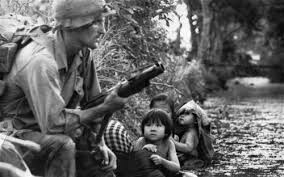 The war in Vietnam pitted as many as 1.8 million allied forces from South Vietnam, the United States, Thailand, Australia, the Philippines, Spain, South Korea and New Zealand, against about a half million from North Vietnam, China, the Soviet Union and North Korea. Begun on November 1, 1955, the conflict lasted 19 years, 5 months and a day. On March 29, 1973, two months after signing the Paris Peace accords, the last US combat troops left South Vietnam as Hanoi freed the remaining POWs held in North Vietnam.
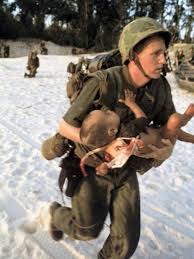 Even then it wasn’t over. Communist forces violated cease-fire agreements before they were even signed. Some 7,000 US civilian Department of Defense employees stayed behind to aid South Vietnam in conducting an ongoing and ultimately futile war against communist North Vietnam.
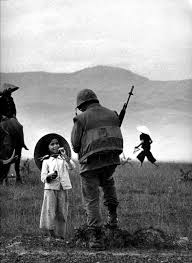 Imagine feeling so desperate, so fearful of the alien ideology invading your country, that you convert all your worldly possessions and those of your family into a single diamond, and bite down on that stone so hard it embeds in your shattered teeth. Forced to flee for your life and those of your young ones, you take to the open ocean in a small boat. All in the faint and desperate hope, of getting out of that place.
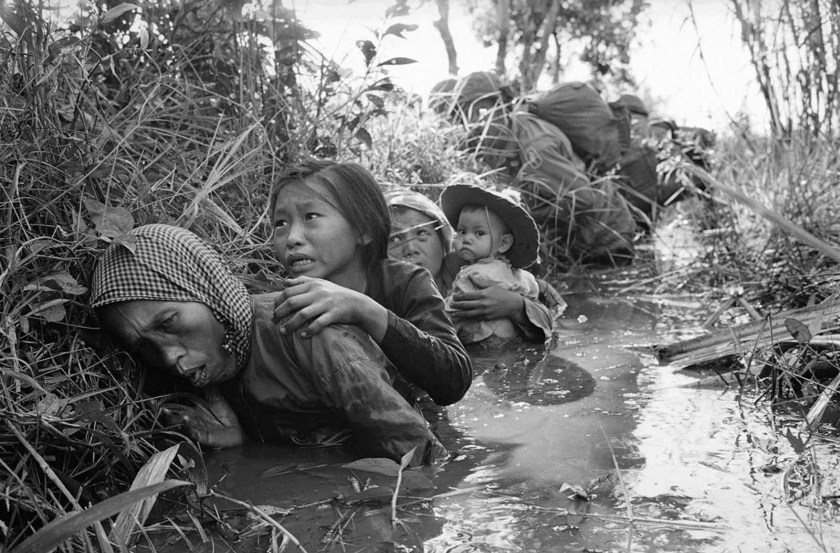 The humanitarian disaster that was the Indochina refugee crisis was particularly acute between 1979 – ’80, but reverberations continued into the 21st century.

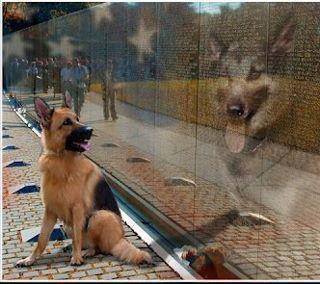
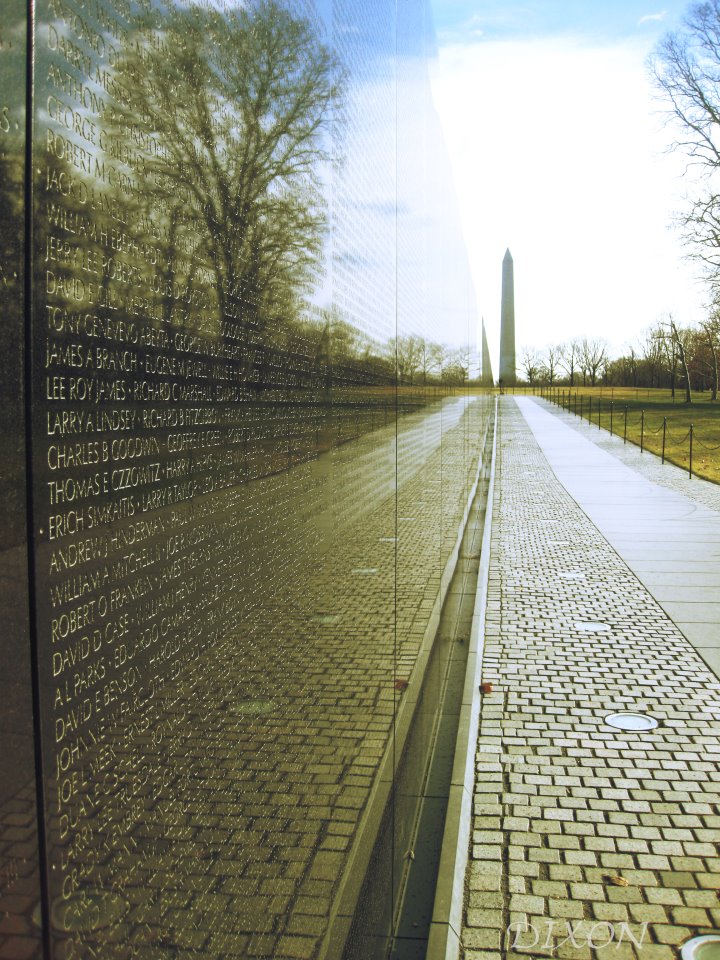 In the end, US public opinion would not sustain what too many saw as an endless war in Vietnam. We feel the political repercussions, to this day. I was ten at the time of the Tet Offensive in 1968. Even then I remember the searing sense of disgrace and humiliation, at the behavior of some of my fellow Americans.
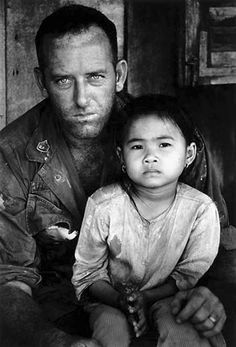 In 2012, President Barack Obama declared a one-time occasion proclaiming March 29 National Vietnam War Veterans Day and calling on “all Americans to observe this day with appropriate programs, ceremonies, and activities.”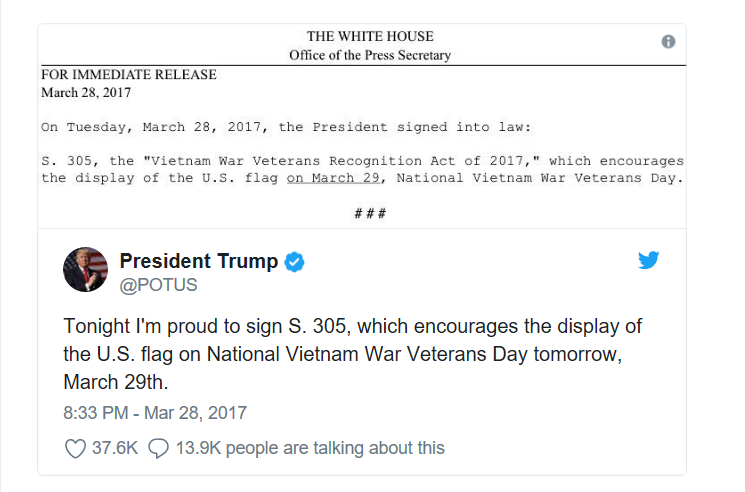

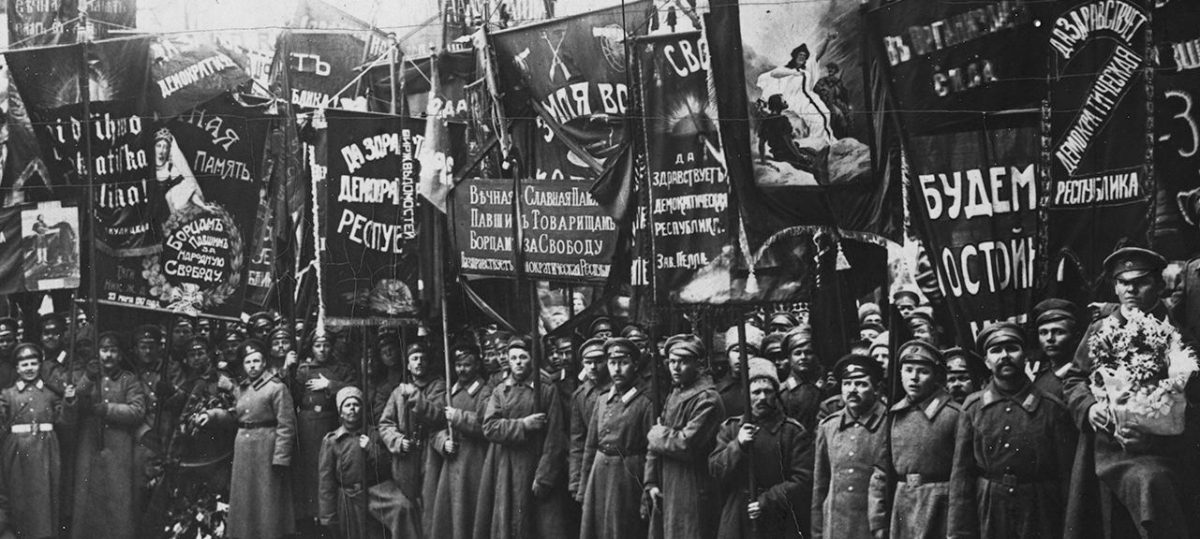
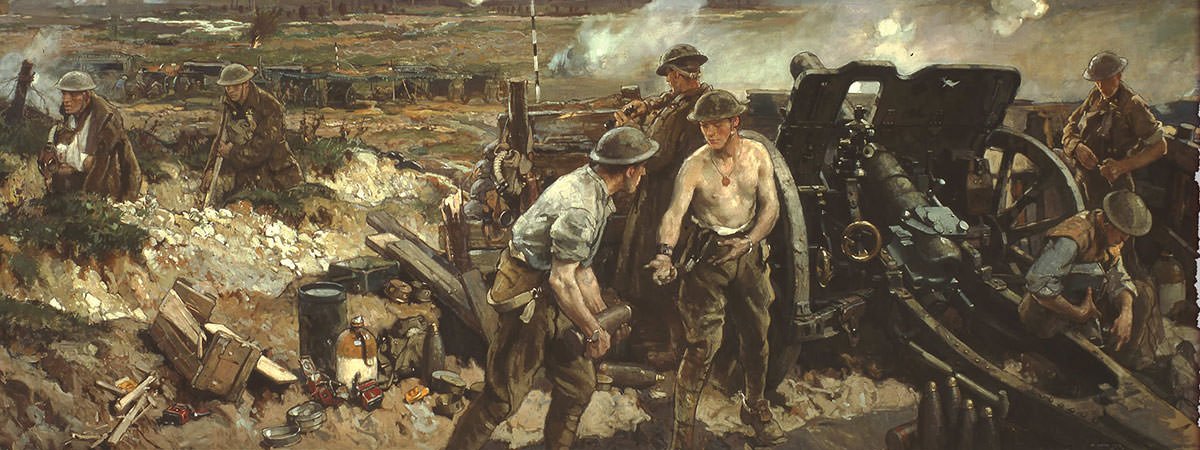 By 1916 it was generally understood in Germany that the war effort was “shackled to a corpse”, referring the Austro-Hungarian Empire where the war had started, in the first place. Italy, the third member of the “Triple Alliance”, was little better. On the “Triple Entente” side, the French countryside was literally torn to pieces, the English economy close to collapse. The Russian Empire, the largest nation on the planet, was teetering on the edge of the precipice.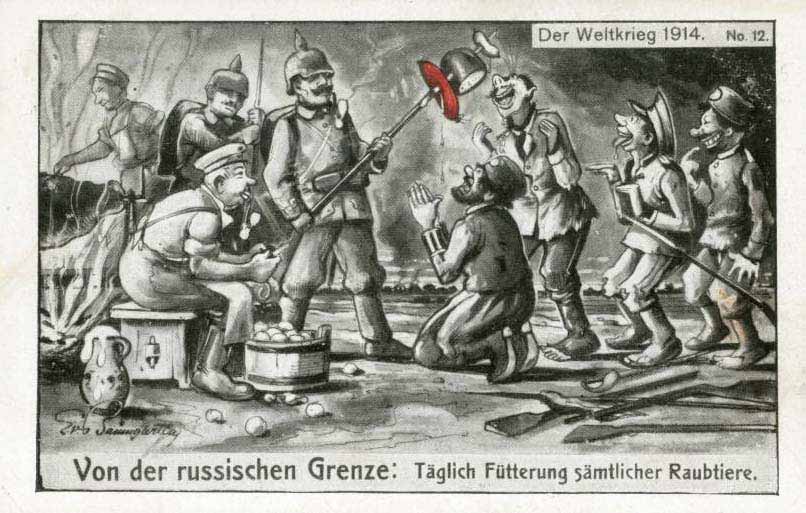
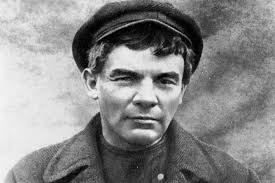
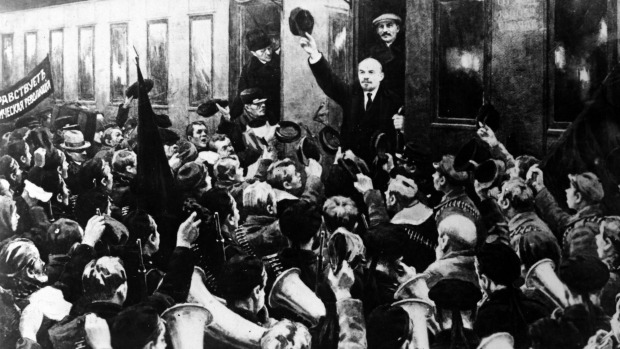 By October, Russia would experience its second revolution of the year. The German Empire could breathe easier. The “Russian Steamroller” was out of the war. And none too soon, too. With the Americans entering the war that April, Chief of the General Staff Paul von Hindenburg and his deputy Erich Ludendorff could now move their divisions westward, in time to face the arrival of the American Expeditionary Force.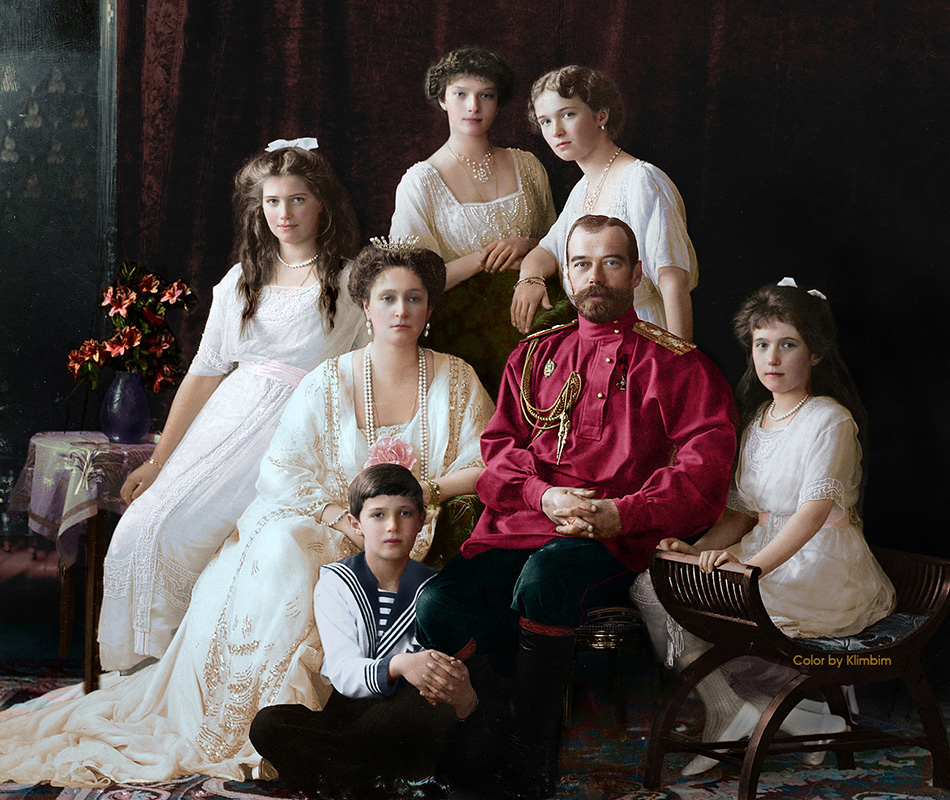


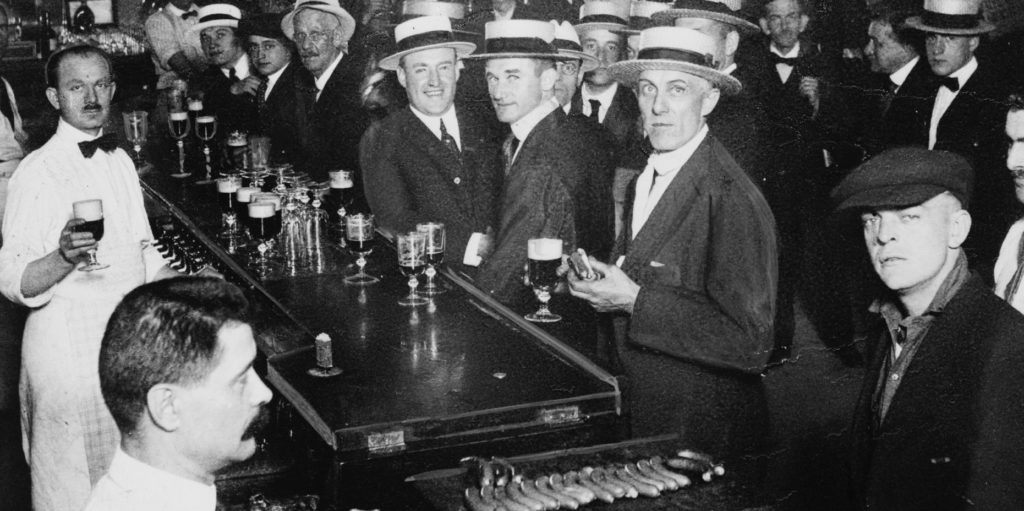 “Industrial alcohol” such as solvents, polishes and fuels were “denatured” and rendered distasteful by the addition of dyes and chemicals. The problem was, it wasn’t long before bootleggers figured out how to “renature” the stuff.


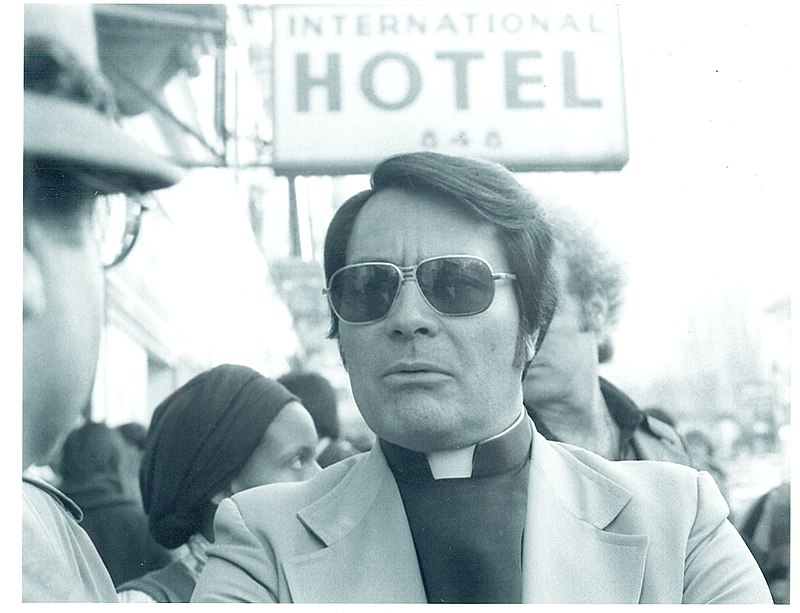
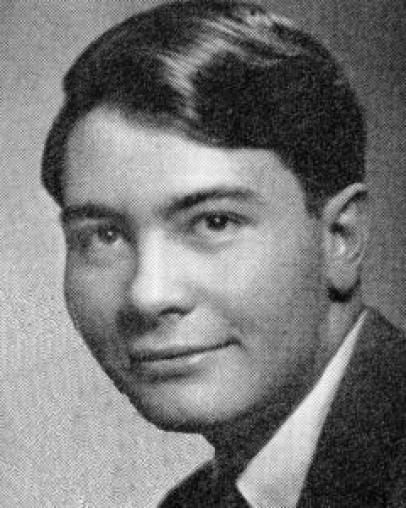 It was depression-era rural Indiana, in the age of racial segregation. Father and son often clashed over issues of race. The two didn’t talk to each other for years one time, after the time the elder Jones refused to let one of his son’s black friends, into the house.
 “Reverend” Jim Jones got his start as a student pastor at the Sommerset Southside Methodist Church but soon left, over issues of segregation. He was a Social Justice Warrior in the age of Jim Crow.
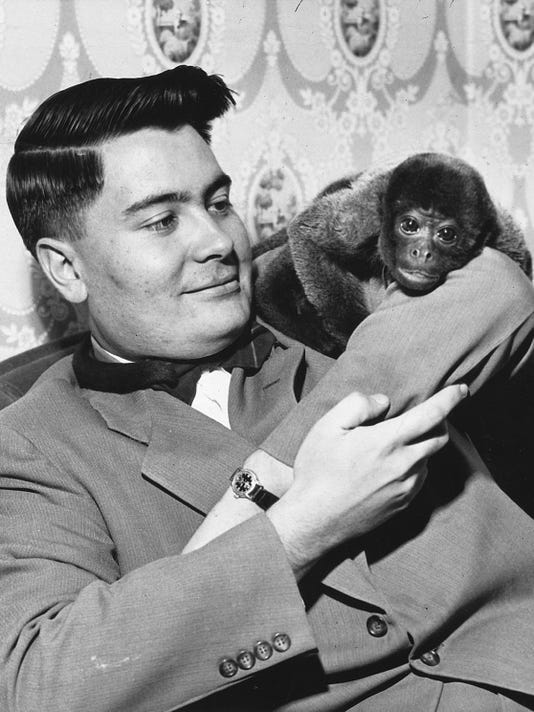 The New York Times reported in 1953, “declaring that he was outraged at what he perceived as racial discrimination in his white congregation, Mr. Jones established his own church and pointedly opened it to all ethnic groups. To raise money, he imported monkeys and sold them door to door as pets.”
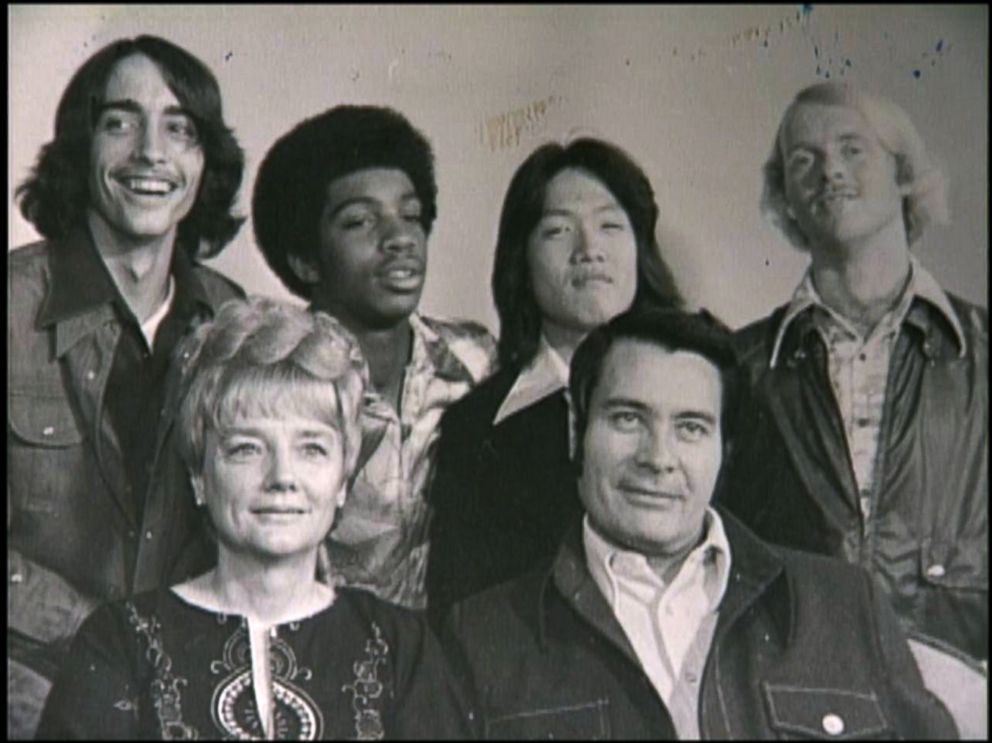 An apocalyptic streak began to show, as Jones preached of nuclear annihilation. He traveled to Brazil for a time, in search of a safe place for the coming holocaust. He even gave it a date: July 15, 1967. On returning from Brazil, the “Father” spoke to the flock. The “children” would have to move. To northern California, to a new and perfect, socialist, Eden.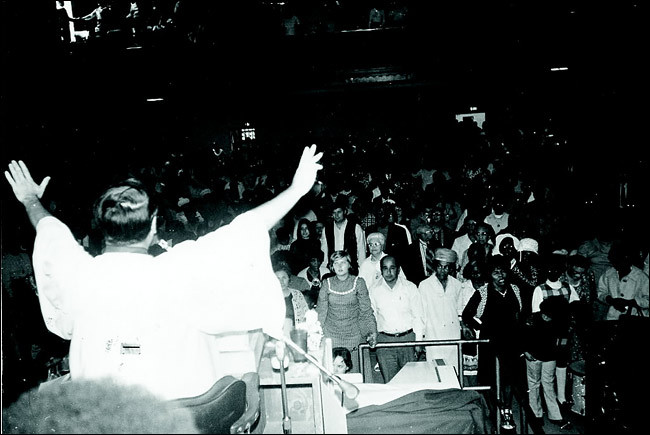
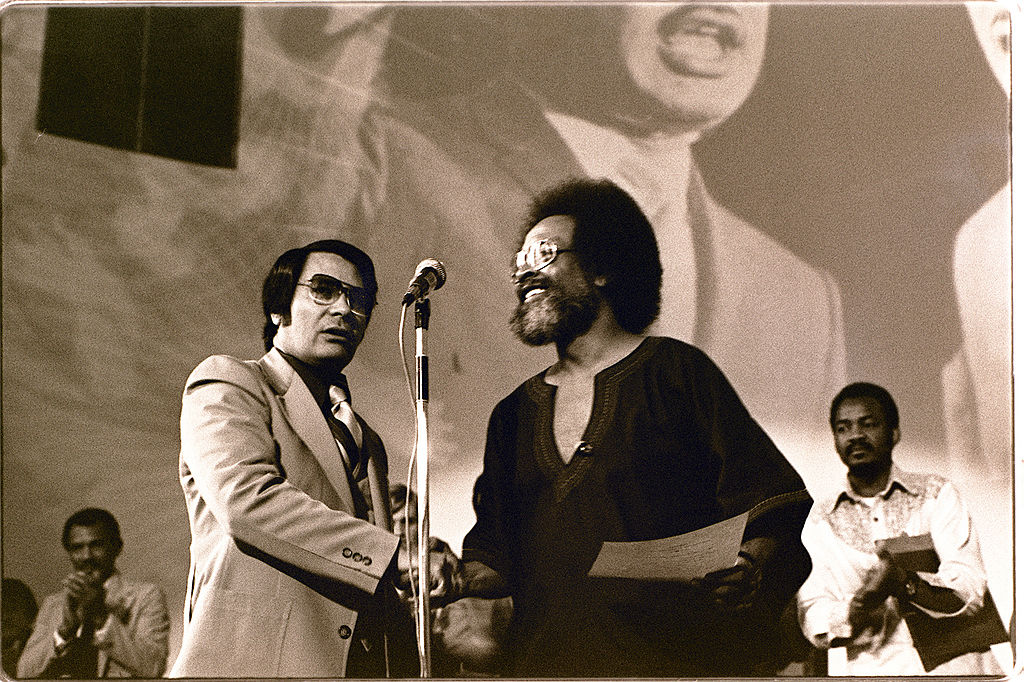
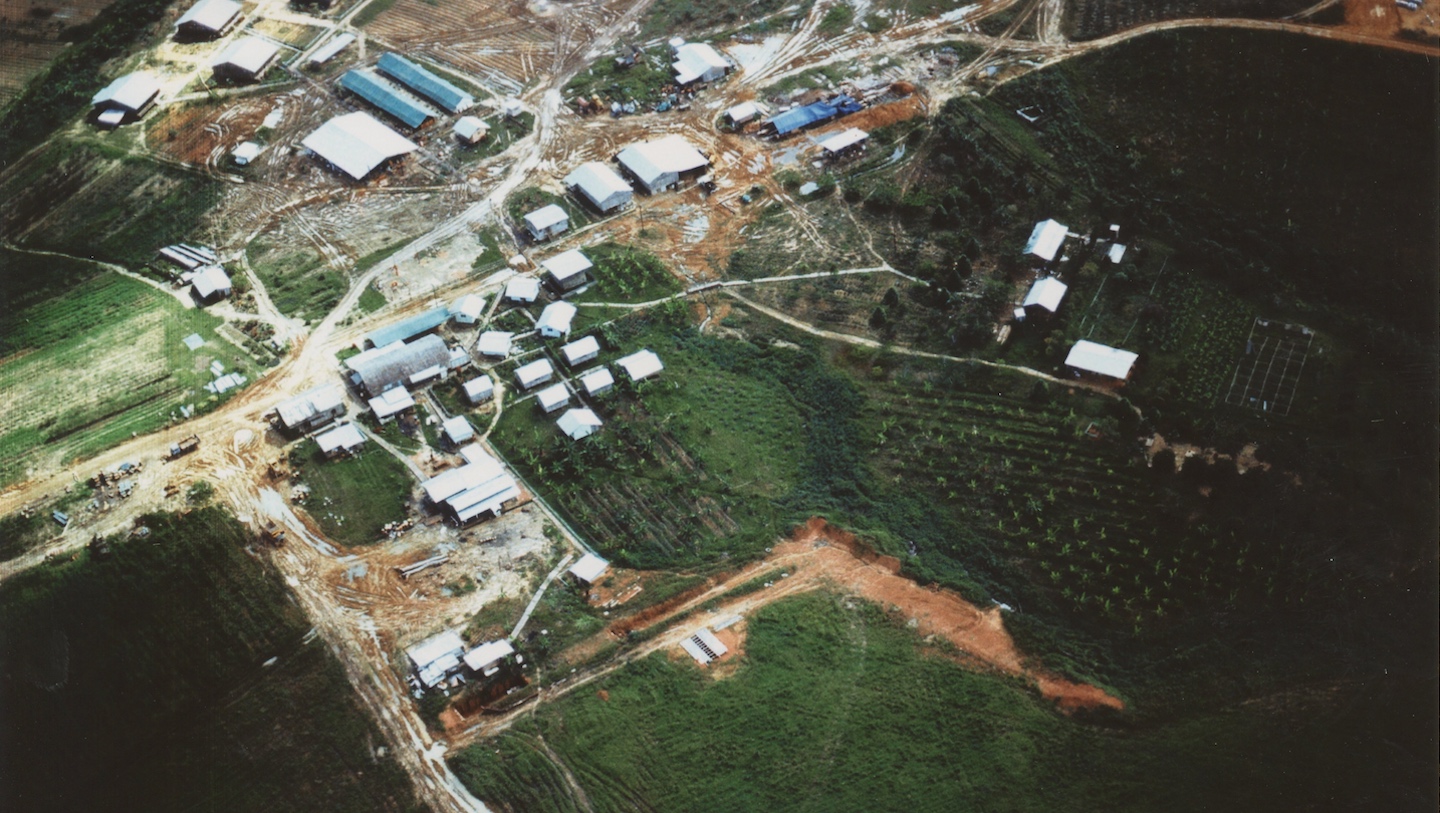
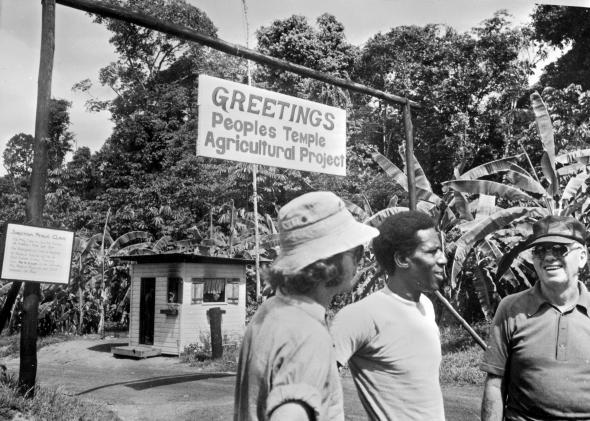
 Back at the compound, Jones lost an already tenuous grasp on reality.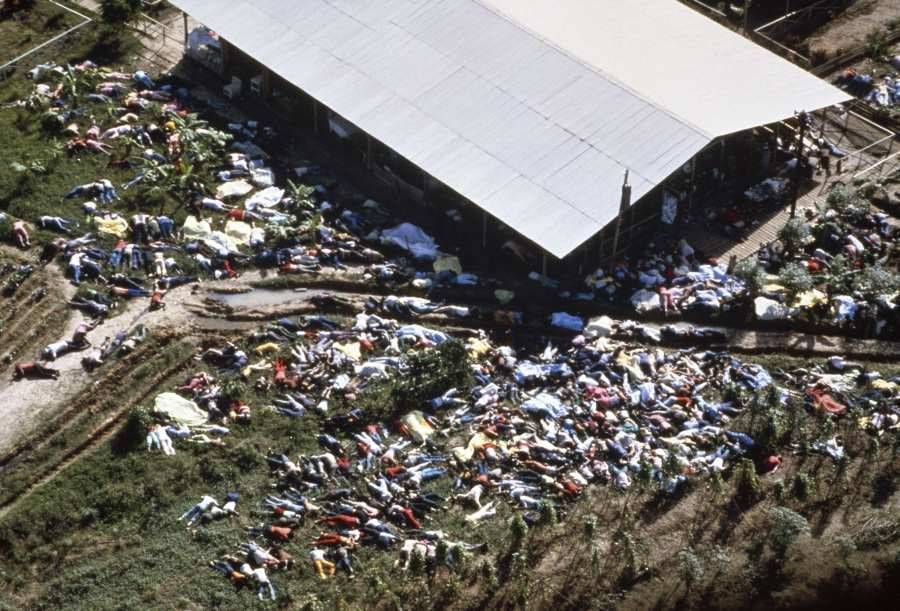


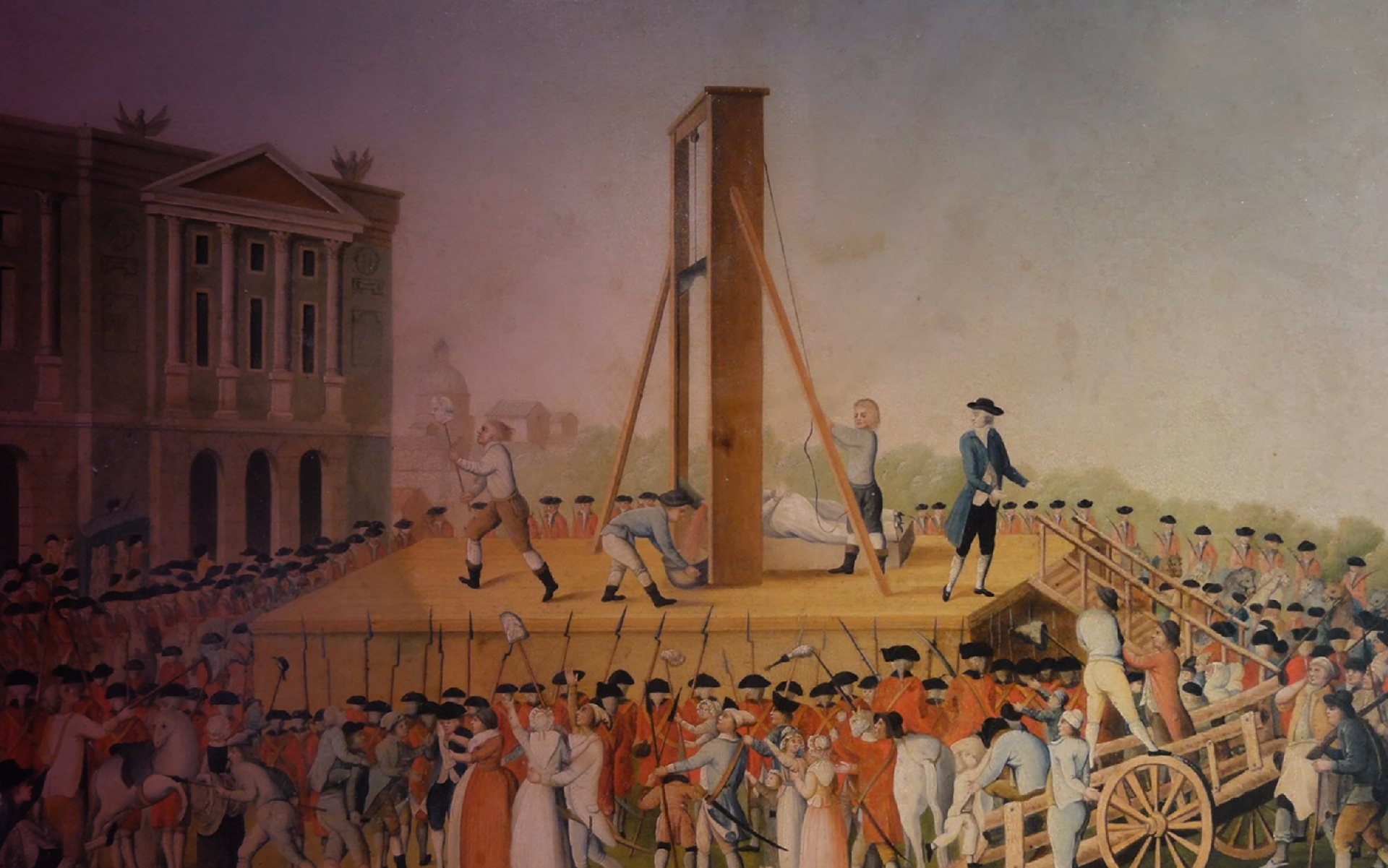 The monarchical powers of Europe were quick to intervene. For the 32nd time since the Norman invasion of 1066, England and France once again found themselves in a state of war.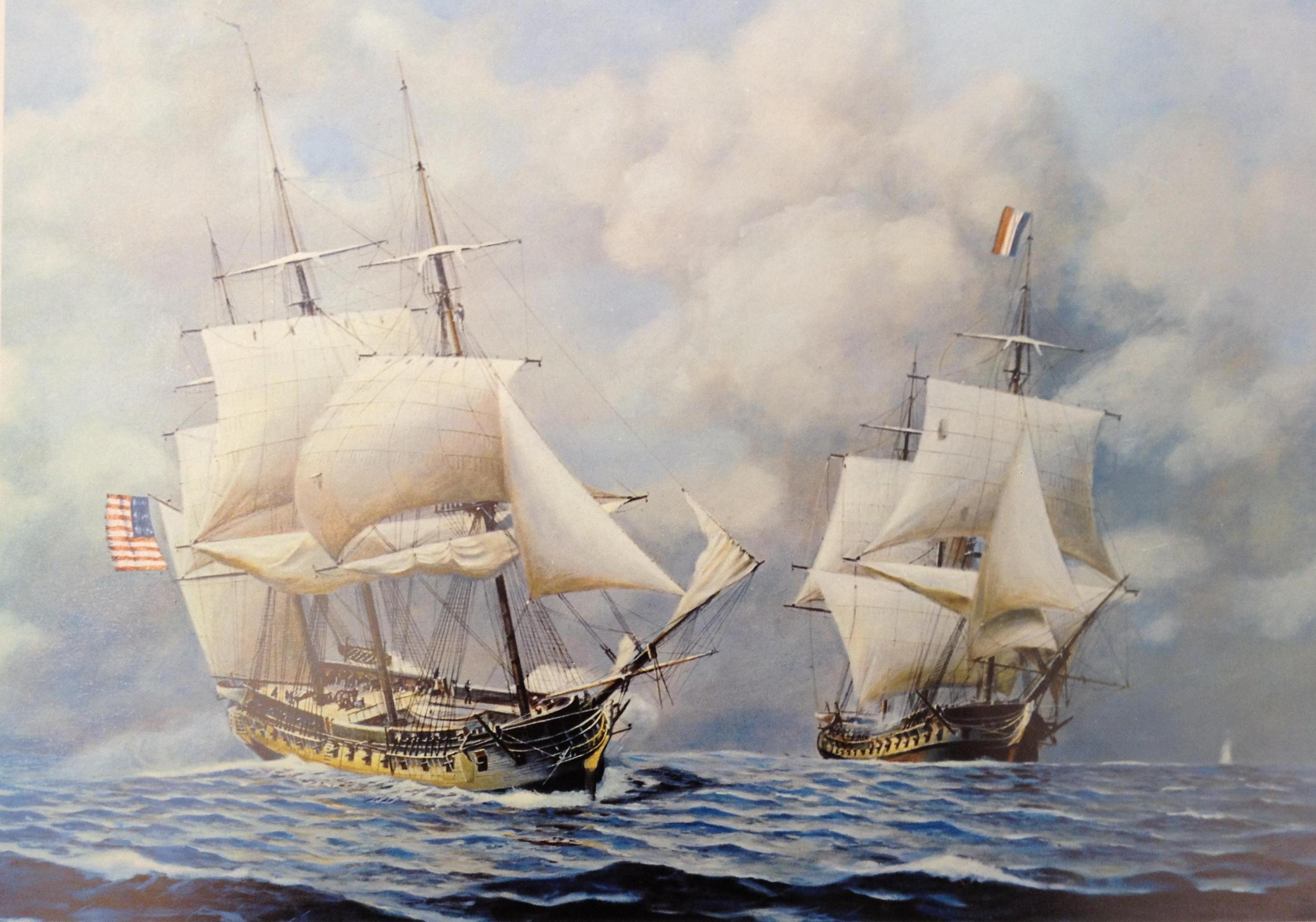


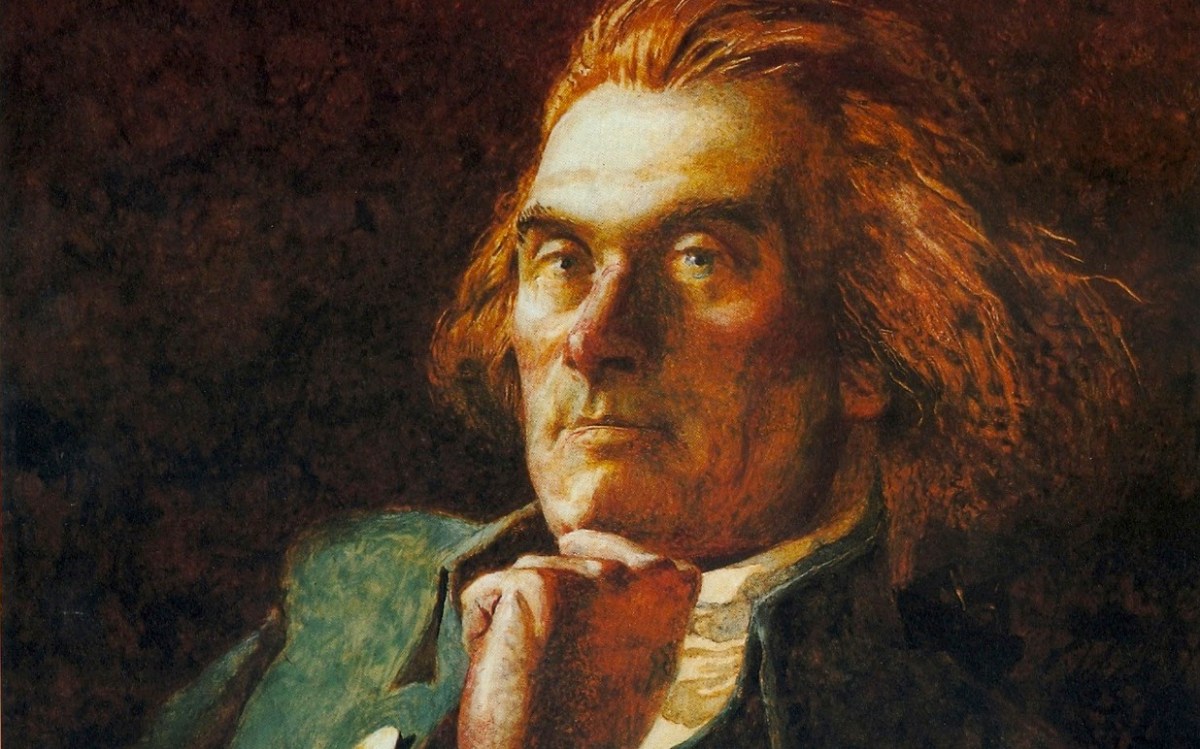

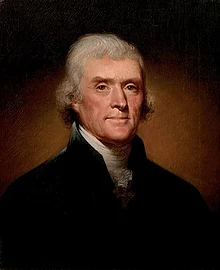 In a time when colonists considered themselves to be Englishmen, Jefferson sought to disestablish the Anglican communion of the Church of England, seeking from the earliest days of his public career to establish a freedom from state-sponsored religion.


 The more industrialized states to the north saw such a measure as placing a disproportionate burden of taxation, on themselves. The 3/5ths compromise kicked the can down the road, passing the Gordian knot to be settled by another generation, in rivers of blood.



 Historical Easter Eggs - Today in History
You must be logged in to post a comment.