
It was 6:45am local time on March 1, 1954, when a flash lit up the sky over the Pacific, like the sun itself. Then came the sound. An explosion outside the experience of all but the tiniest fraction among us, followed by the mushroom cloud, towering into the atmosphere. It was a test, the detonation of a TX-21 thermonuclear weapon with a predicted yield of 6 megatons with the unlikely codename, of “Shrimp”.
The 23 men of the fishing boat Daigo Fukuryū Maru (“Lucky Dragon No.5”) were working the grounds near the Marshall Islands that day, in the equatorial Pacific. For a full eight minutes, these twenty-three men watched the characteristic mushroom cloud rise above them. An hour and a half later came the fallout, the fine white dust, calcinated coral of the Bikini atoll, falling from the sky, like snow.
None among the twenty-three recognized the material as hazardous, and made no effort to avoid exposure. Some men even tasted the stuff.

Over the next three days, several fishermen developed acute radiation sickness. By the time they returned to Yaizu two weeks later, all 23 were suffering from nausea, headaches, bleeding from the gums and other symptoms. One was destined to die six months later from a liver disorder, brought on by radiation sickness. They had entered the ranks of that most exclusive of clubs that no one, Ever, wanted to join. They were “hibakusha”. The “explosion-affected people”.
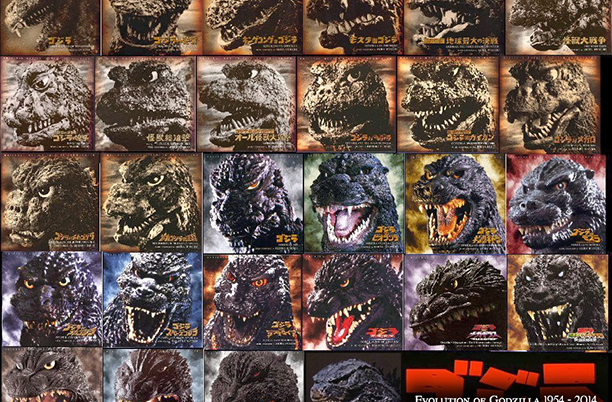
The atomic explosions at Hiroshima and Nagasaki were a short nine years in the past in 1954 when a ferocious, anti-nuclear sentiment began to build in Japan. In this context there arose a metaphor for the titanic destruction wrought by the atomic bombs. A Great Beast, literally rising from the sea, the product of the Japanese entertainment industry. A monster, “Godzilla”, Ishirō Honda’s first film released by Toho Studios on this day, in 1954.
The name is a portmanteau, two words combined to form a third, of the Japanese word “gorira”, (gorilla), and “kujira”, meaning whale. Godzilla was the Gorilla Whale with the head of a Tyrannosaur, Stegasaur-like plates on his back and skin modeled after the hideous keloid scarring, of the hibakusha.
The original Godzilla (“ɡodʑiɽa”) was awakened by atomic testing and impervious to any but a nuclear weapon. Emerging from the depths with his atomic breath, havoc and destruction was always accompanied by the distinctive roar, a sound effect made by rubbing a resin glove down the strings of a bass violin and then changing the speed, at playback.
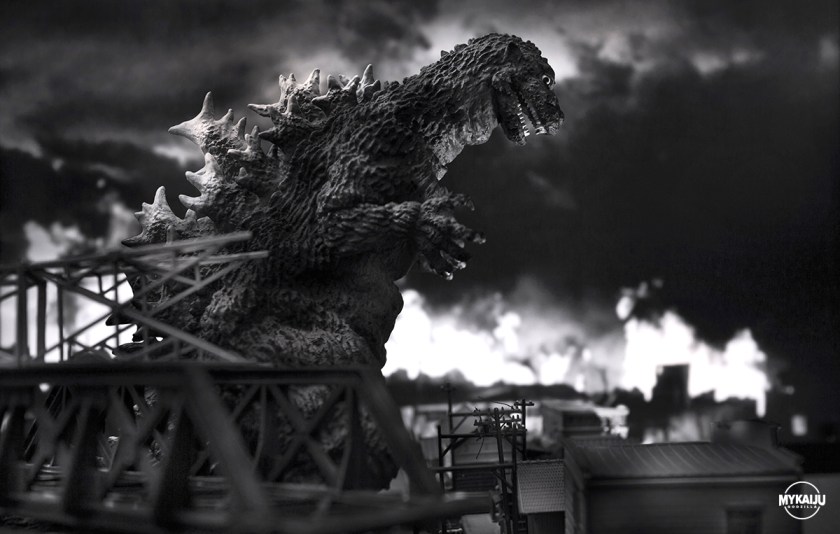
The actor who played Godzilla in the original films, Haruo Nakajima, was a black belt in Judo. His expertise was used to choreograph the monster’s movements, defining the standard for most of the Godzilla films, to follow.
Originally an “it”, Godzilla was usually depicted as a “he”, although that became a little complicated with the 1998 American remake when “Zilla” started laying eggs.
He was a Kaiju, a Japanese word meaning “strange creature”, more specifically a “daikaiju”, meaning a really, really big one. Godzilla is the best known but certainly not the only such creature of the Japanese entertainment industry. You may remember other kaiju including Gamera, Mothra, King Ghidorah, Mechagodzilla and Rodan.
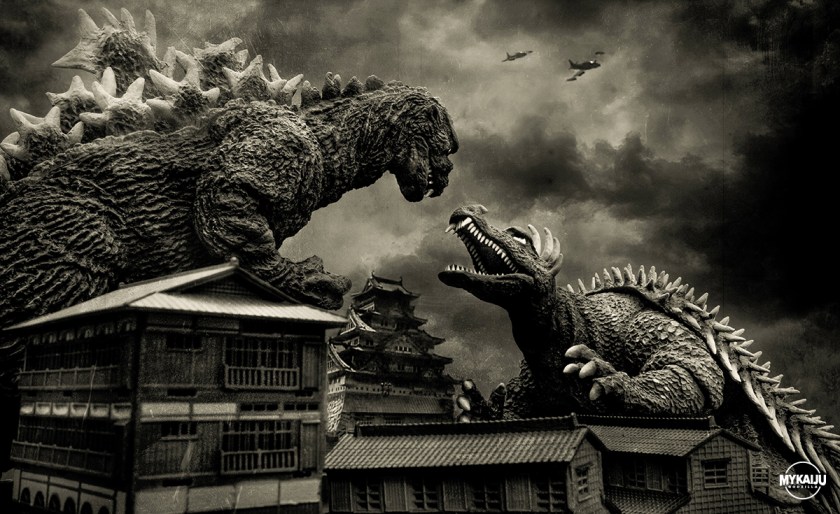
Godzilla has appeared in 28 original films, with more in the works. Over the course of his existence he has been a hero, a villain, and a destructive but values-neutral force of nature.
Godzilla got his own star on the Hollywood “Walk of Fame” in 2004, timed to coincide with the release of the 29th film of the genre, “Godzilla: Final Wars.” Instead of nuclear weapons testing, this version was spawned by “environmental pollution”. It takes the superheroes of the “Earth Defense Organization” (but, of course) to freeze him back into the ice of the South Pole.

The film was a flop, grossing less than $12 million after a production budget over half again, as large.
The franchise came roaring back ten years later, when Godzilla was released in 2014, grossing $200 million domestically with $529.1 million in worldwide sales.
To this day, the man who played those original 12 films is considered the best “suit actor”, in franchise history. In 2018, asteroid 110408 Nakajima was named in his memory.

A film franchise 66 years in the making is still going strong and will continue to do so, for the foreseeable future. Godzilla: King of the Monsters released in 2019 with a Box Office of $386.6 million and a production budget, of less than $200 million. Godzilla vs. Kong, originally scheduled for release this year, went the way of so many things in 2020 and fell victim, to the Chinese Coronavirus. The 36th film in the series is complete and currently scheduled for release in May, 2021.
Tip of the hat to http://www.mykaiju.com, for most of the images used in this story.



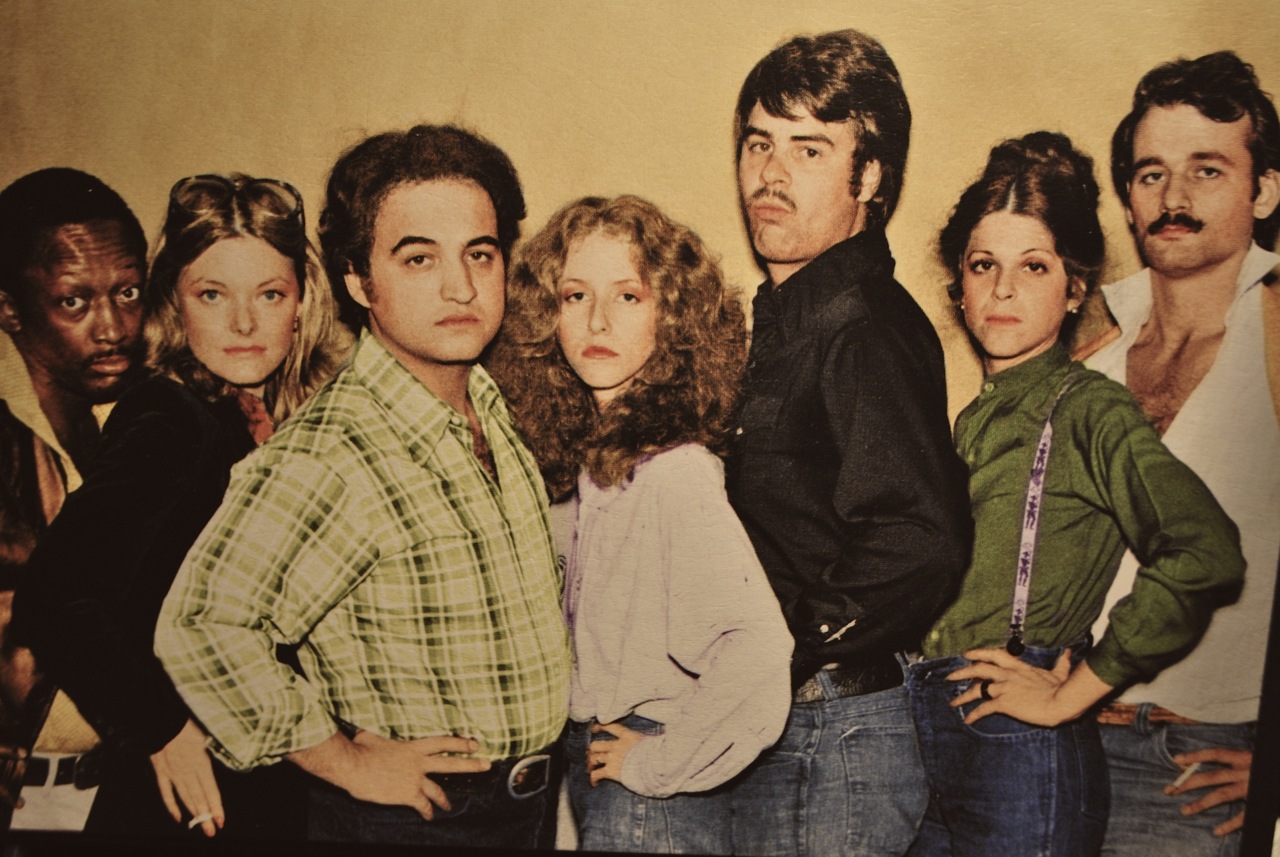 Dan Ackroyd tells a story about long days of rehearsals on the SNL set. An exhausted John Belushi would wander off and let himself into the house of a friend or a stranger, scrounging around for food before falling asleep in the house, unable to be found for the next day’s work. These outings were the inspiration for the SNL horror-spoof sketch “The Thing That Wouldn’t Leave”.
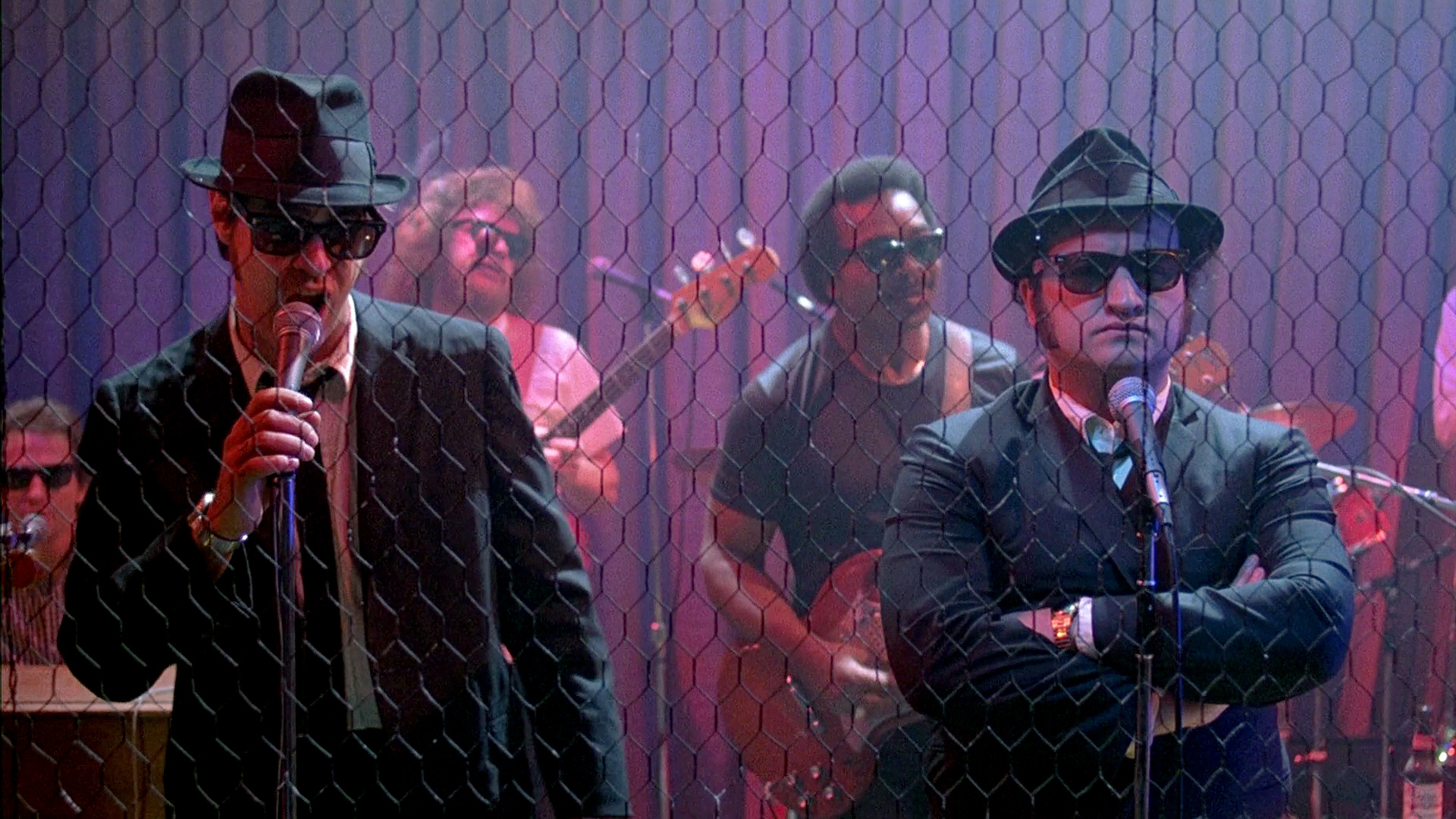 The Blues Brothers film premiered in Chicago on this day in 1980, four days before general release. Set in the windy city and sprawling across the Midwest, the musical/comedy film tells the story of a paroled convict and his brother, and their mission to save the Catholic orphanage in which they were raised from foreclosure. The Blues Brothers’ “Mission from God” needs to raise $5,000 to pay the orphanage’s property tax bill. To do so, the pair sets out to reignite their old R&B band, pursued by the police and wrecking 103 cars along the way, a world record for that time.
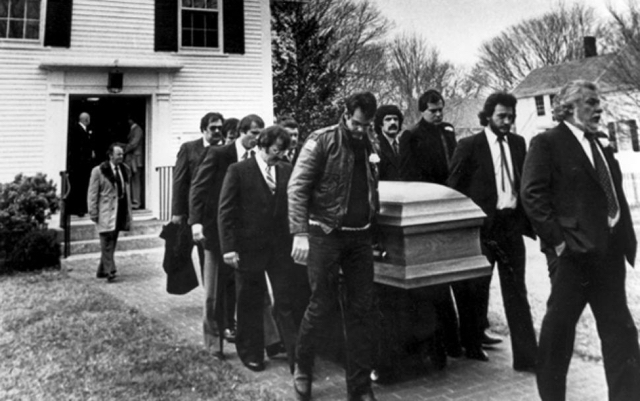 “Fans” repeatedly felt the need to desecrate the grave. The body was removed at Mrs. Belushi’s request and reburied in an undisclosed location. An unmarked tombstone in an undisclosed location marks the final burial location, where the man can at last rest in peace.
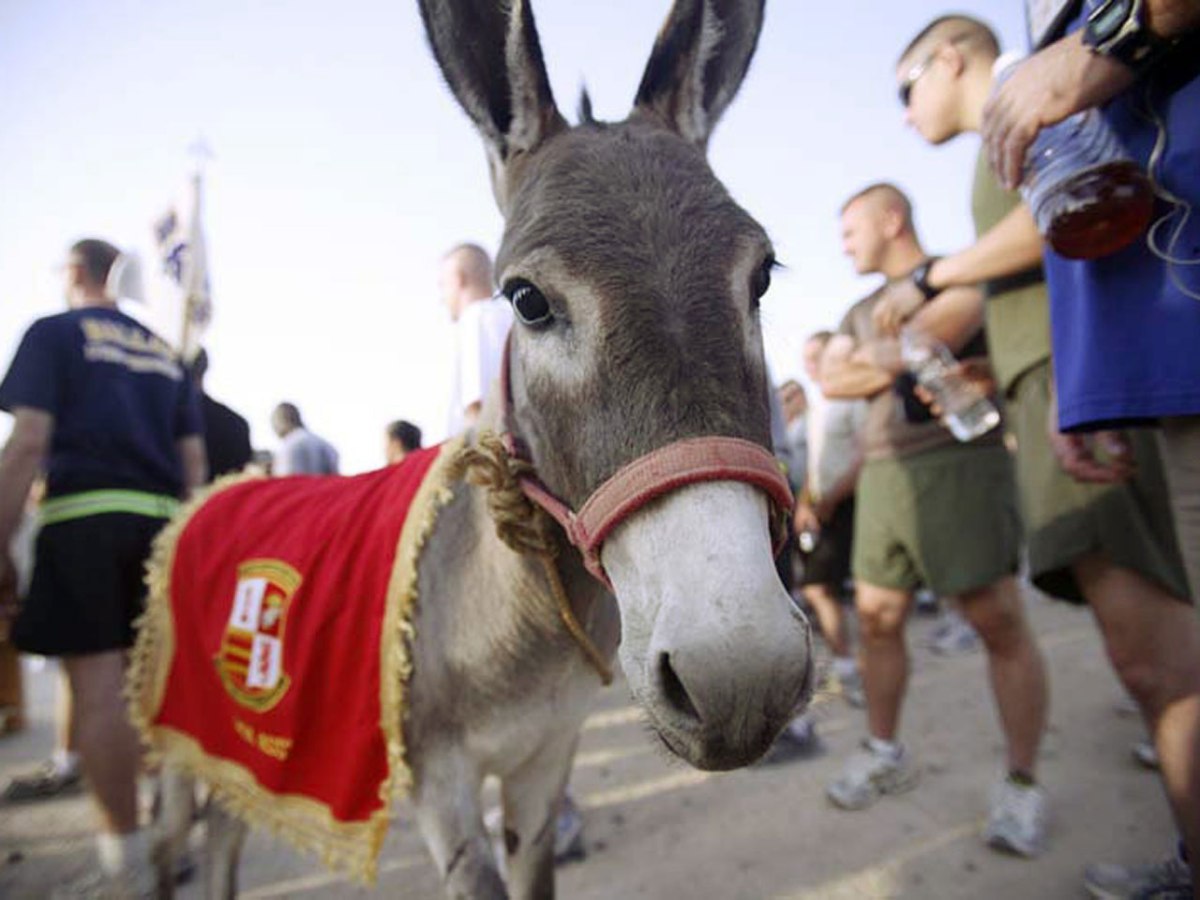

 Marines took him in, this malnourished Iraqi donkey, and built him a stable, and corral. The donkey would stroll into offices where he learned to open desk drawers in search of a goody. An apple, a carrot or some other sweet treat, planted there by some Marine. He loved to steal cigarettes whether lit or unlit and so it was, they called him “Smoke”.
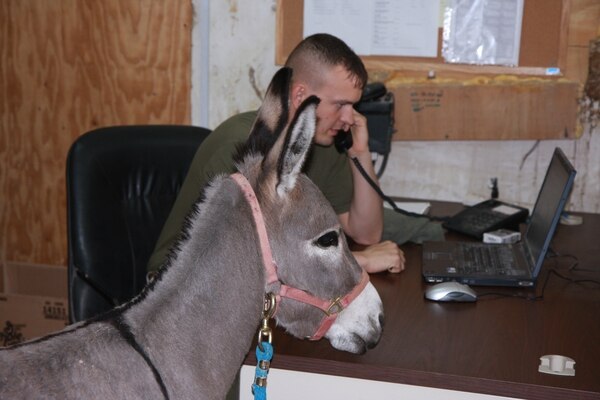 Smoke had his very own blanket, bright red and emblazoned with unit insignia, for the camp’s September 11 parade. On the side were these words, “Kick Ass”.
 Regulations prohibited keeping the animal on base but Colonel Folsom found a Navy psychologist, willing to designate Smoke a therapy animal. He was good for morale.
 After half a life serving the United States Marine Corps, John Folsom returned home to Omaha. He’d often think of his “battle buddy” and those long walks, around the base.
 Thus began “Operation Donkey Drop”, Folsom’s 18-month odyssey first to raise the funds and then to wrangle the red tape thrown in his way through multiple jurisdictions, on Smoke’s journey to his new home in Nebraska.
 Terri Crisp heads SPCAI’s “Baghdad pups”, reuniting US troops with dogs and cats they had once bonded with, while serving overseas. This was her first donkey.
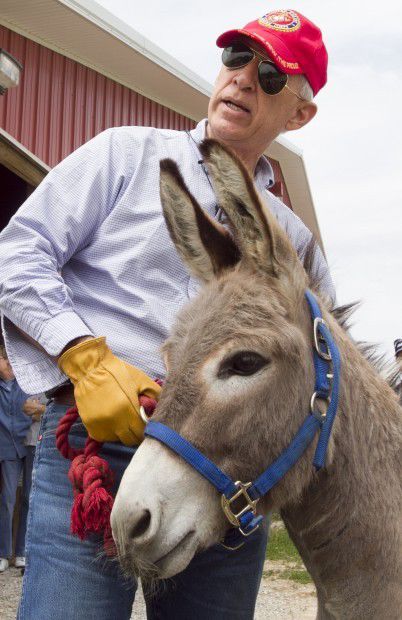 For Colonel John Folsom, USMC (retired), “semper fidelis” (“always faithful”) had become “semper fi(nally).”

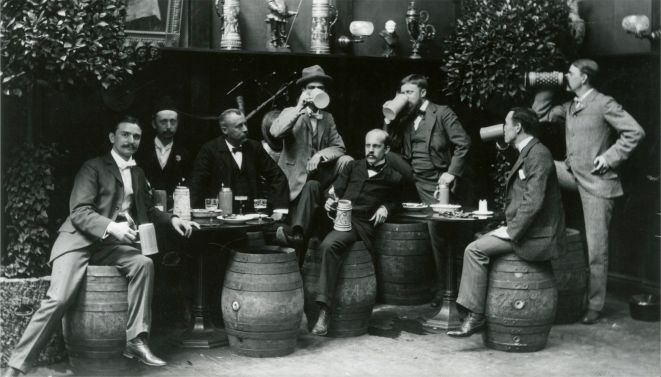
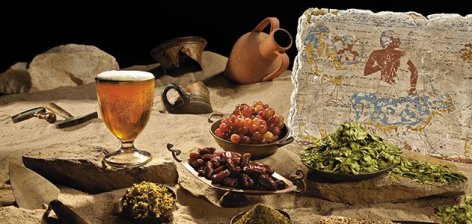 Tacitus scorned the bitter brew of Germanic barbarians. Wine seemed better suited to the sensibilities of the Roman palate. Nevertheless, letters from Roman cavalry commanders of the Roman Britain period, c. 97-103 AD, include requests for more “cerevisia“, for the legionaries.
 Prior to the drum roaster’s invention in 1817, malt was typically dried over wood, charcoal or straw fires, leaving a smoky quality which would seem foreign to the modern beer drinker. William Harrison wrote in his “Description of England” in 1577, “For the wood-dried malt, when it is brewed, beside that the drink is higher of colour, it doth hurt and annoy the head of him that is not used thereto, because of the smoke“.
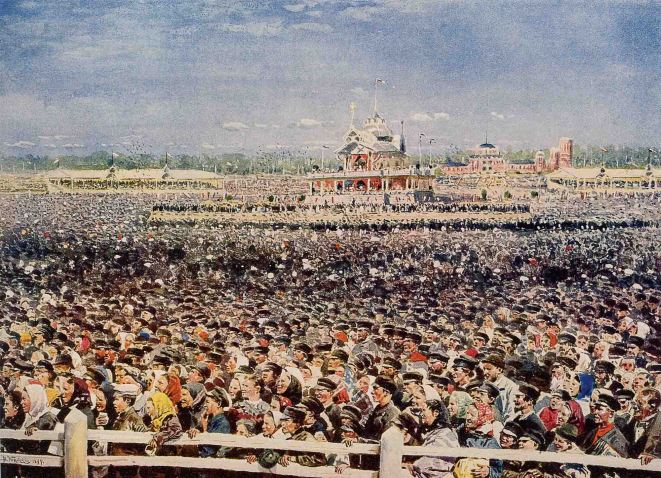
 1,389 were trampled to death and another 1,300 injured in a
  The 18th amendment, better known as “prohibition”, went into effect at midnight, January 16, 1920. For thirteen years it was illegal to import, export, transport or sell liquor, wine or beer in the United States.
 Organized crime became vastly more powerful due to the influx of enormous sums of cash. The corruption of public officials was a national scandal.
 Finally, even John D. Rockefeller, Jr., a lifelong teetotaler who contributed $350,000 to the Anti-Saloon League, had to announce his support for repeal.
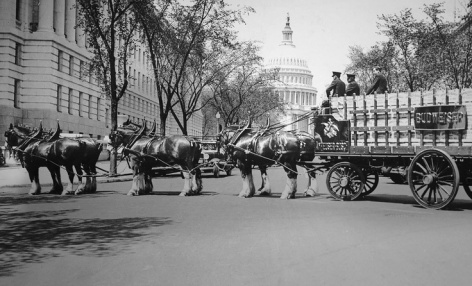 “Dry” leaders tried to prohibit consumption of alcohol on military bases in 1941, but military authorities claimed it was good for morale. Brewers were required to allocate 15% of total annual production to be used by the armed forces. So essential were beer manufacturers to the war effort, that teamsters were ordered to end a labor strike against Minneapolis breweries. Near the end of WWII, the army made plans to operate recaptured French breweries, to ensure adequate supplies for the troops.
 The night before Roosevelt’s law went into effect, April 6, 1933, beer lovers lined up at the doors of their favorite watering holes, waiting for their first legal beer in thirteen years.

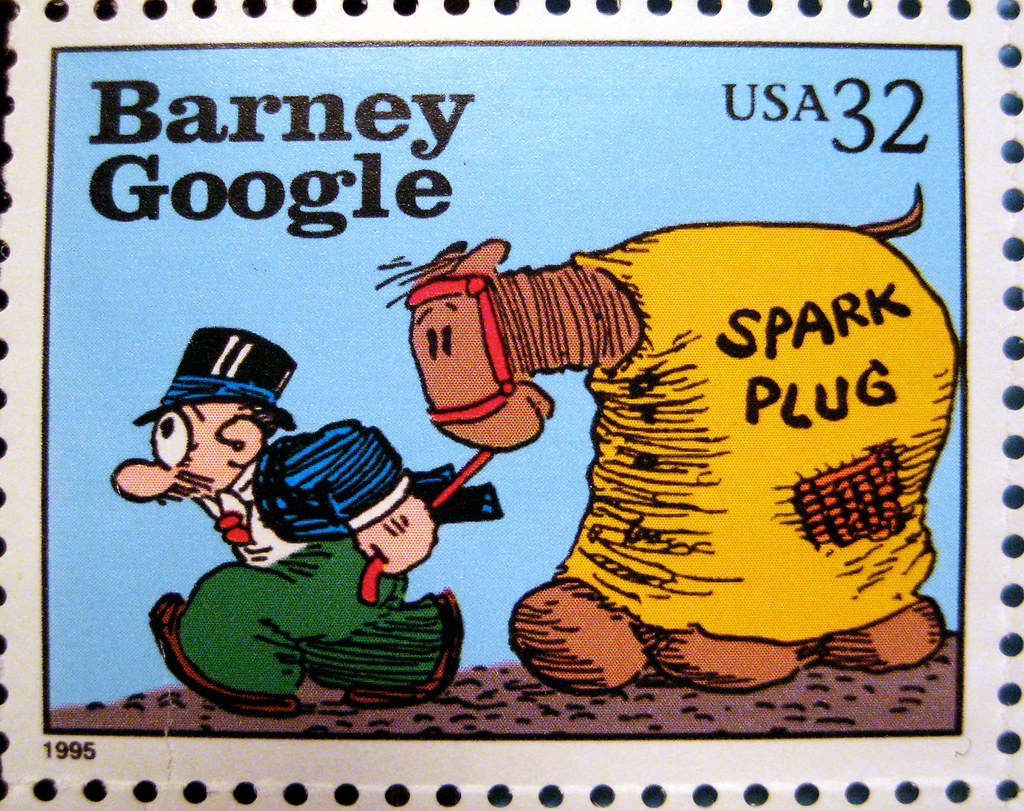 Rubenstein hated the nickname and was quick to fight anyone who called him that. It may have been that hot temper, that made the name stick.
 Ruby was a low-rent gangster, involved in typical underworld activities like gambling, narcotics and prostitution. There were rumored associations with Mafia boss Santo Trafficante.
 Today, you may know Rick Danko, Levon Helm, Garth Hudson and Robbie Robertson as musicians who played with Bob Dylan in 1965, later going on the road as “The Band” and performing such rock & roll standards as “The Night they Drove Old Dixie Down”, “Up on Cripple Creek” and “The Weight”.
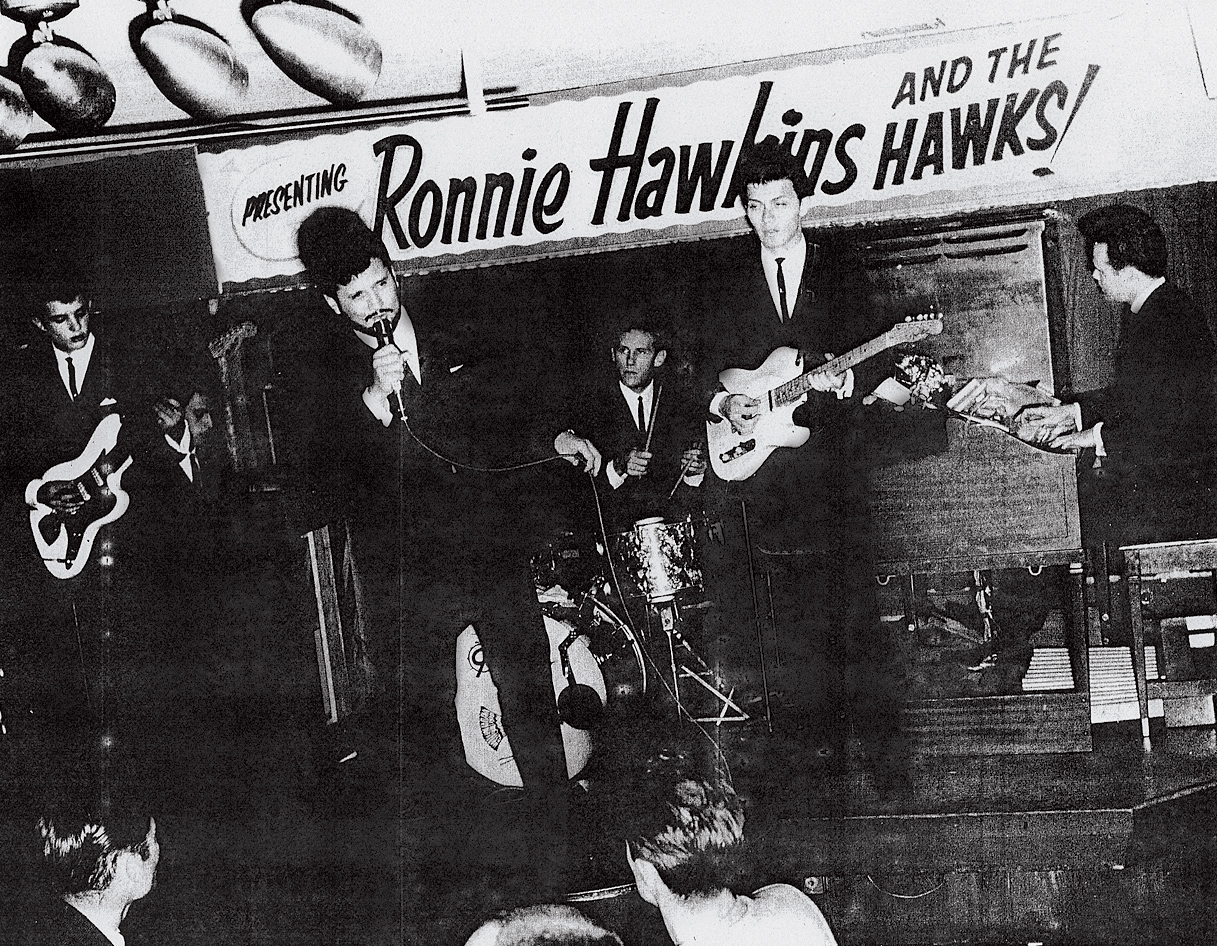 Part of the roof had blown off this joint. Either that or it burned off, depending on which version you believed. Jack, the club owner, tore off the rest of it and kept the insurance money, calling this fine establishment, the “Skyline Lounge”.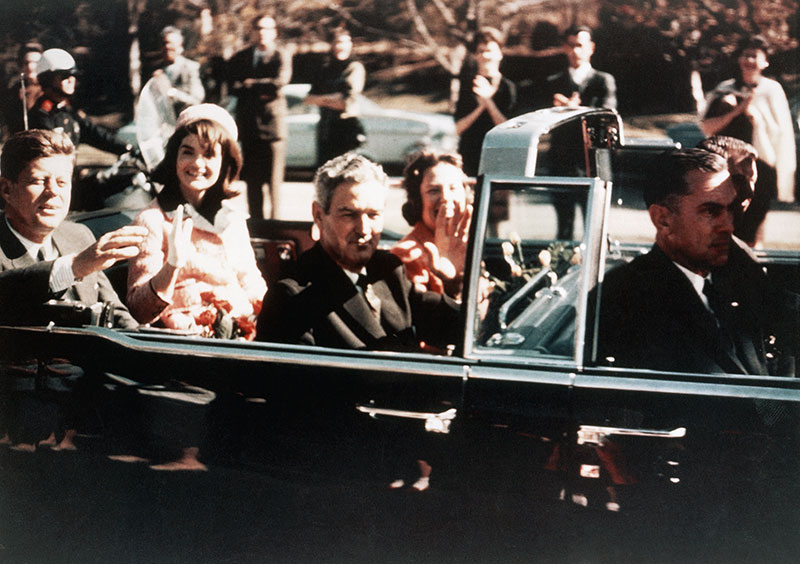

 The Warren Commission found no evidence linking Jack Ruby’s murder of Lee Harvey Oswald, to any broader conspiracy to assassinate the President. What became of Jacob Leon “Sparky” Rubenstein’s Skyline Lounge, is unknown to this writer.
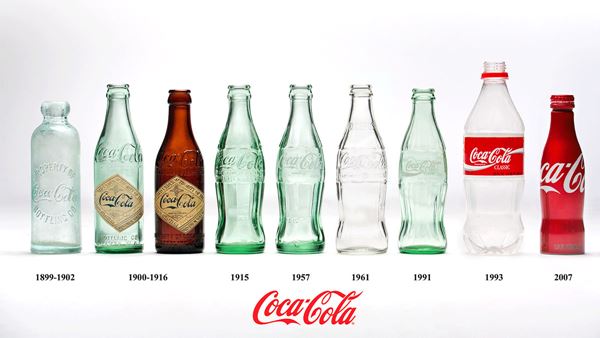
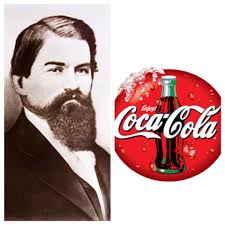 At first sold for their therapeutic value, consumers increasingly bought carbonated beverages for refreshment.
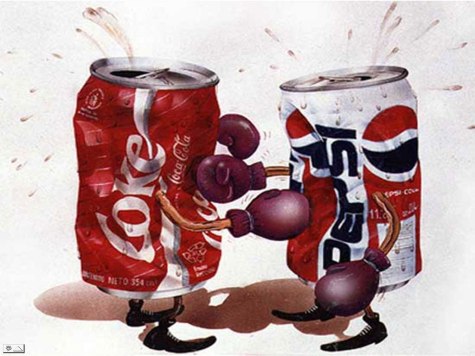
 The most famous rivalry in the soft drink business began in the 1930s, when Pepsi offered a 12oz bottle for the same 5¢ as Coca Cola’s six ounces.
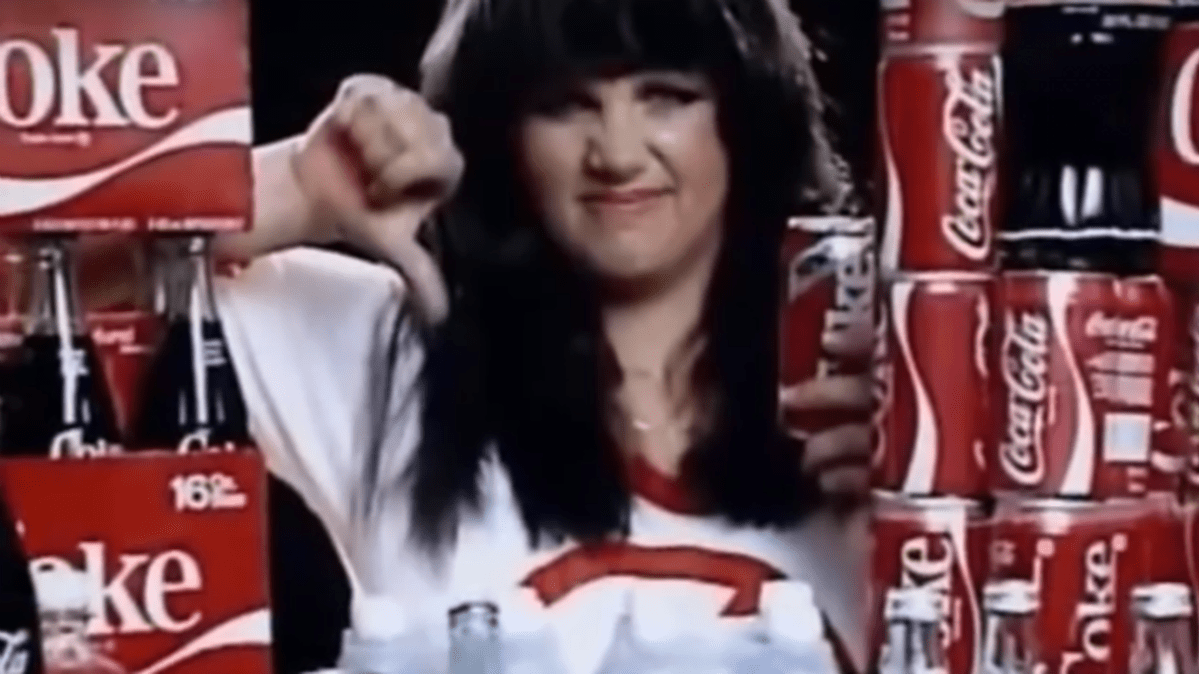
 By the ’80s, market analysts believed that aging baby boomers were likely to switch to diet drinks and any growth in the full calorie segment was going to come from younger consumers, who preferred the sweeter taste of Pepsi.
 On an April Friday in 1985, Coke let the media know that a major announcement was coming the following Tuesday. Coca Cola officials spent a busy weekend preparing for the re-launch, while Pepsi Executives announced a company-wide holiday, taking out a full page ad in the New York Times, crowing that “Pepsi had Won the Cola Wars”.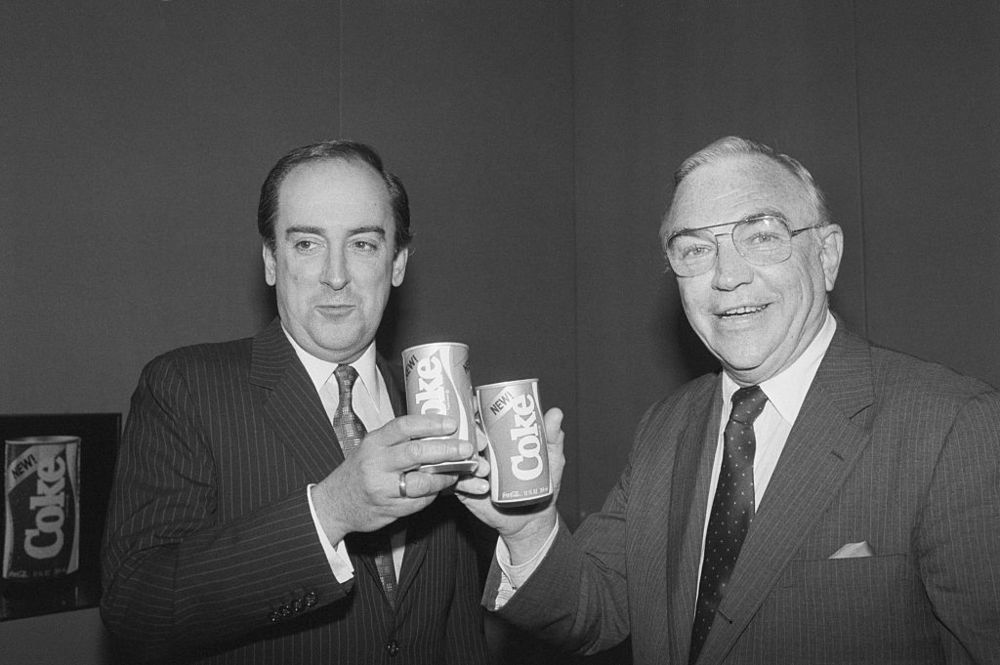
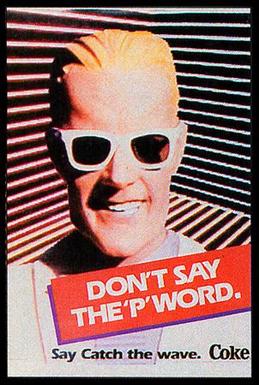 Not even Max Headroom and his stuttering “C-c-c-catch the wave!” could save the company.
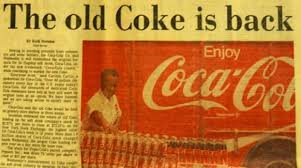 So it was that, in 1985, Coca Cola announced they’d bring back the 91-year old formula. One reporter asked Keough if the whole thing had been a publicity stunt. Keough’s answer should be taught in business schools the world over, if it isn’t already. “We’re not that dumb,” he said, “and we’re not that smart”.

 To anyone under the age of 40, the Cold War must seem a strange and incomprehensible time. Those of us who lived through it, feel the same way.
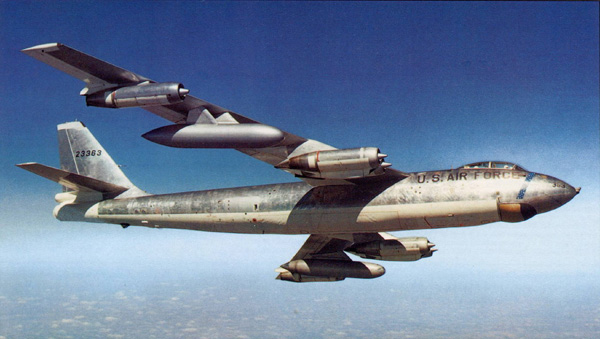 At 15,000-feet, a warning light came on in the cockpit, indicating the load wasn’t properly secured. Not wanting a thing like that rattling around in the back, Captain Earl E. Koehler sent navigator Bruce M. Kulka, to investigate. Kulka slipped and grabbed out for something, to steady himself. That “something” just happened to be, the emergency release.
 Three years later, a B-52 Stratofortress carrying two Mark 39 thermonuclear bombs broke up in the air over Goldsboro, North Carolina. Five crew members ejected from the aircraft at 9,000-feet and landed safely, another ejected but did not survive the landing. Two others died in the crash.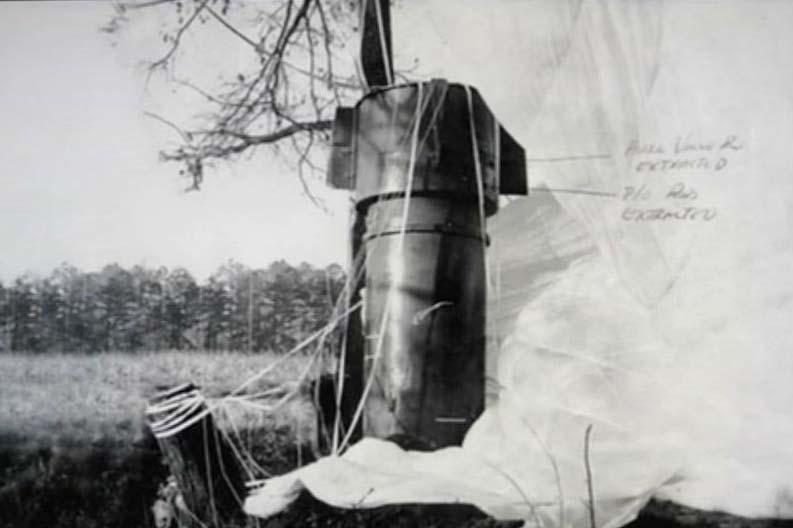
 Over the years, members of the flight crew stopped by to apologize for the episode.
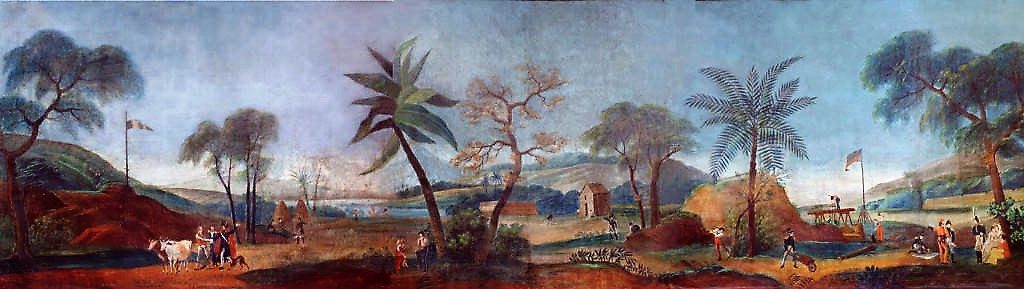
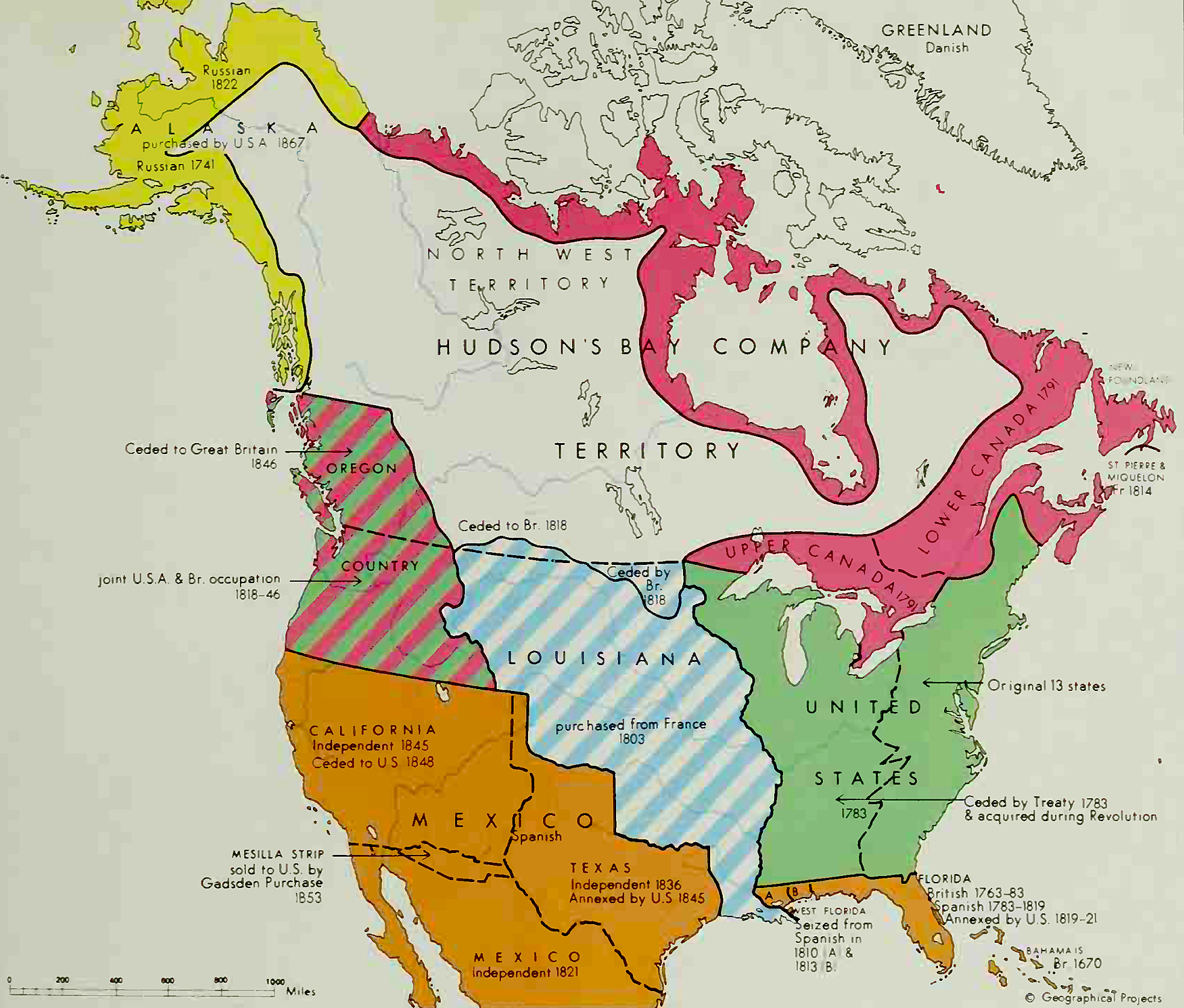 Those first ten years of independence was a time of increasing unrest for the American’s French ally, of the late revolution. The famous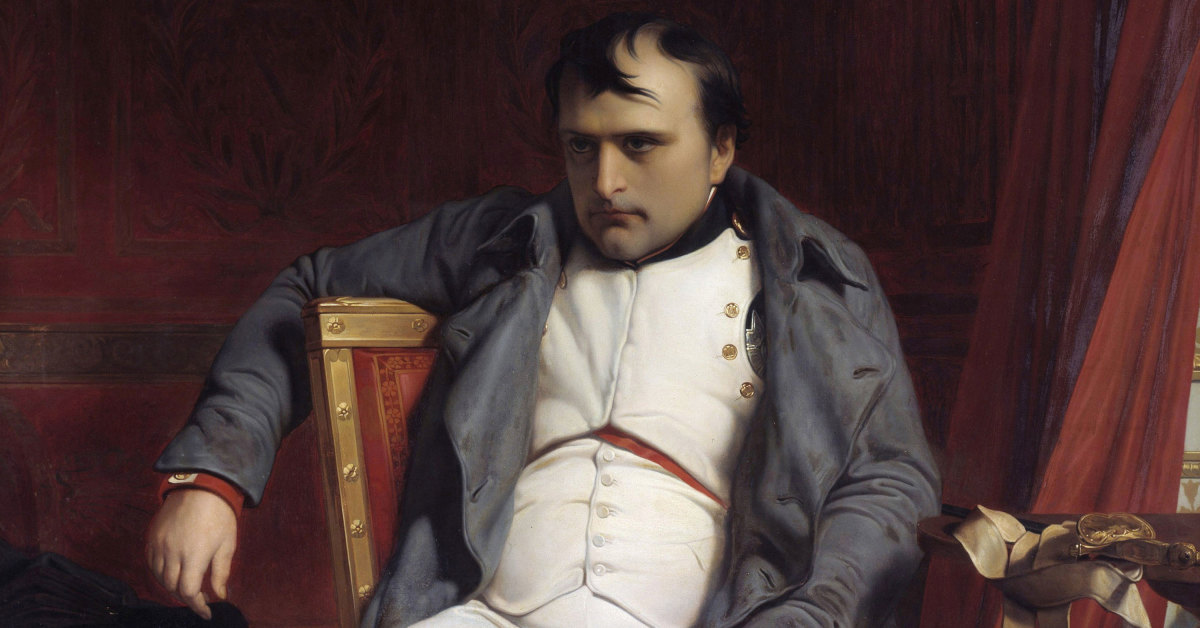
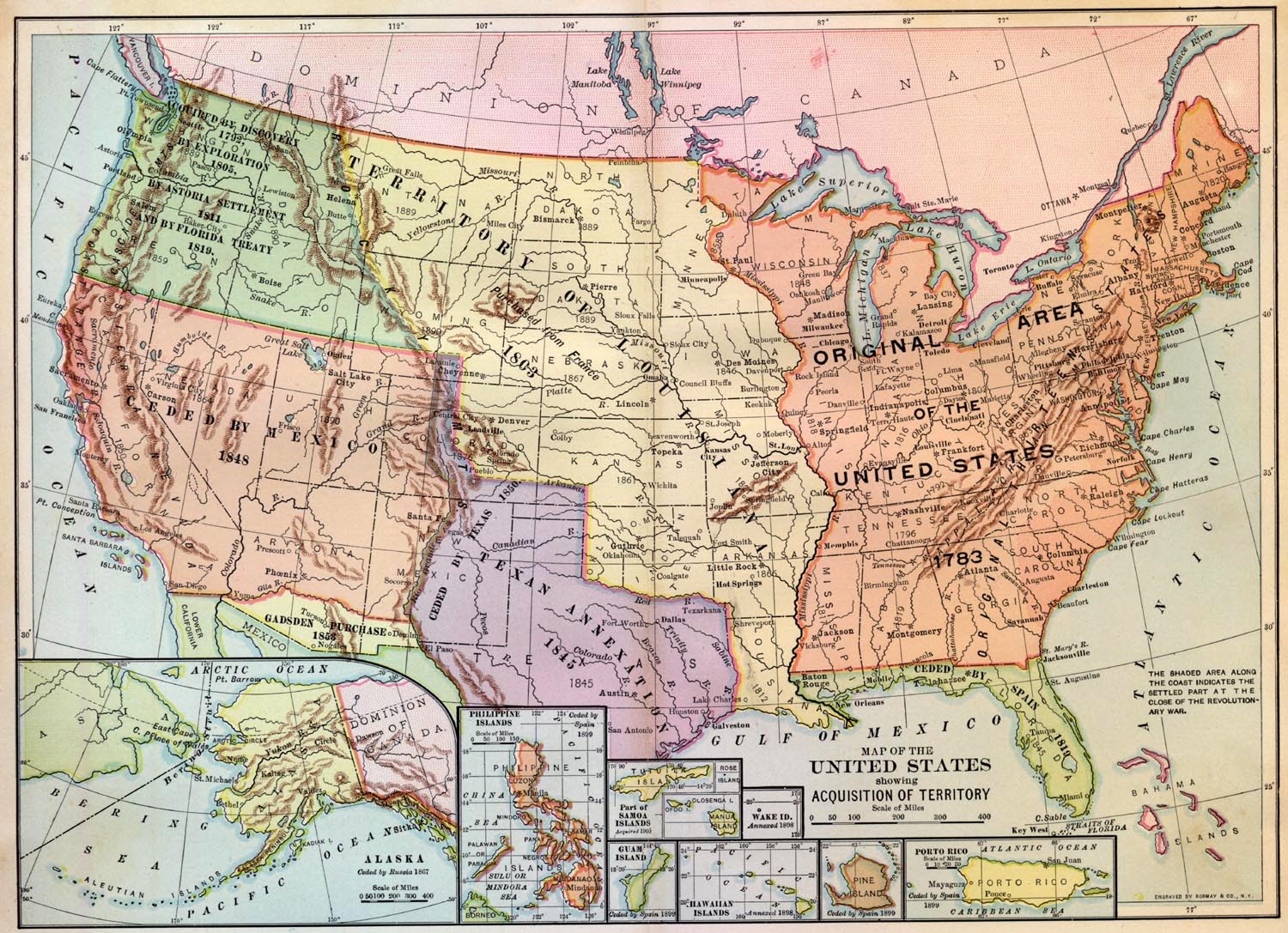 Napoleon Bonaparte, crowned Emperor the following year, would fight (and win) more battles than Julius Caesar, Hannibal, Alexander the Great and Frederick the Great, combined.
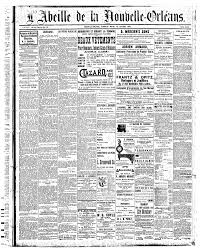 Jean-Simon Chaudron founded the Abeille Américaine in 1815 (The American Bee), Philadelphia’s leading French language newspaper. Himself a refugee of Santo Domingo (Saint-Domingue), Chaudron catered to French merchants, emigres and former military figures of the Napoleonic era and the Haitian revolution.
 In January 1817, the Society for the Vine and Olive selected a site near the Tombigbee and Black Warrior Rivers in west-central Alabama, on former Choctaw lands. On March 3, 1817, Congress passed an act “disposing of a tract of land to embrace four townships, on favorable terms to the emigrants, to enable them successfully to introduce the cultivation of the vine and olive.”
 General Charles Lallemand, who joined the French army in 1791, replaced Lefebvre-Desnouettes as President of the Colonial Society. A man better suited to the life of an adventurer than that of the plow, Lallemand was more interested in the wars of Latin American independence, than grapes and olives. By the fall of 1817, Lallemand and 69 loyalists had concocted a plan to sell the land they hadn’t yet paid for, to raise funds for the invasion of Texas.
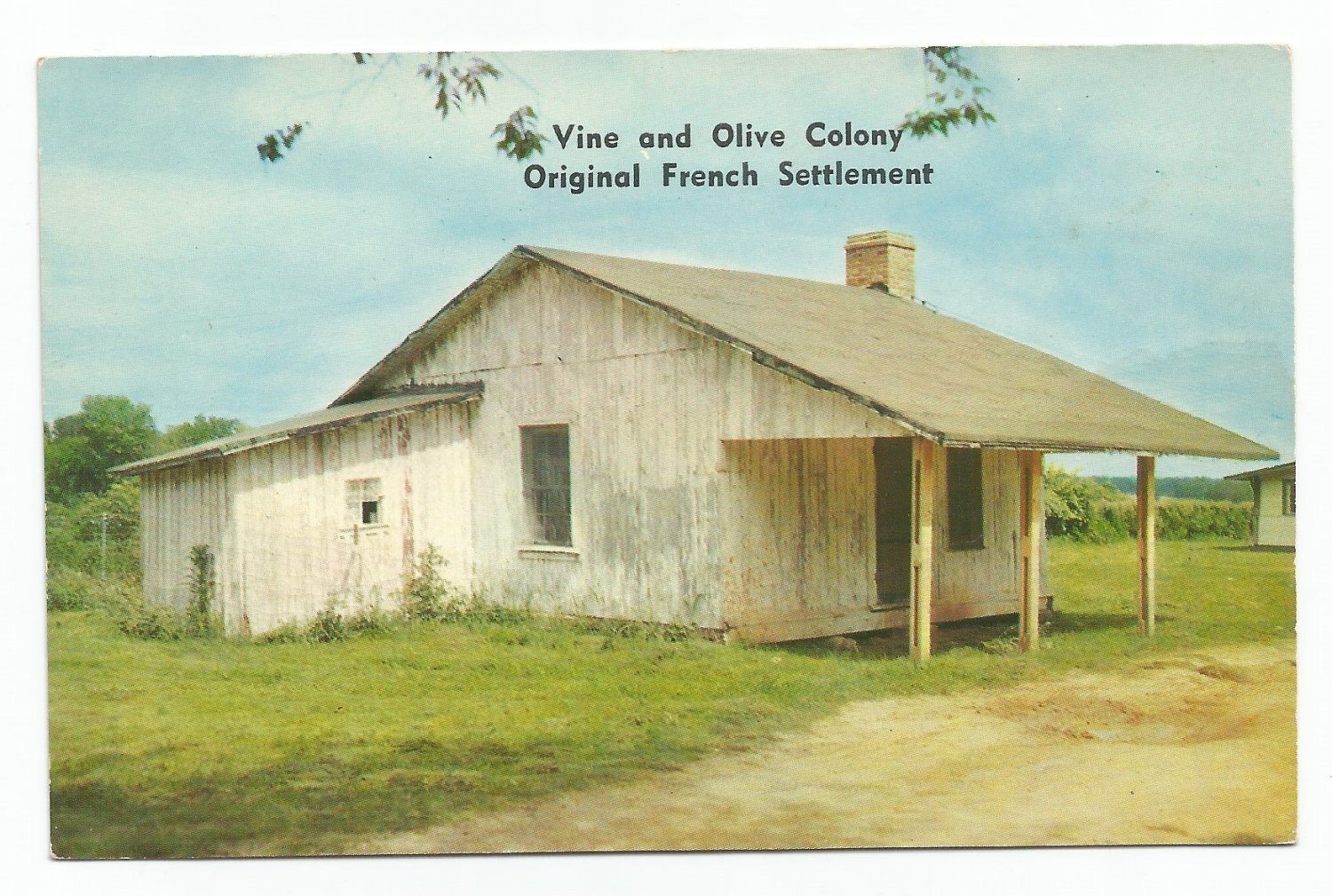 Little is left of the Vine and Olive Colony but the French Emperor lives on, in western Alabama. Marengo County commemorates Napoleon’s June 14, 1800 victory over Austrian forces at the Battle of Marengo. The county seat, also known as Marengo, was later renamed Linden. Shortened from the Napoleonic victory over Bavarian forces led by Archduke John of Austria, at the 1800 battle of Hohenlinden.


You must be logged in to post a comment.