
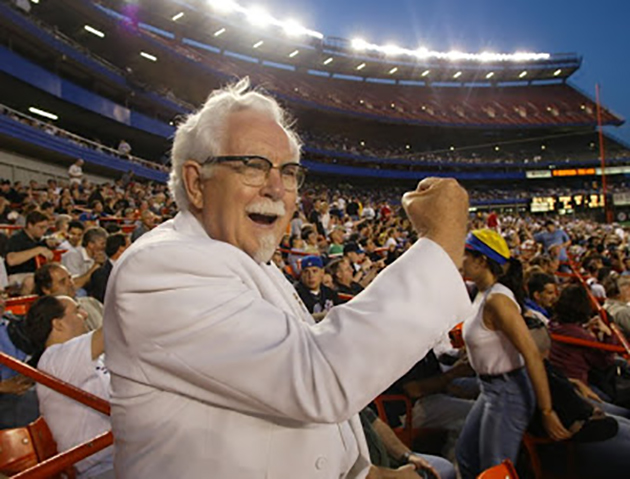
Baseball as we know it was introduced to the country in 1872. To this day, the game remains the most popular sport in the nation for participants and spectators, alike. In 1907, Tsuneo Matsudaira commented: “the game spread, like a fire in a dry field, in summer, all over the country, and some months afterwards, even in children in primary schools in the country far away from Tōkyō were to be seen playing with bats and balls“.
Oh. Did I neglect to mention? The nation we’re talking about, is Japan.
Professional baseball got off to a rocky start in 1920s Japan and continued to flounder, until 1934. That’s when media bigwig Matsutarō Shōriki pulled off a “goodwill tour” with an all-star American team including Babe Ruth, Jimmie Foxx, Lou Gehrig, Connie Mack and Charlie Gehringer. Even Moe Berg was part of that 1934 entourage, the Jewish catcher known as “the brainiest guy in baseball,” who went behind enemy lines during World War 2, to spy on Nazi Germany.
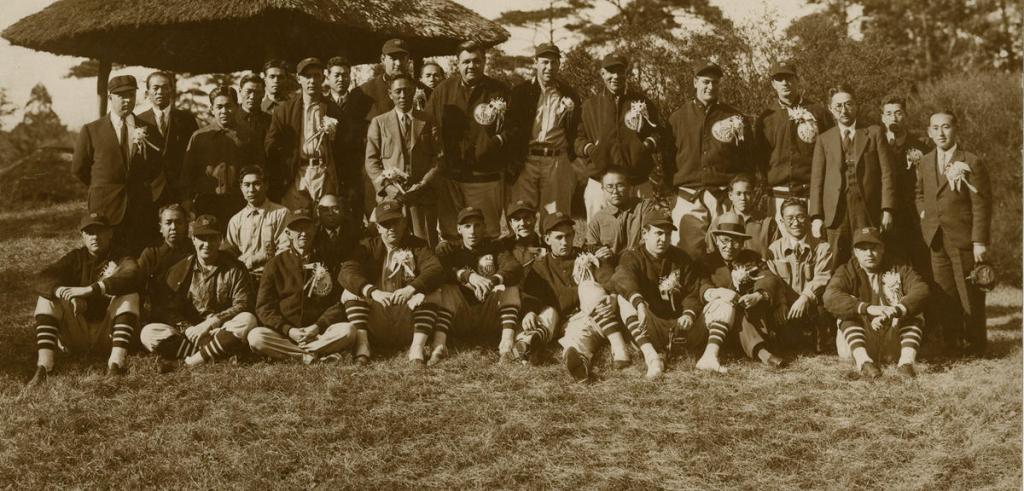
Much has been written of 1930’s Japan and the military officers, who brought the nation to war. How different the 20th century could have been, had those guys picked up baseball, instead.
The first Japanese professional league was formed in 1936, becoming large enough to split into two leagues in 1950, the Central and Pacific.
Today, the Kansai region of Honshu is the 2nd largest metropolis, in all Japan. That’s where you’ll find the Hanshin Tigers, those perennial underdogs of Nippon Professional Baseball and arch-rival to the Yomiuri Giants of Tokyo, widely regarded as the kings of Japanese baseball.
As a life-long Red Sox fan, this story is beginning to sound familiar.
35 years ago today was a time of unbridled joy for delirious Tigers fans, following Hanshin’s 6-2 drubbing of the Seibu Lions to win the ultimate prize, the Japan series pennant of 1985.
Now you may not know this, but Japan is one of the largest markets in the world for Kentucky Fried Chicken, #3 behind the United States and China. Not bad for a fast food outfit that opened its first Japanese franchise, only fifteen years earlier.
The Boston baseball fan is well acquainted with the “Curse of the Bambino”, the 86-year World Series championship drought, second only to the “Curse of the Billy Goat” that denied victory to long-suffering Chicago fans, for 106 years.
Since 1985, Japanese mothers have scared wayward children into acting right, with the curse of Colonel Sanders.
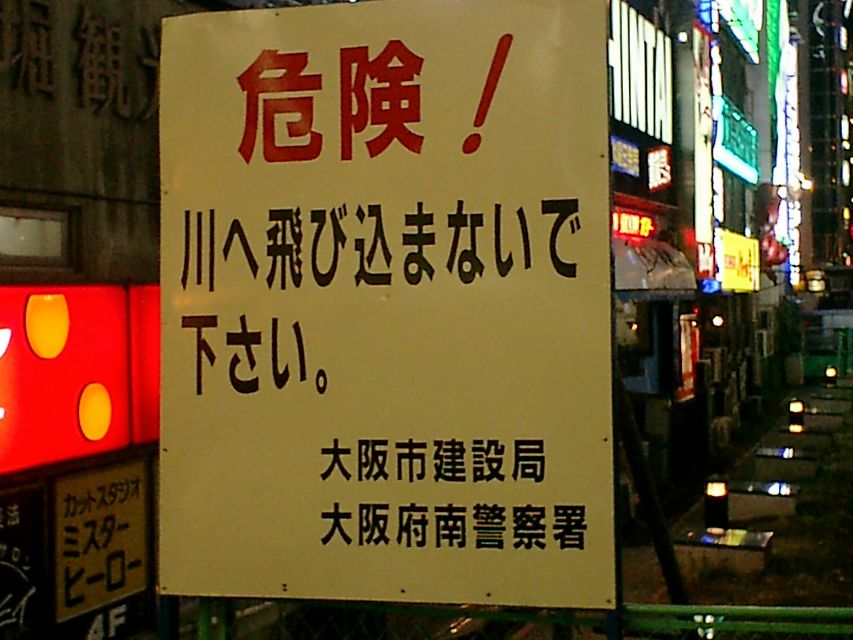
The Hanshin club emerged victorious in 1985, due in large part to the efforts of American slugger, Randy Bass. Delirious after unexpected victory in game one and superstitious as baseball fans the world over, Hanshin supporters gathered at the Ebisu Bridge over the Dōtonbori river in Osaka, to partake in one of the most bizarre spectacles, in modern sports.
Fans would shout out the names of Tigers players and someone who resembled that player, even vaguely, would jump into the river. There being no Caucasians in attendance to represent Mr. Bass, the crowd took hold of a storefront statue of Harlan Sanders, and threw it into the River.
What the hell. They both had beards.
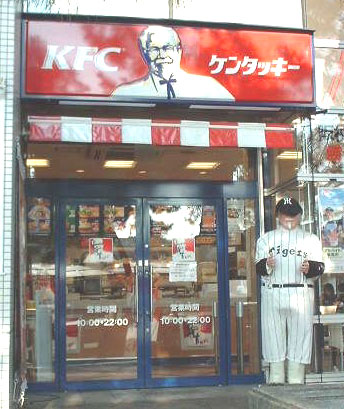
Thus began the curse of Colonel Sanders, a losing streak brought on by the ghost of a man who didn’t appreciate being thrown into a river. Brief rallies in 1992 and again in ’99 brought hope once again to the Hanshin faithful, (gosh, this story sounds Really familiar now), only to have cruel fate, block the way. Repeated efforts were made to retrieve the Colonel from the river, only to be met with failure. The curse, dragged on.
The joy of victory smiled upon the land of Hanshin once again in 2003, when Yomiuri Giants MVP Hideki Matsui was traded to the New York Yankees, clearing the way to a Central League pennant for Hanshin. Even so, final victory remained elusive. The Japan series went to the Fukuoka Daiei Hawks that year, in 7 games.
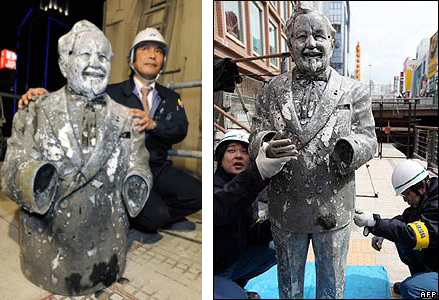
Celebration turned to tragedy that year, when thousands of Tigers fans jumped into the river. 24-year-old Masaya Shitababa, drowned. The Osaka city council ordered construction of a new bridge over the Dōtonbori beginning in 2004, making further such jumps, next to impossible.
Divers discovered the upper part of Harlan Sanders’ statue on March 10, 2009 and the lower piece, the following day. And yet the Colonel’s other hand and eyeglasses, were nowhere to be found.
Colonel Sanders’ left hand and spectacles remain missing to this day and the KFC where it all started, is closed and gone forever. So it is for long suffering fans of the Hanshin Tigers, the curse of Colonel Sanders, lives on.


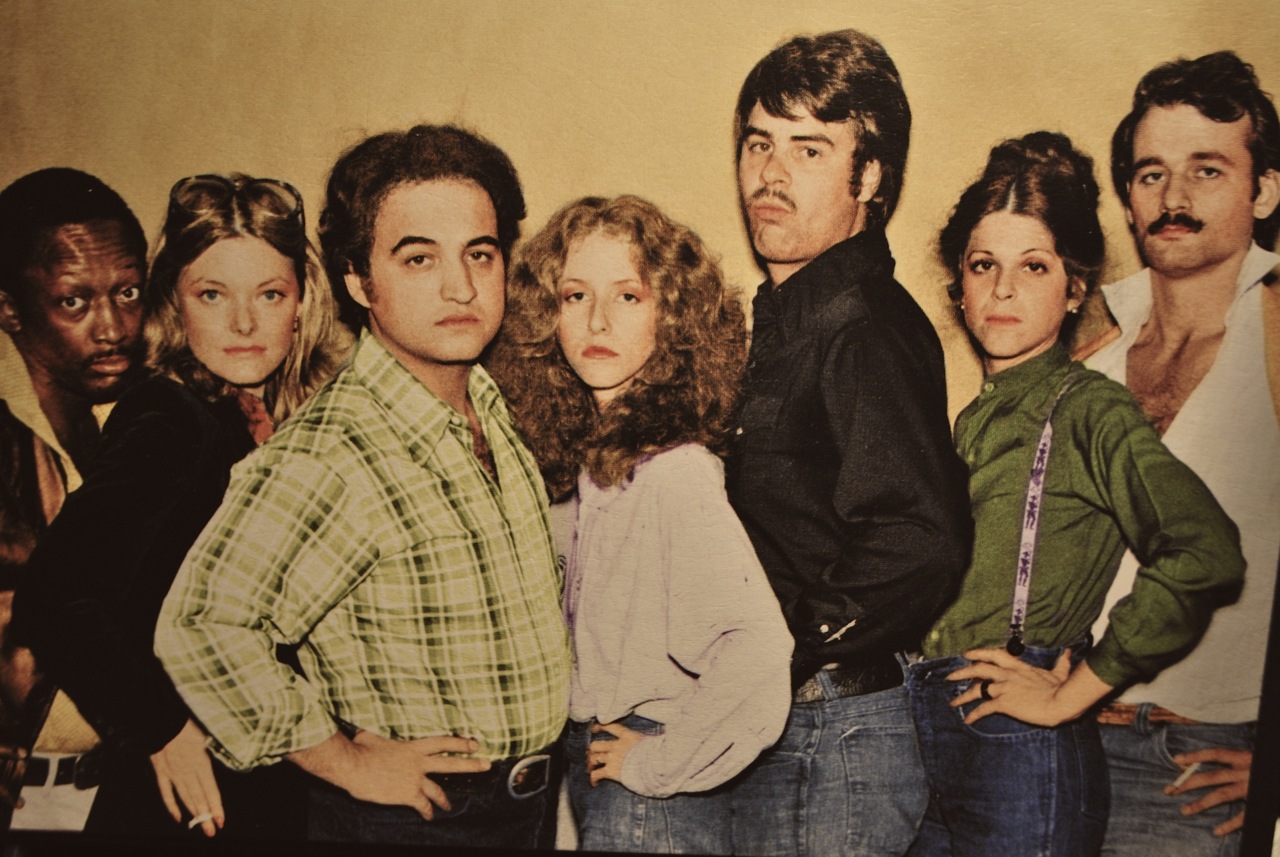 Dan Ackroyd tells a story about long days of rehearsals on the SNL set. An exhausted John Belushi would wander off and let himself into the house of a friend or a stranger, scrounging around for food before falling asleep in the house, unable to be found for the next day’s work. These outings were the inspiration for the SNL horror-spoof sketch “The Thing That Wouldn’t Leave”.
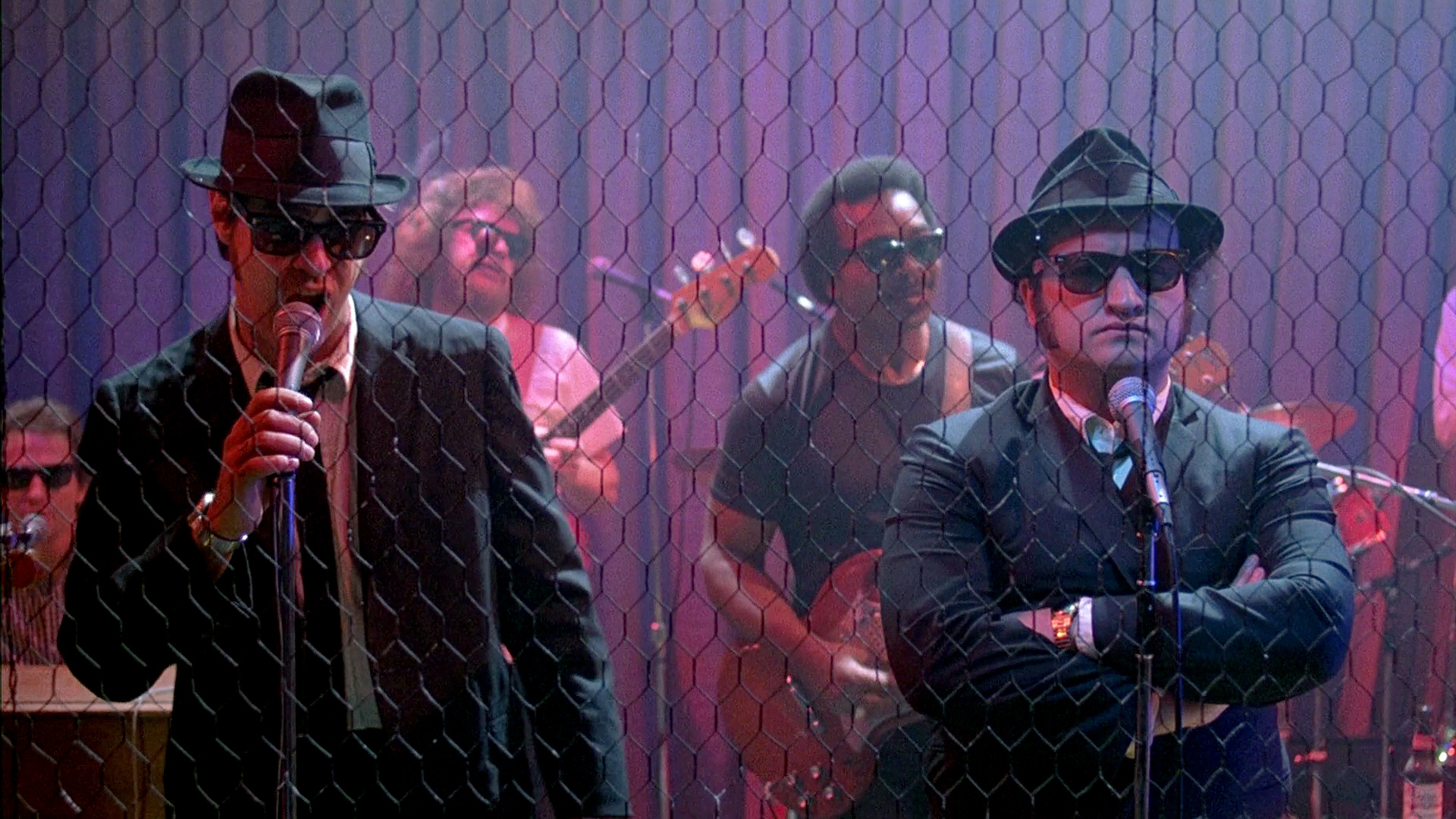 The Blues Brothers film premiered in Chicago on this day in 1980, four days before general release. Set in the windy city and sprawling across the Midwest, the musical/comedy film tells the story of a paroled convict and his brother, and their mission to save the Catholic orphanage in which they were raised from foreclosure. The Blues Brothers’ “Mission from God” needs to raise $5,000 to pay the orphanage’s property tax bill. To do so, the pair sets out to reignite their old R&B band, pursued by the police and wrecking 103 cars along the way, a world record for that time.
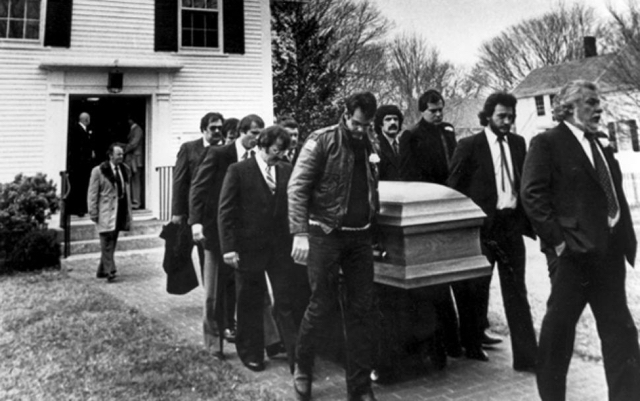 “Fans” repeatedly felt the need to desecrate the grave. The body was removed at Mrs. Belushi’s request and reburied in an undisclosed location. An unmarked tombstone in an undisclosed location marks the final burial location, where the man can at last rest in peace.
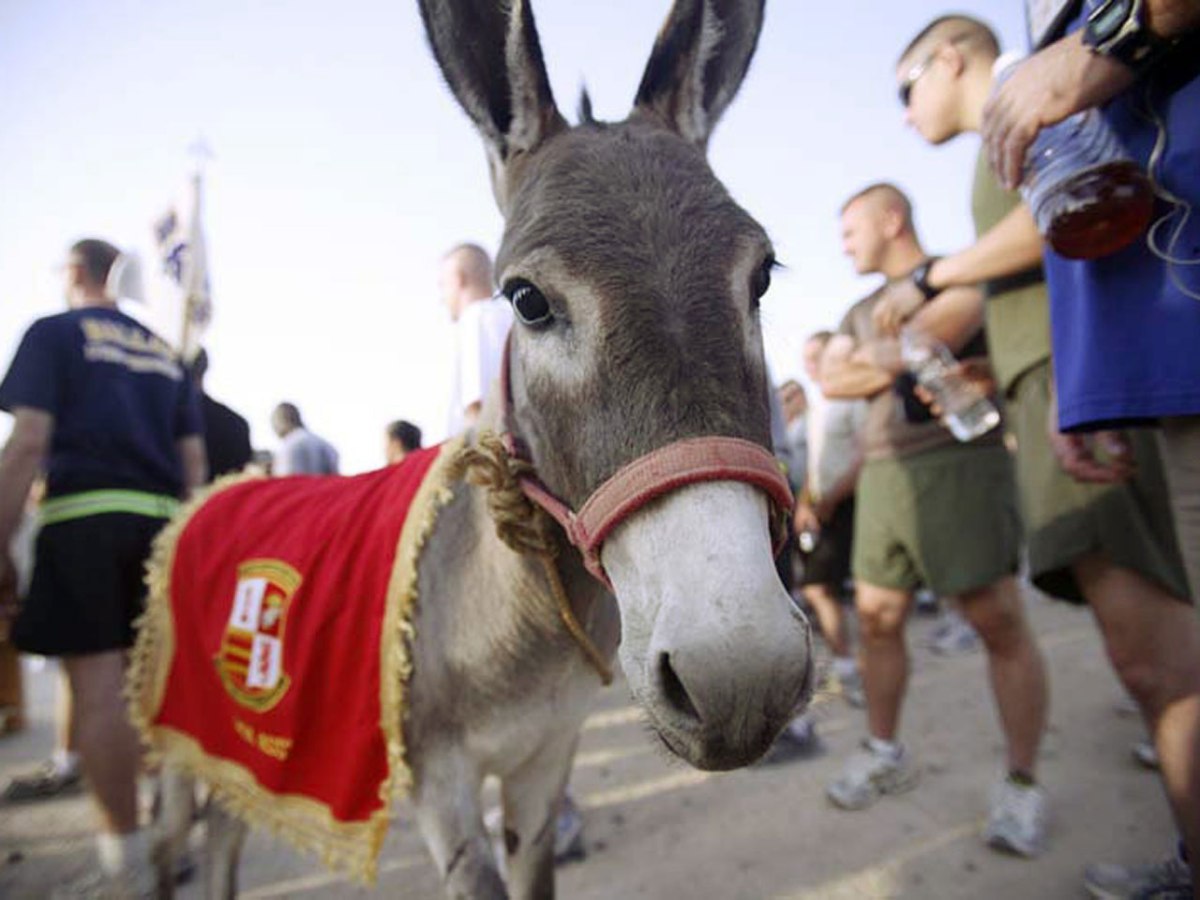

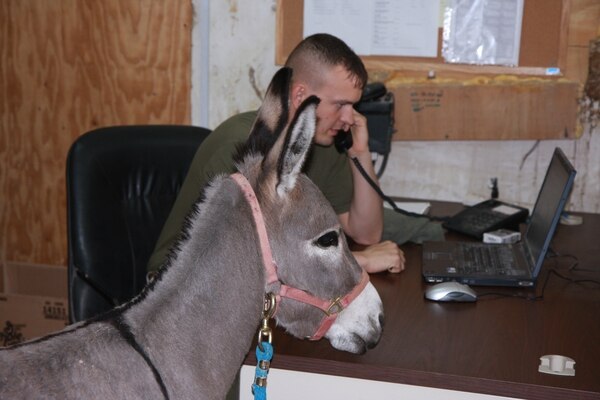
 Marines took him in, this malnourished Iraqi donkey, and built him a stable, and corral. The donkey would stroll into offices where he learned to open desk drawers in search of a goody. An apple, a carrot or some other sweet treat, planted there by some Marine. He loved to steal cigarettes whether lit or unlit and so it was, they called him “Smoke”.
 Smoke had his very own blanket, bright red and emblazoned with unit insignia, for the camp’s September 11 parade. On the side were these words, “Kick Ass”.
 Regulations prohibited keeping the animal on base but Colonel Folsom found a Navy psychologist, willing to designate Smoke a therapy animal. He was good for morale.
 After half a life serving the United States Marine Corps, John Folsom returned home to Omaha. He’d often think of his “battle buddy” and those long walks, around the base.
 Thus began “Operation Donkey Drop”, Folsom’s 18-month odyssey first to raise the funds and then to wrangle the red tape thrown in his way through multiple jurisdictions, on Smoke’s journey to his new home in Nebraska.
 Terri Crisp heads SPCAI’s “Baghdad pups”, reuniting US troops with dogs and cats they had once bonded with, while serving overseas. This was her first donkey.
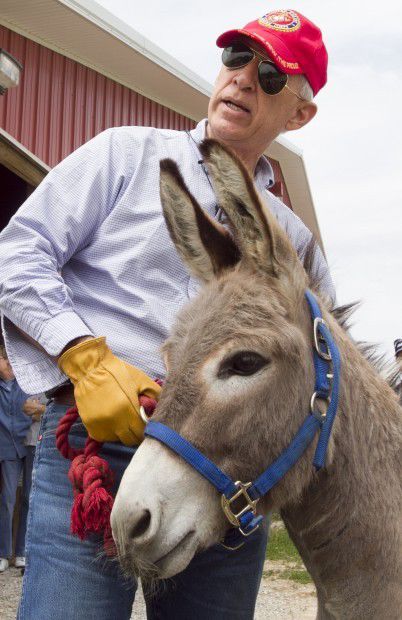 For Colonel John Folsom, USMC (retired), “semper fidelis” (“always faithful”) had become “semper fi(nally).”

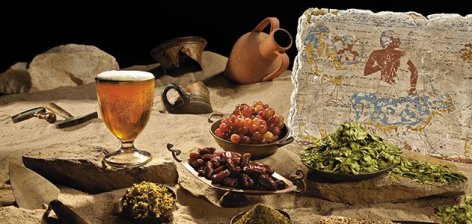 Tacitus scorned the bitter brew of Germanic barbarians. Wine seemed better suited to the sensibilities of the Roman palate. Nevertheless, letters from Roman cavalry commanders of the Roman Britain period, c. 97-103 AD, include requests for more “cerevisia“, for the legionaries.
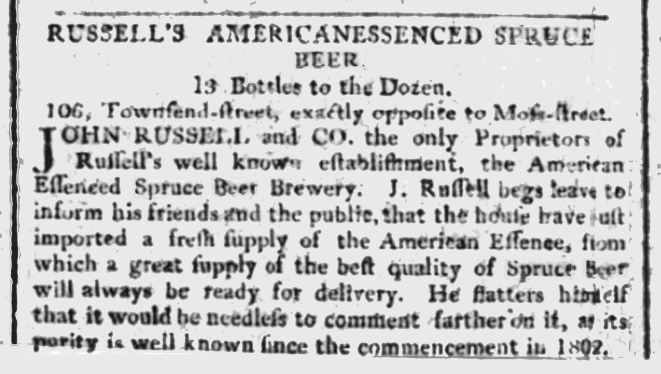 Prior to the drum roaster’s invention in 1817, malt was typically dried over wood, charcoal or straw fires, leaving a smoky quality which would seem foreign to the modern beer drinker. William Harrison wrote in his “Description of England” in 1577, “For the wood-dried malt, when it is brewed, beside that the drink is higher of colour, it doth hurt and annoy the head of him that is not used thereto, because of the smoke“.
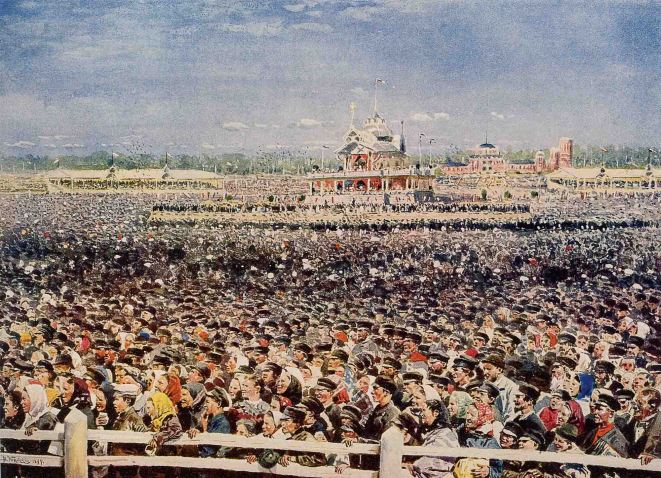
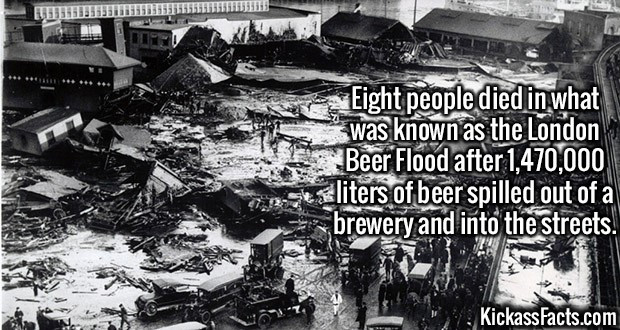 1,389 were trampled to death and another 1,300 injured in a
  The 18th amendment, better known as “prohibition”, went into effect at midnight, January 16, 1920. For thirteen years it was illegal to import, export, transport or sell liquor, wine or beer in the United States.
 Organized crime became vastly more powerful due to the influx of enormous sums of cash. The corruption of public officials was a national scandal.
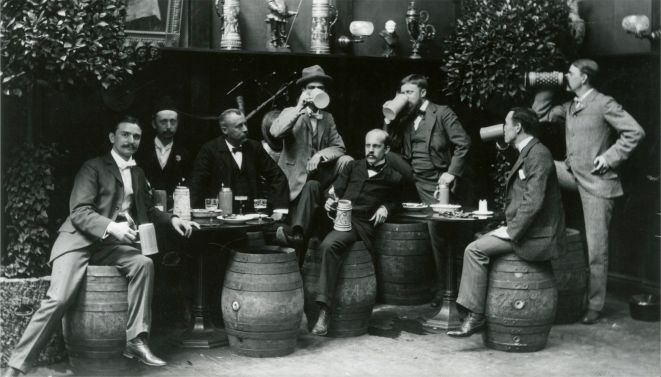 Finally, even John D. Rockefeller, Jr., a lifelong teetotaler who contributed $350,000 to the Anti-Saloon League, had to announce his support for repeal.
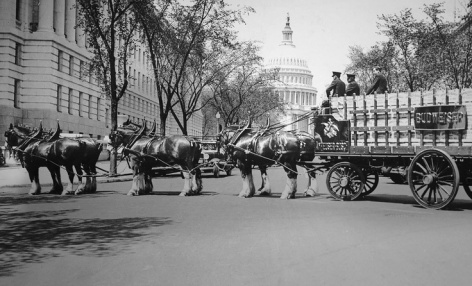 “Dry” leaders tried to prohibit consumption of alcohol on military bases in 1941, but military authorities claimed it was good for morale. Brewers were required to allocate 15% of total annual production to be used by the armed forces. So essential were beer manufacturers to the war effort, that teamsters were ordered to end a labor strike against Minneapolis breweries. Near the end of WWII, the army made plans to operate recaptured French breweries, to ensure adequate supplies for the troops.
 The night before Roosevelt’s law went into effect, April 6, 1933, beer lovers lined up at the doors of their favorite watering holes, waiting for their first legal beer in thirteen years.

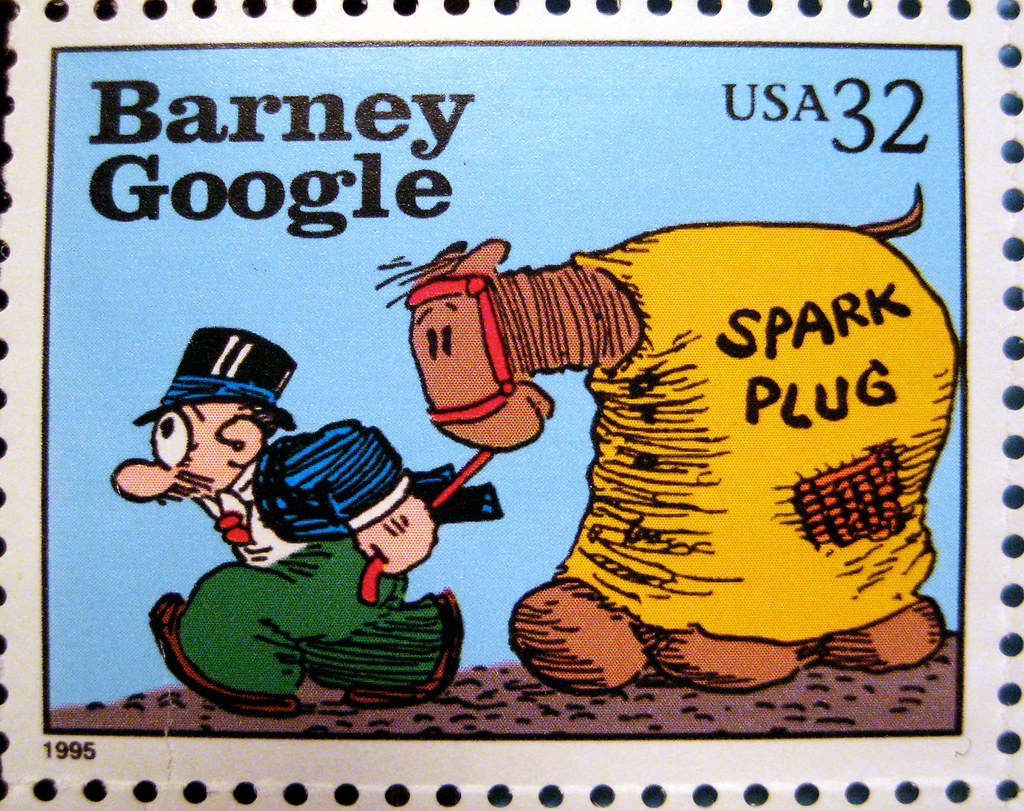 Rubenstein hated the nickname and was quick to fight anyone who called him that. It may have been that hot temper, that made the name stick.
 Ruby was a low-rent gangster, involved in typical underworld activities like gambling, narcotics and prostitution. There were rumored associations with Mafia boss Santo Trafficante.
 Today, you may know Rick Danko, Levon Helm, Garth Hudson and Robbie Robertson as musicians who played with Bob Dylan in 1965, later going on the road as “The Band” and performing such rock & roll standards as “The Night they Drove Old Dixie Down”, “Up on Cripple Creek” and “The Weight”.
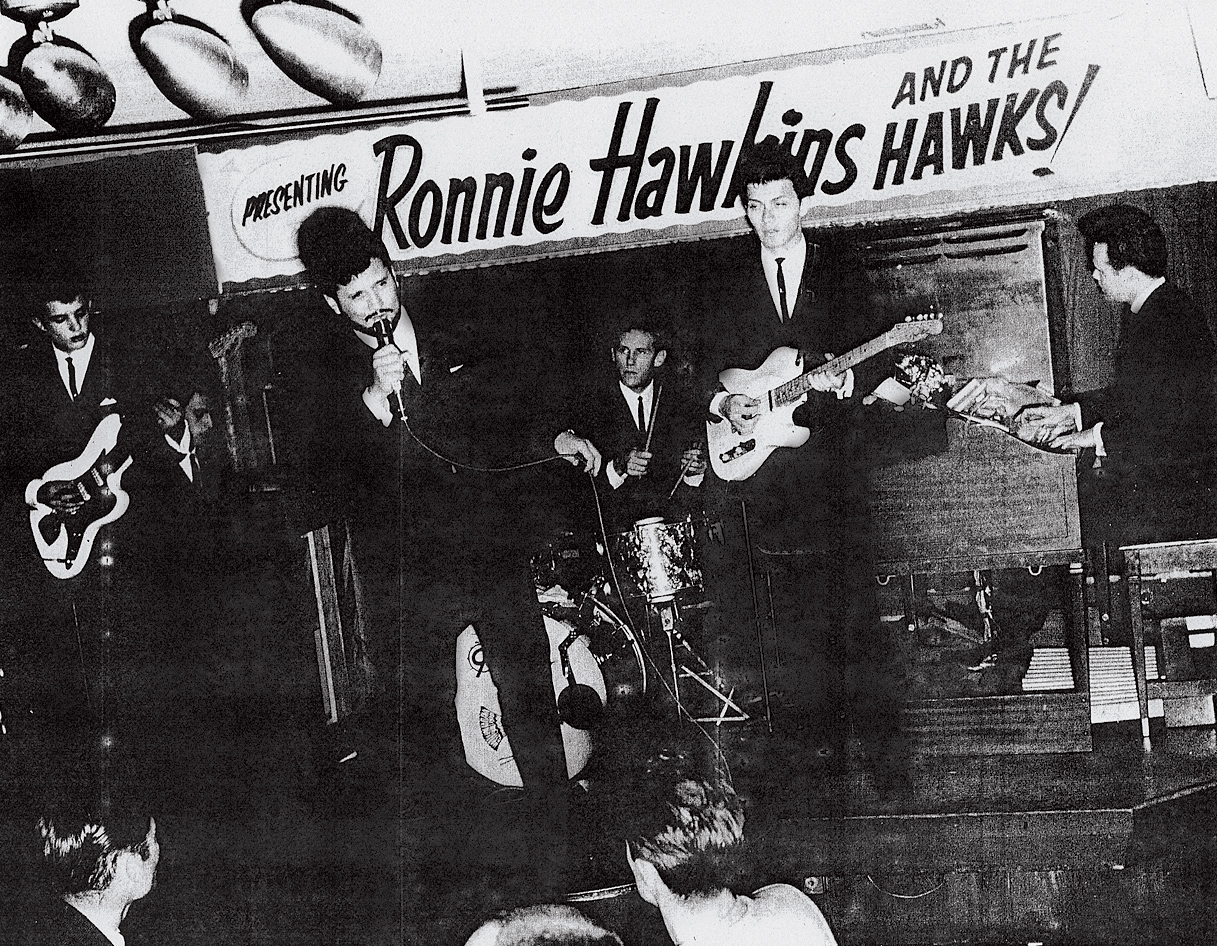 Part of the roof had blown off this joint. Either that or it burned off, depending on which version you believed. Jack, the club owner, tore off the rest of it and kept the insurance money, calling this fine establishment, the “Skyline Lounge”.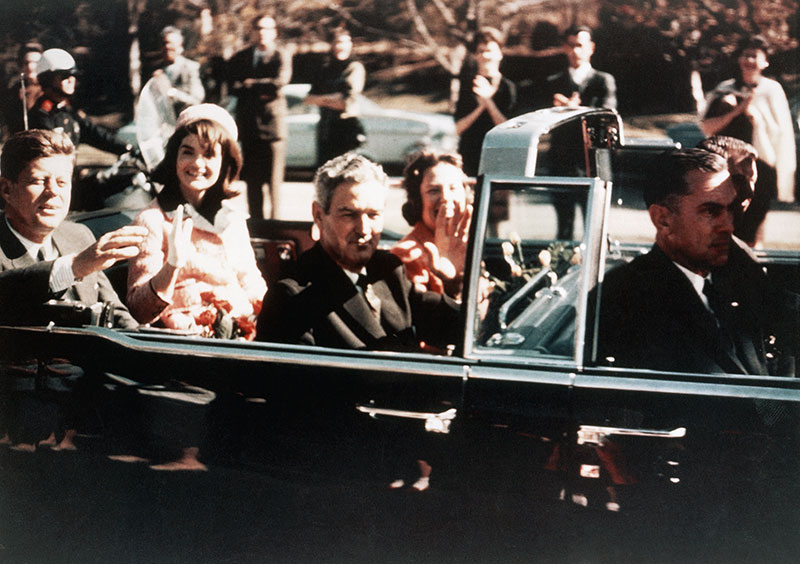

 The Warren Commission found no evidence linking Jack Ruby’s murder of Lee Harvey Oswald, to any broader conspiracy to assassinate the President. What became of Jacob Leon “Sparky” Rubenstein’s Skyline Lounge, is unknown to this writer.
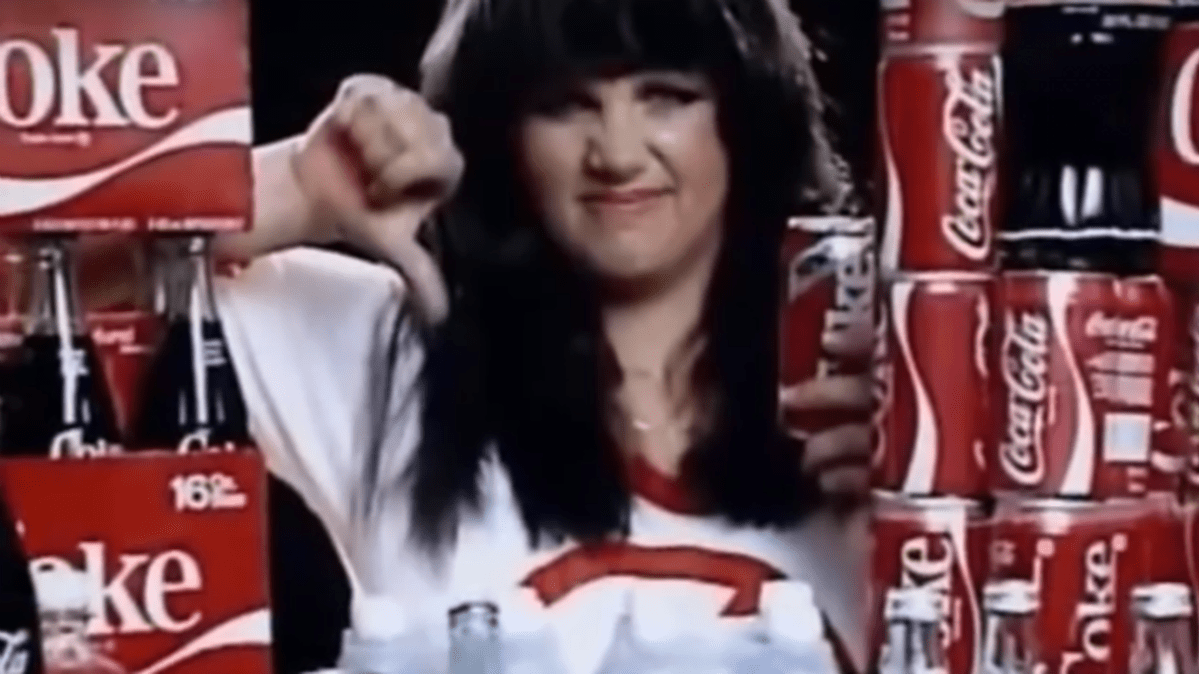
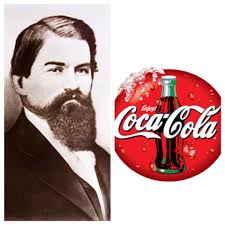 At first sold for their therapeutic value, consumers increasingly bought carbonated beverages for refreshment.
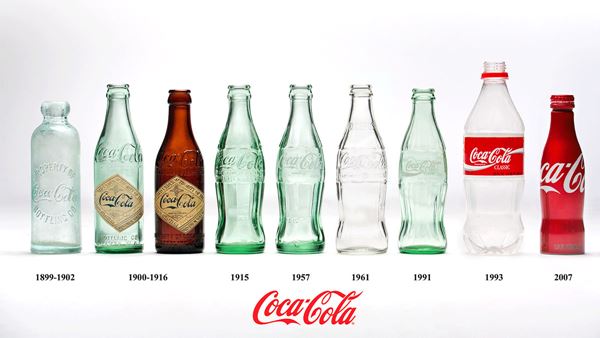 The most famous rivalry in the soft drink business began in the 1930s, when Pepsi offered a 12oz bottle for the same 5¢ as Coca Cola’s six ounces.
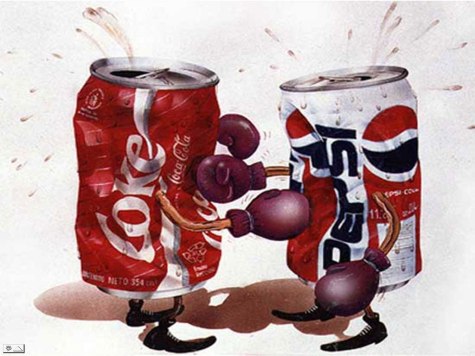 By the ’80s, market analysts believed that aging baby boomers were likely to switch to diet drinks and any growth in the full calorie segment was going to come from younger consumers, who preferred the sweeter taste of Pepsi.
 On an April Friday in 1985, Coke let the media know that a major announcement was coming the following Tuesday. Coca Cola officials spent a busy weekend preparing for the re-launch, while Pepsi Executives announced a company-wide holiday, taking out a full page ad in the New York Times, crowing that “Pepsi had Won the Cola Wars”.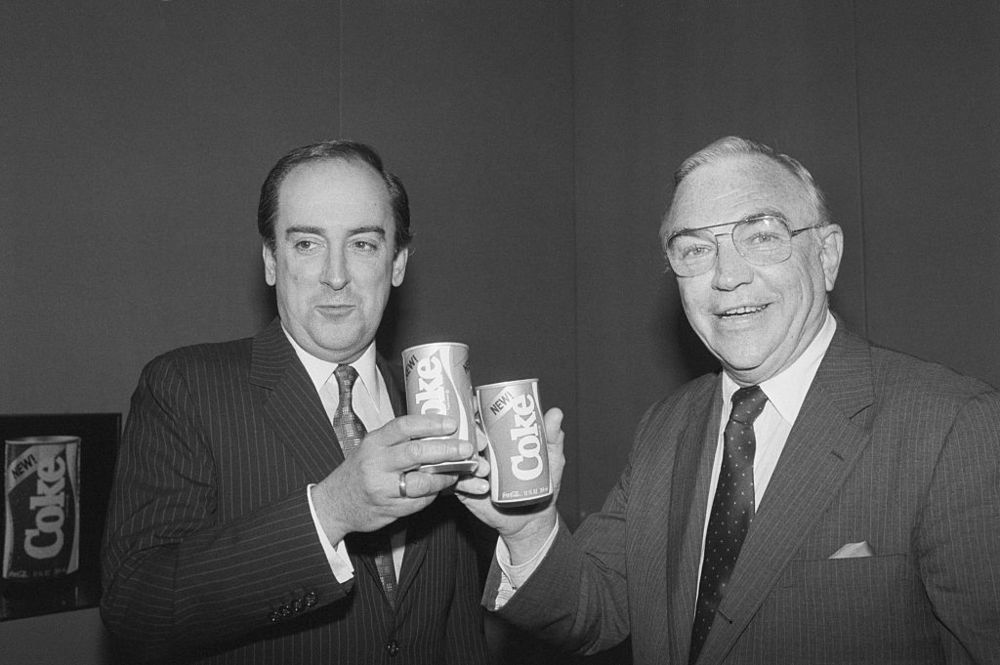
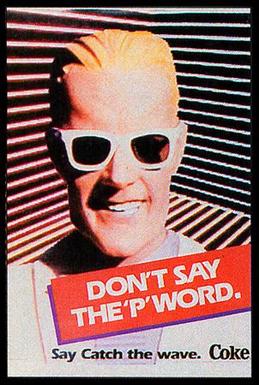 Not even Max Headroom and his stuttering “C-c-c-catch the wave!” could save the company.
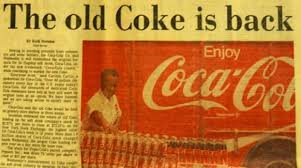 So it was that, in 1985, Coca Cola announced they’d bring back the 91-year old formula. One reporter asked Keough if the whole thing had been a publicity stunt. Keough’s answer should be taught in business schools the world over, if it isn’t already. “We’re not that dumb,” he said, “and we’re not that smart”.

 To anyone under the age of 40, the Cold War must seem a strange and incomprehensible time. Those of us who lived through it, feel the same way.
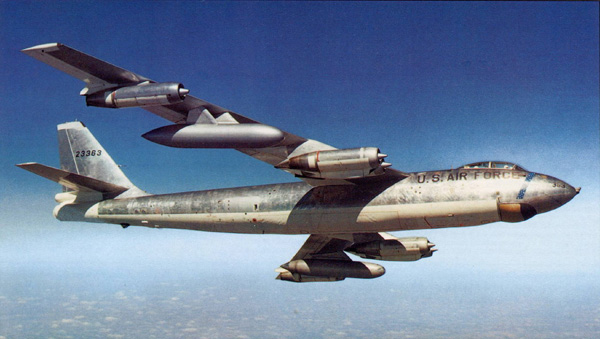 At 15,000-feet, a warning light came on in the cockpit, indicating the load wasn’t properly secured. Not wanting a thing like that rattling around in the back, Captain Earl E. Koehler sent navigator Bruce M. Kulka, to investigate. Kulka slipped and grabbed out for something, to steady himself. That “something” just happened to be, the emergency release.
 Three years later, a B-52 Stratofortress carrying two Mark 39 thermonuclear bombs broke up in the air over Goldsboro, North Carolina. Five crew members ejected from the aircraft at 9,000-feet and landed safely, another ejected but did not survive the landing. Two others died in the crash.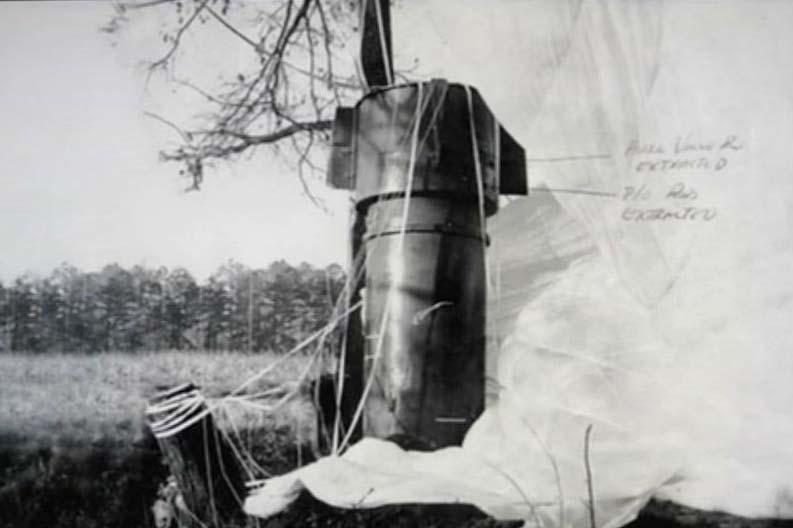
 Over the years, members of the flight crew stopped by to apologize for the episode.
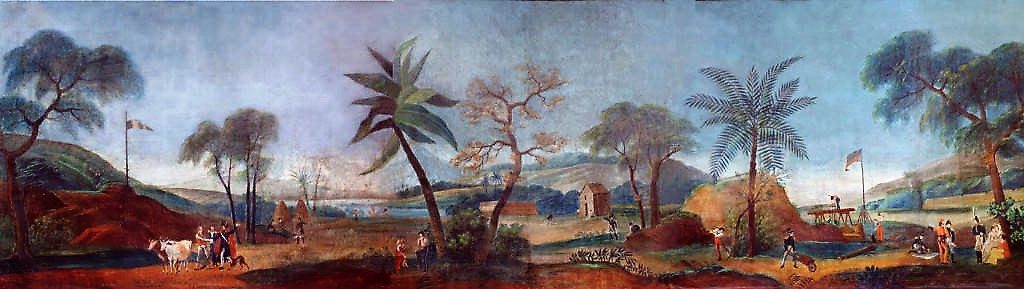
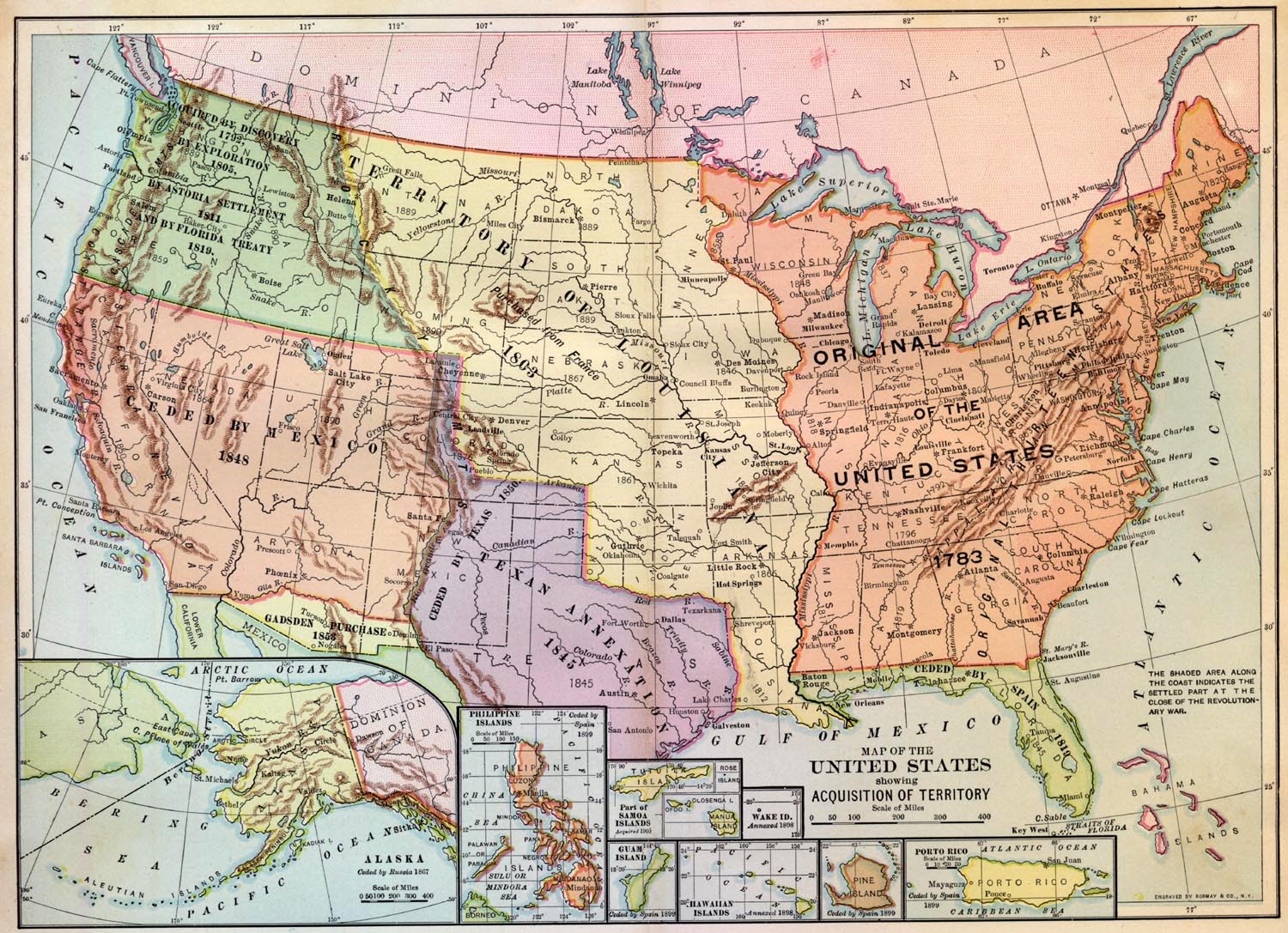
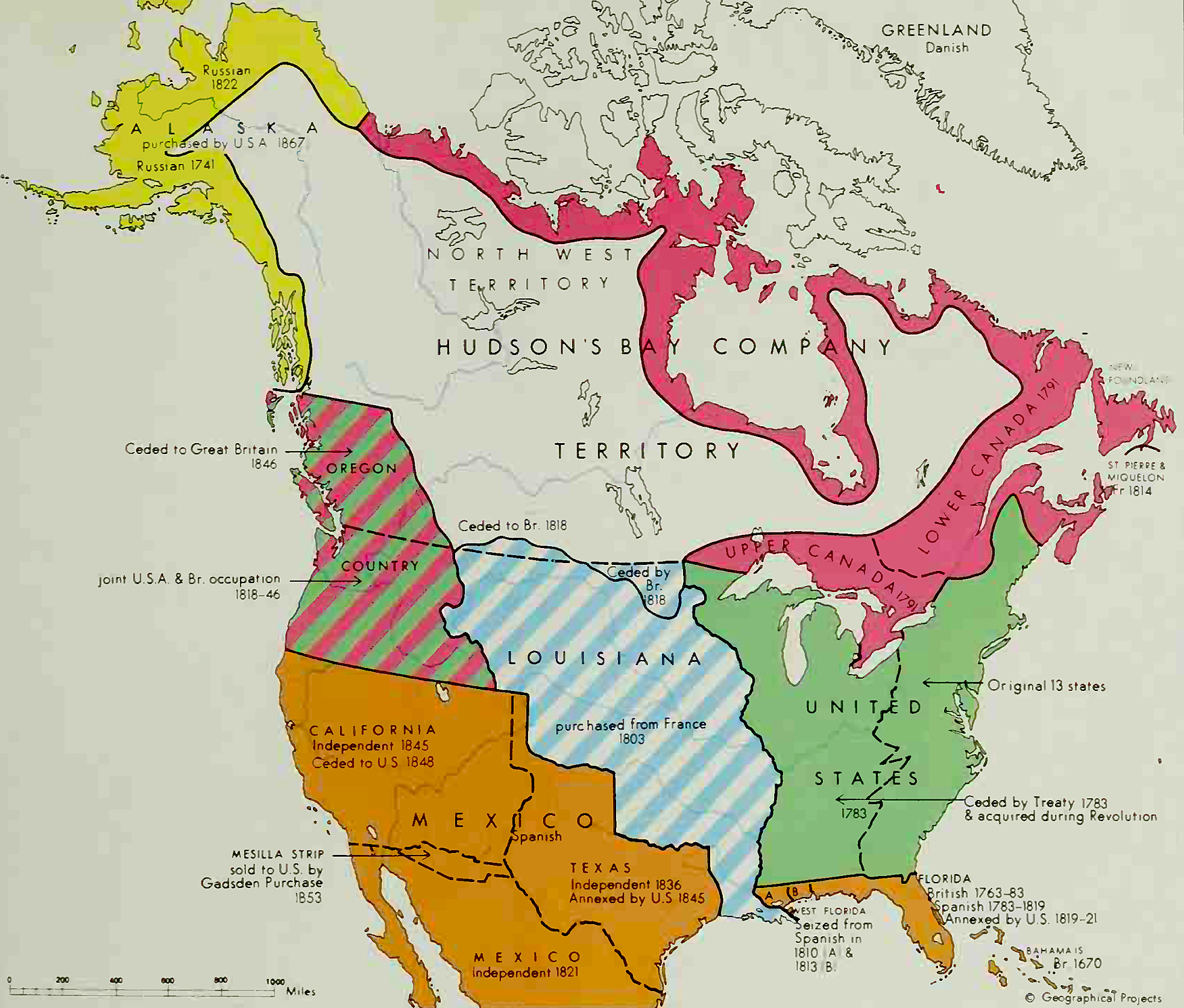 Those first ten years of independence was a time of increasing unrest for the American’s French ally, of the late revolution. The famous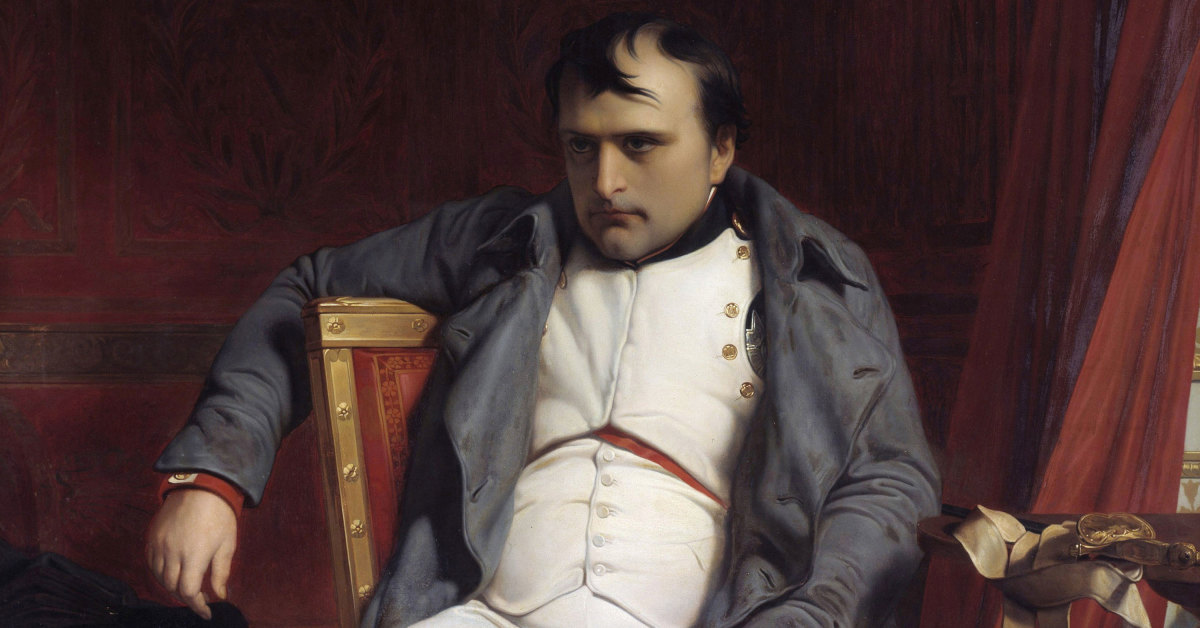
 Napoleon Bonaparte, crowned Emperor the following year, would fight (and win) more battles than Julius Caesar, Hannibal, Alexander the Great and Frederick the Great, combined.
 Jean-Simon Chaudron founded the Abeille Américaine in 1815 (The American Bee), Philadelphia’s leading French language newspaper. Himself a refugee of Santo Domingo (Saint-Domingue), Chaudron catered to French merchants, emigres and former military figures of the Napoleonic era and the Haitian revolution.
 In January 1817, the Society for the Vine and Olive selected a site near the Tombigbee and Black Warrior Rivers in west-central Alabama, on former Choctaw lands. On March 3, 1817, Congress passed an act “disposing of a tract of land to embrace four townships, on favorable terms to the emigrants, to enable them successfully to introduce the cultivation of the vine and olive.”
 General Charles Lallemand, who joined the French army in 1791, replaced Lefebvre-Desnouettes as President of the Colonial Society. A man better suited to the life of an adventurer than that of the plow, Lallemand was more interested in the wars of Latin American independence, than grapes and olives. By the fall of 1817, Lallemand and 69 loyalists had concocted a plan to sell the land they hadn’t yet paid for, to raise funds for the invasion of Texas.
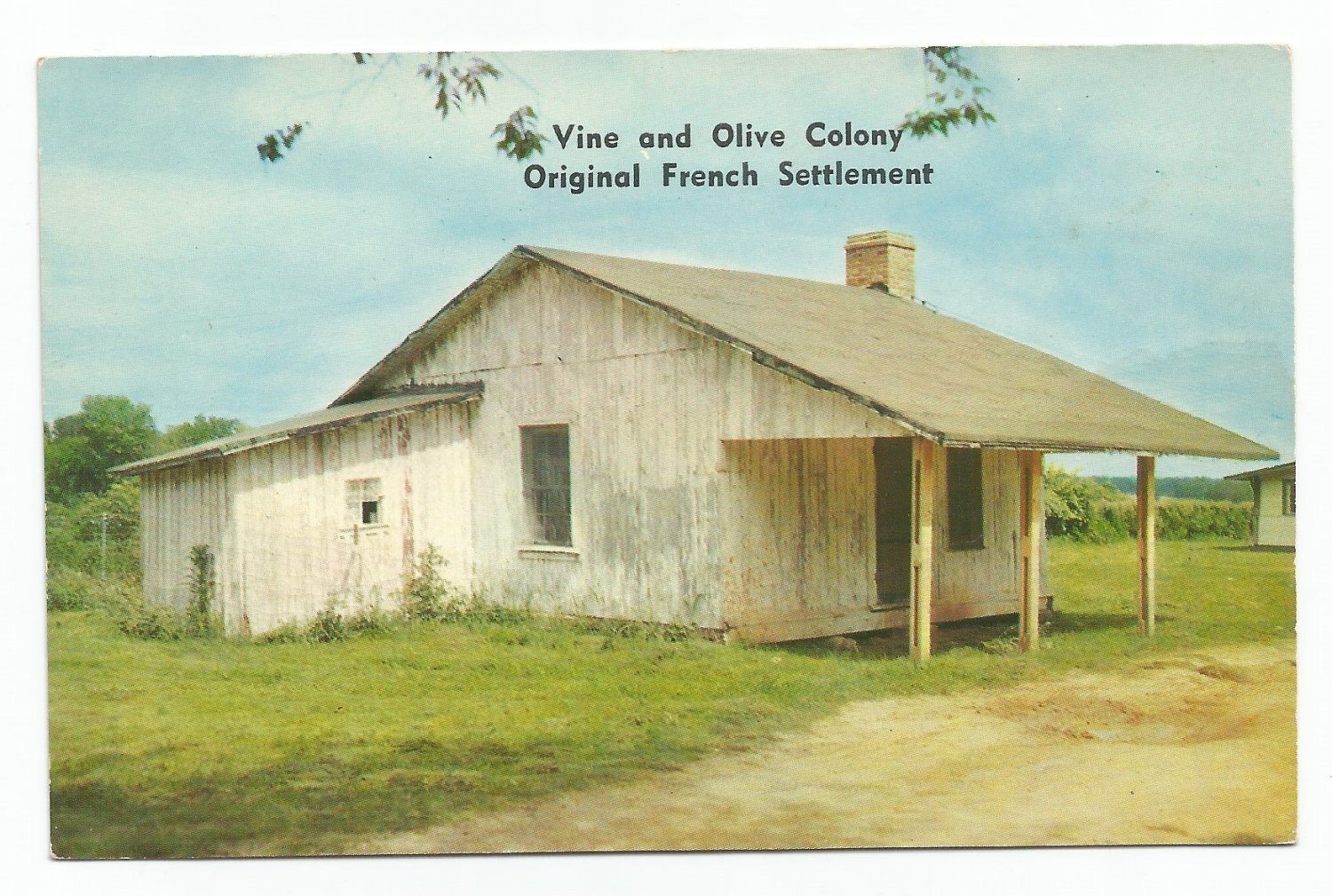 Little is left of the Vine and Olive Colony but the French Emperor lives on, in western Alabama. Marengo County commemorates Napoleon’s June 14, 1800 victory over Austrian forces at the Battle of Marengo. The county seat, also known as Marengo, was later renamed Linden. Shortened from the Napoleonic victory over Bavarian forces led by Archduke John of Austria, at the 1800 battle of Hohenlinden.

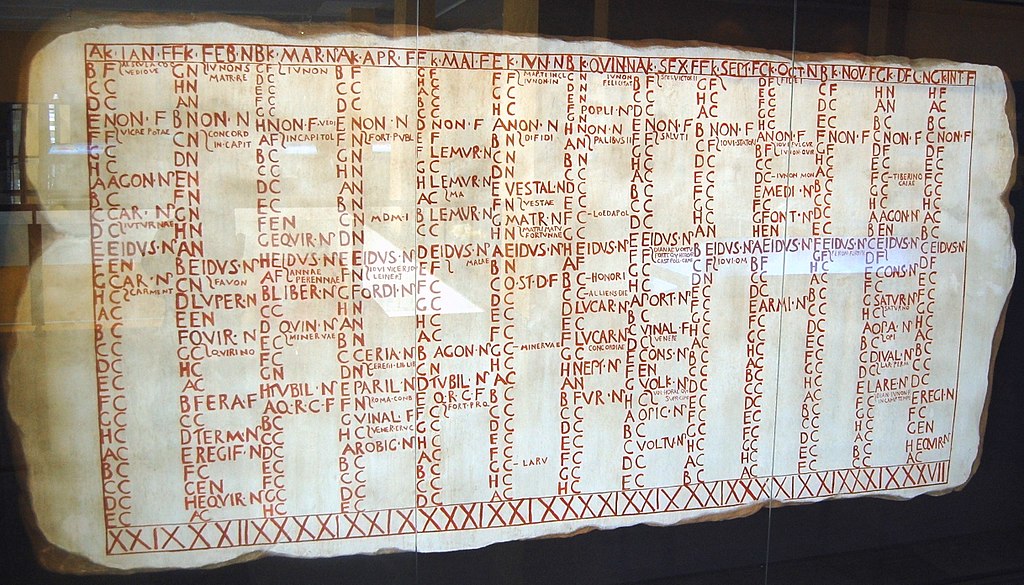 The second month had 30 days back then, when Caesar renamed his birth month from Quintilis to “Julius”, in honor of himself. Rank hath its privileges. To this day, it’s why we have “July”. Not to be outdone, Caesar’s successor Caesar Augustus changed Sextilis to Augustus and, you got it, today we have August. The only thing was, that Augustus had only 29 days to Julius’ 31, and we can’t have that.
 There is an old legend that St. Bridget complained to St. Patrick back in the 5th century, that women had to wait too long for beaus to “pop the question”. Other versions of the story date back before English Law recognized the Gregorian calendar, meaning that the extra day had no legal status. Be that as it may, it is customary in many places for a woman to propose marriage on the 29th of February. According to legend, one old Scottish law of 1288 would fine the man who turned down such a proposal.
 “With great howling and lamentation” wrote Columbus’ son Ferdinand, “they came running from every direction to the ships, laden with provisions, praying the Admiral to intercede by all means with God on their behalf; that he might not visit his wrath upon them”.
 Historical Easter Eggs - Today in History
You must be logged in to post a comment.