

In the period between the World Wars, the Wright brothers’ first flight at Kittyhawk was well within living memory. The flying Aces of the Great War seemed like some kind of modern-day knights, and many became pop-culture heroes. Wood-and-fabric biplanes gave way to sleek, metal monoplanes, while air races and daring, record-setting flights seemed a constant feature of the daily news.
The first non-stop transatlantic flight in history began on June 14, 1919, when British aviators John Alcock and Arthur Whitten Brown departed St. John’s, Newfoundland in a modified bomber, arriving in Ireland the following day.
Charles Lindbergh’s better known (and longer) New York to Ireland flight began in the early morning hours of May 20, 1927, when the custom-built, linen-skinned Ryan Aeronautical Company monoplane Spirit of St. Louis departed Roosevelt Field on Long Island, New York.
33½ hours later, thousands of spectators’ cars were caught up in “the largest traffic jam in Paris history”, to be there for the landing at Le Bourget Aerodrome.
Heavier-than-air flight, once considered an impossibility, was coming of age.

Two months after Lindbergh’s famous flight across the Atlantic, a pineapple magnate offered a prize of $25,000 to the first pilot to fly from Oakland to Honolulu, an orthodromic (Great Circle) distance of 2,406.05 miles. A $10,000 prize was offered for a second-place finisher.
The overture from James Drummond Dole, founder of the Hawaiian Pineapple Company (now known as Dole Foods), attracted 33 entrants for the event. 14 were selected for starting positions following inspections. By August 16, 1927, race day, the final list of starters was down to eight.

Aviation was not for the faint of heart in 1927. Disaster claimed the lives of competitors, before the race even began. One Pacific Aircraft Company J-30 known as the Tremaine Hummingbird crashed in heavy fog on August ten on the way to Oakland, killing Naval Lieutenants George Covell and Richard Waggener.
The pair had drawn starting position #13, for race day.
British aviator Arthur Vickers Rogers was killed the following day, just after takeoff in his Bryant Monoplane the Angel of Los Angeles. Still another aircraft, the Miss Doran, was forced to make an emergency landing in a farm field, and the International Aircraft Corporation F-10 triplane Pride of Los Angeles crashed into San Francisco Bay on final approach to Oakland.

Happily, the occupants of neither aircraft were hurt, though the latter came away wetter for the experience.

Eight entrants remained by the morning of the 16th, but that number was whittled down, fast.
Oklahoma took off but soon returned, due to engine trouble. El Encanto and the PABCO Pacific Flyer, crashed on takeoff. Fortunately, none of the three crews were hurt.
The Golden Eagle took off without a problem, and disappeared into the west. PABCO Pacific Flyer took her second attempt, only to crash. Again.
Miss Doran, freshly repaired following her unscheduled landing in that farmers field, crashed on takeoff, but the second attempt proved successful.
On board Miss Doran were John “Auggy” Pedlar at the stick and Lieutenant Vilas Raymond Knope, U.S. Navy, Navigating. This entrant carried a passenger too, Miss Doran herself, a 22-year-old fifth-grade school teacher from Flint, Michigan.
Dallas Spirit took off, but quickly returned to Oakland. The last two entrants, a Breese-Wilde 5 Monoplane called Aloha and Woolaroc, a Travel Air 5000, took off and headed west, without a problem.
This last entrant, with Arthur Cornelius Goebel as pilot and Lieutenent (j.g.) William Virginius Davis, Jr., U.S. Navy, as navigator, won the air race, crossing the Pacific and landing in Honolulu with a time of 26 hours, 17 minutes.

Neither Golden Eagle nor Miss Doran were ever seen again.
Forty ships of the United States Navy scoured the ocean for Miss Doran and Golden Eagle, but to no avail. Dallas Spirit was repaired and joined in the ocean search but she too disappeared, never to be seen again.

Mildred Alice Doran had once said, “Life is nothing but a chance.” Miss Doran had taken her chance and lost, at the dawn of the age of aviation.
Ten years later almost to the day, another pioneering female aviator would take her chance, crossing the vast expanse of Pacific Ocean. She too would disappear without a trace, joining her sister and so many others, at the bottom of some unmarked and watery grave.
A tip of the hat to This Day in Aviation.com, for all these great photographs.

 The oldest winery for which archaeological evidence exists was established around BC4100, in present-day Armenia. The Egyptian Pharoahs were producing a wine-like substance from 3100BC for use in public ceremonies, due to its resemblance to blood.
 Sounds like a great job, as Greek Gods go.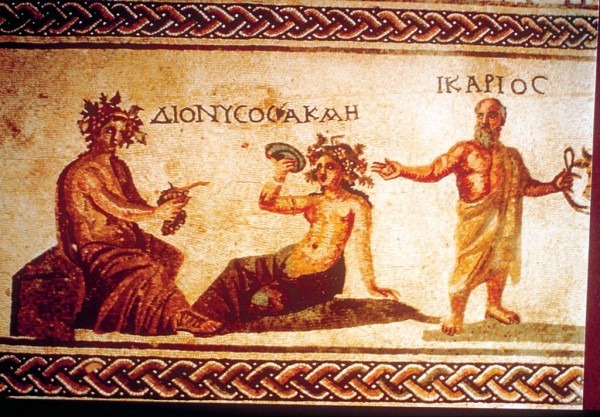
 The legions of Rome expanded the Empire across Europe from modern day France and Germany into Portugal and Spain. Everywhere the Legions went, vineyards were soon to follow. To this day, some regions are said to have more ‘Terroir’, than others.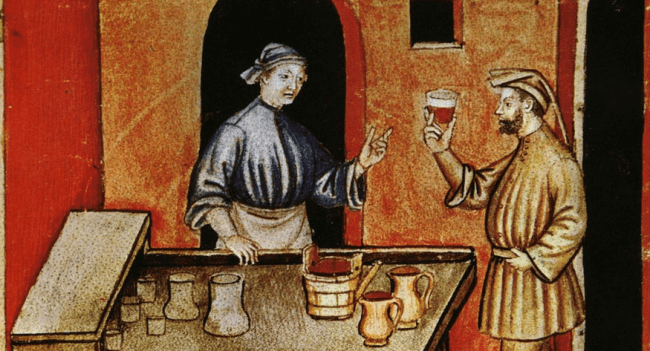
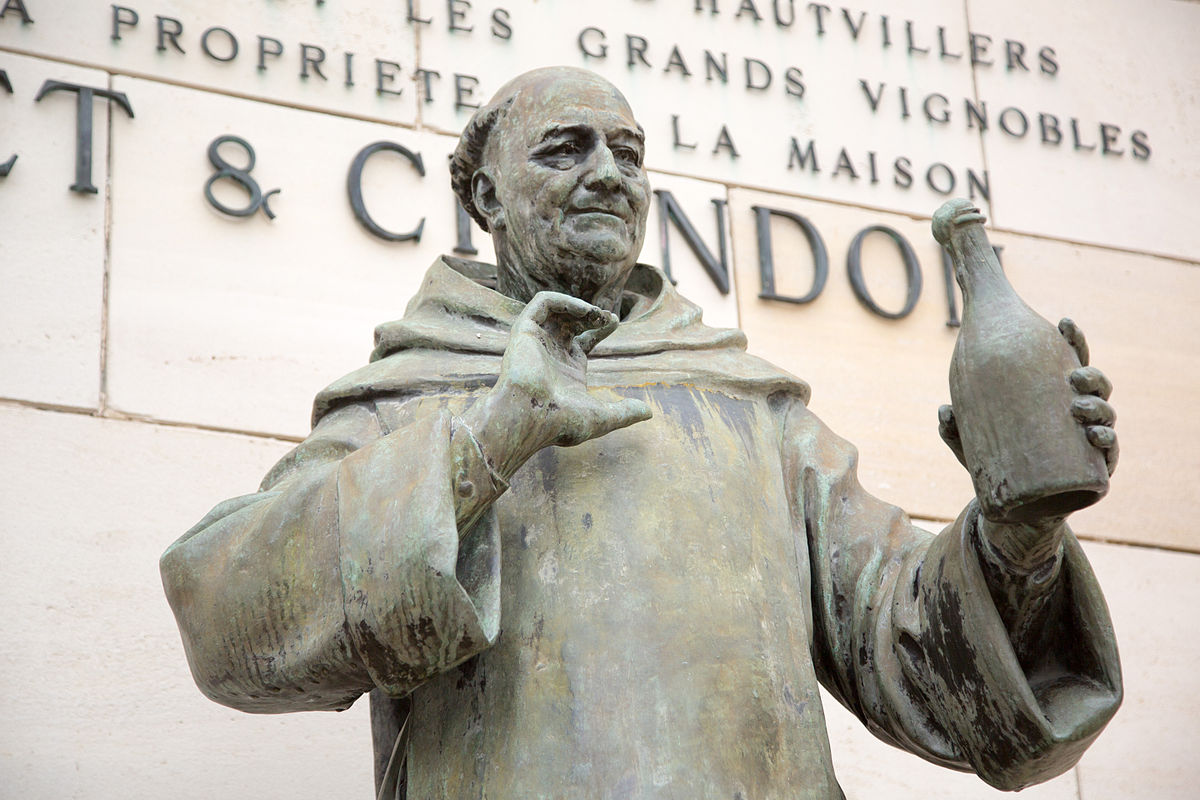
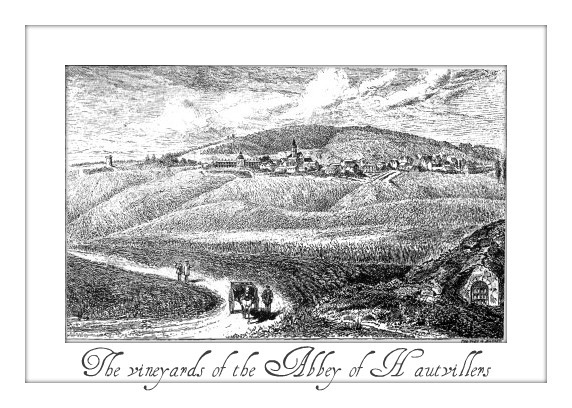 The story is almost certainly a myth, a later embellishment to the story. During his 47 year career, Pérignon went to considerable lengths to eliminate bubbles from his wine. Dom Pérignon never succeed in that goal, yet he did make bubbly wine a whole lot better, using corks for the first time to prevent the escape of carbon dioxide, and perfecting a ‘gentle’ pressing technique which left out the murkiness of the skins.
 Pérignon didn’t like white grapes because of their tendency to enter refermentation. He preferred the Pinot Noir, and would aggressively prune the plants so that vines grew no higher than three feet and produced a smaller crop. The harvest was always in the cool, damp early morning hours, and Pérignon took every precaution to avoid bruising or breaking his grapes. Over-ripe and overly large fruit was always thrown out. Pérignon never permitted grapes to be trodden upon, always preferring the use of multiple presses.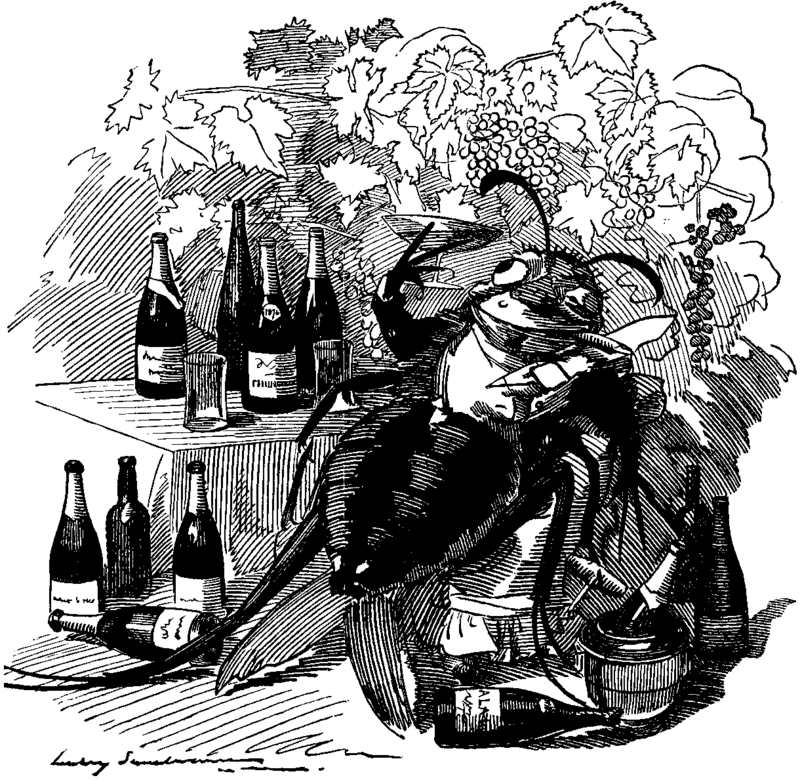



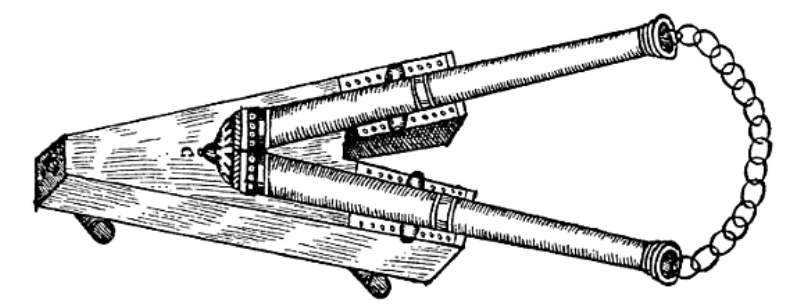
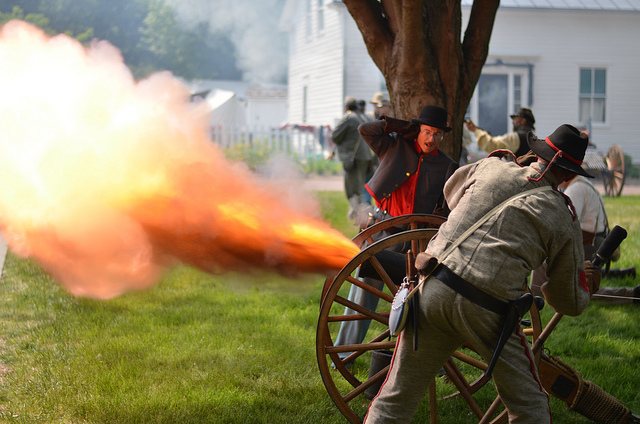
 Augustus Longstreet Hull was born 1847 in “The Classic City” of Athens Georgia, and enlisted in the Confederate Army on September 8, 1864.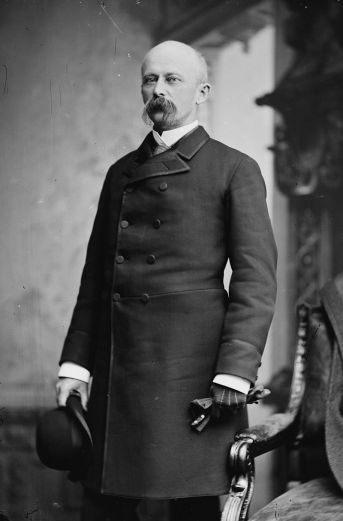



 The scandal of the 1919 “Black Sox” series began when Arnold “Chick” Gandil, the first baseman with ties to Chicago gangsters, convinced his buddy and professional gambler Joseph “Sport” Sullivan, that he could throw the World Series against the Cincinnati Reds. New York gangster Arnold Rothstein supplied the money through his right-hand man, former featherweight boxing champion Abe Attell.

 in the possession of Comiskey’s lawyer. It’s funny how that works.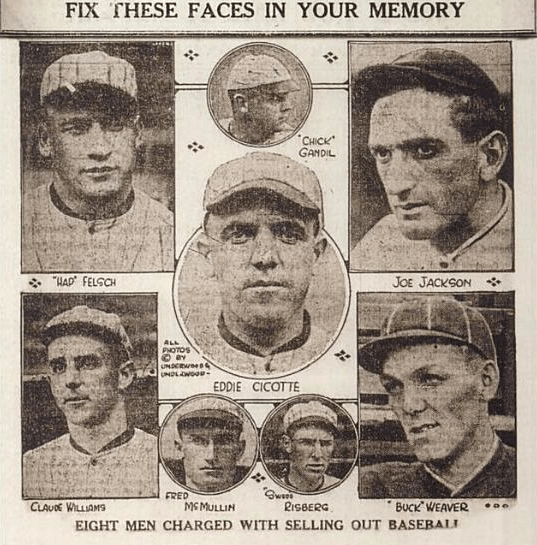


 The first non-stop transatlantic flight in history began on June 14, 1919, when British aviators John Alcock and Arthur Whitten Brown departed St. John’s, Newfoundland in a modified bomber, arriving in Ireland the following day.
 Five years later, “Lady Lindy” disappeared over the South Pacific, along with copilot Frederick J. Noonan.
 Corrigan made additional modifications and repeated applications over the next two years, all of which were rejected. By 1935, the once-freelance aviation industry faced increasing government regulation. Corrigan found his project losing ground. . In 1937, federal officials not only rebuffed his flight plan. Authorities deemed Corrigan’s aircraft Sunshine unstable for safe flight, and denied renewal of its license to fly.
 Aviation officials were apoplectic that a New York to California flight plan, would wind up in Ireland. At a time when Western Union charged by the word, the pilot was excoriated with a 600-word diatribe, enumerating the pilot’s transgressions. Corrigan served a 14-day suspension of his flying license, ending the day he returned with his aircraft aboard the steamship Manhattan.
 Wrong Way Corrigan flight tested bombers during WW2 and retired in 1950, and bought an orange grove in Santa Ana, California. He claimed he knew nothing about growing oranges, he just copied what his neighbors were doing.

 What would it be like to turn on CNN or Fox News, to learn that Former Secretary of the Treasury Jacob (‘Jack’) Lew was party to a duel and that he was near death, after being shot by the sitting Vice President of the United States, Mike Pence.


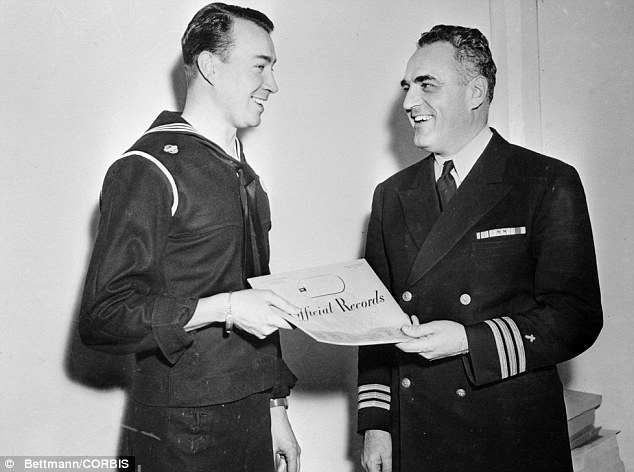
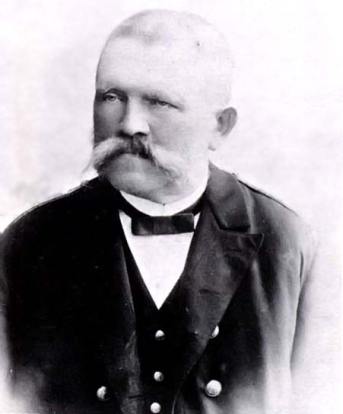
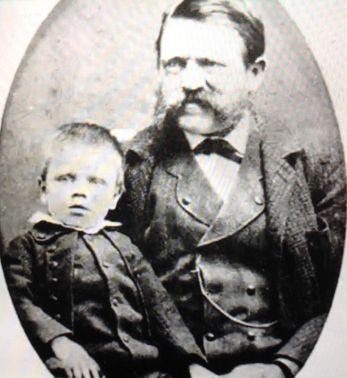 There are plenty of tales regarding the man’s paternity, but none are any more than that. Alois Schicklgruber ‘legitimized’ himself in 1877, adopting a variant on the name of his stepfather and calling himself ‘Hitler”.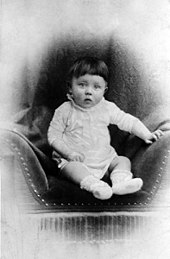
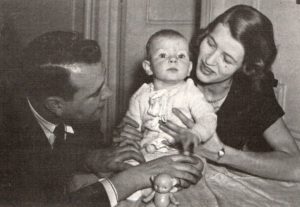


 In pre-1955 America and around much of the world, Summer was a time of dread. TIME Magazine offered what solace it could, in 1946: “for many a parent who had lived through the nightmare fear of polio, there was some statistical encouragement: in 1916, 25% of polio’s victims died. This year, thanks to early recognition of the disease and improved treatment (iron lungs, physical therapy, etc.) the death rate is down to 5%.”
 Charles Vansant’s left thigh was stripped to the bone. He was brought to the Engleside hotel, where he bled to death on the front desk.
 Like some earlier, real-life “Jaws”, authorities and the press downplayed the incident. The New York Times reported that Vansant “was badly bitten in the surf … by a fish, presumably a shark.” Pennsylvania State Fish Commissioner and former director of the Philadelphia Aquarium James M. Meehan opined that “Vansant was in the surf playing with a dog and it may be that a small shark had drifted in at high water, and was marooned by the tide. Being unable to move quickly and without food, he had come in to bite the dog and snapped at the man in passing“.
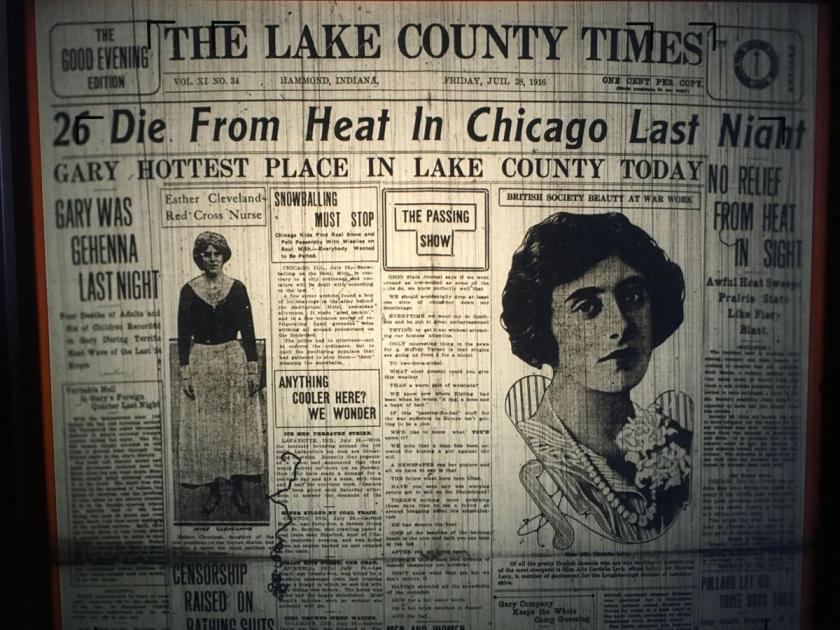
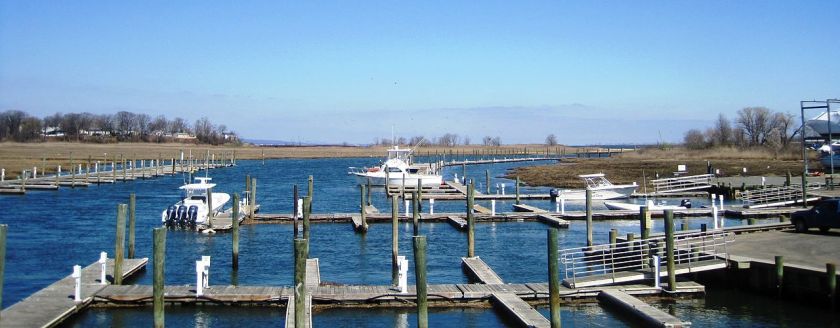


 Based on the style of the attacks and glimpses of the shark(s) themselves, the attacks may have been those of Bull sharks, or juvenile Great Whites. Massive shark hunts were carried out all over the east coast, resulting in the death of hundreds of animals. Whether all five attacks were carried out by a single animal or many, remains unknown.
 At the time, the story resulted in international hysteria. Now, the tale is all but unknown, but for the people of Matawan. Stanley’s grave sits on a promontory at the Rose Hill Cemetery, overlooking Lester’s grave, below. People still stop from time to time, leaving flowers, toys and other objects. Perhaps they’re paying tribute. Homage to the courage of those who would jump into the water, in the face of our most primordial fear.
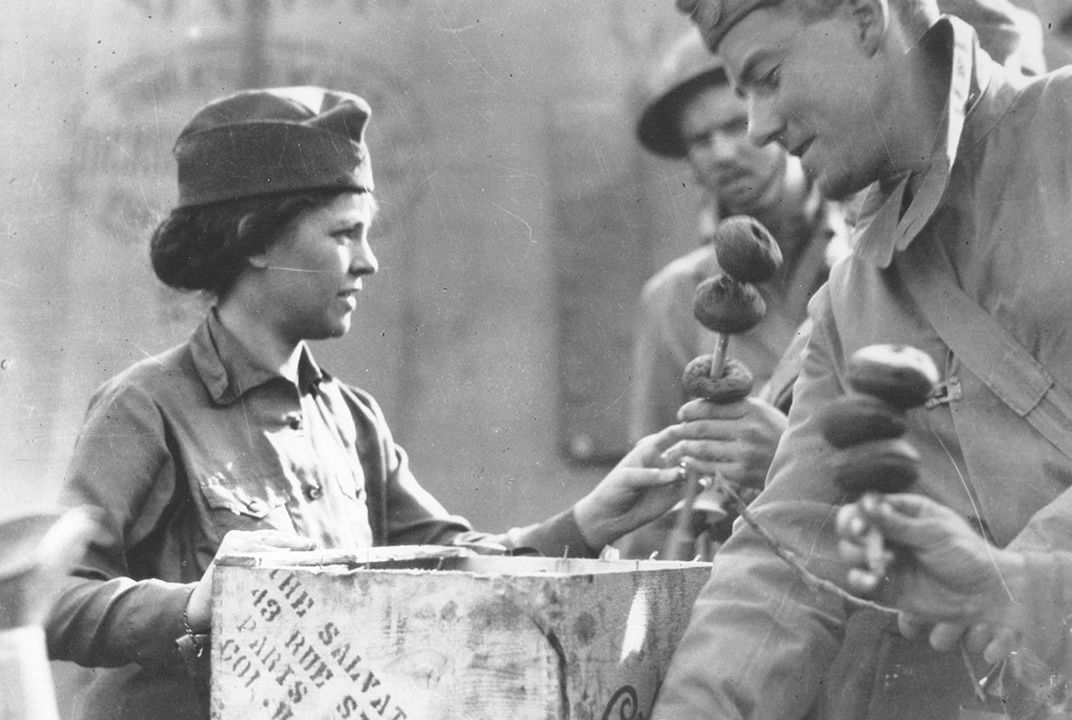
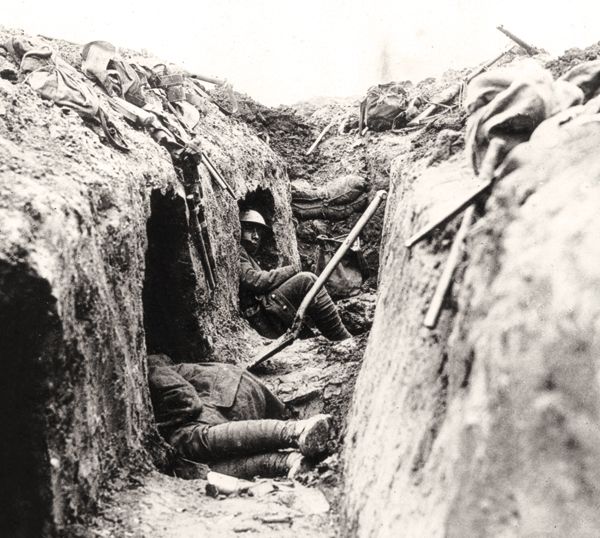
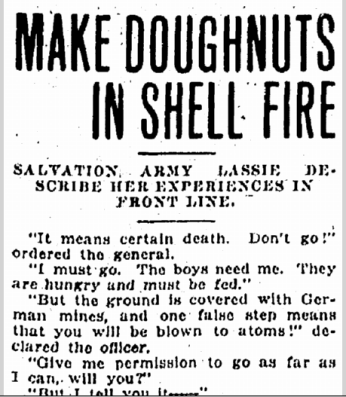 Often unseen in times of such dread calamity, are the humanitarian workers. Those who tend to the physical and spiritual requirements, the countless small comforts, of those so afflicted.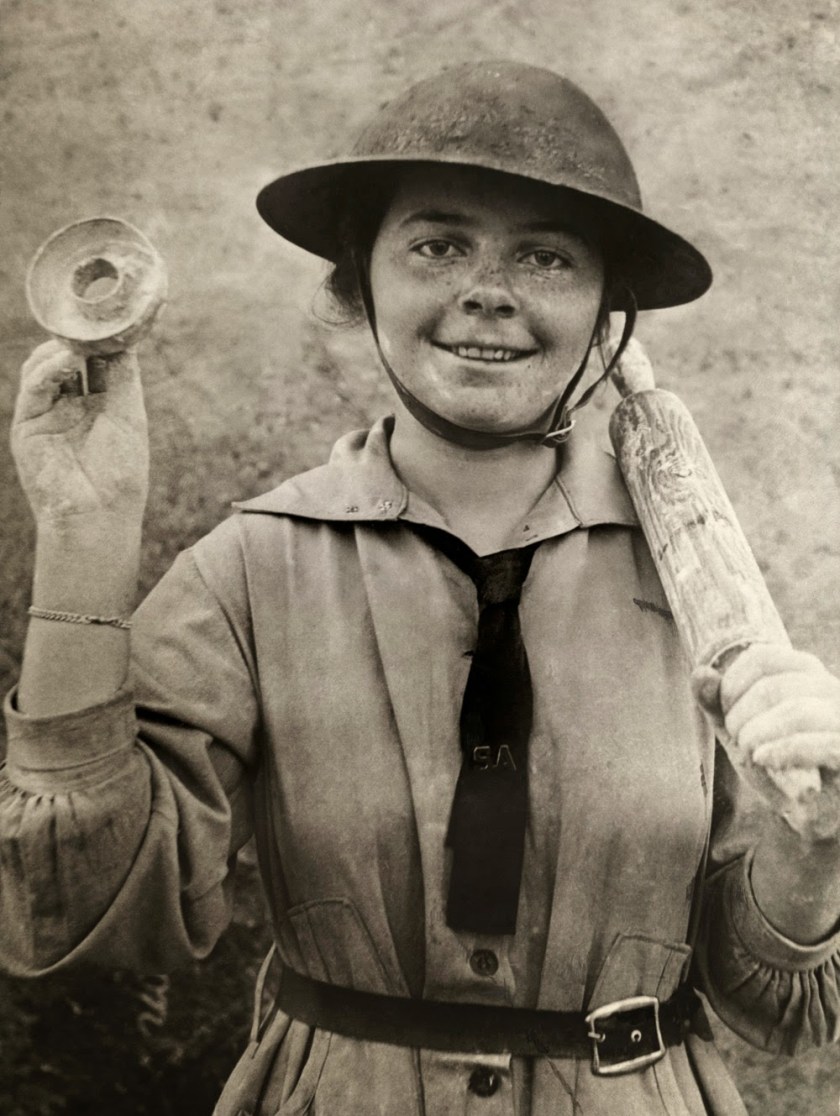
 A small group of carefully selected female officers was sent to France on August 22. That first party comprised six men, three women and a married couple. Within fifteen months their number had expanded by a factor of 400.
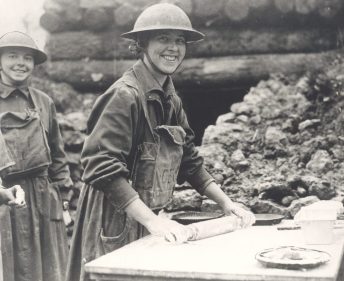
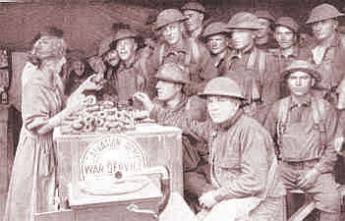 ‘Hutments’ were formed all over the front, many right out at the front lines. There were canteen services. Religious observances of all denominations were held in these facilities. Concert performances were given, clothing mended and words of kindness offered in response to all manner of personal problems. On one occasion, the Loyal Order of Moose conducted a member initiation. Pies and cakes were baked in crude ovens and lemonade served to hot and thirsty troops. Of all these corporal works of mercy, the ones best remembered by the ‘doughboys’ themselves, were the doughnuts.

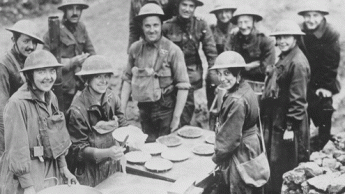 Before long, the women got better at it. Soon they were turning out 2,500 to 9,000 doughnuts a day. An elderly French blacksmith made Purviance a doughnut cutter, out of a condensed milk can and a camphor-ice tube, attached to a wooden block.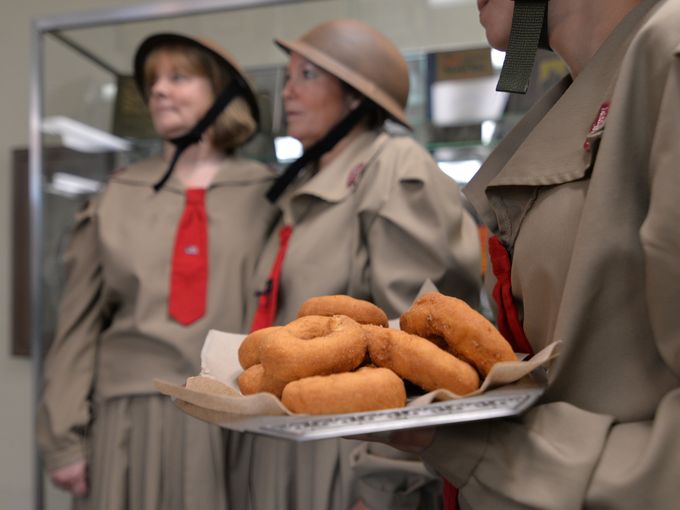


 To keep costs down, off-the-shelf components were used whenever possible. The body was made of fiberglass to keep tooling expenses low. The chassis and suspension came from the 1952 Chevy sedan. The car featured an increased compression-ration version of the same in-line six “Blue Flame” block used in other models, coupled with a two-speed Power glide automatic transmission. No manual transmission of the time could reliably handle an output of 150 HP and a 0-60 time of 11½ seconds.


 Historical Easter Eggs - Today in History
You must be logged in to post a comment.