

In 1607, approximately 100 English colonists settled along the James River in Tidewater-area Virginia. They called their little settlement “Jamestown, the first permanent English settlement in the New World. One of the colonists, John Smith, was exploring the Chickahominy River that December, when he and two others were captured by Powhatan warriors. The Powhatan Confederacy of the Tsenacommacah comprised roughly 30 Algonquin speaking tribes, led by Paramount Chief Wahunsonacock.
 Smith’s two companions were killed. John Smith himself was transported to the principle village of Werowocomoco, and brought before the Chief of the Powhatan. His head was forced onto a large stone as a warrior raised a club to bash out his brains. Pocahontas, the favorite daughter of Wahunsonacock, rushed in and placed her head on top of his, stopping the execution.
Whether it actually happened this way has been debated for centuries. One theory describes the event as an elaborate adoption ceremony, though Smith himself wouldn’t have known it at the time. Afterward, Powhatan told Smith he would “forever esteem him as his son Nantaquoud”.
The year of Pocahontas’ birth is uncertain. In the Spring of 1608, Smith described her as “a child of tenne years old”. At the time, Powhatans were commonly given multiple names, some secret and known only a select few. Names would change for important occasions, different names carrying different meanings depending on context.
 Pocahontas was a pet name, variously translated as “playful one” “my favorite daughter” or “little wanton”. Early in life, she bore the secret name “Matoaka” meaning, “Bright Stream Between the Hills”. Later she was known as “Amonute” which, to the best of my knowledge, has never been translated.
The “Starving Time”, the winter of 1609-1610, killed all but 60 of the 204 settlers then in Jamestown. Survivors were about to abandon the place when the Baron De La Warr, also known as Delaware, arrived in June with new supplies and new settlers. The settlement was rebuilt. One of the new arrivals, John Rolfe, became the first tobacco planter in the area.
Pocahontas was a frequent visitor at this time. English Captain Samuel Argall took her hostage in the spring of 1613, hoping it would help him negotiate a permanent peace with her father.
Pocahontas was treated as a guest rather than a prisoner and encouraged to learn English customs. She converted to Christianity and was baptized, Lady Rebecca. Powhatan eventually agreed to terms for her release, but by then she’d fallen in love with John Rolfe. The two were married on April 5, 1614, with the blessing of Chief Powhatan and the governor of Virginia.
The marriage ensured peace between the Jamestown settlers and the Powhatan Confederacy for several years. Pocahontas gave birth to Thomas, the couple’s first child, in 1615. The couple sailed to England the following year, where she proved popular with English gentry. The couple was preparing to sail back to Virginia in March 1617 when Pocahontas sickened and died, of unknown causes. She was twenty-one years old.
Some historians believe Pocahontas suffered from an upper respiratory condition, possibly pneumonia. Others believe she died from dysentery. The favorite daughter of Paramount Chieftain Powhatan of the Attanoughkomouck is buried at the parish church of St. George in Gravesend, in England.
John Rolfe returned to Virginia and died in an Indian attack, in 1622. Following his education in England, Thomas Rolfe returned to Virginia to become a prominent citizen. Some of the socially prominent and wealthy destined to become America’s own gentry, the “First Families of Virginia”, trace their lineage through Thomas Rolfe to Pocahontas.
 Later descendants of the “Indian Princess” include Glenn Strange, the actor who played Frankenstein in three Universal films during the 1940s and the character Sam Noonan, the popular bartender in the CBS series, “Gunsmoke”. Astronomer Percival Lowell is a direct descendant of Pocahontas, as are Las Vegas performer Wayne Newton and former First Lady Edith Wilson, whom some describe as the first female President of the United States. But that must be a story for another day.
At a recent event honoring Native American code talkers, President Donald Trump revived his pet nickname for Massachusetts Senator Elizabeth Warren, who has claimed Native American ancestry but has thus far, embarrassingly proven but 1/1,024th.
Predictably, Washington Post editorial writers were incensed: “Trump’s repeated reference to “Pocahontas” is racist first of all because it’s intended as a pejorative. Trump does not like Warren. It’s also racist because it seizes on a stereotypical Native American name to refer to an entire race — like calling an Asian man “Jackie Chan” or a black man “Frederick Douglass” (one of the president’s favorites). Worse yet, Trump is mushing together his tribes: At an event to honor Navajo heroes, he used the name of a Powhatan woman to disparage a senator who claimed Cherokee ancestry“.
Matoaka, also known as Amonute, daughter of the Paramount Chieftain Powhatan of the Attanoughkomouck who called her “Pocahontas” would be surprised I imagine, to learn that the Washington Post regards her name as a racial slur.

 On the third came Longstreet’s assault, better known as “Pickett’s charge”. 13,000 Confederate soldiers came out of the tree line at Seminary Ridge, 1¼-miles distant from the Federal line.
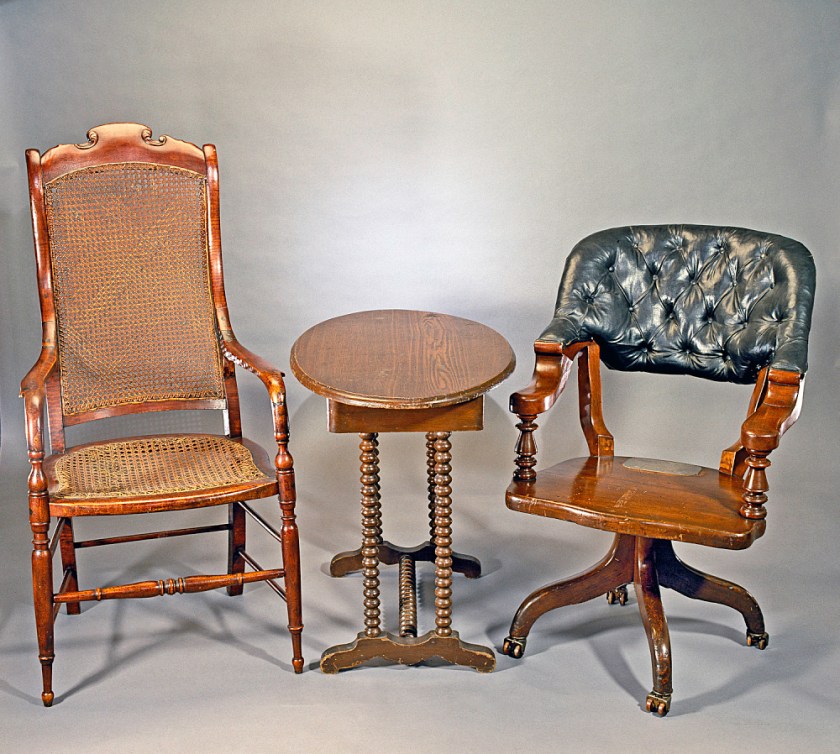
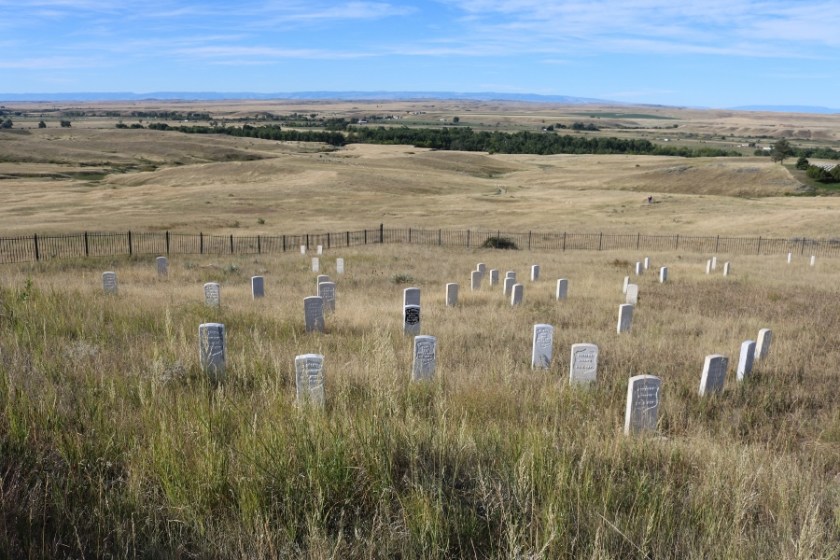


 The history of the Navajo code talkers of WWII is relatively well known, but by no means, unique. Indigenous Americans of other nations served as code talkers in WW2, including Assiniboine, Lakota and Meskwaki soldiers, who did service in the Pacific, North African, and European theaters of the war.
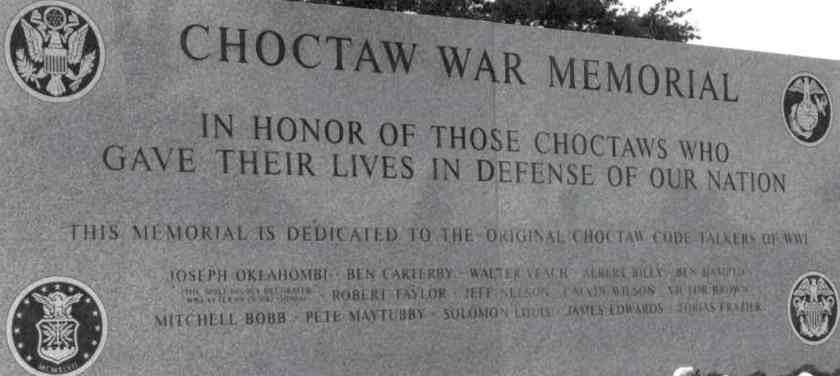
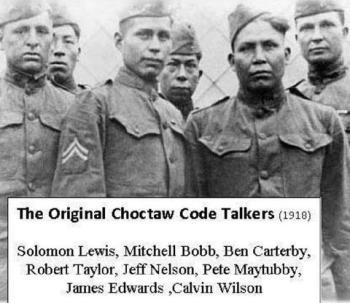 The Choctaw themselves didn’t use the term “Code Talker”, that wouldn’t come along until WWII. At least one member of the group, Tobias W. Frazier, simply described what they did as, “talking on the radio”. Of the 19 who served in WWI, 18 were native Choctaw from southeast Oklahoma. The last was a native Chickasaw. The youngest was Benjamin Franklin Colbert, Jr., the son of Benjamin Colbert Sr., one of Teddy Roosevelt’s “Rough Riders” of the Spanish American War. Born September 15, 1900 in the Durant Indian Territory, he was all of sixteen, the day he enlisted.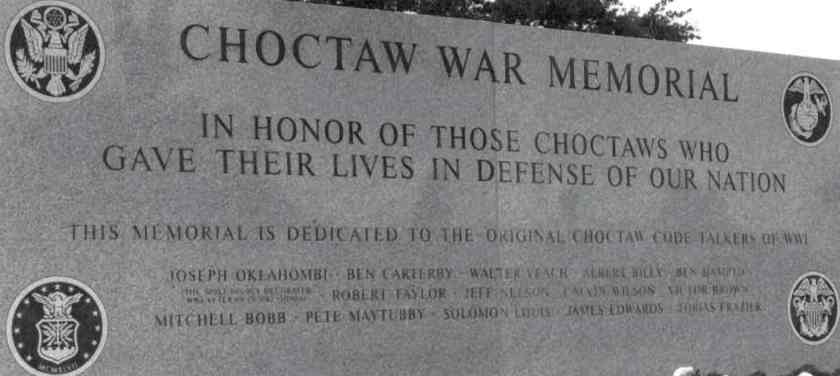


 Geronimo and his band of 38 men, women and children evaded thousands of Mexican and US soldiers. By the end of his military career, he was “the worst Indian who ever lived”, according to the white settlers. Geronimo was captured on this day in 1886, by Civil War veteran and Westminster, Massachusetts native, General Nelson Miles. With the capture of Geronimo, the last of the major US-Indian wars had come to an end.
 Geronimo became a celebrity in his old age, marching in Theodore Roosevelt’s inaugural parade in 1905. He converted to Christianity and appeared in county fairs and Wild West shows around the country.

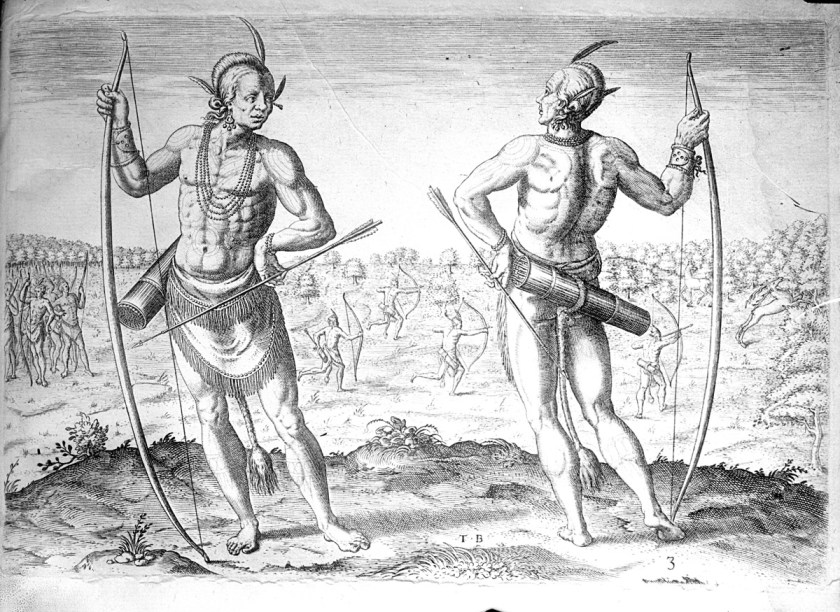 Raleigh believed that the Chesapeake afforded better opportunities for his new settlement, but Portuguese pilot Simon Fernandes, had other ideas. The caravan stopped at Roanoke Island in July, 1587, to check on the 15 men left behind a year earlier. Fernandes was a Privateer, impatient to resume his hunt for Spanish shipping. He ordered the colonists ashore on Roanoke Island.


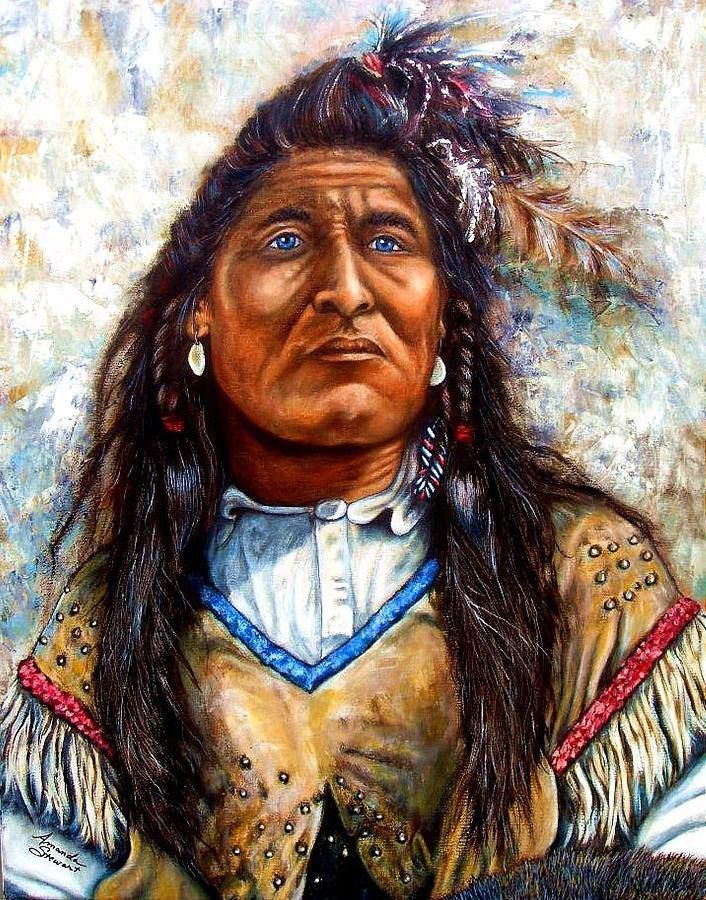
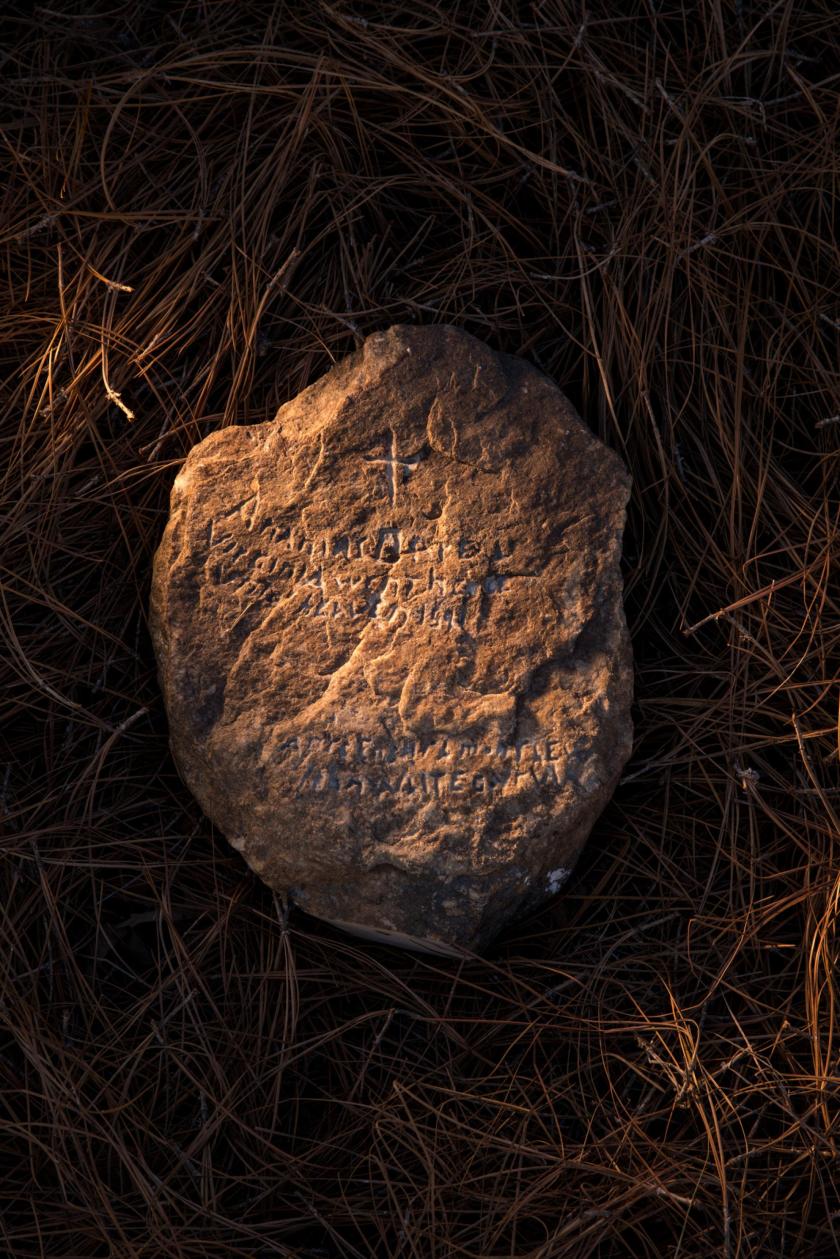
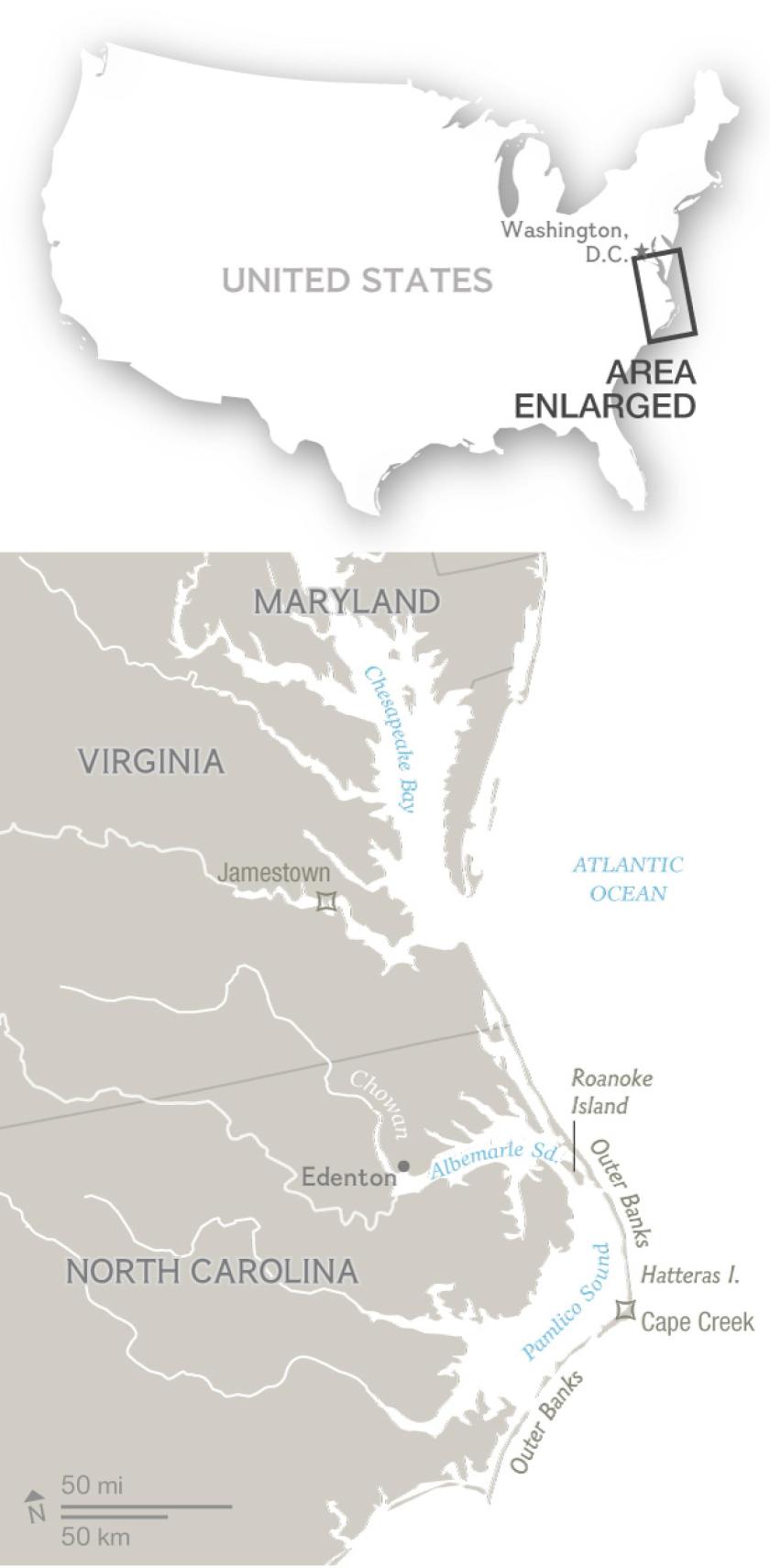 Research concluded at “Site X” in 2017, the cloak & dagger moniker given to deter thieves and looters. The mystery of the lost Colony of Roanoke, remains unsolved. “We don’t know exactly what we’ve got here,” admitted one archaeologist. “It remains a bit of an enigma.”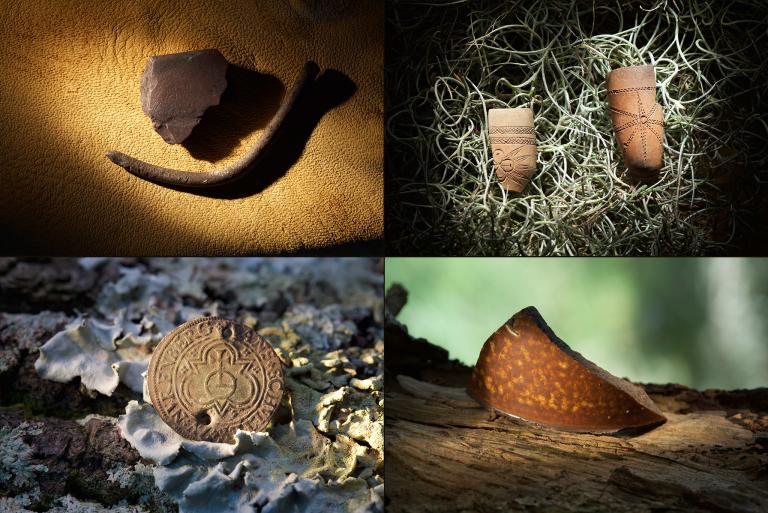


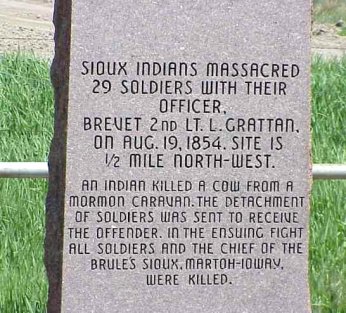 Chief Conquering Bear attempted to negotiate recompense, offering a horse or cow from the tribe’s herd. The owner refused, demanding $25. That same treaty of 1851 specified that such matters would be handled by the local Indian agent, in this case John Whitfield, scheduled to arrive within days with tribal annuities more than sufficient to settle the matter to everyone’s satisfaction.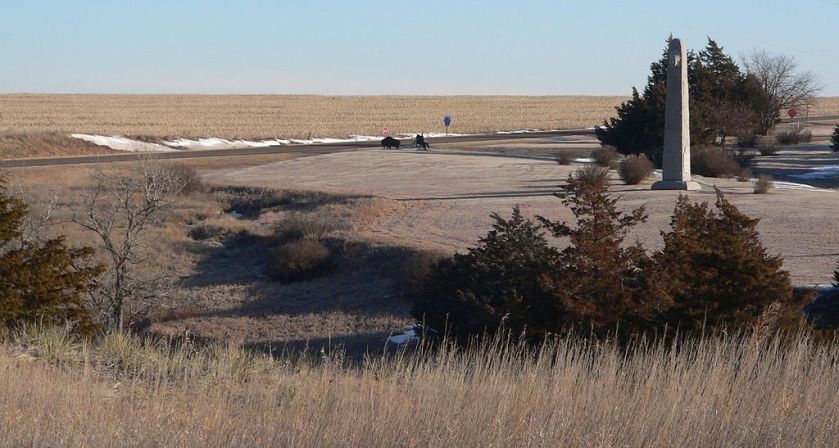
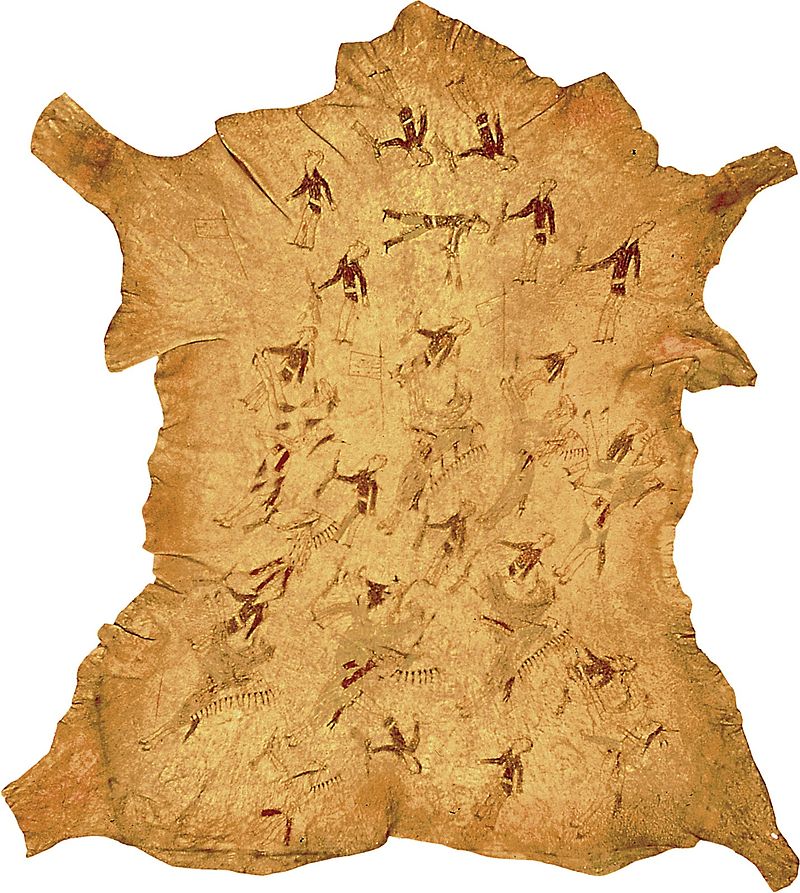
 The tale of those other two columns is worth a “Today in History” essay of their own if not an entire book, but this is a story about Little Big Horn. Suffice it to say that Major Marcus Reno‘s experience of this day was as grizzly and as shocking, as that moment when the brains and face of his Arikara scout Bloody Knife spattered across his own. Reno’s detachment had entered a buzz saw and would have been annihilated altogether, had it not met up with that of captain Frederick Benteen.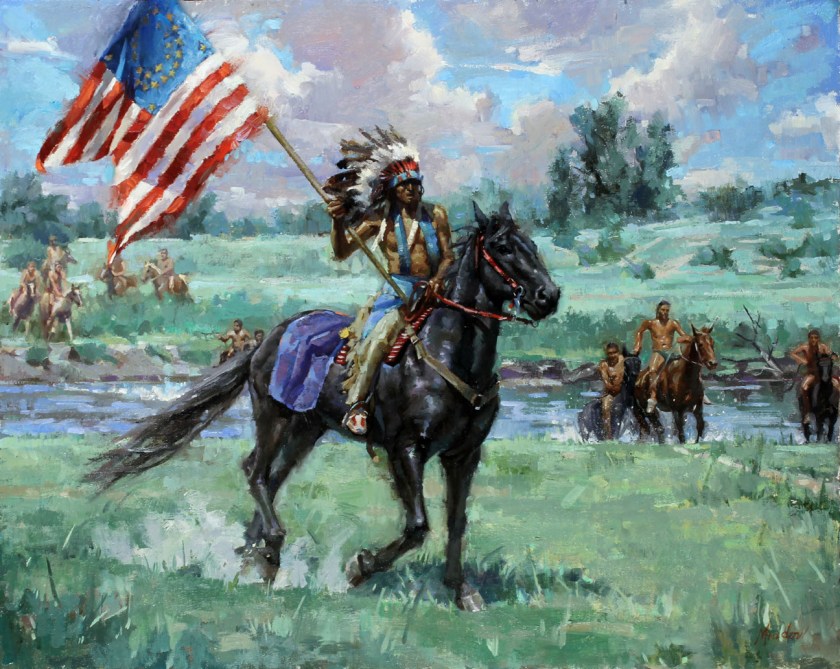


 Indigenous nations of the time divided more along ethnic and linguistic rather than political lines, so there was no monolithic policy among the tribes. At least one British fort was taken with profuse apologies by the Indians, who explained that it was the other nations making them do it.


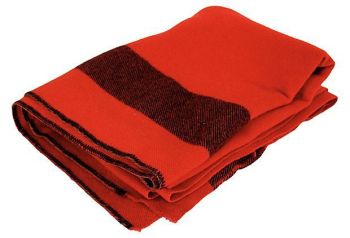 Some sixty to eighty Ohio valley Indians died of the disease following the Fort Pitt episode, but the outbreak appears isolated. Meanwhile, Indian warriors had looted clothing from some 2,000 outlying settlers they had killed or abducted.

 The British Royal Proclamation of October 7, 1763, drew a line between the British colonies and Indian lands, creating a vast Indian Reserve stretching from the Appalachians to the Mississippi River and from Florida to Newfoundland. For the Indian Nations, this was the first time that a multi-tribal effort had been launched against British expansion, the first time such an effort had not ended in defeat.


 In 1620, the 60-ton Pinnace Speedwell departed Delfshaven, meeting with Mayflower at Southampton, Hampshire. The two vessels set out on August 15, but soon had to turn back as Speedwell was taking on water. Speedwell was abandoned after a second failed attempt, Mayflower setting out alone on September 16, 1620, with an estimated 142 passengers and crew.
 As anyone familiar with the area will understand, a month in that place and time convinced them of its unsuitability. By mid-December the Mayflower had crossed Cape Cod Bay and fetched up at Plimoth Harbor.


 Years later, colonists would go to war against the Wampanoag people and ‘King Philip’, the English name for Metacomet, the son of Massasoit. The Nauset would act as warriors and scouts against the Wampanoag people in King Philip’s War, a conflict which killed some 5,000 New England inhabitants, three quarters of whom were indigenous people.

 Late in 1917, Colonel A. W. Bloor was serving in France with the 142nd Infantry Regiment. They were a Texas outfit, constituted in May of that year and including a number of Oklahoma Choctaws.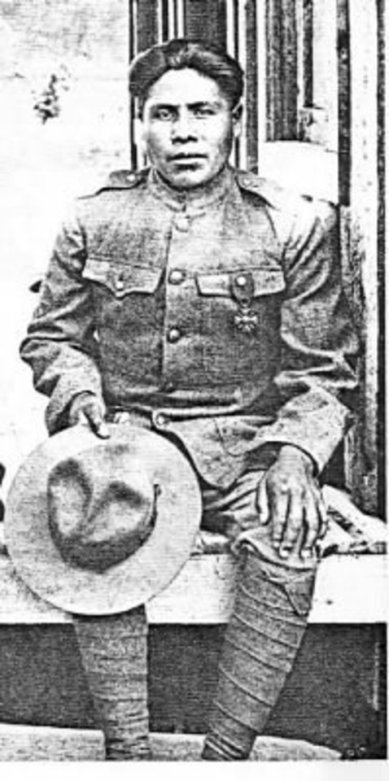

 Historical Easter Eggs - Today in History
You must be logged in to post a comment.