

 The seventh manned mission in the Apollo space program was scheduled to be the third moon landing, launching at 13:13 Central Standard Time from the Kennedy Space Center in Florida.
Jack Swigert was the backup pilot for the Command Module (CM), officially joining the Apollo 13 mission only 48 hours earlier, when prime crew member Ken Mattingly was grounded, following exposure to German measles.
Jim Lovell was the most seasoned astronaut in the world at that time, a veteran of two Gemini missions and Apollo 8. By launch day, April 11, 1970, Lovell had racked up 572 space flight hours. For Fred Haise, backup crew member on Apollo 8 and 11, this would be his first spaceflight.
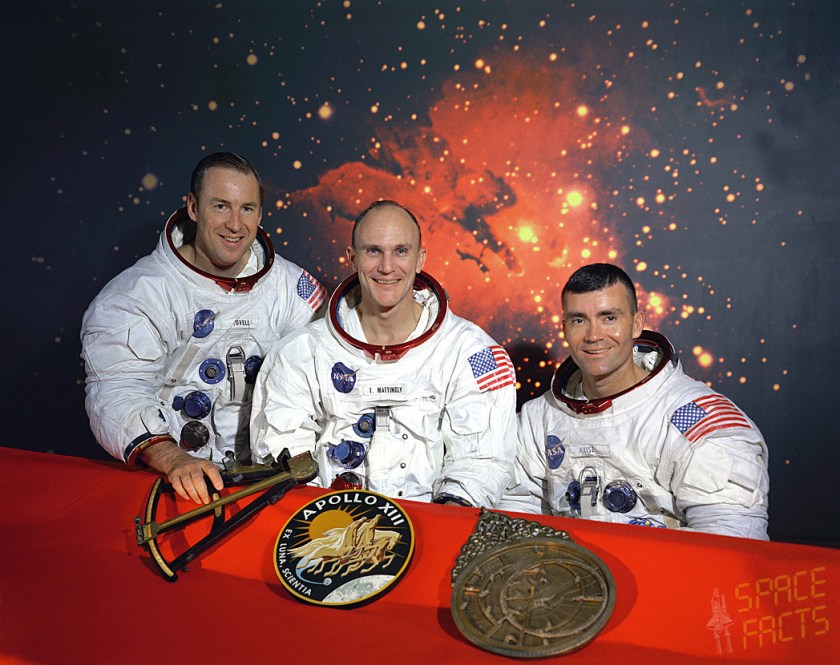
Two separate vessels were joined to form the Apollo spacecraft, separated by an airtight hatch. The crew lived in a Command/Service module called “Odyssey”. The Landing Module (LM) dubbed “Aquarius”, would perform the actual moon landing.
56 hours into the mission and 5½ hours from the Moon’s sphere of gravitational influence, Apollo crew members had just finished a live TV broadcast. Haise was powering the LM down while Lovell stowed the TV camera. Mission Control asked Swigert to activate stirring fans in the Service Module’s hydrogen and oxygen tank. Two minutes later, the astronauts heard a “loud bang”.

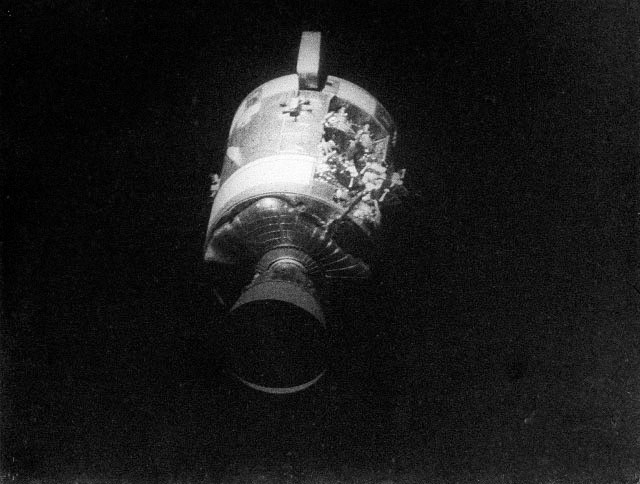
Manufacturing and testing of the vessel had both missed an exposed wire in an oxygen tank. Swigert had flipped the switch for a routine procedure, causing a spark to set the oxygen tank on fire. Alarm lights lit up all over Odyssey and in Mission Control. The entire spacecraft shuddered as one oxygen tank tore itself apart and damaged another. Power began to fluctuate. Attitude control thrusters fired, and communications temporarily went dark.
The crew could not have known at the time. The entire Sector 4 panel had just blown off.
The movie takes creative license with Commander James Lovell saying “Houston, we have a problem”. On board the real Apollo 13 it was Jack Swigert who spoke: “Houston, we’ve had a problem”.
205,000 miles into deep space with life support systems shutting down, the Lunar Module became the only means of survival. There was no telling if the explosion had damaged Odyssey’s heat shields. It didn’t matter. For now, the challenge was to remain alive. Haise and Lovell frantically worked to boot up Aquarius, while Swigert shut down systems aboard Odyssey. Power needed to be preserved for splashdown.
The situation had been suggested during an earlier training simulation, but considered unlikely. As it happened, the accident would have been fatal without access to the Lunar Module.
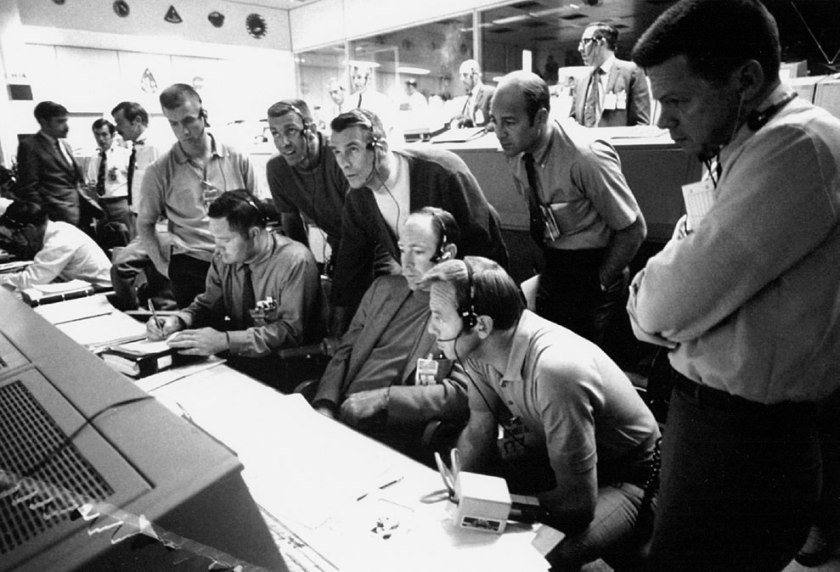 Fifteen years before Angus “Mac” MacGyver hit your television screen, mission control teams, spacecraft manufacturers and the crew itself worked around the clock to “MacGyver” life support, navigational and propulsion systems. For four days and nights, the three-man crew lived aboard the cramped, freezing Aquarius, a landing module intended to support a crew of 2 for only a day and one-half.
With heat plummeting to near freezing food inedible and an acute shortage of water, this tiny, claustrophobic “lifeboat” would have to do what it was never intended to do.
Atmospheric re-entry alone presented near-insurmountable challenges. The earth’s atmosphere is a dense fluid medium. If you reenter at too steep an angle, you may as well be jumping off a high bridge. As it is, the human frame can withstand deceleration forces no higher than 12 Gs, equivalent to 12 individuals identical to yourself, piled on top of you. Even at that, you’re only going to survive a few minutes, at best.
We all know what it is to skip a stone off the surface of a pond. If you hit the atmosphere at too shallow an angle, the result is identical to that stone. There is no coming down a second time. You get one bounce and then there is nothing but the black void of space.
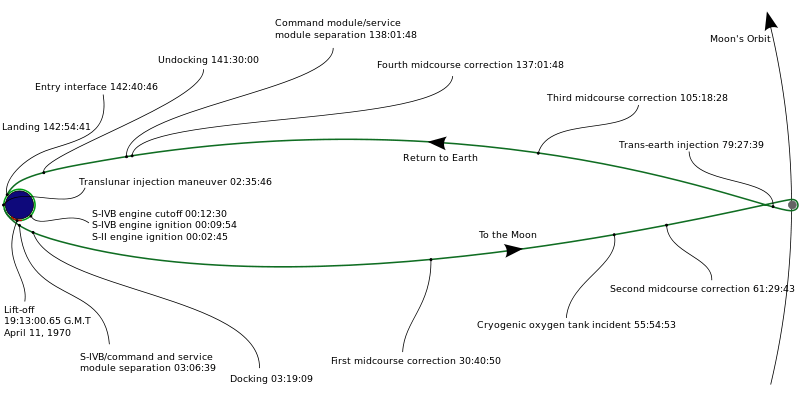
Apollo XIII timeline
Most of the country and much of the world held its breath for seventy-eight hours, waiting for the latest update from newspaper and television news. With communications impossible, TV commentators used models and illustrations, to describe the unfolding drama. On board Odyssey, power was so low that voice-only transmissions became difficult. Visual communications with Mission Control were as impossible as the idea that the stranded astronauts could get out and walk home.
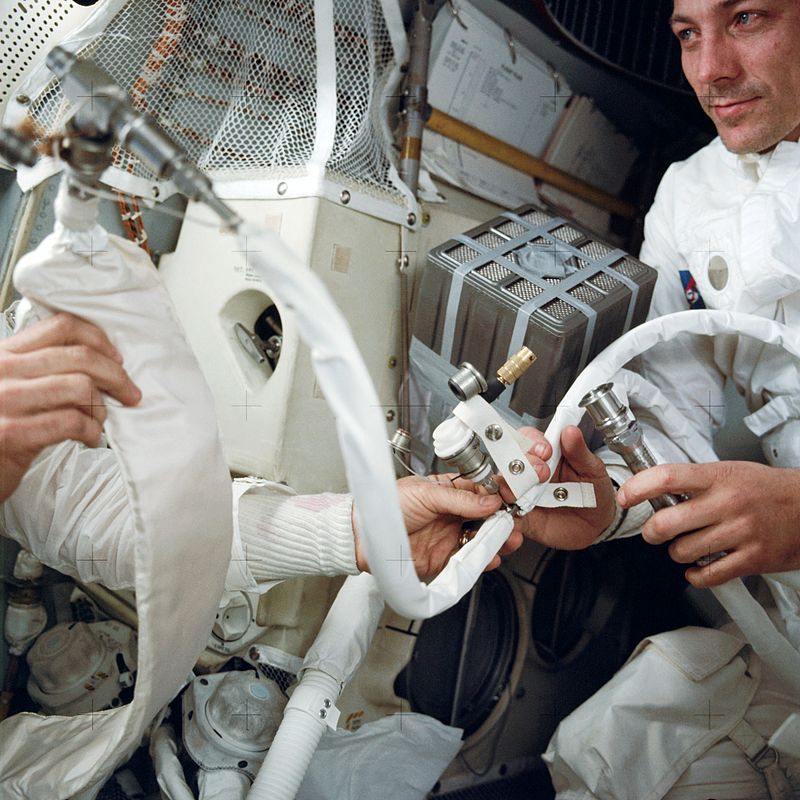
As Odyssey neared earth, engineers and crew jury-rigged a means of jettisoning the spent Service Module, to create enough separation for safe re-entry.
One last problem to be solved, was the crew’s final transfer from Lunar Module back to Command Module, prior to re-entry. With the “reaction control system” dead, University of Toronto engineers had only slide rules and six hours in which to devise a way to “blow” the LM, by pressurizing the tunnel connecting it with the CM. Too much pressure might damage the hatch and seal. Too little wouldn’t provide enough separation between the two bodies. Either failure would result in one of those “shooting stars” you see at night, as the searing heat of re-entry incinerated the Command Module and everything in it.
By this time, the Command Module had been in “cold soak” for days. No one knew for certain, if the thing would come back to life.
Crashing into the atmosphere at over 24,000mph, the capsule had 14 minutes in which to come to a full stop, splashing down in the waters of the Pacific Ocean. External temperatures on the Command Module reached 2,691° Fahrenheit, as the kinetic energy of re-entry converted to heat.
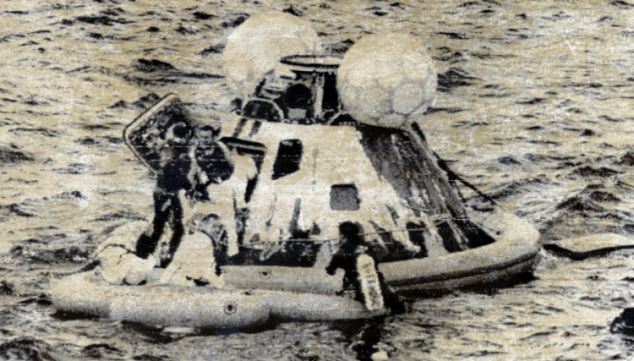
The Apollo 13 mission ended safely with splashdown southeast of American Samoa on April 17, 1970, at 18:07:41 local time. Exhausted and hungry, the entire crew had lost weight. Haise had developed a kidney infection. Total duration was 142 hours, 54 minutes and 41 seconds.


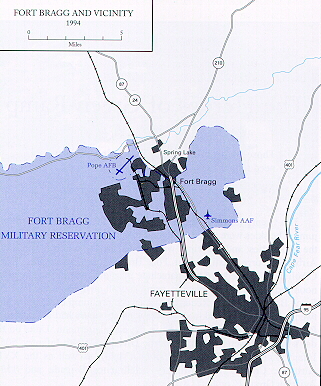





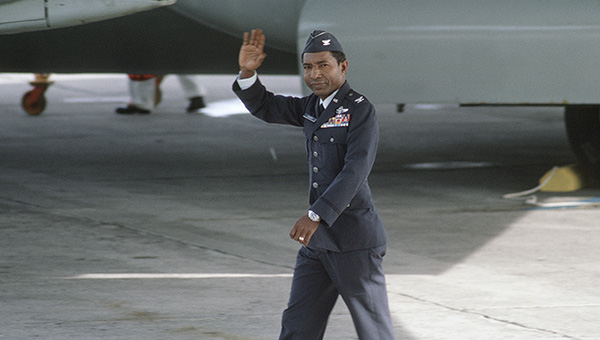





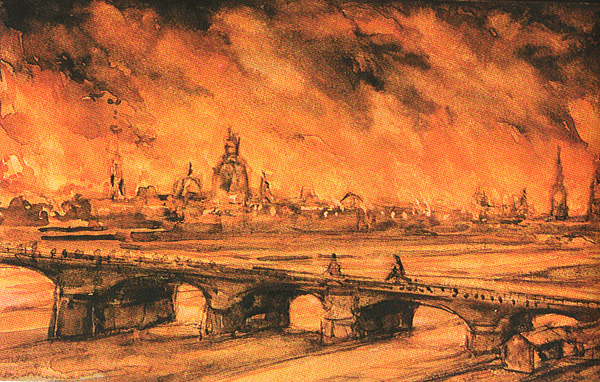
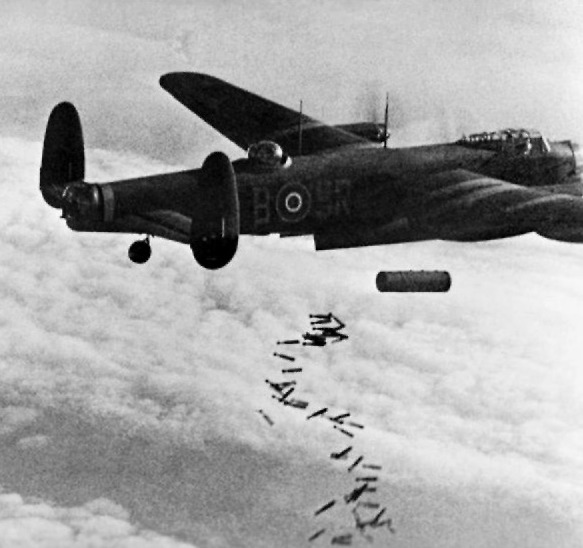

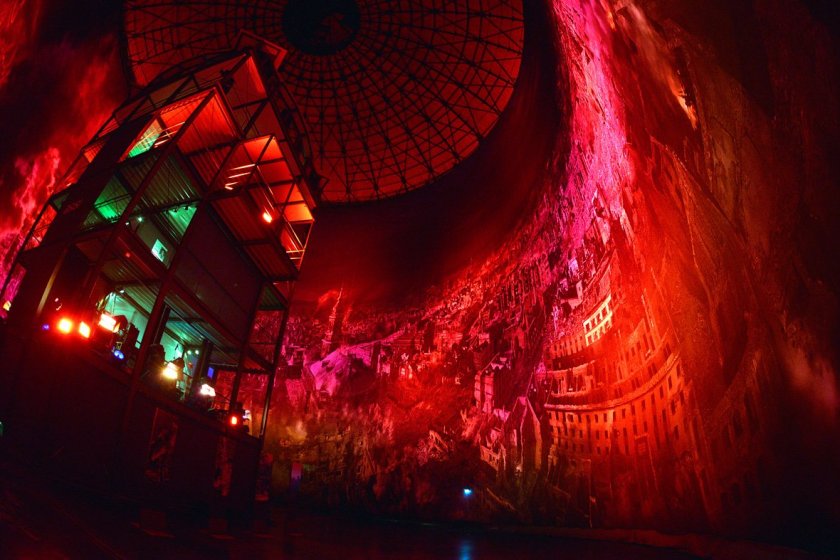


 48 days later, at Hunter Field in Savannah, Georgia, the Eighth Bomber Command was activated as part of the United States Army Air Forces. It was January 28, 1942.
 Re-designated the Eighth Air Force on February 22, 1944, at its peak the “Mighty Eighth” could dispatch over 2,000 four engine bombers and more than 1,000 fighters on a single mission. 350,000 people served in the 8th Air Force during the war in Europe, with 200,000 at its peak in 1944.




 Redding joined STAX Records in 1962, a portmanteau of the founding partners and siblings Jim Stewart and his sister Estelle Axton (STewart/AXton = Stax).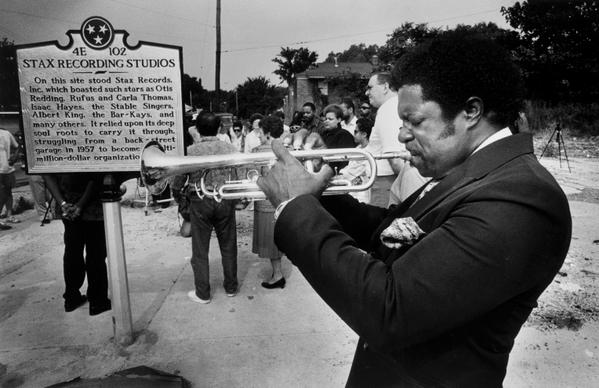


 STS-1, the first mission of the “Space Shuttle” program launched aboard “Columbia” from the Kennedy Space Center on Merritt Island, Florida. It was April 12, 1981, the 20th anniversary of the first human spaceflight aboard the Russian capsule Vostok 1.
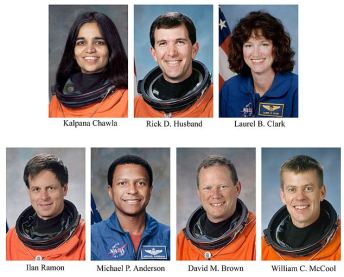 STS-107 launched from the Kennedy Space Center aboard the Space Shuttle Columbia on January 16, 2003.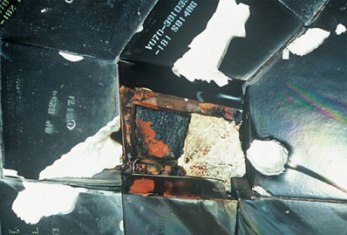



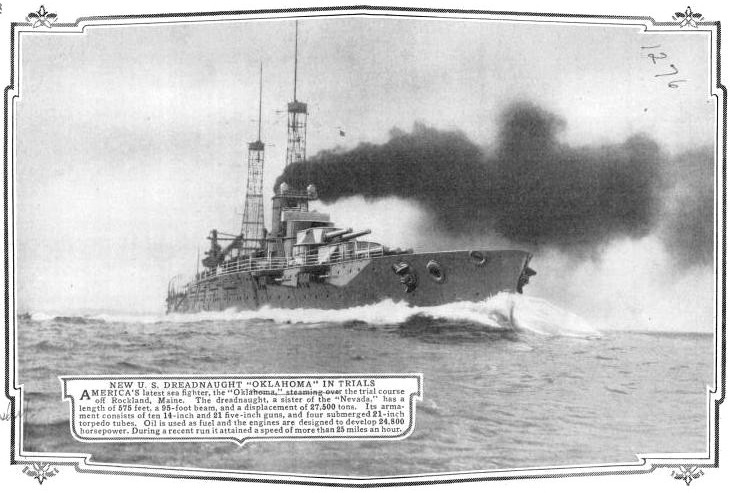
 Bilge inspection plates had been removed for a scheduled inspection the following day, making counter-flooding to prevent capsize, impossible. Oklahoma rolled over and died as the ninth torpedo slammed home. Hundreds scrambled out across the rolling hull, jumped overboard into the oil covered, flaming waters of the harbor, or crawled out over mooring lines in the attempt to reach USS Maryland in the next berth.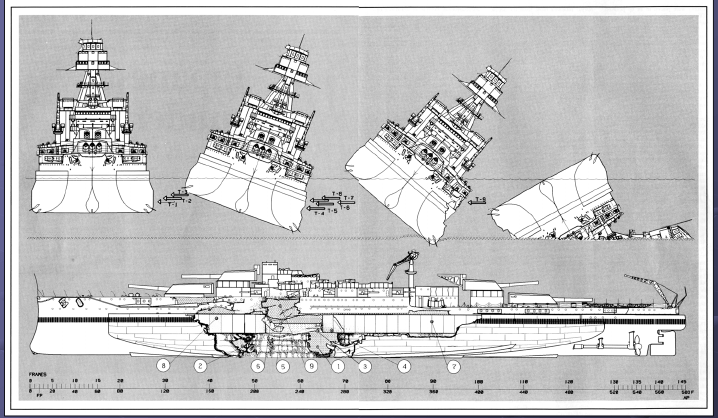
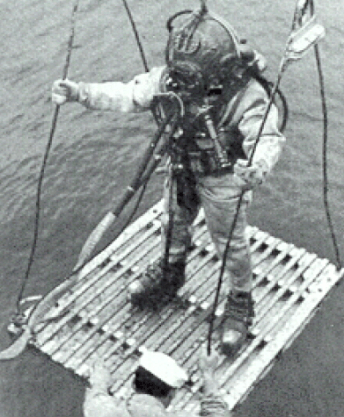 Recovery of the USS Oklahoma was the most complex salvage operation ever attempted, beginning in March, 1943. With the weight of her hull driving Oklahoma’s superstructure into bottom, salvage divers descended daily to separate the tower, while creating hardpoints from which to attach righting cables.
 CDR Edward Charles Raymer, US Navy Retired, was one of those divers. Raymer tells the story of these men in

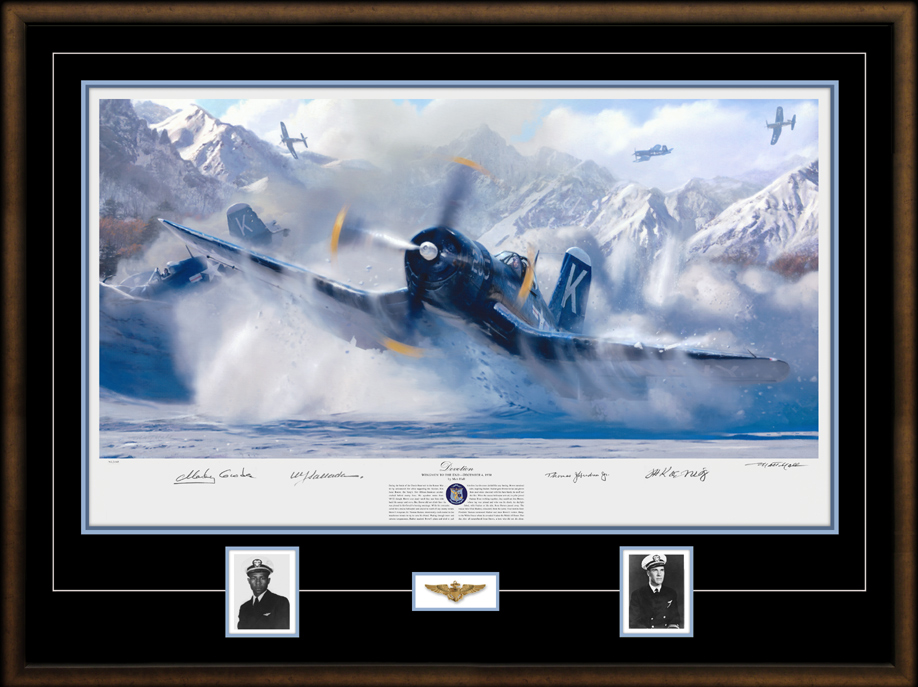
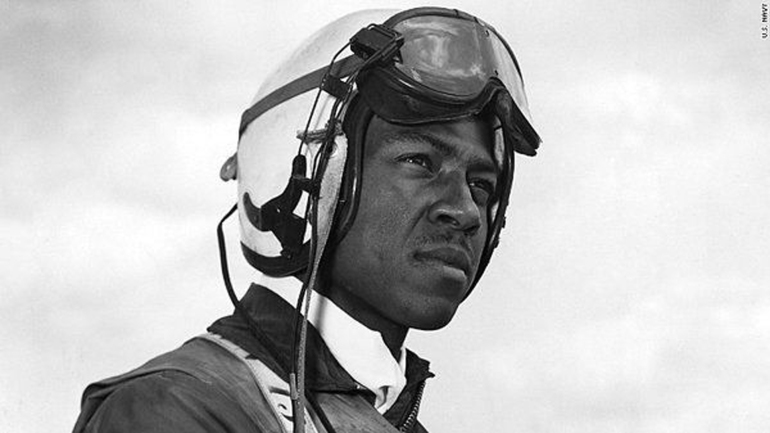
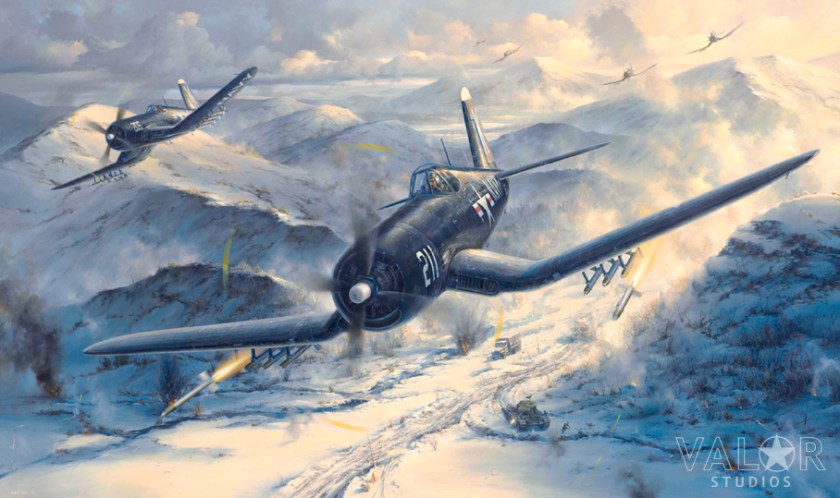
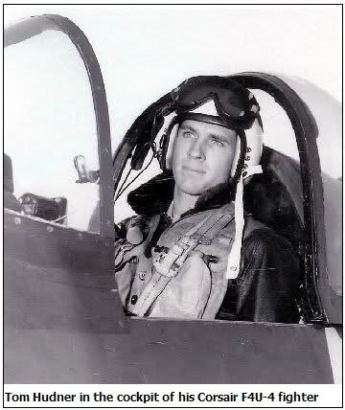 On June 25, 1950, ten divisions of the North Korean People’s Army launched a surprise invasion of their neighbor to the south. The 38,000-man army of the Republic of Korea didn’t have a chance against 89,000 men sweeping down in six columns from the north. Within hours, the shattered remnants of the army of the ROK and its government, were streaming south toward the capital of Seoul.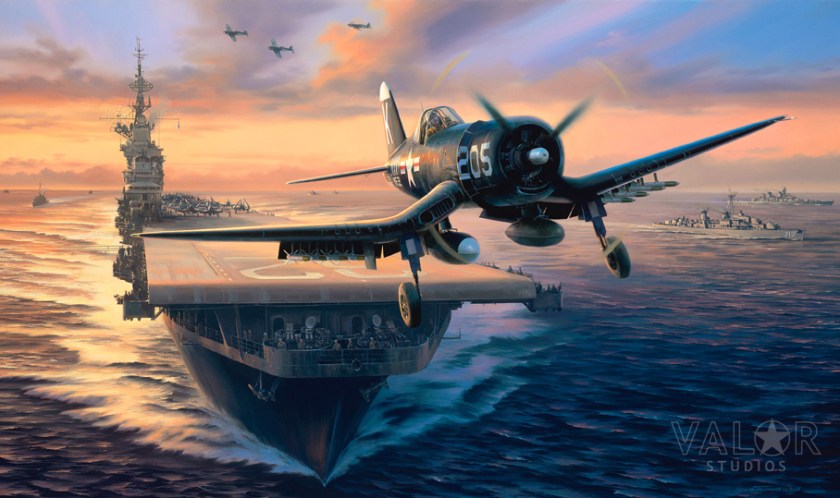

 Historical Easter Eggs - Today in History
You must be logged in to post a comment.