
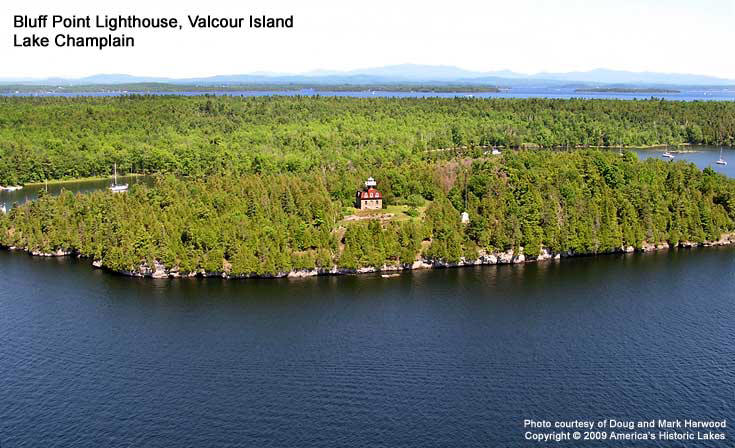
In the early days of the American Revolution, the 2nd Continental Congress looked north, to the Province of Quebec. The region was lightly defended at the time, and Congress was alarmed at its potential as a British base from which to attack and divide the colonies.
The Continental army’s expedition to Quebec ended in disaster on December 31, as General Benedict Arnold was severely injured with a bullet wound to his left leg. Major General Richard Montgomery was killed and Colonel Daniel Morgan was captured, along with about 400 fellow patriots.
Quebec was massively reinforced in the Spring of 1776, with the arrival of 10,000 British and Hessian soldiers. By June, the remnants of the Continental army had been driven south to Fort Ticonderoga and Fort Crown Point.
Congress was right about the British intent to split the colonies. General Sir Guy Carleton, provincial governor of Quebec, set about doing so almost immediately.
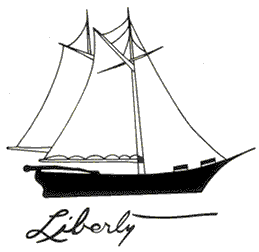
Retreating colonials took with them or destroyed almost every boat along the way, capturing and arming four vessels in 1775: the Liberty, Enterprise, Royal Savage, and Revenge. Determined to take back the crucial waterway, the British set about disassembling warships along the St. Lawrence, moving them overland to Fort Saint-Jean on the uppermost navigable waters leading to Lake Champlain, the 125-mile long lake dividing upstate New York from Vermont.
There they spent the summer and early fall of 1776, literally building a fleet of warships along the upper reaches of the lake. 120 miles to their south, colonials were doing the same.
The Americans had a small fleet of shallow draft bateaux used for lake transport, but needed something larger and heavier to sustain naval combat.
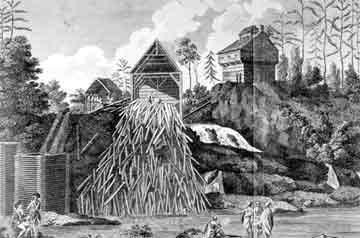
In 1759, British Army Captain Philip Skene founded a settlement on the New York side of Lake Champlain, built around saw mills, grist mills, and an iron foundry.
Today, the former village of Skenesborough is known as “Whitehall”, considered by many to be the birthplace of the United States Navy. In 1776, Major General Horatio Gates put the American ship building operation into motion on the banks of Skenesborough Harbor.
Hermanus Schuyler oversaw the effort, while military engineer Jeduthan Baldwin was in charge of outfitting. Gates asked General Benedict Arnold, an experienced ship’s captain, to spearhead the effort, explaining “I am intirely uninform’d as to Marine Affairs”.
200 carpenters and shipwrights were recruited to the wilderness of upstate New York. So inhospitable was this duty that workmen were paid more than anyone else in the Navy, with the sole exception of Commodore Esek Hopkins. Meanwhile, foraging parties scoured the countryside looking for guns, knowing that there was going to be a fight on Lake Champlain.
It is not widely known, that the American Revolution was fought in the midst of a smallpox pandemic. General George Washington was an early proponent of vaccination, an untold benefit to the American war effort. Nevertheless, a fever broke out among the shipbuilders of Skenesborough, that almost brought their work to a halt.
It was a hastily built and in some cases incomplete fleet that slipped into the water in the summer and autumn of 1776. In just over two months, the American shipbuilding effort produced eight 54′ gondolas (gunboats), and four 72′ galleys. Upon completion, each hull was rowed to Fort Ticonderoga, where it was fitted with masts, rigging, guns, and supplies. By October 1776, the American fleet numbered 16 vessels, determined to stop the British fleet heading south.
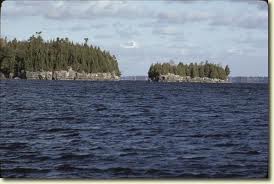
As the two sides closed in the early days of October, General Arnold knew he was at a disadvantage. The element of surprise was going to be critical. Arnold chose a small strait to the west of Valcour Island, where he was hidden from the main part of the lake. There he drew his small fleet into a crescent formation, and waited.
Carleton’s fleet, commanded by Captain Thomas Pringle, entered the northern end of Lake Champlain on October 9.
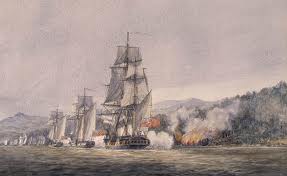
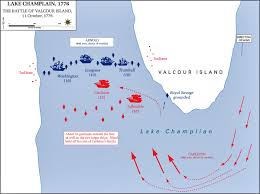 Sailing south on the 11th under favorable winds, some of the British ships had already passed the American position behind Valcour island, before realizing they were there. Some of the British warships were able to turn and give battle, but the largest ones were unable to turn into the wind.
Fighting continued for several hours until dark, and both sides did some damage. On the American side, Royal Savage ran aground and burned. The gondola Philadelphia was sunk. On the British side, one gunboat blew up. The two sides lost about 60 men, each. In the end, the larger ships and the more experienced seamanship of the English, made it an uneven fight.
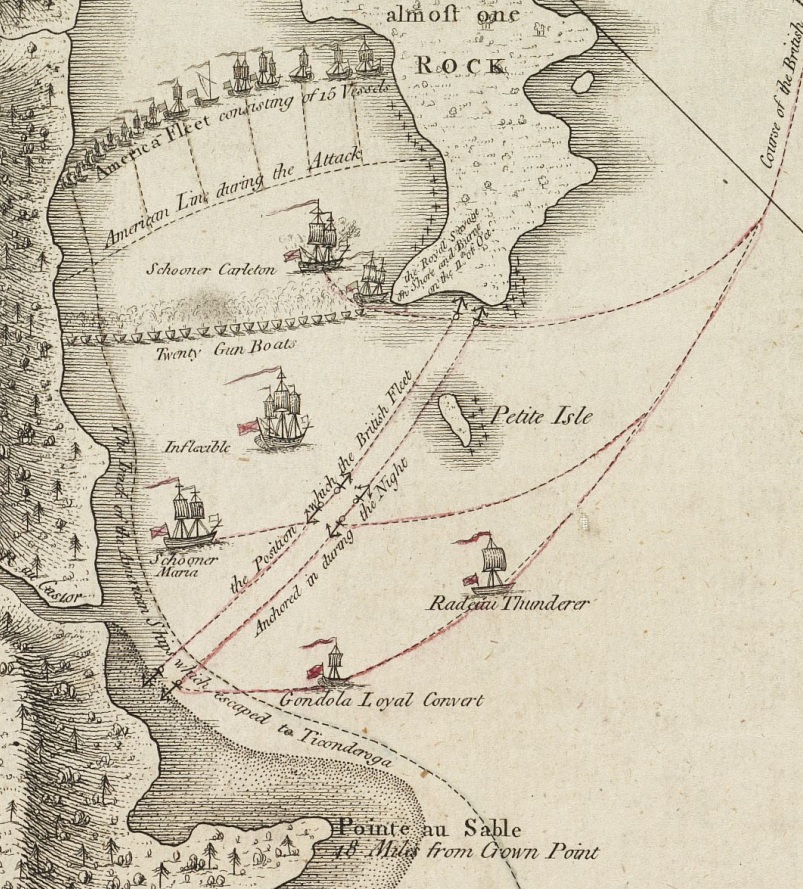
Only a third of the British fleet was engaged that day, but the battle went badly for the Patriot side. That night, the battered remnants of the American fleet slipped through a gap in the lines, limping down the lake on muffled oars. British commanders were surprised to find them gone the next morning, and gave chase.
One vessel after another was overtaken and destroyed on the 12th, or else, too damaged to go on, was abandoned. The cutter Lee was run aground by its crew, who then escaped through the woods. Four of sixteen American vessels escaped north to Ticonderoga, only to be captured or destroyed by British forces, the following year.
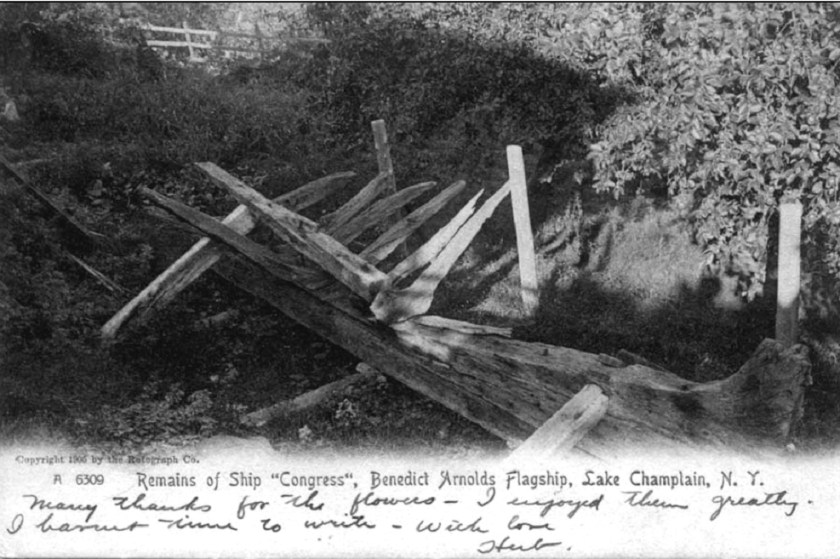
 On the third day, the last four gunboats and Benedict Arnold’s flagship Congress were run aground in Ferris Bay on the Vermont side, following a 2½-hour running gun battle. Today, the small harbor is called Arnold’s Bay.
200 escaped to shore, the last of whom was Benedict Arnold himself, personally torching his own flagship before leaving it for the last time, flag still flying.
The British would retain control of Lake Champlain, through the end of the war.
The American fleet never had a chance and everyone knew it. Yet it had been able to inflict enough damage at a point late enough in the year, that Carlton’s fleet was left with no choice but to return north for the winter. One day, Benedict Arnold would enter history as a traitor to his country. For now, the General had bought his young nation, another year in which to fight.

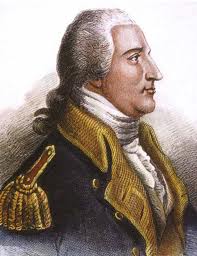
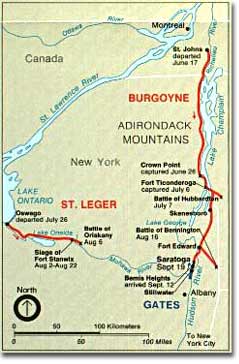 American forces selected a site called Bemis Heights, about 10 miles south of Saratoga, spending a week constructing defensive works with the help of Polish engineer Thaddeus Kosciusko. It was a formidable position: mutually supporting cannon on overlapping ridges, with interlocking fields of fire. Burgoyne knew he had no choice but to stop and give battle at the American position, or be chopped to pieces trying to bypass it.
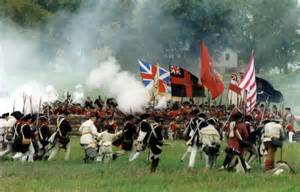 The second and decisive battle for Saratoga, the Battle of Bemis Heights, occurred on October 7, 1777.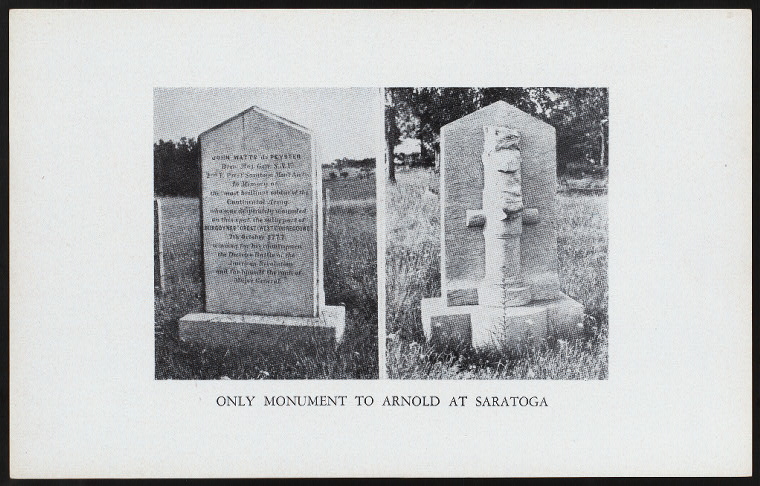
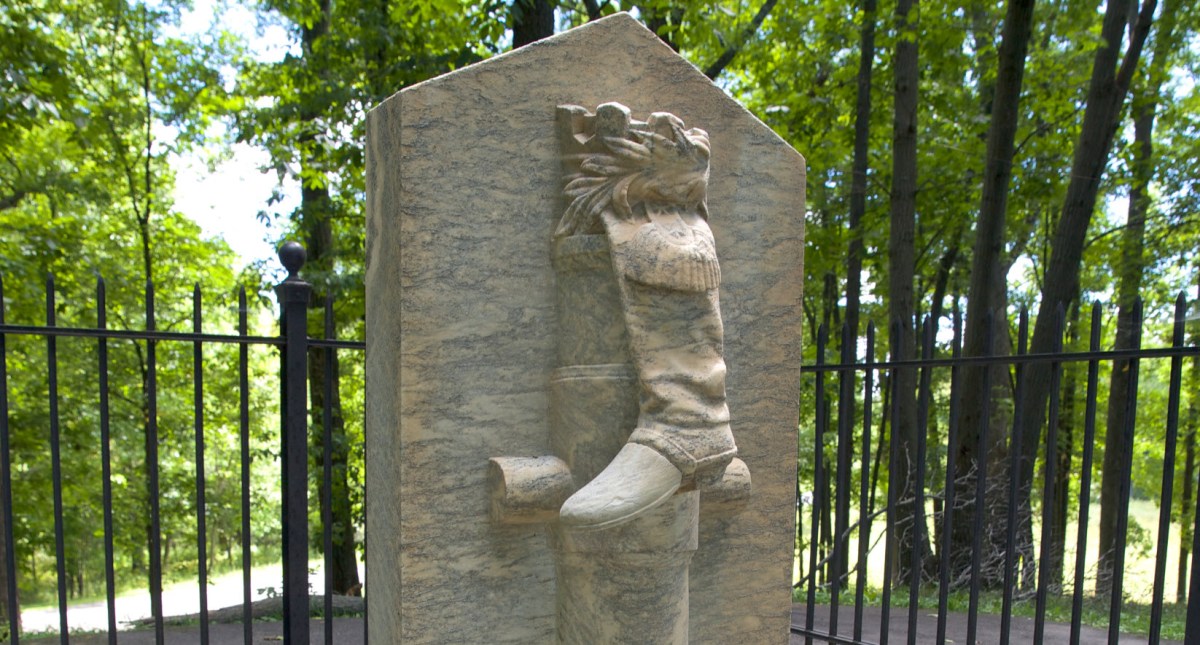
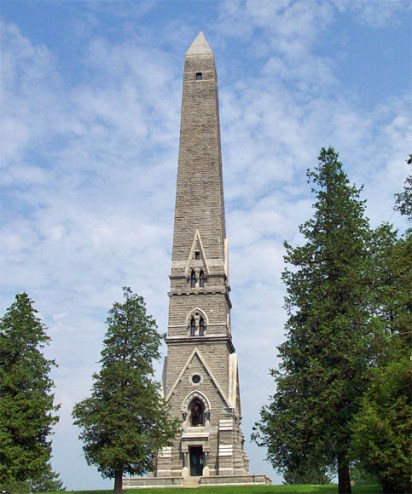 Today, the Saratoga battlefield and the site of Burgoyne’s surrender are preserved as the Saratoga National Historical Park. On the grounds of the park stands an obelisk, containing four niches.


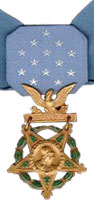 Major Whittlesey, Captain George McMurtry, and Captain Nelson Holderman, all received the Medal of Honor for their actions atop hill 198. Whittlesey was accorded the rare honor of being a pallbearer at the interment ceremony for the Unknown Soldier, but it seems his experience weighed heavily on him. Charles Whittlesey disappeared from a ship in 1921, in what is believed to have been a suicide.

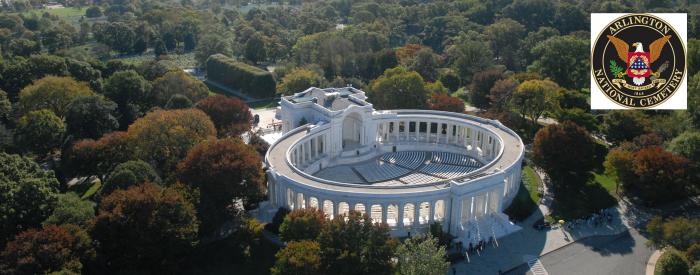
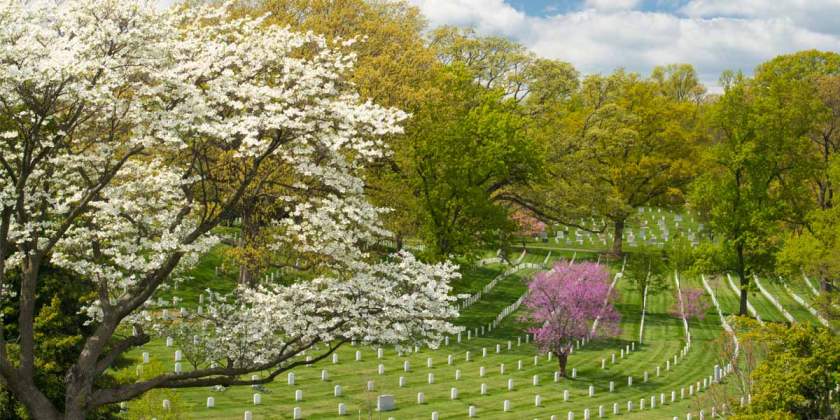
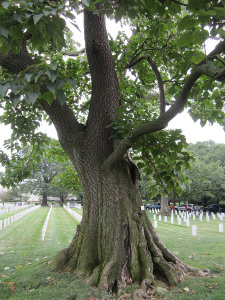
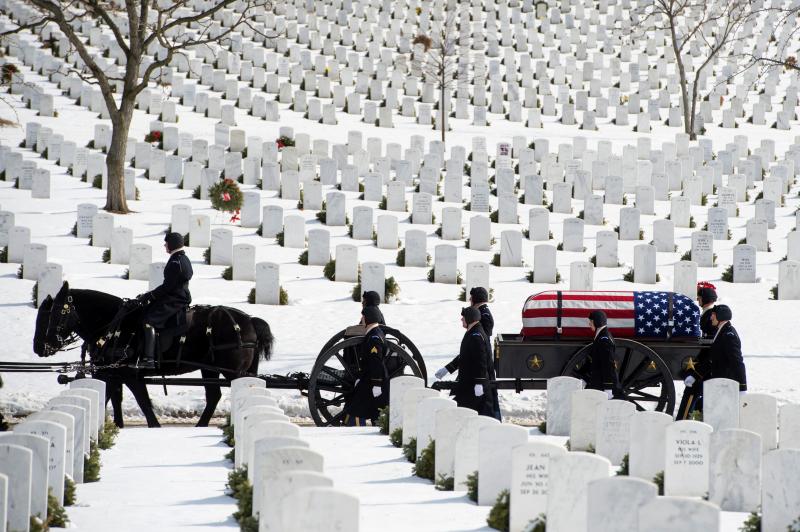
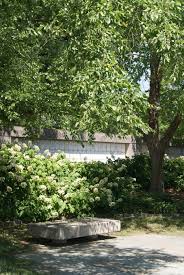
 Other tree ancestors include the Water Oak next to the Brown Chapel African Methodist Church in Selma, where Reverend Martin Luther King, Jr. delivered his “We Shall Overcome” speech, before setting out on the 50-mile march to Montgomery. The George Washington American Holly was grown from seeds gathered at Mount Vernon. Helen Keller climbed the 100-year-old Water Oak, as a child. The Overcup Oak descends from a tree which shaded the birthplace of the 16th President of the United States, Abraham Lincoln.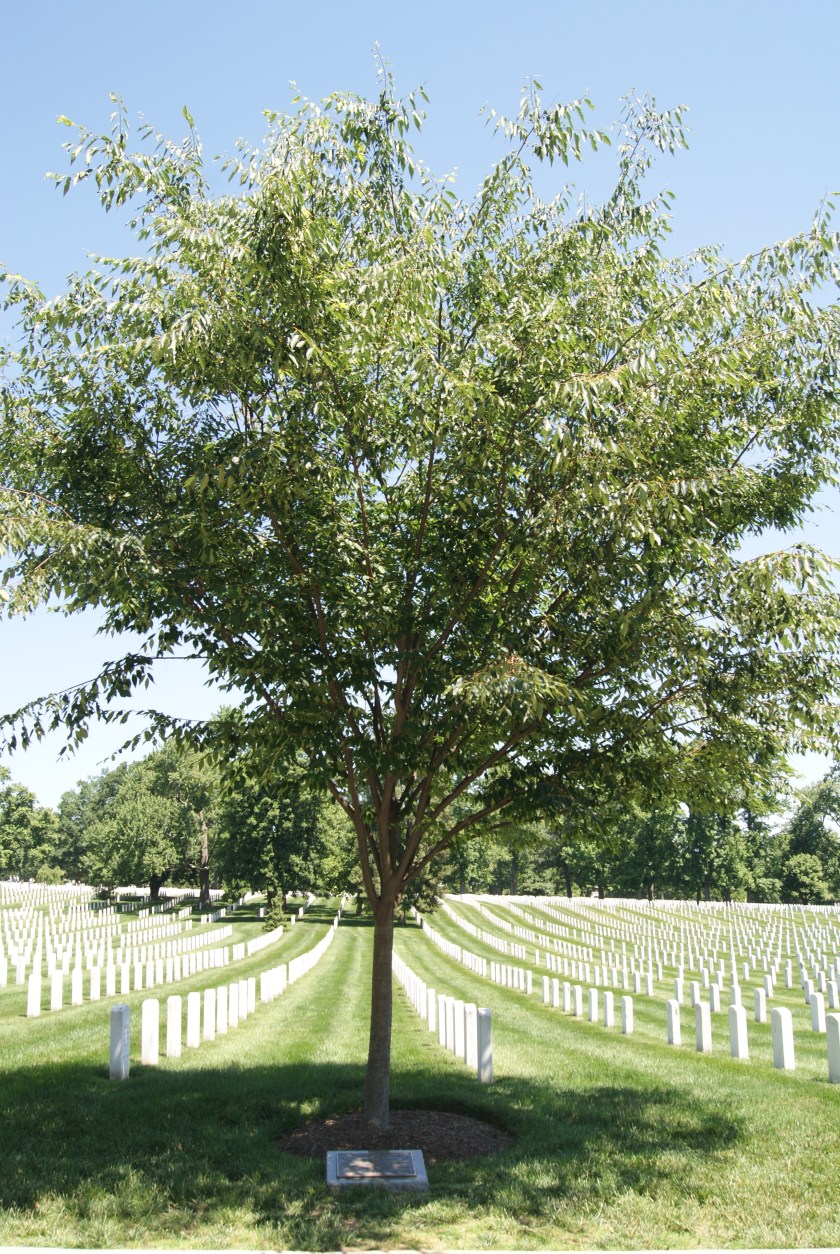



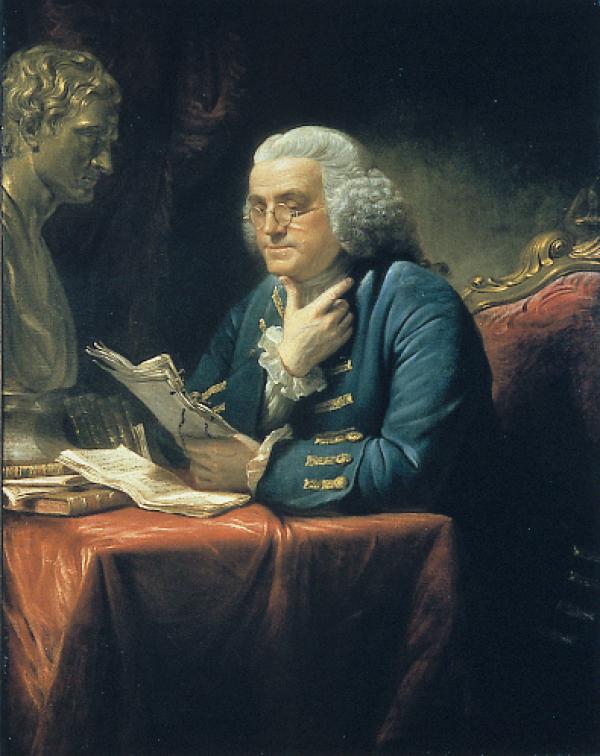


 Pitchers Eddie Cicotte and Claude “Lefty” Williams, along with outfielder Oscar “Hap” Felsch, and shortstop Charles “Swede” Risberg were all principally involved with fixing the series. Third baseman George “Buck” Weaver was at a meeting where the fix was discussed, but decided not to participate. Weaver handed in some of his best statistics of the year during the Series.
 Rumors were flying when the series started on October 2. So much money was on Cincinnati that the odds were flat. Gamblers complained that nothing was left on the table. Williams lost his three games in the best-out-of nine series, which I believe stands as a World Series record to this day. Cicotte became angry, thinking that gamblers were trying to renege, and he bore down, the White Sox winning game 7.
 Ironically, the 1919 scandal would lead to a White Sox crash in the 1921 season, beginning the “Curse of the Black Sox”. It was a World Series championship drought that lasted 88 years, ending only in 2005, with a sweep of the Houston Astros. Exactly one year after the Boston Red Sox ended their own 86-year drought, the “Curse of the Bambino”.

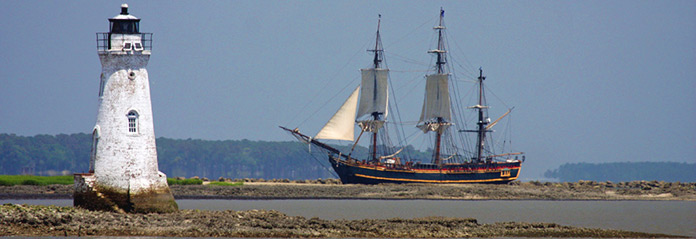

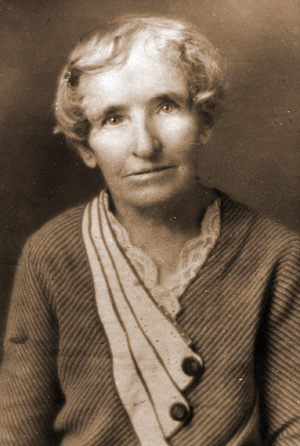


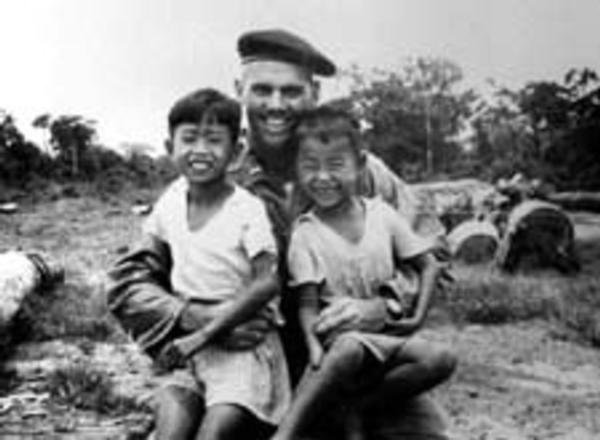

 In his spare time, this Green Beret, Army Ranger and Special Forces warrior would volunteer to work in the countless orphanages of South Vietnam.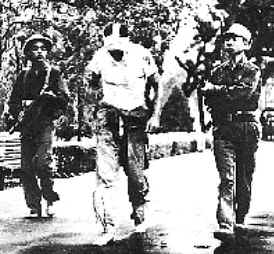
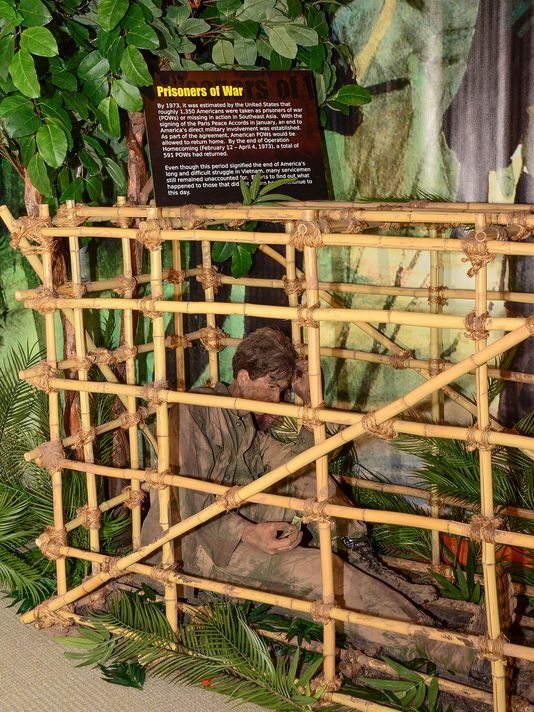
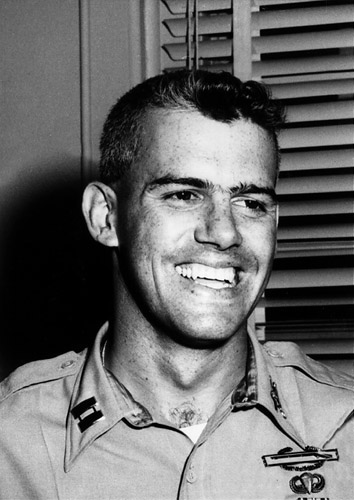 Rocky attempted to escape four times, despite leg wounds which left him no option but to crawl on his belly. Each such attempt earned him savage beatings, after which he’d only try harder.
 Rocky was murdered by his captors, his “execution” announced on North Vietnamese “Liberation Radio” on September 26, 1965. He was twenty-eight.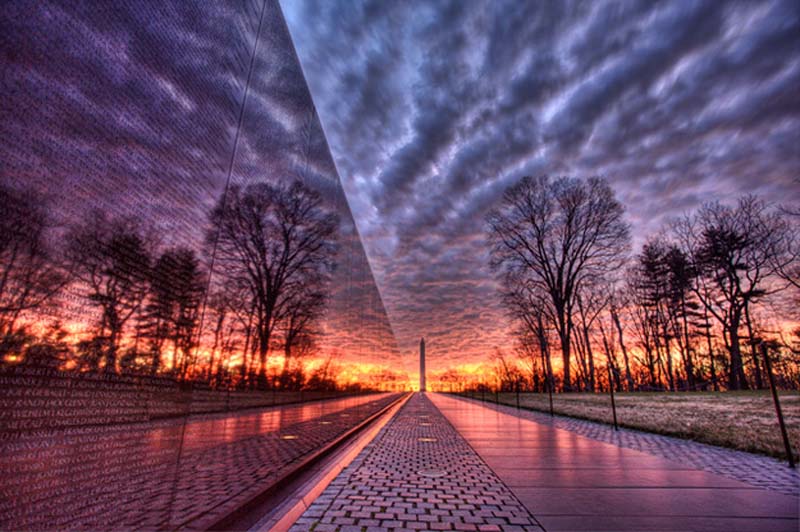


 The incoming Jefferson administration sought to block the appointments. Jefferson ordered then-Secretary of State James Madison to hold those commissions as yet undelivered, thus invalidating the appointments. One of the appointees, William Marbury, took the matter to Court.
 Intimidated by the Roosevelt administration’s aggressive and illegal “
 The framers gave us a Constitutional Republic with co-equal branches of government, with power diffused and limited by a comprehensive set of checks and balances.


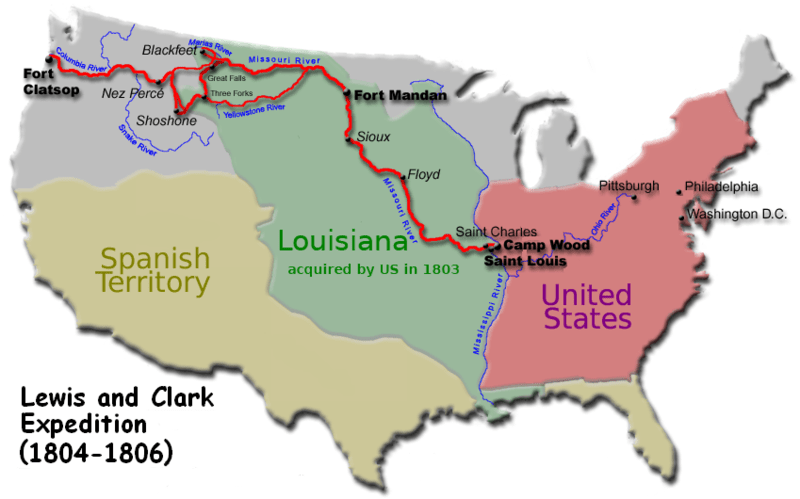
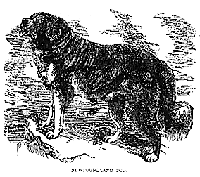 Most of 1803 was spent in planning and preparation, Lewis and Clark joining forces near Louisville that October. After wintering in the Indiana territory base camp in modern day Illinois, the 33-man expedition departed on May 14, 1804, accompanied by “Seaman”, a “Dogg of the Newfoundland breed”.
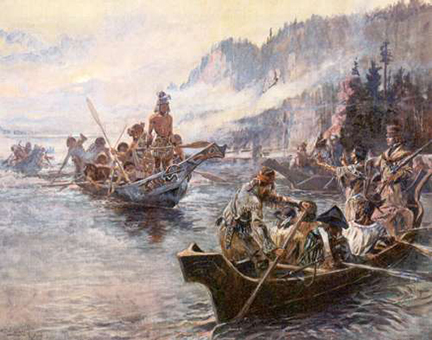 Discovery established friendly relations with at least 24 indigenous tribes, without whose help they may have become lost or starved in the wilderness. Most were more than impressed with Lewis’ state-of-the-art pneumatic rifle, which could silently fire up to 20 rounds after being pumped full of compressed air.
 The Corps of Discovery reached the Pacific Ocean in November 1805, and set out their second winter camp in modern-day Oregon.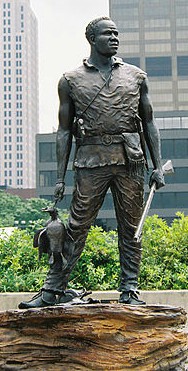

 Historical Easter Eggs - Today in History
You must be logged in to post a comment.