

Paul Emil von Lettow-Vorbeck was born into minor Prussian Nobility on this day in 1870. Joining the Corps of Cadets as a teenager, Lettow-Vorbeck worked his way up the German Imperial Army chain of command, becoming a general by 1914.
 At the outset of the “Great War”, a map of Africa looked nothing like it does today. From the Belgian Congo to Italian Somaliland, most of the continent was carved into colonies of the various European powers. France, Britain, Germany, Italy, Portugal, Belgium and Spain. All administered parts of the African continent.
Stationed in German East Africa and knowing that his sector would be little more than a side show in the greater war effort, Lettow-Vorbeck determined to tie up as many of his adversaries as possible.
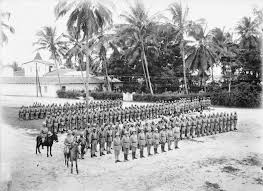
With a force never exceeding 14,000 (3,000 Germans and 11,000 Askari warriors), “Der Löwe von Afrika” tied up as many as 300,000 British, Belgian, and Portuguese troops, who wore themselves out in the pursuit.
Like the famous Lawrence of Arabia, Lettow-Vorbeck became a master of guerrilla warfare. He never lost a single battle, though it was not unheard of for combatants to break and flee a charging elephant or rhinoceros.
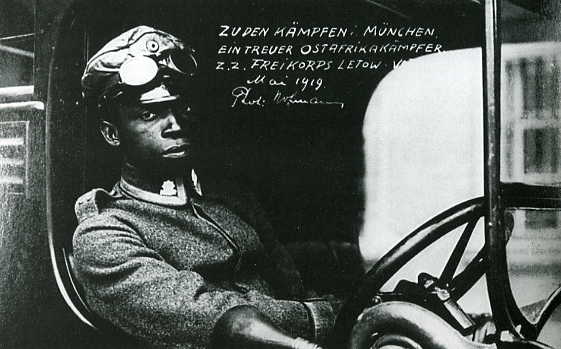
To his adversaries, disease and parasites were often more dangerous than enemy soldiers. In one month (July, 1916) Allied non-battle casualties ran 31 to 1 compared with combat-related injuries.
In 1956, Brazilian scientists attempted to cross African honey bees with indigenous varieties, to produce an insect better suited to the South American tropics. Today, we call the results of these failed experiments “Africanized” or “killer” bees.
 At one point in the battle for Tanga (November 7-8, 1914), a British landing force and their Sepoy allies were routed and driven back to the sea by millions of African bees, disturbed by rifle and machine gun fire. There’s a story about a British radioman, I don’t know if it’s true. This guy held his station, directing the evacuation from the beach while being stung to death by thousands of angry bees. He would be posthumously awarded the Victoria Cross for “gallantry under aerial attack”.

Returning home after the war, Vorbeck was greeted as a conquering hero. Of all German commanders in World War One, “der Löwe von Afrika” (the Lion of Africa) alone remained undefeated in the field. The only German commander to successfully invade imperial British soil during the Great War.
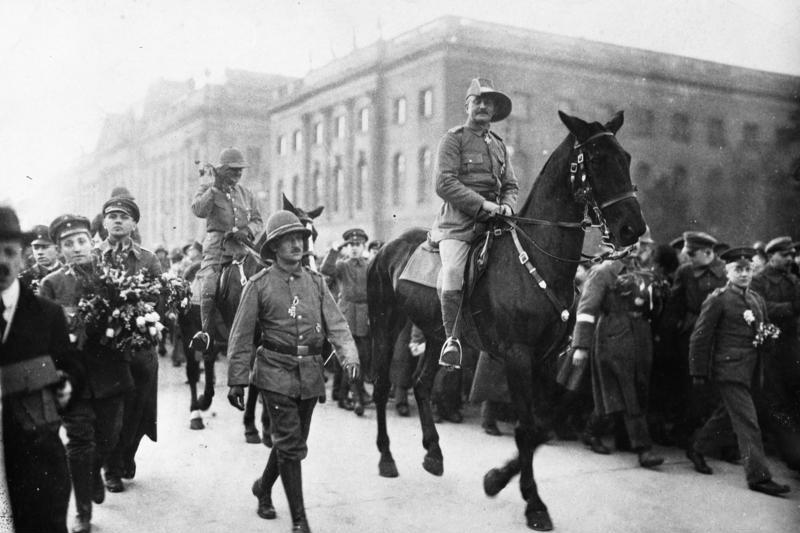
Lettow-Vorbeck developed a deep distrust of the upstart Adolf Hitler. When then-Chancellor Hitler offered him an ambassadorship to the Court of St. James in 1935, Lettow-Vorbeck told Hitler to go “f**k yourself.” Describing the interview afterward, Lettow’s nephew explained “That’s right, except that I don’t think he put it that politely.”
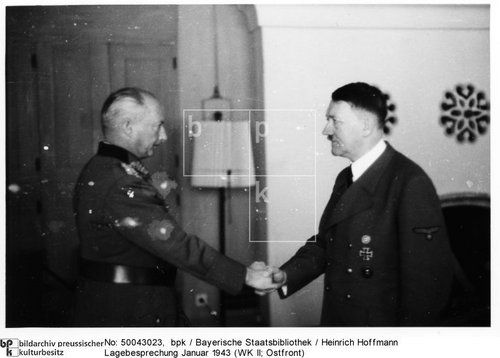
Following such a blunt refusal, Lettow-Vorbeck was kept under continual surveillance by the Nazi regime. His home and office were searched, his person subject to constant harassment. The Lion of Africa was destitute by the end of WWII. His two sons killed in service to the Wehrmacht, his home in Bremen destroyed by Allied bombs.
For a time, Vorbeck lived on food packages from British Intelligence Officer Richard Meinertzhagen and South African Field Marshal Jan Christiaan Smuts, two of his former adversaries in the East Africa campaign. It was a token of the respect these two had, for a man who had once been their enemy.
 In 1964, the year Lettow-Vorbeck died, the Bundestag voted to give back pay to former African warriors who had fought with German forces in WWI. Some 350 elderly Ascaris showed up. A few could produce certificates given them back in 1918, some had scraps of old uniforms. Precious few could prove their former service to the German Empire.
The German banker who had brought the money had an idea. As each man stepped forward, he was handed a broom and ordered to perform the German manual of arms. Not one man failed the test.
Lettow-Vorbeck formed a lifelong friendship during his time in Africa, with the Danish author Karen Blixen, best known by her pen name Isak Dinesen, author of “Out of Africa”. Years later, Blixen recalled, “He belonged to the olden days, and I have never met another German who has given me so strong an impression of what Imperial Germany was and stood for”.
 A Trivial Matter



 By the 80s, market analysts believed that baby boomers were likely to switch to diet drinks as they aged, and any growth in the full calorie segment was going to come from younger consumers who preferred the sweeter taste of Pepsi.
 Even Max Headroom and his “C-c-c-catch the wave!” couldn’t save the company.


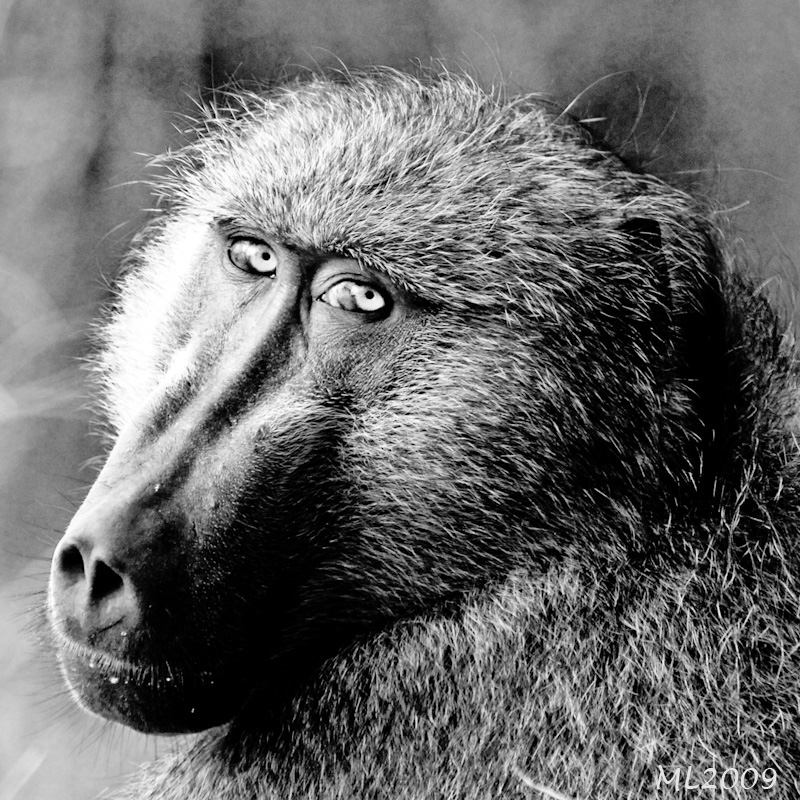

 One day at an open-air market, the peg-legged signalman saw something that changed all that. It was a monkey, a Chacma baboon.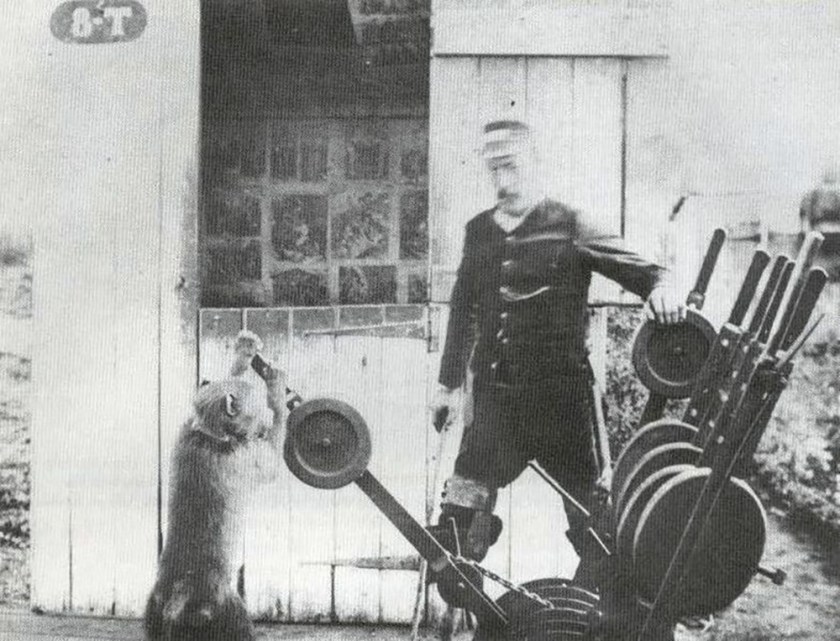


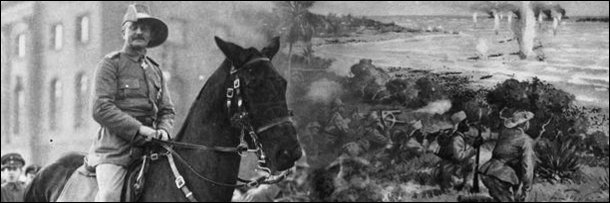
 Stationed in Deutsch-Ostafrika (German East Africa) and knowing that his sector would be little more than a side show to the greater war effort, Lettow-Vorbeck determined to tie up as many of his adversaries as possible.
 To his adversaries, disease and parasites were often more dangerous than enemy action. In July 1916, Allied non-battle casualties ran 31 to 1, compared with battle casualties.
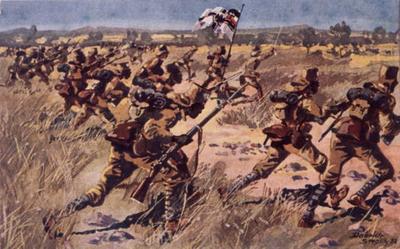 At one point in the
 Such a blunt refusal was guaranteed to bring unwanted attention from the Nazi regime. Vorbeck’s home and office were searched, his person subject to constant harassment and surveillance. By the end of WWII, the Lion of Africa was destitute. Both of his sons were killed serving in the Wehrmacht, his home in Bremen destroyed by Allied bombs.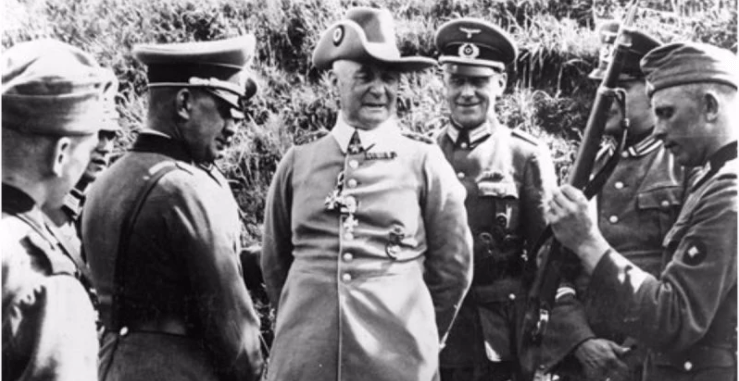


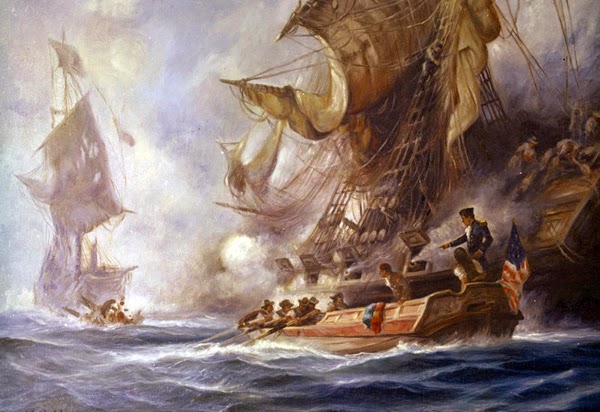
 On the evening of February 16, 1804, Decatur entered Tripoli Harbor with a force of 74 Marines. With them were five Sicilian volunteers, including pilot Salvador Catalano, who spoke fluent Arabic. Disguised as Maltese sailors and careful not to draw fire from shore batteries, Decatur’s force boarded the frigate, killing or capturing all but two of its Tripolitan crew. Decatur and his marines had hoped to sail Philadelphia out of harbor, but soon found she was in no condition to leave. Setting combustibles about the deck, they set the frigate ablaze. Ropes burned off, setting the Philadelphia adrift in the harbor. Loaded cannon cooked off as the blaze spread, firing random balls into the town. It must have been a sight, when gunpowder stores ignited and the entire ship exploded.

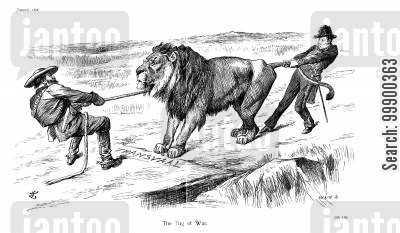
 Forty years later and half a world away, what would one day become South Africa was divided into four entities: the two British possessions of Cape Colony and Natal, and the two Boer (Dutch) Republics of the Orange Free State and the South African Republic, better known as Transvaal. Of the four states, Natal and the two Boer Republics were mainly agricultural, populated by subsistence farmers. The Cape Colony was by far the largest, dominating the other three economically, culturally, and socially.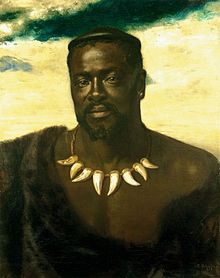
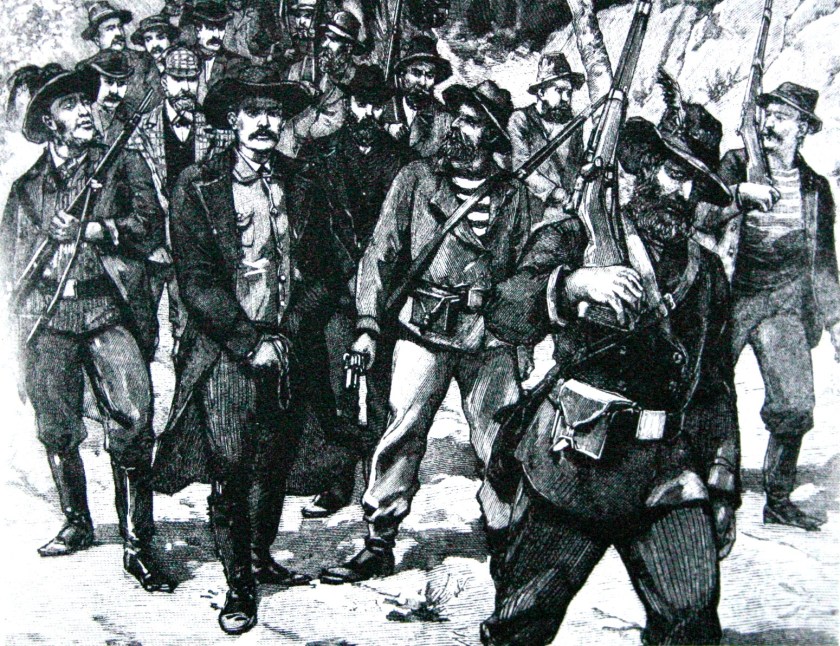


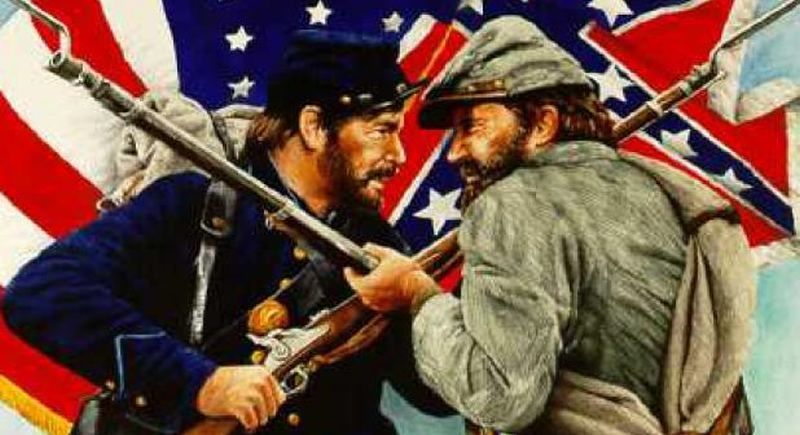



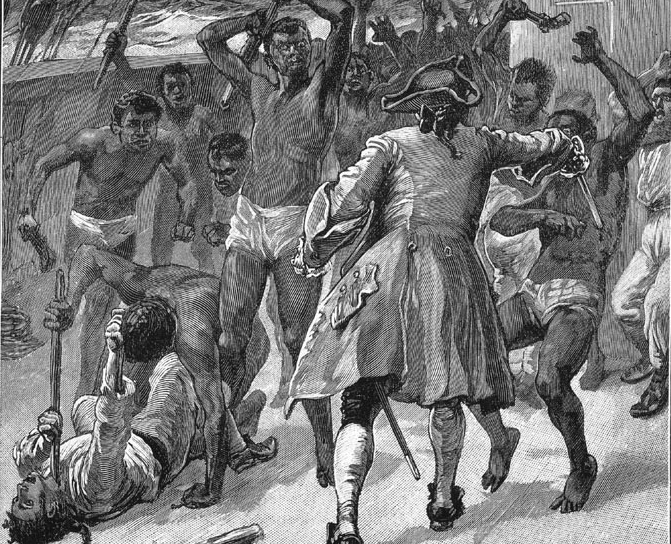
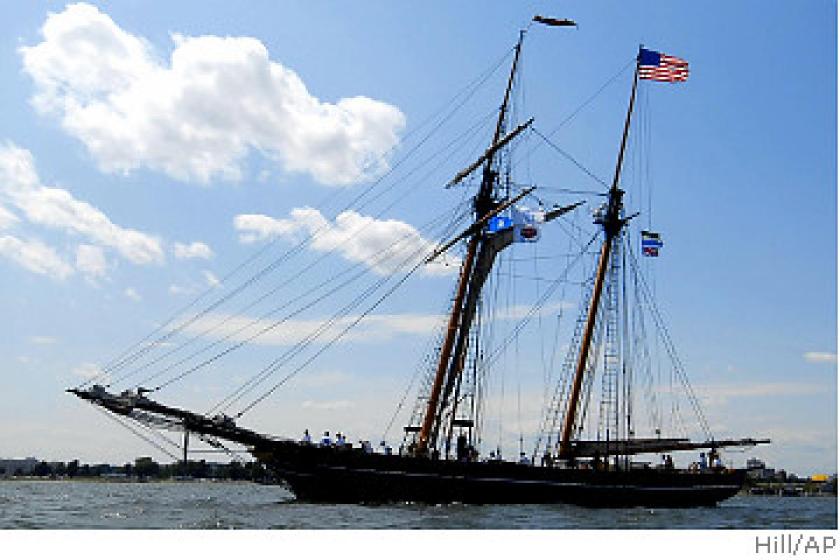
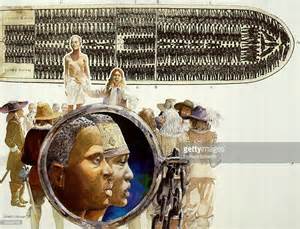
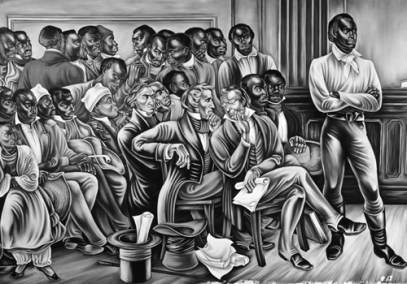 The district court trial which followed in Hartford determined that the Mendians’ papers were forged, and they should be returned to Africa. The cabin boy was ruled to be a slave and ordered returned to the Cubans, however he fled to New York with the help of abolitionists. He would live out the rest of his life as a free man.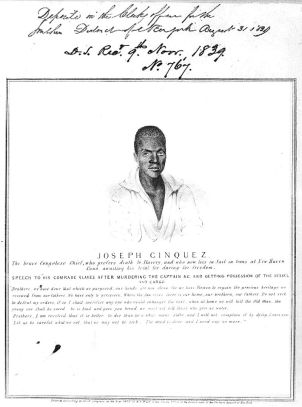

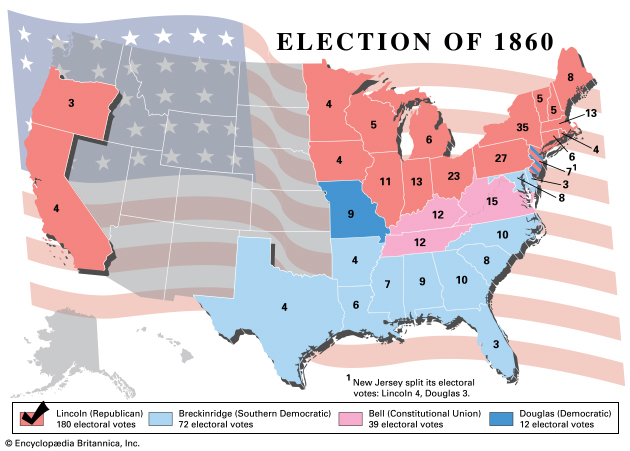
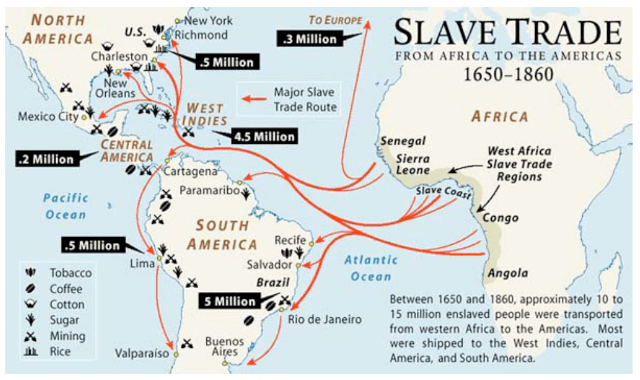
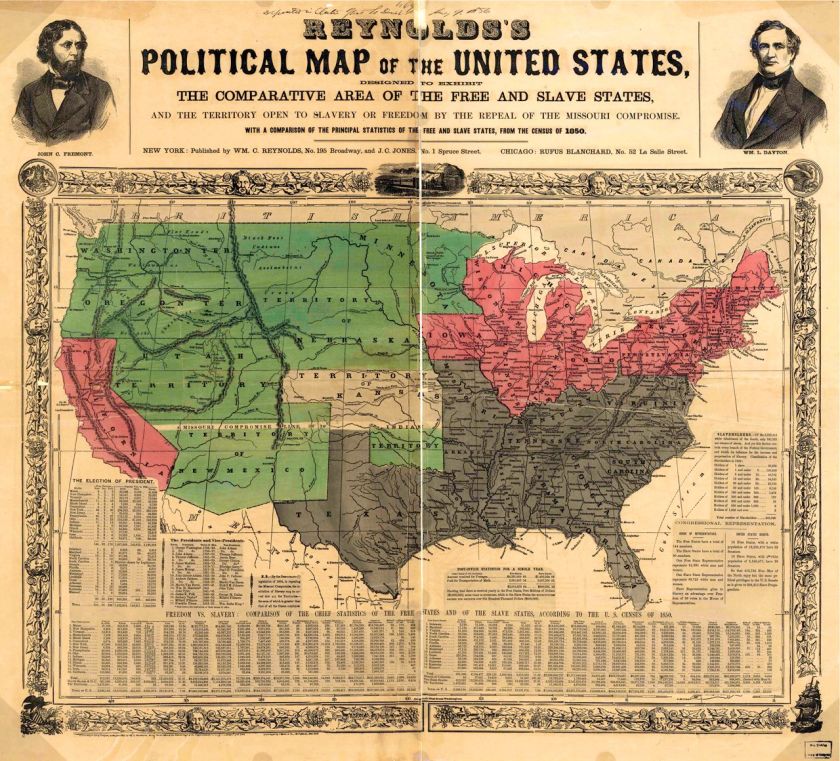
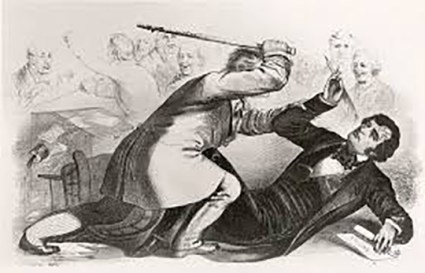 Sectional differences grew and sharpened in the years that followed. A member of Congress from Kentucky killed a fellow congressman from Maine. A Congressman from South Carolina all but beat a Massachusetts Senator to death with a
 Historical Easter Eggs - Today in History
You must be logged in to post a comment.