

Cuban strongman Fulgencio Batista seized power March 1952, proclaiming himself president and labeling his governing system “disciplined democracy”. While Batista had some popular support when he canceled presidential elections, many Cubans came to see the administration as a one-man dictatorship. Opponents of the regime formed several anti-Batista groups, taking to armed rebellion to oust the government. The best known of these groups was the “26th of July Movement”, founded by the lawyer Fidel Castro and operated out of base camps in the Sierra Maestra mountains.
Batista’s repressive tactics led to widespread disapproval by the late ’50s, culminating in his resignation on December 31, 1958. By February 1959, Fidel Castro had installed himself as Prime Minister.
 Castro proclaimed his administration to be an example of “direct democracy”, and dismissed the need for elections. The Cuban people could assemble demonstrations and express their democratic will to him personally, he said. Who needs elections?
“Trials” were carried out across the country, some in sports stadia in front of thousands of spectators. Hundreds of supporters of the former regime were executed as a result. When Castro didn’t like the outcome, he would personally order a retrial.
American influence had once been widespread on the island, but that went away as the Castro regime adopted an increasingly leftist posture. “Until Castro”, said Earl Smith, former American Ambassador to Cuba, “the U.S. was so overwhelmingly influential in Cuba that the American ambassador was the second most important man, sometimes even more important than the Cuban president.”
Castro nationalized US controlled oil refineries run by Esso and Standard Oil as well as Anglo-Dutch Shell, when US authorities objected to their being required to process oil purchased from the Soviet Union. Tit-for-tat retaliations resulted in the expropriation of American owned banks and sugar refineries, by October 1960 the Castro regime had “nationalized” a total of 166 such businesses, including Coca Cola and Sears & Roebuck.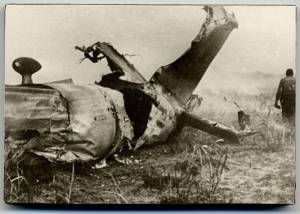
Secretary of State Christian Herter publicly stated that Castro was “following faithfully the Bolshevik pattern” by instituting a single-party political system, taking control of trade unions, suppressing civil liberties, and sharply limiting both freedom of speech and freedom of the press. Castro fired back, criticizing the way black people and the working classes were treated in New York City, attacking US media as “controlled by big business” and claiming that the American poor were living “in the bowels of the imperialist monster”.
A “secret” operation was conceived and initiated under the Eisenhower administration, and approved by the incoming Kennedy administration. Beginning on April 15, 8 B-29 CIA bombers attacked Cuban military aircraft on the ground at several locations. A B-26 bearing Cuban markings and perforated with bullet-holes later landed at Miami International Airport, the pilots claiming to be defecting Cubans. The story began to unravel, when reporters noted that the plane’s machine guns hadn’t been fired. Furthermore, the Cubans didn’t operate that type of plane. Fidel Castro said that not even Hollywood would have tried such a feeble story.
The invasion began on the 16th, when 1,400 Cuban exiles landed on Cuba’s “Playa Girón”, or “Bay of Pigs”. Snagged on razor sharp coral that reconnaissance had identified as seaweed, landing forces were pinned down as government forces responded in the early morning hours of April 17. The landing achieved a beachhead, but things quickly started to go wrong. A freighter containing food, fuel, medical equipment, and ten days’ ammunition, was sunk. The Cuban Air Force had taken a beating two days earlier, but “Brigade 2506” wasn’t supplied with fighter aircraft at all. Wanting to preserve “plausible deniability”, President Kennedy refused to allow US fighters to go into combat, leaving the remnants of the Cuban Air Force unopposed. Landing forces were bombed and strafed, at will.
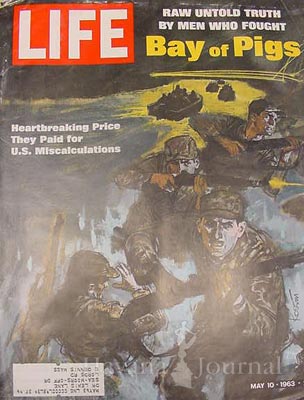 Kennedy was finally persuaded to authorize unmarked US fighter jets from the aircraft carrier Essex to provide escort cover for the invasion’s B-26 bombers, most of which were flown by CIA personnel in support of the ground invasion. Fighters missed their rendezvous by an hour, due to a misunderstanding about time zones. Unescorted bombers are easy targets, and two of them were shot down with four Americans killed. Fighting ended on April 20, 1961 in what had become an unmitigated fiasco.
The Bay of Pigs invasion was probably doomed from the start. Castro was popular at that time, and the project had not exactly been a secret. The New York Times had run a story a month earlier, predicting a US invasion of Cuba in the coming weeks. Another story ran on April 7, headlined “Anti-Castro Units Trained to Fight at Florida Bases,” reporting that invasion plans were in their final stages. When Kennedy saw the paper, he said that Castro didn’t need spies, all he had to do was read the news.


 By 1916 it was generally understood in Germany, that the war effort was “shackled to a corpse”, referring to Germany’s Austro-Hungarian ally. Italy, the third member of the “Triple Alliance”, was little better. On the Triple Entente side, the French countryside was literally torn to pieces, the English economy close to breaking. The Russian Empire, the largest nation on the planet, was on the edge of the precipice.
 the more extreme road. While Reds and Whites both wanted to bring socialism to the Russian people, the Mensheviks argued for predominantly legal methods and trade union work, while Bolsheviks favored armed violence.




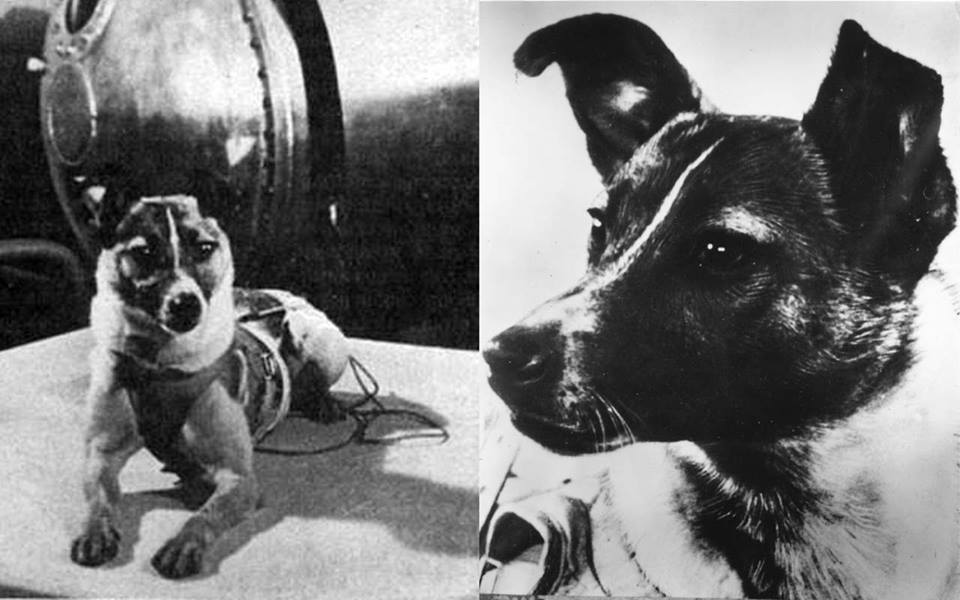
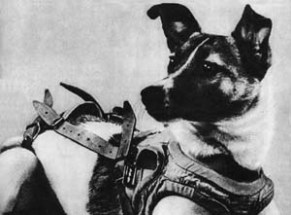
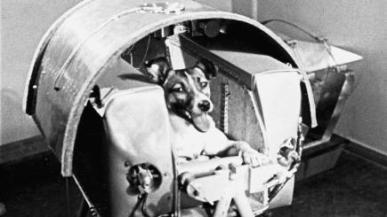 allowed her to stand, sit and lie down. Finally, it was November 3, 1957. Launch day. One of the technicians “kissed her nose and wished her bon voyage, knowing that she would not survive the flight”.
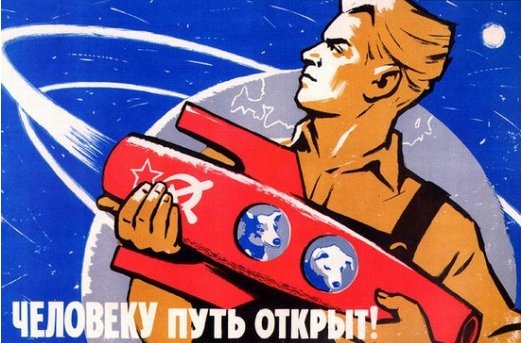
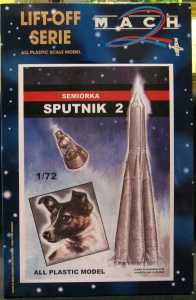 In the beginning, the US News media focused on the politics of the launch. It was all about the “Space Race”, and the Soviet Union running up the score. First had been the unoccupied Sputnik 1, now Sputnik 2 had put the first living creature into space. The more smartass specimens among the American media, called the launch “Muttnik”.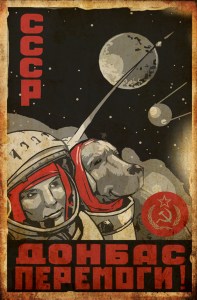
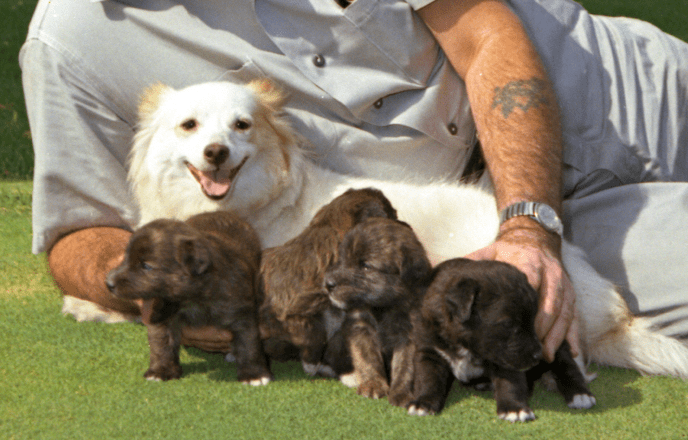
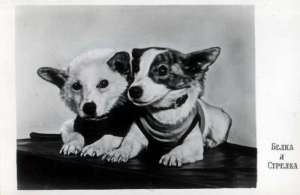 As a dog lover, I feel the need to add a more upbeat postscript, to this thoroughly depressing story.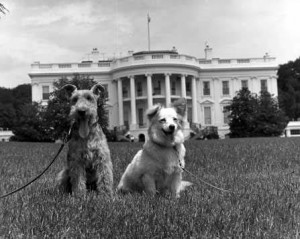


 President James Buchanan attempted to reinforce and resupply Anderson, via the unarmed merchant vessel “Star of the West”. Shore batteries opened up on the effort on January 9, 1861, effectively trapping Anderson and his garrison inside the only federal property in the vicinity.


 Charleston Mercury Newspaper, offered to personally eat the bodies of all the slain in the coming conflict. Not wanting to be outdone, former Senator James Chesnut, Jr. said “a lady’s thimble will hold all the blood that will be shed,” promising to personally drink any that might be spilled.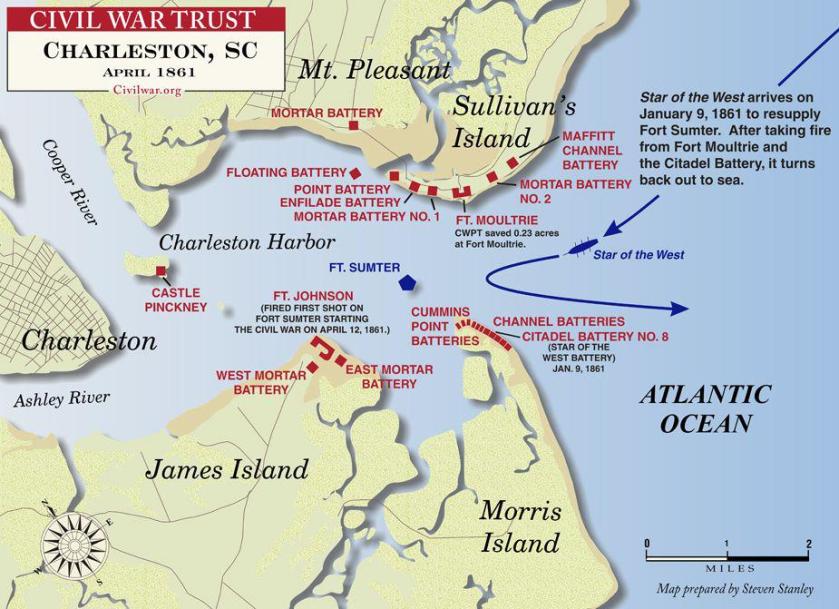

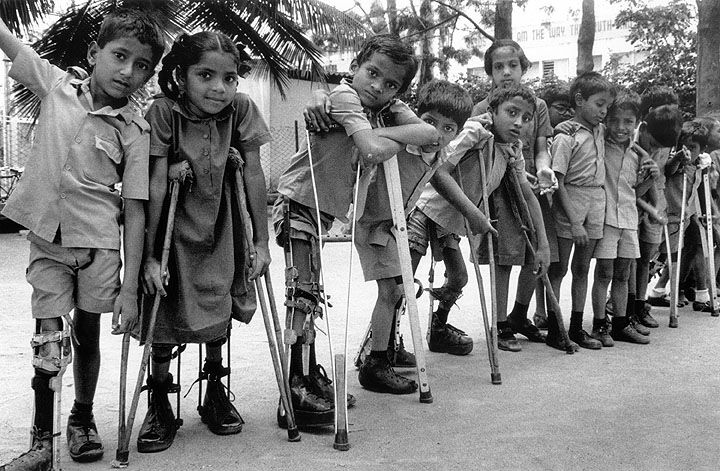
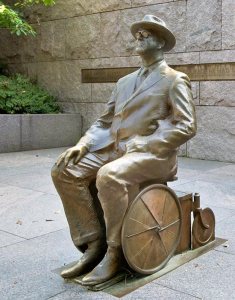
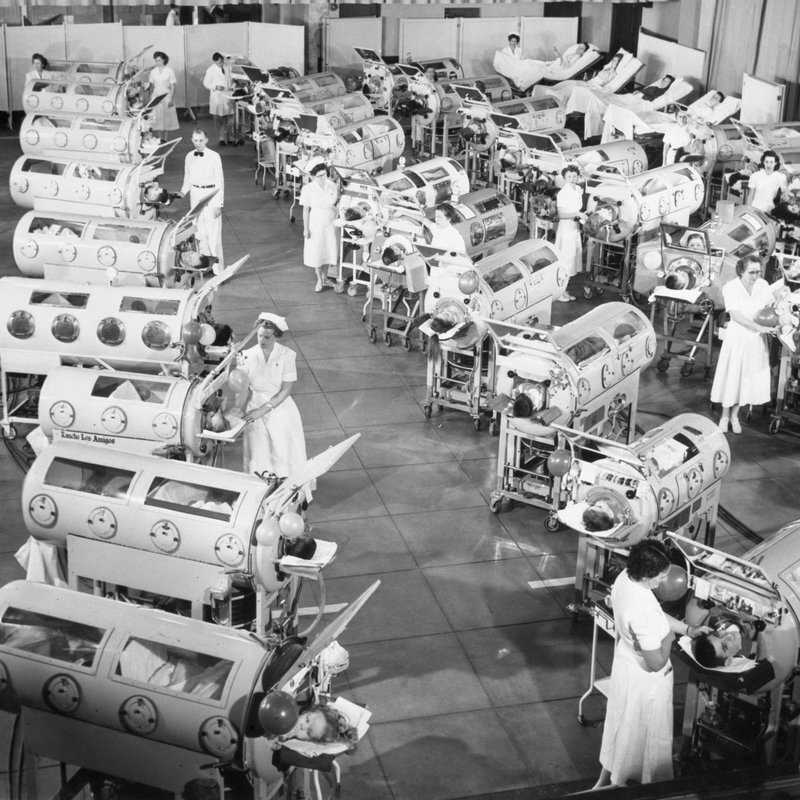
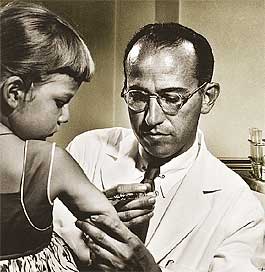 couple kept their kids focused on school.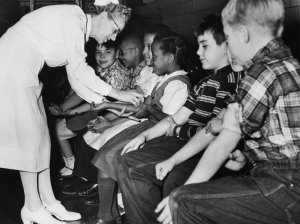
 do to protect the family. I grew up in this era. Each summer, polio would come like The Plague. Beaches and pools would close — because of the fear that the poliovirus was waterborne. Children had to stay away from crowds, so they often were banned from movie theaters, bowling alleys, and the like. My mother gave us all a ‘polio test’ each day: Could we touch our toes and put our chins to our chest? Every stomach ache or stiffness caused a panic. Was it polio? I remember the awful photos of children on crutches, in wheelchairs and iron lungs. And coming back to school in September to see the empty desks where the children hadn’t returned.”



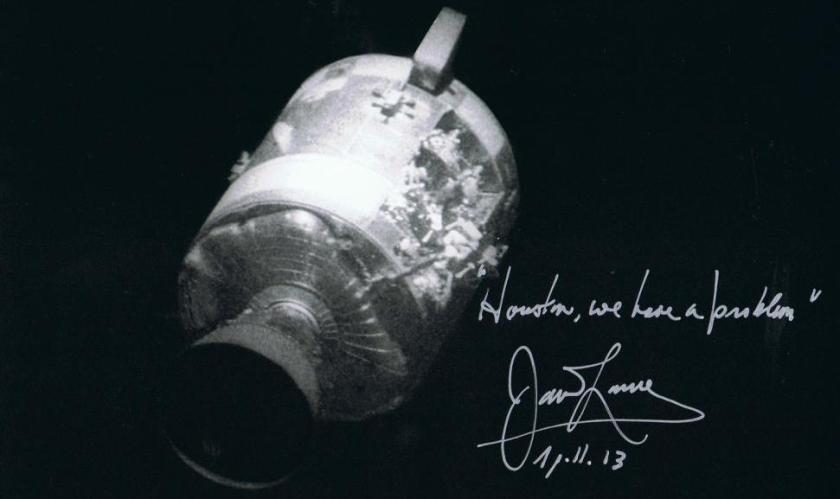
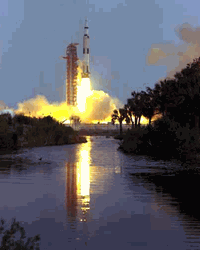 Jack Swigert was supposed to be the backup pilot for the Command Module, (CM), officially joining the Apollo 13 mission only 48 hours earlier, when prime crew member Ken Mattingly was exposed to German measles. Jim Lovell was the world’s most traveled astronaut, a veteran of two Gemini missions and Apollo 8. By launch day, April 11, 1970, Lovell had racked up 572 space flight hours. For Fred Haise, former backup crew member on Apollo 8 and 11, this would be his first spaceflight.
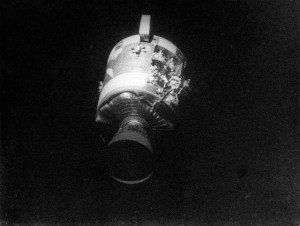
 This situation had been suggested during an earlier training simulation, but had been considered unlikely. As it happened, the accident would have been fatal without access to the Lunar Module.



 The Stuart King James had judges riding into the countryside once a year to hear cases, saving many of his subjects the arduous journey to London. The custom carried “across the pond” and, from the earliest days of the American colonies, judges could be found “riding the circuit”.
 In 1937, President Franklin Delano Roosevelt sought to increase the number of justices to 15. Then as now, the court was sharply divided along ideological lines, consisting of a four member conservative majority called the “four horsemen”, three liberals dubbed the “three musketeers” and two “swing votes”.
 There have been fewer justices in Supreme Court history than you might think. The recent passing of Antonin Scalia made way for only number 113.
 “There are some who believe that the president, having won the election, should have complete authority to appoint his nominee, that once you get beyond intellect and personal character, there should be no further question as to whether the judge should be confirmed. I disagree with this view”. The filibuster was joined by Senators Kennedy, Leahy, Durbin, Salazar, and Baucus.
 Senator Schumer once said, “We have three branches of government. We have a house, we have a senate, we have a president.” He got that wrong, but he was part right. We have three co-equal branches in our government, each having specific responsibilities as laid out in the Constitution.


 Historical Easter Eggs - Today in History
You must be logged in to post a comment.