

 As the story goes, it was 1853, at an upscale resort in Saratoga Springs New York. A wealthy and somewhat unpleasant customer sent his fried potatoes back to the kitchen, complaining that they were too soggy, and they didn’t have enough salt. George Crum, back in the kitchen, doesn’t seem to have been a very nice guy, himself. Crum thought he’d fix this guy, so he sliced some potatoes wafer-thin, fried them up and doused the hell out of them, with salt. Sending them out to the table and fully expecting the customer to choke on them, Crum was astonished to learn that the guy loved them. He ordered more, and George Crum decided to add “Saratoga Chips” to the menu. The potato chip was born.
Herman Lay was a brilliant marketer, even from a young age. Born on this day in 1909, Lay opened a Pepsi Cola stand on his front lawn at the age of 11. When the city ballpark across the street was charging ten cents for a Pepsi, Lay charged a nickel.
Lay was a lumberjack, a jewelry salesman, and a peanut salesman, before he went to work for the Atlanta based Barrett Potato Chip Company. He traveled the Southeast during the Great Depression in his Model A Ford, selling chips to grocery stores, gas stations and soda shops. When the company’s owner died, Lay raised $60,000 and bought the company’s plants in Atlanta and Memphis.
By this time, potato farmers had developed a low moisture “chipping potato”, because other types tended to shrink too much in processing. Other inventions like the mechanical potato peeler, the continuous fryer and sealed bags helped “chippers” of the 30s and 40s ship their products farther than ever before.
 Lay began buying up small regional competitors at the same time that another company specializing in corn chips was doing the same. “Frito”, the Spanish word for “fried”, merged with Lay in 1961 to become – you got it – Frito-Lay. By 1965, the year Frito-Lay merged with Pepsi-Cola to become PepsiCo, Lay’s was the #1 potato chip brand in every state in America.
Procter & Gamble figured out how to put a potato chip in a can, using dehydrated potato flakes and calling them “Pringles”. Potato chip manufacturers lobbied Congress to prevent the new snacks from being called “potato chips” and Federal officials offered Pringles a compromise, allowing them to call them “chips made from dried potatoes.” Procter & Gamble said no thanks, instead calling their product potato crisps. Ironically, P&G would later sue to have Pringles declared NOT to be a potato chip, to avoid millions in British Commonwealth taxes levied on products “made from the potato, or from potato flour.”
The biggest threat that Frito-Lay would ever experience came from the Beer giant Anheuser-Busch, when they introduced their “Eagle” line of salty snacks in the 1970s. It made perfect sense at the time, a marketing and distribution giant expanding into such a complementary product category, what could go wrong? Frito-Lay profits dropped by 16% by 1991, and PepsiCo laid off 1,800 employees, but Eagle Snacks never turned a profit in 16 years. Anheuser-Busch put the company up for sale in 1995.
According to Forbes, Americans spent $5.64 billion on potato chips in 2016, more than the GDP of any of the 42 smallest countries, on earth.

Tom Peters wrote about Frito-Lay in his 1982 book “In Search of Excellence”. They’ll spend $150 to make a $30 delivery if that’s what they need to do, because their customer is counting on them, and they pride themselves on a 99.5% on-time delivery record. It might not make economic sense as a standalone transaction, but the company has a 60% share of the potato chip market, a massive 72.4% in the tortilla and tostada chips segment, and the highest profit margins in the industry. All that in “undifferentiated commodity” categories, in which their closest competitor has 7%.
Frito-Lay practices over-the-top customer service, in contradistinction to what so many companies put us through these days, in our everyday lives. There is a business lesson there, for those who would learn it.


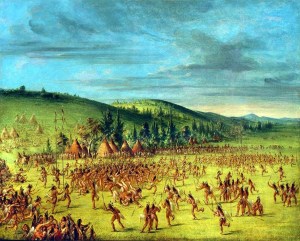 Native American stickball had many variations, but the object was to hit a stake or other object with a “ball”. The ball was a stone wrapped in leather, handled with one or sometimes two sticks. There could be up to several hundred contestants to a team, and the defenders could employ any means they could think of to get at the ball, including hacking, slashing or any form of physical assault they liked. Lacerations and broken bones were commonplace, and it wasn’t unheard of that stickball players died on the field. The defending team could likewise employ any method they liked to keep the opposing team off of the ball carrier, and they played the game on a field that could range from 500 yards to several miles.
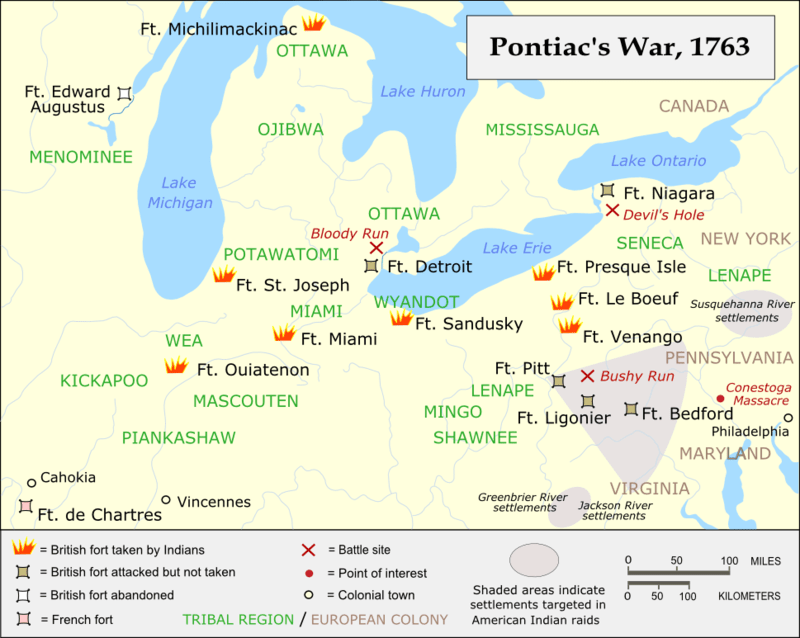
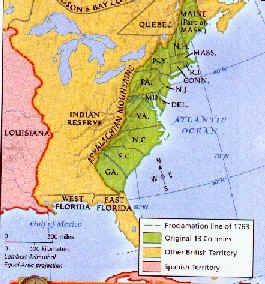 The British Royal Proclamation of October 7, 1763, drew a line between the British colonies and Indian lands, creating a vast Indian Reserve stretching from the Appalachians to the Mississippi River and from Florida to Newfoundland. For the Indian Nations, this was the first time that a multi-tribal effort had been launched against British expansion, the first time such an effort had not ended in defeat.


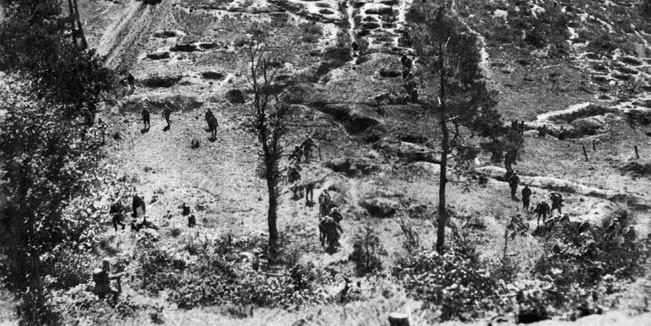
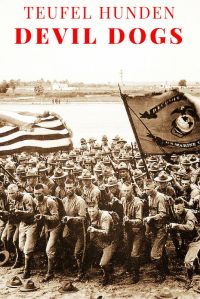
 The results of the Feuerwalze were devastating, if not predictable. Allied lines were smashed as German armies poured through, taking 19 kilometers in three days and reaching the Marne River, 50 miles from Paris. On May 31, a dogged defense by the US 3rd Infantry Division turned the German advance at Château-Thierry, and toward Belleau Wood.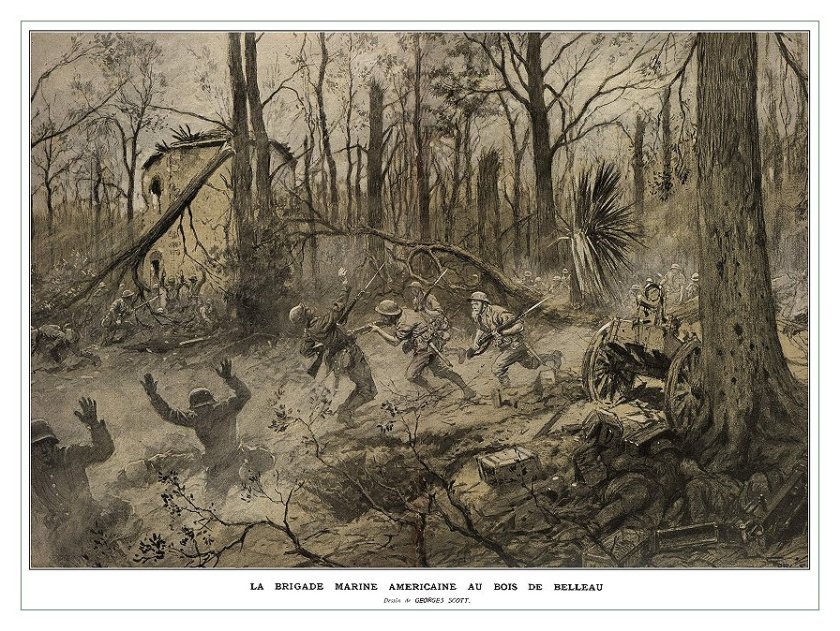


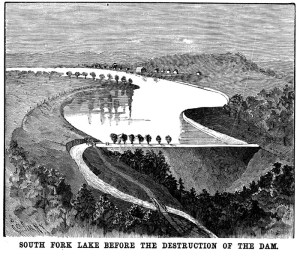

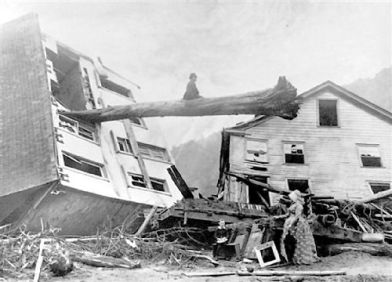
 Traveling at 40 miles per hour, the 60′ wall of water and debris hit Johnstown 57 minutes after the dam broke. Some residents had managed to scramble to high ground, but most were caught by surprise by the flood waters.
 When it was over, 2,209 were dead. 99 entire families had ceased to exist, including 396 children. 124 women and 198 men were widowed, 98 children orphaned. 777 people, over 1/3rd of the dead, were never identified. Their remains are buried in the “Plot of the Unknown” in Grandview Cemetery in Westmont.
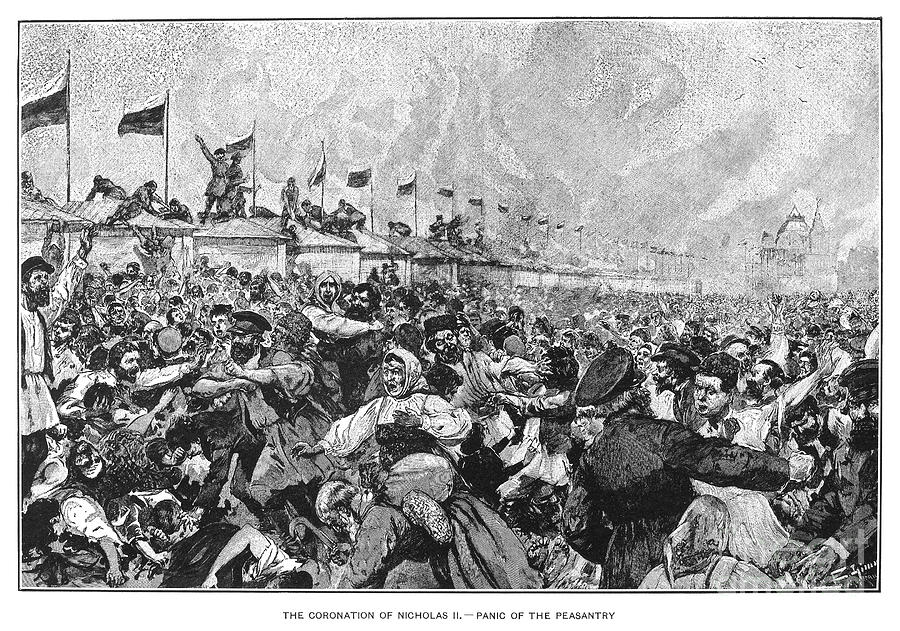
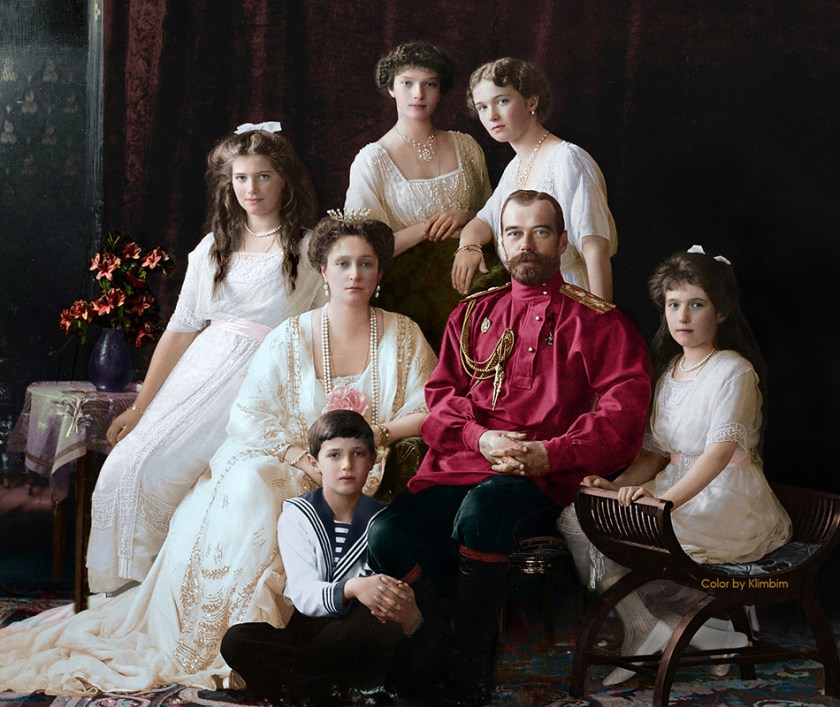
 People began to gather on the 29th. By 5:00am on the 30th, the crowd was estimated at half a million. A rumor began to spread among the crowd that there wasn’t enough beer or pretzels to go around. At that point the police force of 1,800 wasn’t enough to maintain order. The crush of the crowd and the resulting panic resulted in a human stampede. Before it was over 1,389 people were trampled to death, and another 1,300 injured.

 3,662,374 military service certificates were issued to qualifying veterans, bearing a face value equal to $1 per day of domestic service and $1.25 a day for overseas service, plus interest. Total face value of these certificates was $3.638 billion, equivalent to $43.7 billion in today’s dollars and coming to full maturity in 1945.
 This had happened before. Hundreds of Pennsylvania veterans of the Revolution had marched on Washington in 1783, after the Continental Army had been disbanded without pay.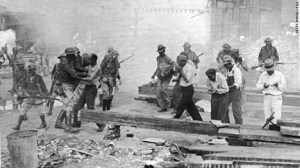
 Bonus marchers fled to their largest encampment across the Anacostia River, when President Hoover ordered the assault stopped. Feeling that the Bonus March was an attempt to overthrow the government, General MacArthur ignored the President and ordered a new attack, the army routing 10,000 and leaving their camps in flames. 1,017 were injured and 135 arrested. The wife of one veteran miscarried. 12 week old Bernard Myers died after being caught in the gas attack. A government investigation later claimed he died of inflammation of the small intestine, but a hospital employee said the tear gas “didn’t do it any good.”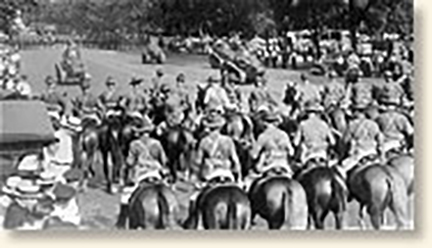


 Predicting a solar eclipse isn’t the same as predicting a lunar eclipse; the calculations are far more difficult. When the moon passes through the shadow of the sun, the event can be seen by half of the planet, the total eclipse phase lasting over an hour. In a solar eclipse, the shadow of the moon occupies only a narrow path, and the total eclipse phase is only about 7½ minutes at any given place.

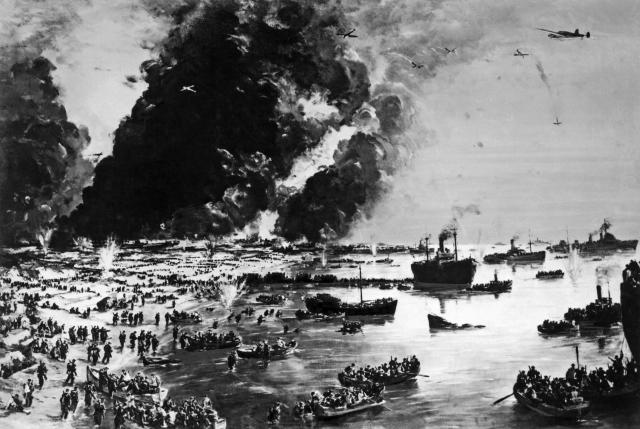
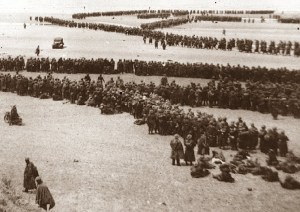
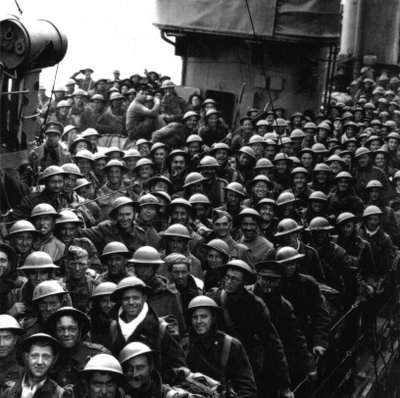
 In May of 1940 the British Expeditionary Force and what remained of French forces occupied a sliver of land along the English Channel. Field Marshall Gerd von Rundstedt called a halt of the German armored advance on May 24, while Hermann Göring urged Hitler to stop the ground assault, let the Luftwaffe finish the destruction of Allied forces. On the other side of the channel, Admiralty officials combed every boatyard they could find for boats to ferry their people off of the beach.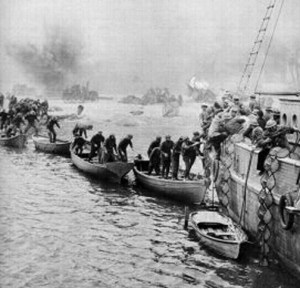




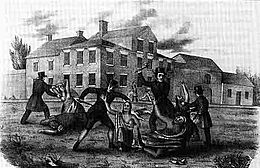
 In 1726, Quaker minister John Wright began a “ferry” service across the Susquehanna River. Starting as a pair of dugout canoes, “Pennsylvania Dutch” farmers were soon settling the Conejohela Valley on the eastern border of Maryland and Pennsylvania.
 Historical Easter Eggs - Today in History
You must be logged in to post a comment.