

Charlestown, Massachusetts occupies a hilly peninsula to the north of Boston, at the point where the Mystic River meets the Charles. Like Boston itself, much of what is now Charlestown was once Boston Harbor. In 1775 the town was a virtual island, joined to the mainland only by a thin “neck” of land.
Thousands of Patriot Militia poured into the area following the April battles of Lexington and Concord, hemming in the British who controlled Boston and its surrounding waterways.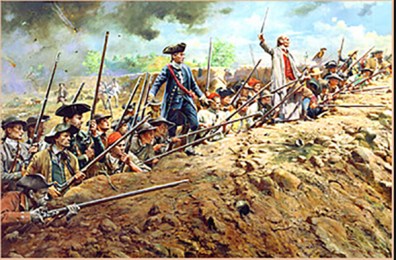
Reinforced and provisioned from the sea over which the Crown held undisputed control, British forces under General Sir Thomas Gage could theoretically remained in Boston, indefinitely.
The elevation of Breed’s and Bunker’s Hill across the river, changed that calculation. Should colonial forces obtain artillery of their own, they would be able to rain down hell on British forces bottled up in Boston. It was just this scenario that led Henry Knox into a New England winter later that year, to retrieve the guns of Fort Ticonderoga.
The Massachusetts Provincial Congress received word on the 13th that the British planned to break out of Boston within the week, taking the high ground of Dorchester Heights to the south and Charlestown to the north. Major General Israel Putnam was directed to set up defenses on Bunker Hill, on the northwest end of the Charlestown peninsula.
Colonel William Prescott led about 1,200 men onto the peninsula on the night of the 16th. Some work was performed on the hill which gives the battle its name, but it was farmer Ephraim Breed’s land to the southeast, which offered the more defensible hill from which to defend the peninsula.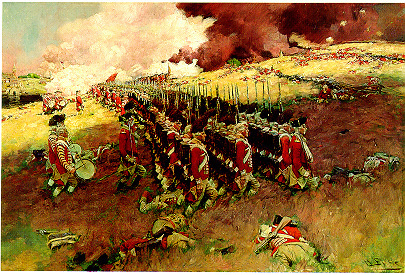
Shovels could be heard throughout the night. The sun rose on June 17 to reveal a 130′ defensive breastwork across Breed’s hill. Major General William Howe was astonished. “The rebels,” he said, “have done more work in one night than my whole army would have done in one month.”
The warship HMS Lively opened fire on the redoubt shortly after 4am, with little effect on the earthworks. 128 guns joined in as the morning bore on, including incendiary shot which set fire to the town. Militia continued to reinforce the high ground throughout the morning hours, as Regulars commanded by General Howe and Brigadier General Robert Pigot crossed the Charles River and assembled for the assault.

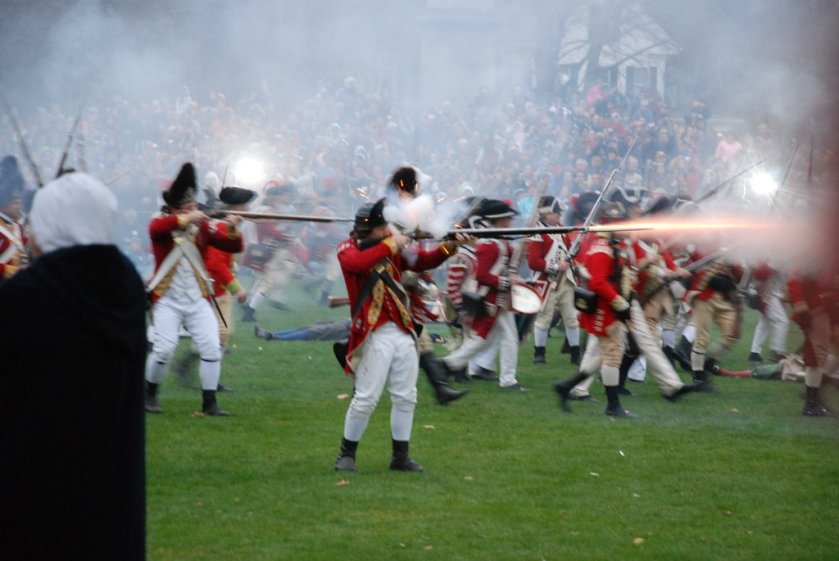
The British line advanced up Breed’s Hill twice that afternoon, Patriot fire decimating their number and driving survivors back down the hill to reform and try again. Militia supplies of powder and shot began to give out as the British advanced up the hill for the third assault.
“Don’t fire until you see the whites of their eyes”. The quote is attributed to Prescott, but the order seems to have originated with General Putnam and passed along by Prescott, Seth Pomeroy, John Stark, and others, in a desperate attempt to conserve ammunition.
Finally, there was nothing left with which to oppose the British bayonets. The Militia was forced to retreat.

Most of the colonists’ casualties occurred at this time, including Boston physician and President of Massachusetts’ Provincial Congress, Dr. Joseph Warren. Dr. Warren had been appointed Major General on June 14, but the commission had not arrived as of yet. On this day, he fought as a private soldier. He had been but the commission had not yet taken effect.
Two months before the battle, Dr. Warren had spoken to his men. “On you depend the fortunes of America”, he said. “You are to decide the important question, on which rest the happiness and liberty of millions yet unborn. Act worthy of yourselves.”
Act worthy of yourselves. That they did.

The Battle of Bunker Hill ended in victory for the British, in that they held the ground when the fighting was over. It was a Pyrrhic victory. Howe lost 226 killed and 828 wounded, over a third of their number and more than twice those of the Militia.
One Eighth of all the British officers killed in the Revolution, died on Ephraim Breed’s Hill. General Henry Clinton wrote afterward, of the battle: “A few more such victories” he said, “would have shortly put an end to British dominion in America”.


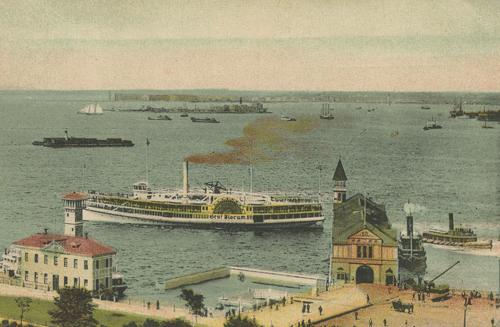
 It was 9:30 on a beautiful late spring morning when the sidewheel passenger steamboat General Slocum, left the dock and steamed into New York’s East River.




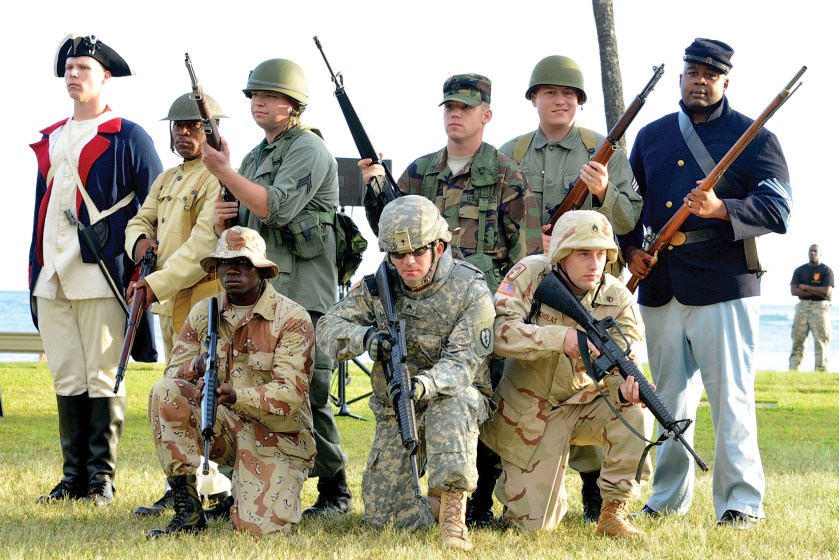
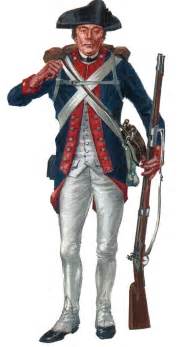 The Continental Congress established the ‘American Continental Army’ on June 14, 1775, authorizing 10 companies of ‘expert riflemen,’ to serve as light infantry in the siege of Boston. The next day the Congress unanimously selected George Washington to be General and Commander in Chief of all continental forces.


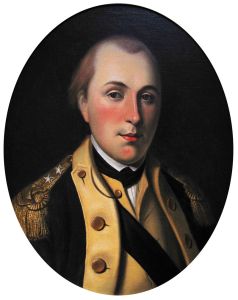 A third would arguably be Marie-Joseph Paul Yves Roch Gilbert du Motier, better known as the Marquis de Lafayette.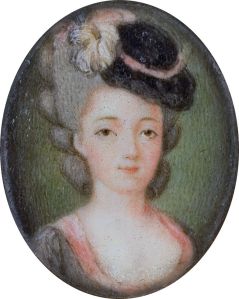

 Secretary of State Thomas Jefferson found a loophole that allowed Lafayette to be paid, with interest, for his services in the late Revolution. An act was rushed through Congress and signed by President Washington, the resulting funds allowing both Lafayettes some of the few privileges permitted them, during their five years’ captivity.
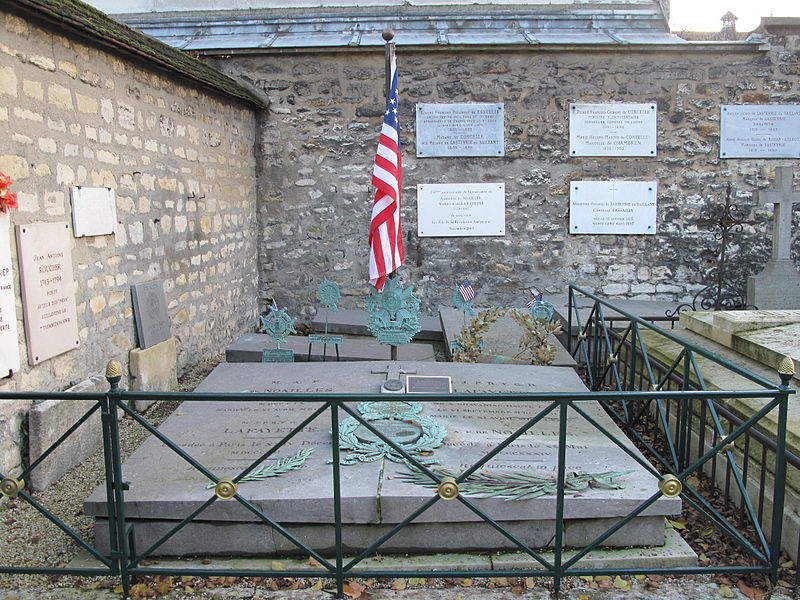

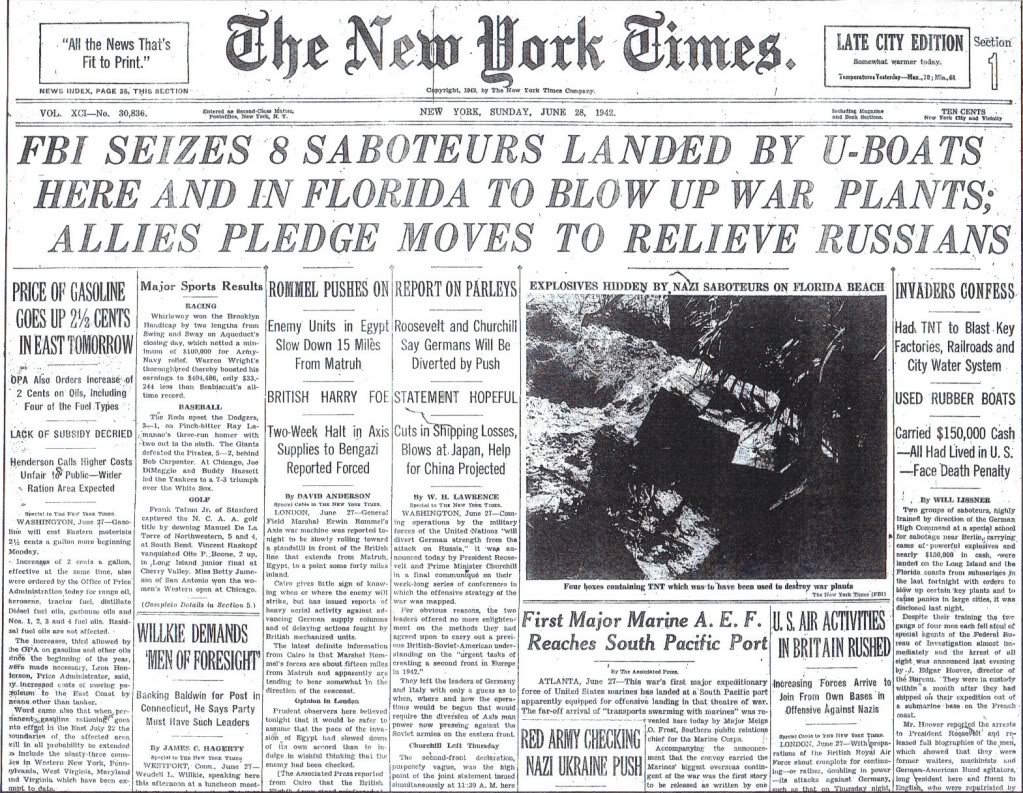
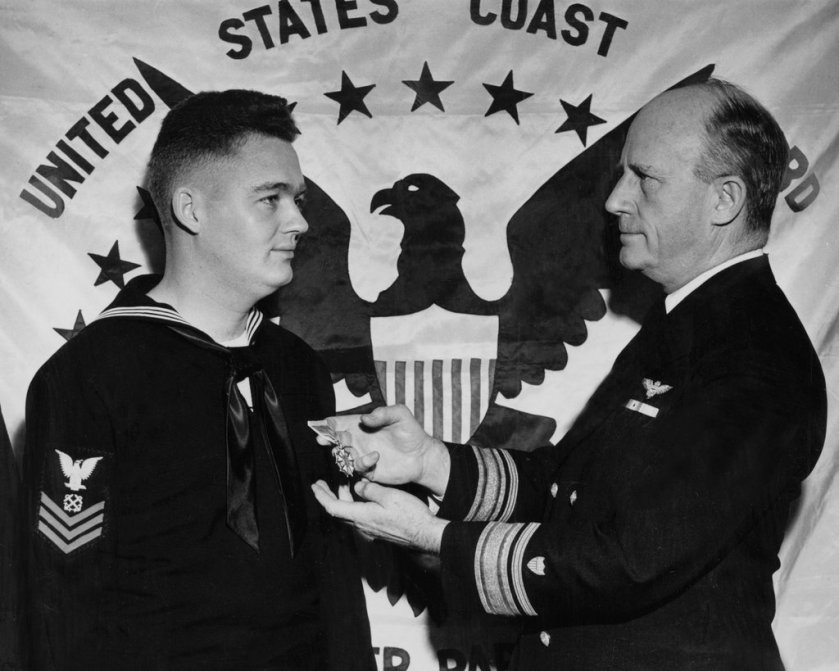
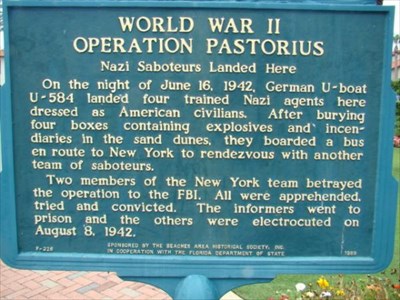

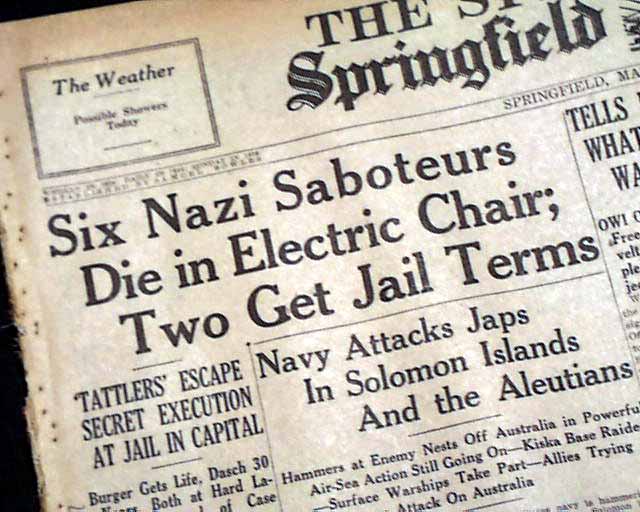


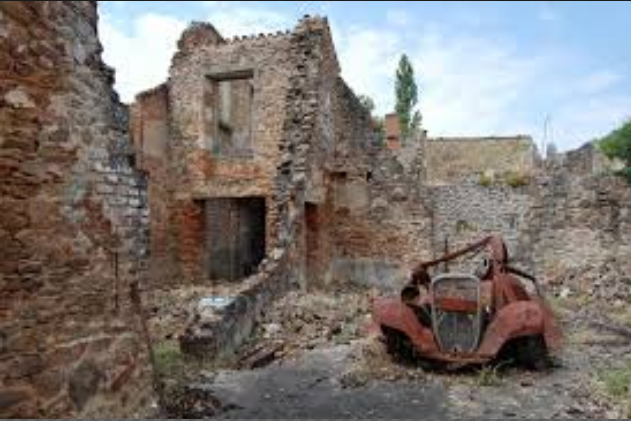
 It was D+4 in the invasion of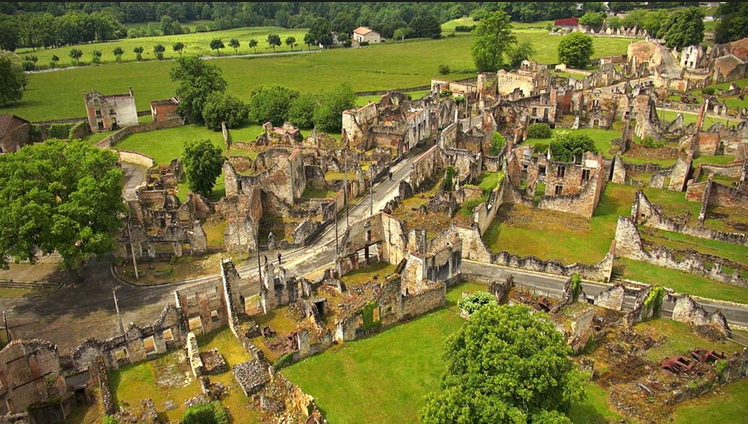


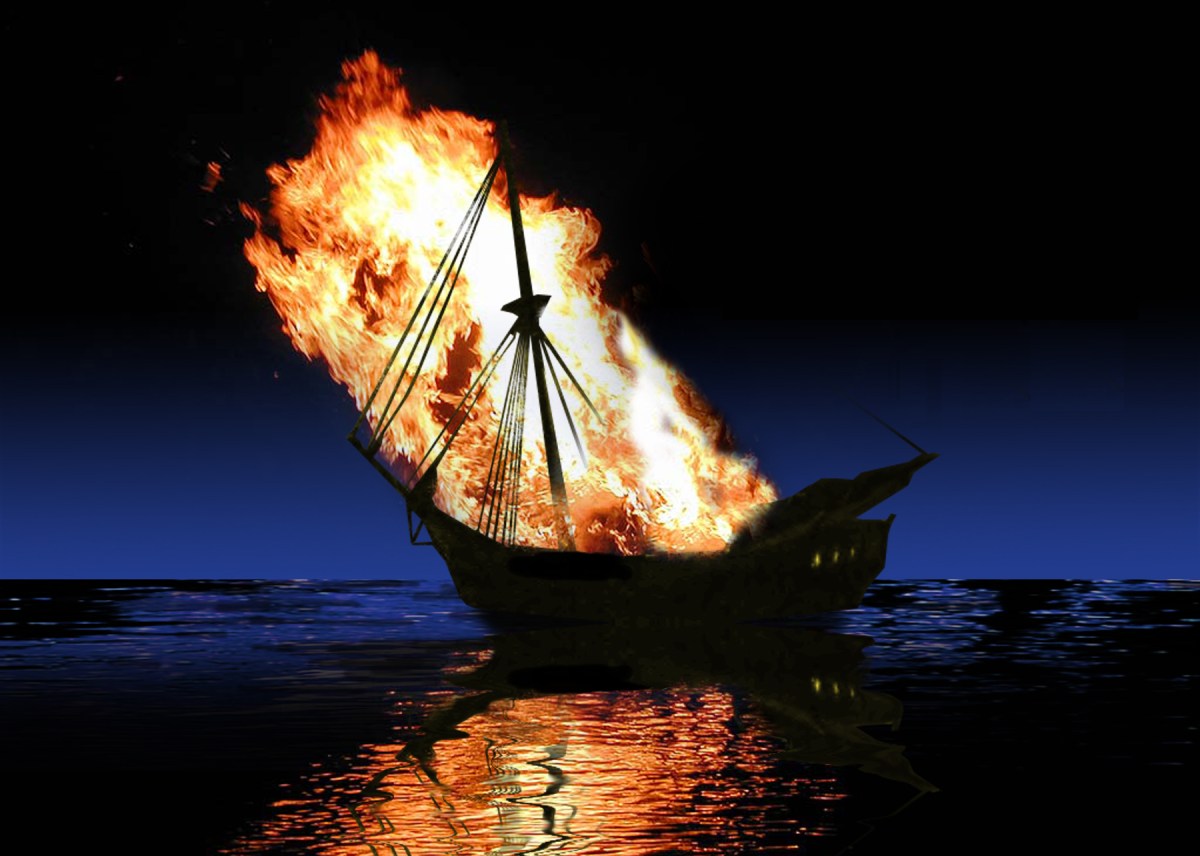
 Several measures were taken in the 1760’s to collect these revenues. In one 12-month period, Parliament passed the Stamp Act, the Quartering Act, and the Declaratory Act, and deputized the Royal Navy’s Sea Officers to help enforce customs laws in colonial ports.
 A few days later, a visiting minister in Boston, John Allen, used the Gaspée incident in a 2nd Baptist Church sermon. His sermon was printed seven times in four colonial cities, one of the most widely read pamphlets in Colonial British America.
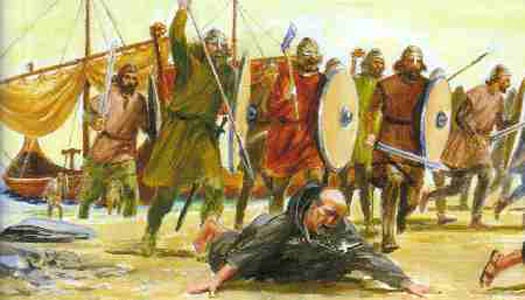
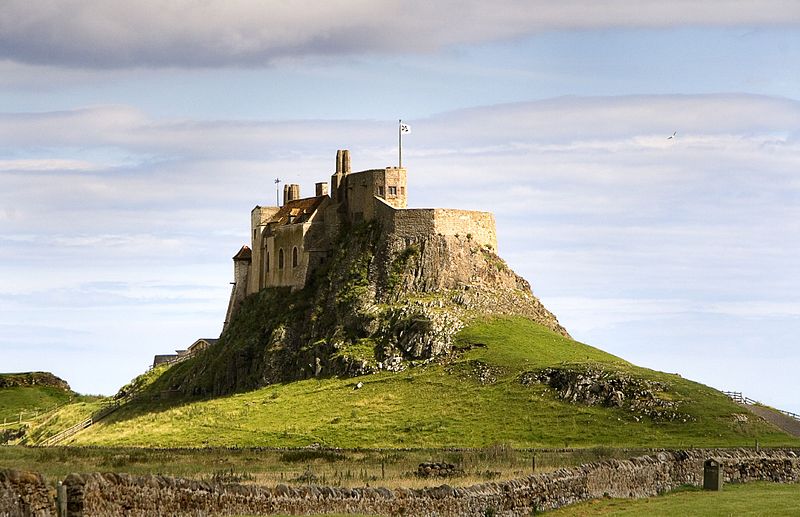
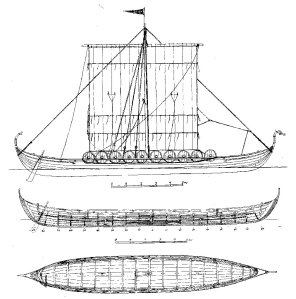 Any question you had as to their purpose would have been immediately answered, as these strangers sprinted up the beach and chased down everyone in sight. These they murdered with axe or spear, or dragged them down to the ocean and drowned them. Most of the island’s inhabitants were dead when it was over, or taken off to the ships to be sold into slavery. All of those precious objects were bagged, and tossed into the boats.
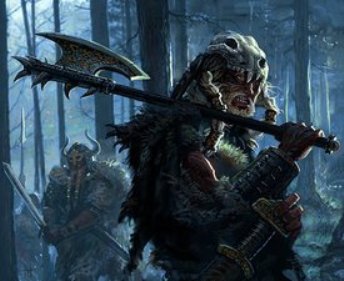 Viking travel was not all done with murderous intent; they are well known for colonizing westward as they farmed Iceland and possibly North America.


You must be logged in to post a comment.