
The Fore River Shipyard began operations in 1883 in Braintree, Massachusetts, moving to its current location on the Weymouth Fore River on Quincy Point, in 1901. In 1913, the yard was purchased by Bethlehem Steel, and operated under the Bethlehem Shipbuilding Corporation.
Most ships at Fore River were built for the United States Navy, including early submarines built for Electric Boat, the Battleship USS Massachusetts, and the Navy’s first carrier, the USS Lexington. In the years before WW2, non-US Navy customers included the United States Merchant Marine, the Argentine Navy, the Royal Navy of Great Britain, and the Imperial Japanese Navy.
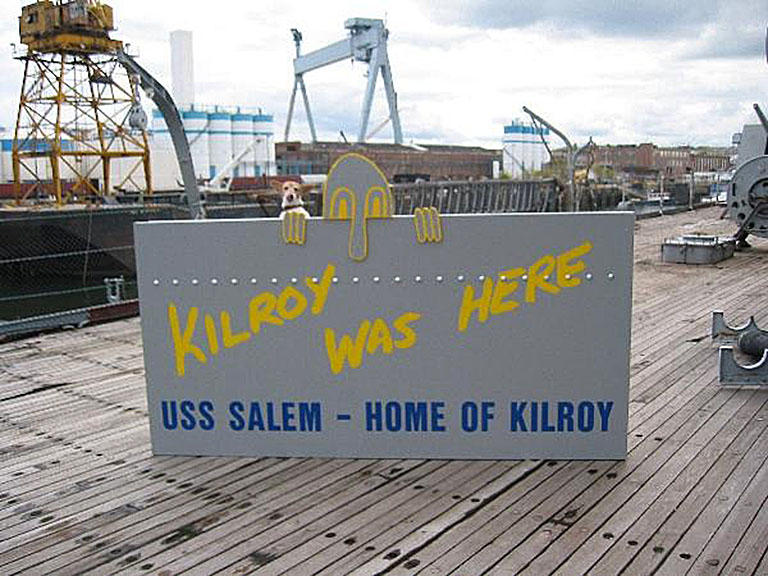
The Navy Act of 1938 mandated a 20% increase in American Naval strength. Much of that increase came through Fore River. The Shipyard employed 17,000 the day that Imperial Japan invaded the American Pacific anchorage at Pearl Harbor. That number increased to 32,000 by 1943, with a payroll equivalent to $9.69 Billion, in today’s dollars.
 Necessity became the mother of invention, and the needs of war led to prodigious increases in speed. No sooner was USS Massachusetts launched, than the keel of USS Vincennes began to be laid. By the end of the war, Fore River had completed ninety-two vessels of eleven different classes.
Builders at the yard were paid by the number of rivets installed. Riveters would mark the end of their shift with a chalk mark, but dishonest co-workers could erase their marks, marking a new spot a few places back on the same seam.


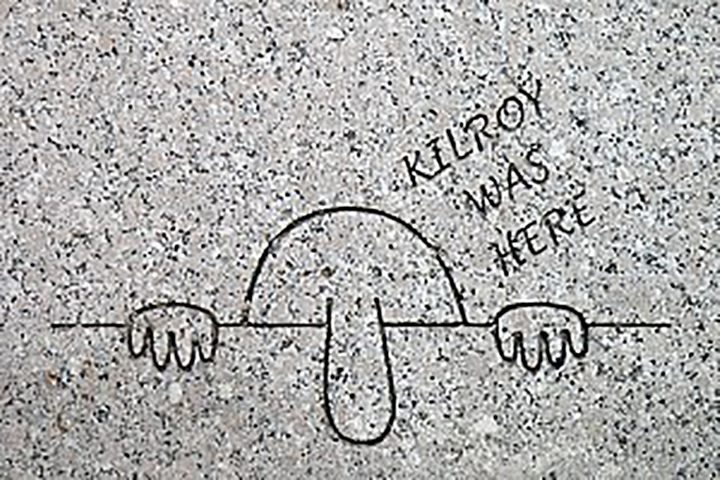
Shipyard inspector James Kilroy ended the practice, writing “Kilroy was Here”, next to each chalk mark.
With hulls leaving the yard so fast there was no time to paint the interiors, Kilroy’s name achieved mythic proportions. The man literally seemed to be everywhere, his name written in every cramped and sealed space in the United States Navy.
For the troops inside of those ships, Kilroy always seemed to have “been there”, first.
 Kilroy was Here became a kind of protective talisman, and soldiers began to write it on newly captured areas and landings. He was the “Super GI”, showing up for every combat, training and occupation operation of the WW2 and Korean war era. The scribbled cartoon face was there before you arrived, and he was still there when you left.
Germans thought Kilroy was some kind of “super spook”, able to go anywhere he liked, with ease.
 The challenge became, who could put the Kilroy graffiti in the most difficult and surprising place. I’ve never been there, but I’ve heard that Kilroy occupies the top of Mt. Everest. His likeness is scribbled in the dust of the moon. There’s one on the Statue of Liberty, and another on the underside of the Arc of Triumph, in Paris. There are two of them engraved in the granite of the WW2 Memorial, in Washington, DC.
Under Water Demolition teams, the guys who later became US Navy SEALs, swam ashore on Japanese-held Pacific islands, preparing the way for amphibious landings. More than once, UDT divers found that Kilroy had already been there, the silly cartoon nose scribbled on makeshift signs, and even enemy pillboxes.
When Truman, Stalin, and Churchill met at Potsdam, a VIP latrine was built for their exclusive use. Stalin was the first in, emerging from the outhouse and asking his aide, in Russian, “Who is Kilroy?”
 A Brit will tell you that “Mr. Chad” came first, cartoonist George Chatterton’s response to war rationing. “Wot, no tea”?
The cartoon appeared in every theater of the war, but few knew the mythical Kilroy’s true identity.
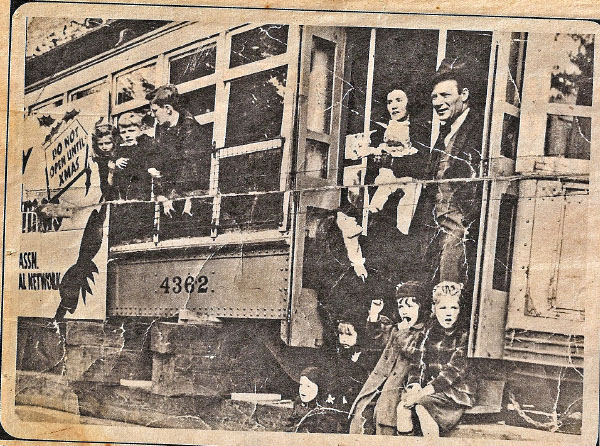
In 1946, the Transit Company of America held a contest, asking the “real” Kilroy to come forward. Close to forty guys showed up to claim the prize, a real trolley car. Doubtless they all felt they had legitimate claims, but James Kilroy brought a few riveters and some shipyard officials along, to prove his authenticity. That was it.
That Christmas the Kilroy kids, all nine of them, got the coolest playhouse in all of Boston.
James Kilroy went on to serve as Boston City Council member and member of the Massachusetts house of Representatives before passing away on this day, November 24, 1962.


 In the “Killing Fields” of 1975-’79 Cambodia, Pol Pot and a cadre of nine or so individuals, the Ang-Ka, led the Khmer Rouge in the extermination of between 1.7 and 2.5 million, in a country of barely 8 million.
 Many Ukrainian farmers refused to join the collectives, regarding them as a return to the serfdom of earlier centuries. Stalin introduced “class warfare”, that age old bugaboo of the Left, to break down resistance to collectivization.
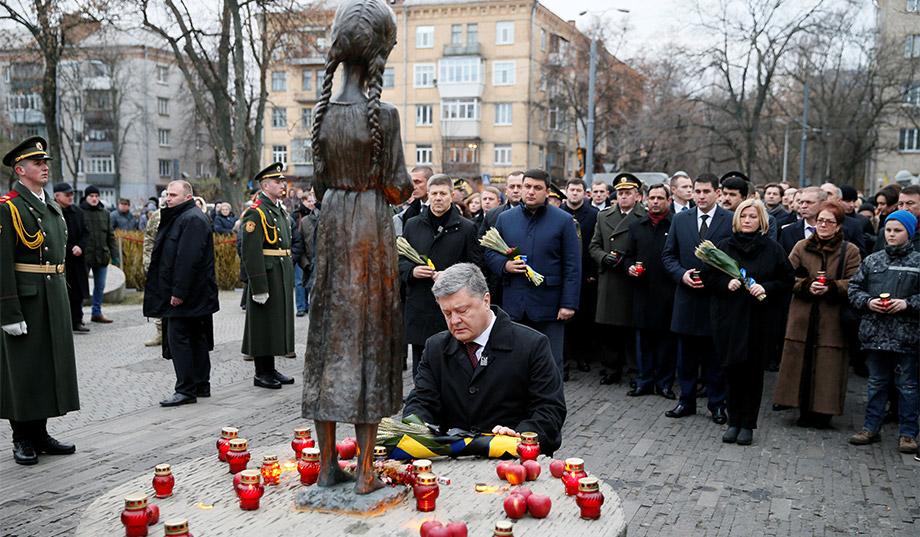
 Eventually all food was confiscated from farmers’ homes, as Stalin determined to “teach a lesson through famine” to the backbone of the region, the rural population of Ukraine.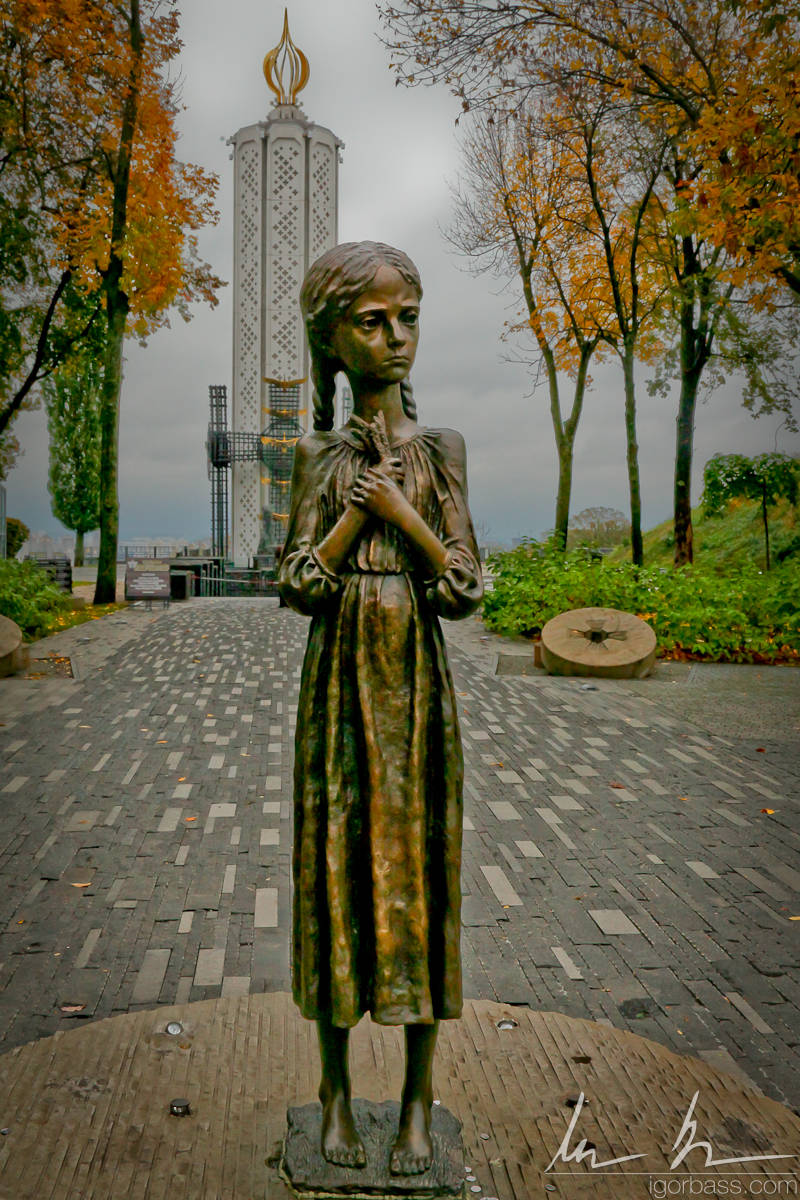


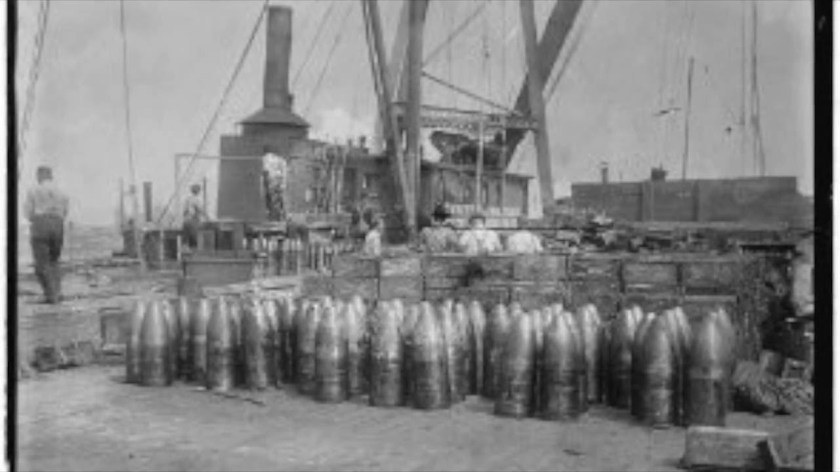 The blockade made it impossible for the Central Powers of Germany and Austria-Hungary to import war materiel from overseas, while Great Britain, France, and Russia continued to buy products from US farms and factories. American businessmen were happy to sell to any foreign customer who had the cash, but for all intents and purposes, such trade was limited to the allies.


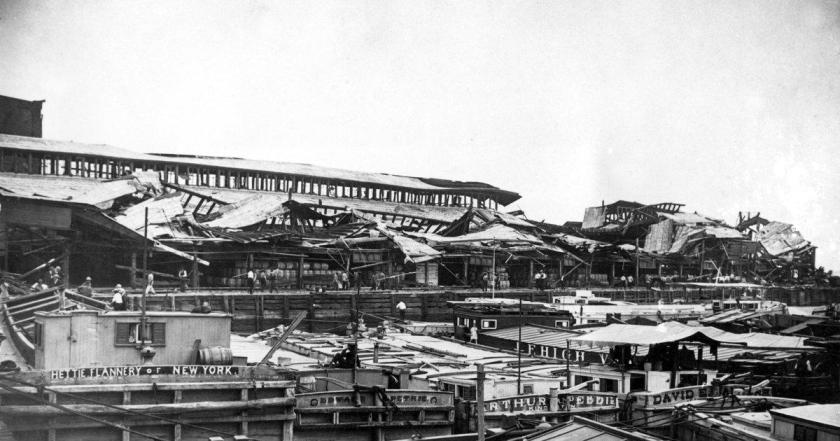 The explosion at Black Tom was the most spectacular, but by no means the only such attack. The archives at cia.gov reports that “[B]etween 1915 and spring 1917, 43 American factories suffered explosions or fires of mysterious origin, in addition to the bombs set on some four dozen ships carrying war supplies to the Allies”.

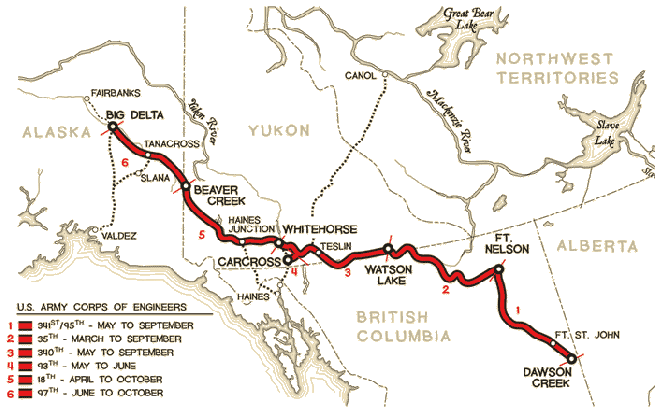
 Construction began in March as trains moved hundreds of pieces of construction equipment to Dawson Creek, the last stop on the Northern Alberta Railway. At the other end, 10,670 American troops arrived in Alaska that spring, to begin what their officers called “the biggest and hardest job since the Panama Canal.”
 The project had a new sense of urgency in June, when Japanese forces landed on Kiska and Attu Islands, in the Aleutian chain. Adding to that urgency was that there is no more than an eight month construction window, before the return of the deadly Alaskan winter.
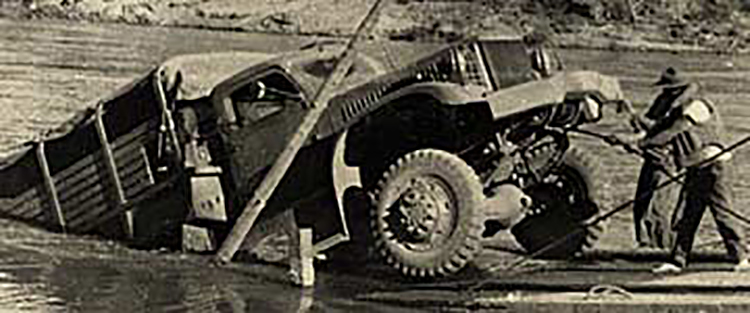
 Engines had to run around the clock, as it was impossible to restart them in the cold. Engineers waded up to their chests building pontoons across freezing lakes, battling mosquitoes in the mud and the moss laden arctic bog. Ground that had been frozen for thousands of years was scraped bare and exposed to sunlight, creating a deadly layer of muddy quicksand in which bulldozers sank in what seemed like stable roadbed.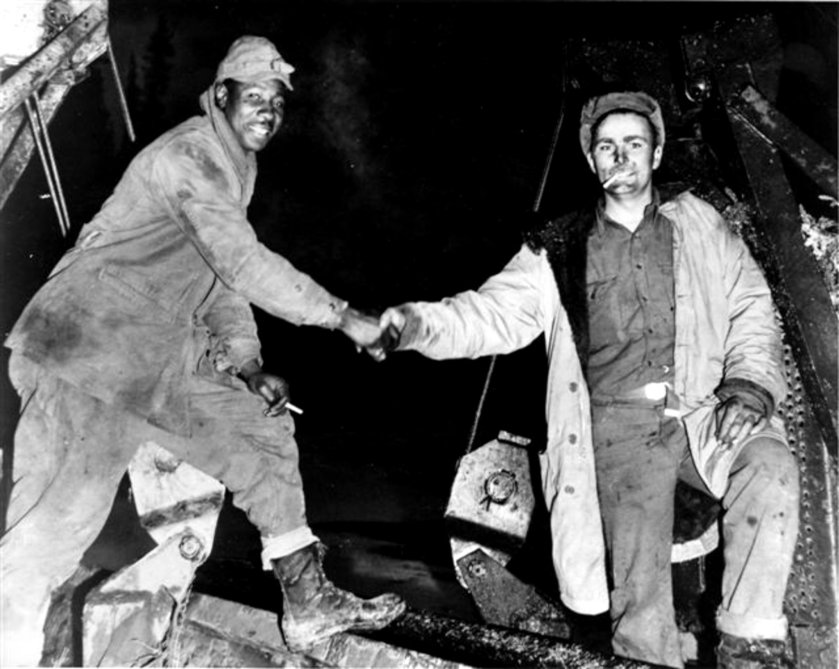

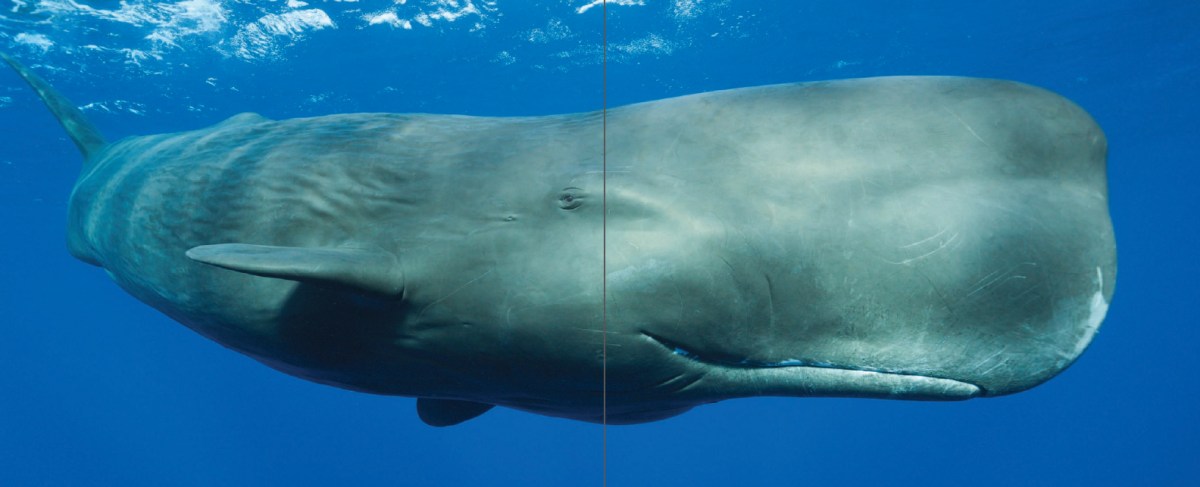
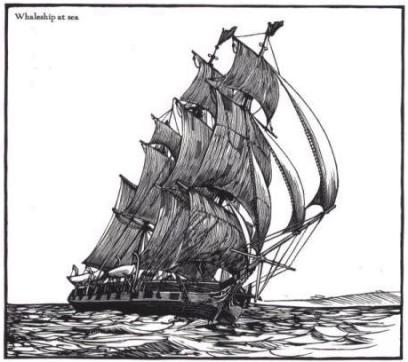 Essex sailed down the coast of South America, rounding the Horn and entering the Pacific Ocean. They heard that the whaling grounds near Chile and Peru were exhausted, so they sailed for the “offshore grounds”, almost 2,000 miles from the nearest land.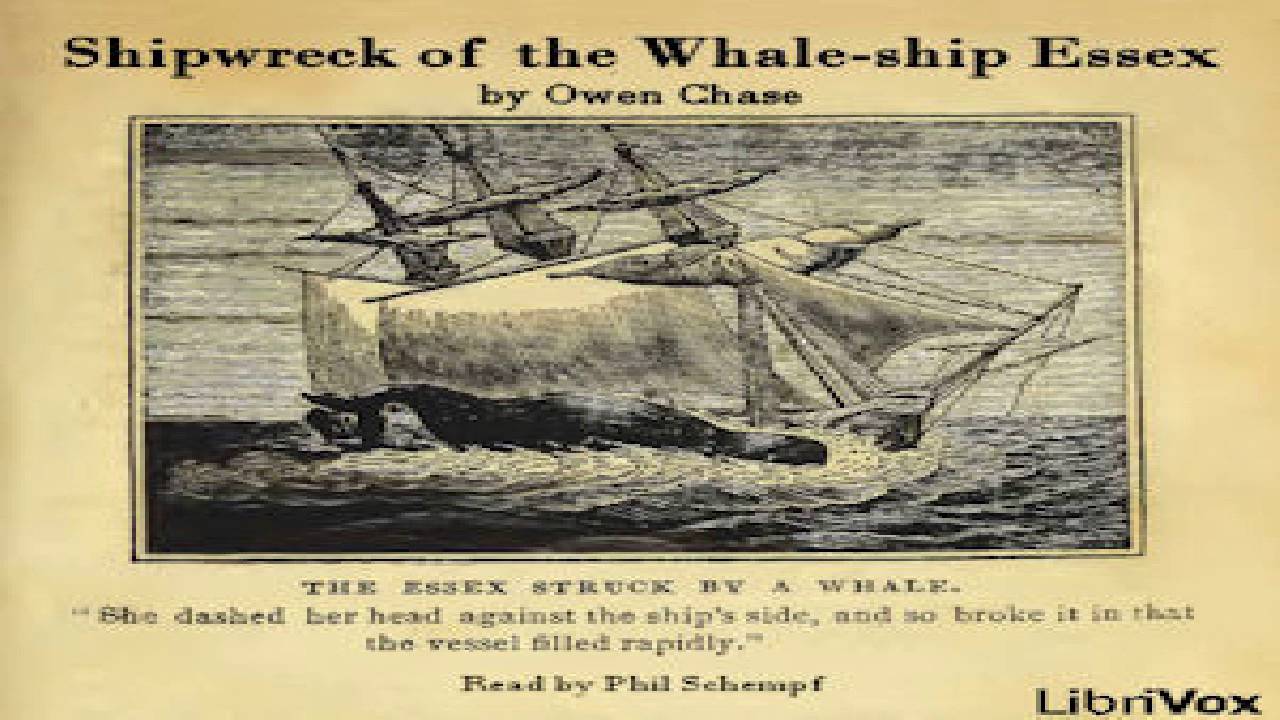
 Captain George Pollard’s boat was the first to make it back, and he stared in disbelief. “My God, Mr. Chase, what is the matter?” he asked. “We have been stove by a whale” came the reply.
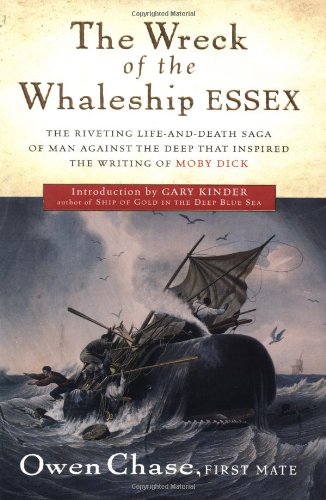 They never knew that this was Henderson Island, only 104 miles from Pitcairn Island, where survivors from the 1789 Mutiny on HMS Bounty had managed to survive for the past 36 years.
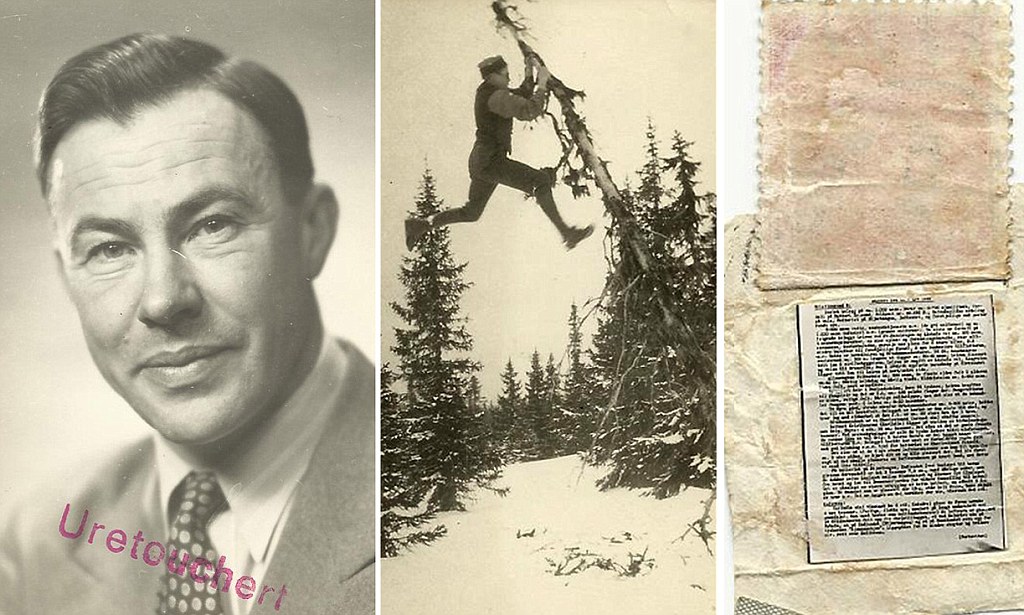
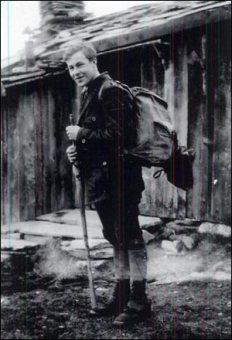 Another such man was his brother Sven, born this day, November 19, 1904.
 The Norwegian had barely an hour’s head start, and the Nazis couldn’t let this guy get away. He knew too much. Somme was pursued through streams and ravines as he worked his way into the mountains.
 Somme finally made it to neutral Sweden, where he was taken to England. There he met the exiled King of Norway, and the woman who would one day become his wife and mother of his three daughters, an English woman named Primrose.

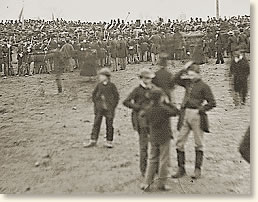

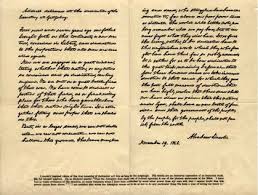 Lincoln signed, dated and titled the Bliss copy. This is the version inscribed on the South wall of the Lincoln Memorial.


 This was a time of big hair, when hair was piled high on top of the head, powdered, and augmented with the hair of servants and pets. The do was often adorned with fabric, ribbons or fruit, sometimes holding props like birdcages complete with stuffed birds, and even miniature frigates, under sail.


 Sint Eustatius, known to locals as “Statia”, is a Caribbean island of 8.1 sq. miles in the northern Leeward Islands. Formerly part of the Netherlands Antilles, the island lies southeast of the Virgin Islands, immediately to the northwest of Saint Kitts.
 On the 16th of November, 1776, the Brig Andrew Doria sailed into Sint Eustatius’ principle anchorage in Oranje Bay. Flying the Continental Colors of the fledgling United States and commanded by Captain Isaiah Robinson, the Brig was there to obtain munitions and military supplies. Andrew Doria also carried a precious cargo, a copy of the Declaration of Independence.
 Tradition dictated the firing of a salute in return, typically two guns fewer than that fired by the incoming vessel. Such an act carried meaning. The firing of a return salute was the overt recognition that a sovereign state had entered the harbor. Such a salute amounted to formal recognition of the independence of the 13 American colonies.
 Rodney pretty much had his way. The census of 1790 shows 8,124 on the Dutch island nation. In 1950, the population stood at 790. It would take 150 years from Rodney’s departure, before tourism even began to restore the economic well-being of the tiny island.

 “Mainstream” white artists of the fifties and sixties often covered songs written by black artists. On April 6, 1963, an obscure rock & roll group out of Portland, Oregon covered the song, renting a recording studio for $50. They were The Kingsmen.
 Strangely, the feds never interviewed Kingsmen lead singer Jack Ely, who probably could have saved them a lot of time.


You must be logged in to post a comment.