

There are times when two highly trained individuals are able to function at a level higher than the sum of their parts. Professional athletes like NFL linemen and NHL forwards are two examples. Another is often the partnership formed between law enforcement officers.
On the battlefield, few assets are more powerful than a well equipped and highly trained soldier. Unless we’re pairing that soldier with a Military Working Dog.
A Military Working Dog (MWD) is anything but a “disposable” asset. It is a highly trained, specialized soldier who complements and adds to the abilities of his human partner, as that two legged soldier complements those of the dog.

“Nemo”, born in October 1962, entered the United States Air Force as a sentry dog in 1964, at the age of 1½ years. After an 8-week training course at Lackland AFB Sentry Dog Training School in San Antonio, Texas, the 85-pound German Shepard was assigned to Airman Leonard Bryant Jr., and sent to Fairchild Air Base in Washington for duty with Strategic Air Command.
The pair was transferred to the Republic of South Vietnam with a group of other dog teams, and assigned to the 377th Security Police Squadron, stationed at Tan Son Nhut Air Base. Six months later, Bryant rotated back to the States, and Nemo was paired with 22-year-old Airman 2nd Class Robert Thorneburg.
Early on the morning of December 4, 60 Vietcong guerrillas emerged from the jungle, setting off a near-simultaneous alarm from several sentry dogs on perimeter patrol.

Three dogs, Rebel, Cubby and Toby, were killed with their handlers in a hail of bullets. Several other handlers were wounded, including one who was able to maintain contact with the enemy, notifying Central Security Control of their location and direction of travel.
Thanks to the early warning, a machine gun team was ready and waiting when 13 infiltrators approached the main aircraft parking ramp. None of them lived to tell the story. Security forces quickly deployed around the perimeter, driving some infiltrators off and others into hiding. Daylight patrols reported that all VC infiltrators were gone, either killed or captured, but they had made a big mistake. They should have brought the dogs with them.

That night, Thorneburg and Nemo were out on patrol near an old Vietnamese graveyard, about ¼ mile from the air base’ runways. Nemo alerted on something. Before Thorneburg could radio for backup, that something started shooting. Thorneburg released the dog and charged in shooting, killing one Vietcong before being shot in the shoulder. Nemo was badly wounded, shot in the face, the bullet entering below his eye and exiting his mouth. Ignoring the injury, Nemo attacked the four enemy soldiers hiding in the brush, giving his partner time to call for reinforcements.
 Four additional Vietcong were discovered hiding underground, as quick reaction teams scoured the area. They found Nemo and Thornburg, both seriously wounded, together on the ground. Both would survive, though Thorneburg was shot a second time, while returning to base.
I’m sure that individual dog handlers were as good to their dogs as they knew how to be, during the Vietnam era. That’s a guess, but having an MWD handler in the family, I think it’s a good one. The Department of Defense bureaucracy was another matter.
Roughly 4,000 dogs served in Vietnam, leading patrols through the dense jungle terrain. Overall, these animals are credited with saving close to 10,000 lives.
When Marine Corps handler Steve Reichenbach arrived in country in 1966, he was paired with a cream colored Great Dane-German Shepherd mix. “Major”, whose previous handler had been killed only weeks before, was an excellent match for Reichenbach, both being “mellow, relaxed, even-keeled types” who bonded, almost immediately.

At 90 pounds, Major’s size alone seemed to intimidate the enemy, often leading VC to trip off ambushes, too early.
A land mine exploded on the Marine’s last day in country, killing four and wounding six. Though badly wounded, Reichenbach would survive the war. Major was unhurt, but he wasn’t so lucky. The last the pair saw of one another, was in the medevac chopper. Major still had Reichenbach’s blood on his fur, when he was paired with his next handler. The marine never saw his “battle buddy” after that, but later heard the dog had succumbed to some tropical disease.
 The vast majority of MWDs who served in Vietnam, were left behind as “surplus equipment”. Left to succumb to tropical disease, to be euthanized by the South Vietnamese Army, or worse. Nemo was one of the few lucky ones. He came home.
MWD Nemo was officially recognized for having saved the life of his handler, and preventing further destruction of life and property. He was given the best of veterinary care and, on June 23, 1967, USAF Headquarters directed that he be returned to the United States. The first sentry dog officially retired from active service.
The C124 Globemaster touched down at Kelly Air Force Base, Texas, on July 22, 1967. Nemo lived out the seven years remaining to him in a permanent retirement kennel at the DoD Dog Center at Lackland Air Force Base.


 Wild potatoes contain toxins to defend themselves against fungi and bacteria, toxins unaffected by the heat of cooking. In the Andes, mountain people learned to imitate the wild guanaco and vicuña, licking clay before eating the poisonous plants. In this manner, toxins pass harmlessly through the digestive system. Mountain people dunk wild potatoes in “gravy” made of clay and water, accompanied with coarse salt. Eventually, growers developed less toxic tubers, though the poisonous varieties are still favored for their frost resistance. Clay dust is sold in Peruvian and Bolivian markets, to this day.
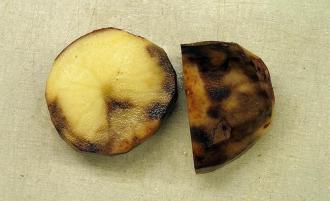 Calamity struck Ireland in 1845, in the form of a blight so horrific that US military authorities once considered stockpiling the stuff as a biological weapon. Seemingly overnight, Ireland’s staple food crop was reduced to a black, stinking ooze.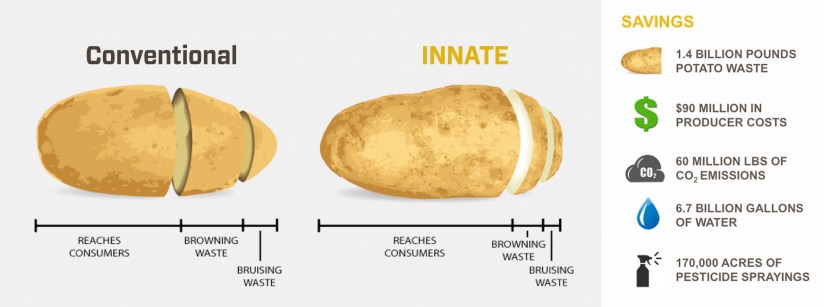
 The Innate potato produces less acrylamide, a known carcinogen produced by normal potatoes in the high heat of fryers.



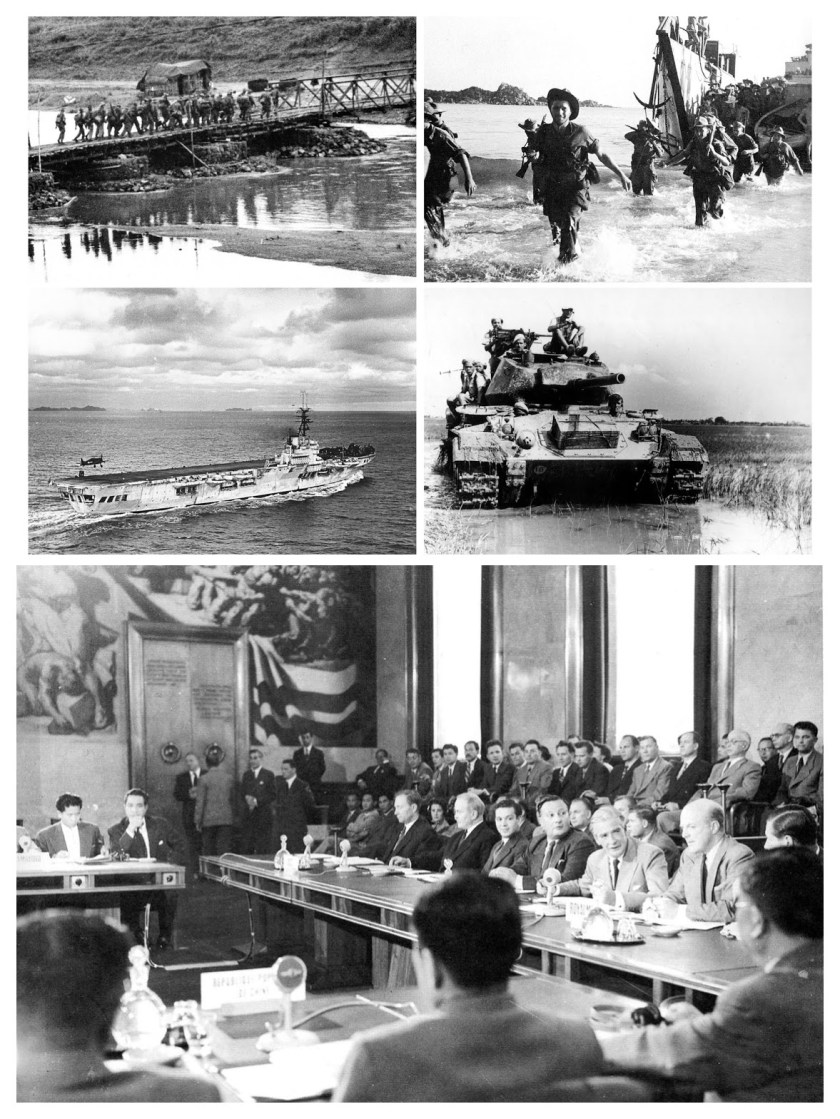 What historians call the First Indochina War, many contemporaries called “la sale guerre”, or “dirty war”. The government forbade the use of metropolitan recruits, fearing that that would make the war more unpopular than it already was. Instead, French professional soldiers and units of the French Foreign Legion were augmented with colonial troops, including Moroccan, Algerian, Tunisian, Laotian, Cambodian, and Vietnamese ethnic minorities.
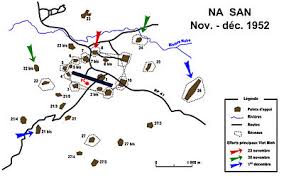 The war went poorly for the French. By 1952 they were looking for a way out. Premier René Mayer appointed Henri Navarre to take command of French Union Forces in May of that year, with a single order. Navarre was to create military conditions which would lead to an “honorable political solution”.
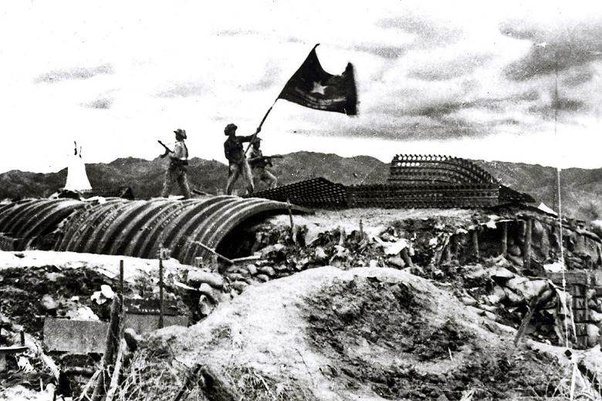
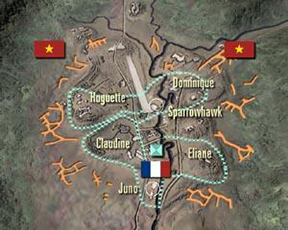 In June, Major General René Cogny proposed a “mooring point” at Dien Bien Phu, creating a lightly defended point from which to launch raids. Navarre wanted to replicate the Na San strategy, and ordered that Dien Bien Phu be taken and converted into a heavily fortified base.
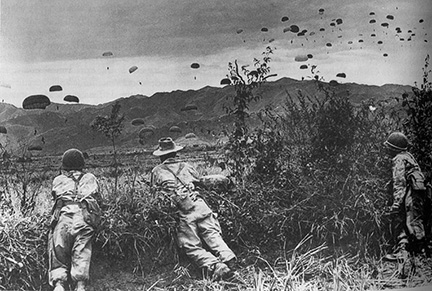 The French staff made their battle plan, based on the assumption that it was impossible for the Viet Minh to place enough artillery on the surrounding high ground, due to the rugged terrain. The communists didn’t possess enough artillery to do serious damage anyway, or so they thought.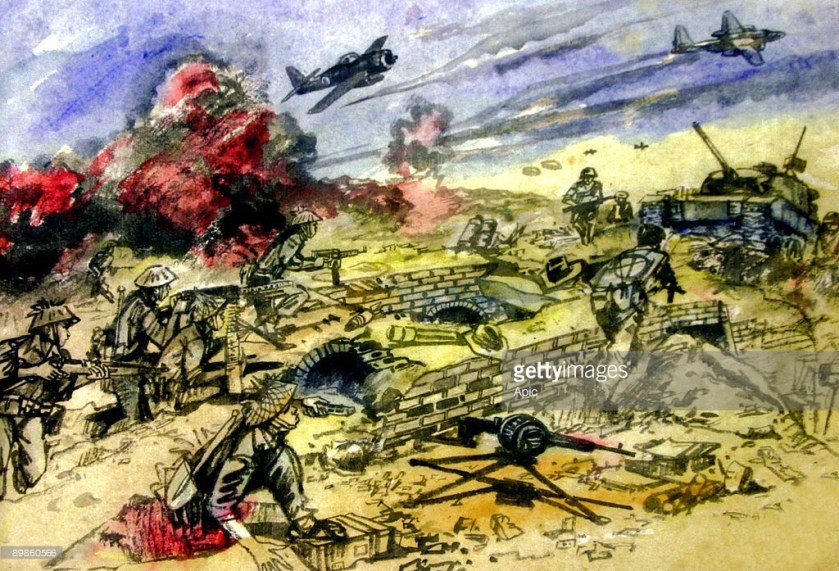

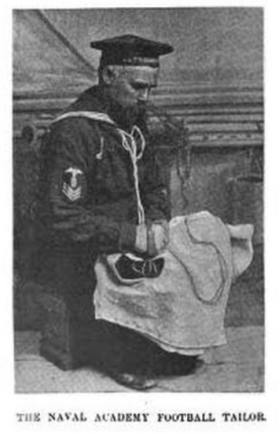
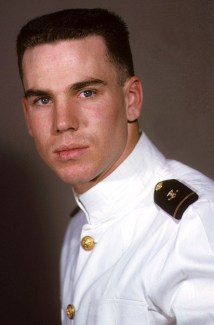
 Oh, for the days when the government pretended to look out for our money.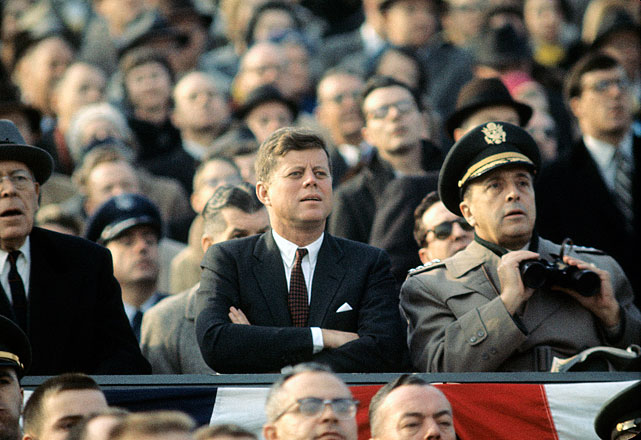
 The game is particularly emotional for this reason. Despite intense rivalry, it would be hard to find a duel in all of sports, where the two sides hold the other in higher respect and esteem.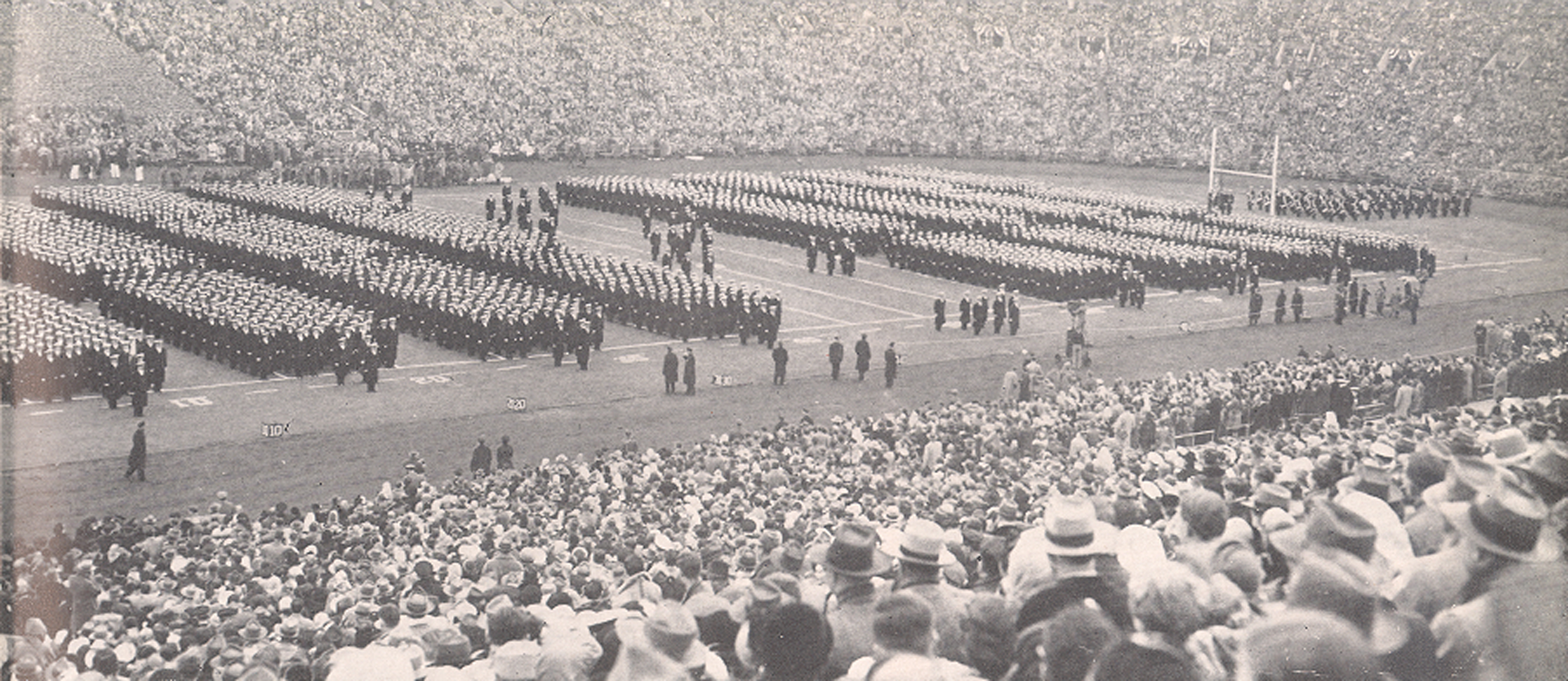
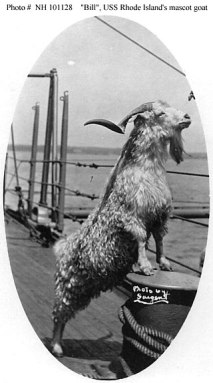
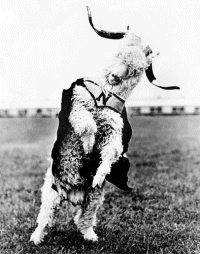
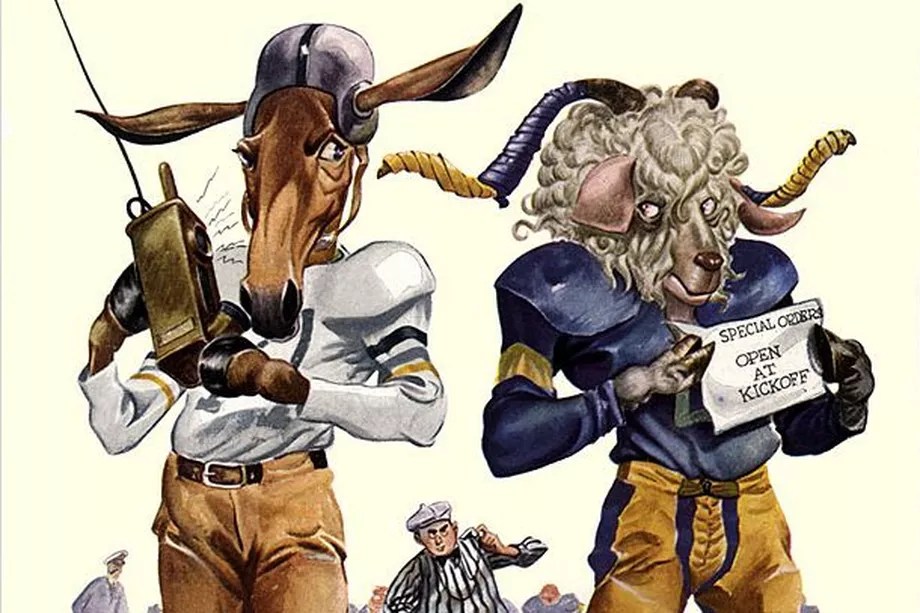
 The Philadelphia Quartermaster Depot decided in 1899, that Army needed a mascot in response to the Navy’s goat. Mules have a long history with the United Sates Army, going back to George Washington, the “
 Always the last regular-season game in Division I-A football, the next four Army-Navy games are scheduled in Philadelphia. The game site will then move to Metlife Stadium in East Rutherford New Jersey, to mark the twenty-year anniversary of the Islamist terror attacks on the World Trade Center. The 2022 game moves back to Philadelphia, marking the 91st time Army and Navy have played there.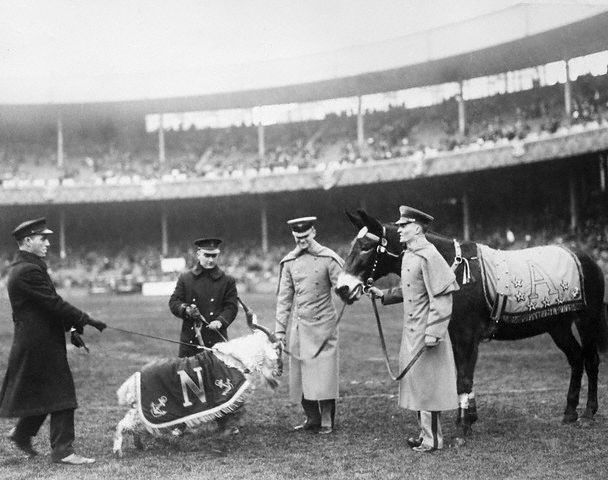


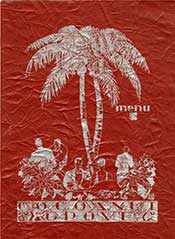
 Welansky was a tough boss, maniacally determined not to be cheated out of a tab or a cover charge. He locked exit doors, concealed others with draperies, and even bricked up one emergency exit. Nobody was going to leave Cocoanut Grove without paying up.
 The decorations ignited immediately, fire racing so fast along the satin canopy, that wooden strips suspending it from the ceiling remained unscathed.
 Today, fire codes require revolving doors to be flanked by doors on either side, but that wasn’t the case in 1942. Desperate to escape, patrons packed the single revolving door, their bodies jamming it so tightly that firefighters later had to dismantle the entire frame.
 The most striking story of survival that night, was that of 21-year old Coast Guardsman Clifford Johnson, who returned to the nightclub no fewer than four times in search of his date, Estelle Balkan. He didn’t know that she had safely escaped, and each time Johnson returned with another unconscious smoke victim in his arms. Johnson himself was on fire his last time out, when he collapsed onto the sidewalk, still ablaze.
 Barney Welansky was tried and convicted on 19 counts of manslaughter, and sentenced to 12-15 years. Maurice Tobin, by then Governor, released him after four, his body ravaged with cancer. Welansky died 9 weeks later. Stanley Tomaszewski was exonerated. It wasn’t he who had placed all those flammable decorations, but the bus boy was treated like a Jonah, for the rest of his life.

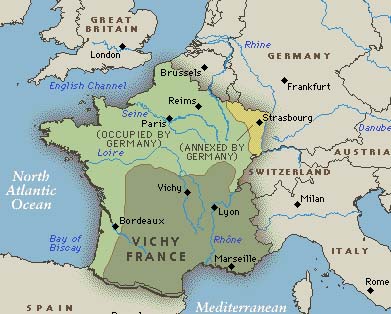 Germany installed a Nazi-approved French government in the south of France, headed by WW1 hero Henri Pétain. Though mostly toothless, the self-described “French state” in Vichy was left relatively free to run its own affairs, compared with the Nazi occupied regions to the west and north.
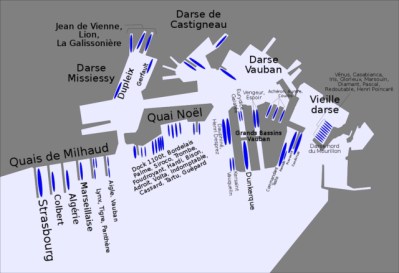 With the armistice of June 1940, much of the French naval fleet was confined to the Mediterranean port of Toulon. Confined but not disarmed, and the French fleet possessed some of the most advanced naval technologies of the age, enough to shift the balance of military power in the Mediterranean.
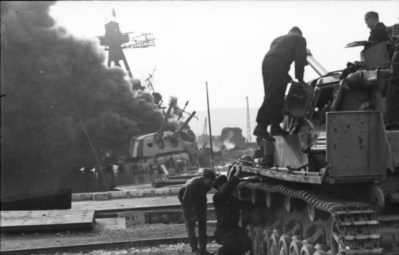 In November 1942, the Nazi government came to take control of that fleet. The motorized 7th Panzer column of German tanks, armored cars and armored personnel carriers descended on Toulon with an SS motorcycle battalion, taking over port defenses to either side of the harbor. German officers entered fleet headquarters and arrested French officers, but not before word of what was happening was relayed to French Admiral Jean de Laborde, aboard the flagship Strasbourg.
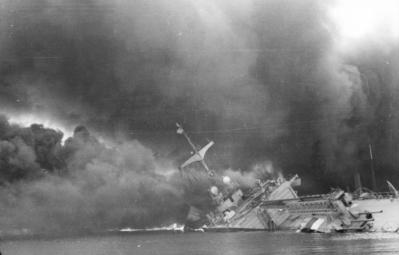 Under orders to take the harbor without bloodshed, the Nazi commander was dismayed. Was he being denied access by this, his defeated adversary? Minutes seemed like hours in the tense wrangling which followed. Germans gesticulated and argued with French guards, who stalled and prevaricated at the closed gate.
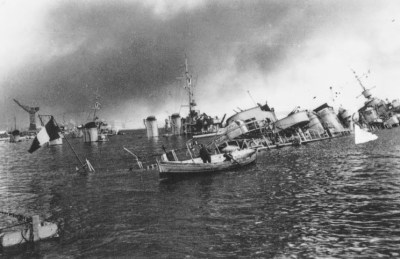 Finally, the Panzer column could be stalled no more. German tanks rumbled through the main gate at 5:25am, even as the order to scuttle passed throughout the fleet. Dull explosions sounded across the harbor, as fighting broke out between the German column, and French sailors pouring out of their ships in the early dawn light. Lead German tanks broke for the Strasbourg, even now pouring greasy, black smoke from its superstructure, as she settled to the bottom.

 Ten years into the Great Depression with unemployment standing at 17.2%, the Federal government was afraid of the same thing. Never afraid to tinker with precedent, President Franklin Roosevelt decided to deviate from the customary last Thursday, and declared the fourth Thursday, November 23, to be a national day of prayer and thanksgiving.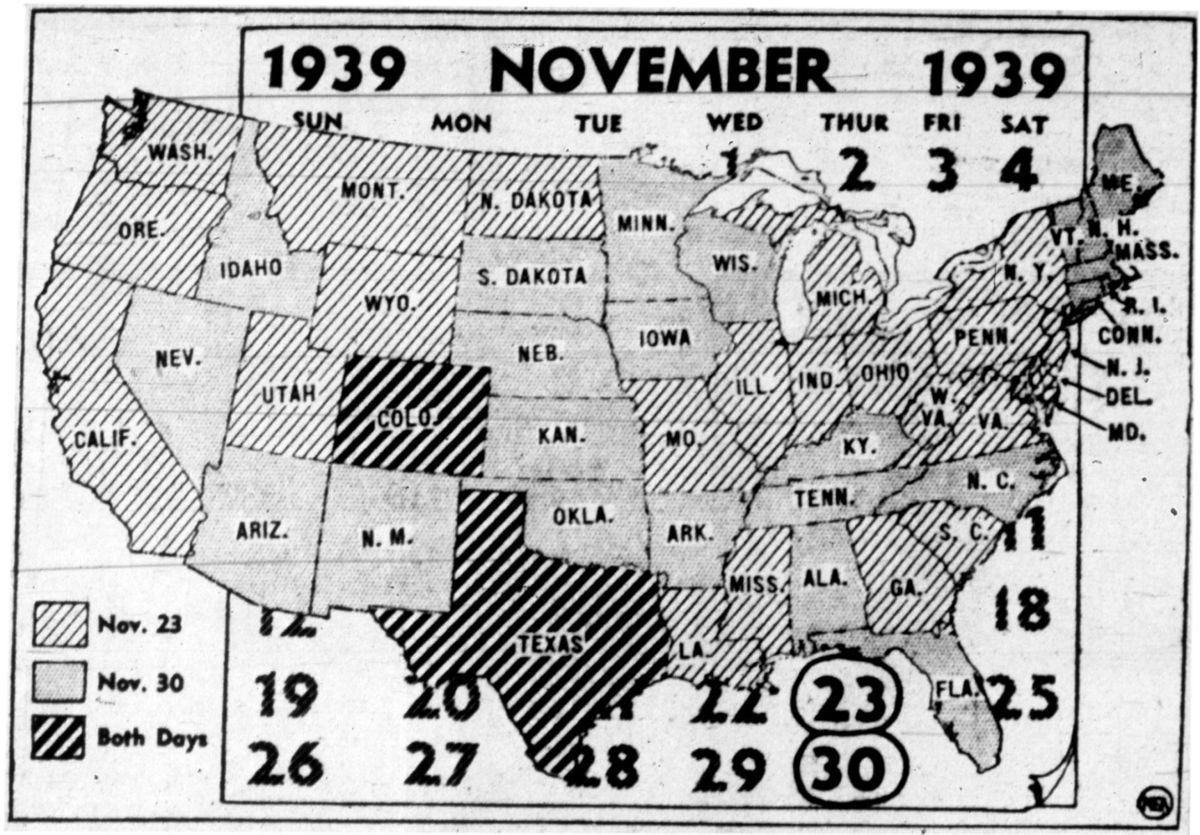
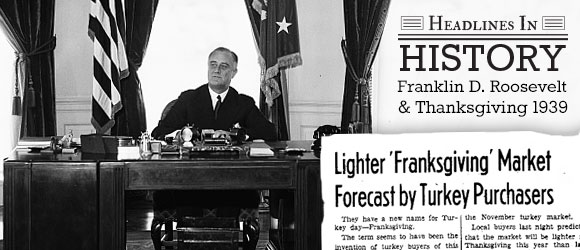
 Popular comedians of the day got a lot of laughs out of it, including Burns & Allen and Jack Benny.

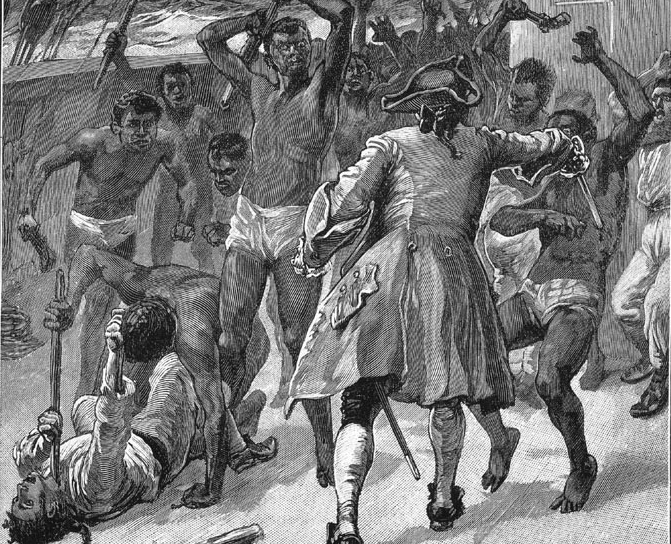
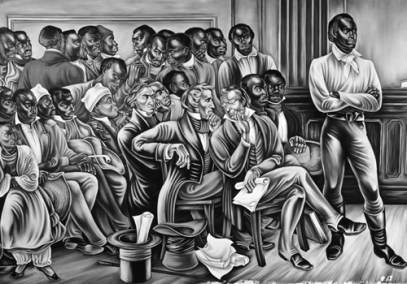 The district court trial which followed in Hartford determined that the Mendians’ papers were forged, and they should be returned to Africa. The cabin boy was ruled to be a slave and ordered returned to the Cubans, however he fled to New York with the help of abolitionists. He would live out the rest of his life as a free man.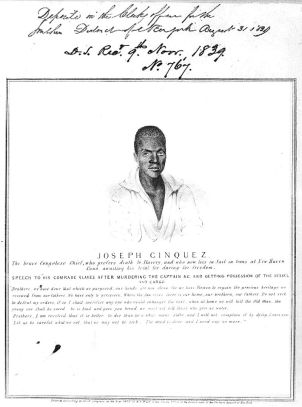
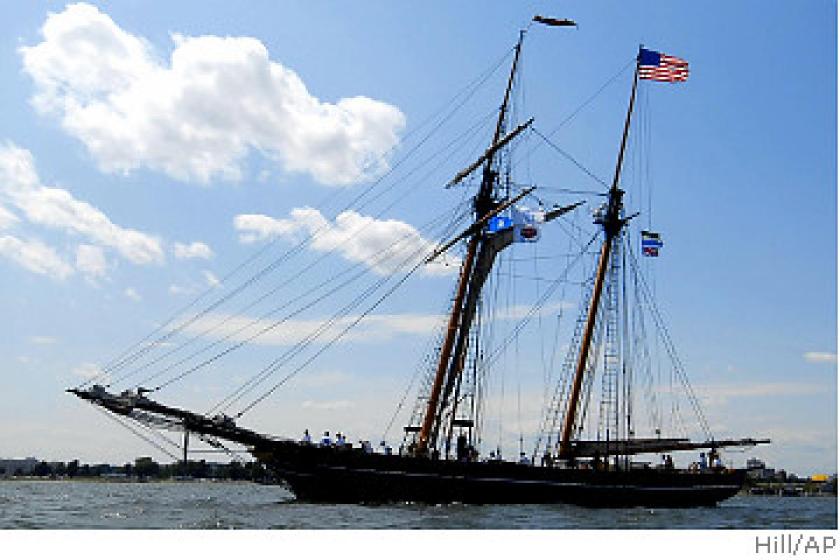

 Necessity became the mother of invention, and the needs of war led to prodigious increases in speed. No sooner was USS Massachusetts launched, than the keel of USS Vincennes began to be laid. By the end of the war, Fore River had completed ninety-two vessels of eleven different classes.


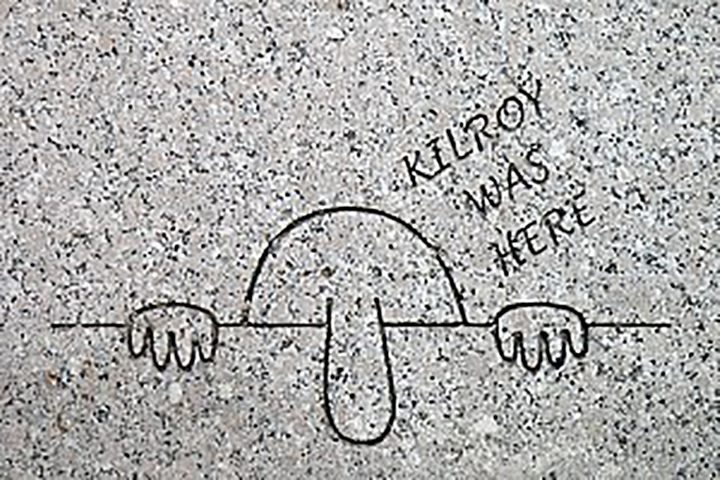
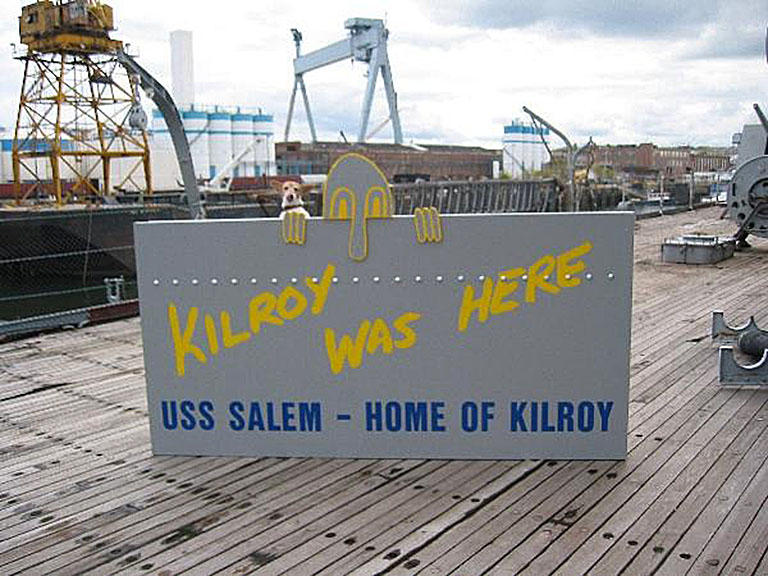
 Kilroy was Here became a kind of protective talisman, and soldiers began to write it on newly captured areas and landings. He was the “Super GI”, showing up for every combat, training and occupation operation of the WW2 and Korean war era. The scribbled cartoon face was there before you arrived, and he was still there when you left.
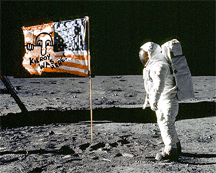 The challenge became, who could put the Kilroy graffiti in the most difficult and surprising place. I’ve never been there, but I’ve heard that Kilroy occupies the top of Mt. Everest. His likeness is scribbled in the dust of the moon. There’s one on the Statue of Liberty, and another on the underside of the Arc of Triumph, in Paris. There are two of them engraved in the granite of the WW2 Memorial, in Washington, DC.
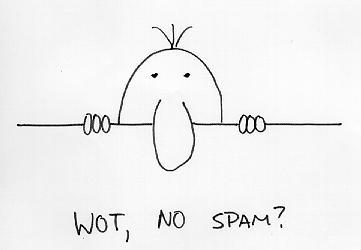 A Brit will tell you that “Mr. Chad” came first, cartoonist George Chatterton’s response to war rationing. “Wot, no tea”?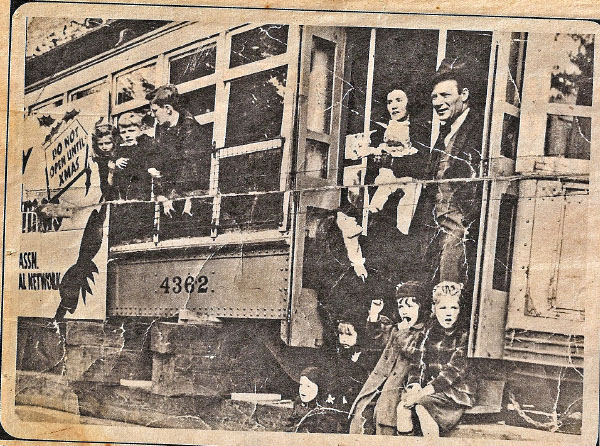

 Historical Easter Eggs - Today in History
You must be logged in to post a comment.