

At the time it was built, the span across the East river linking Brooklyn with Manhattan was the longest suspension bridge in the world.
In 1869, civil engineer John Roebling had already invested two years in site work. With the ferry coming in, he should have paid more attention to his surroundings. Focused on what he was doing on the pier, the engineer’s toes were crushed as the boat docked, so badly that several had to be amputated.
 “Lockjaw” is such a sterile term, it doesn’t begin to describe the condition known as Tetanus. In the early stages, the anaerobic bacterium Clostridium Tetani produces tetanospasmin, a neurotoxin producing mild spasms in the jaw muscles. As the disease progresses, sudden and involuntary contractions effect most skeletal muscle groups, becoming so powerful that bones are fractured and the muscles tear themselves apart. These were the last days of John Roebling, the bridge engineer who would not live to see his most famous work.
Roebling was the first casualty of the project. He would not be the last.
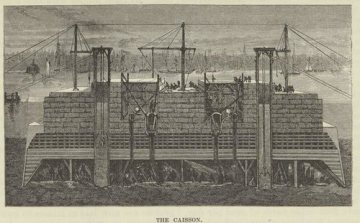 Roebling’s 32-year-old son Washington took over the project, beginning construction on January 3, 1870.
Enormous yellow pine boxes called “caissons” were built on the Brooklyn and New York sides of the river, descending at the rate of 6-in. per week in search of bedrock. Like giant diving bells, the New York side ended up at 78′ below mean high tide, the Brooklyn side 44′. Pressurized air was pumped into these boxes, keeping water and mud at bay, as workers excavated the bottom. In 1872, these “sandhogs” began to experience a strange illness that came to be called “caisson disease”.
Civil War era submarine designer Julius Hermann Kroehl may have recognized what was happening, but Kroehl was five years in his grave by this time, victim of the same “fever”. Today we call it “the bends”. Pop the top off a soda bottle and you’ll see the principle at work. Without sufficient decompression time, dissolved gasses come out of solution and the blood turns to foam. Bubbles form in or migrate to any part of the body, resulting in symptoms ranging from joint pain and skin rashes, to paralysis and death. The younger Roebling was badly injured as a result of the bends in 1872, leaving him partially paralyzed and bedridden, incapable of supervising construction on-site.
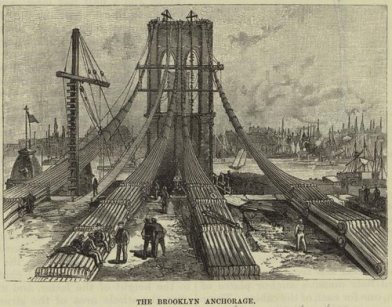 Roebling conducted the entire project looking out his apartment window, designing and redesigning details while his wife, Emily Warren Roebling, became the critical connection between her husband and the job site.
To aid in the work, Emily Roebling took a crash course in bridge engineering. For 11 years she studied higher mathematics, catenary curves, materials strength, and the intricacies of cable construction, all while acting as the pivot point on the largest bridge construction project in the world, and nursemaid to a desperately sick husband.
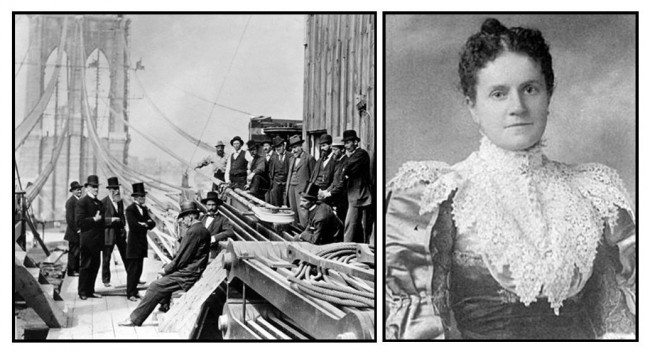
Historian David McCullough wrote in his book, The Great Bridge: The Epic Story of the Building of the Brooklyn Bridge: “By and by it was common gossip that hers was the great mind behind the great work and that this, the most monumental engineering triumph of the age, was actually the doing of a woman, which as a general proposition was taken in some quarters to be both preposterous and calamitous. In truth, she had by then a thorough grasp of the engineering involved”.
Unlikely as it sounds, fires broke out at the bottom of the river on several occasions, started by workmen’s candles, fed by the oakum used for caulking, and turbocharged by all that pressurized air. On at least one occasion, the caisson had to be filled with millions of gallons of water, before the fire went out for good.
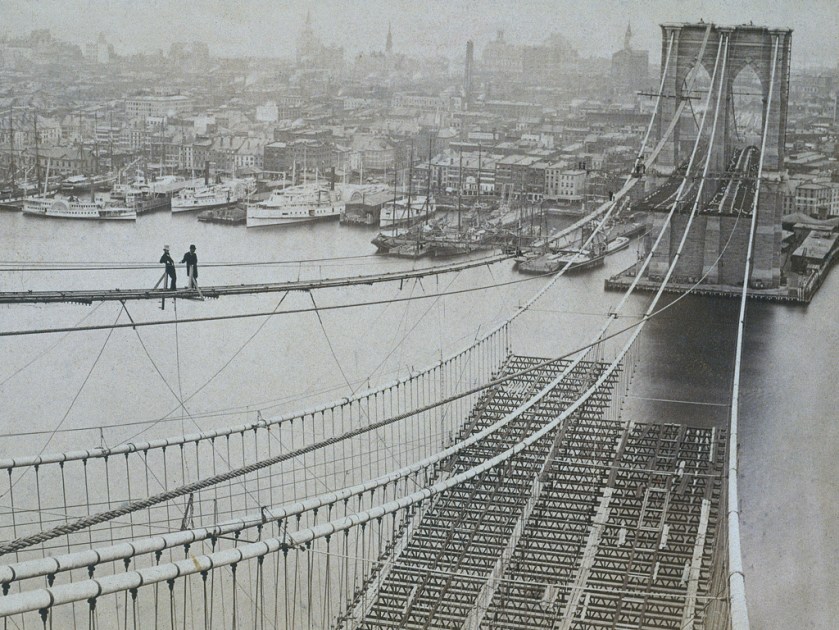
A footbridge connected the two sides in 1877, and soon the wires began to be strung. Wooden “buggies” carried men back and forth along wires suspended hundreds of feet above the water, as individual wires were woven into the four great cables that support the bridge. The work was exacting, with each wire bound together to precise specifications. Rumors about corruption and sleaze surrounded the project when J. Lloyd Haigh, the wire contractor, was discovered to be supplying inferior material. It was way too late to do anything about it, and 150 extra wires were bundled into each cable to compensate. The tactic worked. Haigh’s shoddy wire remains there, to this day.
Construction was completed in 1883, the bridge opening for use on May 24. The first person to cross was Emily Roebling. Six days later, a rumor started that the bridge was about to collapse. At least 12 people were killed in the resulting stampede. A year later, a publicity stunt by P. T. Barnum helped to put people’s minds at ease when Jumbo, the circus’ prize elephant, led a parade of 20 other elephants across the bridge.
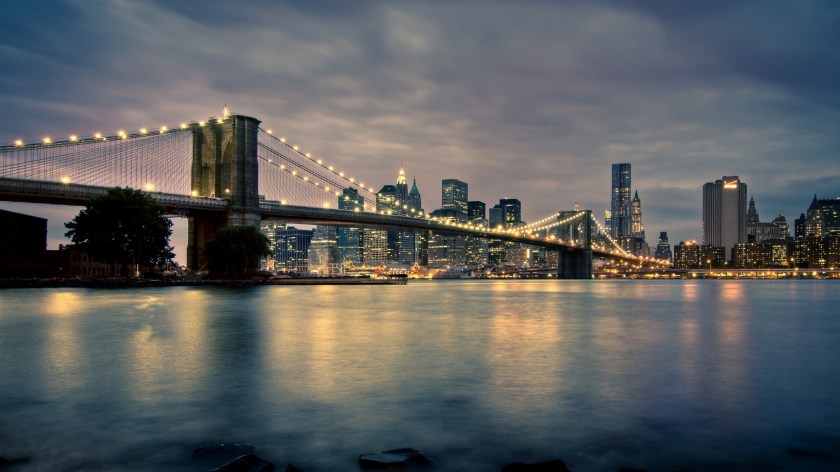
For a long time the span was called the “New York and Brooklyn Bridge” or the “East River Bridge”, officially becoming the “Brooklyn Bridge” only in 1915. At least 27 were killed in its construction; 3 from the bends, several from cable stringing accidents and others crushed under granite blocks or killed in high falls.
Even today, popular culture abounds with stories of suckers “buying” the Brooklyn Bridge. It was the longest bridge in the world for its time, and would remain so until 1903. Roebling had designed his project to be six times the strength required for the job. Even with the defective cables installed, the bridge is four times as strong as it needs to be. Many of the Brooklyn Bridge’s contemporary structures have long since gone. Johann Augustus Röbling’s bridge carries 145,000 cars, every day.

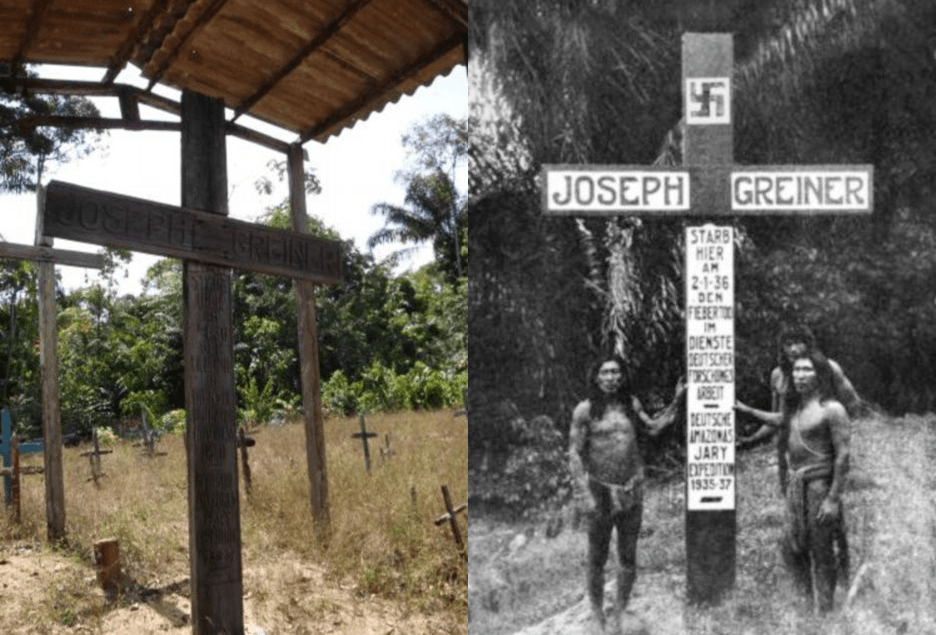



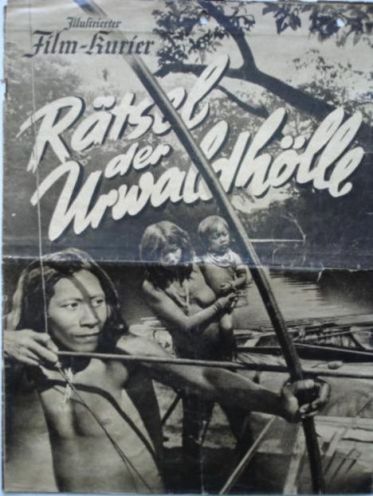 As befitting a man who completely buys into Nazi ideas of racial superiority, the SS officer wrote “For the more advanced white race it offers outstanding possibilities for exploitation”, adding that the people who lived there “cannot be measured in civilised terms as we know them in Germany”.


 Once considered mythical but for the old sailor’s stories and the damage inflicted on ships themselves, the first scientific measurement of a rogue wave occurred in the North sea in 1984, when a 36′ wave was measured off the Gorm oil platform, in a relatively placid sea.

 In 1909, the 500-ft. cargo liner SS Waratah disappeared off Durban South Africa, with 211 passengers and crew.


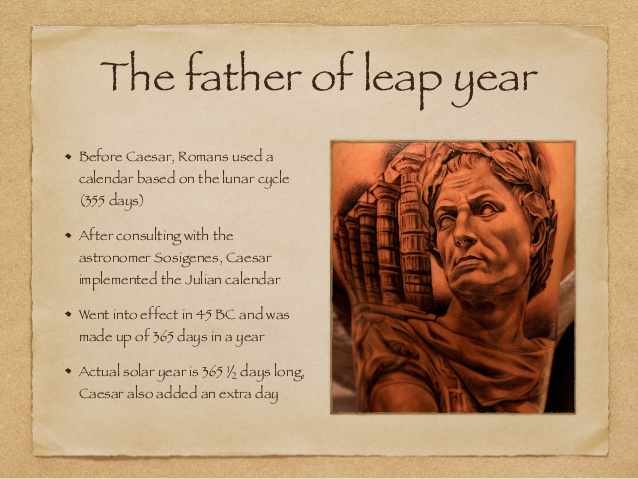
 Sosigenes was close with his 365¼ day long year, but not quite there. The correct value of a solar year is 365.242199 days. By the year 1000, that 11-minute error had added seven days. To fix the problem, Pope Gregory XIII commissioned Jesuit astronomer Christopher Clavius to come up with yet another calendar. The Gregorian calendar was implemented in 1582, omitting ten days and adding a day on every fourth February.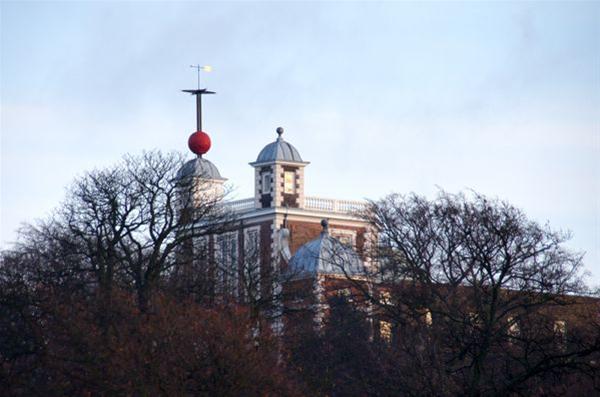
 That first ball was hoist up a flagpole by five men on December 31, 1907. Once it hit the roof of the building, the ball completed an electric circuit, lighting up a sign and touching off a fireworks display.

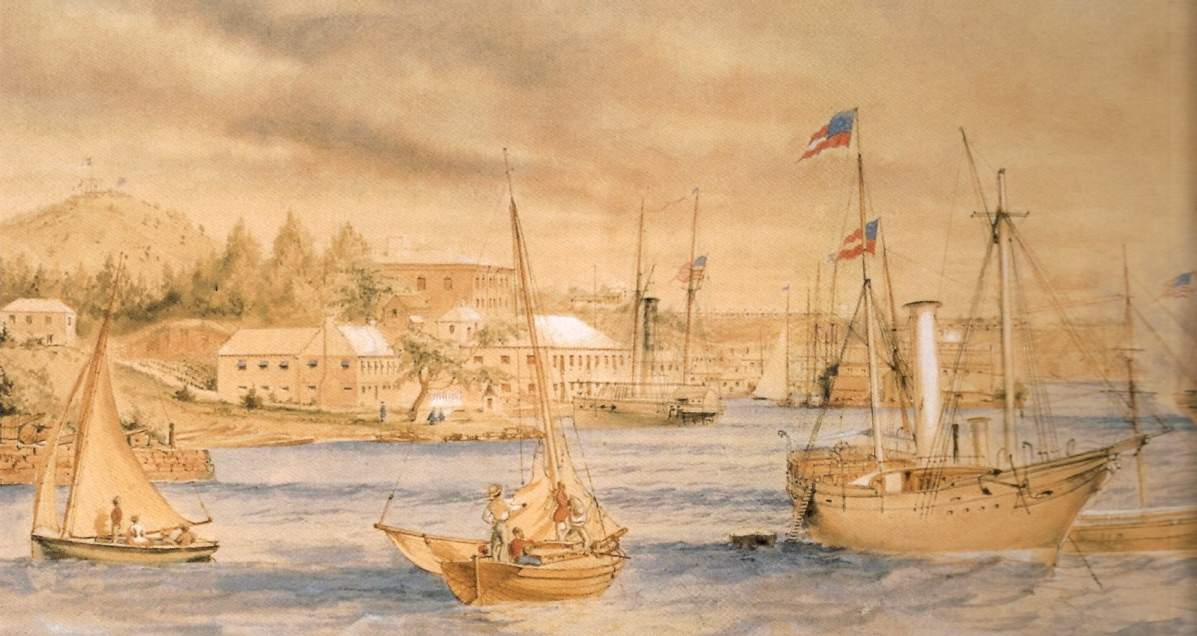
 President Abraham Lincoln issued a proclamation soon after taking office, threatening to blockade southern coastlines. It wasn’t long before the “Anaconda Plan” went into effect, a naval blockade extending 3,500 miles along the Atlantic coastline and Gulf of Mexico, up into the lower Mississippi River.
 Cotton would ship out of Mobile, Charleston, Wilmington and other ports, while weapons and other manufactured goods would come back in. Sometimes, these goods would make the whole trans-Atlantic voyage. Often, they would stop at neutral ports in Cuba or the Bahamas.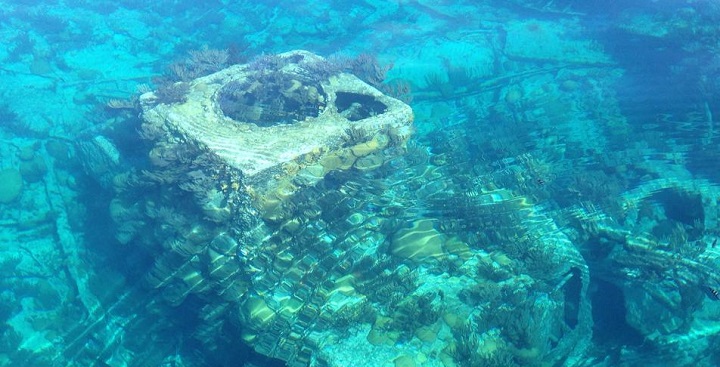

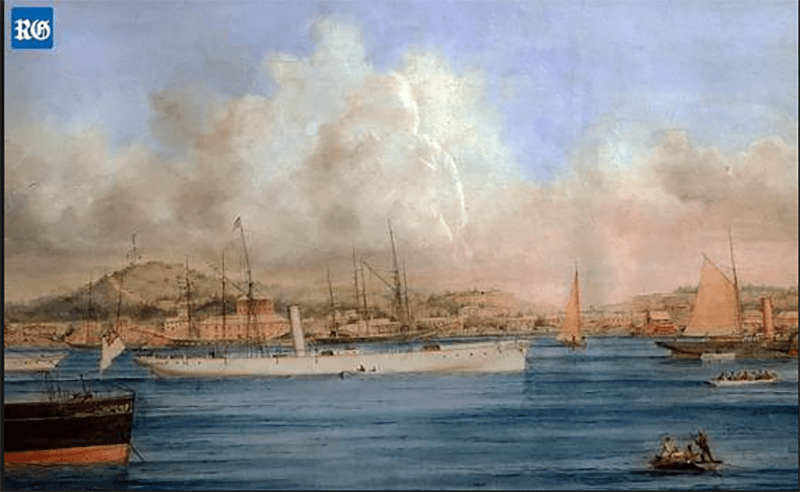


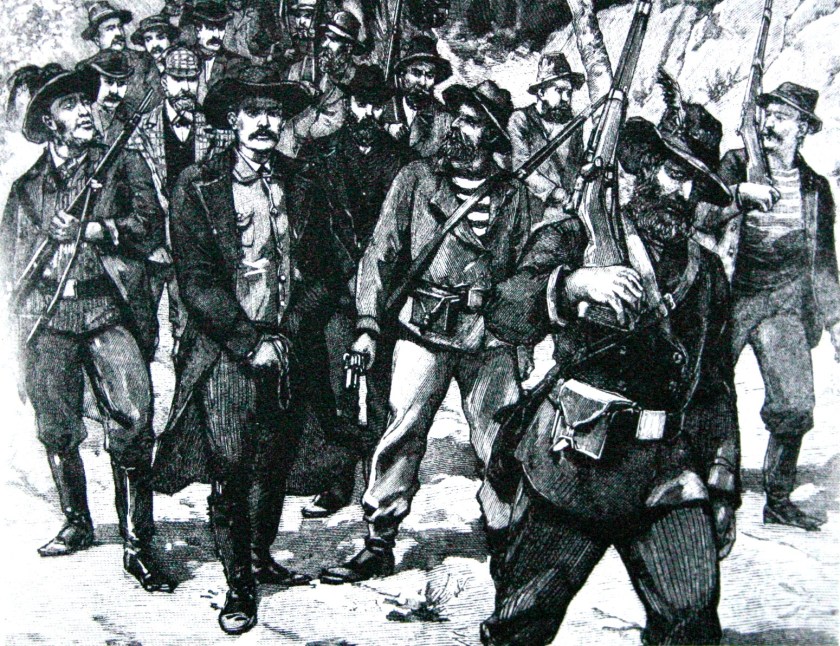
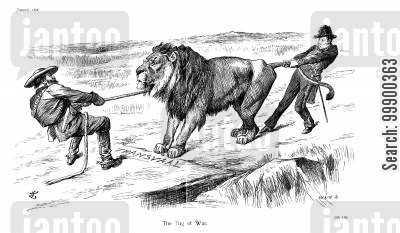
 Forty years later and half a world away, what would one day become South Africa was divided into four entities: the two British possessions of Cape Colony and Natal, and the two Boer (Dutch) Republics of the Orange Free State and the South African Republic, better known as Transvaal. Of the four states, Natal and the two Boer Republics were mainly agricultural, populated by subsistence farmers. The Cape Colony was by far the largest, dominating the other three economically, culturally, and socially.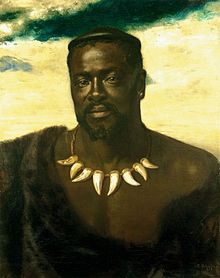

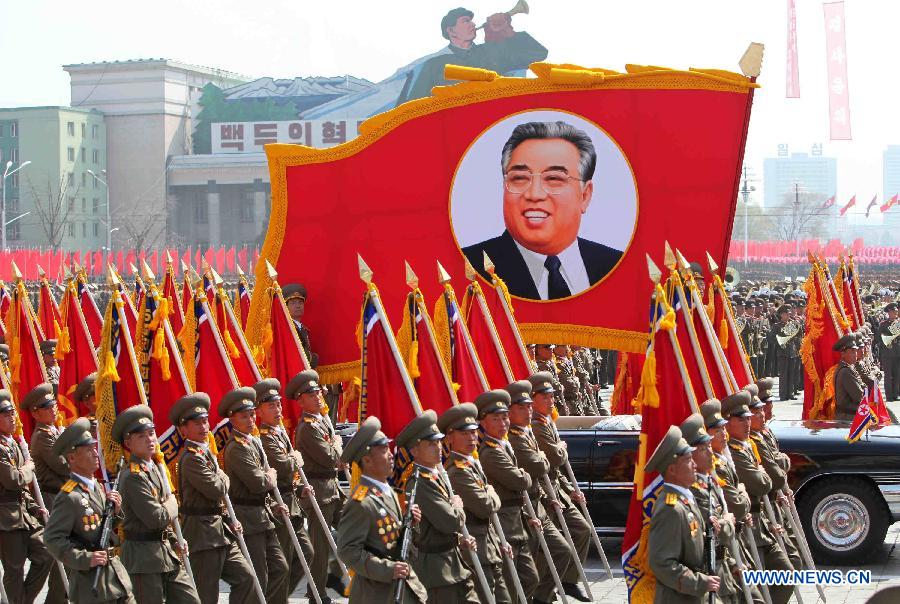
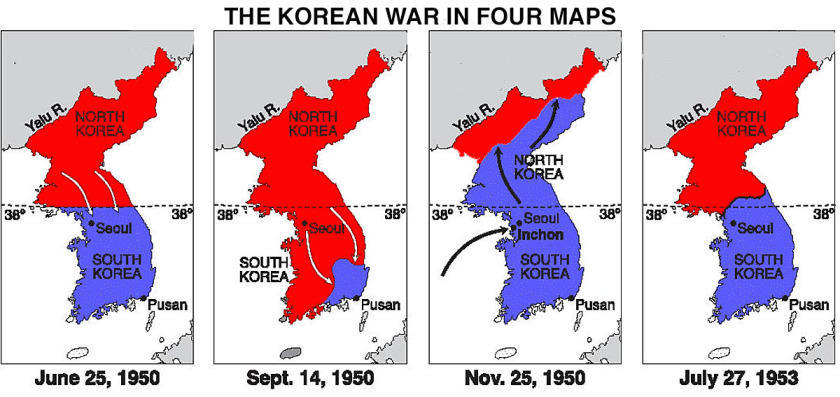 Sixteen countries sent troops to South Korea’s aid, about 90% of whom were Americans. The Soviets sent material aid to the North, while Communist China sent troops. The Korean War lasted three years, causing the death or disappearance of over 2,000,000 on all sides, combining military and civilian.
 The night-time satellite image of the two Koreas, tells the story of what happened next. In the south, the Republic of Korea (ROK) developed into a successful constitutional Republic, a G-20 nation with an economy ranking 11th in the world in nominal GDP, and 13th in terms of purchasing power parity.
 Son of the founder of the Juche Ideal, Kim Jung Il, was an enthusiastic film buff. In a move that would make Caligula blush, Kim had South Korean film maker Shin Sang Ok kidnapped along with his actress ex-wife, Choi Eun Hee. After four years spent starving in a North Korean gulag, the couple accepted Kim’s “suggestion” to re-marry and go to work for him, producing the less-than-box-office-smash “Pulgasari”, a kind of North Korean Godzilla film.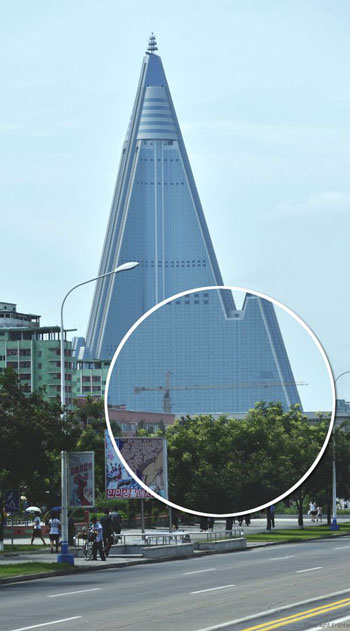










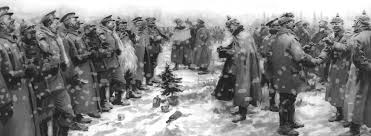
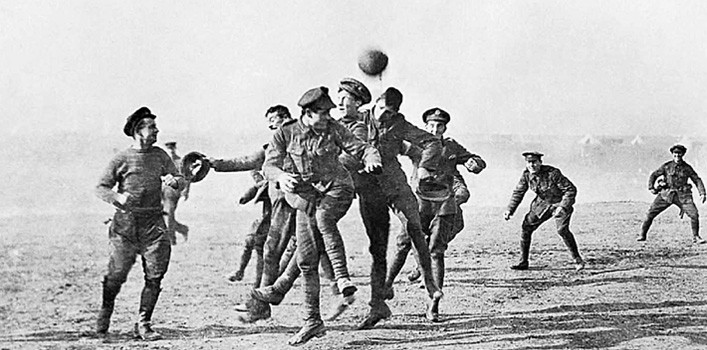
 A few tried to replicate the event the following year, but there were explicit orders preventing it. Captain Llewelyn Wyn Griffith recorded that after a night of exchanging carols, dawn on Christmas Day 1915 saw a “rush of men from both sides … [and] a feverish exchange of souvenirs” before the men were quickly called back by their officers.
 German soldier Richard Schirrmann wrote in December 1915, “When the Christmas bells sounded in the villages of the Vosges behind the lines …. something fantastically unmilitary occurred. German and French troops spontaneously made peace and ceased hostilities; they visited each other through disused trench tunnels, and exchanged wine, cognac and cigarettes for Westphalian black bread, biscuits and ham. This suited them so well that they remained good friends even after Christmas was over”.
 Even so, there is evidence of a small Christmas truce occurring in 1916, previously unknown to historians. 23-year-old Private Ronald MacKinnon of Princess Patricia’s Canadian Light Infantry, wrote home about German and Canadian soldiers reaching across battle lines near Arras, sharing Christmas greetings and trading gifts. “I had quite a good Christmas considering I was in the front line”, he wrote. “Christmas Eve was pretty stiff, sentry-go up to the hips in mud of course. … We had a truce on Christmas Day and our German friends were quite friendly. They came over to see us and we traded bully beef for cigars”. The letter ends with Private MacKinnon noting that “Christmas was ‘tray bon’, which means very good.”
 Historical Easter Eggs - Today in History
You must be logged in to post a comment.