

The Troop Transport USAT Dorchester sailed out of New York Harbor on January 23, 1943, carrying 904 service members, merchant seamen and civilian workers. They were headed for the the Army Command Base at Narsarsuaq in southern Greenland, part of a six-ship convoy designated SG-19, together with two merchant ships and escorted by the Coast Guard Cutters Comanche, Escanaba and Tampa.
Built as a coastal liner in 1926, Dorchester was anything but graceful, bouncing and shuddering her way through the rough seas of the North Atlantic.
German U-Boats had already sunk several ships in these waters. One of the Cutters detected a submarine late on February 2, flashing the light signal “we’re being followed”. Dorchester Captain Hans Danielson ordered his ship on high alert that night. Men were ordered to sleep in their clothes with their life jackets on, but many disregarded the order. It was too hot down there in the holds, and those life jackets were anything but comfortable.

Some of those off-duty tried to sleep that night, while others played cards or threw dice, well into the night. Nerves were understandably on edge, especially among new recruits, as four Army chaplains passed among them with words of encouragement.
They were the Jewish rabbi Alexander David Goode, the Catholic priest John Patrick Washington, the Reformed Church in America (RCA) minister Clark Vandersail Poling, and the Methodist minister George Lansing Fox.
At 12:55am on February 3rd, the German submarine U-223 fired a spread of three torpedoes. One struck Dorchester amidships, deep below the water line. A hundred or more were killed in the blast, or in the clouds of steam and ammonia vapor billowing from ruptured boilers. Suddenly pitched into darkness, untold numbers were trapped below decks. With boiler power lost, there was no longer enough steam to blow the full 6 whistle signal to abandon ship, while loss of power prevented a radio distress signal. For reasons not entirely clear, there never were any signal flares.
 Those who could escape scrambled onto the deck, injured, disoriented, many still in their underwear as they emerged into the cold and darkness.
The four chaplains must have been a welcome sight, guiding the disoriented and the wounded, offering prayers and words of courage. They opened a storage locker and handed out life preservers, until there were no more. “Padre,” said one young soldier, “I’ve lost my life jacket and I can’t swim!” Witnesses differ as to which of the four it was who gave this man his life jacket, but they all followed suit. One survivor, John Ladd, said “It was the finest thing I have seen or hope to see this side of heaven.” Rabbi Goode gave his gloves to Petty Officer John Mahoney, saying “Never mind. I have two pairs”. It was only later that Mahoney realized, Rabbi Goode intended to stay with the ship.
 Dorchester was listing hard to starboard and taking on water fast, with only 20 minutes to live. Port side lifeboats were inoperable due to the ship’s angle. Men jumped across the void into those on the starboard side, overcrowding them to the point of capsize. Only two of fourteen lifeboats launched successfully.
Private William Bednar found himself floating in 34° water, surrounded by dead bodies and debris. “I could hear men crying, pleading, praying,” he recalled. “I could also hear the chaplains preaching courage. Their voices were the only thing that kept me going.”
As the ship upended and went down by the bow, survivors floating nearby could see the four chaplains. With arms linked and leaning against the slanting deck, their voices offered prayers and sang hymns for the dead and for those about to die.
 Rushing back to the scene, coast guard cutters found themselves in a sea of bobbing red lights, the water-activated emergency strobe lights of individual life jackets. Most marked the location of corpses. Of the 904 on board, the Coast Guard plucked 230 from the water, alive.
The United States Congress attempted to confer the Medal of Honor on the four chaplains for their selfless act of courage, but strict requirements for “heroism under fire” prevented it from doing so. Congress authorized a one time, posthumous “Chaplain’s Medal for Heroism”, awarded to the next of kin by Secretary of the Army Wilber M. Brucker at Fort Myer, Virginia on January 18, 1961.
 John 15:13 says “Greater love hath no man than this, that a man lay down his life for his friends”. Rabbi Goode did not call out for a Jew when he gave away his only hope for survival, Father Washington did not ask for a Catholic. Neither minister Fox nor Poling asked for a Protestant. Each gave his life jacket to the nearest man.
Carl Sandburg once said that “Valor is a gift. Those having it never know for sure whether they have it until the test comes.” If I were ever so tested, I hope that I would prove myself half the man, as any of those four chaplains.



 Midway between Winter Solstice and Spring Equinox and well before the first crocus of spring has peered out across the frozen tundra, there is a moment of insanity which helps those of us living in northern climes get through to that brief, blessed moment of warmth when the mosquitoes once again have their way with us.
 Groundhogs hibernate for the winter, an ability held in great envy by some people I know. During that time, their heart rate drops from 80 beats per minute to 5, and they live off their stored body fat. Another ability some of us would appreciate, very much.



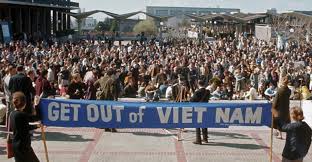 In Communist North Vietnam, the massive battlefield losses of 1966-’67 combined with the economic devastation wrought by US Aerial bombing, causing moderate factions to push for peaceful coexistence with the south. More radical factions favoring military reunification on the Indochina peninsula, needed to throw a “hail Mary” pass. Plans for a winter/spring offensive began, in early 1967. By the New Year, some 80,000 Communist fighters had quietly infiltrated the length and breadth of South Vietnam.
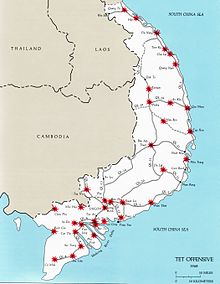 Initially taken off-guard, US and South Vietnamese forces regrouped and beat back the attacks, inflicting heavy losses on North Vietnamese forces. The month-long battle for Huế (“Hway”) uncovered the massacre of as many as 6,000 South Vietnamese by Communist forces, 5-10% of the entire city. Fighting continued for over two months at the US combat base at Khe Sanh.


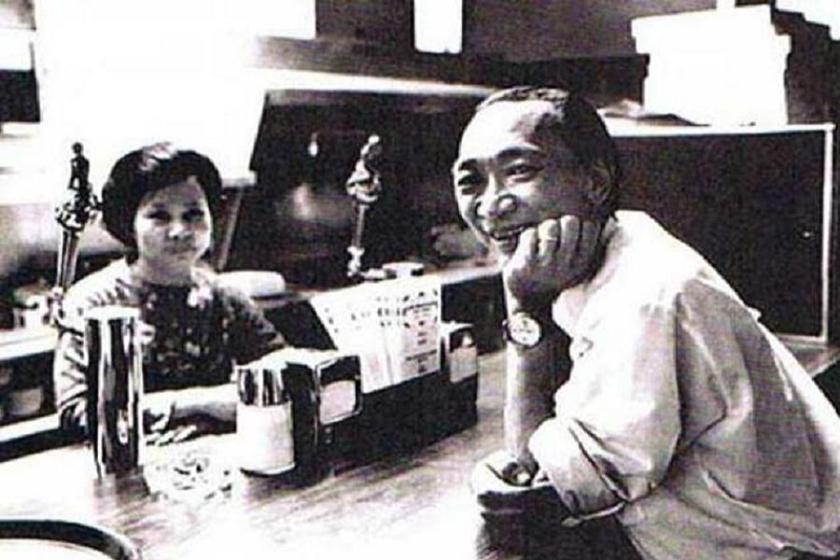


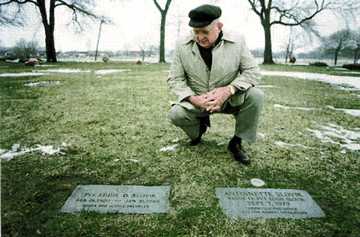
 Edward Donald “Eddie” Slovik was paroled in 1942, his criminal record making him 4F. “Registrant not acceptable for military service”. He took a job at the Montella Plumbing and Heating company in Dearborn, Michigan, where he met bookkeeper Antoinette Wisniewski, the woman who would later become his wife.
 The rapid movement of the army during this period caused difficulty for many replacements, in finding their units. Edward Slovik and John Tankey finally caught up with the 109th on October 7. The following day, Slovik asked his company commander Captain Ralph Grotte for reassignment to a rear unit, saying he was “too scared” to be part of a rifle company. Grotte refused, confirming that, were he to run away, such an act would constitute desertion.
 “I, Pvt. Eddie D. Slovik, 36896415, confess to the desertion of the United States Army. At the time of my desertion we were in Albuff [Elbeuf] in France. I came to Albuff as a replacement. They were shelling the town and we were told to dig in for the night. The following morning they were shelling us again. I was so scared, nerves and trembling, that at the time the other replacements moved out, I couldn’t move. I stayed there in my fox hole till it was quiet and I was able to move. I then walked into town. Not seeing any of our troops, so I stayed over night at a French hospital. The next morning I turned myself over to the Canadian Provost Corp. After being with them six weeks I was turned over to American M.P. They turned me loose. I told my commanding officer my story. I said that if I had to go out there again I’d run away. He said there was nothing he could do for me so I ran away again AND I’LL RUN AWAY AGAIN IF I HAVE TO GO OUT THERE. — Signed Pvt. Eddie D. Slovik A.S.N. 36896415”.
 1.7 million courts-martial were held during WWII, 1/3rd of all the criminal cases tried in the United States during the same period. The death penalty was rarely imposed. When it was, it was almost always in cases of rape or murder.


 “I beg to ask the steps of that process”, asked the student. Confucius replied, “Look not at what is contrary to propriety. Listen not to what is contrary to propriety. Speak not what is contrary to propriety. Make no movement which is contrary to propriety”.
 The visual play on words, then, depicts Iwazaru covering his mouth, Kikazaru covering his ears, and Mizaru covering his eyes.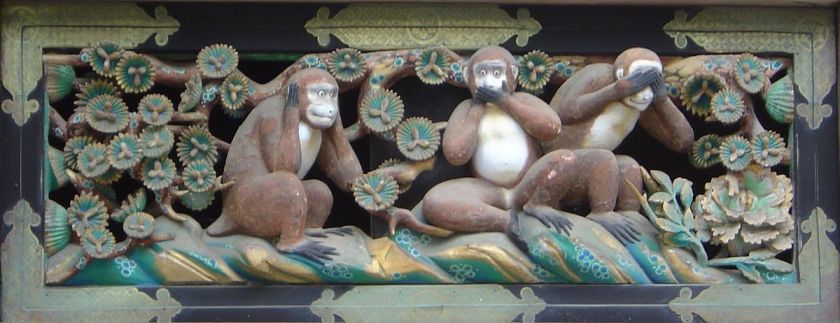



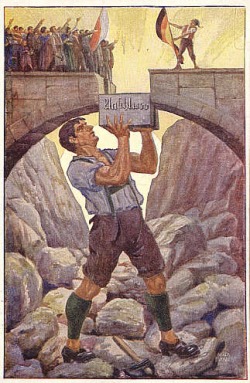
 When Nazi Germany invaded Poland the following September, London mayor Herbert Morrison was at 10 Downing Street, meeting with Chamberlain’s aide, Sir Horace Wilson. Morrison believed that the time had come for Operation Pied Piper. A year to the day from the Prime Minister’s “Peace in our Time” declaration, Wilson protested. “But we’re not at war yet, and we wouldn’t want to do anything to upset delicate negotiations, would we?”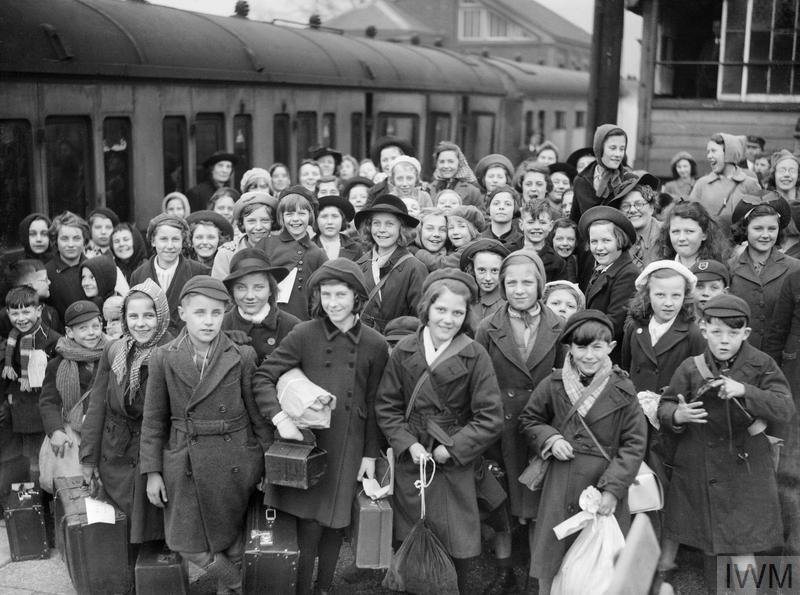
 BBC History reported that, “within a week, a quarter of the population of Britain would have a new address”.
 The evacuation of all that humanity ran relatively smoothly, considering. James Roffey, founder of the Evacuees Reunion Association, recalls ‘We marched to Waterloo Station behind our head teacher carrying a banner with our school’s name on it. We all thought it was a holiday, but the only thing we couldn’t work out was why the women and girls were crying.’
 In the 2003 BBC Radio documentary “Evacuation: The True Story,” clinical psychologist Steve Davis described the worst cases, as “little more than a pedophile’s charter.”
 Authorities produced posters urging parents to leave the kids where they were, and a good thing, too. The Blitz against London itself began on September 7. The city experienced the most devastating attack to-date on December 29, in a blanket fire-bombing that killed almost 3,600 civilians.
 By October 1940, the “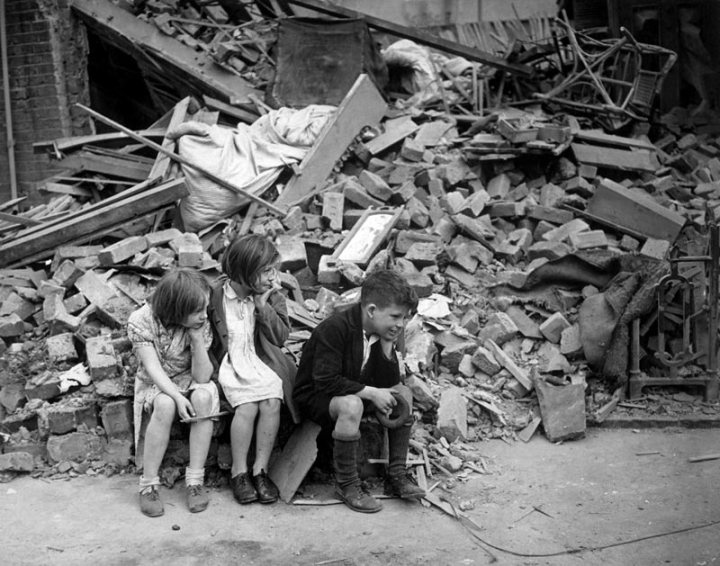
 In the end, many family ‘reunions’ were as emotionally bruising as the original breakup. Years had come and gone and new relationships had formed. The war had turned biological family members, into all but strangers.

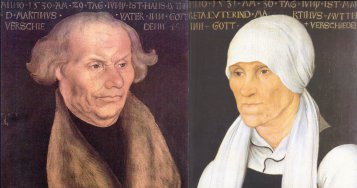
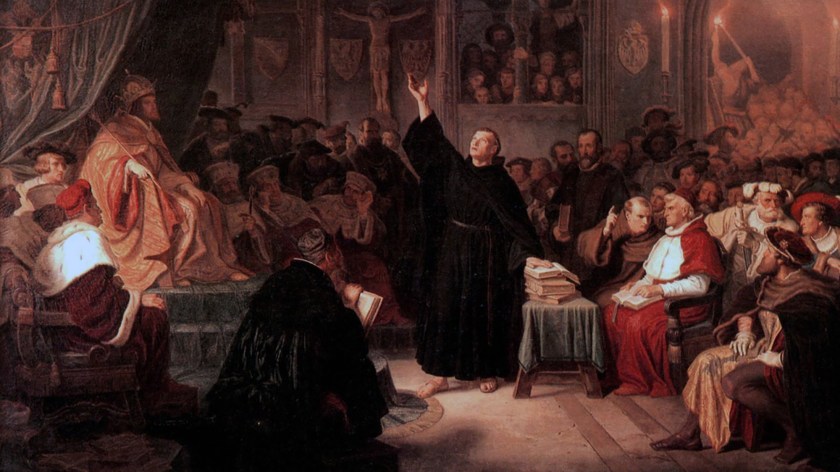
 Martin Luther wrote to Archbishop Albrecht on October 31, 1517, objecting to this sale of indulgences. He enclosed a copy of his “Disputation of Martin Luther on the Power and Efficacy of Indulgences”, a document which came to be known as his “95 Theses”.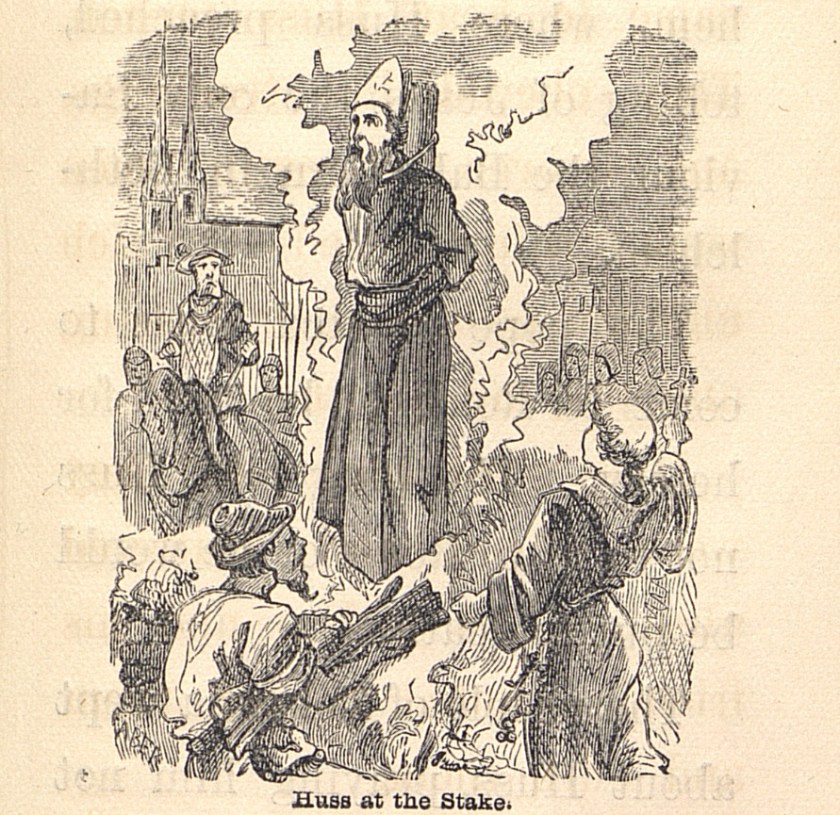




 20,000 died from sickness or hunger, or were murdered by Japanese guards on the 60 mile “death march” from Bataan, into captivity at Cabanatuan prison and others.
 Two rice rations per day, fewer than 800 calories, were supplemented by the occasional animal or insect caught and killed inside camp walls, or by the rare food items smuggled in by civilian visitors.
 On December 14, some fifty to sixty soldiers of the Japanese 14th Area Army in Palawan doused 150 prisoners with gasoline and set them on fire, machine gunning or clubbing any who tried to escape the flames. Some thirty to forty managed to escape the killing zone, only to be hunted down and murdered, one by one. Eleven managed to escape the slaughter, and lived to tell the tale. 139 were burned, clubbed or machine gunned to death.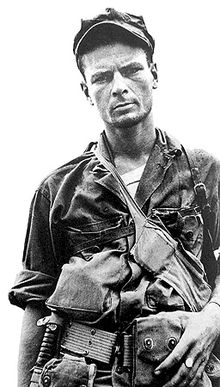
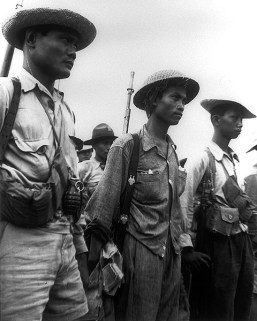
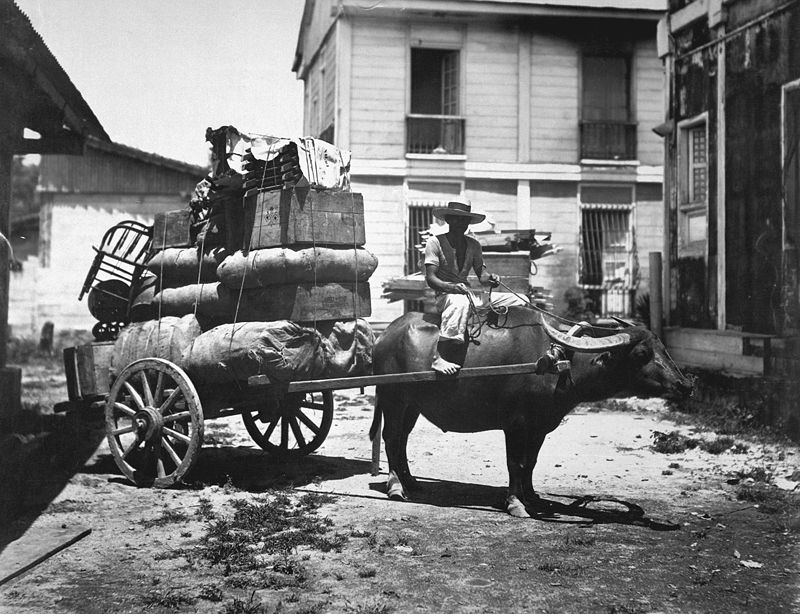
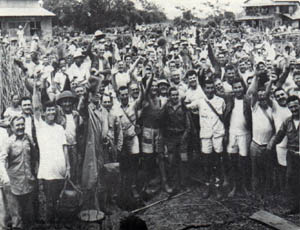 He dressed and shaved, put on his best clothes, and walked out of camp. Passing guerrillas found him and passed him to a tank destroyer. Give the man points for style. A few days later, Edwin Rose strolled into 6th army headquarters, a cane tucked under his arm.

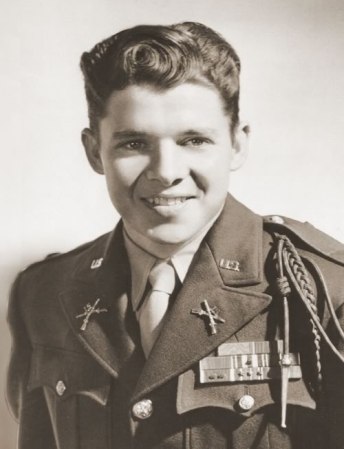 Murphy’s company commander thought he wasn’t big enough for infantry service, and attempted to transfer him to cook and bakers’ school. Murphy refused. He wanted to be a combat soldier.
 He was still in the hospital when his unit moved into the Vosges Mountains, in Eastern France.
 “Second Lieutenant Audie L. Murphy, 01692509, 15th Infantry, Army of the United States, on 26 January 1945, near Holtzwihr, France, commanded Company B, which was attacked by six tanks and waves of infantry. Lieutenant Murphy ordered his men to withdraw to a prepared position in a woods while he remained forward at his command post and continued to give fire directions to the artillery by telephone. Behind him to his right one of our tank destroyers received a direct hit and began to burn. Its crew withdrew to the woods. Lieutenant Murphy continued to direct artillery fire which killed large numbers of the advancing enemy infantry. With the enemy tanks abreast of his position, Lieutenant Murphy climbed on the burning tank destroyer which was in danger of blowing up any instant and employed its .50 caliber machine gun against the enemy. He was alone and exposed to the German fire from three sides, but his deadly fire killed dozens of Germans and caused their infantry attack to waver. The enemy tanks, losing infantry support, began to fall back. For an hour the Germans tried every available weapon to eliminate Lieutenant Murphy, but he continued to hold his position and wiped out a squad which was trying to creep up unnoticed on his right flank. Germans reached as close as 10 yards only to be mowed down by his fire. He received a leg wound but ignored it and continued the single-handed fight until his ammunition was exhausted. He then made his way to his company, refused medical attention, and organized the company in a counterattack which forced the Germans to withdraw. His directing of artillery fire wiped out many of the enemy; he personally killed or wounded about 50. Lieutenant Murphy’s indomitable courage and his refusal to give an inch of ground saved his company from possible encirclement and destruction and enabled it to hold the woods which had been the enemy’s objective”.
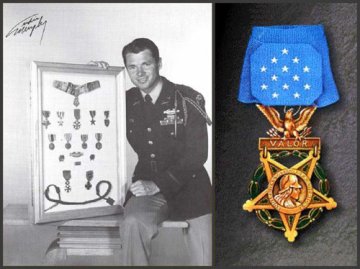 The man who had once been judged too small to fight was one of the most decorated American combat soldiers of WW2, having received every military combat award for valor the United States Army has to give, plus additional awards for heroism, from France and from Belgium.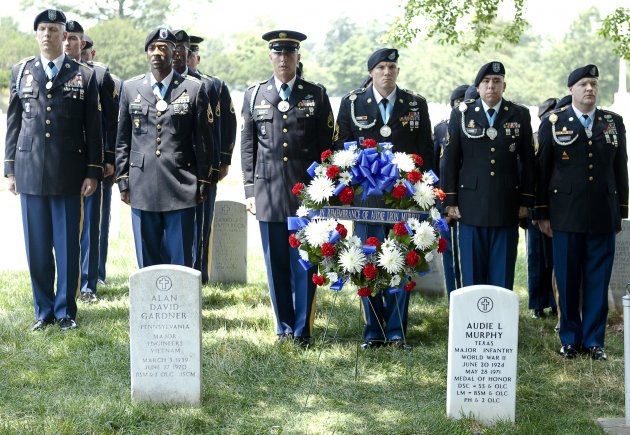



 Dr. Curtis Welch practiced medicine in Nome, Alaska, in 1925. Several children became ill with what he first diagnosed as tonsillitis. More came down with sore throats, early sufferers beginning to die as Welch observed the pseudomembrane of diphtheria. He had ordered fresh antitoxin the year before, but the shipment hadn’t arrived by the time the ports froze over. By January, all the serum in Nome was expired.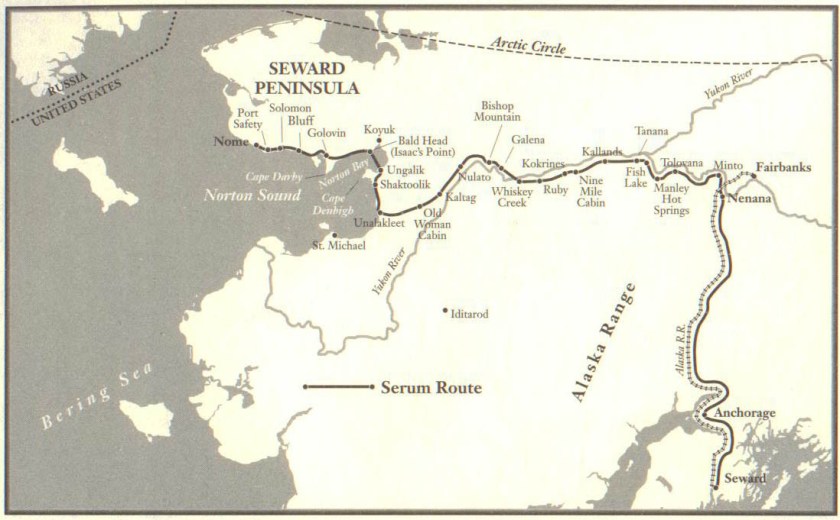
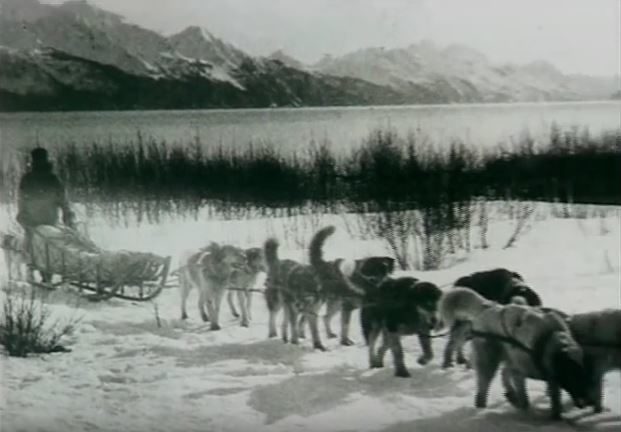

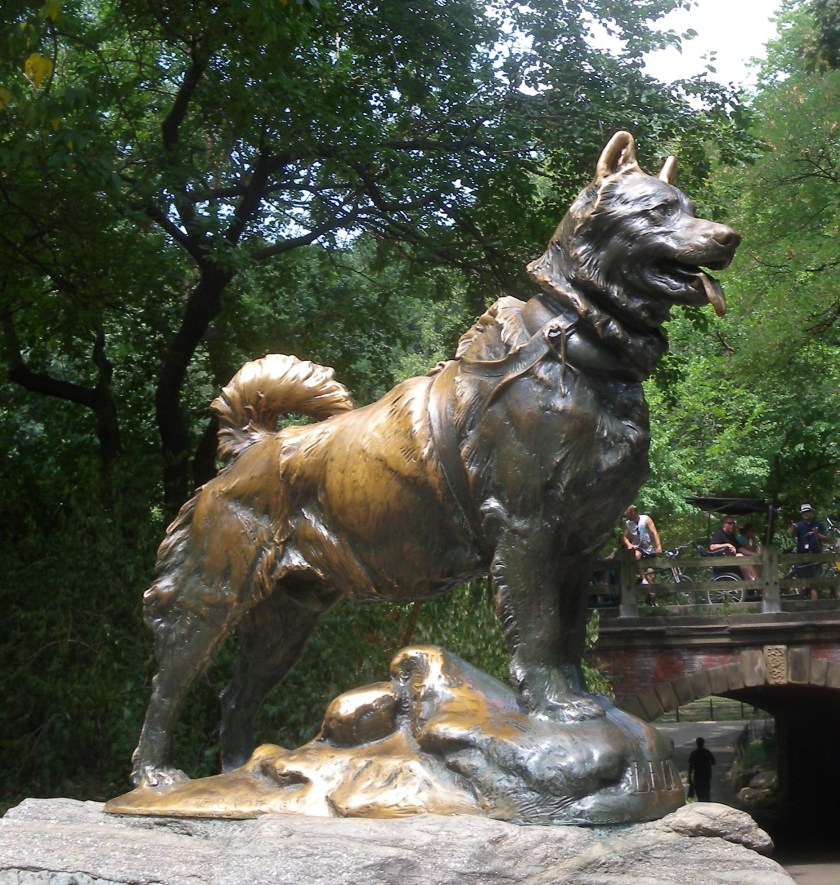
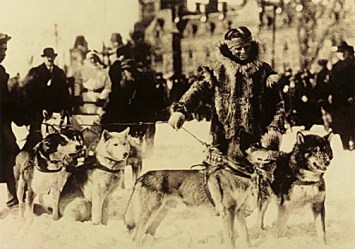 20 mushers and 150 dogs or more had covered 674 miles in 5 days, 7½ hours, a distance that normally took the mail relay 2-3 weeks. Not a single serum ampule was broken.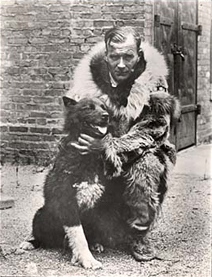


 Historical Easter Eggs - Today in History
You must be logged in to post a comment.