

Ancient Greek mythology depicts Hercules, poisoning arrows with the venom of the Hydra. Both sides in the battle for Troy used poisoned arrows, according to the Iliad and the Odyssey of Homer. Alexander the great encountered poison arrows and fire weapons in the Indus valley of India, in the fourth century, BC. Chinese chronicles describe an arsenic laden “soul-hunting fog”, used to disperse a peasant revolt, in AD178.
The French were first to use poison weapons in the modern era, firing tear gas grenades containing xylil bromide against German forces in the first month of the Great War, August 1914.

Imperial Germany was first to give serious study to chemical weapons of war, early experiments with irritants taking place at the battle of Neuve-Chapelle in October 1914, and with tear gas at Bolimów on January 31, 1915 and again at Nieuport, that March.
The first widespread use of poison gas, in this case chlorine, came on April 22, 1915, at the second battle of Ypres.
The story of gas warfare is inextricably linked with that of WW1. 124,000 tons of the stuff was produced by all sides by the end of the war, accounting for 1,240,853 casualties, including the agonizing death of 91,198.
Had the war continued into 1919, technological advances promised a new and fresh hell, unimaginable to the modern reader.
Today we think of chemical agents in WW2 as being limited to the death camps of the Nazis, but such weapons were far more widespread. The Imperial Japanese military frequently used vesicant (blister) agents such as Lewisite and mustard gas against Chinese military and civilians, and in the hideous “medical experiments” conducted on live prisoners at Unit 731 and Unit 516. Emperor Hirohito personally authorized the use of toxic gas during the 1938 Battle of Wuhan, on no fewer than 375 occasions.
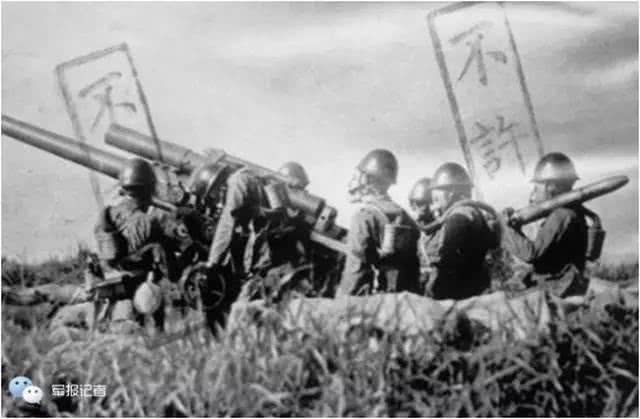
The Italian military destroyed every living creature in its path during the 1936 Colonial war with Ethiopia, in what Emperor Haile Selassie called “a fine, death-dealing rain”.
Nazi Germany possessed some 45,000 tons of blister and nerve agents, though such weapons were rarely used against western adversaries. The “Ostfront” – the battle on the eastern front – was a different story. Russian resistance fighters and Red Army soldiers were attacked, most notably during the assault on the catacombs of Odessa in 1941, the 1942 siege of Sebastopol, and the nearby caves and tunnels of the Adzhimuskai quarry, where “poison gas was released into the tunnels, killing all but a few score of the (3,000+) Soviet defenders”.

None of the western allies resorted to chemical warfare in WW2, despite having accumulated over twice the chemical stockpile as that of Nazi Germany. The policy seems to have been one of “mutually assured destruction”, where no one wanted to be first to go there, but all sides reserved the option. Great Britain possessed massive quantities of mustard, chlorine, Lewisite, Phosgene and Paris Green, awaiting the retaliatory strike should Nazi Germany resort to such weapons on the beaches of Normandy. General Alan Brooke, Commander-in-Chief of the Home Forces, said he “[H]ad every intention of using sprayed mustard gas on the beaches” in the event of a German landing on the British home islands.
The official American policy toward chemical weapons was enunciated by President Franklin Roosevelt, in 1937.
“I am doing everything in my power to discourage the use of gases and other chemicals in any war between nations. While, unfortunately, the defensive necessities of the United States call for study of the use of chemicals in warfare, I do not want the Government of the United States to do anything to aggrandize or make permanent any special bureau of the Army or the Navy engaged in these studies. I hope the time will come when the Chemical Warfare Service can be entirely abolished”.
The Geneva Protocols on 1925 banned the use of chemical weapons, but not their manufacture, or transport. By 1942, the U.S. Chemical Corps employed some 60,000 soldiers and civilians and controlled a $1 Billion budget.
In August 1943, Roosevelt authorized the delivery of chemical munitions containing mustard gas, to the Mediterranean theater. Italy surrendered in early September, changing sides with the signing of the armistice of Cassibile.
The liberty ship SS John Harvey arrived at the southern Italian port of Bari in November, carrying 2000 M47A1 mustard gas bombs, each containing 60 to 70-pounds of sulfur mustard.
Bari was packed at the time, with ships waiting to be unloaded. It would be days before stevedores could get to her. Captain John Knowles wanted to inform port authorities of his deadly cargo and request that it be unloaded immediately, but secrecy prevented him from doing so. As it was, John Harvey was still waiting to be unloaded, on December 2.
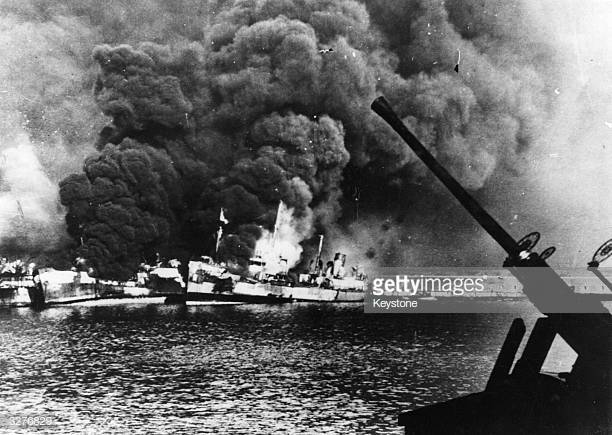
For Luftwaffe Generalfeldmarschall Albert Kesselring, the traffic jam at Bari was an opportunity to slow the advance of the British 8th army on the Italian peninsula.
The “Little Pearl Harbor” began at 7:25PM, when 105 Junkers JU-88 bombers came out of the East. The tactical surprise was complete, and German pilots were able to bomb the harbor with great accuracy. Two ammunition ships were first to explode, shattering windows 7 miles away. A bulk gasoline pipeline was severed, as a sheet of burning fuel spread across the harbor, igniting those ships left undamaged.
43 ships were sunk, damaged or destroyed including John Harvey, which erupted in a massive explosion. Liquid sulfur mustard spilled into the water, as a cloud of toxic vapor blew across the port and into the city.
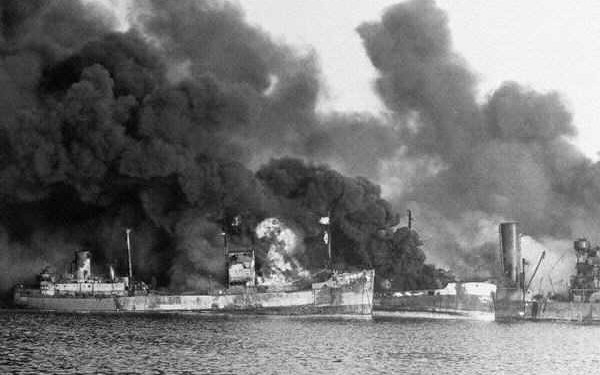
Mustard gas is a cytotoxic agent, capable of entering the system via skin, eyes and respiratory tract and attacking every cell type with which it comes into contact. First comes the garlic smell, as the yellow-brown, heavier-than-air cloud creeps along the ground. Contact first results in redness and itching, resulting 12-24 hours later in excruciating, untreatable blisters on exposed areas of the skin. Sufferers are literally burned inside and out, as mucous membranes are stripped away from the eyes, nose and respiratory tract.
Death comes in days or weeks. Survivors are likely to develop chronic respiratory disease and infections. DNA is altered, often resulting in certain cancers and birth defects. To this day there is no antidote.
A thousand or more died outright in the bombing. 643 military service personnel were hospitalized for gas symptoms. 83 of those were dead, by the end of the month. The number of civilian casualties is unknown. The whole episode remained shrouded in secrecy.
Afterward:
At the time, the nature of the chemical disaster at Bari was unknown. Everyone with any knowledge of John Harvey’s secret cargo was killed in the explosion. Lieutenant-Colonel Stewart Francis Alexander, an American physician from New Jersey, was sent by the Deputy Surgeon General of the US Army to find out what happened.

It was Dr. Alexander who figured out that mustard was the responsible agent, and from where it had come. In the process of testing, Dr. Alexander noticed the unknown agent first went after rapidly dividing cells, such as white blood cells. Alexander wondered if it might be useful in going after other rapidly dividing cells, such as cancer.
Based on Dr. Alexander’s field work, Yale pharmacologists Louis Goodman and Alfred Gilman developed the first anti-cancer chemotherapy drug, in the treatment of lymphoma.
Dr. Sidney Farber of Boston built on this work, producing remission in children with acute Leukemia using Aminopterin, an early precursor to Methotrexate, a chemotherapy drug still in use, today.
Writers have labeled SS John Harvey a Savior of Millions, due to the vessel’s role in the pioneering era of modern chemotherapy drugs.
The claim may be a bit of an exaggeration, but not entirely so. The American Cancer Society estimates that there were 7,377,100 male cancer survivors in the United States as of January 1, 2016 and another 8,156,120, females.

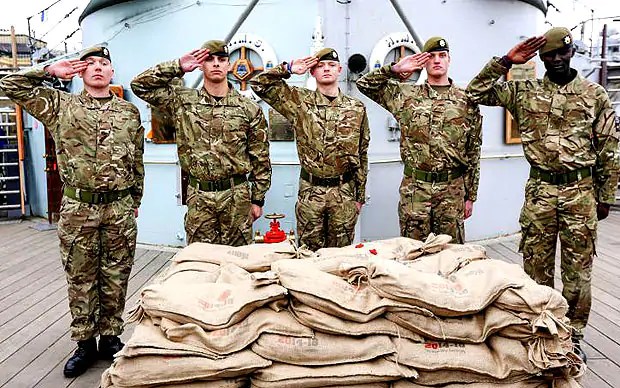

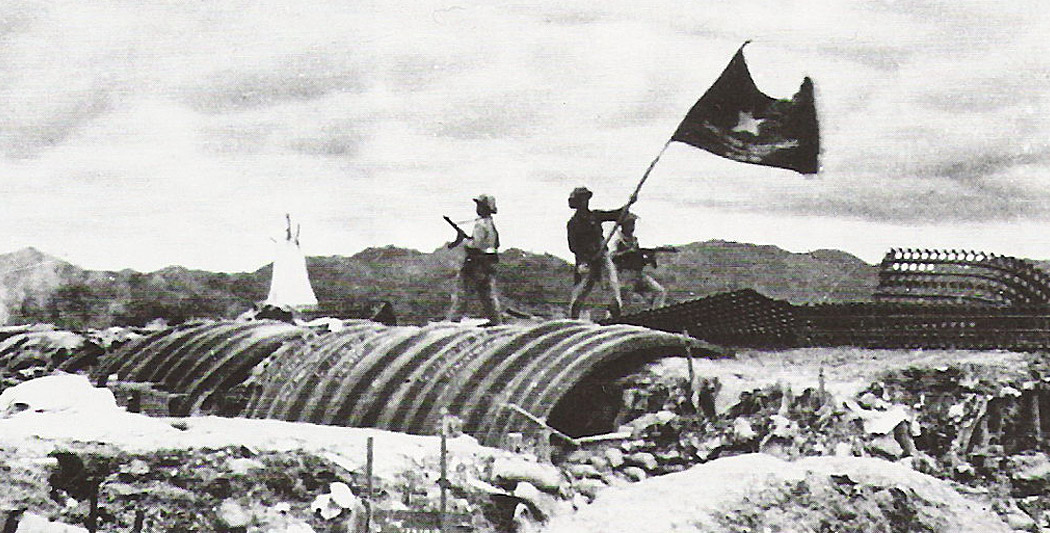
 What historians call the First Indochina War, many contemporaries called “la sale guerre”, or “dirty war”. The government forbade the use of metropolitan recruits, fearing that that would make the war more unpopular than it already was. Instead, French professional soldiers and units of the French Foreign Legion were augmented with colonial troops, including Moroccan, Algerian, Tunisian, Laotian, Cambodian, and Vietnamese ethnic minorities.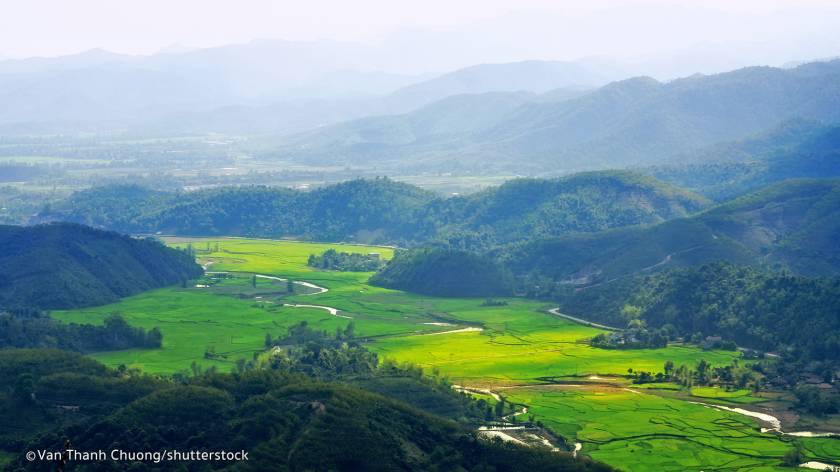
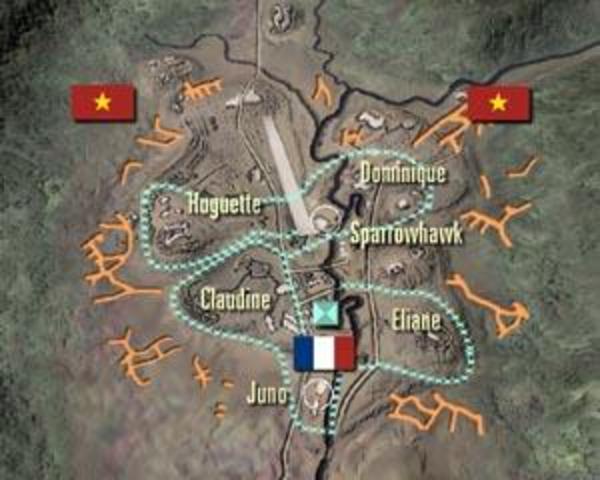
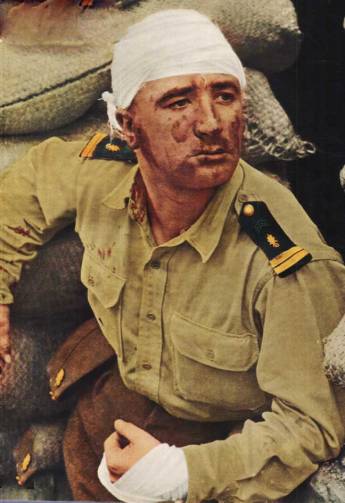 The French staff formulated their battle plan, based on the assumption that it was impossible for the Viet Minh to place enough artillery on the surrounding high ground, due to the rugged terrain. Communist forces didn’t possess enough artillery to do serious damage anyway. Or so they thought.
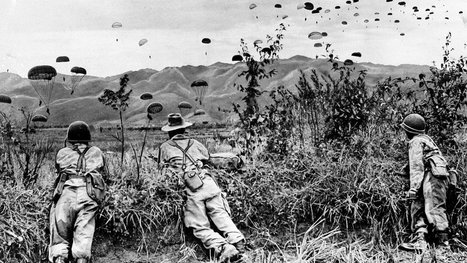 “Beatrice” was the first fire base to fall, then “Gabrielle” and “Anne-Marie”. Viet Minh controlled 90% of the airfield by the 22nd of April, making even parachute drops next to impossible. On May 7, Vo ordered an all-out assault of 25,000 troops against the 3,000 remaining in garrison. By nightfall it was over. The last words from the last radio man were “The enemy has overrun us. We are blowing up everything. Vive la France!”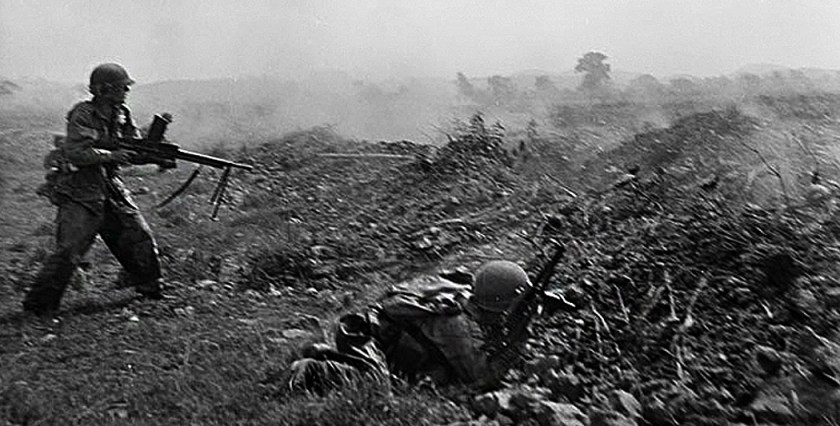
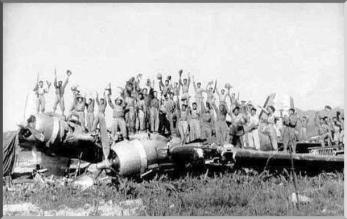 American support for the south increased as the French withdrew theirs. By the late 1950s, the United States were sending technical and financial aid in expectation of social and land reform. By 1960, the National Front for the Liberation of South Vietnam (NLF, or “Viet Cong”) had taken to murdering Diem supported village leaders. President John Fitzgerald Kennedy responded by sending 1,364 American advisers into South Vietnam, in 1961.

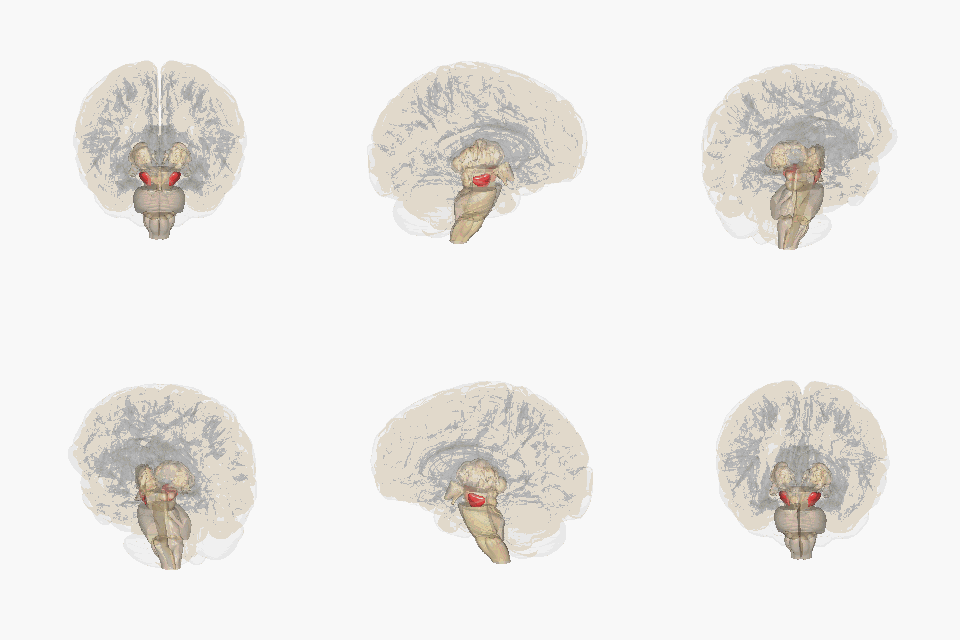
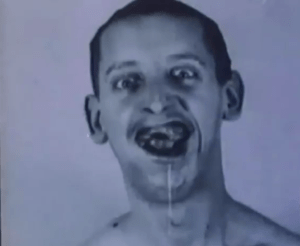 The worldwide Encephalitis Lethargica epidemic afflicted some five million people between 1915 and 1924. One-third of sufferers died in the acute phase of the disease, a higher mortality rate than the Spanish flu of 1918-’19. Many of those who survived never returned to their pre-existing state of “aliveness”, and lived the rest of their lives institutionalized, as described above.
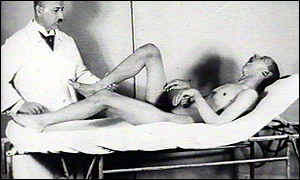 Individual cases continue to pop up, but have never assumed the pandemic proportions of 1915-’24. Further study is needed but, perversely, such study is only possible given more cases of the disease. For now, Encephalitis Lethargica must remain one of the great medical mysteries of the twentieth century. An epidemiological conundrum, locked away in a nightmare closet of forgotten memory.
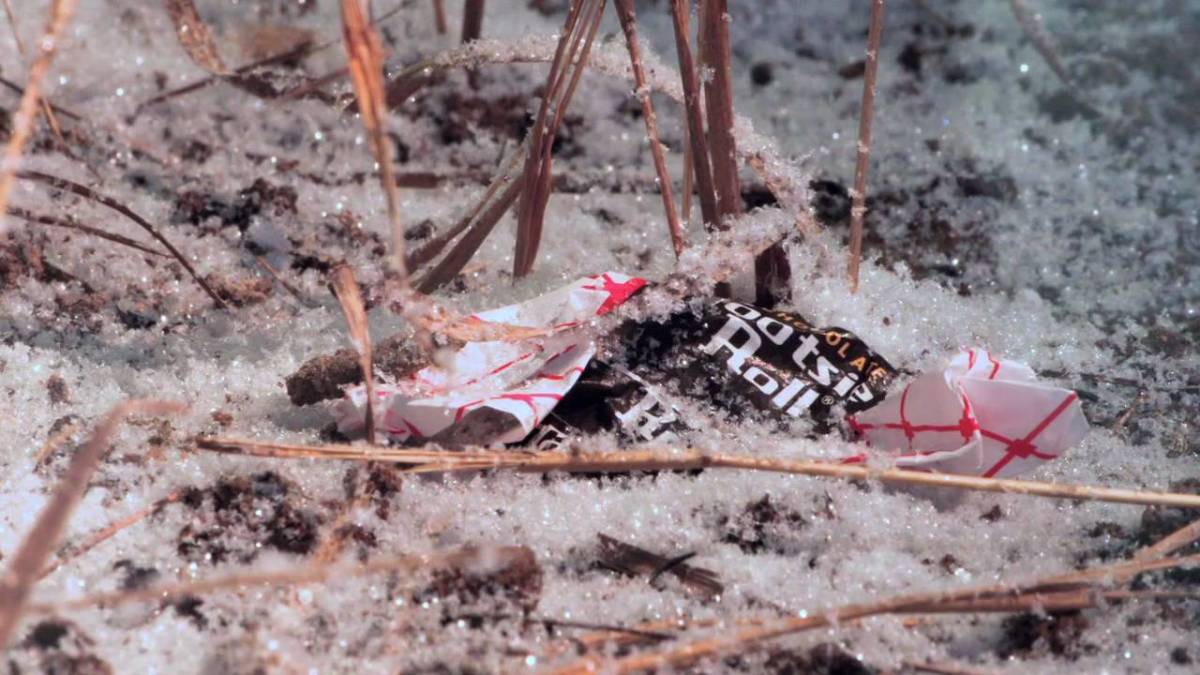
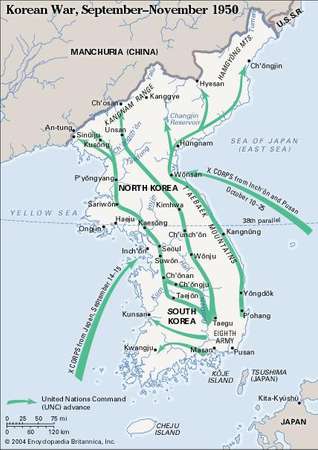
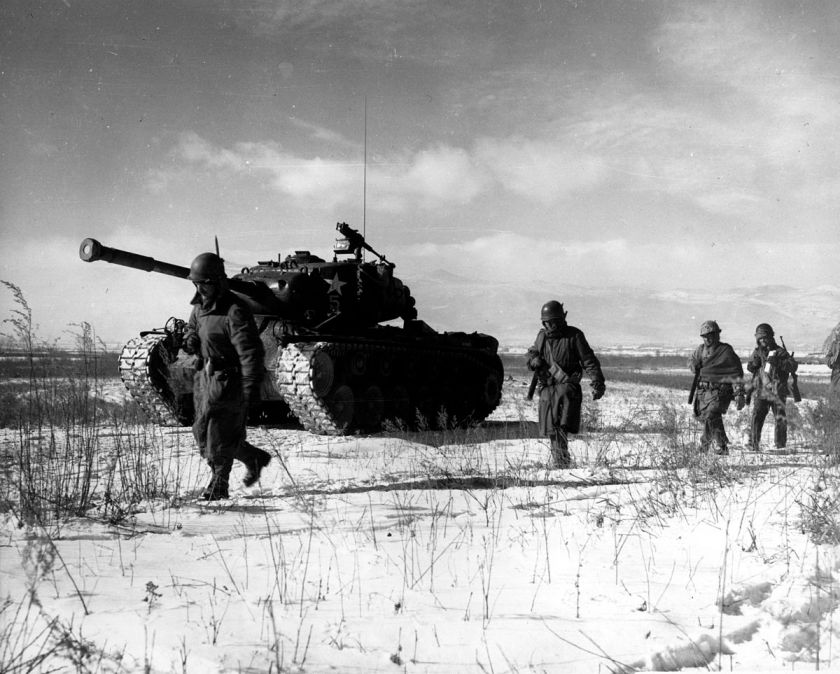


 Untold thousands of Tootsie roll wrappers littered the seventy-eight miles back to the sea. Most credit their survival to the energy provided by the chocolate candy. It turns out that frozen tootsie rolls make a swell putty too, useful for patching up busted hoses and vehicles.
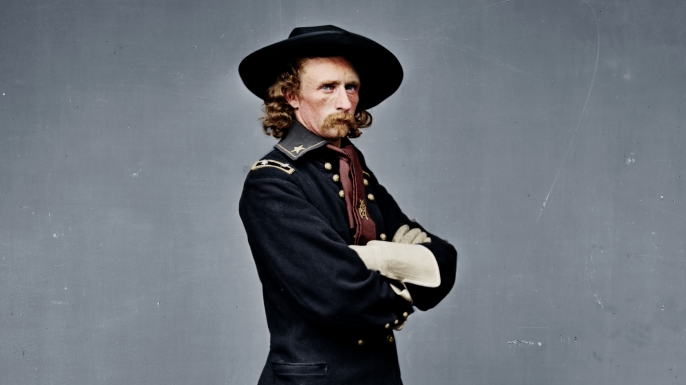
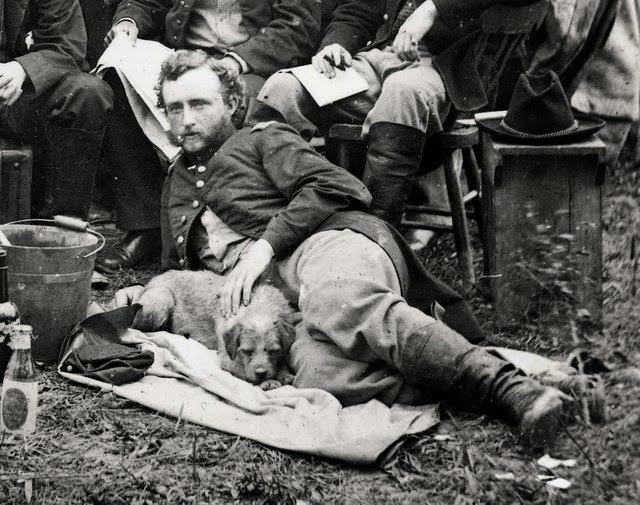
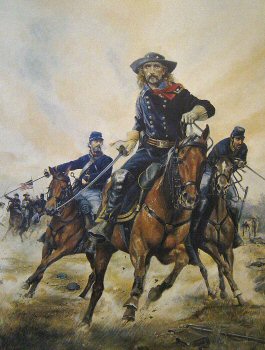 On the third came Longstreet’s assault, better known as “Pickett’s charge”. 13,000 Confederate soldiers came out of the tree line at Seminary Ridge, 1¼-miles distant from the Federal line.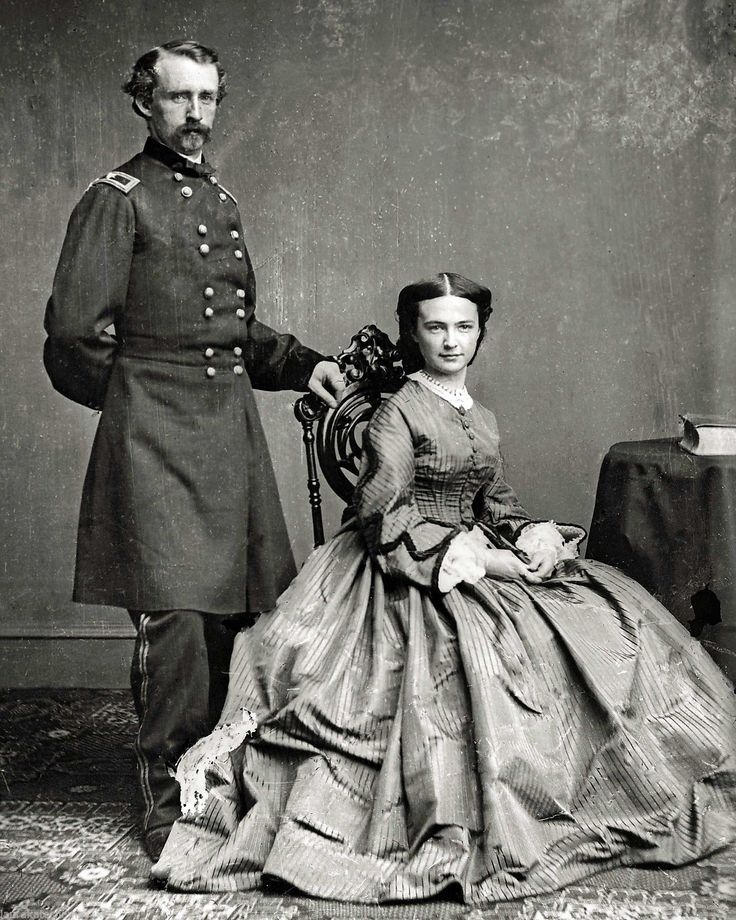
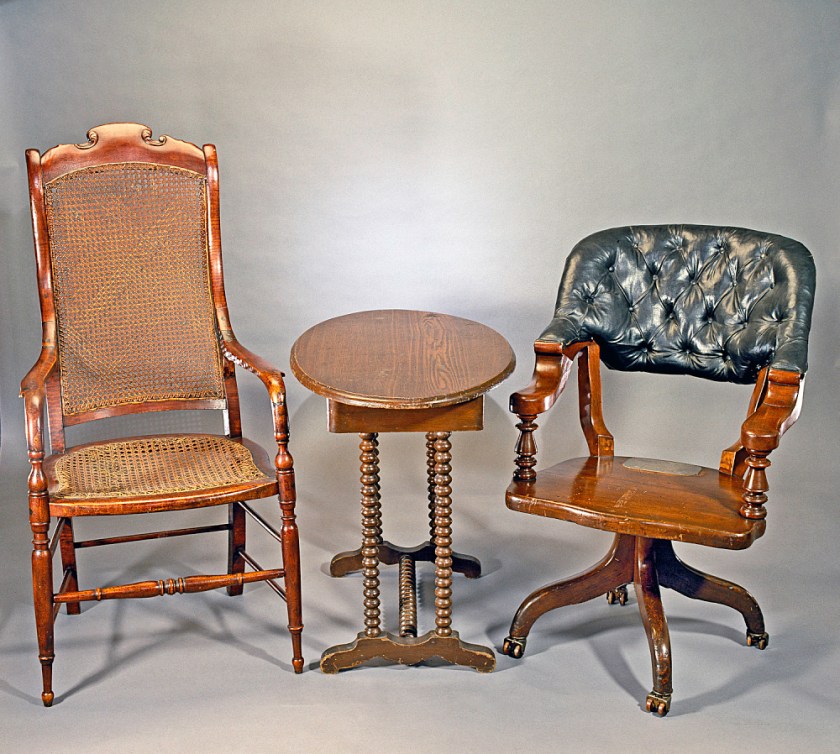
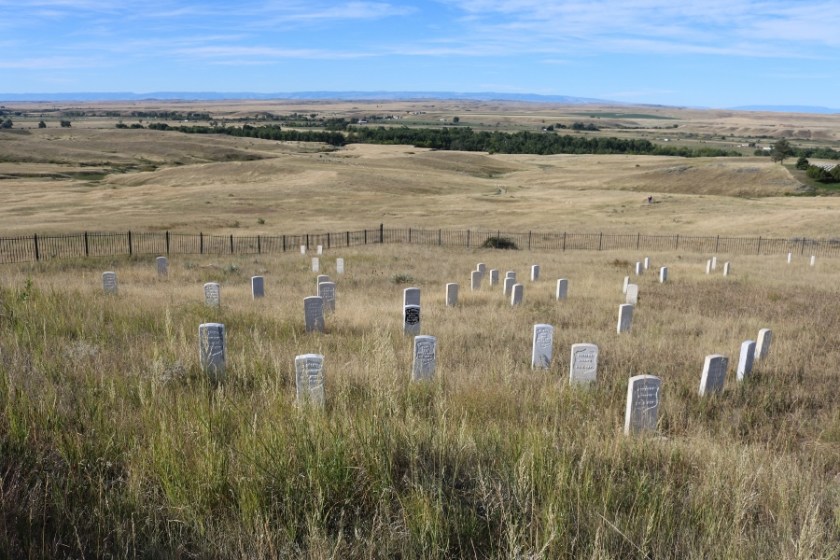

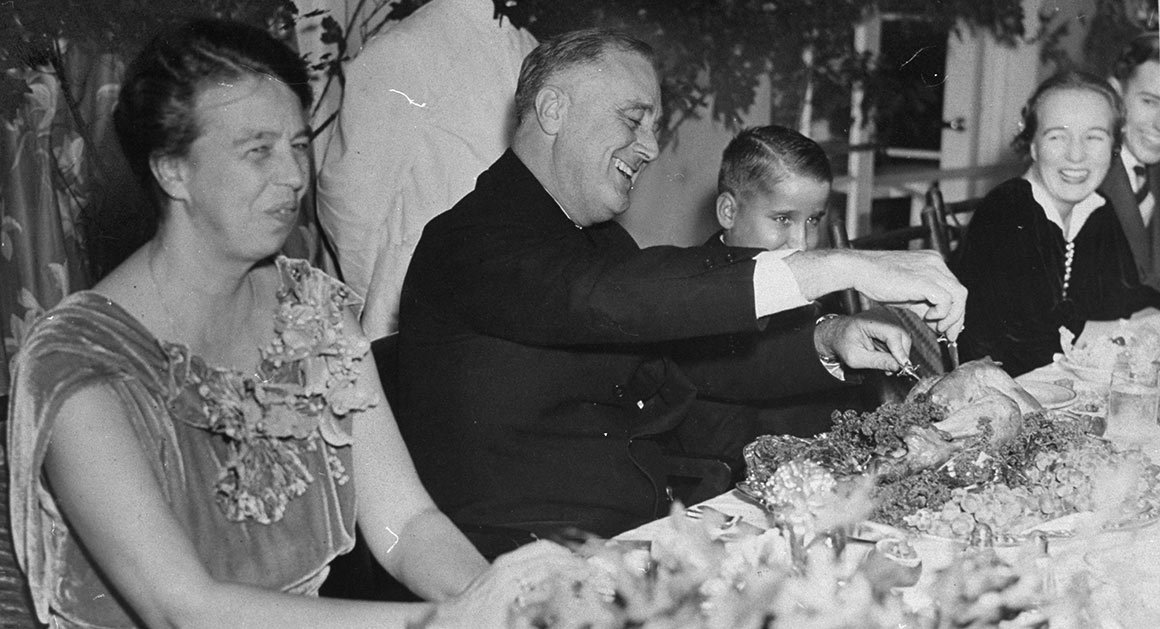
 Historian Michael Gannon writes that the “real first Thanksgiving” in America took place in 1565, when Pedro Menéndez de Avilés landed in modern-day Florida, and “had the Indians fed and then dined himself.” Likely, it was salt-pork stew with garbanzo beans. Yum.
 In those days, it was considered poor form for retailers to put up Christmas displays or run Christmas sales, before Thanksgiving. Lew Hahn, General Manager of the Retail Dry Goods Association, was afraid that extra week was going to cut into Christmas sales.
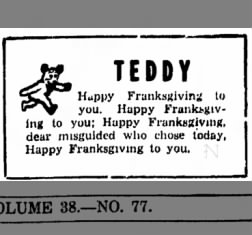 In Plymouth Massachusetts, self-described home of the “first Thanksgiving”, Chairman of the Board of Selectmen James Frasier, “heartily disapproved”.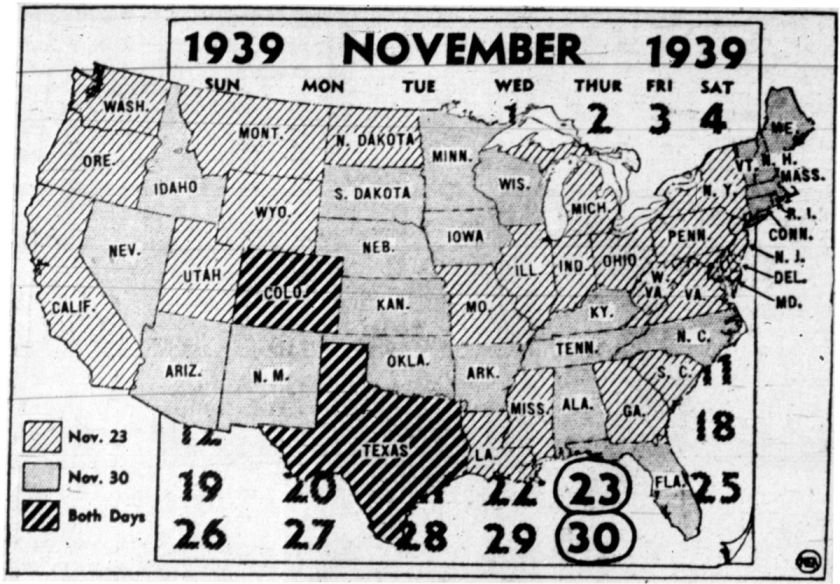

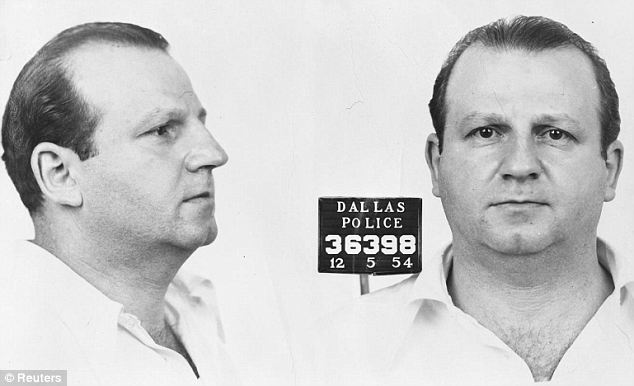
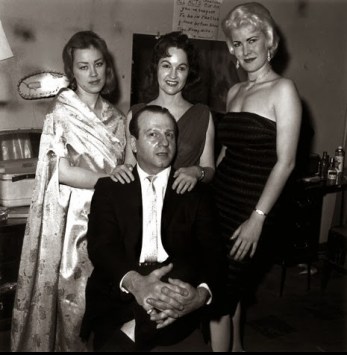
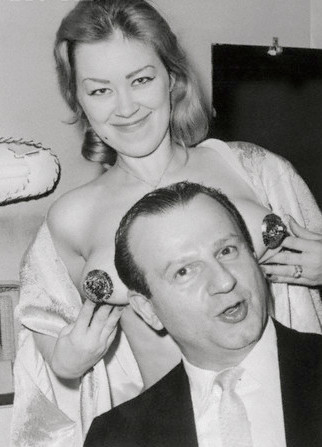 Rubinstein spent the early ’40s at racetracks in Chicago and California, until being drafted into the Army Air Forces, in 1943. Honorably discharged in 1946, Rubenstein returned to Chicago, before moving to Dallas the following year.
 Months later, the nation was stunned at the first Presidential assassination in over a half-century. I was 5½ at the time, I remember it to this day. An hour after the shooting, former marine and American Marxist Lee Harvey Oswald killed Dallas police officer J.D. Tippit, who had stopped him for questioning. Thirty minutes later, Oswald was arrested in a movie theater.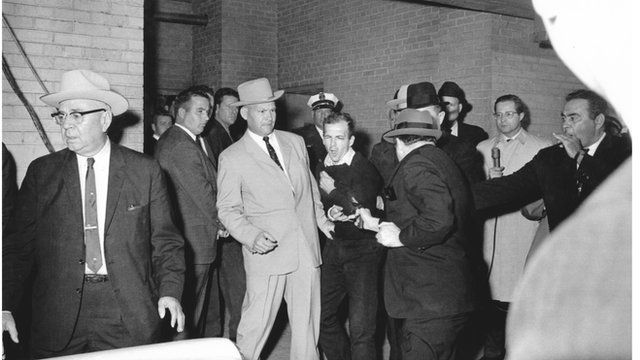



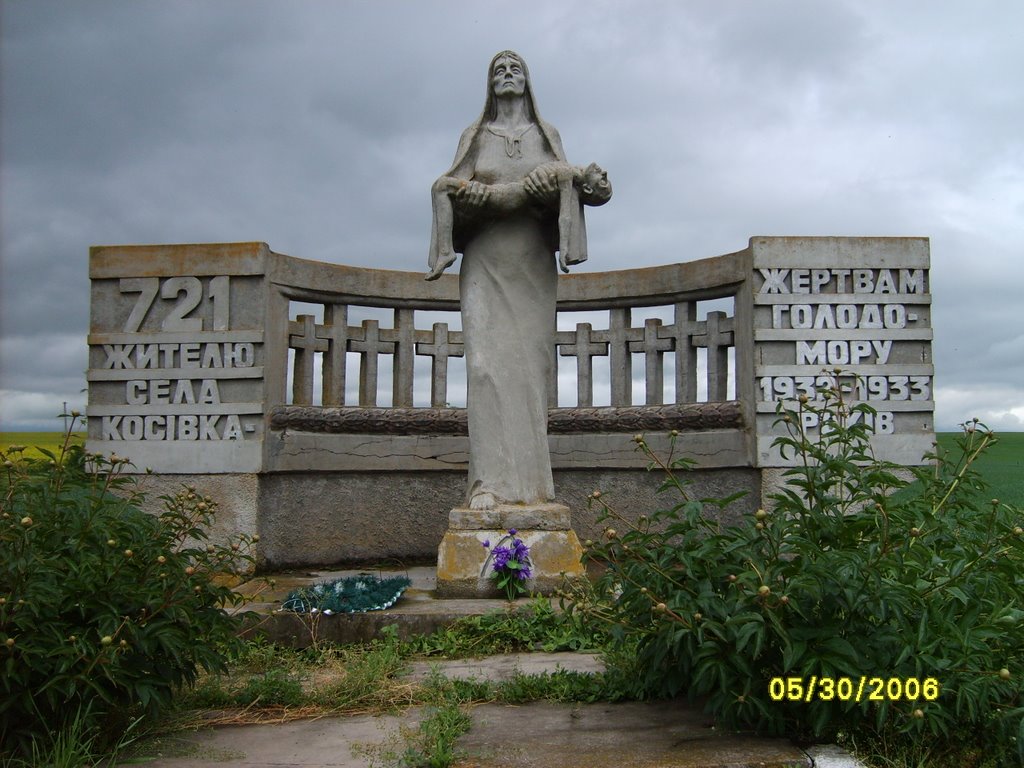
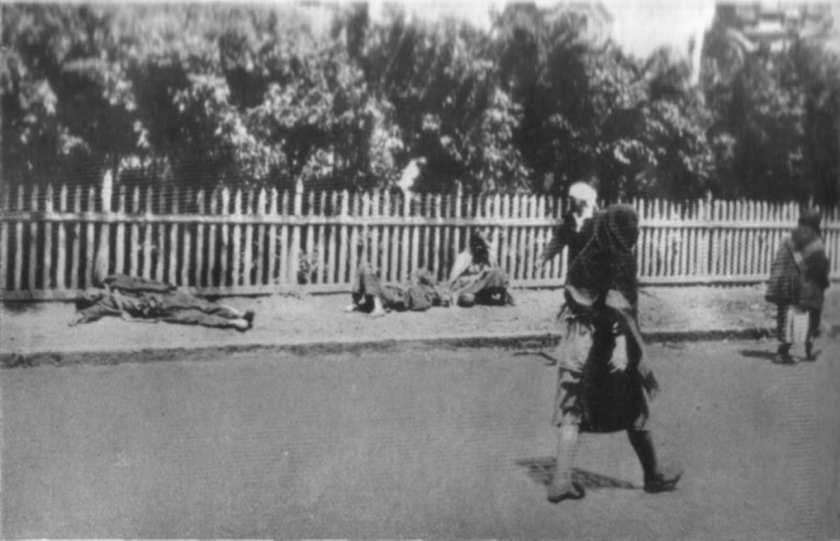
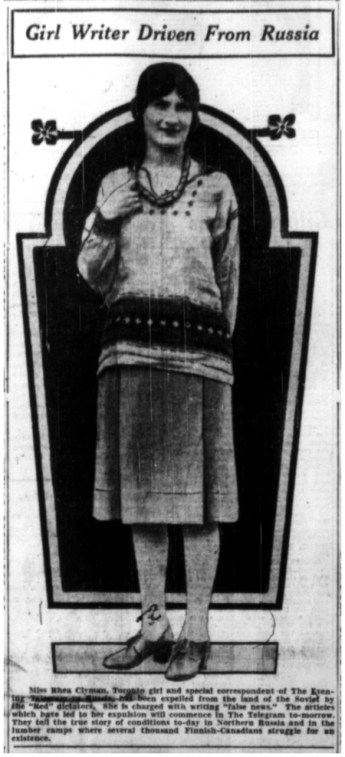 A tall, bearded peasant was spokesman. His two sons and the rest of the men and women nodded approval at every word. The little crippled boy stood with his right hand on his crutch, translating everything he said into Russian for me, word by word.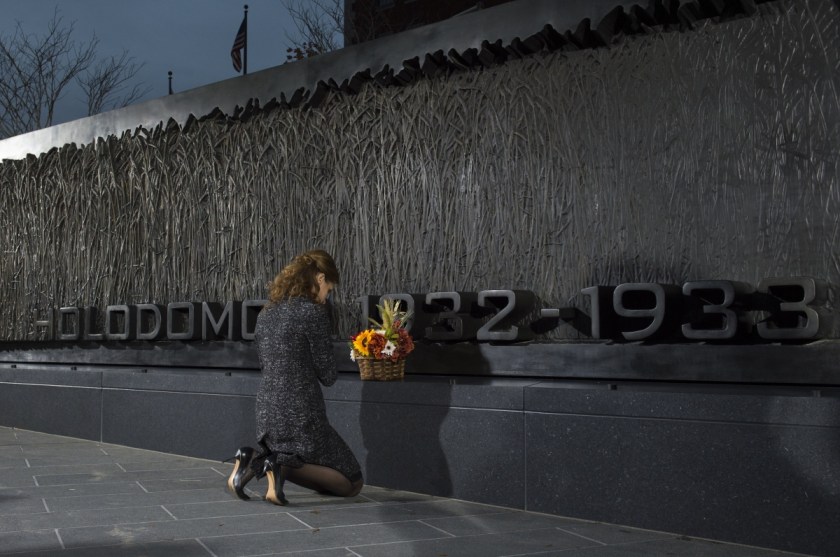

 Historical Easter Eggs - Today in History
You must be logged in to post a comment.