
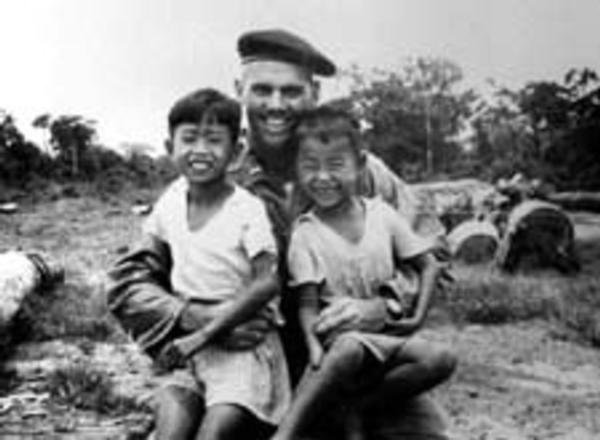
Humbert Roque Versace was born in Honolulu on July 2, 1937, the first son of Colonel Humbert Joseph Versace. Writer Marie Teresa “Tere” Rios was his mother, author of The Fifteenth Pelican. If you don’t recall the book, perhaps you remember the 1960s TV series, based on the story. It was called The Flying Nun.

Like his father before him, Humbert, (“Rocky”), joined the armed services out of high school, graduating from the United States Military Academy at West Point, in 1959.
Rocky earned his Ranger tab and Parachutist badge the same year, later serving as tank commander with the 1st Armored Cavalry regiment in South Korea, then with the 3d US Infantry. The “Old Guard”.
Versace attended the Military Assistance Institute, the Intelligence course at Fort Holabird Maryland, and the USACS Vietnamese language Course at the Presidio of Monterey, beginning his first tour of duty in Vietnam on May 12, 1962.
 In his spare time, this Green Beret, Army Ranger and Special Forces warrior would volunteer to work in the countless orphanages of South Vietnam.
By the end of October 1963, Rocky had fewer than two weeks to the end of his second tour. He had served a year and one-half in the Republic of Vietnam. Now he planned to go to seminary school.
Rocky intended to become a Priest of the Roman Catholic faith, and return to Vietnam to help the nation’s orphaned children. He’d already received his acceptance letter.
It wasn’t meant to be.
On October 29, Rocky was assisting a Civilian Irregular Defense force of South Vietnamese troops, to remove a Viet Cong command post in the Mekong Delta, when the unit was ambushed by an overwhelming force of VC .
This was a daring mission in a dangerous place. It was unusual for anyone to come forward for such a hazardous assignment, particularly one with his “short-timer’s stick”, but Rocky had volunteered.
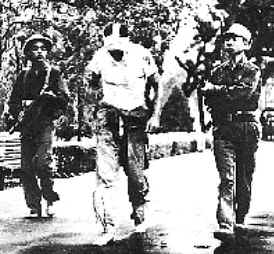
Under siege and all but overwhelmed, himself suffering multiple bullet and shrapnel wounds, Versace put down suppressing fire, permitting his unit to withdraw from the kill zone.
Another force of some 200 South Vietnamese arrived too late to effect the outcome. Communist radio frequency jamming had knocked out both main and backup radio channels.
Their position overrun, Captain Versace, Lieutenant Nick Rowe and Sergeant Dan Pitzer were captured and taken to a North Vietnamese prison, deep in the jungle.
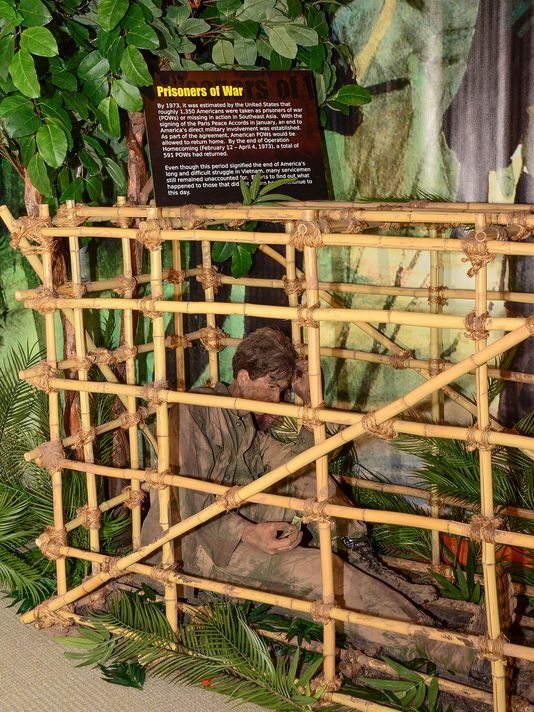
For much of the next two years, 2’x3’x6’ bamboo “Tiger” cages would be their home. On nights when the netting was taken away, the mosquitoes were so thick on their shackled feet, that it looked like they were wearing socks.
Years later, President George W. Bush would tell a story, about how Steve Versace described his brother. “If he thought he was right”, Steve said, “he was a pain in the neck. If he knew he was right, he was absolutely atrocious.”
There in the East Wing of the White House, the line was met with great laughter. In 1964, Vietnamese interrogators were learning what Steve Versace could have told them. These people were not going to break his brother.
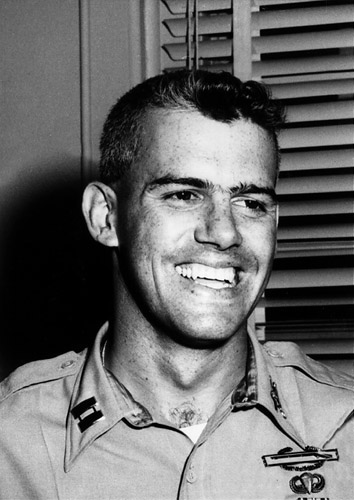 Rocky attempted to escape four times, despite leg wounds which left him no option but to crawl on his belly. Each such attempt earned him savage beatings, after which he’d only try harder.
Fluent in French and Vietnamese as well as English, Rocky could quote chapter and verse from the Geneva Convention and never quit doing so. He would insult and ridicule his captors in three languages, even as they beat him senseless.
Incessant brutalization and repeated confinement in “isolation boxes” earned his tormentors nothing but an invitation to “Go to Hell”, in three languages.
Communist indoctrination sessions had to be brought to a halt in French and Vietnamese, because none of his interrogators could effectively argue with this guy. They certainly didn’t want villagers to hear the man blow up their communist propaganda in their own language.
Finally, Captain Versace was separated from the rest of the prison population, and placed in an isolation box. He responded by singing, the lyrics of popular songs replaced by messages of inspiration to his fellow POWs. He was last heard belting out “God Bless America” at the top of his lungs.
 Rocky was murdered by his captors, his “execution” announced on North Vietnamese “Liberation Radio” on September 26, 1965. He was twenty-eight.
Versace’ remains were never recovered. His name is inscribed on panel 1E, line 33 of the Vietnam Veterans Memorial. The headstone bearing his name in memorial section MG-108 of Arlington National Cemetery, stands over an empty grave.
If you’re ever in Alexandria, Virginia, pay a visit to the Mount Vernon Recreation Center. There in the central plaza, a sculpture by artist Antonio Tobias Mendez, depicts a Special Forces warrior. With hands on their shoulders, he is coaching two Vietnamese kids, how to play ball.
This American hero of Italian and Puerto Rican heritage was nominated for the medal of honor in 1969, an effort which culminated in a posthumous Silver Star.
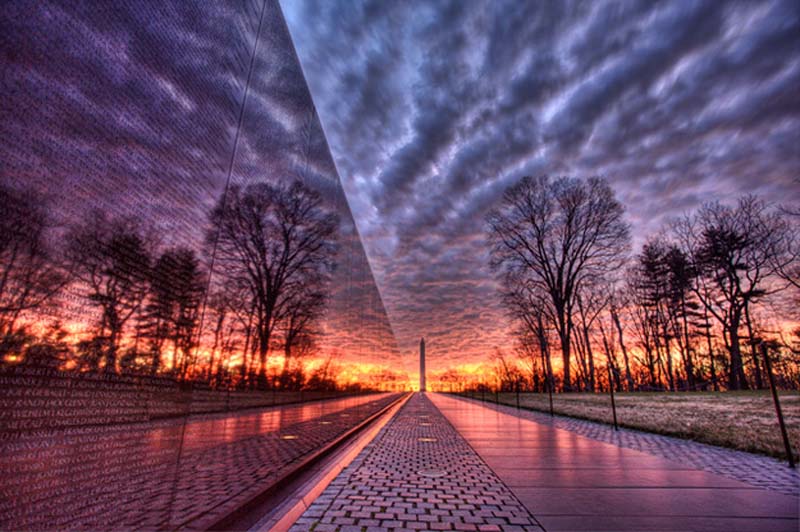
In a July 8, 2002 ceremony in the East Room of the White House, President George W. Bush awarded Captain Humbert Roque Versace the Medal of Honor. The first time the nation’s highest honor was bestowed on a POW, for courage in the face of captivity.
Let Rocky’s Medal of Honor citation, tell his story.
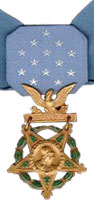
- For conspicuous gallantry and intrepidity at the risk of his life above and beyond the call of duty while a prisoner of war during the period of October 29, 1963 to September 26, 1965 in the Republic of Vietnam. While accompanying a Civilian Irregular Defense Group patrol engaged in combat operations in Thoi Binh District, An Xuyen Province, Republic of Vietnam on October 29, 1963, Captain Versace and the CIDG assault force were caught in an ambush from intense mortar, automatic weapons, and small arms fire from elements of a reinforced enemy Main Force battalion. As the battle raged, Captain Versace fought valiantly and encouraged his CIDG patrol to return fire against overwhelming enemy forces. He provided covering fire from an exposed position to enable friendly forces to withdraw from the killing zone when it was apparent that their position would be overrun, and was severely wounded in the knee and back from automatic weapons fire and shrapnel. He stubbornly resisted capture with the last full measure of his strength and ammunition. Taken prisoner by the Viet Cong, he demonstrated exceptional leadership and resolute adherence to the tenets of the Code of Conduct from the time he entered into a prisoner of war status. Captain Versace assumed command of his fellow American prisoners, and despite being kept locked in irons in an isolation box, raised their morale by singing messages to popular songs of the day, and leaving inspiring messages at the latrine. Within three weeks of captivity, and despite the severity of his untreated wounds, he attempted the first of four escape attempts by dragging himself on his hands and knees out of the camp through dense swamp and forbidding vegetation to freedom. Crawling at a very slow pace due to his weakened condition, the guards quickly discovered him outside the camp and recaptured him. Captain Versace scorned the enemy’s exhaustive interrogation and indoctrination efforts, and inspired his fellow prisoners to resist to the best of their ability. When he used his Vietnamese language skills to protest improper treatment of the American prisoners by the guards, he was put into leg irons and gagged to keep his protestations out of earshot of the other American prisoners in the camp. The last time that any of his fellow prisoners heard from him, Captain Versace was singing God Bless America at the top of his voice from his isolation box. Unable to break his indomitable will, his faith in God, and his trust in the United States of America and his fellow prisoners, Captain Versace was executed by the Viet Cong on September 26, 1965. Captain Versaces extraordinary heroism, self-sacrifice, and personal bravery involving conspicuous risk of life above and beyond the call of duty were in keeping with the highest traditions of the United States Army, and reflect great credit to himself and the U.S. Armed Forces.


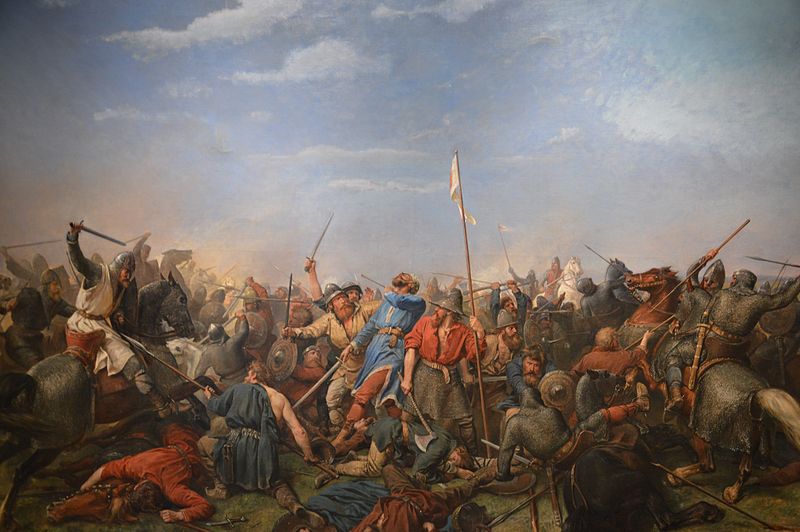
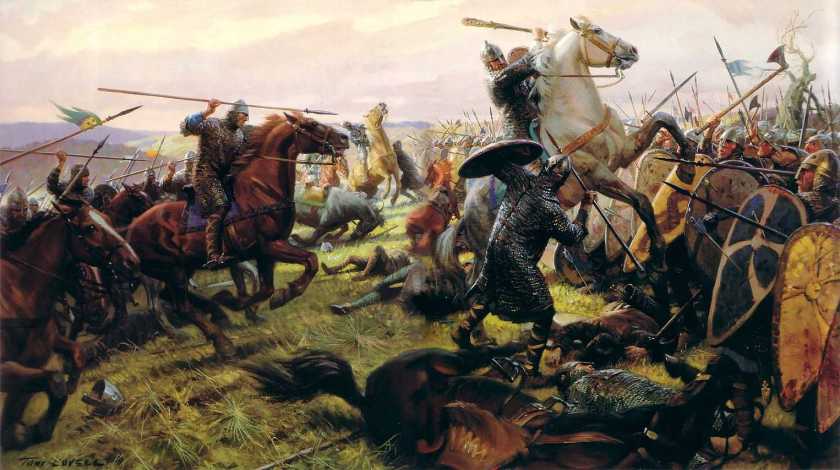
 Tostig sailed for England with King Harald and a mighty army of 10,000 Viking warriors, meeting the northern Earls Edwin and Morcar in battle at Fulford Gate, on September 20.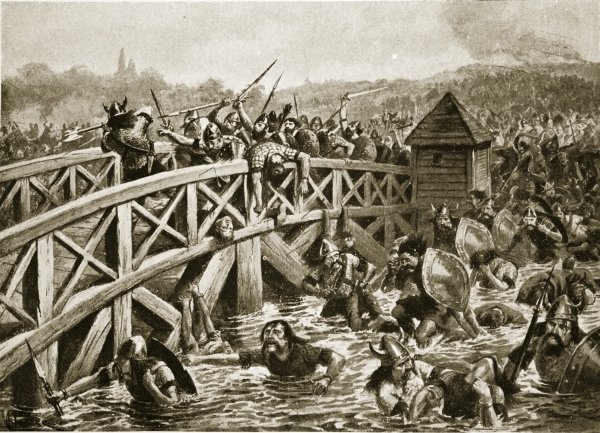


 The incoming Jefferson administration sought to block the appointments. Jefferson ordered then-Secretary of State James Madison to hold those commissions as yet undelivered, thus invalidating the appointments. One of the appointees, William Marbury, took the matter to Court.
 Intimidated by the Roosevelt administration’s aggressive and illegal “
 The framers gave us a Constitutional Republic with co-equal branches of government, with power diffused and limited by a comprehensive set of checks and balances.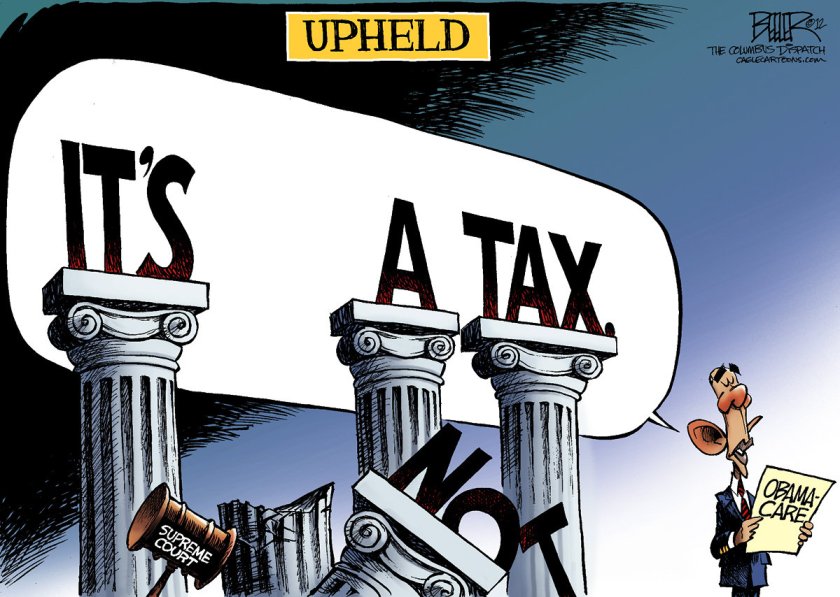


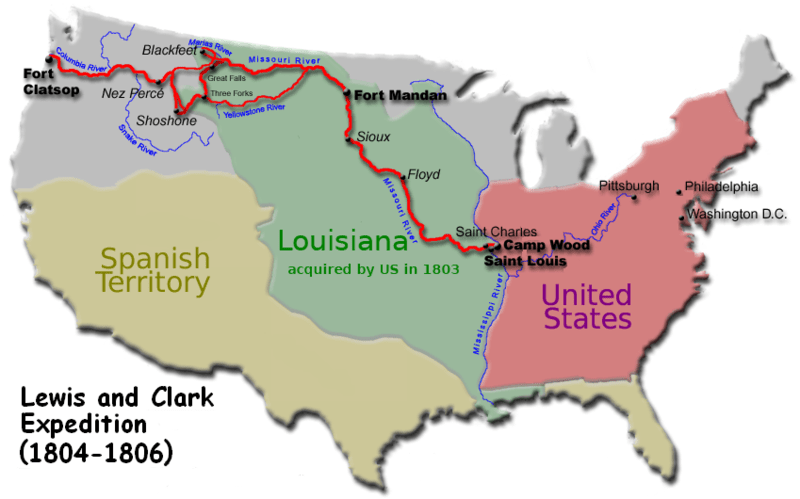
 Most of 1803 was spent in planning and preparation, Lewis and Clark joining forces near Louisville that October. After wintering in the Indiana territory base camp in modern day Illinois, the 33-man expedition departed on May 14, 1804, accompanied by “Seaman”, a “Dogg of the Newfoundland breed”.
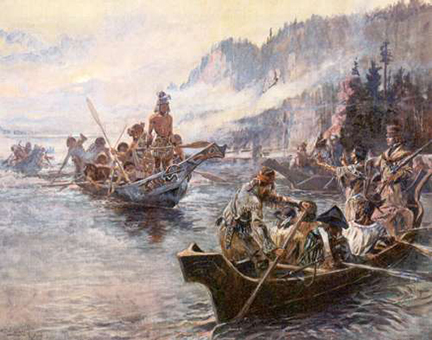 Discovery established friendly relations with at least 24 indigenous tribes, without whose help they may have become lost or starved in the wilderness. Most were more than impressed with Lewis’ state-of-the-art pneumatic rifle, which could silently fire up to 20 rounds after being pumped full of compressed air.
 The Corps of Discovery reached the Pacific Ocean in November 1805, and set out their second winter camp in modern-day Oregon.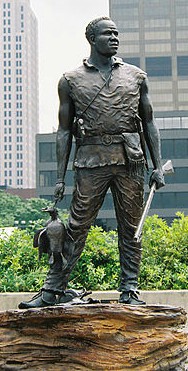


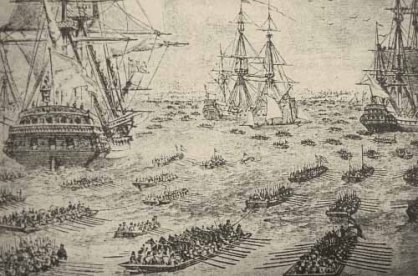
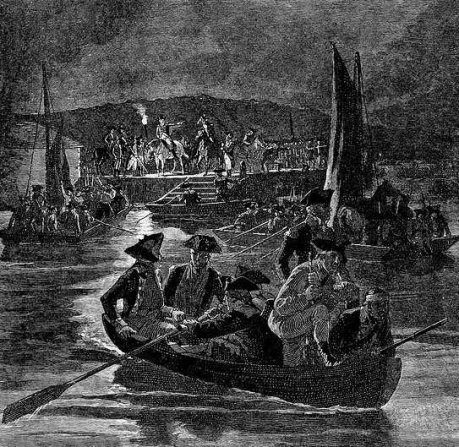
 Washington asked for volunteers for a dangerous mission, to go behind enemy lines, as a spy. Up stepped a volunteer. His name was Nathan Hale.
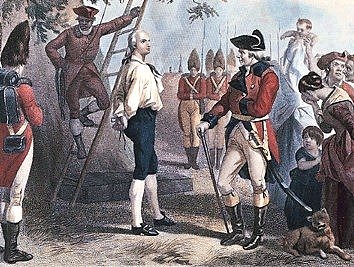 Hale took Rogers into his confidence, believing the two to be playing for the same side. Barkhamsted Connecticut shopkeeper Consider Tiffany, a British loyalist and himself a sergeant of the French and Indian War, recorded what happened next, in his journal: “The time being come, Captain Hale repaired to the place agreed on, where he met his pretended friend” (Rogers), “with three or four men of the same stamp, and after being refreshed, began [a]…conversation. But in the height of their conversation, a company of soldiers surrounded the house, and by orders from the commander, seized Captain Hale in an instant. But denying his name, and the business he came upon, he was ordered to New York. But before he was carried far, several persons knew him and called him by name; upon this he was hanged as a spy, some say, without being brought before a court martial.”
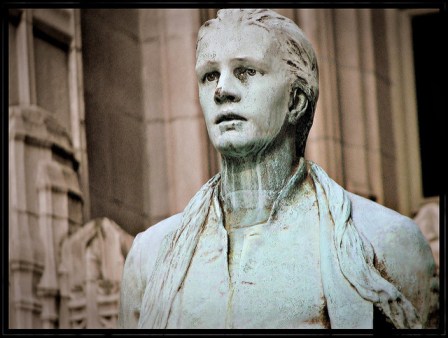 There is no official account of Nathan Hale’s final words, but we have an eyewitness statement from British Captain John Montresor, who was present at the hanging.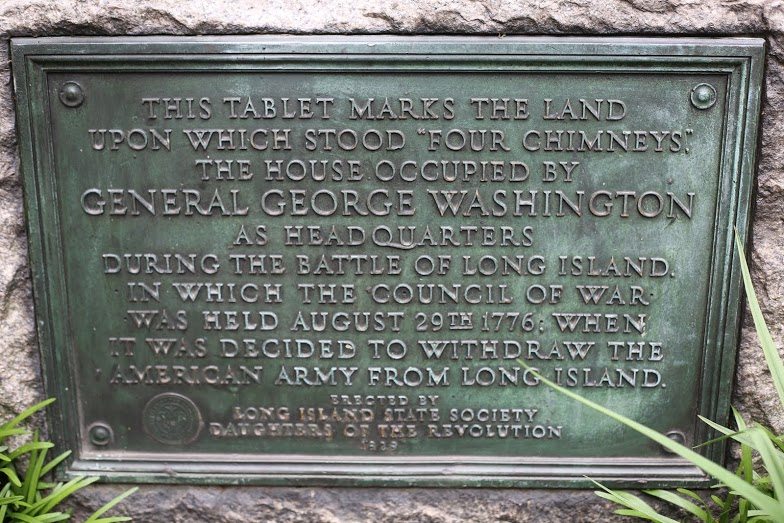


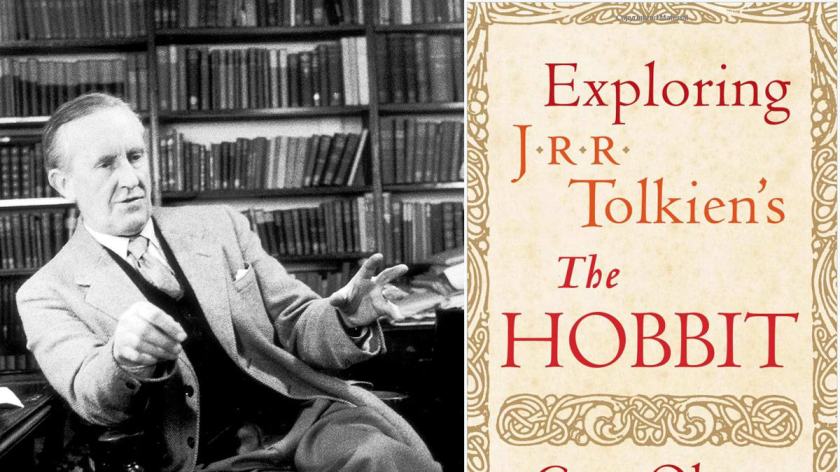


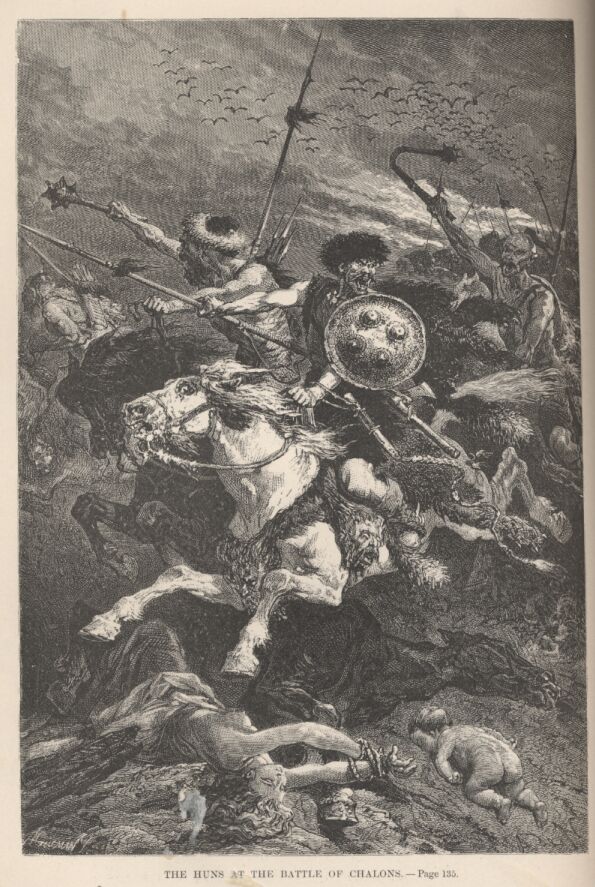
 Vast populations moved westward from Germania during the early fifth century, and into Roman territories in the west and south. They were Alans and Vandals, Suebi, Goths, and Burgundians. There were others as well, crossing the Rhine and the Danube and entering Roman Gaul. They came not in conquest: that would come later. These tribes were fleeing the Huns: a people so terrifying that whole tribes agreed to be disarmed, in exchange for the protection of Rome.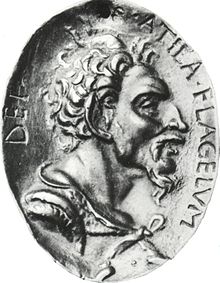

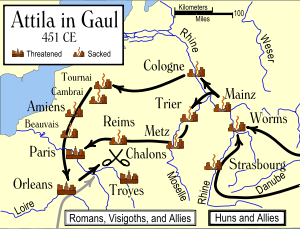 Valentinian was furious with his sister. Only the influence of their mother Galla Placidia convinced him to exile rather than have her put to death, while he frantically wrote to Attila saying it was all a misunderstanding.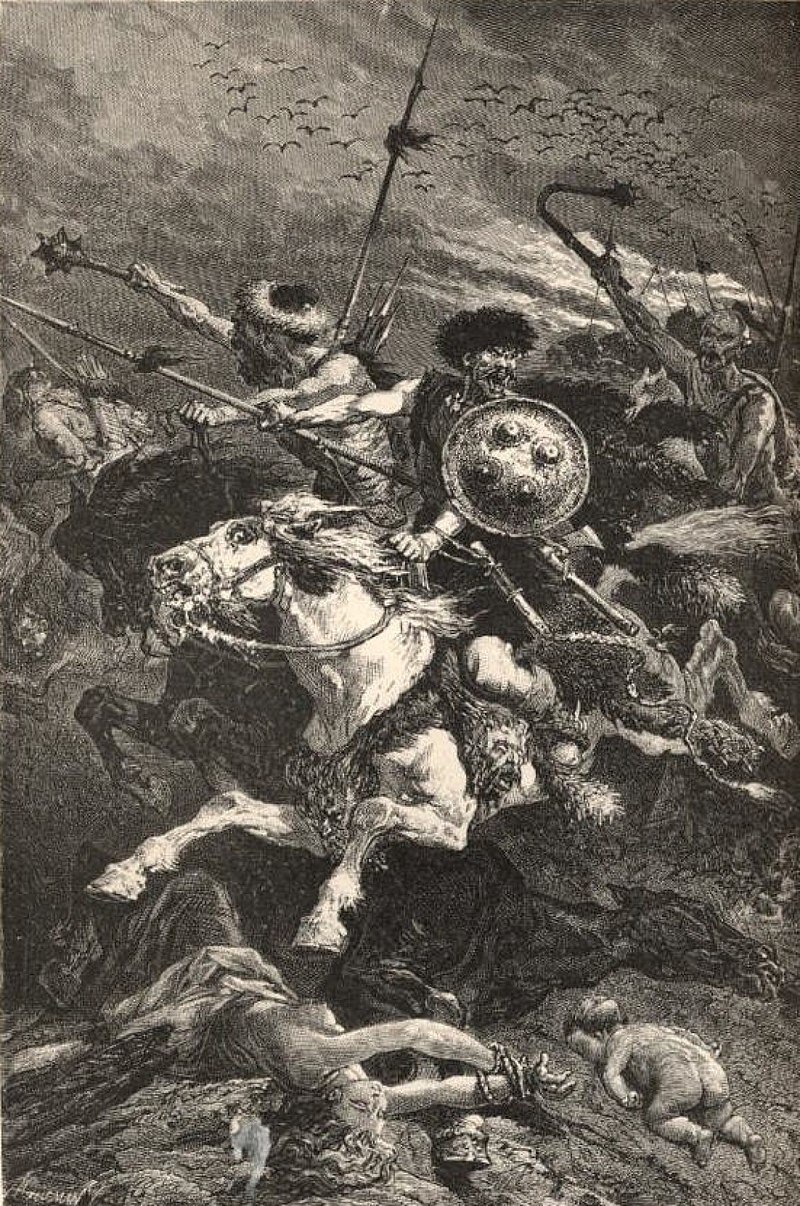


 The story begins with Jefferson Davis, in the 1840s. Now we remember him as the President of the Confederate States of America. Then, he was a United States Senator from Mississippi, with a pet project of introducing camels into the United States.
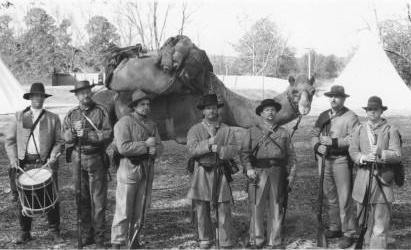
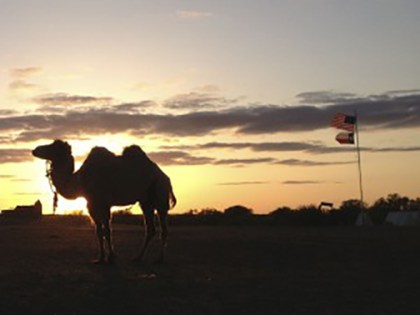
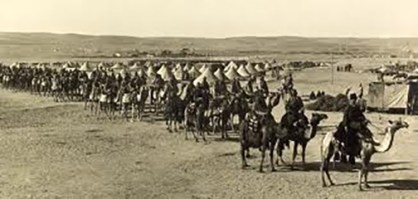 The measure failed, but in the 1850s, then-Secretary of War Davis persuaded President Franklin Pierce that camels were the military super weapons of the future. Able to carry greater loads over longer distances than any other pack animal, Davis saw camels as the high tech weapon of the age. Hundreds of horses and mules were dying in the hot, dry conditions of Southwestern Cavalry outposts, when the government purchased 75 camels from Algeria, Tunisia and Egypt. Several camel handlers came along in the bargain, one of them a Syrian named Haji Ali, who successfully implemented a camel breeding program. Haji Ali became quite the celebrity within the West Texas outpost. The soldiers called him “Hi Jolly”.

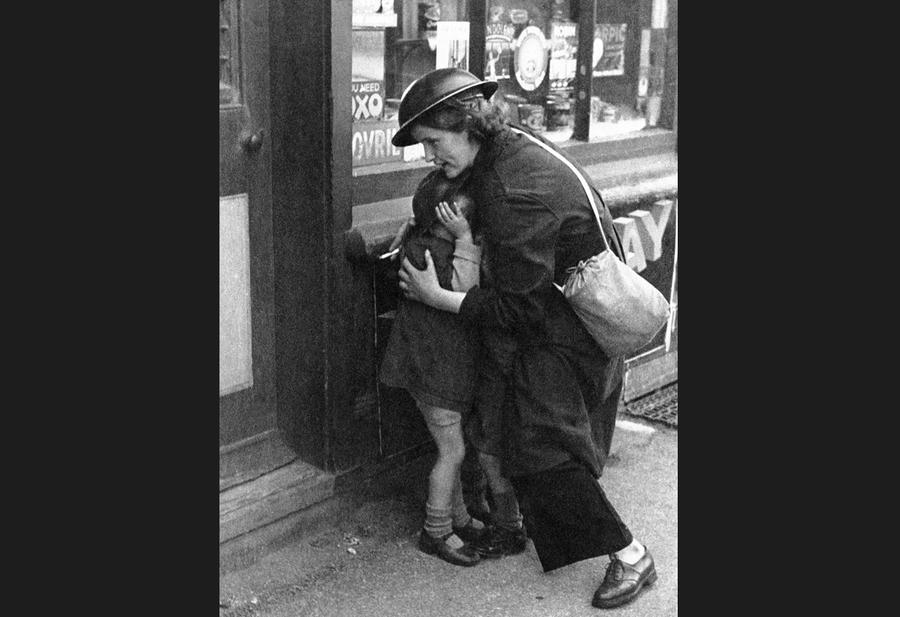


 Germany needed air supremacy before “Operation Sea Lion”, the amphibious invasion of England, could begin. Luftwaffe commander Hermann Göring said he would have it in four days.


 Czechoslovakia fell to the Nazis on the Ides of March, 1939, Czech armed forces having been ordered to offer no resistance. Some 4,000 Czech soldiers and airmen managed to get out, most escaping to neighboring Poland.
 British military authorities were slow to recognize the flying skills of the Polskie Siły Powietrzne (Polish Air Forces), the first fighter squadrons only seeing action in the third phase of the Battle of Britain. Despite the late start, Polish flying skills proved superior to those of less-experienced Commonwealth pilots. The 303rd Polish fighter squadron became the most successful RAF fighter unit of the period, its most prolific flying ace being Czech Sergeant Josef František. He was killed in action in the last phase of the Battle of Britain, the day after his 26th birthday.


 Mad Jack was sent off to Burma, following the defeat of Nazi Germany. He was disappointed by the swift end to the war brought about by the American bombings at Hiroshima and Nagasaki, saying “If it wasn’t for those damn Yanks, we could have kept the war going another 10 years!”

 Historical Easter Eggs - Today in History
You must be logged in to post a comment.