

We have a tendency in this culture, to make a big deal of our own birthday. What would it be like if our birthdays became “Mother’s Day”, instead? Why not, she did all the work. All any of the rest of us did, was to show up on cue, and scream.
The earliest discernible Mother’s day comes from 1200-700BC, descending from the Phrygian rituals of modern-day Turkey and Armenia. “Cybele” was the great Goddess of nature, mother of the Gods, of humanity, and of all the beasts of the natural world. Her cult would spread throughout Eastern Greece with colonists from Asia Minor.
Much of ancient Greece looked to the Minoan Goddess Rhea, daughter of the Earth Goddess Gaia and the Sky God Uranus, mother of the Gods of Olympus. Over time the two became closely associated with the Roman Magna Mater, each developing her own cult following and worshiped through the period of the Roman Empire.

In ancient Rome, women partook of a festival, strictly forbidden to Roman men. So strict was this line of demarcation that only women were permitted even to know the name of the deity. For everyone else she was simply the “Good Goddess”. The Bona Dea.
In the sixteenth century, it became popular for Protestants and Catholics alike to return to their “mother church” whether that be the church of their own baptism, the local parish church, or the nearest cathedral. Anyone who did so was said to have gone “a-mothering”. Domestic servants were given the day off and this “Mothering Sunday”, the 4th Sunday in Lent, was often the only time when whole families could get together. Children would gather wild flowers along the way, to give to their own mothers or to leave in the church. Over time the day became more secular, but the tradition of gift giving continued.
Ann Maria Reeves Jarvis was a social activist in mid-19th century western Virginia. Pregnant with her sixth child in 1858, she and other women formed “Mother’s Day Work Clubs”, to combat the health and sanitary conditions which were leading at that time to catastrophic levels of infant mortality. Jarvis herself gave birth between eleven and thirteen times in a seventeen year period. Only four of those would live to adulthood.

Jarvis had no patience for the sectional differences which led to the Civil War, or those which led her own locality to secede and form the state of West Virginia in order to rejoin the Union. Jarvis refused to support a measure to divide the Methodist church into northern and southern branches. She would help Union and Confederate soldier alike if she could. It was she alone who offered a prayer when others refused, for Thornsbury Bailey Brown, the first Union soldier killed in the vicinity.
Following her death in 1905, Jarvis’ daughter Anna conceived of Mother’s Day as a way to honor her legacy and to pay respect for the sacrifices that all mothers make on behalf of their children.
Obtaining financial backing from Philadelphia department store owner John Wanamaker, Anna Jarvis organized the first official Mother’s Day celebration at a Methodist church in Grafton, West Virginia.

Anna Jarvis resolved that Mother’s Day be added to the national calendar, and formed the International Mother’s Day Association, in 1912. She took out a patent on the name, the singular “Mother’s” expressive of her desire that each of us honor our own mother, and not some anonymous parade of “Mothers'”.
A massive letter writing campaign ensued and, on May 9, 1914, President Woodrow Wilson signed a measure declaring the second Sunday of May, to be Mother’s Day.
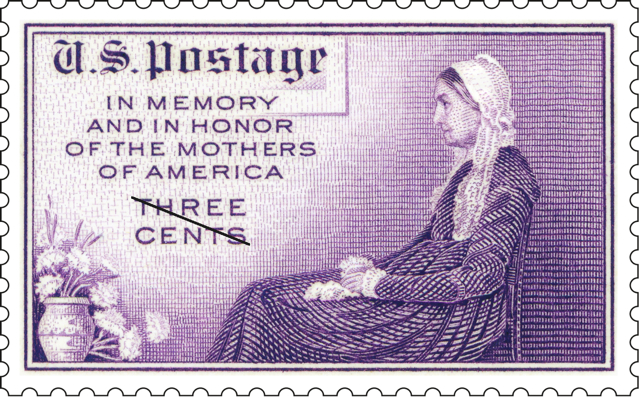
Anna Jarvis believed Mother’s Day to be a time of personal celebration, a time for families to gather to love and honor their mother. In the early days, Jarvis worked with the floral industry to help raise the profile of Mother’s Day, but she came to resent what she saw as over-commercialization. Greeting cards seemed a pale substitute for the hand written personal notes she envisioned. In 1923, Jarvis protested a Philadelphia candy maker’s convention, deriding confectioners, florists and even charities as “profiteers”.

Carnations had by this time become symbolic of Mother’s Day, and Jarvis resented that they were being sold at fundraisers. She protested at a meeting of the American War Mothers in 1925 where women were selling carnations, and got herself arrested for disturbing the peace.
She was soon filing lawsuits against those she felt had used the “Mother’s Day” name in vain.
During the last years of her life, Anna Jarvis lobbied the government to take her creation off of the calendar, gathering signatures door-to-door to get the holiday rescinded. The effort was obviously unsuccessful. The mother of mother’s day died childless in a sanitarium in 1948, her personal fortune squandered on legal fees.

So it is that the creator of Mother’s Day turned against her own holiday, but her creation lives on. Today, Mother’s Day is celebrated in over 40 countries. In the United States, Mother’s Day is one of the biggest days of the year for flower and greeting card sales, and the busiest day of the year for the phone company. Church attendance is the third highest of the year, behind only Christmas and Easter. Many celebrate the day with carnations: colored if the mother is still living and white if she has passed on.
Happy Mother’s Day, Mom. May this be the first of many more.


 A group of hunters used to meet at the Westminster Hotel at Irving Place & 16th Street, “to drink and lie about their shooting accomplishments”. The Westminster Kennel Club was formed when the group first decided to hold a dog show.
 1,201 dogs arrived for that first show, in an event so popular that the originally planned three days morphed into four. The Westminster Kennel Club donated all proceeds from the fourth day to the ASPCA, for the creation of a home for stray and disabled dogs. The organization remains supportive of animal charities, to this day.

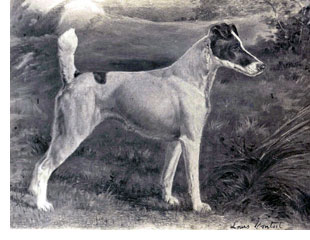

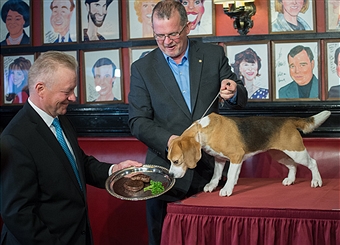 Since the late 1960s, winner of the Westminster Best in Show has celebrated at Sardi’s, a popular mid-town eatery in the theater district and birthplace of the Tony award.


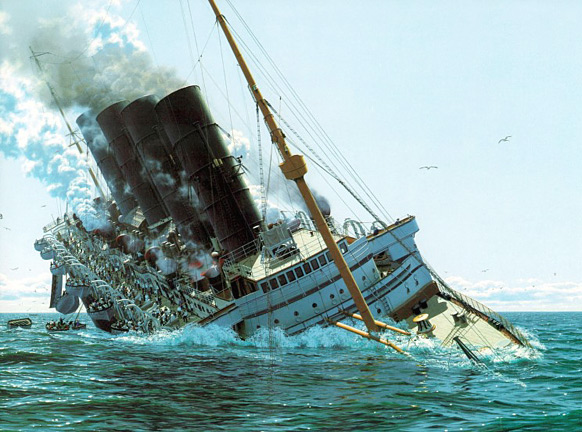
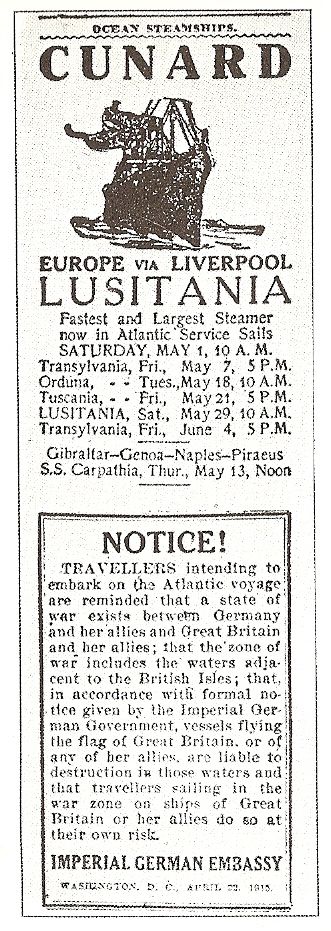 Germany adopted a policy of unrestricted submarine warfare on February 18, 1915. The German embassy took out ads in American newspapers, warning that ships sailing into the war zone, did so at their own risk. That didn’t seem to bother anyone as they boarded RMS Lusitania.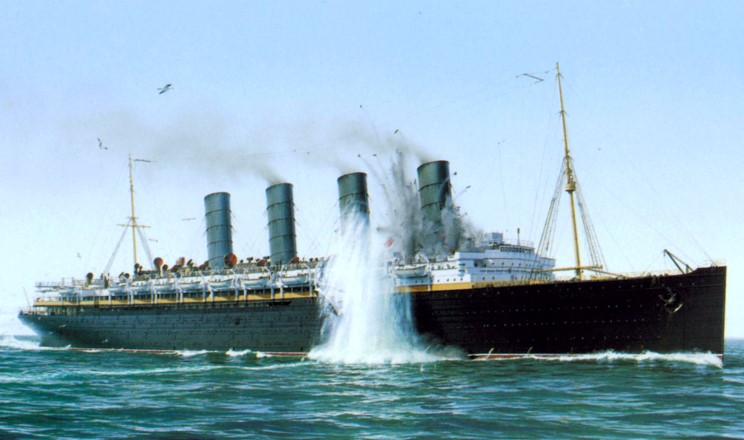
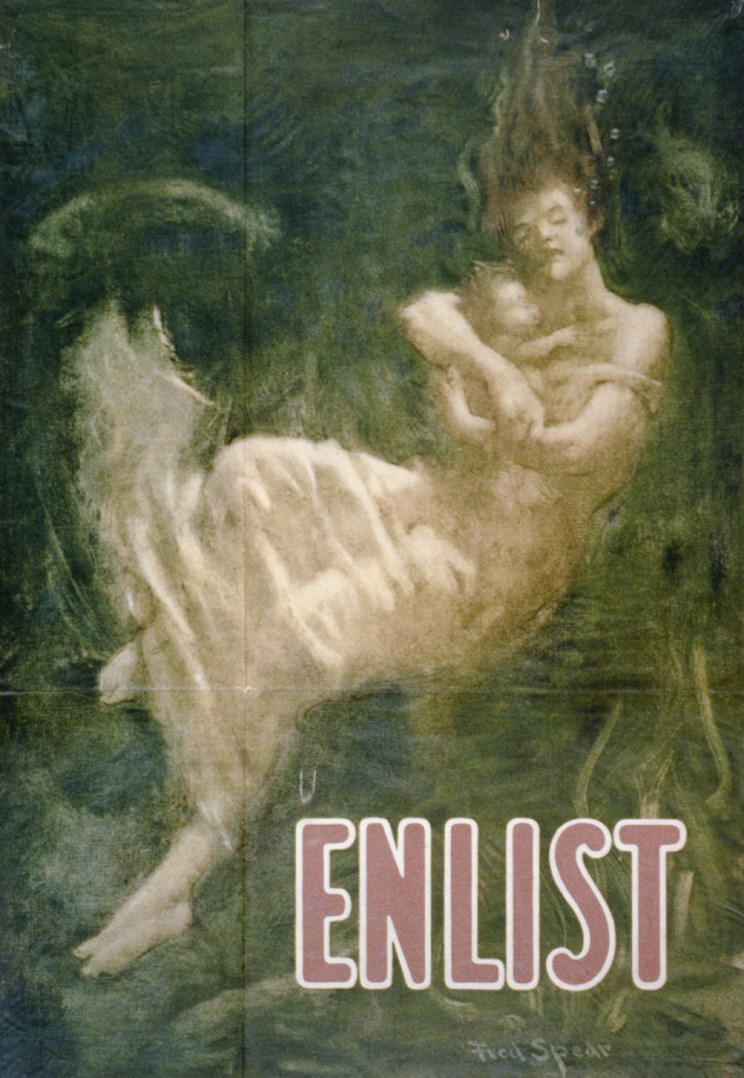
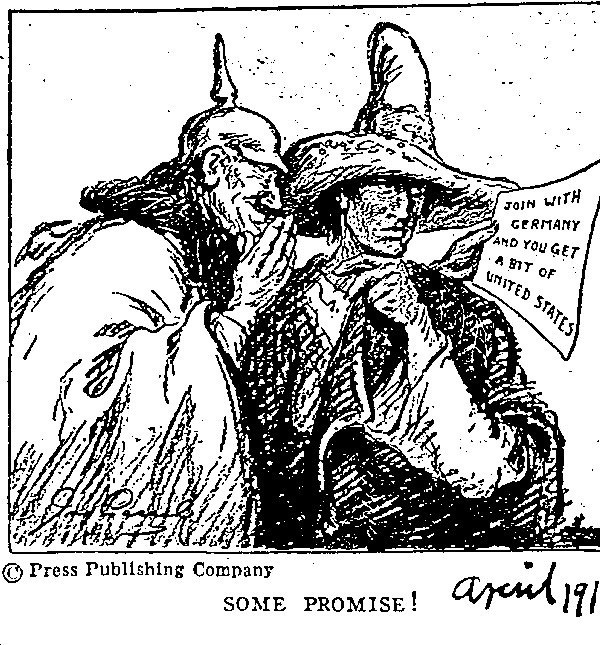 Unrestricted submarine warfare was resumed the same month. In February a German U-boat fired two torpedoes at the SS California off the Irish coast, killing 43 of her 205 passengers and crew. President Wilson asked for a declaration of war in a speech to a joint session of Congress on April 2. From the text of the speech, it seems the Germans were right. It was the resumption of unrestricted submarine warfare which provoked the United States to enter the war against Germany, which it did when Congress declared war on April 6.

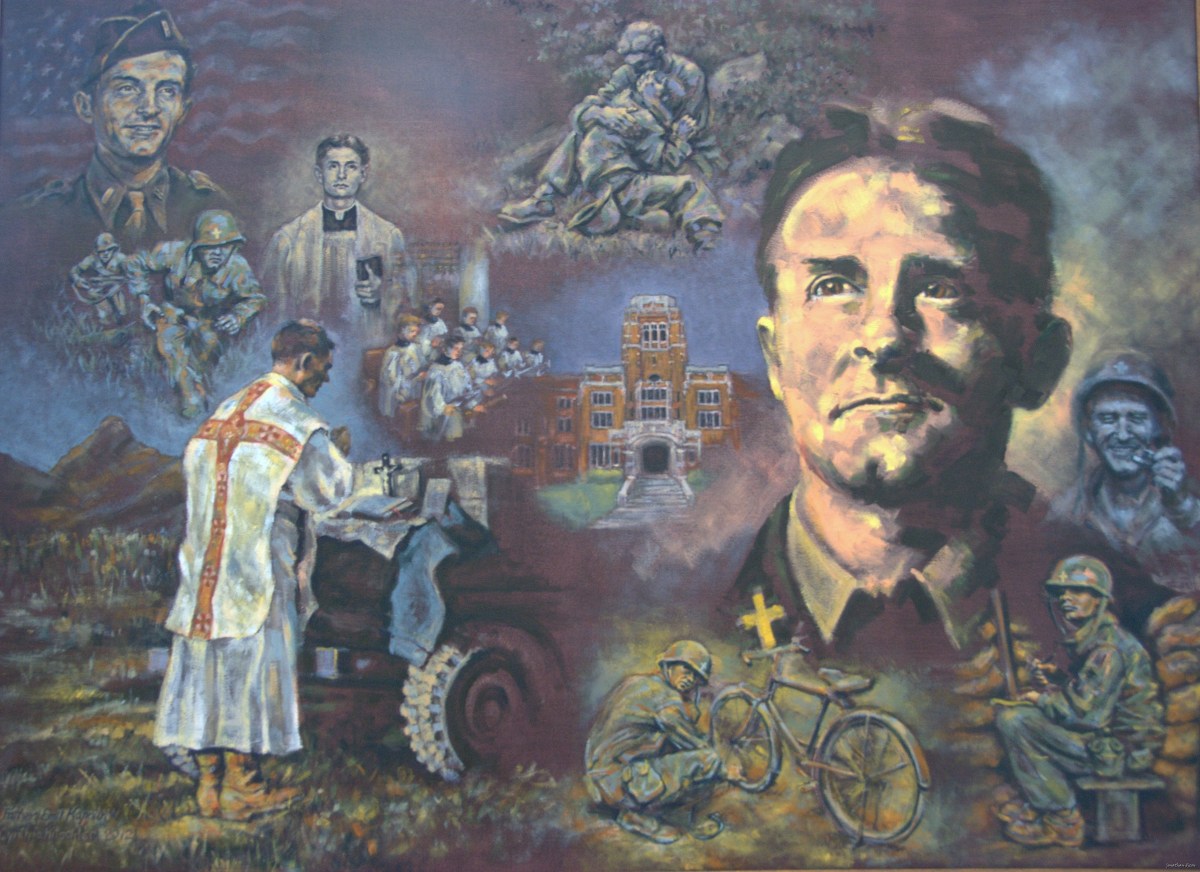
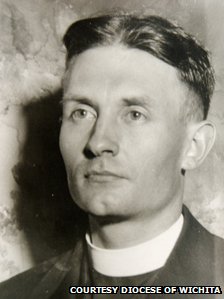 Kapaun served as military chaplain toward the end of WWII, before leaving the army in 1946, and rejoining in 1948.
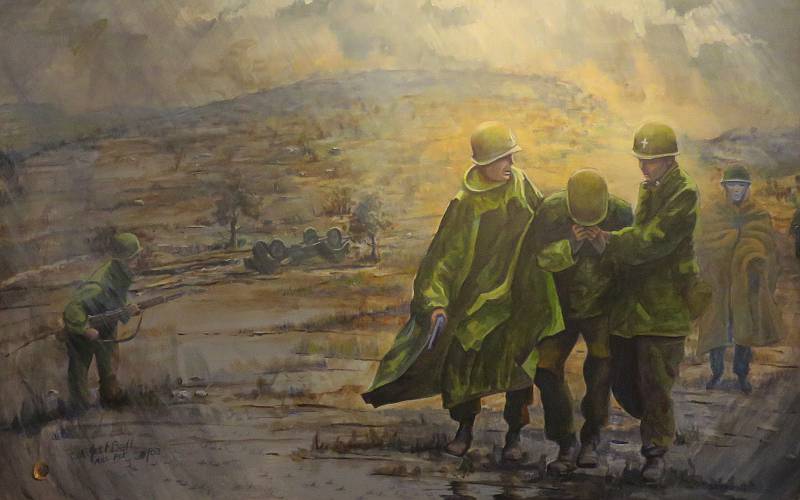
 Starving, suffering from a blood clot in his leg and a severe eye infection, Father Kapaun led Easter services in April, 1951. He was incapacitated a short time later. Chinese guards carried him off to a “hospital” – a fetid, stinking part of the camp known to prisoners as the “Death House”, from which few ever returned. “If I don’t come back”, he said, “tell my Bishop that I died a happy death.”
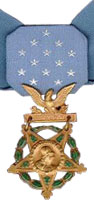 Pope John Paul II named Father Kapaun a “Servant of God” in 1993, the first step toward Roman Catholic Sainthood. On November 9, 2015, the Catholic Diocese of Wichita submitted a 1,066 page report on the life of Chaplain Kapaun, to the Roman Curia at the Vatican. A team of six historians reviewed the case for beatification. On June 21, 2016, the committee unanimously approved the petition. At the time I write this, Father Emil Joseph Kapaun’s supporters continue working to have him declared a Saint of the Roman Catholic Church, for his lifesaving ministrations at Pyoktong.

 With sandbags, explosives, and the device which made the thing work, the total payload was about a thousand pounds on liftoff. The first such device was released on November 3, 1944, beginning the crossing to the west coast of North America. 9,300 such balloons were released with military payloads, between late 1944 and April, 1945.
 In 1945, intercontinental weapons were more in the realm of science fiction. As these devices began to appear, American authorities theorized that they originated with submarine-based beach assaults, German POW camps, and even the internment camps into which the Roosevelt administration herded Japanese Americans.
 American authorities were alarmed. Anti-personnel and incendiary bombs were relatively low grade threats. Not so the biological weapons Japanese military authorities were known to be developing at the infamous Unit 731, in northern China.


 France would leave the country following defeat by Viet Minh forces at
  Richard M. Nixon won overwhelming victory in the Presidential election of 1968, running on a platform including a “secret plan” to end the war in Vietnam.
 Students for a Democratic Society (SDS) and other “New Left” organizations staged sit-ins in the fall of 1968. Demonstrations became violent six months later, resulting in 58 arrests. Four SDS leaders spent six months in prison.
 Tear gas failed to break up the crowd and several canisters were thrown back, with near-constant volleys of rocks, bottles and other projectiles. 77 National Guardsmen advanced in line-abreast, as screaming protesters closed behind them. Guardsmen briefly assumed firing positions when cornered near a chain link fence, though no one fired.


 Gold Selleck Silliman, himself a widower, merged his household with that of Mary on May 24, 1775, in a marriage described as “rooted in lasting friendship, deep affection, and mutual respect”. The two would have two children together, who survived into adulthood: Gold Selleck (called Sellek) born in October 1777, and Benjamin, born in August 1779.


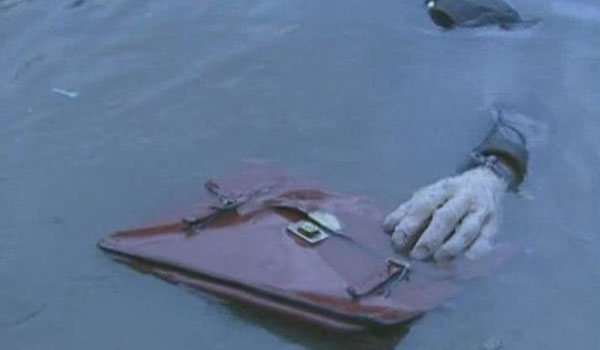
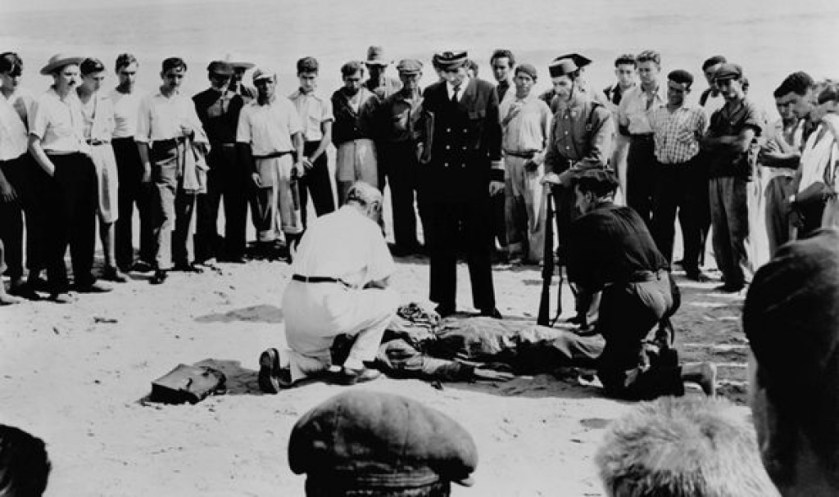
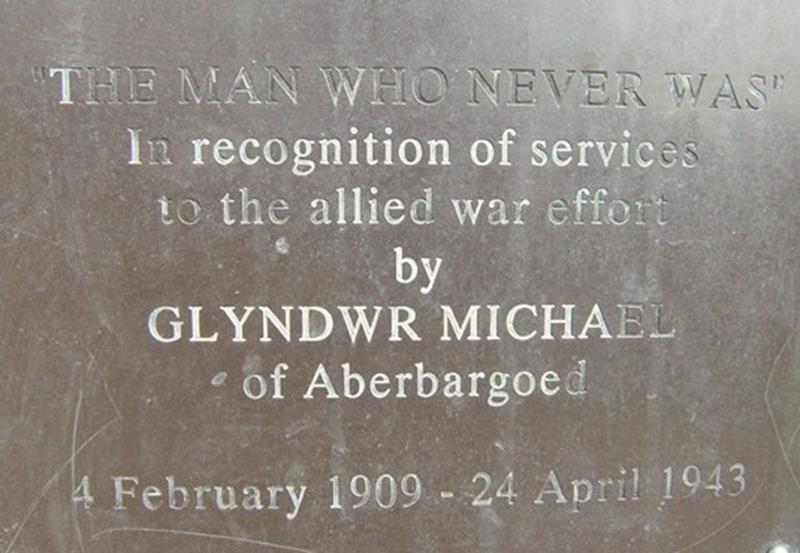
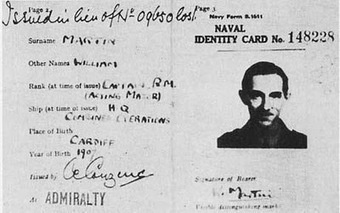 Be that as it may, this cause of death is difficult to detect, The condition of the corpse was close to that of someone who had died at sea, of hypothermia and drowning. The dead man’s parents were both deceased, there were no known relatives and the man died friendless. So it was that Glyndwr Michael became the “Man who Never Was”.
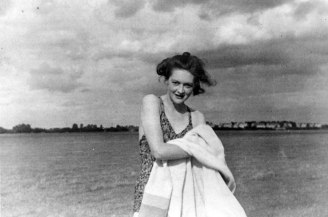 A “fiancée” was furnished for Major Martin, in the form of MI5 clerk “Pam”. “Major Martin” carried her snapshot, along with two love letters, and a jeweler’s bill for a diamond engagement ring.


 Field Marshall Helmuth von Moltke once said “No battle plan ever survives contact with the enemy”. So it was in the tiny Belgian city where German plans met with ruin, on the road to Dunkirk. Native Dutch speakers called the place Leper. Today we know it as Ypres (Ee-pres), since battle maps of the time were drawn up in French. To the Tommys of the British Expeditionary Force, the place was “Wipers”.
 The second Battle for Ypres began with a new and terrifying weapon on April 22, 1915. German troops placed 5,730 gas cylinders weighing 90 pounds apiece, along a four-mile front. Allied troops must have looked on in wonder, as that vast yellow-green carpet crept toward their lines.


 Units of all sizes, from individual companies to army corps, lightened the load of the “War to end all Wars”, with some kind of unit journal.

 Historical Easter Eggs - Today in History
You must be logged in to post a comment.