

Following the American colonies’ hard-fought war for independence from Great Britain, it seems foreordained that the fledgling nation would spread ever outward. That a “west coast” was only a matter of time, and the new nation would spread ever westward, stopping only at the golden waters of the Pacific.
Except, that wasn’t the way it happened. In fact, aside from the original thirteen colonies, the western frontier comprising those communities west of the Appalachian Mountains and east of the Mississippi, were pretty much on their own. Such districts were free to create new jurisdictions within already-existing states, or form new states to be part of the union. They could even create their own sovereign republics such as the one-time Republic of Texas. or the original “Lone Star Republic” – the Republic of West Florida.

In October 1781, British General Charles Cornwallis formally surrendered 8,000 soldiers and seamen to a combined force of Americans and their French allies, at Yorktown. Representatives of King George III and the United States of America signed the Treaty of Paris in September 1783, formally ending the American Revolution.
Six months earlier, the state of North Carolina ceded land claims between the Allegheny Mountains and Mississippi River to the United States Congress, as a means of paying off some of the government’s war debt.
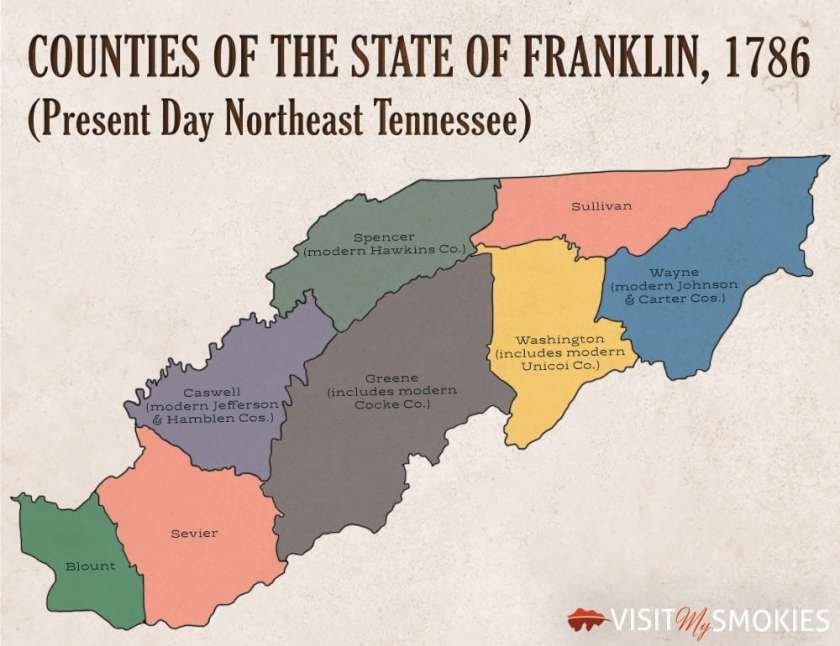 For ten years or more, settlers in the area known as the Cumberland River Valley operated their own independent government, along the western frontiers of North Carolina. With its new-found independence, settlers to the Western Counties found themselves alone in dealing with the area Cherokee, who were at that time anything but peaceful.
On this day in 1784, Washington, Sullivan, Spencer (modern-day Hawkins) and Greene counties in what is now east Tennessee formally seceded and declared their independence, becoming the only territory in American history, to be both ceded and seceded.
The concept of a new western state came from Arthur Campbell of Washington County in Virginia, and John Sevier, regarded today as the founding father of Tennessee. Campbell’s proposed state would have included southwestern Virginia, eastern Tennessee and parts of Kentucky, Georgia, and Alabama
 The Western counties petitioned the United States Congress for statehood the following May as the 14th state in the Union, the independent state of “Frankland”. Seven states voted in the affirmative, short of the two-thirds majority required by the Articles of Confederation, for full statehood.
Virginia Governor and Kentucky land speculator Patrick Henry, he of the famous “Give me liberty, or give me death!” speech of 1775, opposed the loss of territory, and passed a law forbidding the creation of a new state from Virginia territory. After this, Sevier and his followers renamed their proposed state Franklin, in hopes of gaining the support of the venerable founding father, Benjamin Franklin.
Franklin himself was lukewarm toward the proposal, writing to Governor Sevier in 1787:
.. I am sensible of the honor which your Excellency and your council thereby do me. But being in Europe when your State was formed, I am too little acquainted with the circumstances to be able to offer you anything just now that may be of importance,..
As the would-be 14th state established its capital in Jonesboro, the newly elected North Carolina legislature rescinded the earlier cession, concerned about the possibility of a Spanish client state, at its western frontier.
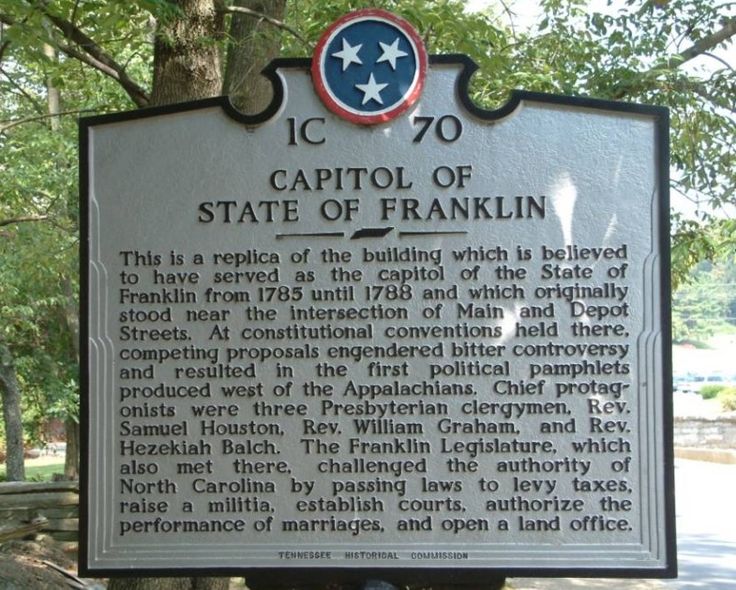
For four and one-half years, The former colony and now state of North Carolina operated a government within the western territories, parallel to that of \the extra-legal state of Franklin.
Franklin opened courts and annexed five new counties, fixing taxes and authorizing the salaries of government officials. Both federal and foreign currencies were accepted but, without an economic infrastructure of its own, debts were often settled by exchange of corn, tobacco or apple brandy. Governor Sevier himself was often paid, in deerskins. Citizens were granted a two-year reprieve from paying taxes, which only slowed development and created chaos.
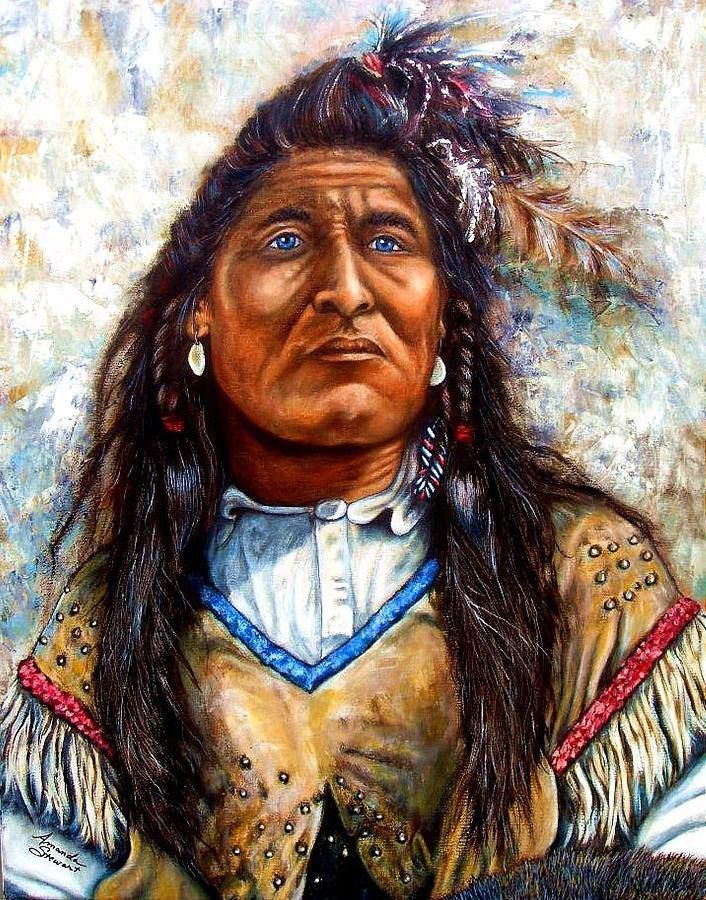
 As Franklin expanded westward, the state met resistance from the Chickamauga and “Overhill Cherokee” of war chief Dragging Canoe, a man often referred to as the “Savage Napoleon”. With the protection of neither a federal army nor a state militia, Sevier sought a loan from the Spanish government, who then attempted to assert control over the territory.
Governor Sevier was arrested for his troubles in 1789 leaving government in a state of collapse, now under the firm control of the state of north Carolina. One day, the state would once again cede the area to the federal government, the region becoming the 16th state of the union in 1796 and re-electing John Sevier, governor.
Forty years later, the most famous son of the lost state of Franklin would take his last stand, at a place called the Alamo. History remembers this man by the epithet, “King of the Wild Frontier“. The rest of us remember him, as Davy Crockett.
If you enjoyed this “Today in History”, please feel free to re-blog, “like” & share on social media, so that others may find and enjoy it as well. Please click the “follow” button on the right, to receive email updates on new articles. Thank you for your interest, in the history we all share.









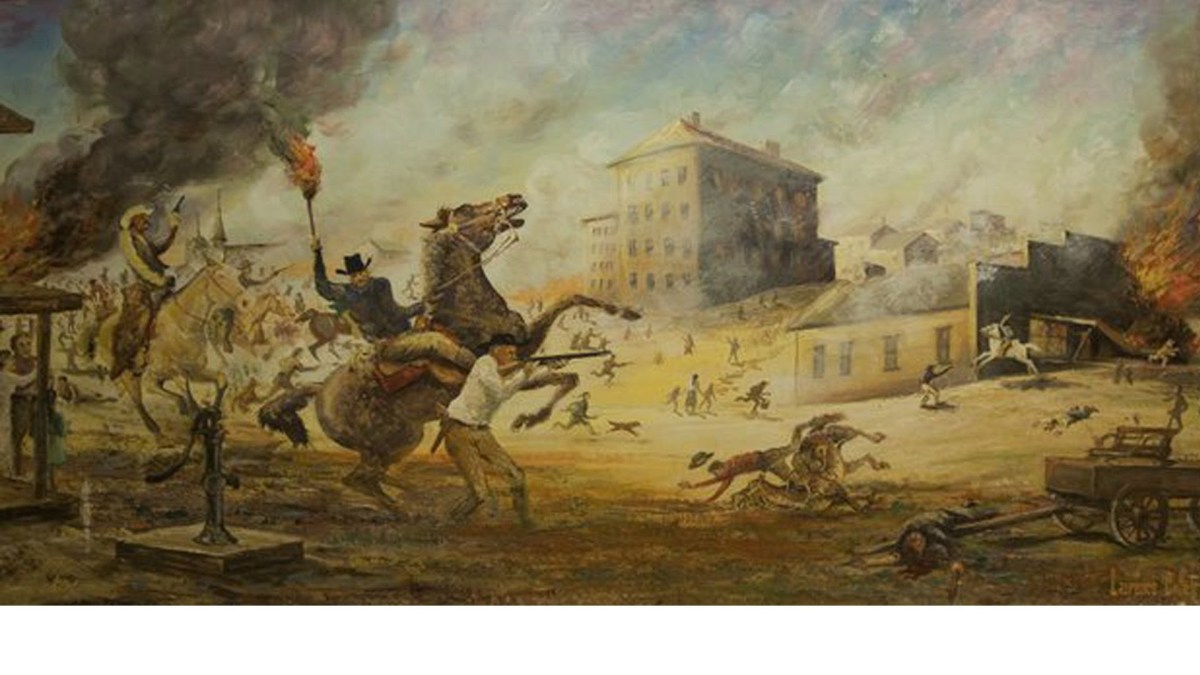
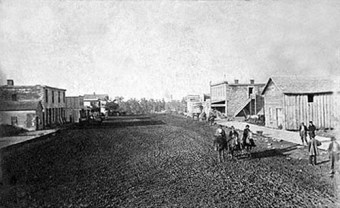
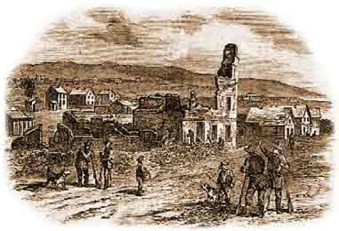
 Intending to deprive Confederate sympathizers from their base of support, General Thomas Ewing authorized General Order No. 11 four days later, ordering that most of four counties along the Kansas-Missouri border be depopulated. Tens of thousands of civilians were forced out of their homes as Union troops came through, burning buildings, torching fields and shooting livestock.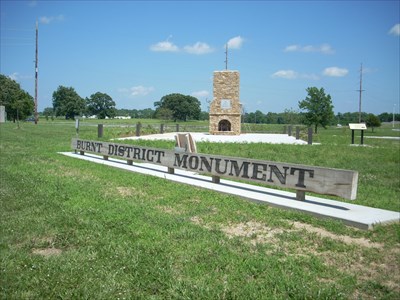
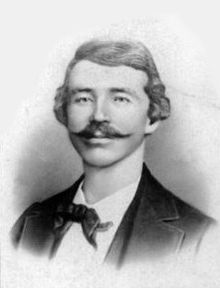
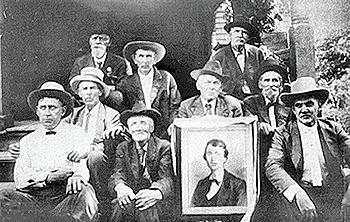


 Gehrig was pitching for Columbia University against Williams College on April 18, 1923, the day that Babe Ruth hit the first home run out of the brand new Yankee Stadium. Though Columbia would lose the game, Gehrig struck out seventeen batters that day, to set a team record. The loss didn’t matter to Paul Krichell, the Yankee scout who had been following Gehrig. Krichell didn’t care about the arm either, as much as he did that powerful, left-handed bat. He had seen Gehrig hit some of the longest home runs ever seen on several Eastern campuses, including a 450′ home run at Columbia’s South Field that cleared the stands and landed at 116th Street and Broadway.

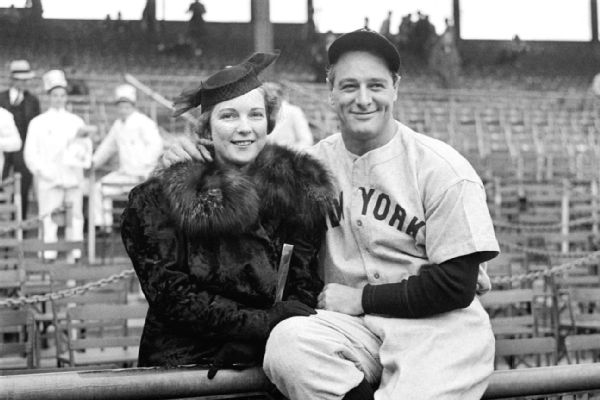
 The team was in Detroit on May 2 when he told manager Joe McCarthy “I’m benching myself, Joe”. It’s “for the good of the team”. McCarthy put Babe Dahlgren in at first and the Yankees won 22-2, but that was it. The Iron Horse’s streak of 2,130 consecutive games, had come to an end.
 Gehrig left the team in June, arriving at the Mayo Clinic on the 13th. The diagnosis of Amyotrophic Lateral Sclerosis (ALS) was confirmed six days later, on June 19. It was his 36th birthday. It was a cruel prognosis: rapidly increasing paralysis, difficulty in swallowing and speaking, and a life expectancy of fewer than three years.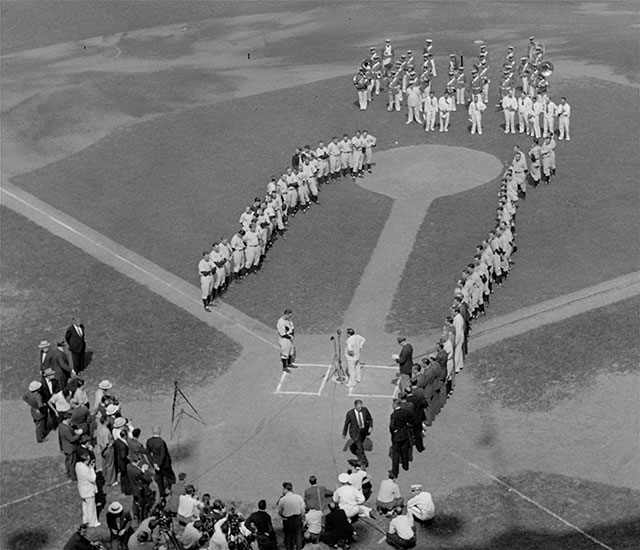


 This was the world of bare knuckle boxing in the age of John L. Sullivan. He thrived in that world. The urban prize ring was his “temple of manhood”. He intended to be its Crown Prince.

 Sullivan’s unbeaten record over 44 professional fights came to an end on July 9, 1892, when “Gentleman Jim” Corbett unloaded a smashing left in the 21st round that put the champion down, for good. Sullivan would later say that his opponent only “gave the finishing touches to what whiskey had already done to me.”


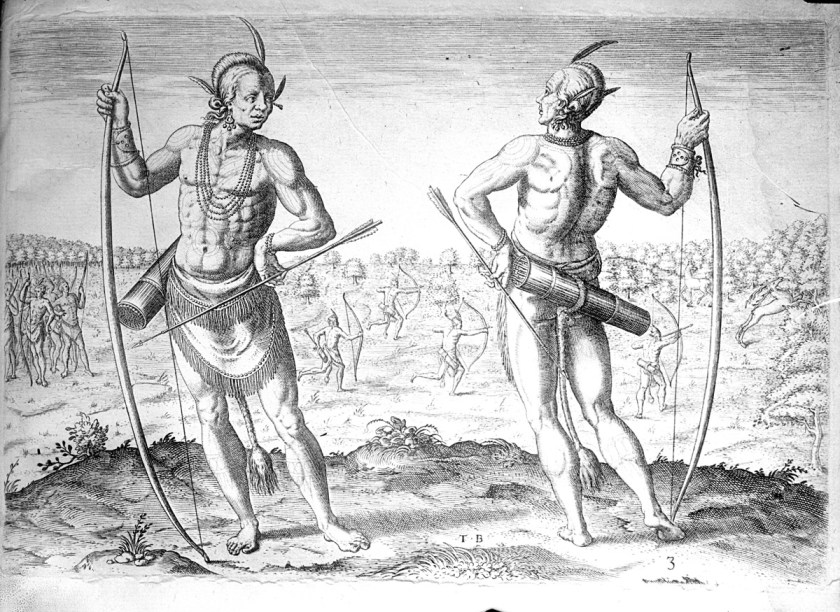 Raleigh believed that the Chesapeake afforded better opportunities for his new settlement, but Portuguese pilot Simon Fernandes, had other ideas. The caravan stopped at Roanoke Island in July, 1587, to check on the 15 men left behind a year earlier. Fernandes was a Privateer, impatient to resume his hunt for Spanish shipping. He ordered the colonists ashore on Roanoke Island.


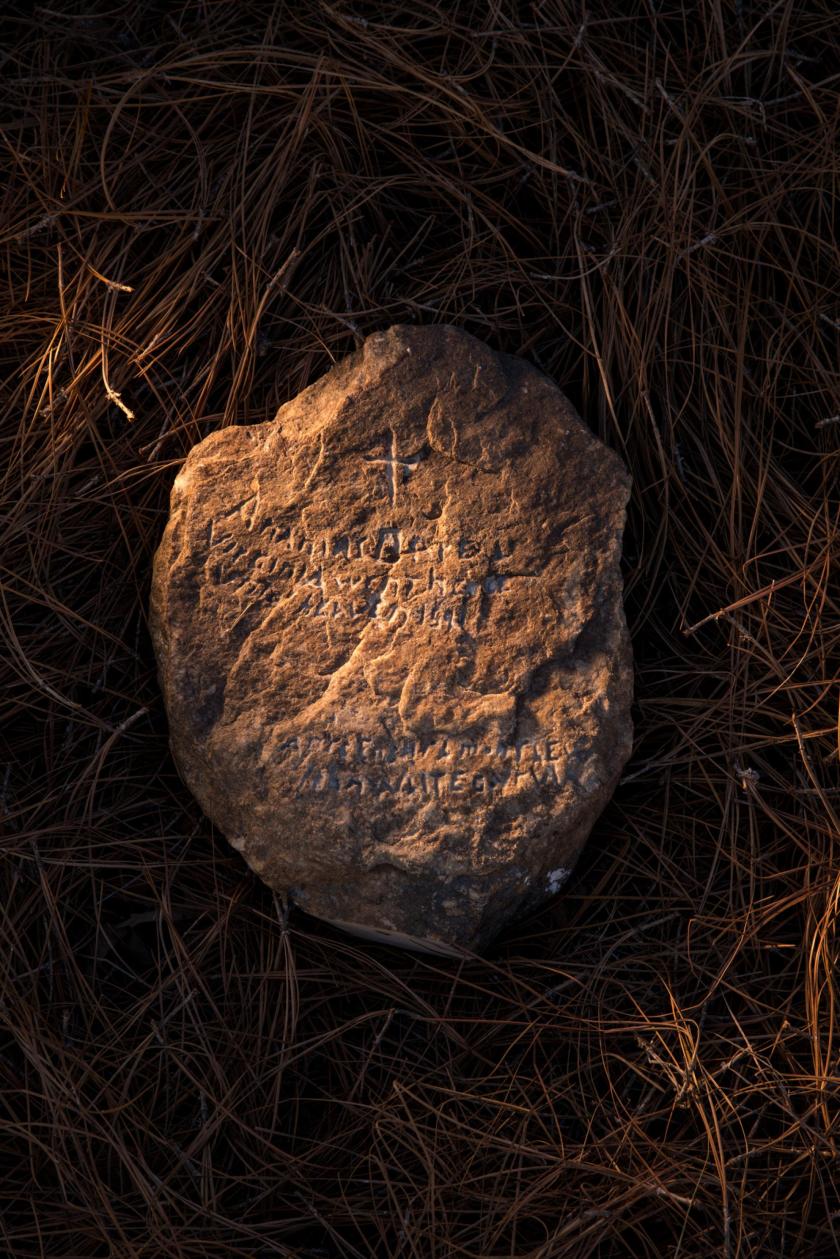
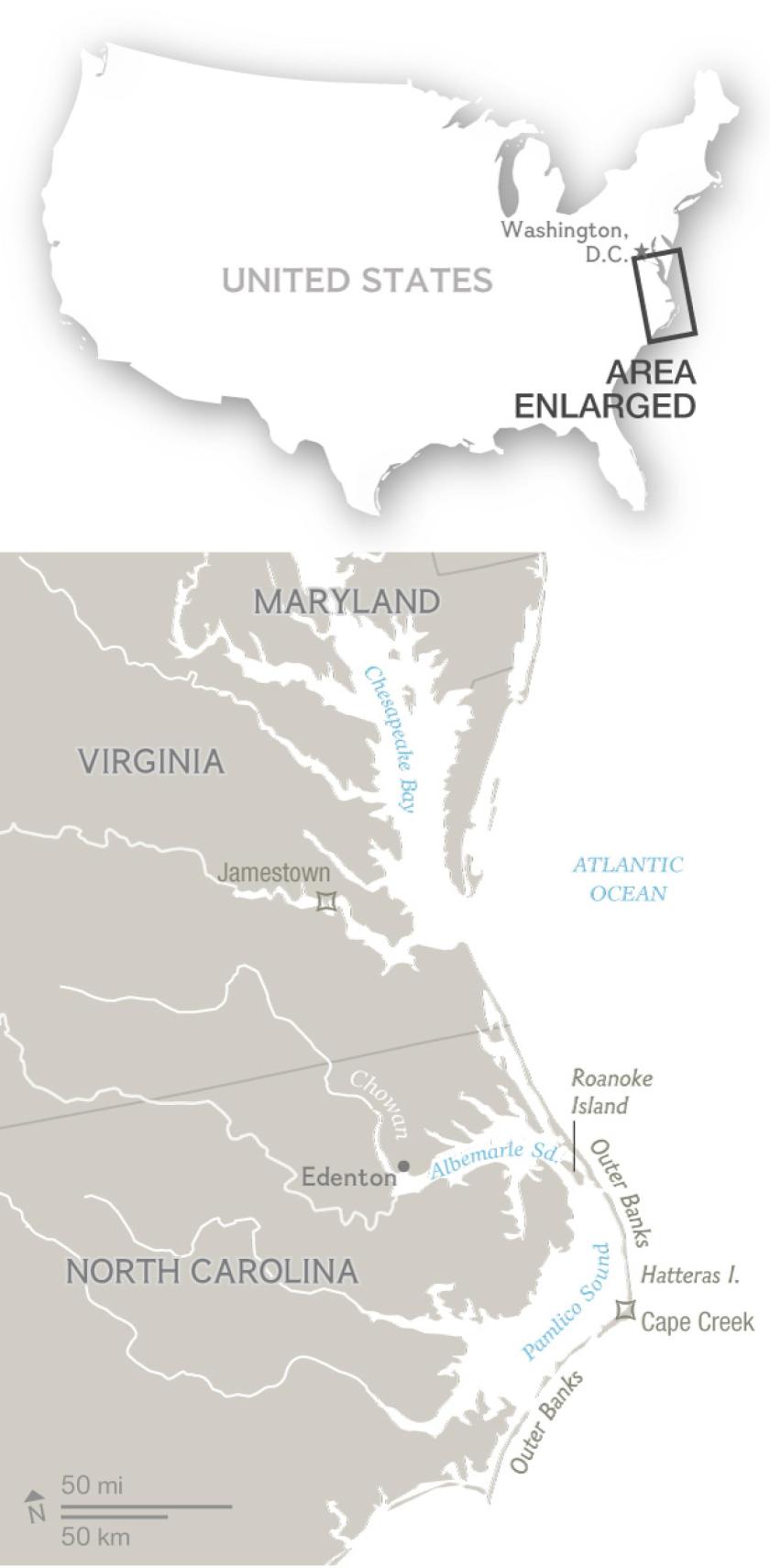 Research concluded at “Site X” in 2017, the cloak & dagger moniker given to deter thieves and looters. The mystery of the lost Colony of Roanoke, remains unsolved. “We don’t know exactly what we’ve got here,” admitted one archaeologist. “It remains a bit of an enigma.”

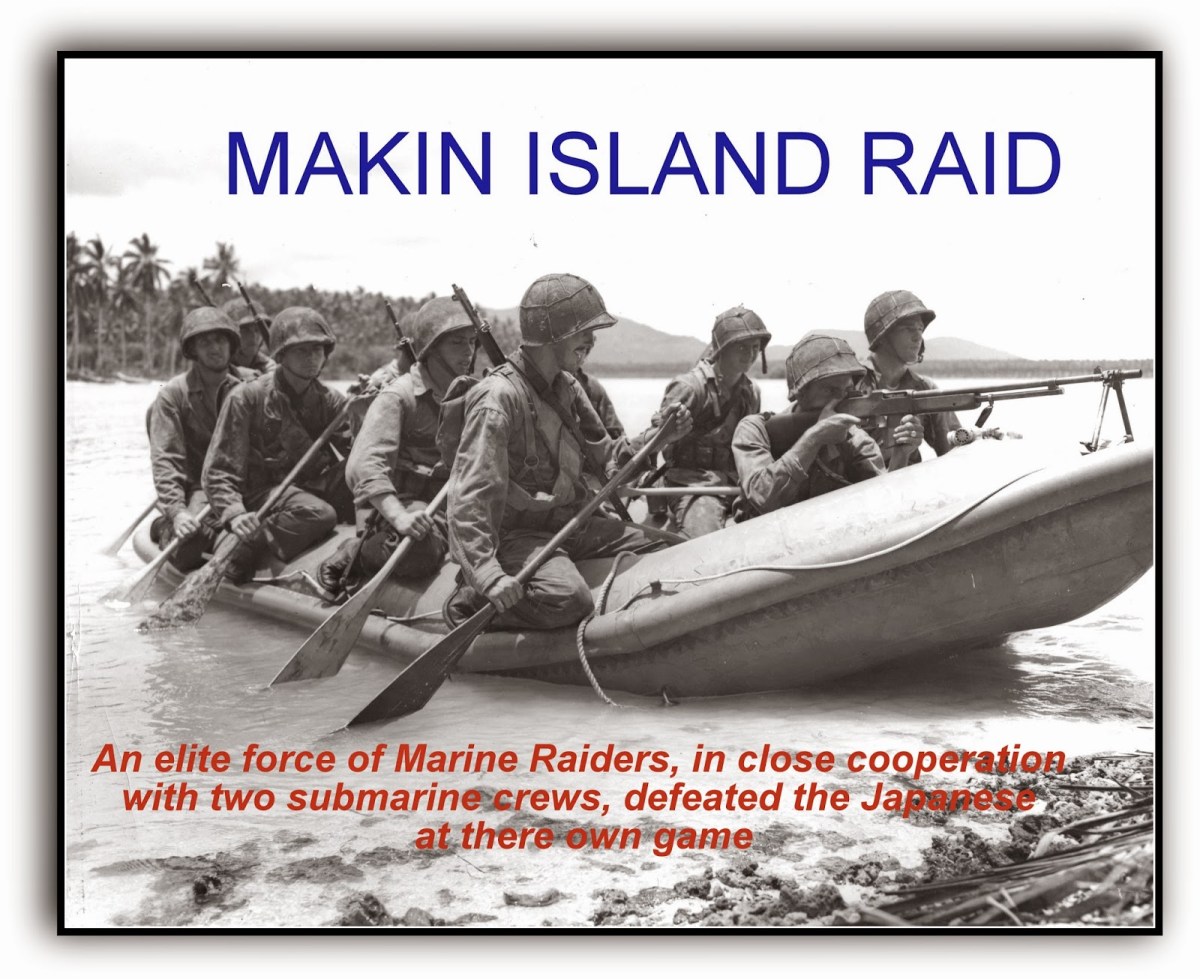






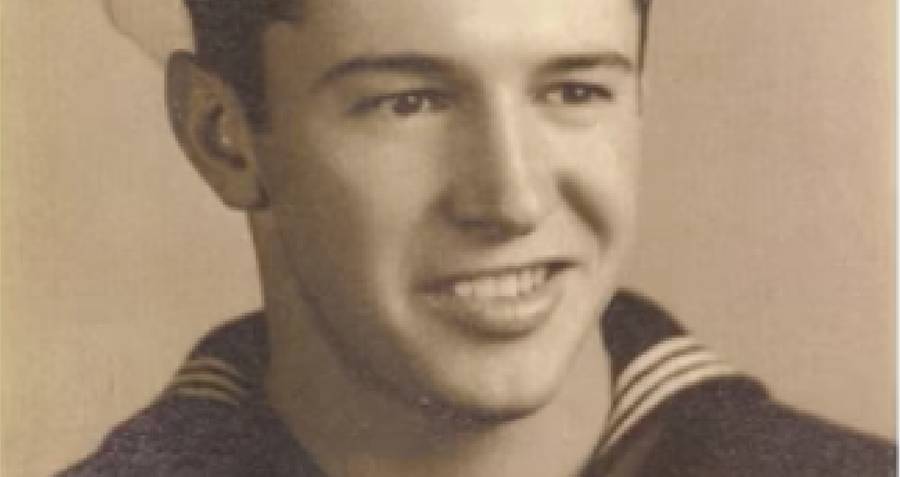
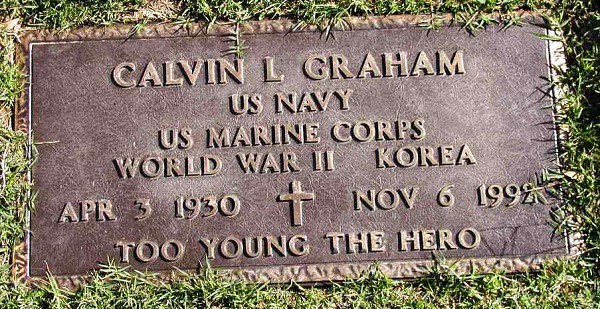
 Being around newspapers allowed the boy to keep up on events overseas, “I didn’t like Hitler to start with“, he once told a reporter. By age eleven, some of Graham’s cousins had been killed in the war, and the boy wanted to fight.

 For the rest of his life, Calvin Graham fought for a clean service record, and for restoration of medical benefits. President Jimmy Carter personally approved an honorable discharge in 1978, and all Graham’s medals were reinstated, save for his Purple Heart. He was awarded $337 in back pay but denied medical benefits, save for the disability status conferred by the loss of one of his teeth, back in WW2.


 Born and raised in Austria, Greta Zimmer was 16 years old, in 1939. Fearful of the war bearing down on them, Greta’s parents sent her and her two sisters to America, not knowing if they’d ever see each other again.
 The couple went to a movie at Radio City Music Hall, but the film was interrupted by a theater employee who turned on the lights, announcing that the war was over. Leaving the theater, the couple joined the tide of humanity moving toward Times Square.
 Now Eisenstaedt and his Leica Illa rangefinder camera worked for Life Magazine, heading for Times Square in search of “The Picture™”.


 Historical Easter Eggs - Today in History
You must be logged in to post a comment.