

As Revolution-era General, George Washington once wrote that the “road to glory in a patriot army and a free country is…open to all”. European armies of the time bestowed honors, only on high-ranking officers who had achieved victory in battle. There was no such honor for the common soldier.
There was precedent for such an award in the Colonial military, but only under limited circumstances. Congressional medals were awarded to Washington himself on March 25, 1776, following the British evacuation of Boston, to General Horatio Gates in November 1777, in recognition of his victory over British General John Burgoyne at Saratoga, and to Major-General “Light-Horse Harry” Lee, father of Civil War-era Confederate general Robert E. Lee, in recognition of his 1779 attack on the British position at Paulus Hook, New Jersey.
 A “Fidelity Medallion” was awarded to three militia men in 1780, for the capture of John André, the British officer and spy whose capture uncovered the treachery of General Benedict Arnold.
The future 1st President’s general orders of August 7, 1782 established a “Badge of Military Merit” to recognize those members of the Continental Army who performed “any singular meritorious action”.
In time, Washington’s Badge of Military Merit morphed into what we now know as the Purple Heart, but the precedent had been set. This was the first such honor available to any U.S. military service member, who had distinguished himself by act of valor.
Congress created the “Meritorious Service Citation Certificate” around the time of the Mexican-American war, a recognition of “any private soldier who had distinguished himself by gallantry performed in the presence of the enemy”. The award would come in and out of use in the decades that followed, later becoming the Distinguished Service Medal, an award available to United States and foreign military service personnel and, in limited circumstances, civilians.
In the early days of the Civil War, General-in-chief of the army Winfield Scott was against such an award. Secretary of the Navy Gideon Welles adopted the idea on behalf of the Navy, following Scott’s retirement in October 1861. President Abraham Lincoln signed “Public Resolution #82” on December 21, 1861, creating a Navy medal of honor.
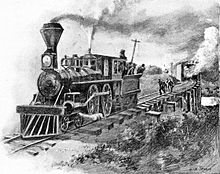 An Army version of the medal was created the following July, first awarded to six Union soldiers for hijacking the Confederate locomotive, “The General”. Leader of the raid James Andrews was caught and hanged as a Union spy. He alone was judged ineligible for the medal of honor, as he was a civilian.
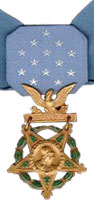
Medals of Honor are not awarded casually, reserved only for the bravest of the brave, and for well-documented acts of valor. Permit me to share a few examples, each from his own moment in history.
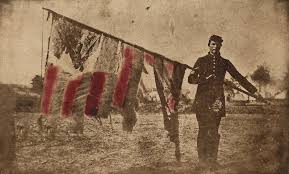 Few soldiers on the Civil War battlefield had a quicker route to death’s door, than the color bearer. National and regimental flags were all-important sources of inspiration and communication.
Reverend W. Jamison Thomson of Hartford, CT described the importance of the battle flag: “It represents the cause, is the rallying point, while it is aloft proclaims that victory is still intended, is the center of all eyes, is the means of communication between soldiers, officers, and nation,” he said, “and after the engagement, and after many of them, is their marked memento so long as its identity can be preserved.”
Pvt. Joseph E. Brandle served as regimental color bearer, with the 17th Michigan Infantry. Private Brandle earned the MOH for his actions of November 16, 1863, near Lenoire, Tennessee…”…[H]aving been twice wounded and the sight of one eye destroyed, [he] still held to the colors until ordered to the rear by his regimental commander.”
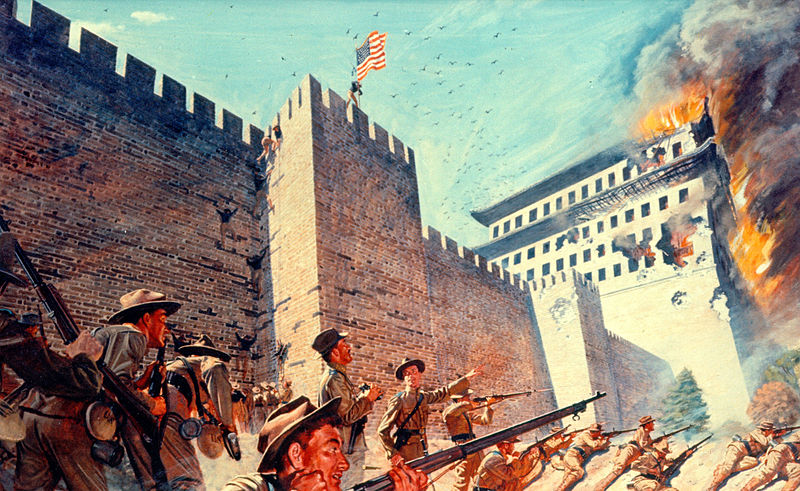
During the Boxer Rebellion of 1900, Chaplain’s assistant and regimental musician Calvin Pearl Titus of Vinton, Iowa, volunteered to scale the 30-ft walls of Peking, raising the American flag over the outer walls of the city. President Theodore Roosevelt awarded Titus the medal of Honor, for “Gallant and daring conduct in the presence of his colonel and other officers…” He was “the last color bearer”.

On October 8, 1918, Tennessee native Cpl. Alvin Cullum York of the 82nd Division lead a group of seventeen against a numerically superior German force, dug in at Chatel-Chehery, France.
Let his citation tell the story: “…After his platoon had suffered heavy casualties and three other non-commissioned officers had become casualties, Cpl. York assumed command. Fearlessly leading seven men, he charged with great daring toward a machine gun nest, which was pouring deadly and incessant fire upon his platoon. In this heroic feat the machine gun nest was taken, together with four officers and 128 men and several guns.”

Kingston Texas 2nd Lieutenant Audie Murphy found himself senior officer of a company of 18, whittled down from 235 by disease, wounds and casualties. On January 26, 1945, Murphy’s small force found itself under assault by six German tanks and a large infantry force.
A man the Marine Corps had once turned down for being too small, Murphy climbed aboard a burning tank destroyer. Out in the open and exposed to German fire from three sides, the 19-year old single-handedly fought off the entire assault, killing or wounding fifty and causing the German tanks to withdraw.
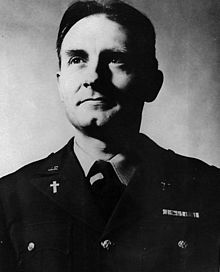
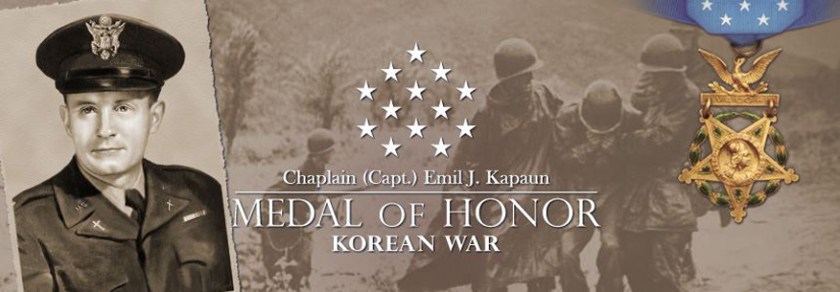
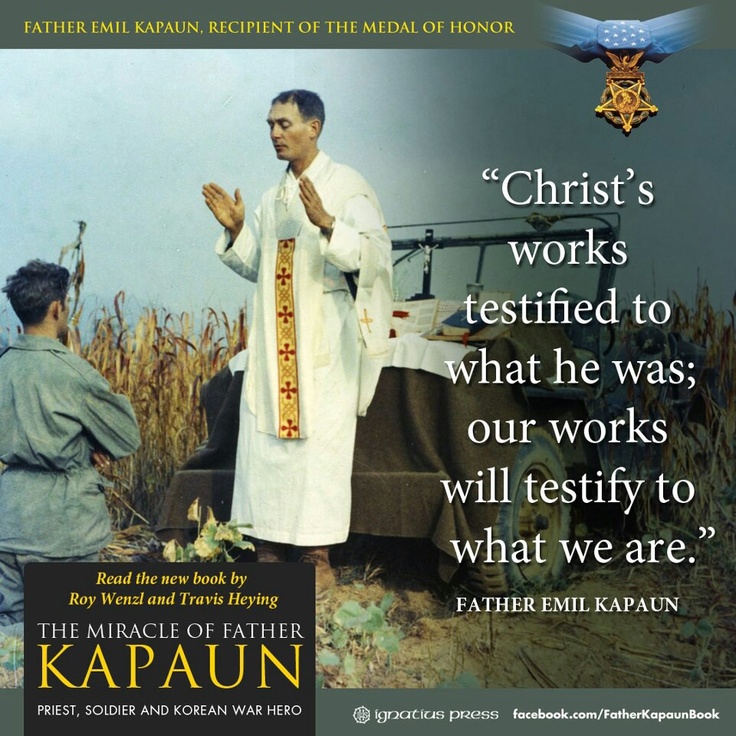
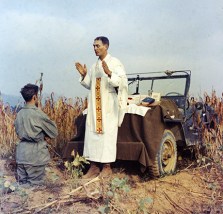 Father Emil Kapaun selflessly sacrificed himself on behalf of his fellow prisoners in 1951, in the frozen hell of a North Korean prison camp. President Barack Obama awarded Kapaun’s family the Medal of Honor during a ceremony in the east wing of the White House, on April 11, 2013.
Chaplain Kapaun’s body lies in an unmarked mass grave, somewhere in Pyoktong county.
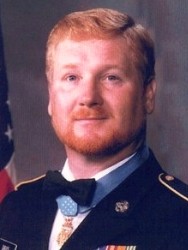
PFC Sammy Lee Davis distinguished himself during the small hours of November 18, 1967, when the 4th Artillery of 9th Infantry Division came under heavy attack west of Cai Lay, Republic of Vietnam.
Repeatedly knocked to the ground by enemy mortar fire and suffering multiple injuries, the Cannoneer from Dayton, Ohio fought back first with a heavily damaged, burning howitzer, and then with recoilless rifle and machine gun.
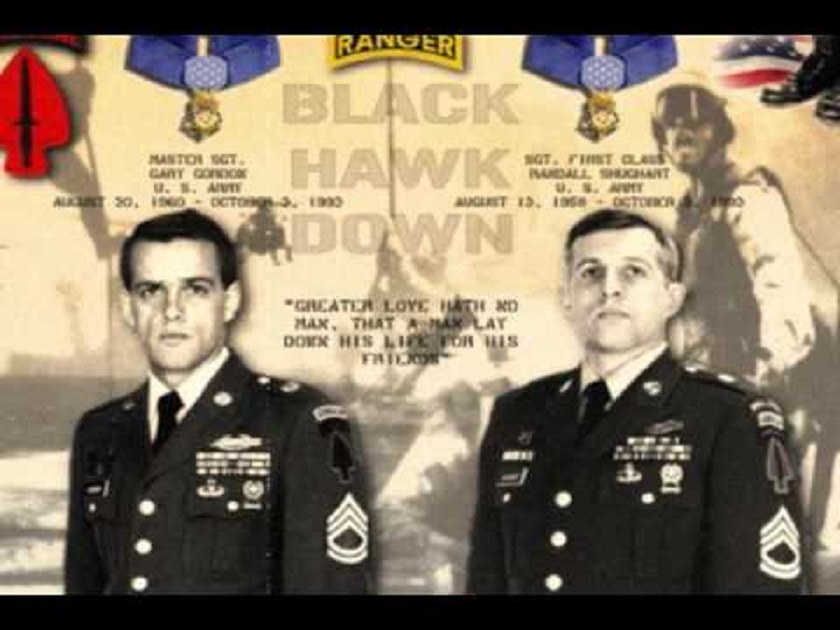
Two Medals of honor were awarded posthumously, to Delta Force snipers Gary Gordon and Randy Shugart, for their hopeless defense of the crash site of a downed UH-60 Blackhawk helicopter, against hundreds of fighters loyal to the Somali warlord Mohamed Farrah Aidid.

Corporal Jason Lee Dunham of Scio New York deliberately threw himself on an Iraqi grenade on April 14, 2004, saving the lives of fellow Marines at the sacrifice of his own life. He was twenty-two.

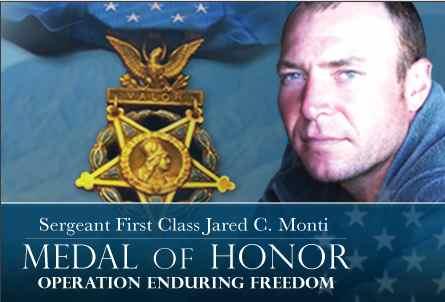
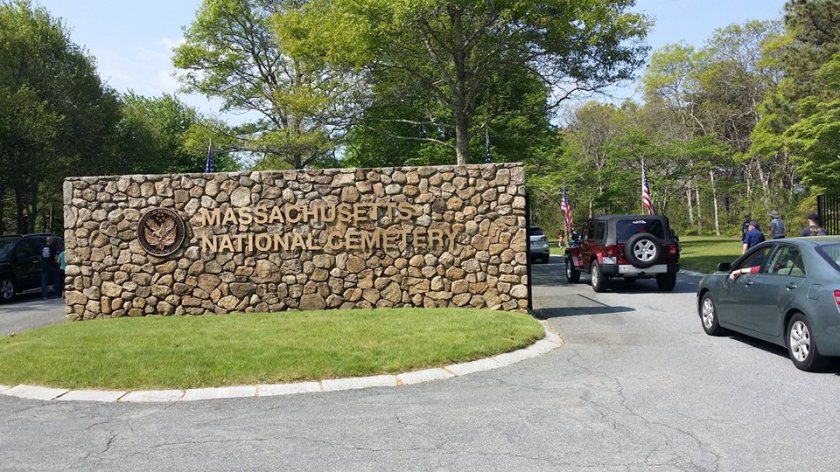
Sergeant 1st class Jared Monti of Abington Massachusetts was killed in the mountains of Nuristan Province in Afghanistan, while attempting to rescue a wounded soldier from a hail of small arms and rocket-propelled grenade fire.
Monti was the sixth person from the wars in Iraq and Afghanistan, to be awarded the Medal of Honor. The Lee Brice song “I Drive your Truck“, voted Song of the Year at the 49th annual Academy of Country Music Awards, is his story.
The nation’s highest medal for military valor has been awarded 3,517 times since its inception in 1861, to 3,498 distinct recipients. 621 were awarded posthumously. Possibly without exception, these are people who will tell you that they are not heroes. They were doing a job and those left behind, are the real heroes.
If that is not the very definition of true heroism, it should be.

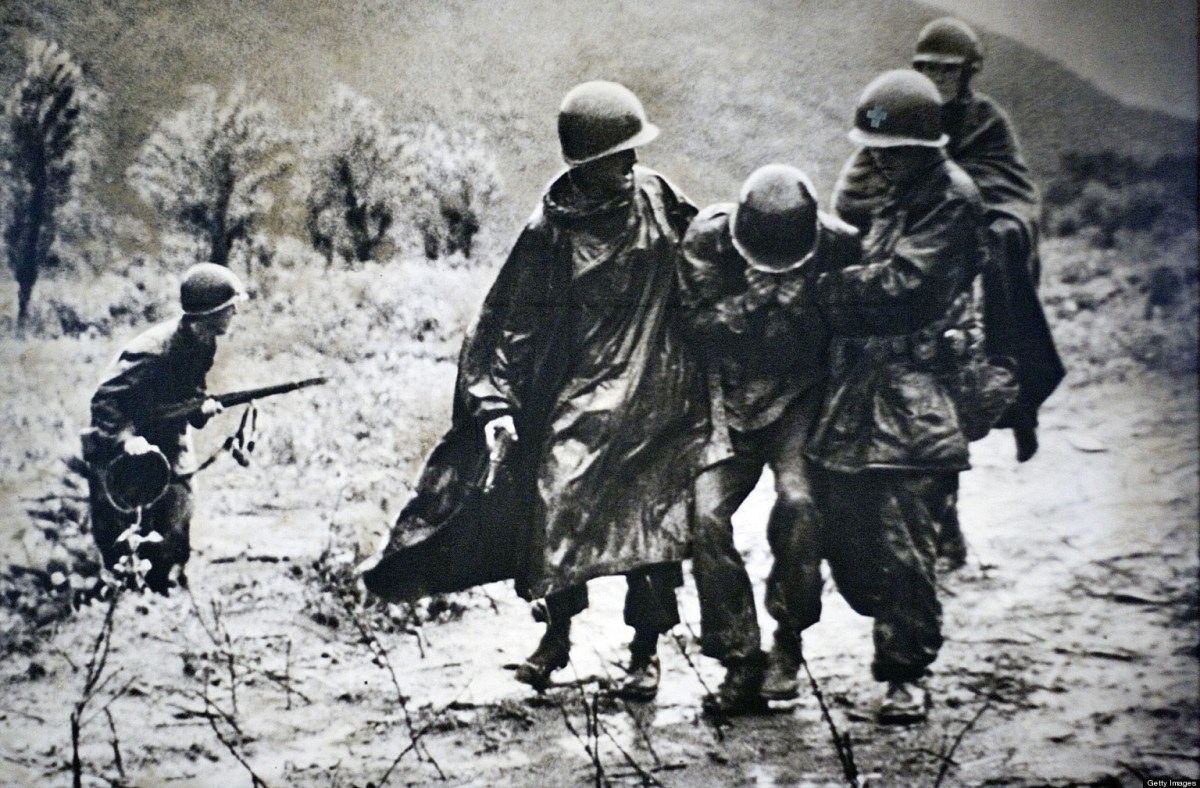
 Emil Joseph Kapaun was the son of Czech immigrants, a farm kid who grew up in 1920s Kansas. Graduating from Pilsen High, class of 1930, Kapaun spent much of the 30s in theological seminary, becoming an ordained priest of the Roman Catholic faith on June 9, 1940.
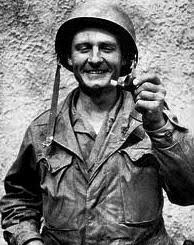

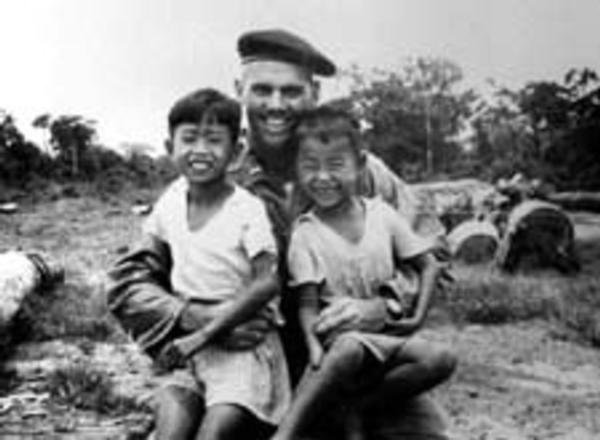

 In his spare time, this Green Beret, Army Ranger and Special Forces warrior would volunteer to work in the countless orphanages of South Vietnam.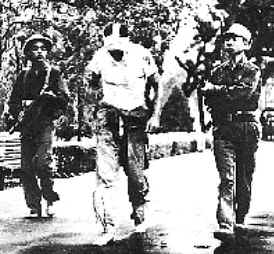
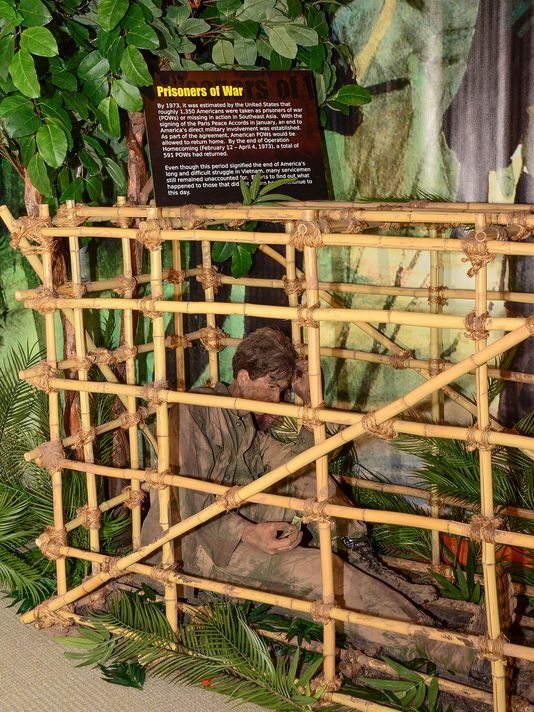
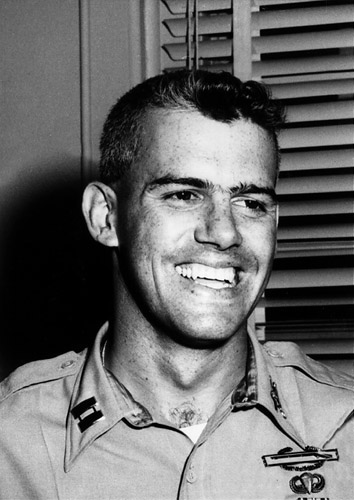 Rocky attempted to escape four times, despite leg wounds which left him no option but to crawl on his belly. Each such attempt earned him savage beatings, after which he’d only try harder.
 Rocky was murdered by his captors, his “execution” announced on North Vietnamese “Liberation Radio” on September 26, 1965. He was twenty-eight.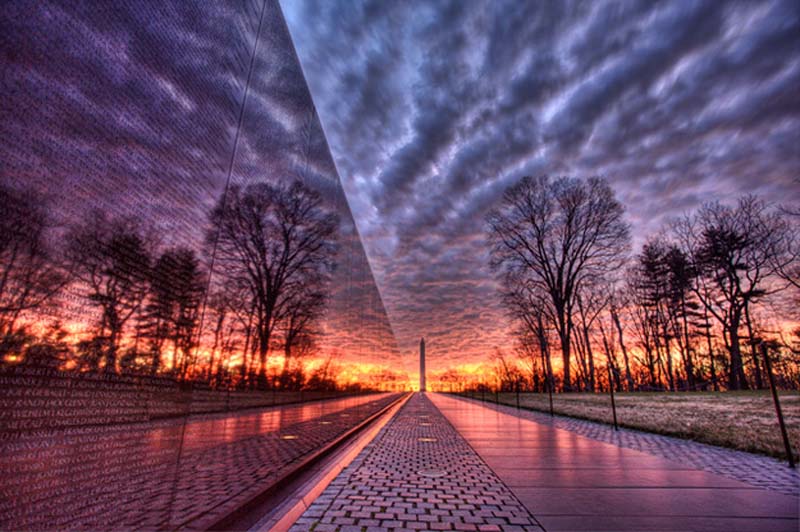




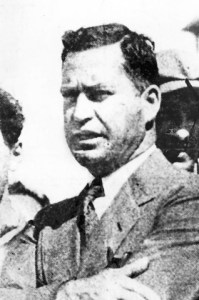 and joined a law firm. Operating dog tracks in Chicago, Boston and Miami, O’Hare made a considerable fortune working for Owen Smith, the high commissioner for the International Greyhound Racing Association, who patented the mechanical rabbit used in dog racing. EJ and Selma Anna (Lauth) O’Hare had three children between 1914 and 1924, – Edward (“Butch”), Patricia, and Marilyn.
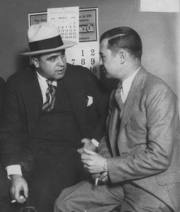 EJ and Selma divorced in 1927. He left St. Louis for good, moving to Chicago while Butch attended WMA. It was there that the elder O’Hare met Al Capone, later earning his second fortune working as the gangster’s business manager and lawyer.
 eligible for early release in 1939 due to syphilitic dementia. On November 8 of that year, EJ left his office at Sportsman’s Park racetrack in Cicero in his black ’39 Lincoln Zephyr. Two shotgun wielding gunmen pulled alongside, firing a volley of big game slugs and killing O’Hare, instantly. No arrest was ever made.
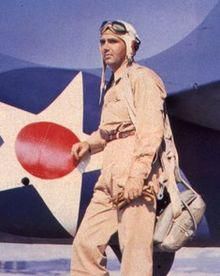 It was February 20, 1942, when Butch O’Hare became the first American flying Ace of WWII. The carrier Lexington was discovered by Japanese reconnaissance aircraft, 450 miles outside of Rabaul. Six Grumman F4F Wildcat fighters and Lexington’s anti-aircraft guns were engaged with an incoming formation of nine Japanese bombers, when nine more bombers were reported incoming.
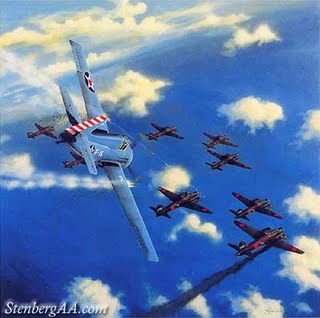 34 seconds. What followed was so close to the Lexington, that pilots could hear the carrier’s AA guns. Full throttle and diving from the high side, O’Hare fired short, accurate bursts, the outermost bomber’s right-hand engine literally jumping from its mount. Ducking to the other side and smashing the port engine on another “Betty”, O’Hare’s Wildcat attacked one bomber after another, single handedly taking out five bombers with an average of only 60 rounds apiece.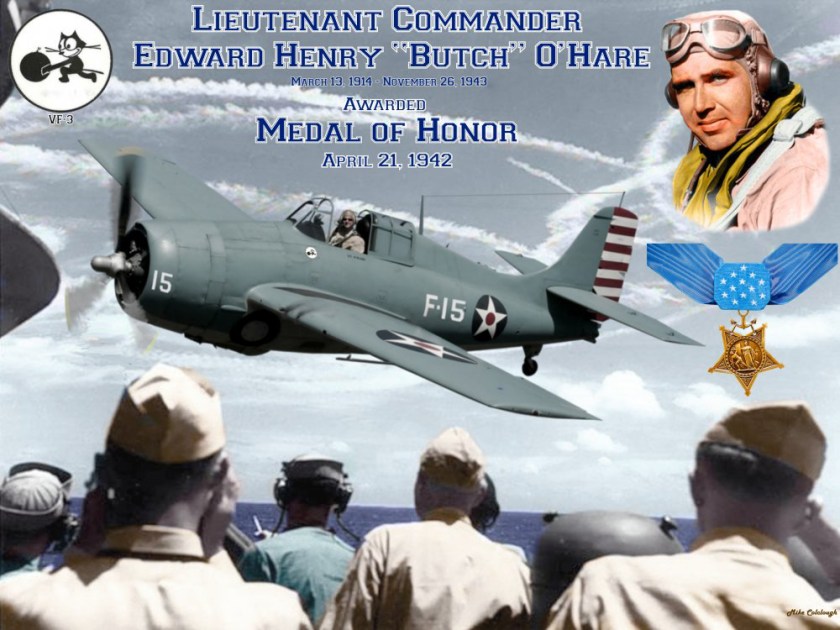

 Historical Easter Eggs - Today in History
You must be logged in to post a comment.