

In 1933, the year that Adolf Hitler and his National Socialist party came to power, some 522,000 Jews lived in Germany. Fearing for their safety, some 304,000 of them emigrated in the first six years of the regime, including the physicist Albert Einstein. Jews were banned from holding professional jobs in 1936, effectively blocking them from German politics, education and industry, and relegating them to 2nd class citizenship. The SS-ordered “Kristallnacht” (Night of the Broken Glass), was carried out over the night of November 9-10, 1938. Jewish owned stores and offices were smashed and vandalized, and synagogues burned.
Many of Germany’s Jews had lived there since the time of Charlemagne. By the eve of WWII, only 214,000 remained.

Part of this exodus, the Hamburg-America line cruise ship MS St. Louis departed Hamburg on May 13, 1939, headed for Cuba. On board were 937 refugees, seeking asylum from Nazi persecution.
St. Louis’ Atlantic crossing was described as a “joyous affair”. A non-Jewish German and adamant anti-Nazi, Captain Gustav Schröder made sure that it was so.
A full-time nursemaid looked after small children while their parents sat to eat, uniformed stewards serving dishes which were rationed by this time in Germany. Swimming lessons were held for children on deck. They were even permitted to throw a tablecloth over the Adolf Hitler statue in the dining room. Lothar Molton, a boy traveling with his parents, described the experience as “a vacation cruise to freedom”.


The joyous affair came to an end on May 27, when St. Louis dropped anchor in Havana Harbor. Passengers had all purchased legal visas, but most had been retroactively canceled on May 5, due to a change in Cuban immigration policy. For six days they waited amidst bureaucratic wrangling. In the end, only 29 were permitted to get off in Cuba. Four were Spanish citizens and two Cuban nationals. Another 22 were Jews with valid US visas. One attempted suicide, and was brought to a Havana hospital.

St. Louis then crossed the Florida strait, arriving off the coast on June 4 and hoping for better results in the United States. It wasn’t meant to be. “Sailing so close to Florida that they could see the lights of Miami”, passengers sent President Franklin Roosevelt an urgent telegram, pleading to be admitted into the country. Secretary of State Cordell Hull, who later won the Nobel Peace Prize for his work in creating the United Nations, urged Roosevelt to reject the refugees, sending Coast Guard cutters to be sure that nobody jumped overboard and swam ashore. 
Roosevelt had his own politics to deal with. The Great Depression had left millions unemployed at the time and Americans were fearful of additional competition for scarce jobs. In Congress, the Wagner-Rogers bill, which would have admitted an additional 20,000 German-Jewish refugees over existing quotas, was being allowed to die in committee. Roosevelt was preparing to run for an unprecedented third term, and calculations of self-interest won out. He ignored the plight of the St. Louis.
Finally, a group of Canadian clergy and academics attempted to persuade Prime Minister William Lyon Mackenzie King, to provide sanctuary in Canada. The ship was, after all, only two days from Halifax. Director of Canada’s immigration branch Frederick Blair opposed the move. Blair must have been some piece of work. He had written a year earlier, that “Pressure by Jewish people to get into Canada has never been greater than it is now, and I am glad to be able to add that, after 35 years of experience here, that it has never been so carefully controlled”. Blair urged King against the decision. On June 9, the Prime Minister officially declined to admit St. Louis’ refugees.
 So it was that a vacation cruise to freedom became the “Voyage of the Damned”. MS St. Louis returned to Europe. Captain Schröder negotiated and schemed to find safe haven for his 907 passengers. Anything but return them to Nazi Germany. At one point, Schröder contemplated intentionally running aground off the coast of England. In the end, they all found refuge in Europe. 288 passengers were admitted by Great Britain, and 224 by France. 214 were accepted into Belgium and another 181 by the Netherlands.
Many of the St. Louis refugees were later swept up in the Nazi invasion of Europe. Scott Miller and Sarah Ogilvie of the Holocaust Memorial Museum have exhaustively researched the fate of these individuals, finding that “Of the 620 St. Louis passengers who returned to continental Europe, we determined that eighty-seven were able to emigrate before Germany invaded western Europe on May 10, 1940. 254 passengers in Belgium, France, and the Netherlands after that date, died during the Holocaust. Most of these people were murdered in the killing centers of Auschwitz and Sobibór; the rest died in internment camps, in hiding or attempting to evade the Nazis. 365 of the 620 passengers who returned to continental Europe survived the war.”


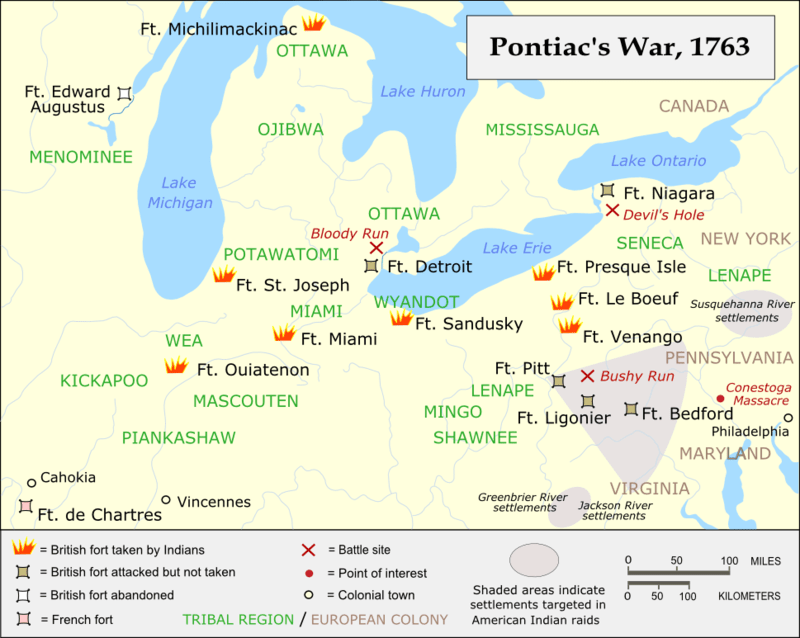
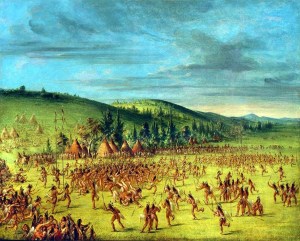 Native American stickball had many variations, but the object was to hit a stake or other object with a “ball”. The ball was a stone wrapped in leather, handled with one or sometimes two sticks. There could be up to several hundred contestants to a team, and the defenders could employ any means they could think of to get at the ball, including hacking, slashing or any form of physical assault they liked. Lacerations and broken bones were commonplace, and it wasn’t unheard of that stickball players died on the field. The defending team could likewise employ any method they liked to keep the opposing team off of the ball carrier, and they played the game on a field that could range from 500 yards to several miles.
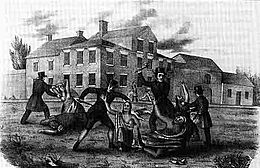
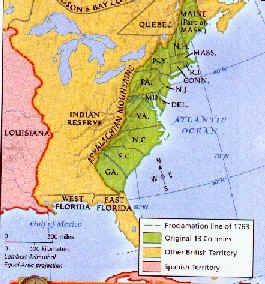 The British Royal Proclamation of October 7, 1763, drew a line between the British colonies and Indian lands, creating a vast Indian Reserve stretching from the Appalachians to the Mississippi River and from Florida to Newfoundland. For the Indian Nations, this was the first time that a multi-tribal effort had been launched against British expansion, the first time such an effort had not ended in defeat.


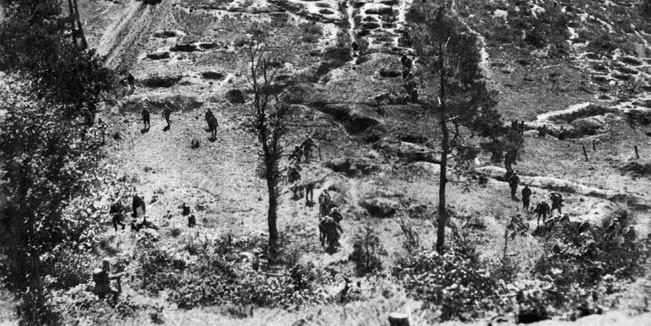
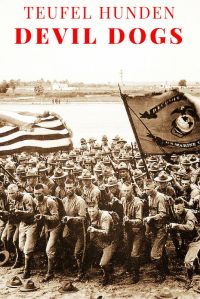
 The results of the Feuerwalze were devastating, if not predictable. Allied lines were smashed as German armies poured through, taking 19 kilometers in three days and reaching the Marne River, 50 miles from Paris. On May 31, a dogged defense by the US 3rd Infantry Division turned the German advance at Château-Thierry, and toward Belleau Wood.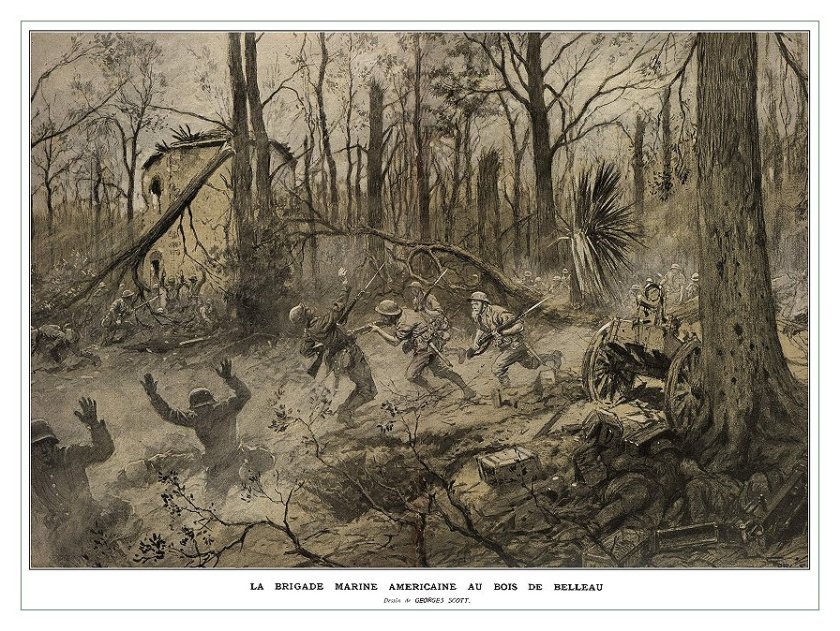


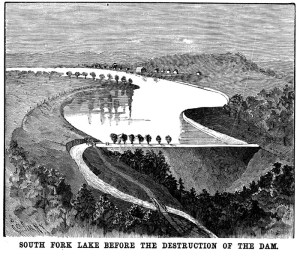

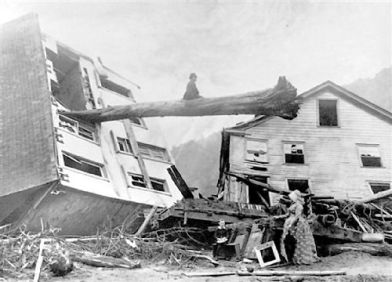
 Traveling at 40 miles per hour, the 60′ wall of water and debris hit Johnstown 57 minutes after the dam broke. Some residents had managed to scramble to high ground, but most were caught by surprise by the flood waters.
 When it was over, 2,209 were dead. 99 entire families had ceased to exist, including 396 children. 124 women and 198 men were widowed, 98 children orphaned. 777 people, over 1/3rd of the dead, were never identified. Their remains are buried in the “Plot of the Unknown” in Grandview Cemetery in Westmont.
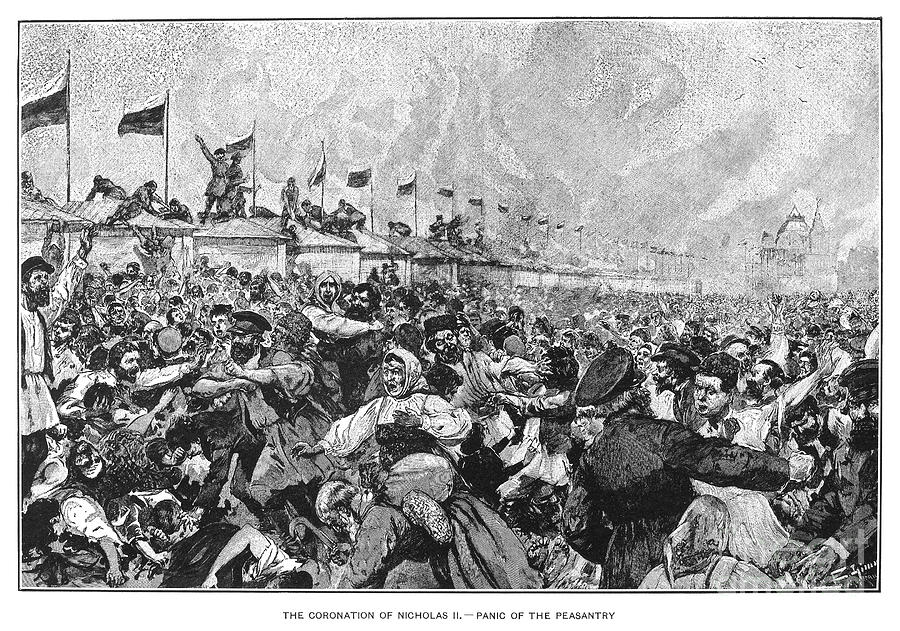
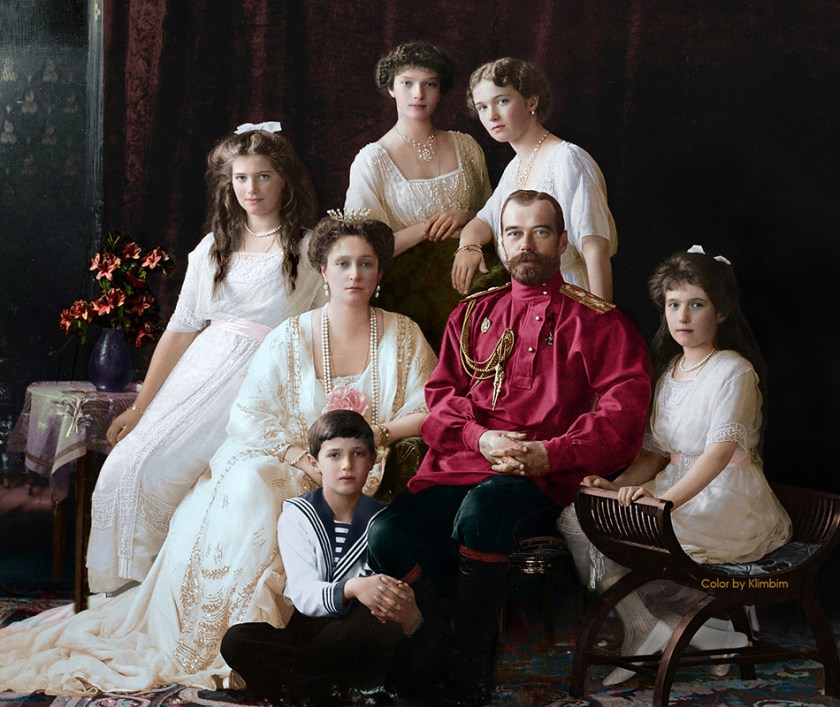
 People began to gather on the 29th. By 5:00am on the 30th, the crowd was estimated at half a million. A rumor began to spread among the crowd that there wasn’t enough beer or pretzels to go around. At that point the police force of 1,800 wasn’t enough to maintain order. The crush of the crowd and the resulting panic resulted in a human stampede. Before it was over 1,389 people were trampled to death, and another 1,300 injured.

 3,662,374 military service certificates were issued to qualifying veterans, bearing a face value equal to $1 per day of domestic service and $1.25 a day for overseas service, plus interest. Total face value of these certificates was $3.638 billion, equivalent to $43.7 billion in today’s dollars and coming to full maturity in 1945.
 This had happened before. Hundreds of Pennsylvania veterans of the Revolution had marched on Washington in 1783, after the Continental Army had been disbanded without pay.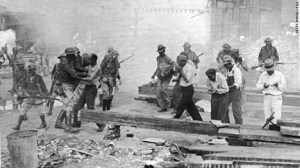
 Bonus marchers fled to their largest encampment across the Anacostia River, when President Hoover ordered the assault stopped. Feeling that the Bonus March was an attempt to overthrow the government, General MacArthur ignored the President and ordered a new attack, the army routing 10,000 and leaving their camps in flames. 1,017 were injured and 135 arrested. The wife of one veteran miscarried. 12 week old Bernard Myers died after being caught in the gas attack. A government investigation later claimed he died of inflammation of the small intestine, but a hospital employee said the tear gas “didn’t do it any good.”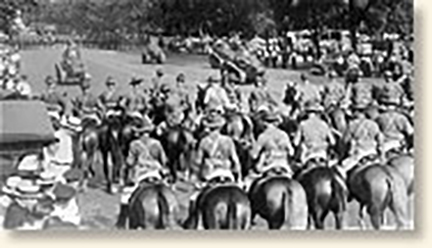


 Predicting a solar eclipse isn’t the same as predicting a lunar eclipse; the calculations are far more difficult. When the moon passes through the shadow of the sun, the event can be seen by half of the planet, the total eclipse phase lasting over an hour. In a solar eclipse, the shadow of the moon occupies only a narrow path, and the total eclipse phase is only about 7½ minutes at any given place.





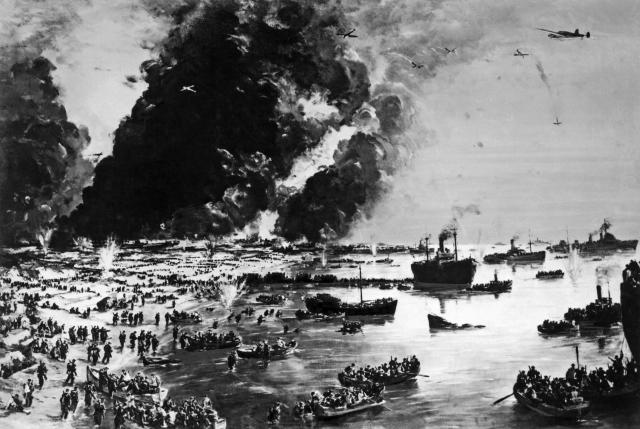
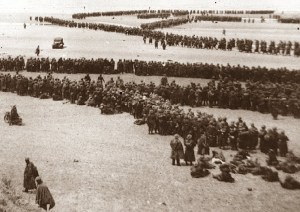
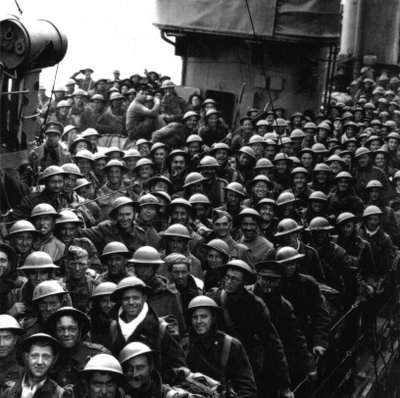
 In May of 1940 the British Expeditionary Force and what remained of French forces occupied a sliver of land along the English Channel. Field Marshall Gerd von Rundstedt called a halt of the German armored advance on May 24, while Hermann Göring urged Hitler to stop the ground assault, let the Luftwaffe finish the destruction of Allied forces. On the other side of the channel, Admiralty officials combed every boatyard they could find for boats to ferry their people off of the beach.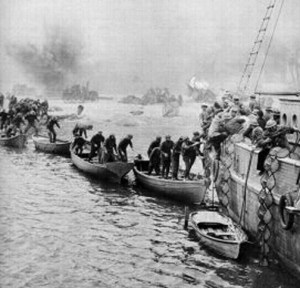




 In 1726, Quaker minister John Wright began a “ferry” service across the Susquehanna River. Starting as a pair of dugout canoes, “Pennsylvania Dutch” farmers were soon settling the Conejohela Valley on the eastern border of Maryland and Pennsylvania.
 Historical Easter Eggs - Today in History
You must be logged in to post a comment.