

One of the bloodiest battles of the Civil War began on December 11, 1862, when some 200,000 combatants collided in the town of Fredericksburg, Virginia.

The Union crossing of the Rappahannock was intended to be a surprise, depending on pontoons coming down from Washington to meet up with General Ambrose Burnside’s Union army in Falmouth, across the river from Fredericksburg.
The army of the Potomac arrived on November 19 with no sign of pontoons. When they finally arrived, heavy snows slowed military operations for an additional week. Lt. General James Longstreet and Lt. General Thomas Jonathan “Stonewall” Jackson had more than enough time to prepare defenses.
Burnside’s crossing began on the morning of December 11, as engineer battalions constructed bridges in the face of determined Confederate fire. Several groups of soldiers had to row across the river, the battle then moving through the streets and buildings of Fredericksburg as Union and Confederate troops fought the first urban combat of the Civil War.

On the morning of the 13th, Robert E. Lee’s Confederate forces occupied a seven-mile curving line, with the five divisions of Longstreet’s Corps on the left along Marye’s Heights, west of town. Fighting began on both ends of the Confederate position, more or less simultaneously. George Meade had some early successes against Stonewall Jackson’s dug-in positions on the right, but requested reinforcements never arrived. By the end of the day, the old farmer’s term “slaughter pen”, had taken on new and heretofore unimaginable horrors.

In contrast to the swampy approaches on the Confederate right, 5,000 soldiers under James Longstreet looked out from behind the stone wall on Marye’s Heights to an open plain, crossed from left to right by a mill run, 5-feet deep, 15-feet wide and filled with 3-feet of freezing water.
Confederate artillery commander Edward Porter Alexander looked out on that field and said “a chicken could not live on that field when we open on it”. He was right. For six hours, the Union army threw one attack after another against the rebels behind that wall. Fourteen attempts.
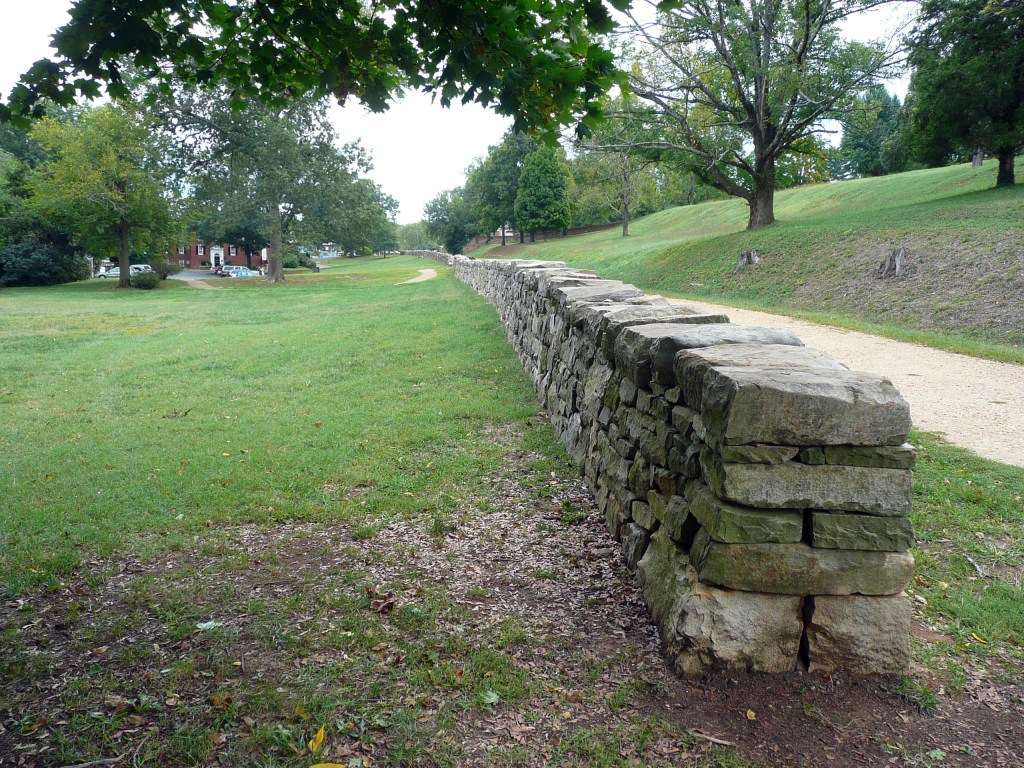
As the sun went down on the evening of December 13, the ground below Marye’s Heights was carpeted with the mangled, dead and dying bodies of Union soldiers.
The Army of the Potomac suffered over 13,000 casualties at Fredericksburg, about two-thirds of them in front of that wall. Lee’s army, by comparison, suffered around 4,500 losses. Watching the great Confederate victory unfold from his hilltop command post, Robert E. Lee intoned, “It is well that war is so terrible, or we should grow too fond of it.”

Union ambulance corps had all they could do to remove their own wounded from the plains looking up on Marye’s heights but dared not enter within Confederate range of fire, in front of that wall.
All through the night of the 13-14th, the pathetic moaning of mangled and dying Union soldiers could be heard along the heights.
It’s easy to imagine that some Confederate soldiers reveled in all that carnage, but not all. The groans and the cries of agony, must have been difficult to hear. There wasn’t a man among them who didn’t understand that, but for the grace of God, he himself could be out there.
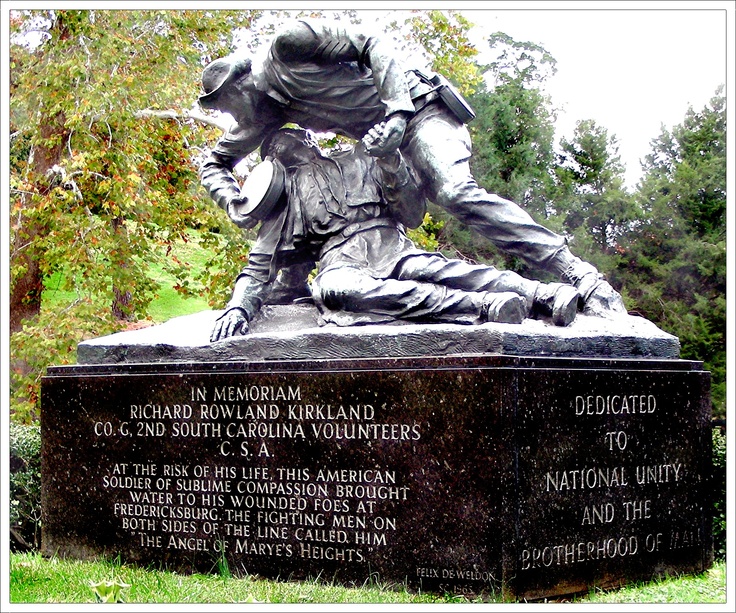
For Sergeant Richard Kirkland, Company G, 2nd South Carolina Infantry, it wasn’t enough to sit and listen. He could no longer stand to hear “those poor people crying for water”. Kirkland left his position and made his way to General Joseph Kershaw’s headquarters, to ask permission to help.
On the morning of December 14, 1862, Richard Kirkland took as many canteens as he could carry, and stepped into the no man’s land between two watching armies. No one fired. None so much as even moved. Sgt. Kirkland worked his way alone from one wounded man to the next, straightening out a shattered leg here, there spreading out an overcoat, always with a quiet word of encouragement and a drink of water.
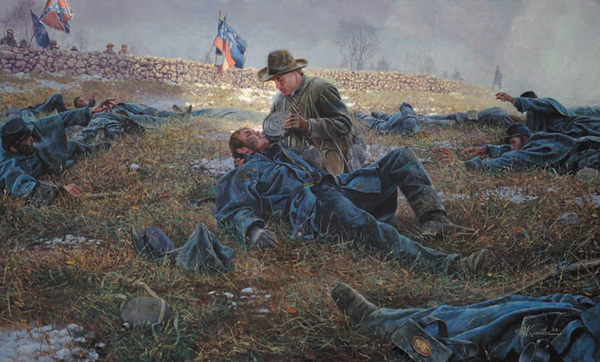
Kirkland was out there for no less than an hour and a half. Alone in no man’s land, under the watchful eyes of two hostile armies. He never left until he had helped every fallen soldier, Federal and Confederate alike, on that part of the battlefield.
General Kershaw later gave this account: “Unharmed he reached the nearest sufferer. He knelt beside him, tenderly raised the drooping head, rested it gently upon his own noble breast, and poured the precious life-giving fluid down the fever scorched throat. This done, he laid him tenderly down, placed his knapsack under his head, straightened out his broken limb, spread his overcoat over him, replaced his empty canteen with a full one, and turned to another sufferer.”
Richard Kirkland would not survive the war. He met his end while leading an infantry charge the following September, at a place the Chickasaw called “house or dwelling place of the king.“ Chickamauga. There is no way to know how many lives were saved by the courage, the kindness and the tender mercy of one man, this day in 1862.
Richard Rowland Kirkland is long gone now but the memory lives on. Of that singular act of courage and compassion, of the Angel of Marye’s Heights.




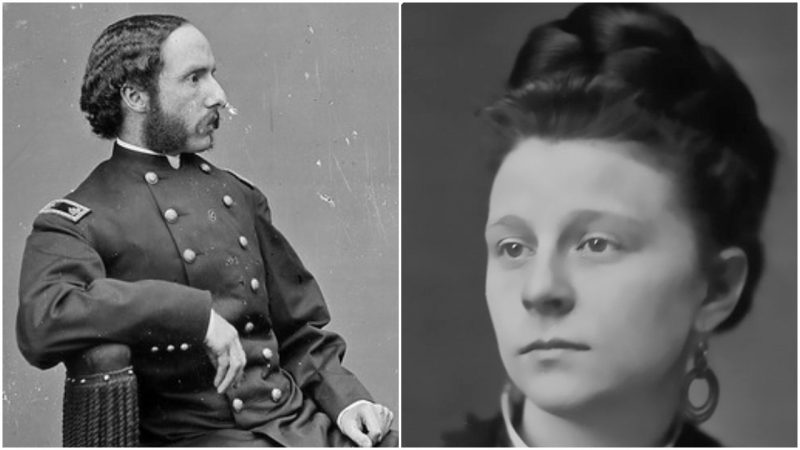
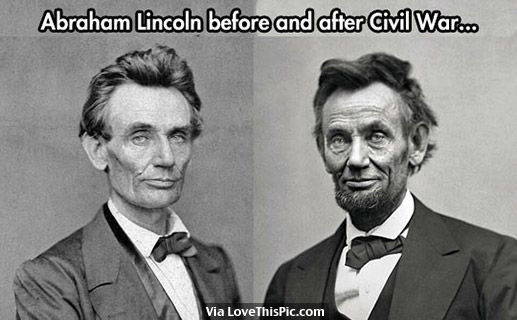
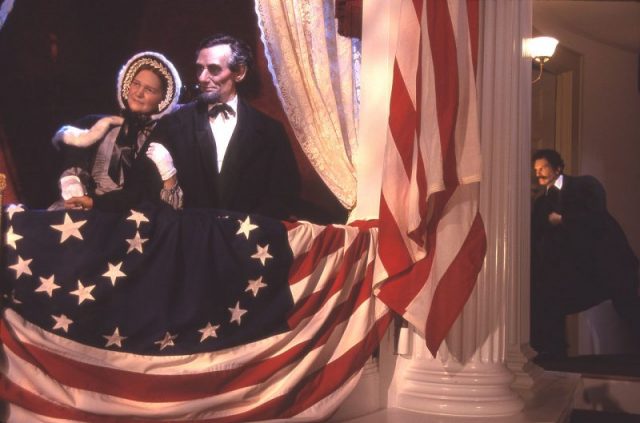
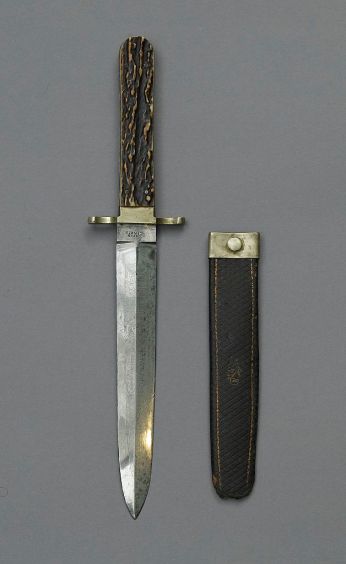




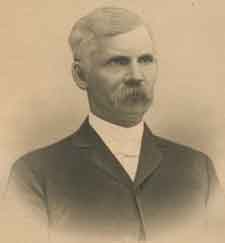



 Captain Henry Wirz, commandant of the stockade at Camp Sumter, was tried and executed after the war, only one of two men to be hanged for war crimes. Captain Wirz appeared at trial reclined on a couch, advanced gangrene preventing him from sitting up. To some, the man was a scapegoat. A victim of circumstances beyond his control. To others he is a demon, personally responsible for the hell of Andersonville prison.


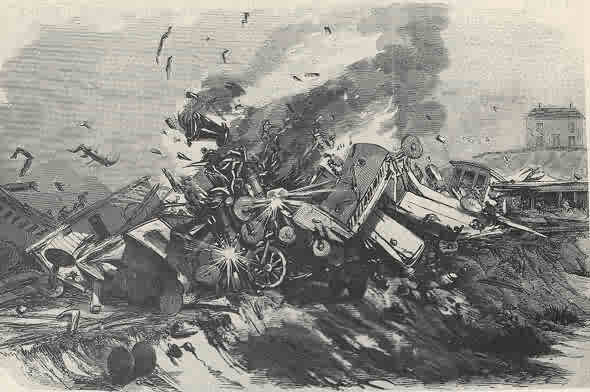
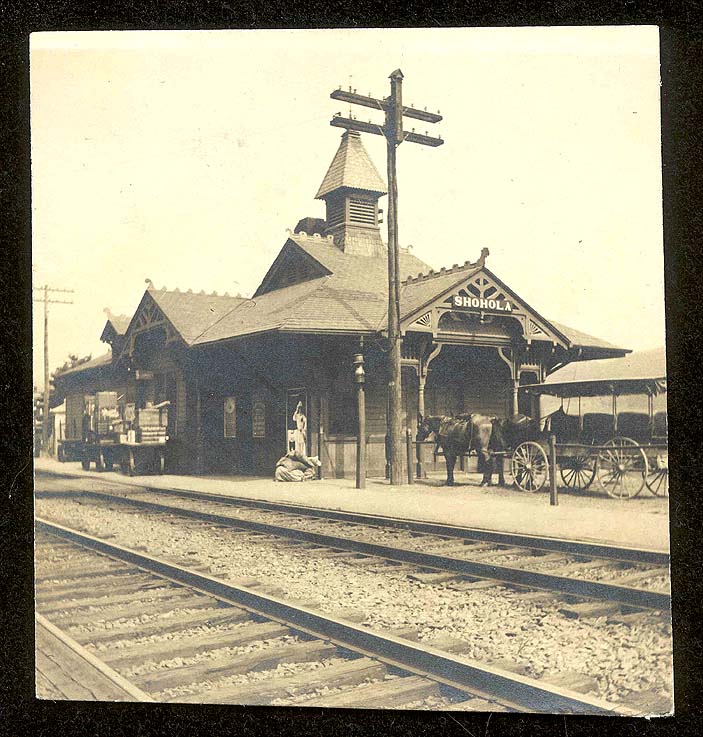 Erie Engine #237 arrived at Lackawaxen at 2:30 pm pulling 50 coal cars, loaded for Jersey City. Kent gave the all clear at 2:45. The main switch was opened, and Erie #237 joined the single track heading east out of Shohola.
 “[T]he wooden coaches telescoped into one another, some splitting open and strewing their human contents onto the berm, where flying glass, splintered wood, and jagged metal killed or injured them as they rolled. Other occupants were hurled through windows or pitched to the track as the car floors buckled and opened. The two ruptured engine tenders towered over the wreckage, their massive floor timbers snapped like matchsticks. Driving rods were bent like wire. Wheels and axles lay broken. The troop train’s forward boxcar had been compacted and within the remaining mass were the remains of 37 men”. Witnesses saw “headless trunks, mangled between the telescoped cars” and “bodies impaled on iron rods and splintered beams.”

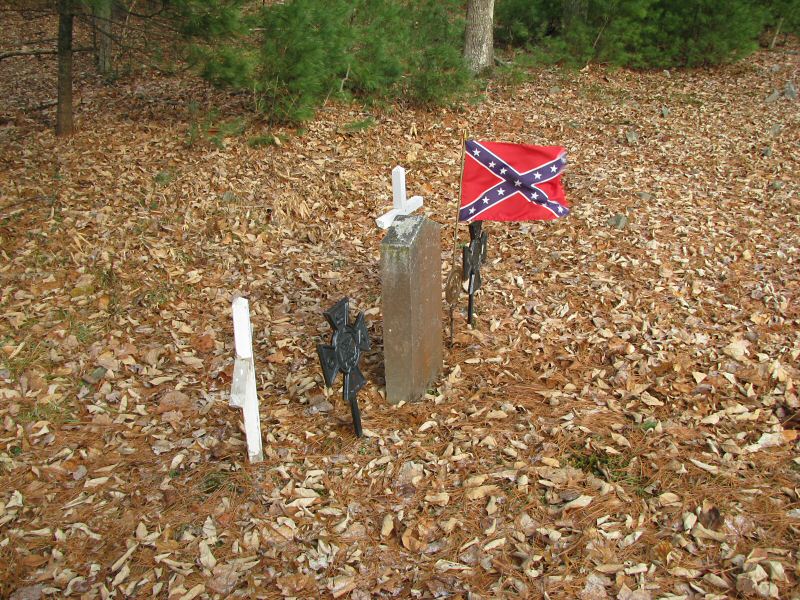 As the years went by, signs of all those graves were erased. Hundreds of trains carried thousands of passengers up and down the Erie Railroad, ignorant of the burial ground through which they passed.


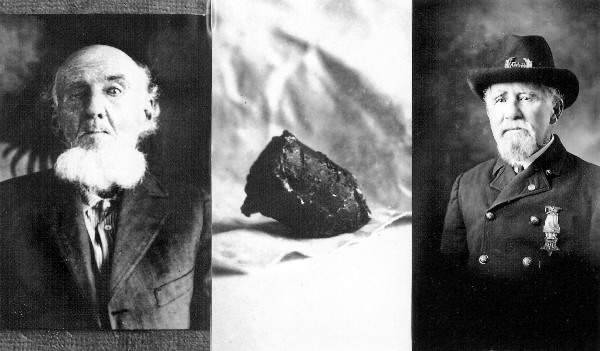
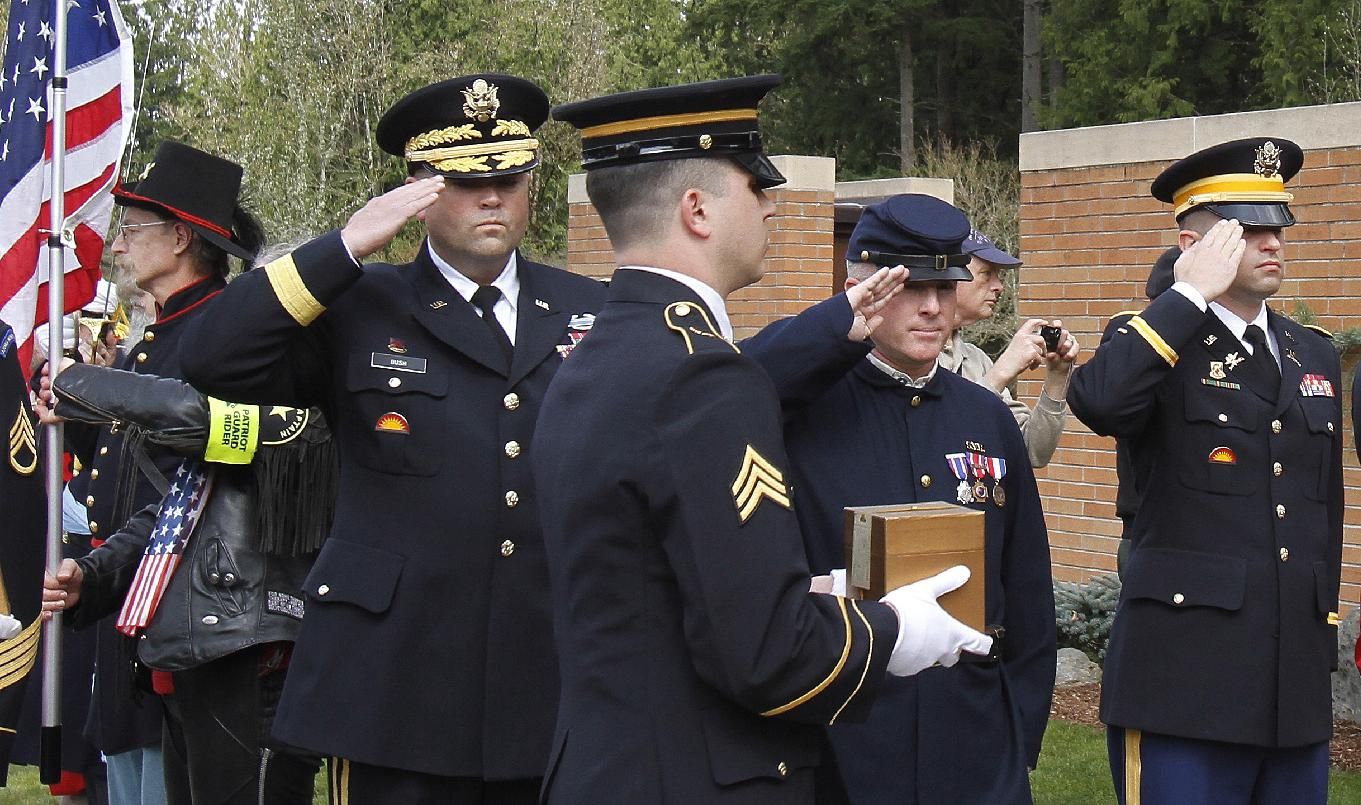

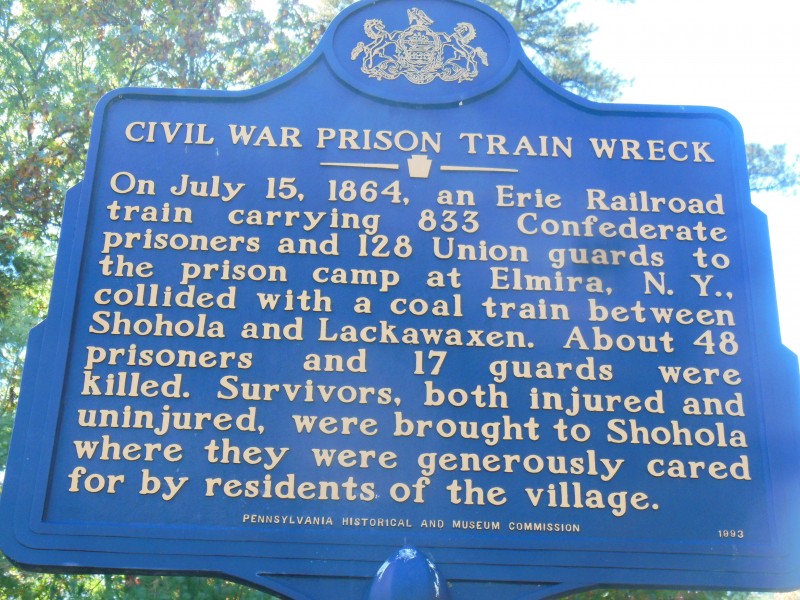

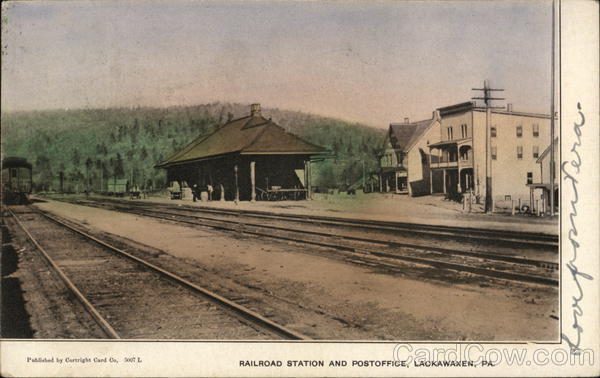
 Captured at Spotsylvania in early 1864, 52nd North Carolina Infantry private James Tyner was incarcerated at the Elmira camp at this time. Tyner’s brother William was one of the prisoners on board #171.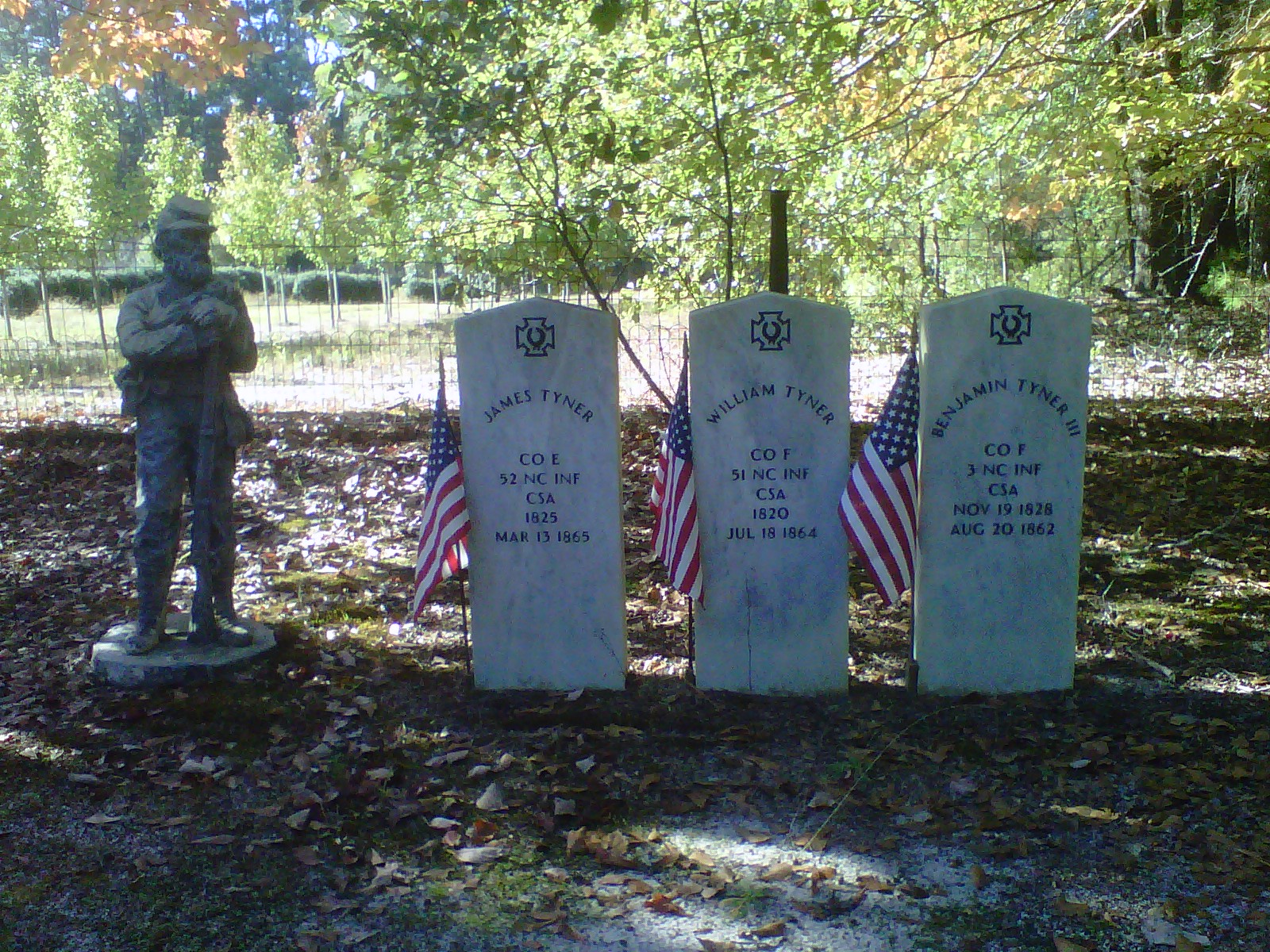

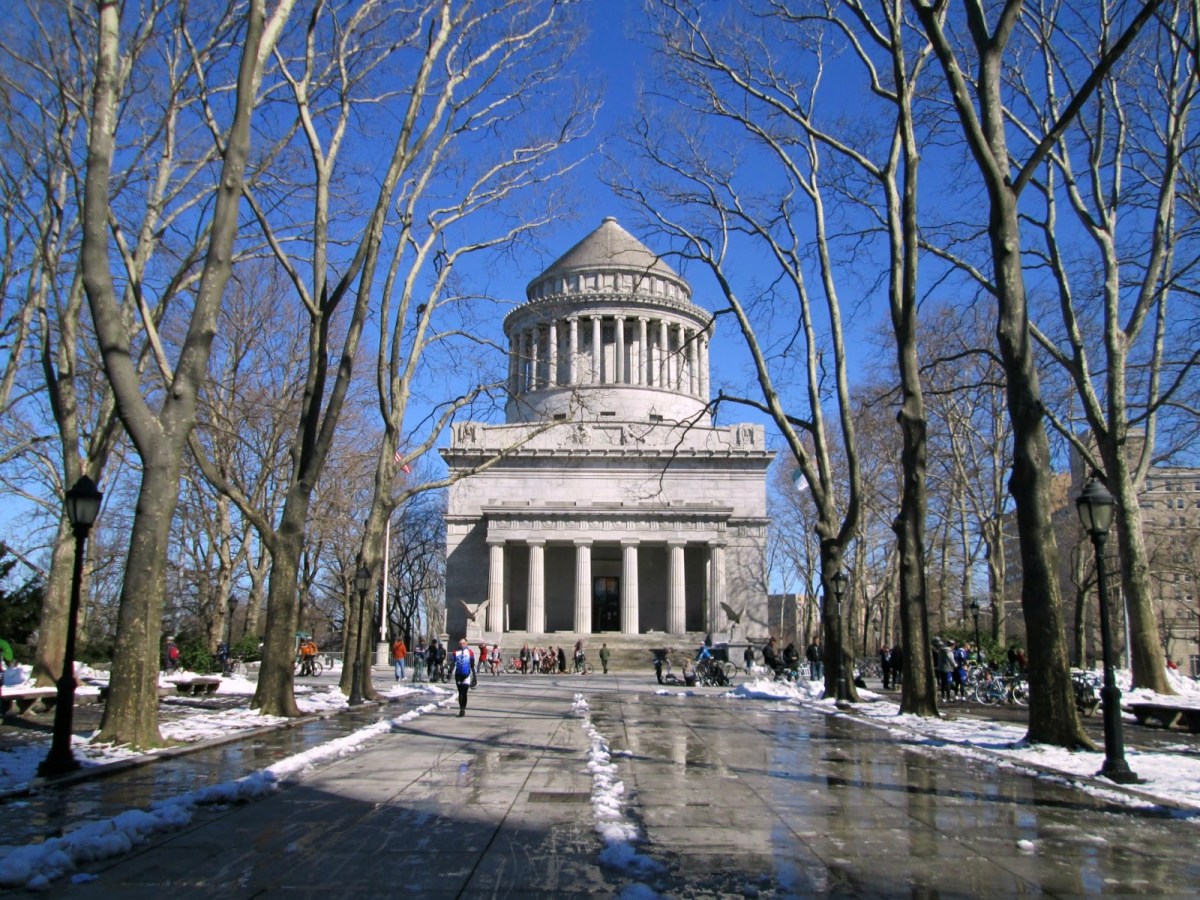

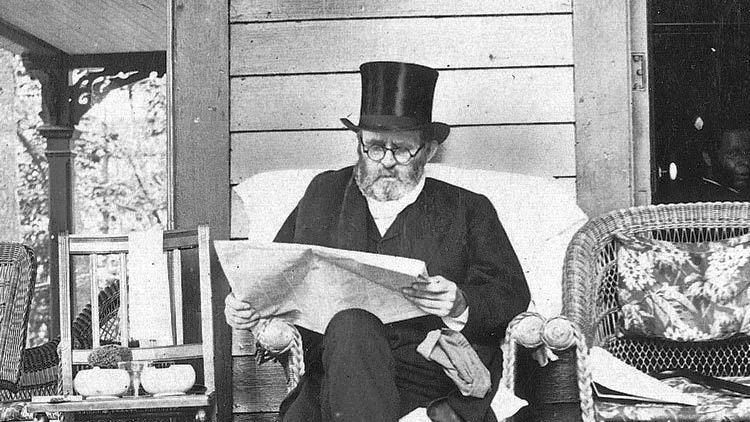
 Grant was a light smoker before Donelson, generally preferring a pipe, if anything. A reporter spotted him holding an unlit cigar during the battle, a gift from Admiral Foote. Soon, ten thousand cigars were sent to him in camp. The general gave away as many as he could, but the episode started a cigar habit which became one of his trademarks, and probably led to his death of throat cancer, in 1885.
 Grant bought a house in New York City in 1881 and invested his considerable fortune with the investment firm of Grant and Ward in which his son Ulysses, Jr., was a partner. The firm collapsed in 1884, investors fleeced and left penniless, by Ferdinand Ward.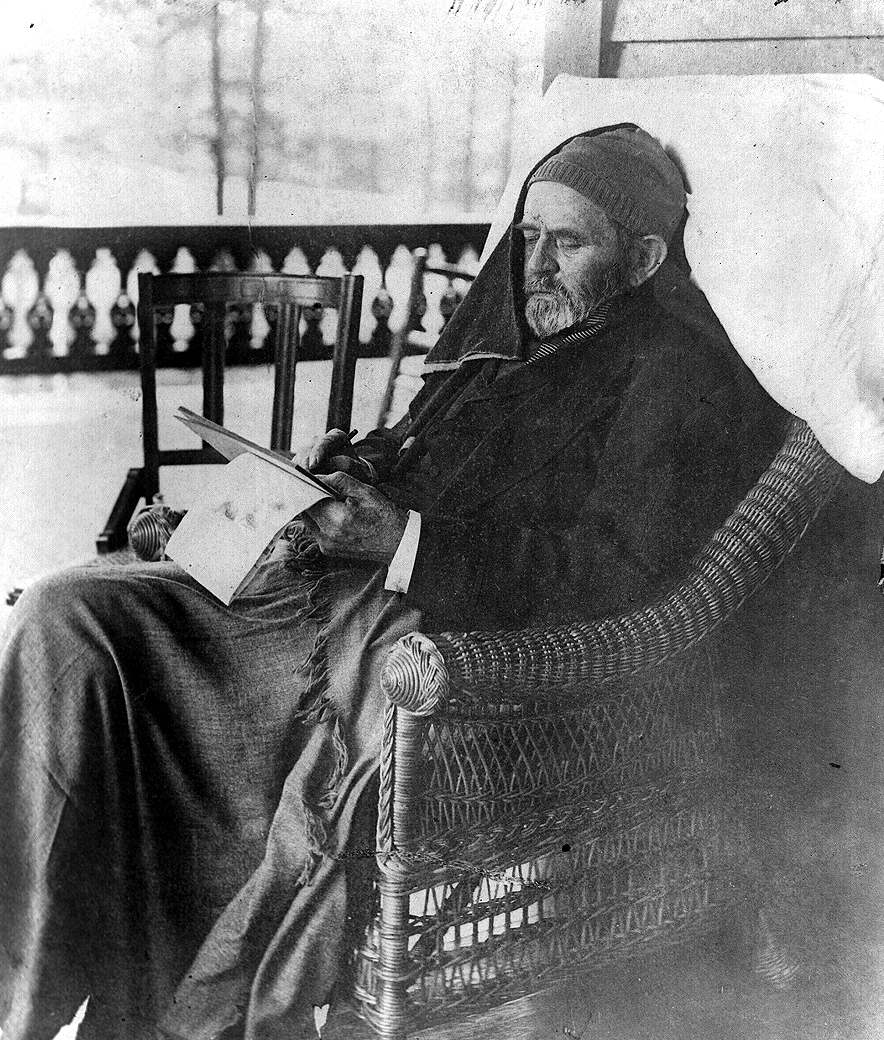

 Historical Easter Eggs - Today in History
You must be logged in to post a comment.